Innovation of the Week: New Membranes Cut the Cost of Seawater Desalination
Advanced generations of reverse-osmosis membranes promise lower energy use — what does that mean for coastal cities and mega projects?
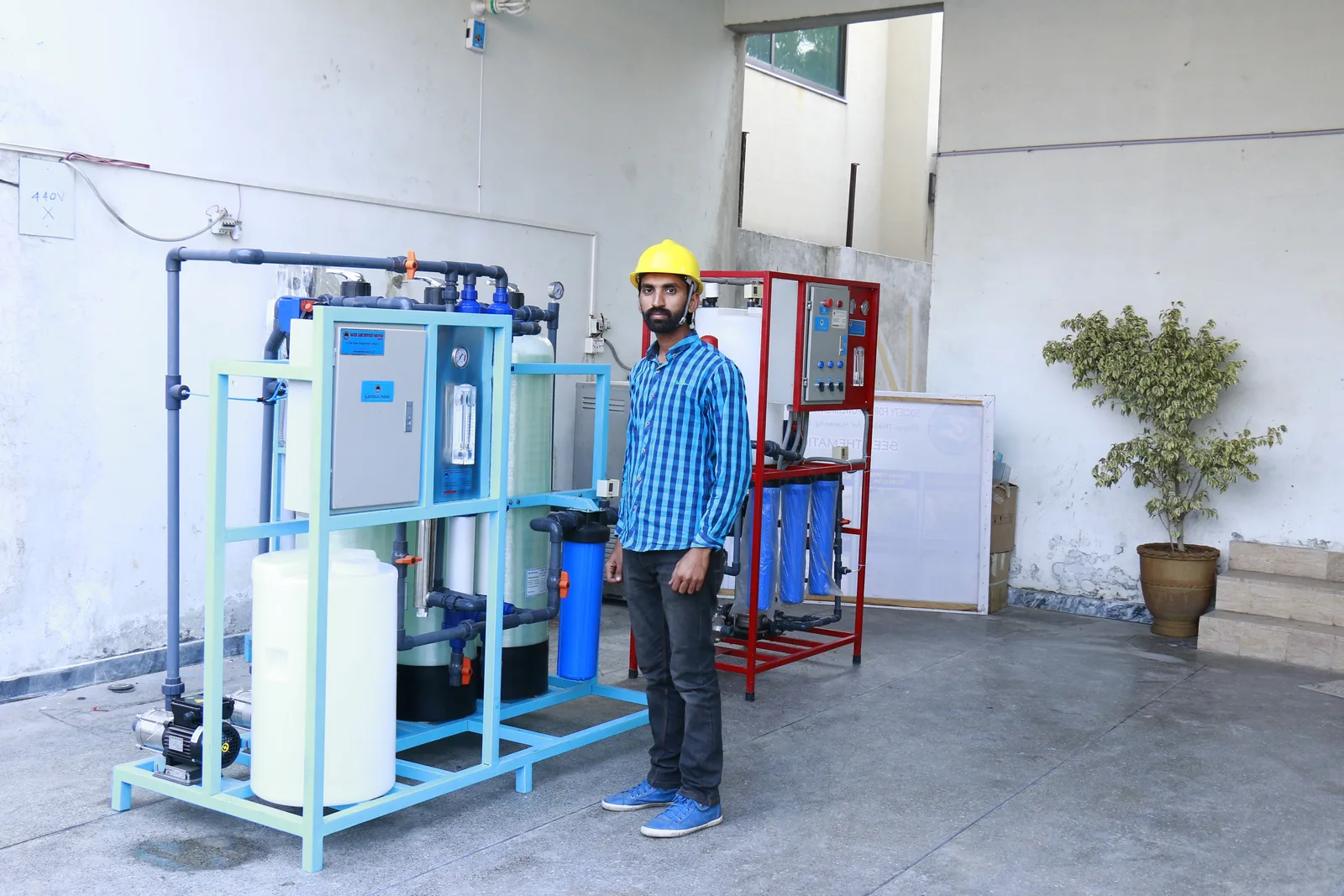
Laboratories worldwide are racing to build more efficient desalination membranes: higher water permeability, sharper salt rejection, longer operating life — the sum is less energy per cubic meter produced.
For Egypt, where desalination plants are expanding along the coasts, every percentage of energy savings translates directly into cheaper water and stronger feasibility for new coastal cities.
In Science Answers: we take your questions on the technology — send them through the Voice of the Citizen gate.
Related Stories
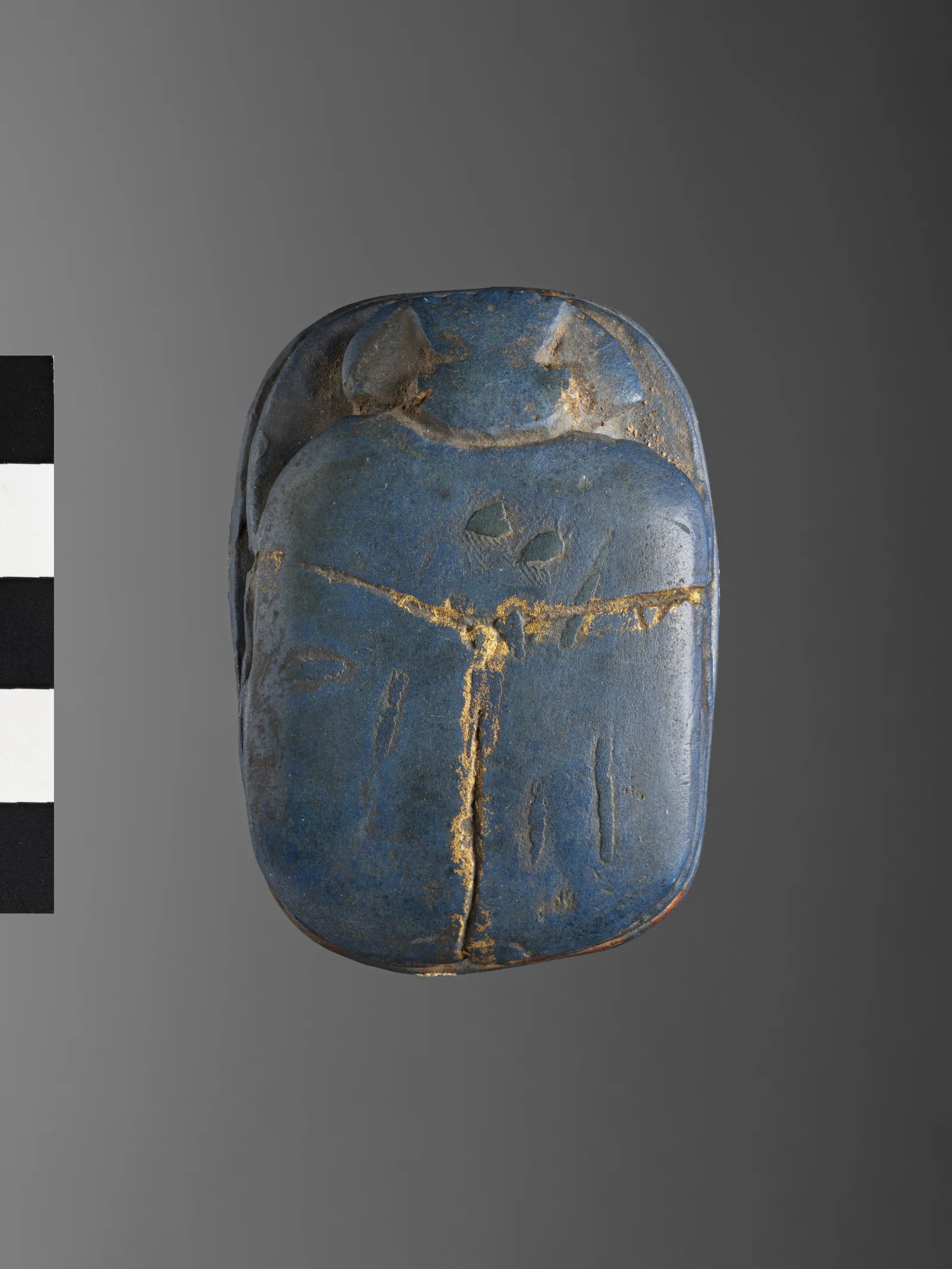
Egyptian Blue: History's First Synthetic Pigment Is Back, Lifting Fingerprints and Lighting Up Cells
A blue that Egyptian chemists made from sand, copper and lime thousands of years ago turned out, in 2013, to break apart into nanosheets that glow in the infrared. It has since become a powder that reveals fingerprints in Australia and a probe that lights up fly embryos and plant leaves in Germany. The story of an ancient material with a thoroughly modern property, and a question about our own laboratories today.
September 17, 2026 · 7 min read
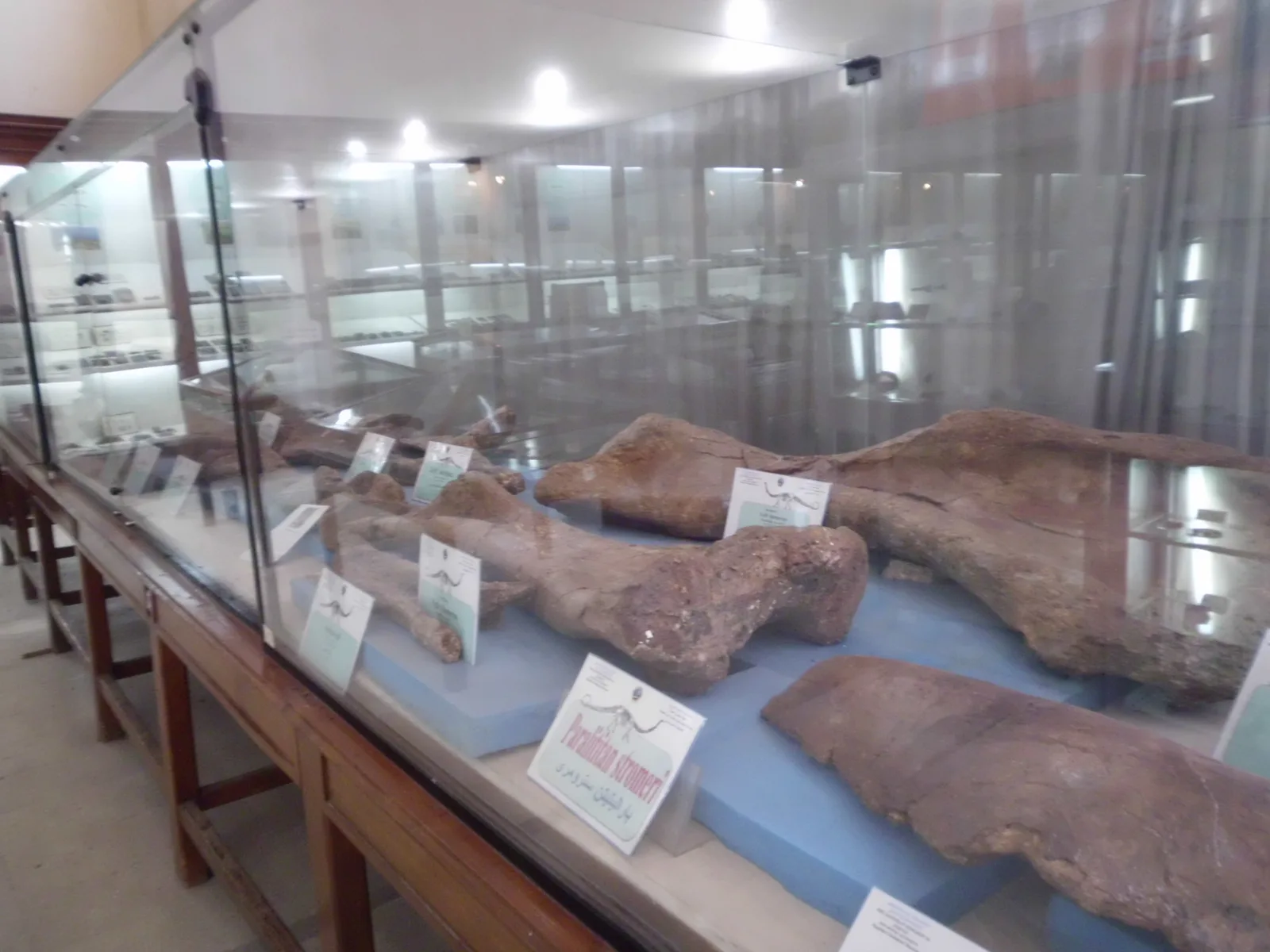
Eighty Million Years Before the Pharaohs: Mansoura's Dinosaur and the Oasis Fossils the War Burned
Egyptian students from Mansoura University pulled from the rocks of Dakhla Oasis the bones of Mansourasaurus, the most complete Late Cretaceous dinosaur skeleton ever found in Africa. A century before them, a German scientist laid the dinosaurs of Bahariya Oasis to rest in Munich, and the war burned them. The story of the Earth's archive in Egypt's desert, and of a science your child can study here.
September 8, 2026 · 7 min read
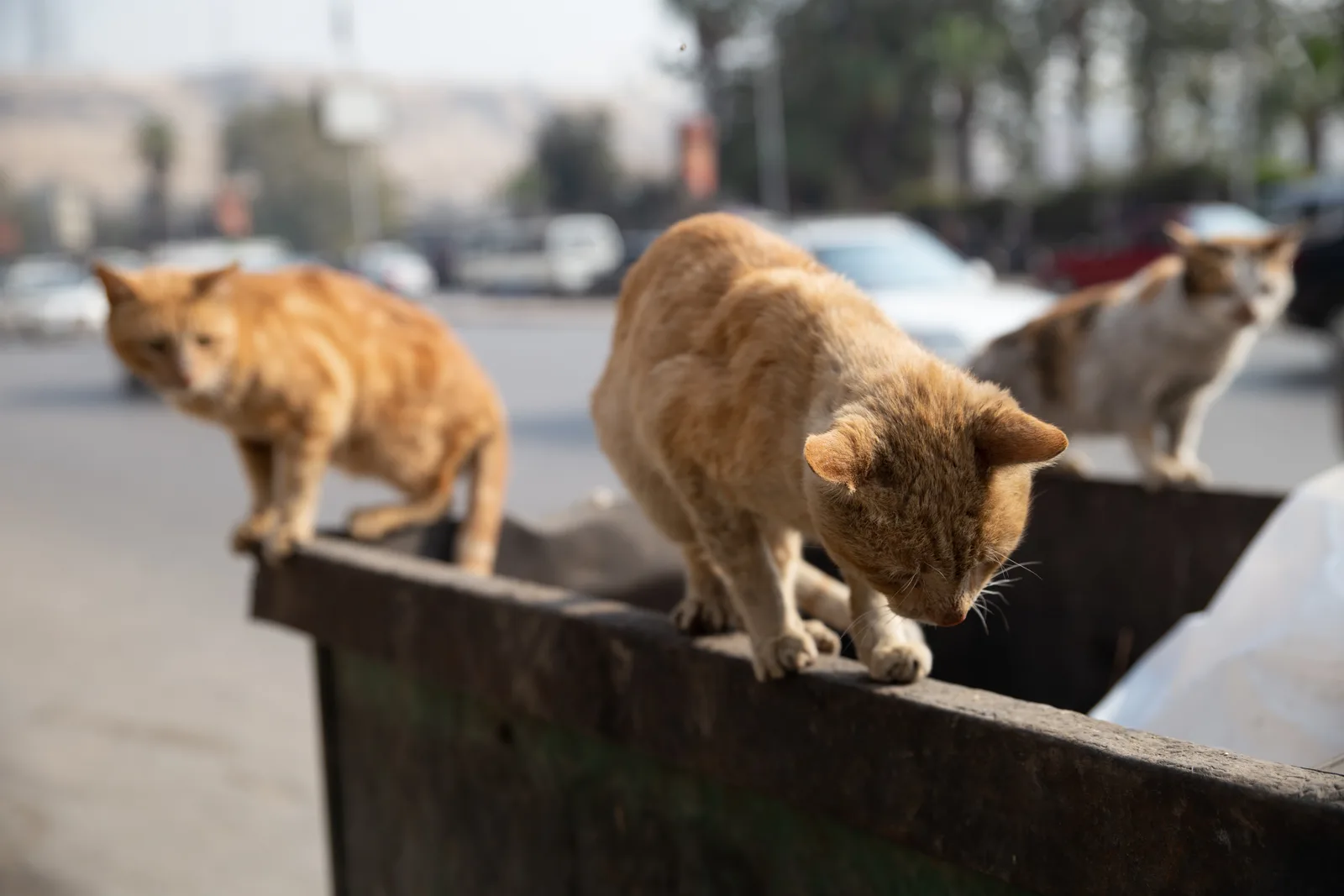
Keda Ghalat (That's Just Wrong): Harming an Animal Has Been a Crime Under Egypt's Penal Code Since 1937
A neighbour sets out poisoned bowls beside the school wall; a cart driver beats his donkey across the face to make it haul a load beyond its strength. Many assume that "just an animal" means no law protects it. In fact, Articles 355, 356 and 357 of the Penal Code punish killing, poisoning and harming animals with penalties that go as far as prison. On the eve of World Animal Day, we explain what the law says and what the right thing to do is.
October 3, 2026 · 6 min read