Legislative Quality Index
The first Arab index scoring every draft law out of 100 against five published criteria
Legislation PlatformThe Truth
Lies dispelled by facts
The Claim
“A Cold Shot Cures a Cold”: A False Claim, and What Trials Say About the “Power” of the Vein
View AllLatest News
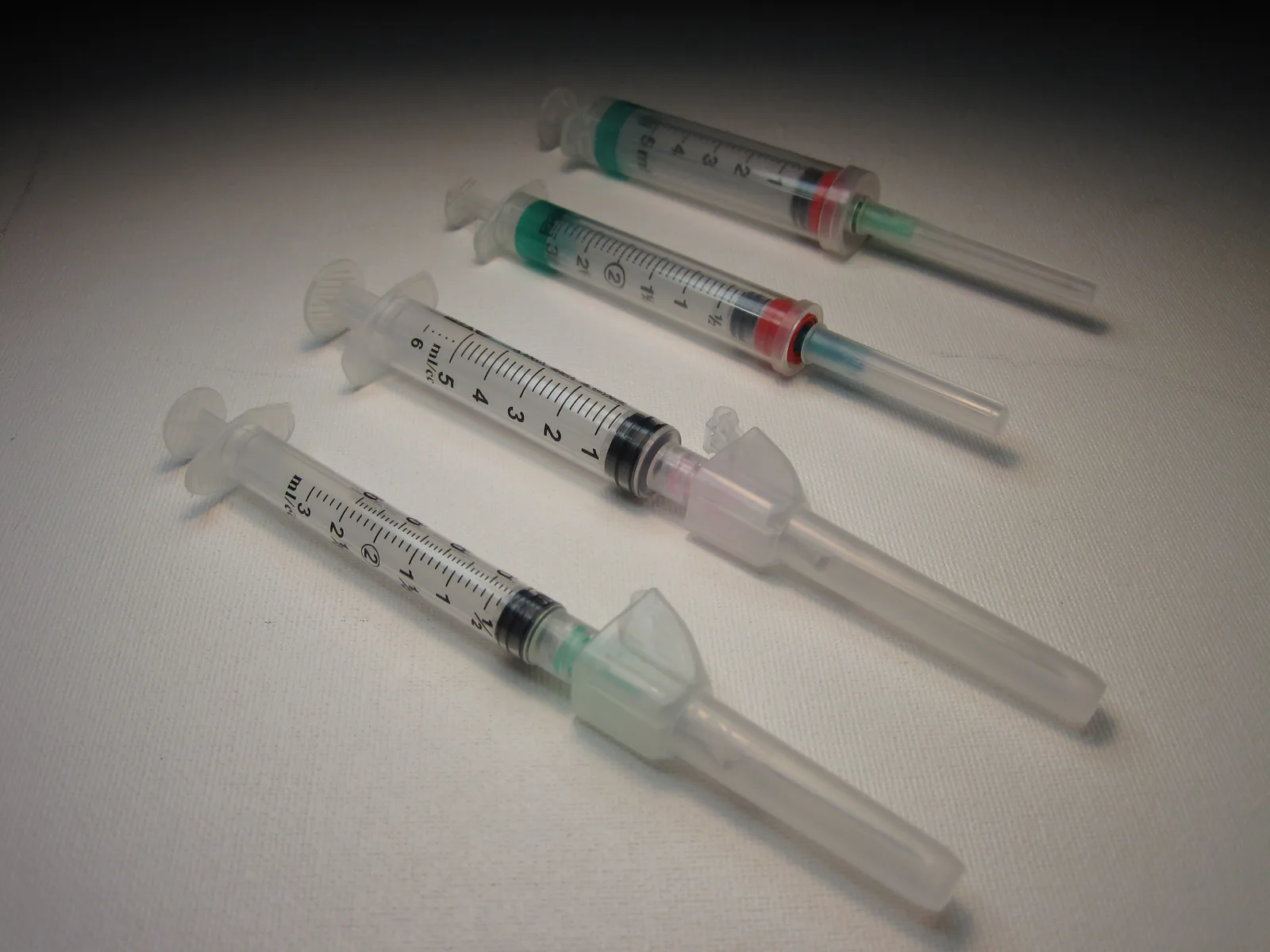
“A Cold Shot Cures a Cold”: A False Claim, and What Trials Say About the “Power” of the Vein
“Forget the pills, take a shot and you'll be back on your feet” is advice that returns with the first chill of every year. We test two claims: that a “cold shot” cures a cold, and that an injection is inherently stronger than tablets. Verdict: false. The evidence lies in the mixture itself, in randomized trials comparing vein with mouth, and in an official Egyptian guide. The route of a medicine is the doctor's decision alone.
November 22, 2026 · 9 min read

The Silent Killer in the Bathroom: The Danger Is Not the Gas Heater but an Unventilated Room and Neglected Upkeep
With the first cold snap each year, Egyptian homes light their gas water heaters and shut their windows, turning a small bathroom into a room with no fresh air. Carbon monoxide has no colour, smell or taste, and its early symptoms are easily mistaken for a cold or fatigue. Here is what official sources say about the real cause of the danger, and the order of actions in the first minutes that could save a whole family.
November 21, 2026 · 8 min read
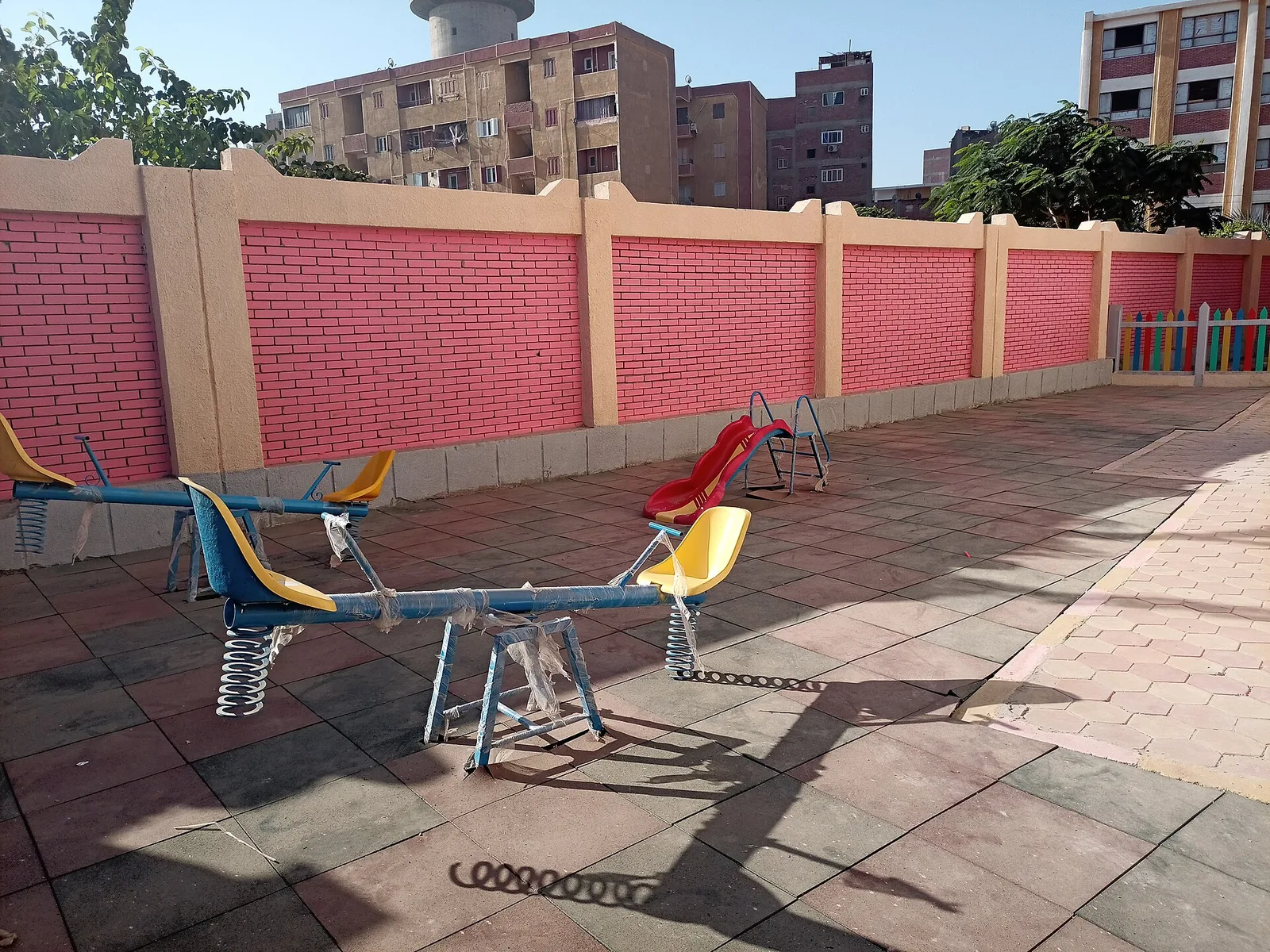
World Children’s Day: What Article 80 of Egypt’s Constitution and the Child Law Actually Guarantee Your Child
On November 20 the world marks Children’s Day, an anniversary of texts rather than of an event. We read Article 80 of the Constitution as published, trace Egypt’s 1990 ratification of the Convention on the Rights of the Child, review the penalties Law 186 of 2023 rewrote in the Child Law, and explain what a parent can do when a right breaks down.
November 20, 2026 · 8 min read
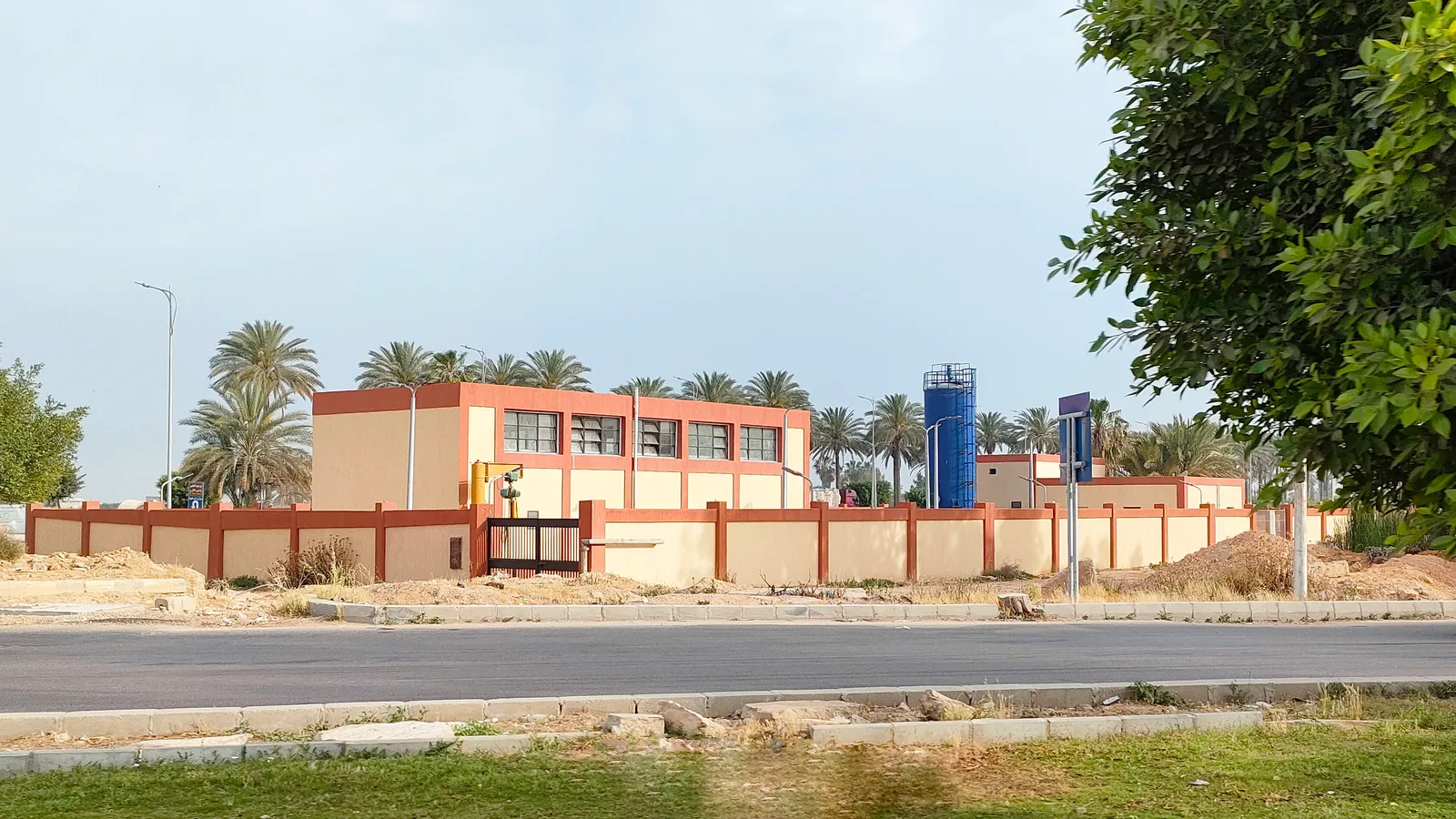
World Toilet Day: Four in Ten Egyptians Fall Outside “Safely Managed” Sanitation, UN-Water 2024 Data
On November 19 the world marks World Toilet Day. UN-Water data for 2024 says 57% of Egyptians use safely managed sanitation, meaning about four in ten fall outside that measure. But what does “safely managed” actually mean, and how does it differ from access? A definition first, then the number, then what ministry statements and the Decent Life targets say.
November 19, 2026 · 8 min read

157 Years After the Suez Canal Opened: Hundreds of Species Reached the Mediterranean, and the “Rabbit Fish” Story
The canal opened to shipping 157 years ago this week, and it did more than link two ports: it joined two seas that had been separate for millions of years, starting a marine migration scientists call “Lessepsian.” The story ends at the fish counter: one species carries a poison that cooking does not destroy, while the popular name is also used for other fish that are caught, sold and eaten safely.
November 18, 2026 · 9 min read
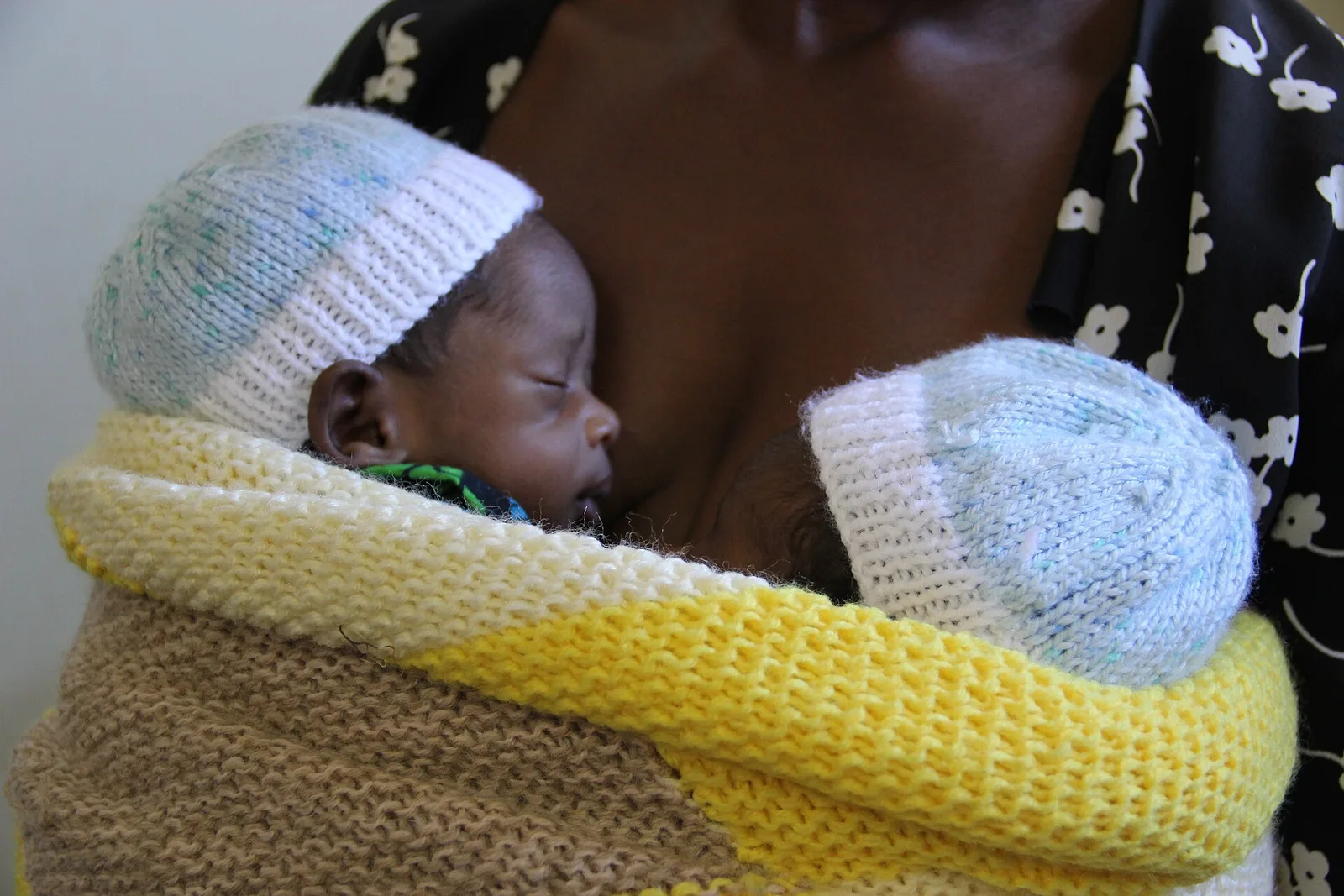
Skin-to-skin contact from the first minutes: WHO’s 2022 recommendations and 2025 guide, alongside incubator care
Two days after World Prematurity Day, which the World Health Organization has moved to November 15, we explain to families waiting outside the newborn unit what the weeks mean, what the WHO advised in 2022 and in its 2025 guide on starting kangaroo care at once, why a critically ill baby is treated medically first, and why we have no reliable Egyptian figure.
November 17, 2026 · 8 min read
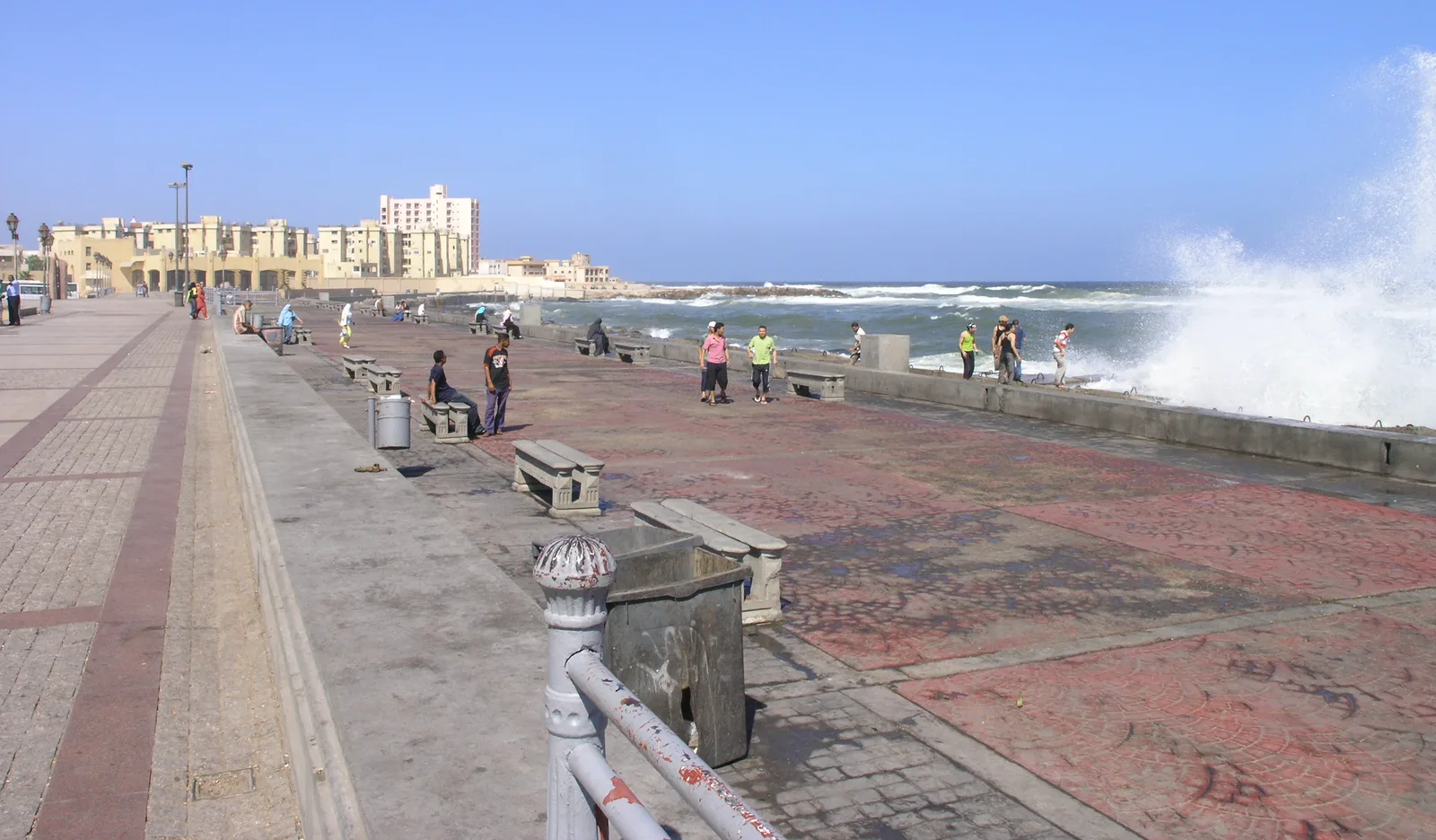
“The nawwat have fixed dates the calendar knows in advance”: misleading. The season is real; the date is not science
Every November the same table returns to our phones: al-Miknasa on 16 November, Qasim on 4 December, as if rain kept an appointment in the calendar. Egypt’s meteorological authority says there is no fixed scientific start date for the nawwat and the names are popular, not official. The table’s attribution also shifts between two bodies, and we could not find it on either site. We debunk the claim, honour the heritage and show how to check.
November 16, 2026 · 8 min read
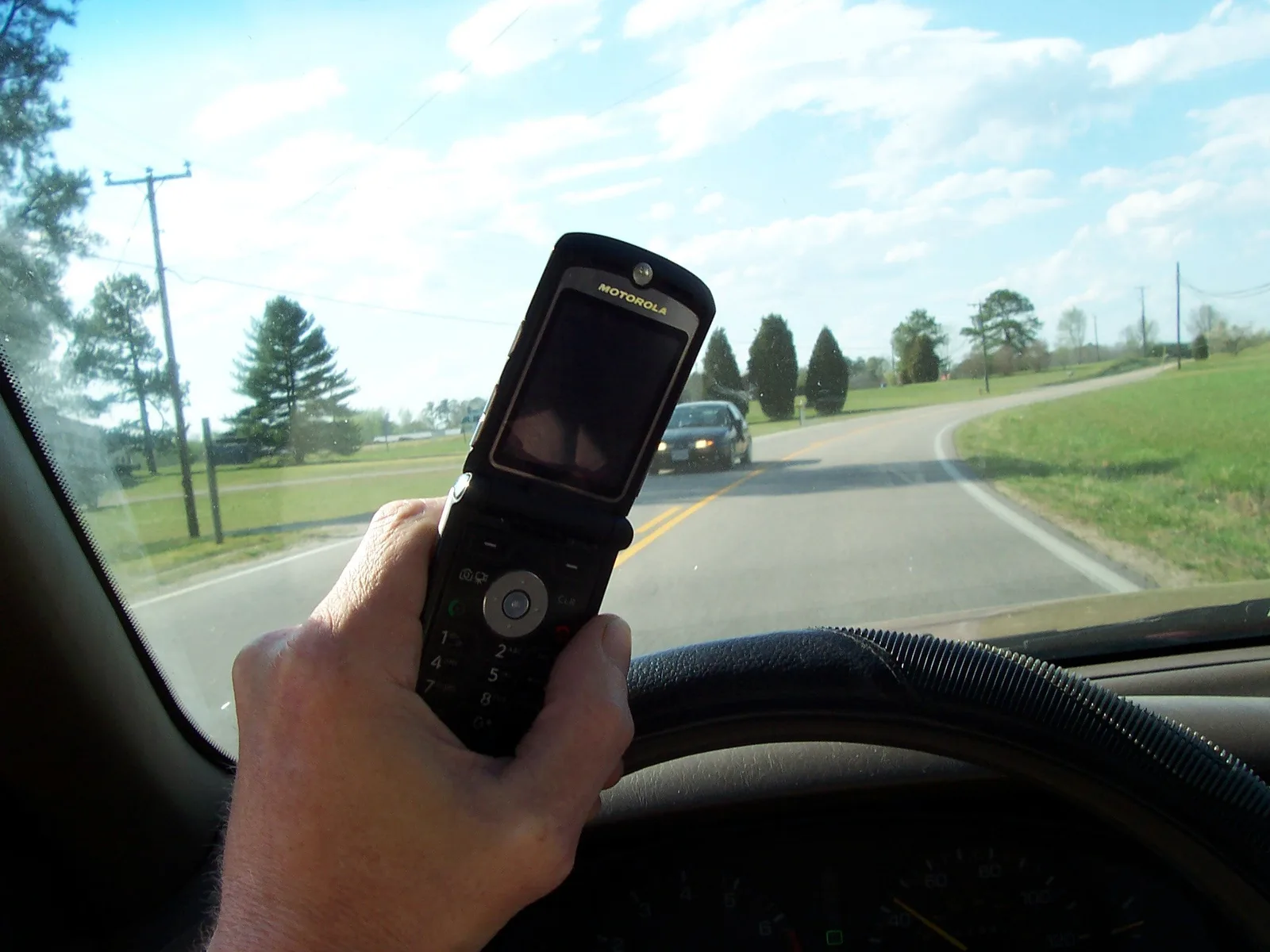
“That’s Wrong”: One Glance at the Screen — WHO Says Drivers Who Use Phones Are About Four Times as Likely to Crash
On the World Day of Remembrance for Road Traffic Victims, marked today on the third Sunday of November, we look at a habit seen on every street that seems harmless: the phone in hand behind the wheel. The World Health Organization says drivers who use a phone are about four times as likely to crash, and that hands-free kits are not much safer, because the problem is attention, not the hand.
November 15, 2026 · 8 min read
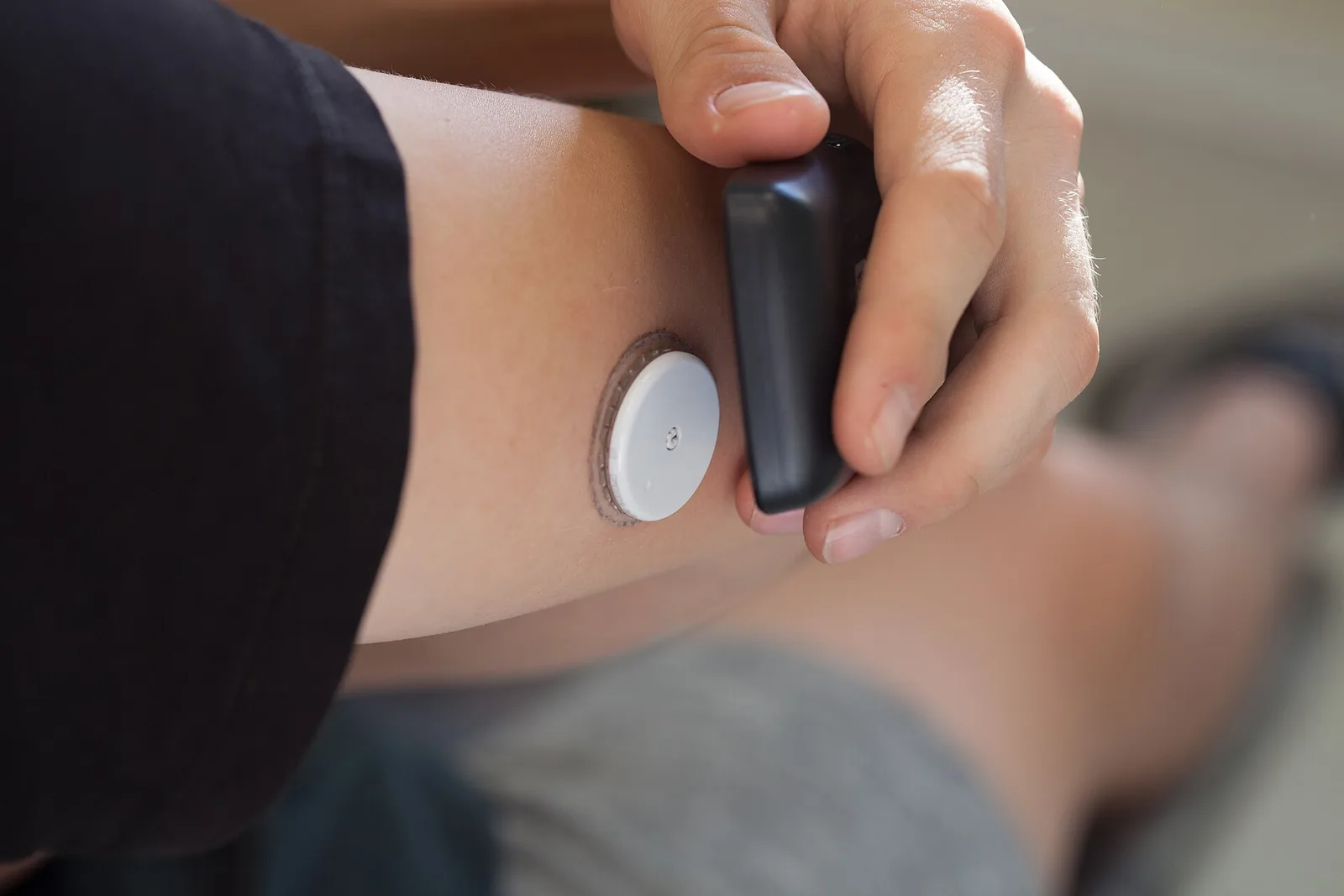
A Child With Diabetes in the Classroom: What Your Son or Daughter Needs From School on World Diabetes Day
Egypt's Ministry of Health and Population estimates that about 55,000 children in the country live with type 1 diabetes. Their daily struggle is not in the clinic but in the classroom: when to test, where to keep medication, and who knows what to do if blood sugar drops during PE. A calm guide for parents and schools, with not a single dose in it.
November 14, 2026 · 8 min read
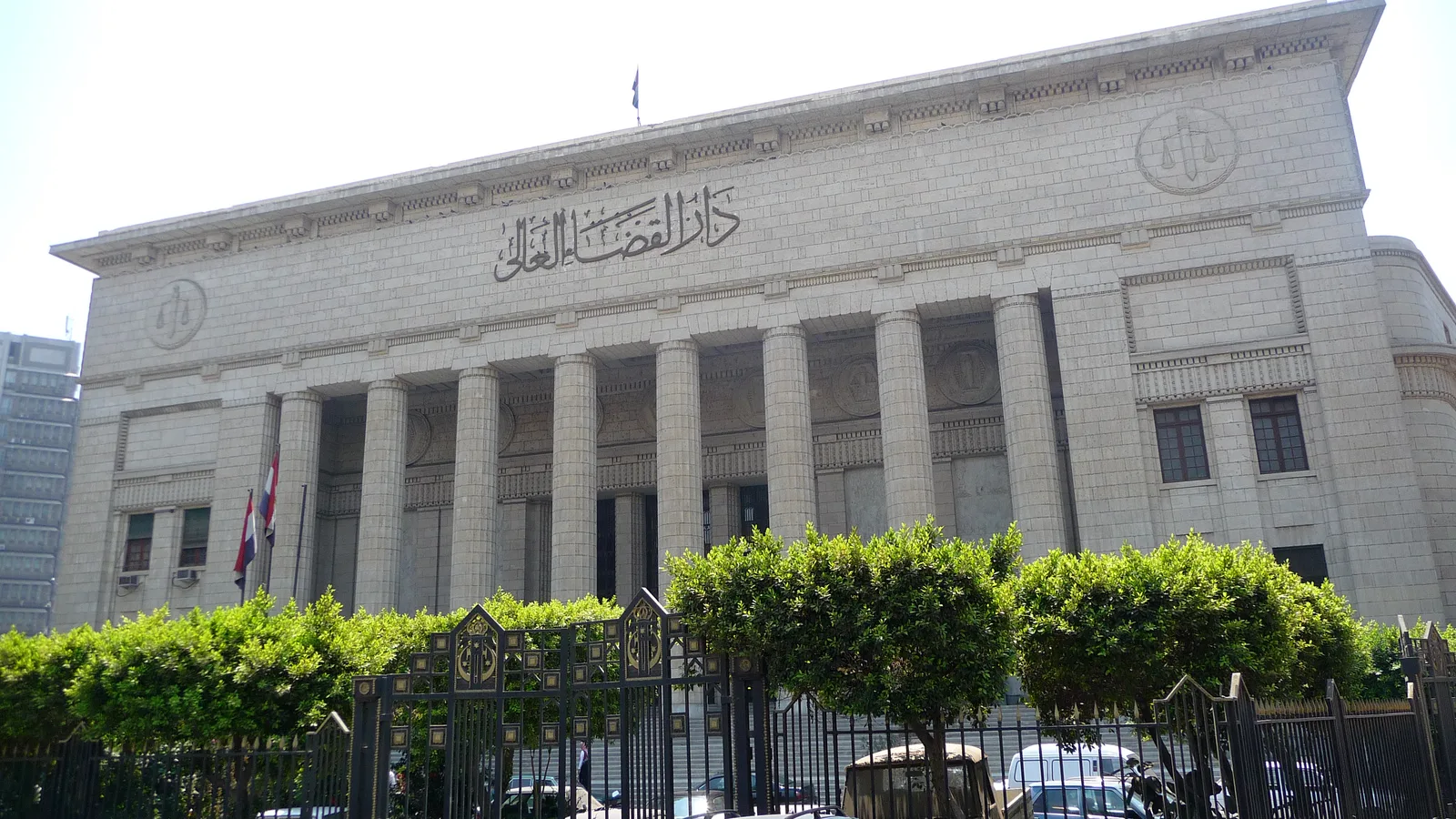
Know Your Rights: An Alimony Judgment in Hand but No One Pays? The Route Egyptian Law Sets Through Nasser Social Bank
A court judgment for alimony in hand, and not a pound arrives. Egyptian law in force as of this writing sets a second route alongside ordinary enforcement: Nasser Social Bank pays court-ordered support to those entitled to it, then recovers the money from the debtor. We trace the path from the family dispute settlement office to wage deductions, and flag a bill before the House of Representatives at the time of writing that may redraw it.
November 13, 2026 · 8 min read

“Laila” (1927): The Film Historians Count as the First Purely Egyptian Feature, Produced by a Woman at Home
In November 1927 a silent film called “Laila” was shown. Aziza Amir produced it and starred in it after turning part of her Garden City home into a studio. It is a story of individual daring, eight years ahead of Egypt’s first fully equipped studio, of an old dispute over who deserves the title of “first,” and of a lesson for any reader with a camera in their pocket.
November 12, 2026 · 8 min read

“Parcel on hold: update your details via the link”: a text that doesn’t update your account but opens it to others
A text says your parcel is stuck or your details need updating; one link will fix it. The claim: a message asking you to update your details through a link is an official message from the post office or bank. Verdict: false. Egypt Post denies asking for confidential data or updates through unofficial links; the Central Bank warns against links and sharing codes. How to read the message, and what to do at once if you entered your details.
November 11, 2026 · 8 min read
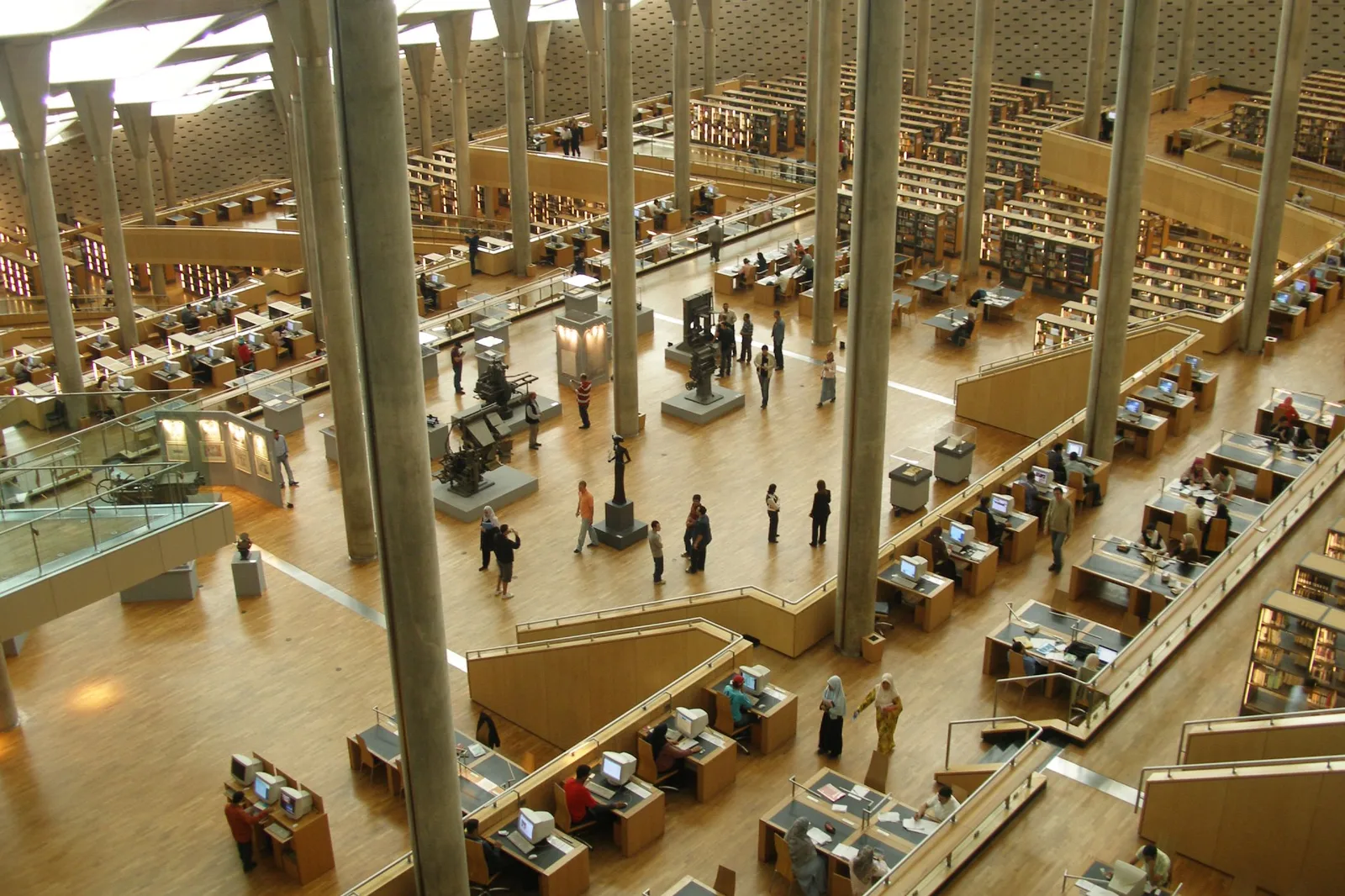
On World Science Day, how does a non-specialist read a scientific study, and who opens the door to one in Egypt?
A message arrives after midnight beginning “a new study confirms”, and anyone who tries to check it hits a page demanding tens of dollars. On World Science Day for Peace and Development, we explain the legal routes to studies in Egypt, what peer review means, and why one study of twenty people is not a final verdict.
November 10, 2026 · 9 min read
Five Matters on Which the Constitution Requires the Senate’s Opinion, and What It Means for the Chamber to “Notify” It
Article 249 of Egypt’s Constitution limits the Senate’s opinion-giving role to five matters and ends with one sentence: “The Senate shall notify the President of the Republic and the House of Representatives of its opinion on these matters.” A plain reading of who refers a matter, what the text says, what it leaves unsaid, and where readers can check for themselves.
November 9, 2026 · 8 min read

From Sharm el-Sheikh to Antalya: What Is COP, and What Remains for Egypt From Hosting the 2022 Climate Conference?
The name “COP” is back in the news. The 31st climate conference is scheduled for Antalya from 9 to 20 November 2026, per the UN climate secretariat’s timetable. This article reports nothing from its sessions. It explains what COP is, how it decides by consensus, and what remains for Egypt from hosting in Sharm el-Sheikh in 2022: a decision creating a loss and damage fund, and funding targets rather than money spent.
November 8, 2026 · 9 min read
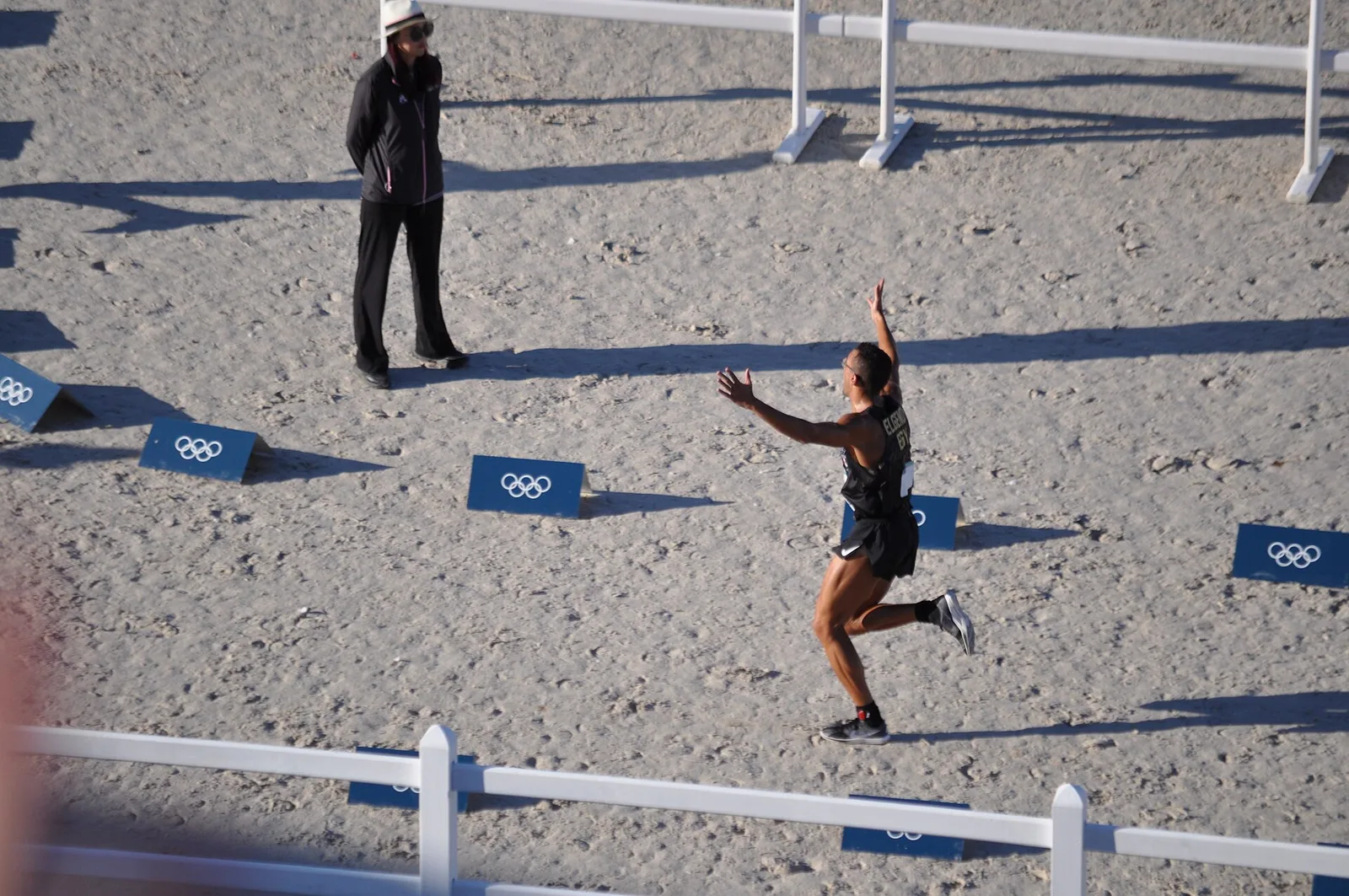
Five Sports in One Day: How Modern Pentathlon Is Scored, and Why an Obstacle Course Replaced Riding
A total of 1,555 points at Versailles, and a 13-point margin that the international federation's report read as 13 seconds at the finish line. An inside look at modern pentathlon: how scoring turns every mistake into seconds, how a child trains in five sports in one week, what the sport demands of a pool, a track and a fencing hall, and why riding is no longer part of it.
November 7, 2026 · 8 min read
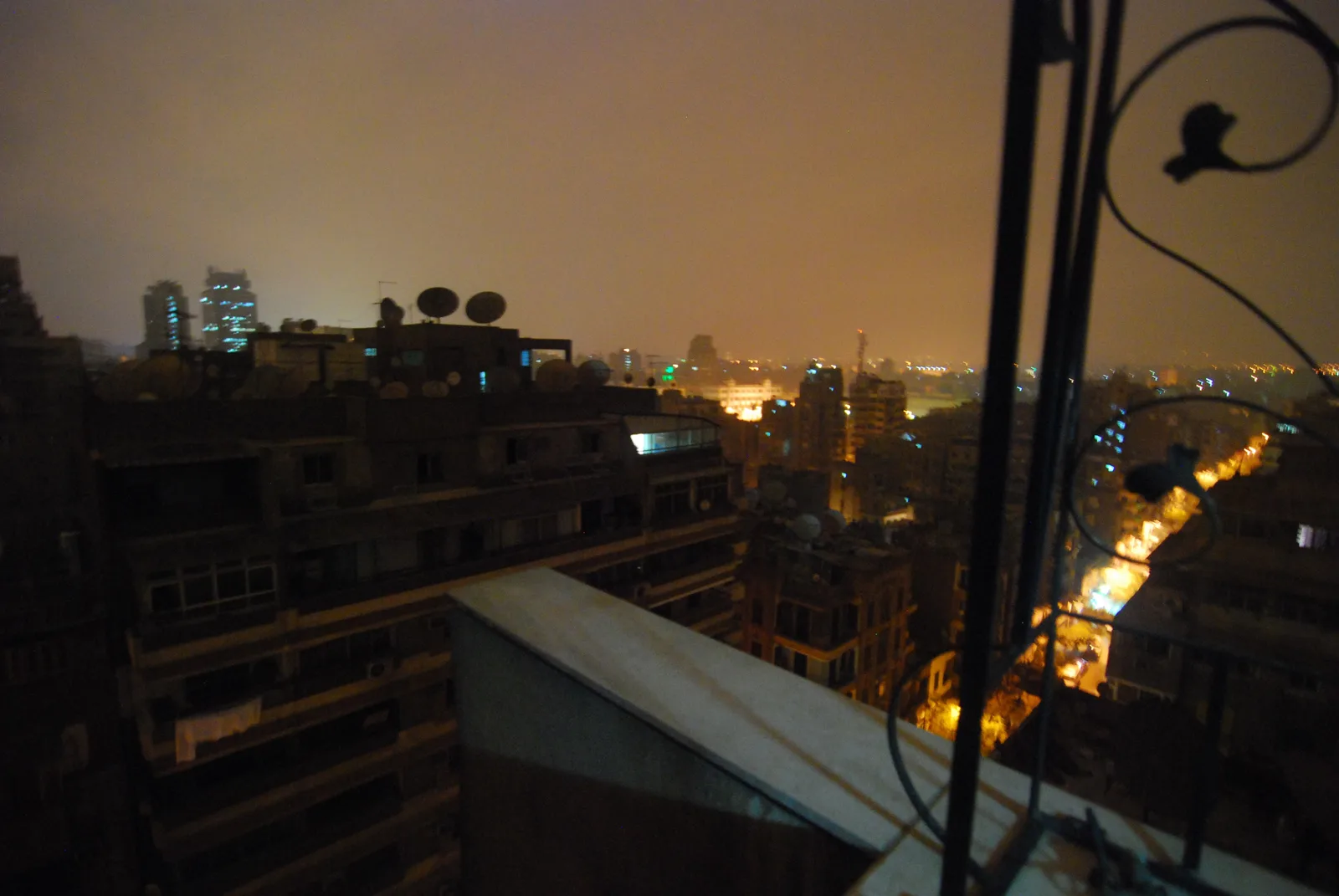
“Kida Ghalat”: Loudspeakers on a Residential Street After Midnight. Your Joy Is a Right, and So Is Your Neighbour’s Rest
A wedding marquee, a band and a loudspeaker beneath balconies where a student is revising, a sick woman is resting and a two-month-old baby is sleeping: when does a legitimate celebration become noise the law asks about? We separate a licensed hall, bound by the sound limits of the environment law, from a private street party, and propose an announced finishing time and sound aimed inward, so the joy and the neighbours’ night can both be kept.
November 6, 2026 · 8 min read
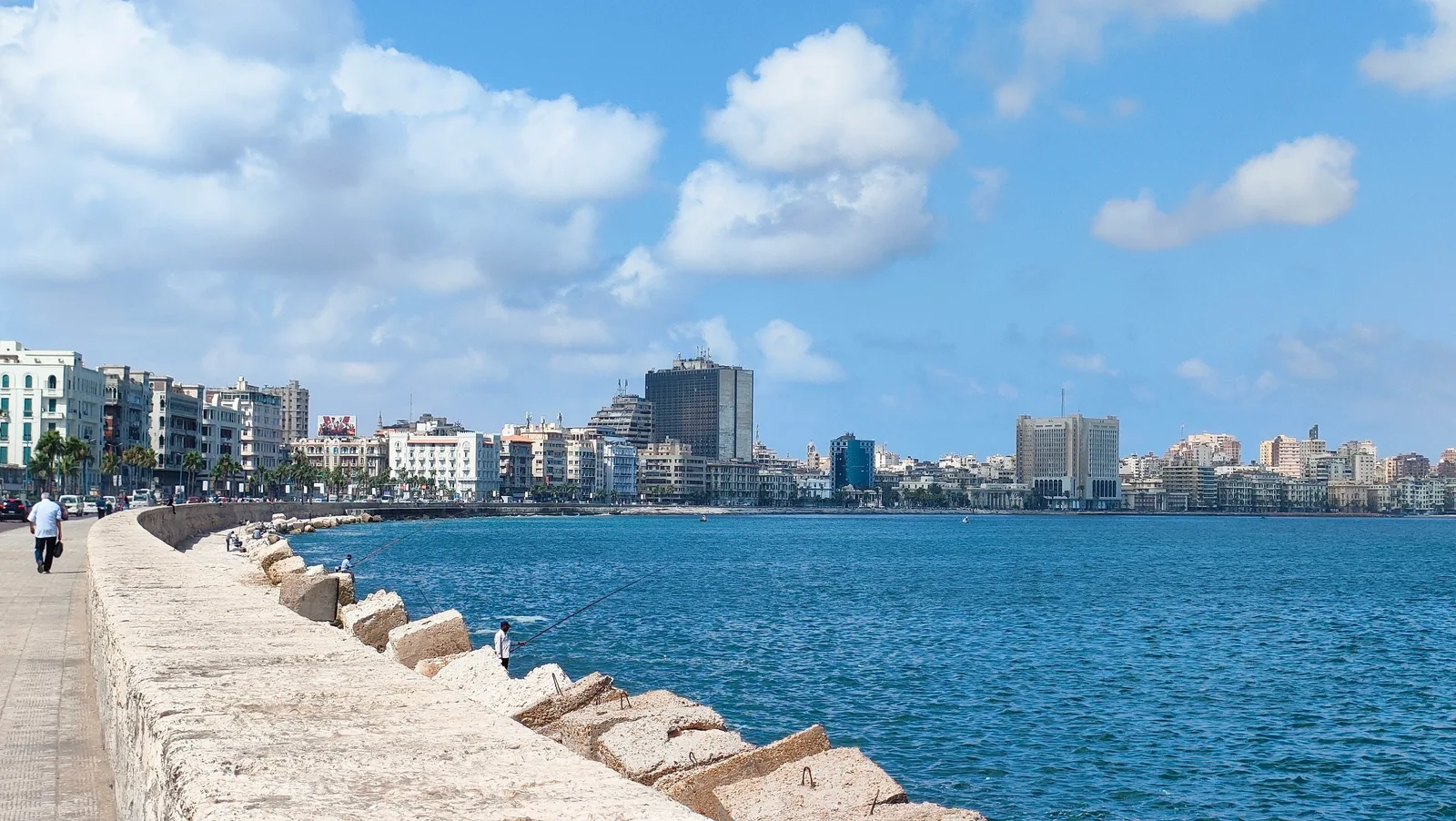
Alexandria's 'Day of Terror': What Happened in July 365, and How Science Watches the Med
On November 5 the world marks World Tsunami Awareness Day. We look back to July 21, 365 CE, when the sea withdrew from Alexandria's shore and then returned, and ask: what does science say about that story today? Why is Mediterranean warning time measured in minutes, not hours? And how did Alexandria become the first 'Tsunami Ready' city in Egypt and Africa?
November 5, 2026 · 7 min read
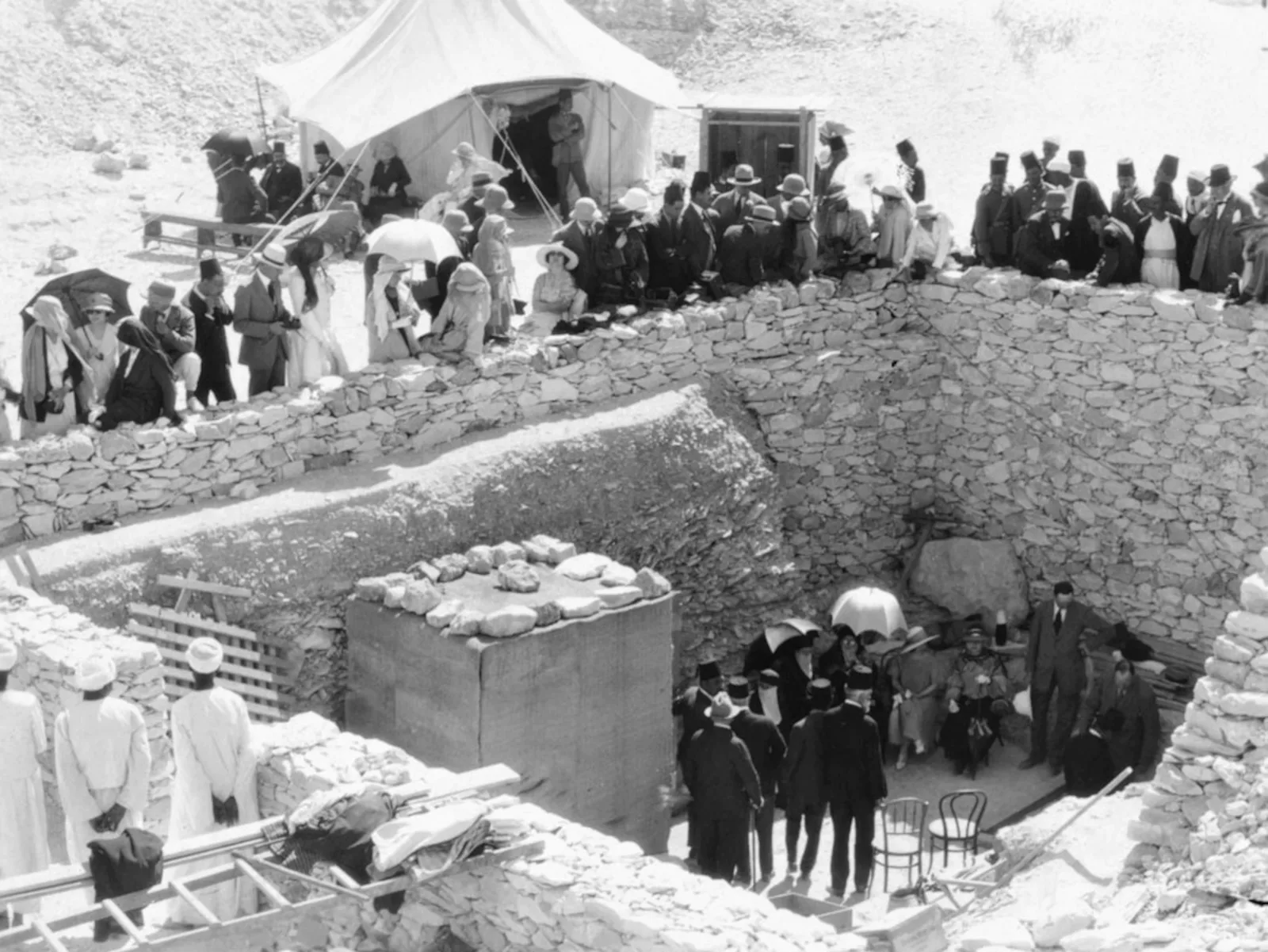
Nov. 4, 1922: The First Step From 'Wonderful Things' to the Tutankhamun Hall
On this day a hundred and four years ago, workers' picks in the Valley of the Kings uncovered the edge of a step cut into the rock, and a story began that bears no resemblance to treasure tales: the story of a principle that decreed everything inside an intact tomb belongs to Egypt alone. We trace what happened, date by date, and explain how that principle became written law that still governs every artifact pulled from the ground today.
November 4, 2026 · 9 min read
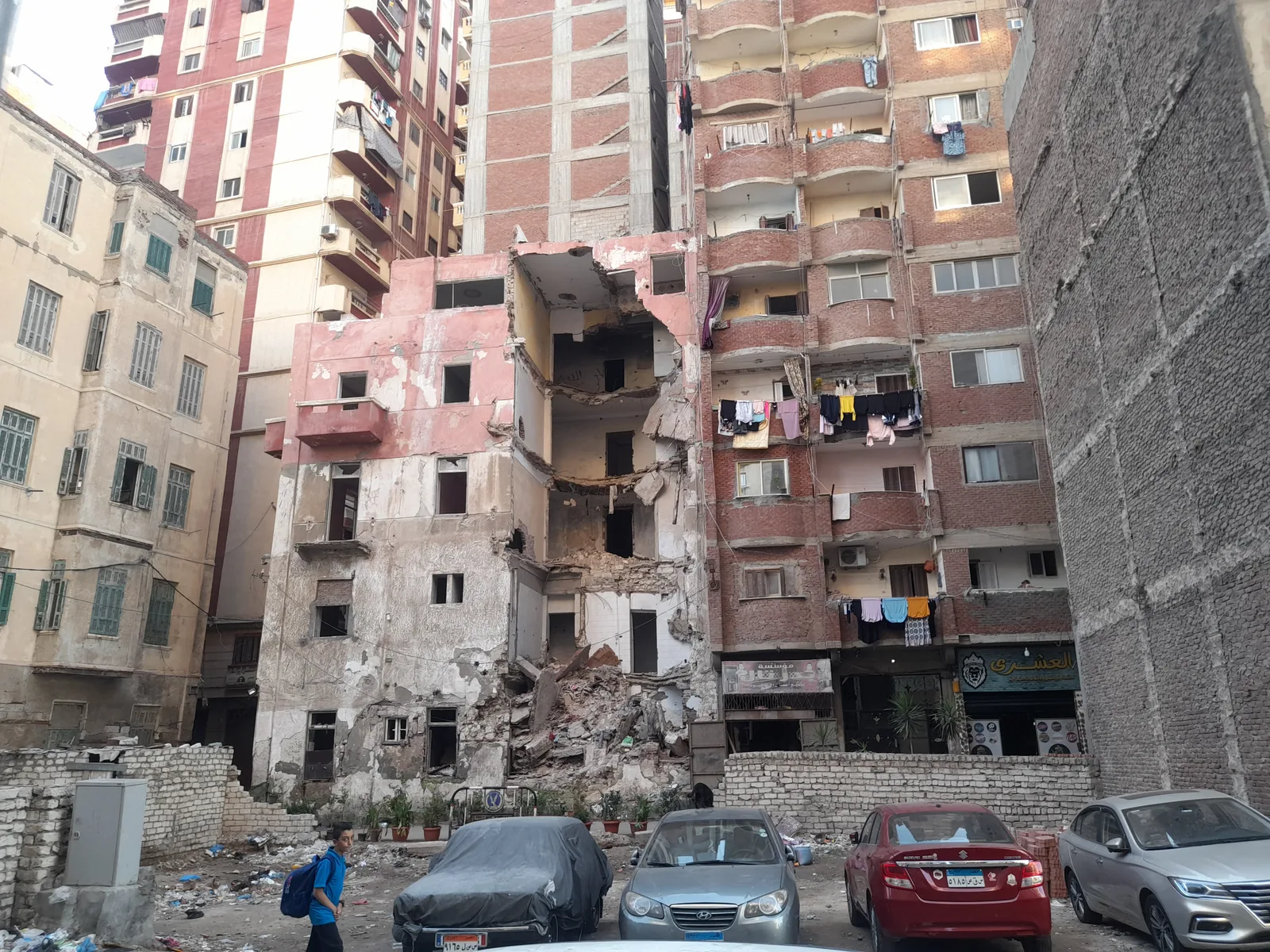
"That's Just Wrong": Digging Under the House for Treasure Finds No Gold — Only a Collapsing Roof and Years in Prison
The summer of 2026 alone brought a string of illegal digs that collapsed on people searching for buried treasure: five dead in Al-Qusiya, Assiut, in June; ten deaths in Assiut alone within less than a month, according to Masrawy; then three in Fayoum and one under an old house in Bilbeis in August. We tell what happened, explain what Egypt's Antiquities Protection Law says, and show how legitimate archaeological excavation actually works.
November 3, 2026 · 8 min read

A Second Chamber in Nearly 40% of the World's Parliaments: Where Does Egypt's Senate Stand?
Of the roughly 190 national parliaments tracked by the Inter-Parliamentary Union, only about 78 to 79 have a second chamber. Why do countries opt for a second chamber at all, and what price do they pay for it? A tour through Washington, Paris, Berlin and London, and where Egypt's Senate stands on that map as it actually is — described, not ranked, with no verdicts on best and worst.
November 2, 2026 · 8 min read
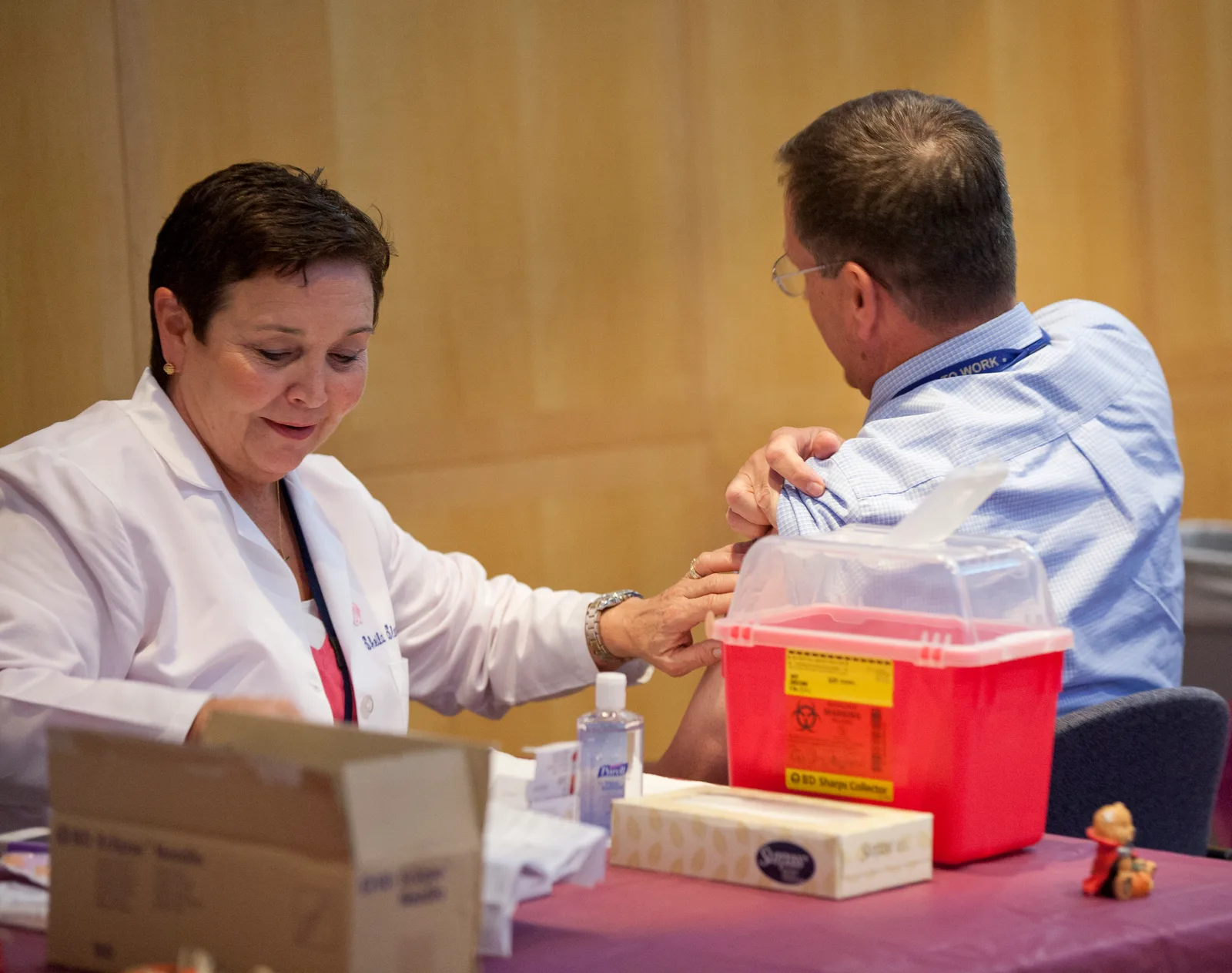
‘The Flu Shot Is What Gives You Flu’ — What’s Actually Inside the Seasonal Vaccine?
With the first chill of autumn and the return to school, the same line comes back: ‘I got the shot and fell ill with flu a week later.’ We examine this one claim: does the seasonal flu vaccine spread the disease? Verdict: false. The reason lies in how the vaccine itself is made, in the two weeks the body needs to build immunity, and in other winter viruses wrongly blamed for it.
November 1, 2026 · 7 min read
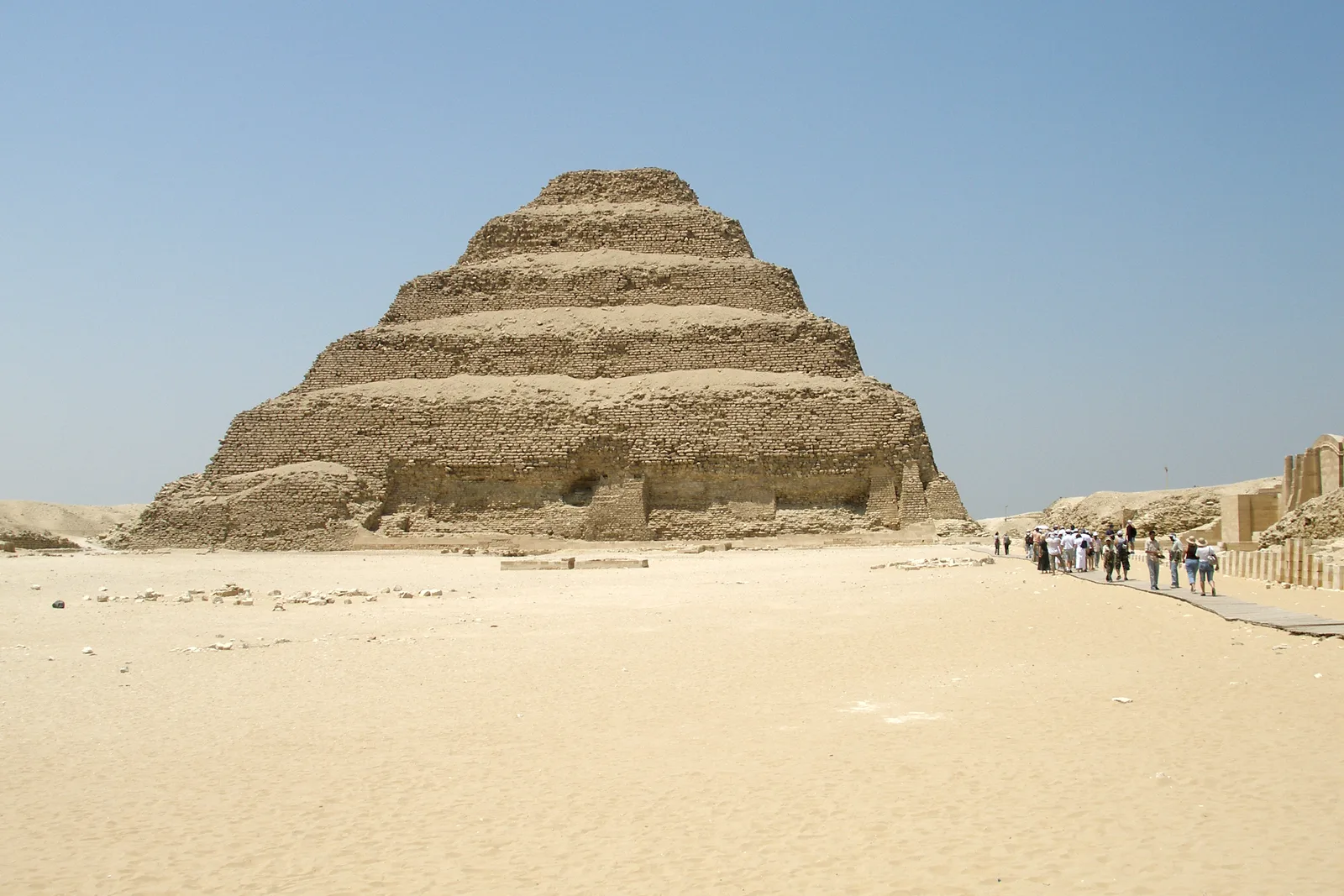
Before Giza, There Were Saqqara and Dahshur: A Day Trip to Egypt's Oldest Standing Stone and First True Pyramid
Pyramids were not born whole. At Saqqara, stone learned to stand on six mastabas; at Dahshur, one pyramid bent at its midpoint before its neighbor, the Red Pyramid, finally rose straight. A practical guide to a one-day trip to Egypt's oldest known stone monument and its first fully completed true pyramid, with opening hours, ticket prices and tips for descending underground.
October 31, 2026 · 8 min read
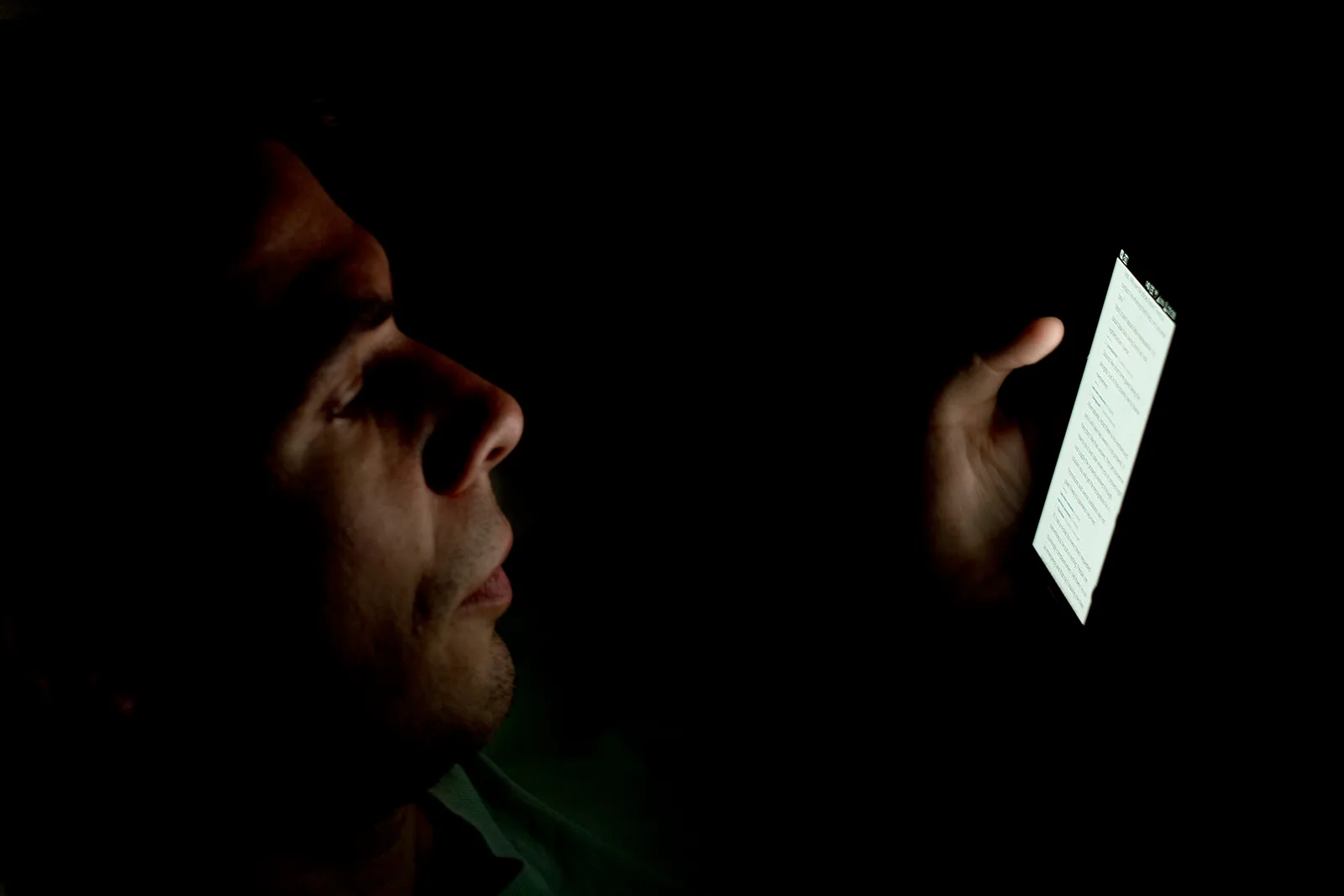
Know Your Rights: Hacked or Blackmailed With Your Photos? What Law 175/2018 Criminalizes, and Where to Report It
A message arrives after midnight from a nameless account, carrying a photo, a threat to publish it, and a demand for money. That is exactly where this guide begins: what Egypt's Anti-Cybercrime Law No. 175 of 2018 criminalizes under Articles 14, 15, 24, 25 and 26, how to preserve digital evidence before it is lost, and where — and by whom — a report can be filed.
October 30, 2026 · 7 min read
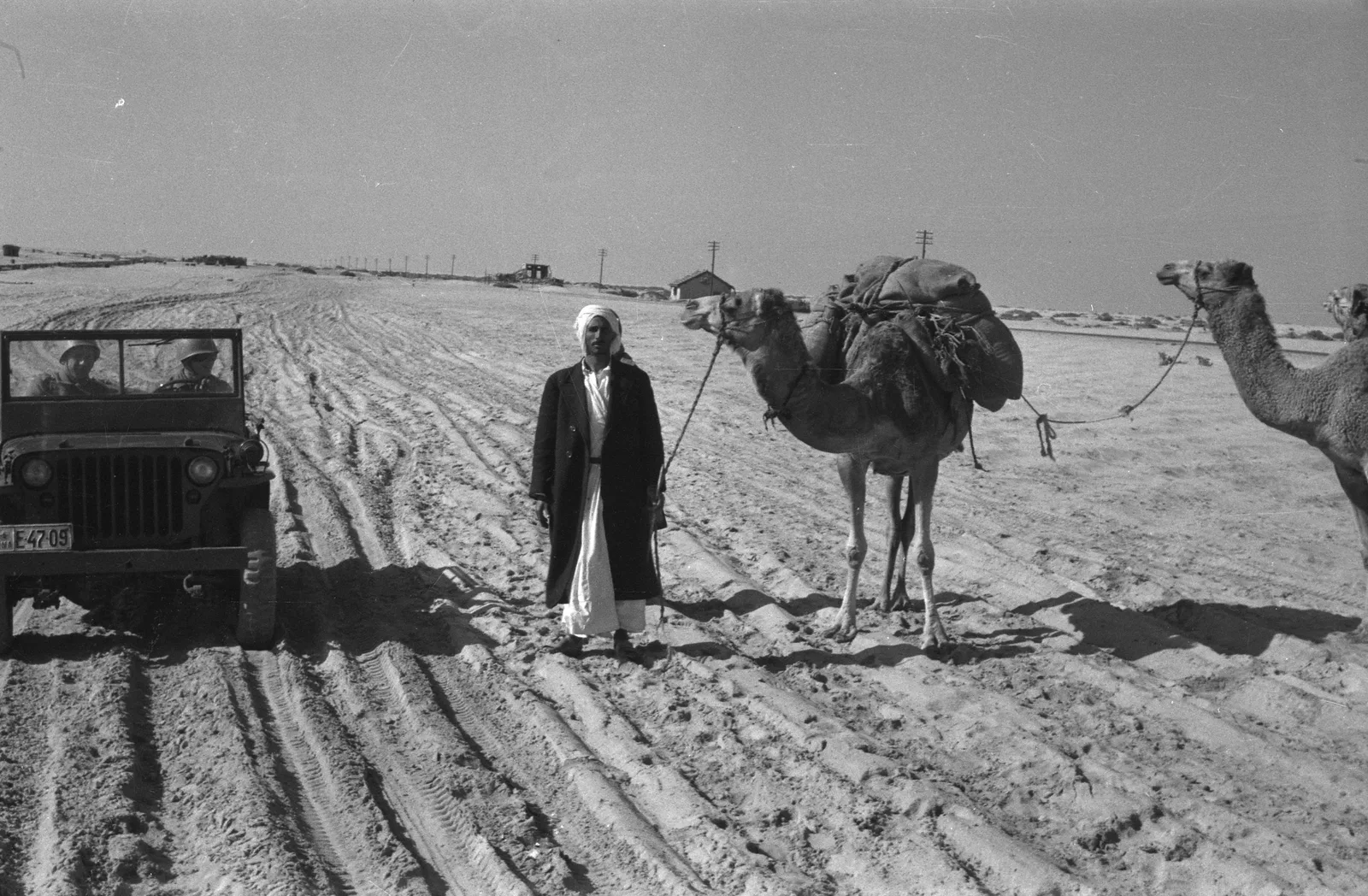
Seventy Years Since the Tripartite Aggression: Nine Days That Birthed the First Peacekeeping Force
In the autumn of 1956, it wasn't just the map that changed but the rules of the game: the UN General Assembly met in emergency session, Resolution 998 demanded a plan for an emergency force within forty-eight hours, and the first blue-helmeted soldiers reached Egypt by mid-November. A story documented in dates, whose protagonists are international law and a city called Port Said.
October 29, 2026 · 8 min read
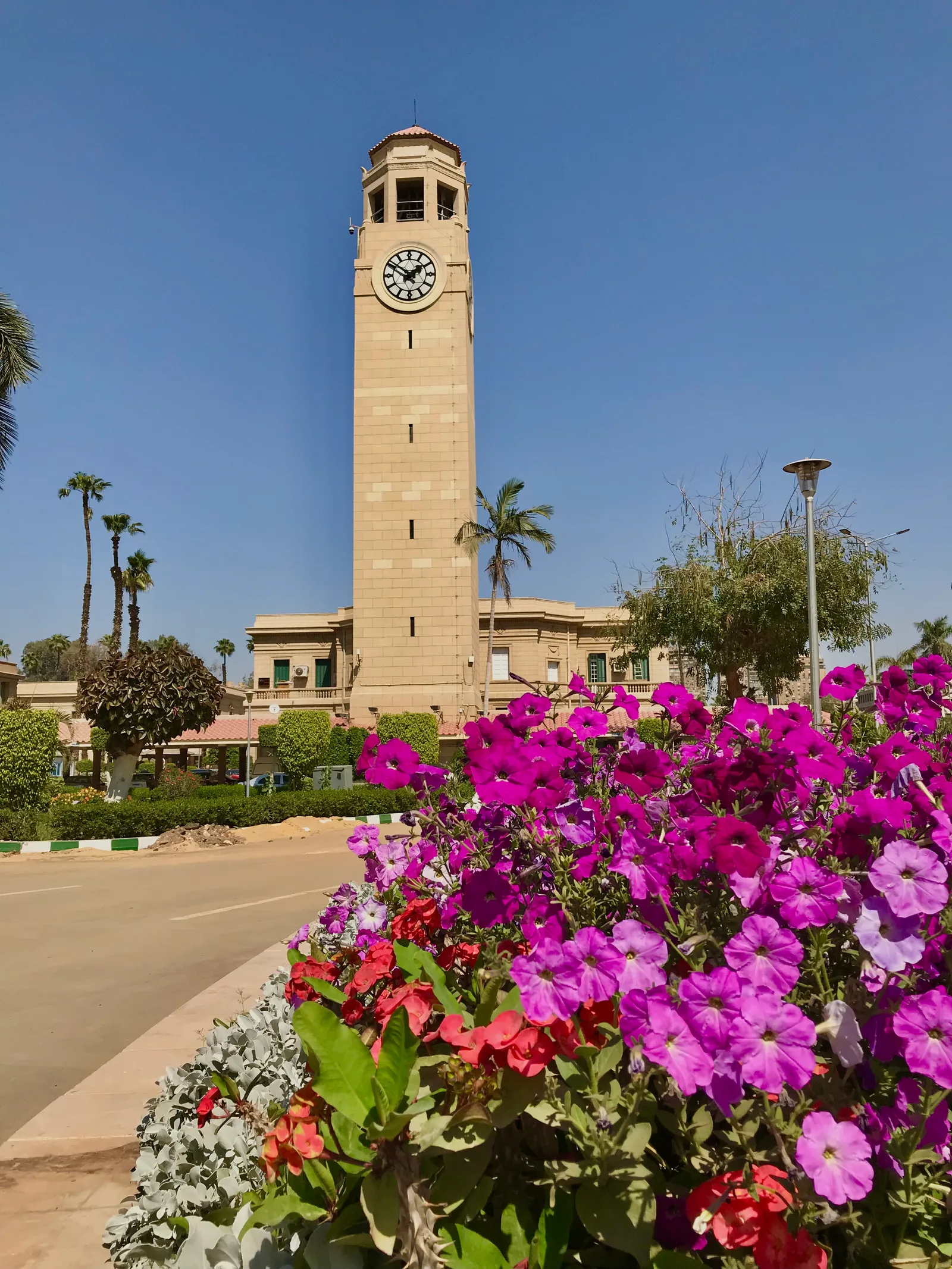
Clocks Fall Back an Hour on Thursday Night, October 29: A Guide to the End of Daylight Saving Under Law 24 of 2023
On the night of Thursday, October 29, 2026, Egypt's daylight saving period ends and clocks fall back sixty minutes at midnight, turning 12:00 a.m. back into 11:00 p.m., with winter time beginning as Friday, October 30 starts. Here is the rule as written in Law No. 24 of 2023, why the change is timed to fall on a Friday, which devices won't reset themselves, and what it means for your day.
October 28, 2026 · 7 min read
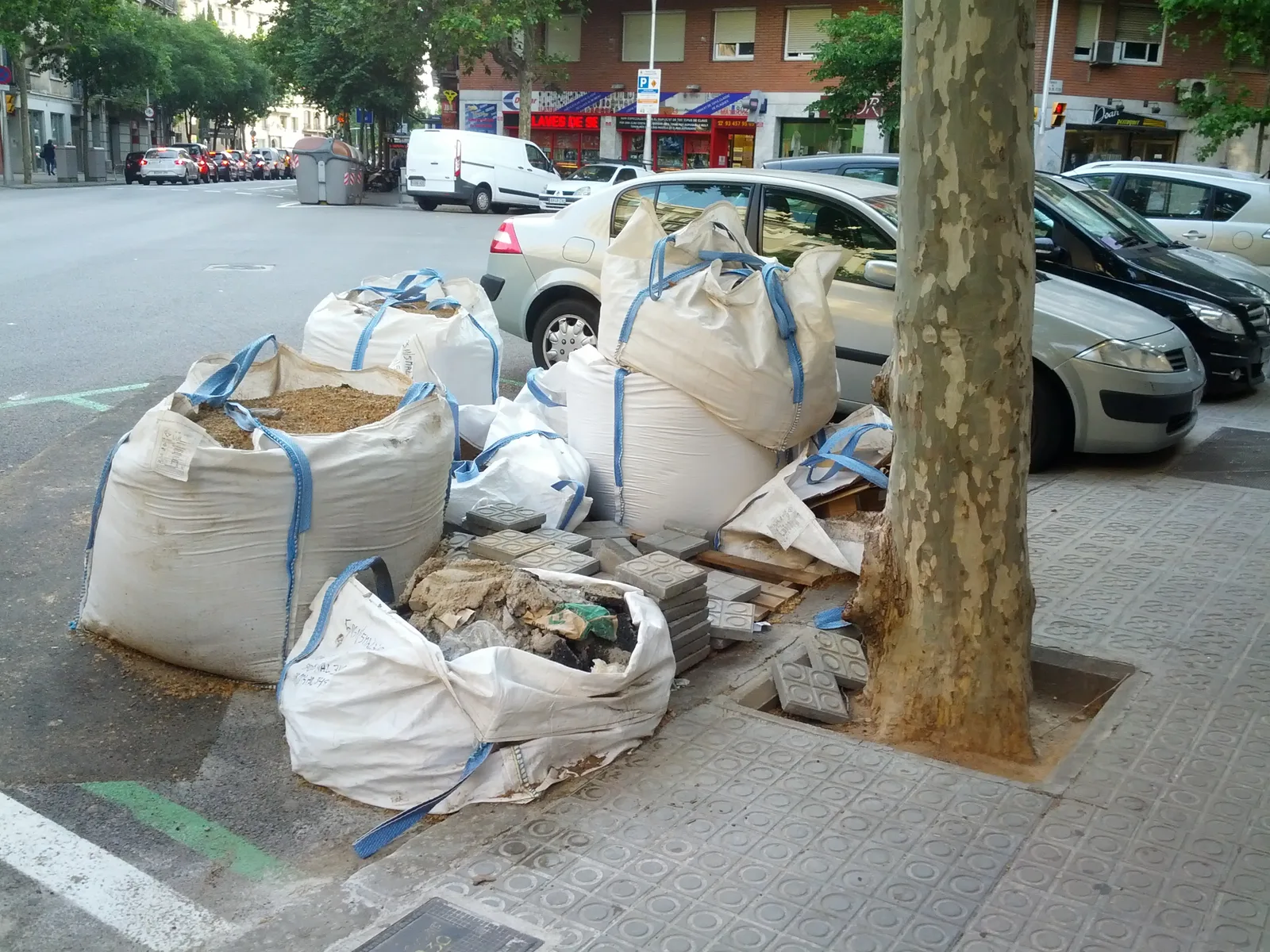
"That's Just Wrong": Demolition and Renovation Debris Dumped on the Corner — Owner and Contractor Liable, Not Passers-By
A mound of dirt and broken brick appears overnight at the corner, narrowing the pavement and clogging the storm drain before the first rain. This is not just another litter story: demolition and renovation debris has its own law, beginning with the building permit and a contract with a licensed hauler — and liability falls first on whoever ordered the work and paid for it. Here is the practical path, and the penalty.
October 27, 2026 · 7 min read

Outside the Center of Gravity: Hana Goda, Omar Assar and an African Ceiling Cracking in Table Tennis
From Seoul 1988 to Paris 2024, 37 of table tennis's 42 Olympic gold medals went to China alone. In this closed world, Hana Goda became, in April 2026, the first African woman to reach the quarterfinals of the World Cup, after Omar Assar had already reached fifth place in Tokyo. The story of a breakthrough from outside the center of gravity, and what it means for a father searching for a table for his son.
October 26, 2026 · 7 min read
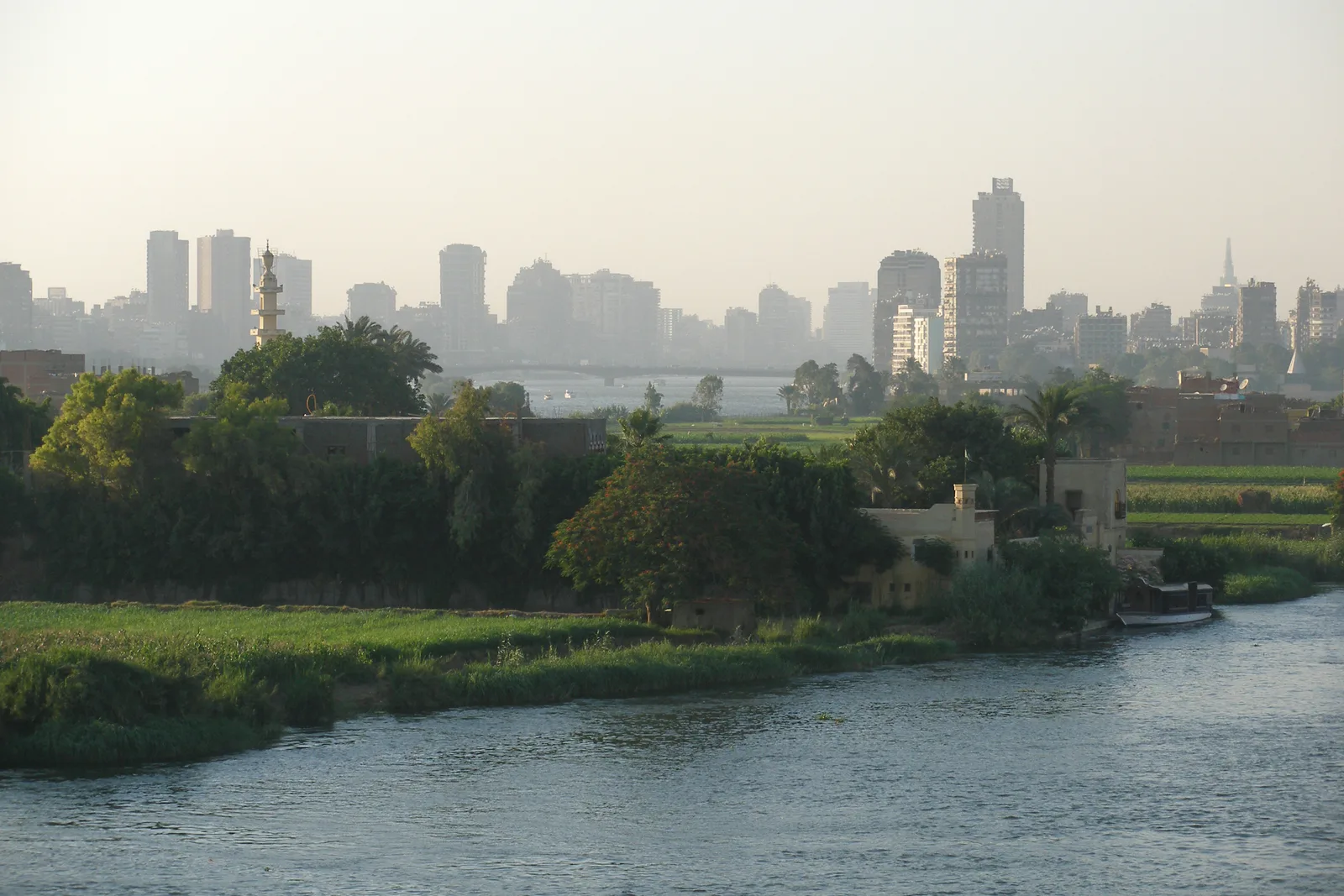
'A Devastating Earthquake Will Hit Egypt on Such-and-Such a Day': False, No One on Earth Can Predict a Quake's Timing
A post that resurfaces after every tremor: a specific date, a numerical magnitude, a named city, attributed to a faceless source. After the August 3, 2026 earthquake, a claim spread that a magnitude-seven quake would hit Egypt on August 6; Egypt's astronomy and geophysics institute denied it. The claim is false because a genuine prediction requires date, location, and magnitude together, and no one has ever achieved that.
October 25, 2026 · 8 min read
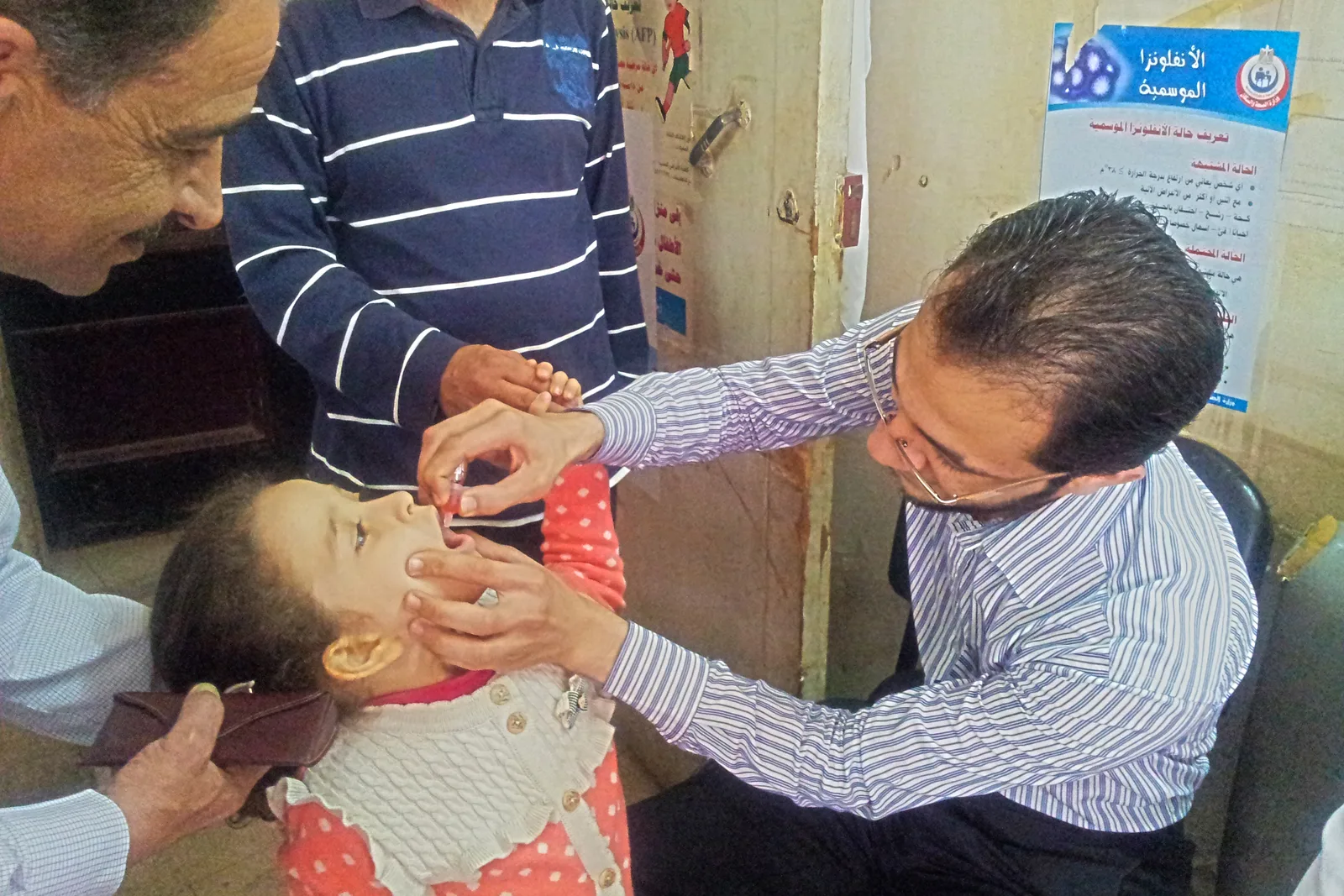
World Polio Day: How Egypt Beat the Virus in 2006 — and Why the Story Isn't Over
In 1988 the virus was paralyzing roughly 350,000 people a year in more than 125 countries. Egypt's last case was recorded in Deirut in May 2004, and in February 2006 the World Health Organization declared the country polio-free. So why didn't the campaigns stop there? The answer turned up in a Cairo sewage sample in 2012.
October 24, 2026 · 8 min read
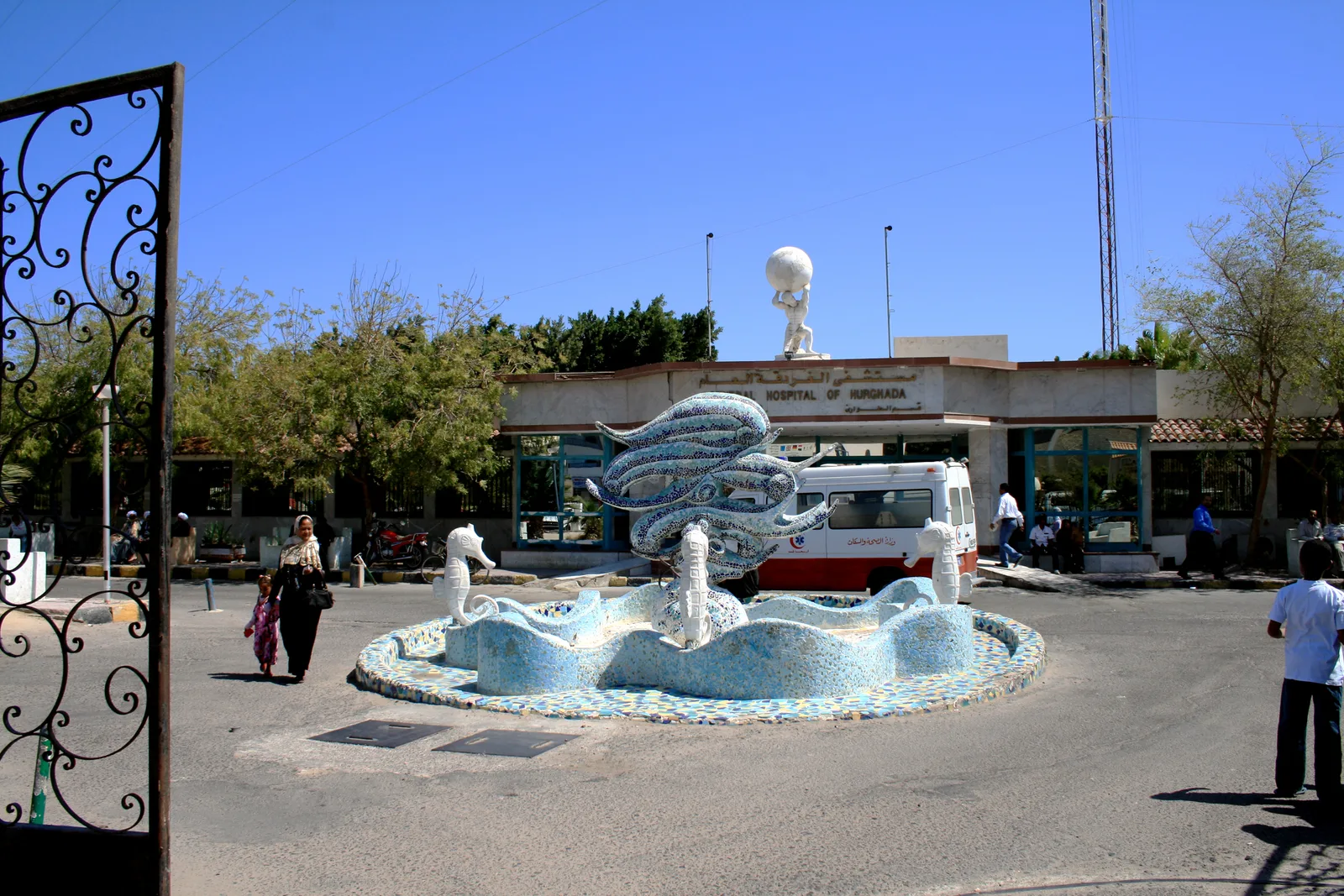
Know Your Rights: No Hospital May Demand a Deposit — Egypt Mandates 48 Hours of Free Emergency Care
“Pay a deposit first” is a phrase many Egyptians hear at the ER desk in their worst moments — and it is against the law. The Constitution criminalizes refusing treatment when life is at risk, and Prime Minister's Decree 1063/2014 obliges private, university, investment and public-sector hospitals to treat emergencies free for 48 hours, and the Health Ministry confirms this applies everywhere. Here is the right, its limits, and how to complain.
October 23, 2026 · 8 min read
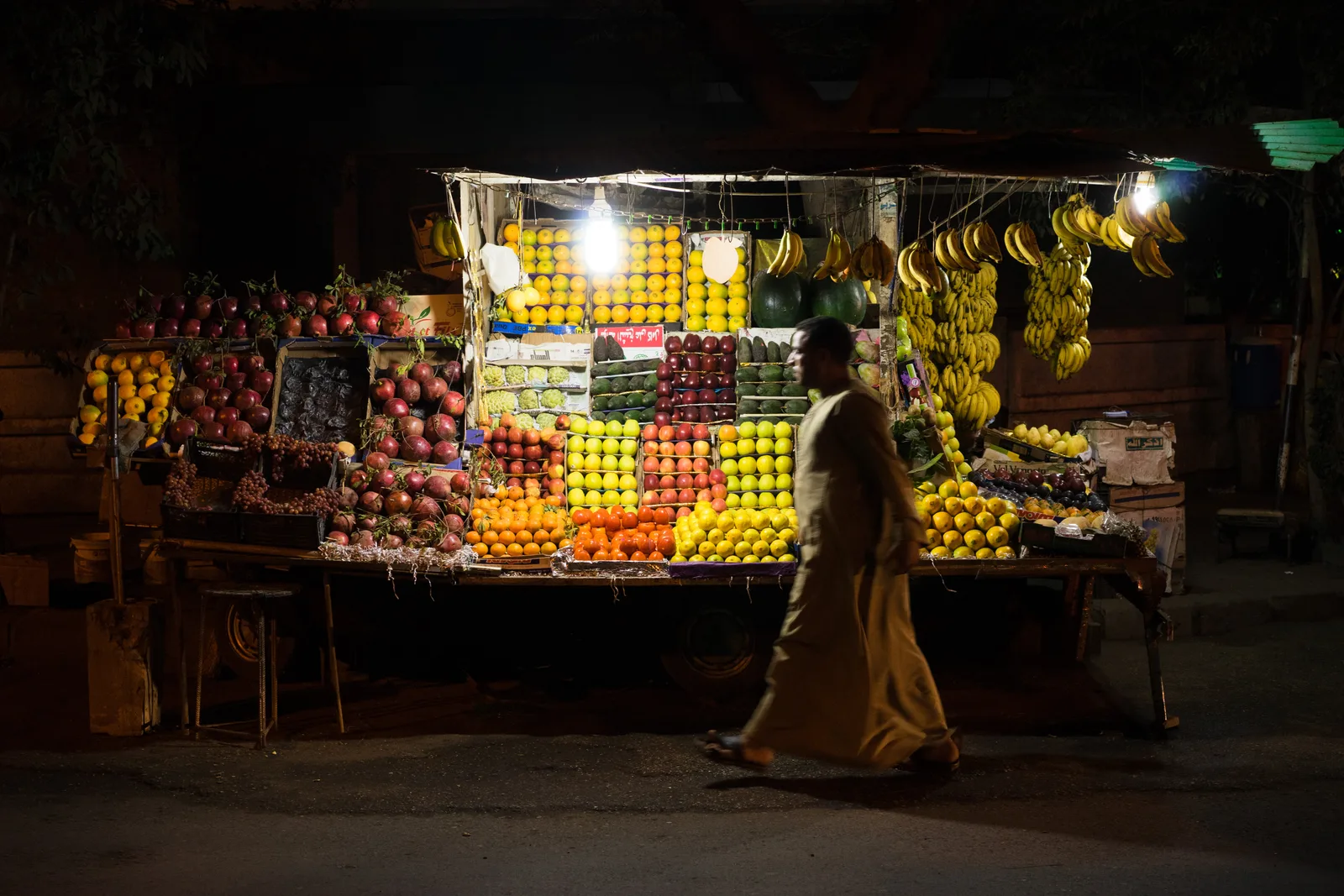
Half the Crate Never Arrives: A Night at the Wholesale Market and the Story of Food Lost Between Field and Plate
Hours before the city wakes, crates are unloaded under floodlights, and some produce is set aside because it didn't survive the journey. Estimates published by the Food and Agriculture Organization in 2022 put annual loss and waste at nearly half of Egypt's vegetables and fruit. A night inside the wholesale market shows where the cold chain breaks down — and why it matters to you when you pick out tomatoes in the morning.
October 22, 2026 · 7 min read
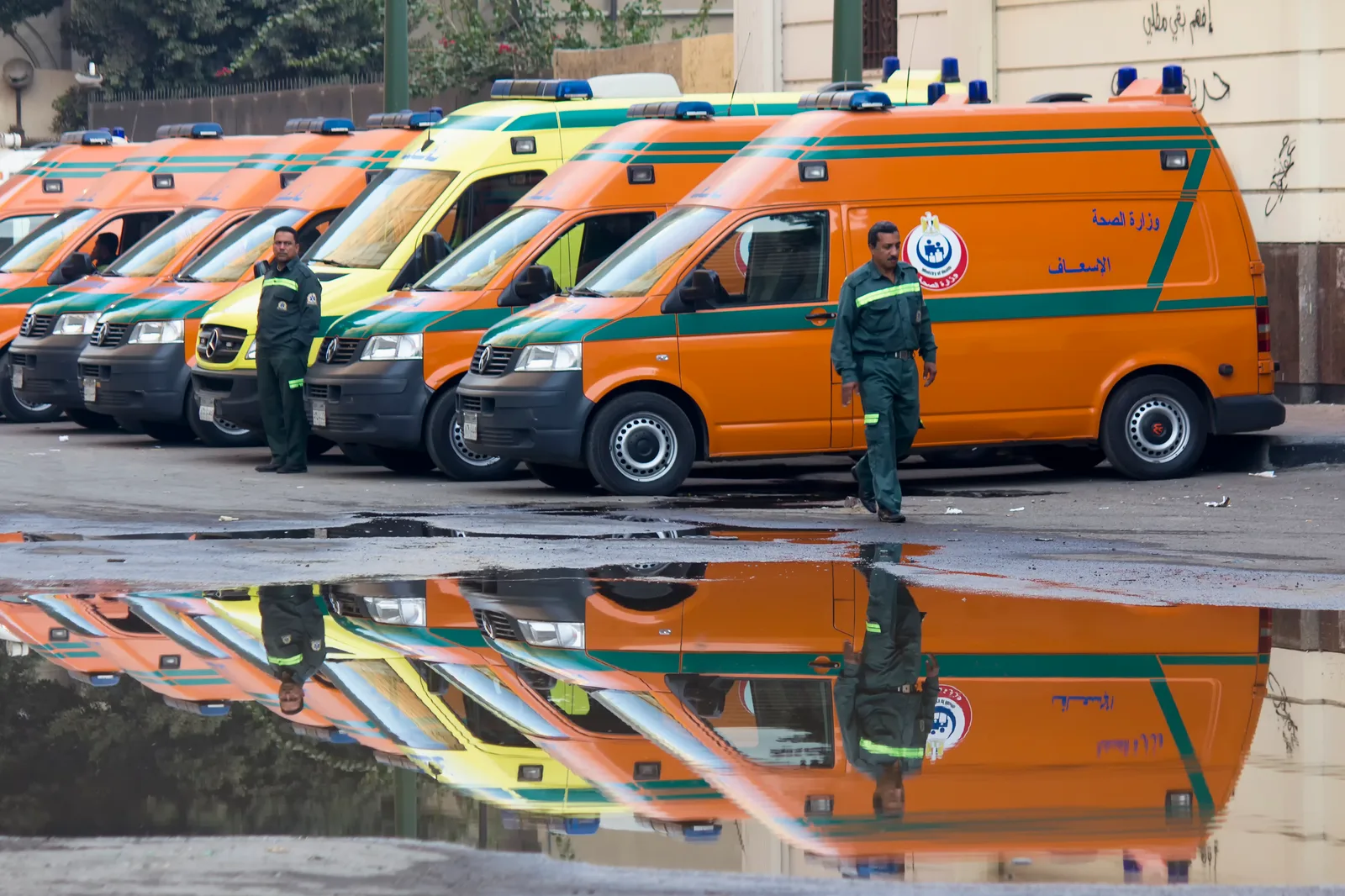
"That's Just Wrong": The Siren Is Right Behind You, and No One Moves
The siren draws closer, then stalls behind two lines locked bumper to bumper, as every driver waits for the other to move first. Article 7 of the Traffic Law's regulations obliges drivers to clear the way for emergency vehicles, and the WHO says a delay of minutes can mean the difference between life and death. So how is the lane actually made — and why is tailing an ambulance a hazard, not a clever move?
October 21, 2026 · 7 min read

Bones Fail in Silence: Why Fractures Start Years Early, and Vitamin D Deficiency Under an Endless Sun
World Osteoporosis Day falls on October 20, yet a disease that causes no pain until it breaks a bone remains far from everyday conversation in Egyptian homes. An Egyptian survey of more than two thousand people aged forty and above found that only 6.8 percent had ever had a bone density scan. Here is how bone quietly hollows out from within, why sunshine alone is not enough, and what readers can do before the first fall.
October 20, 2026 · 7 min read
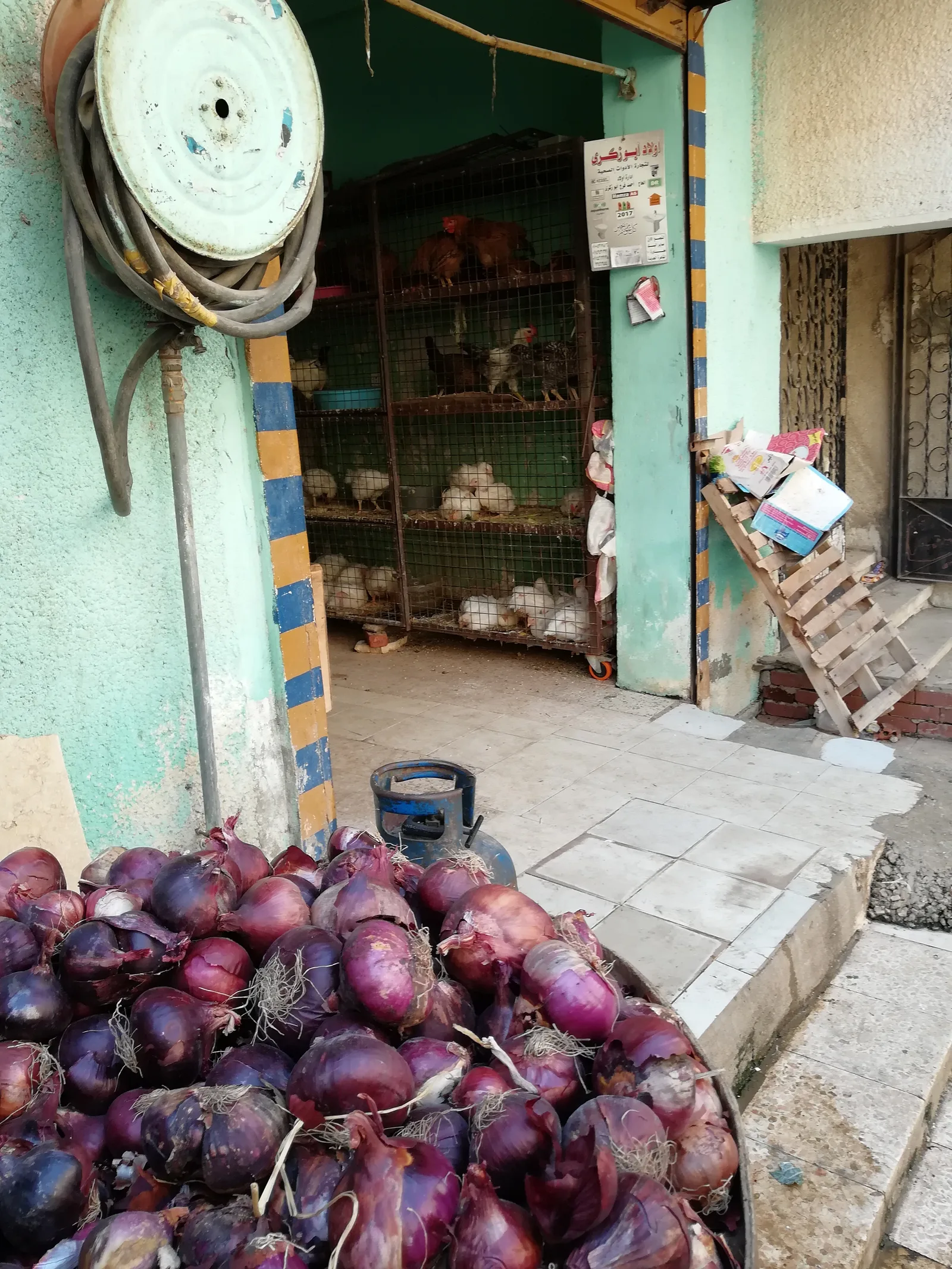
'Baladi Is Better, White Is All Hormones': A Practice Banned 50+ Years Ago, the Real Risk Lies Elsewhere
A line repeated at nearly every Egyptian dinner table. Our verdict, after fact-checking: false. Growth hormones are proteins that break down in the stomach, and injecting twenty thousand birds several times a day is practically impossible; the real explanation is genetic selection and feeding programs. Consumer concern isn't misplaced, though: the real risk lies in veterinary drug residues and the withdrawal period before slaughter.
October 19, 2026 · 7 min read
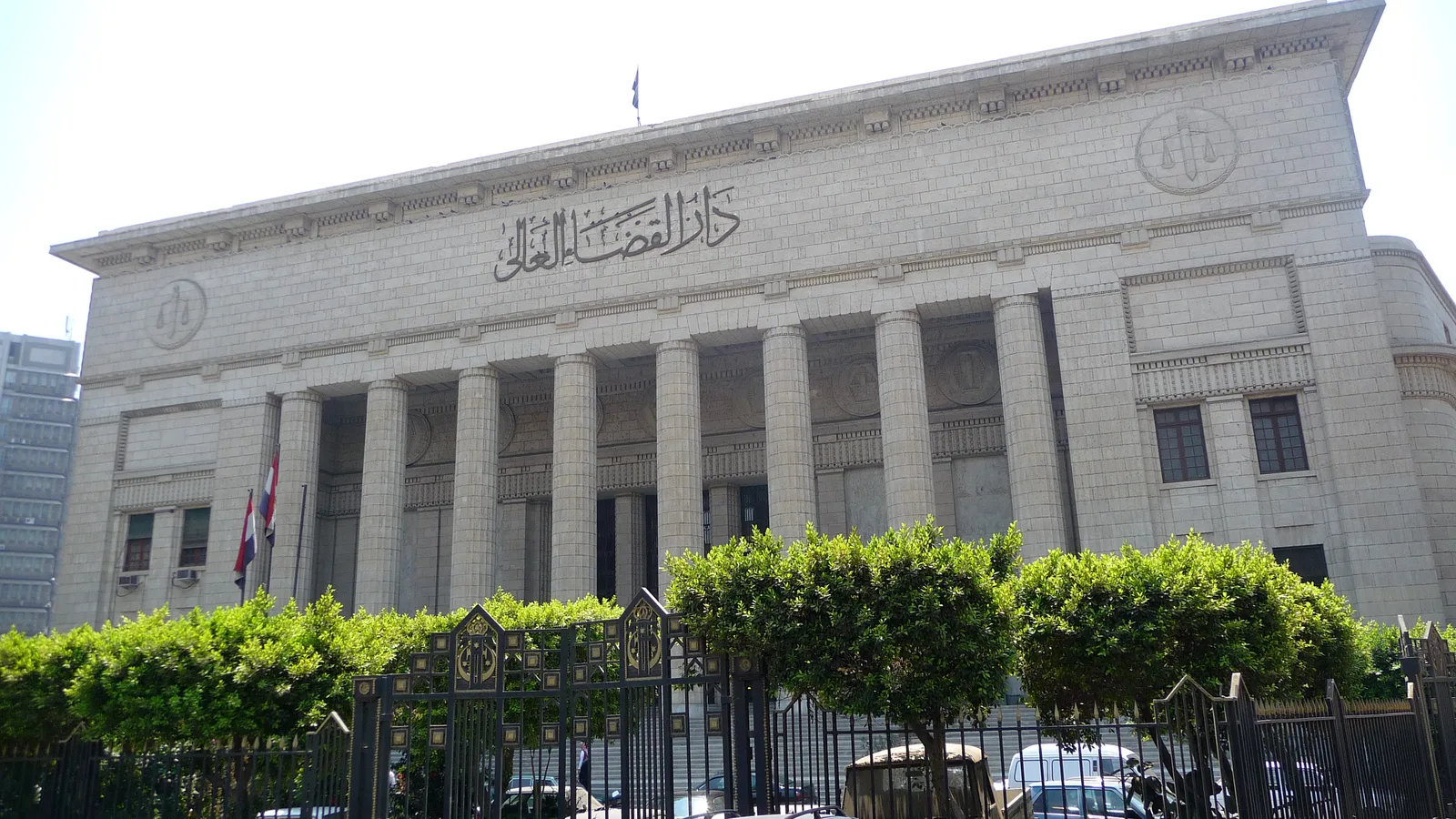
Egypt's New Criminal Procedure Code 174/2025 Takes Effect: What Has Actually Changed for Citizens?
After roughly seventy-six years, Egypt's old Criminal Procedure Code has been retired, and Law No. 174 of 2025 took effect with the start of the new judicial year. A measured look at what has actually changed: alternatives to pretrial detention, expanded from three to seven; detention periods and their ceilings; the presence of a lawyer; notification by modern means; and new safeguards for victims and witnesses.
October 18, 2026 · 8 min read
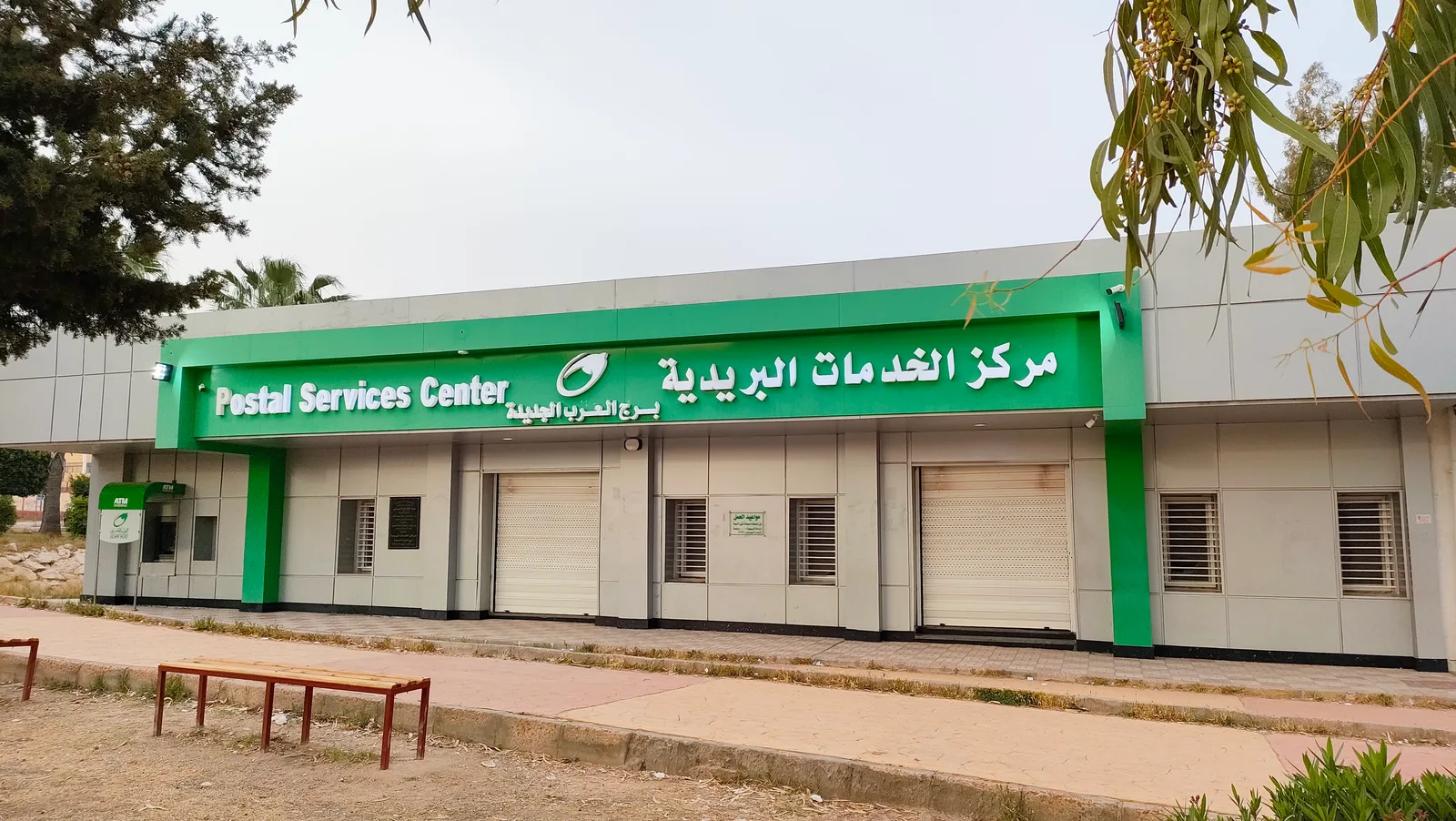
Social Security Law 12 of 2025: How Can Your Family Apply for Takaful and Karama, and What Stops the Payments?
On the International Day for the Eradication of Poverty, we open the file on "Takaful and Karama" from the family's side, not the press release's: what Social Security Law 12 of 2025 and its executive regulations, issued in July 2026, actually changed; the difference between conditional and unconditional support; the conditions a mother must know before standing in the queue; and why payments sometimes stop.
October 17, 2026 · 8 min read
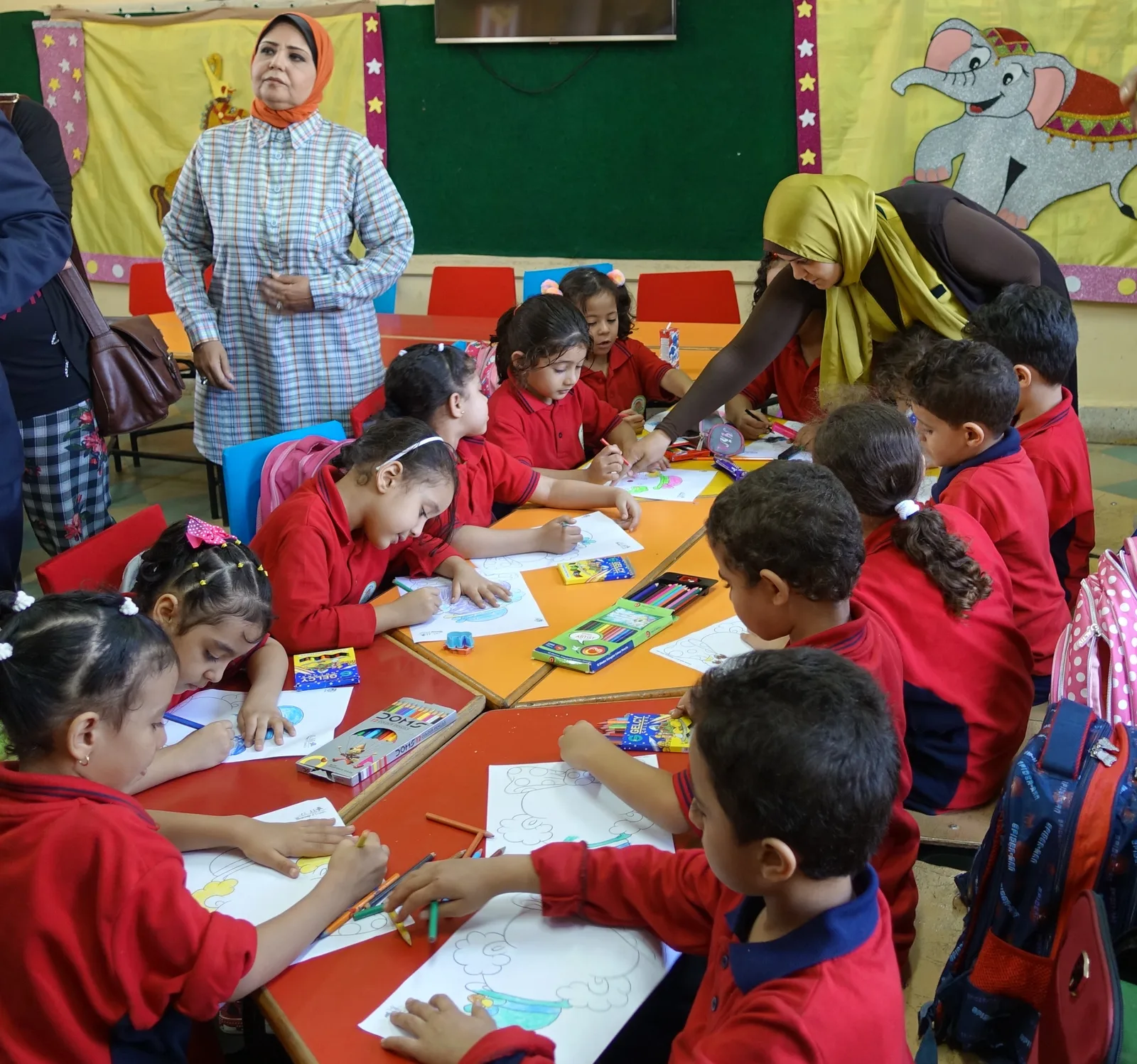
16000: The Number Every Child Should Know — How Egypt's Child Helpline Works and When to Call
A free five-digit line that runs day and night, yet few know who answers it, how it differs from the police emergency line 122, or what happens after the call ends. We read the definition of "a child at risk" in Article 96 of the Child Law, and trace, step by step, where a report travels — all the way to the Child Protection Committees.
October 16, 2026 · 7 min read
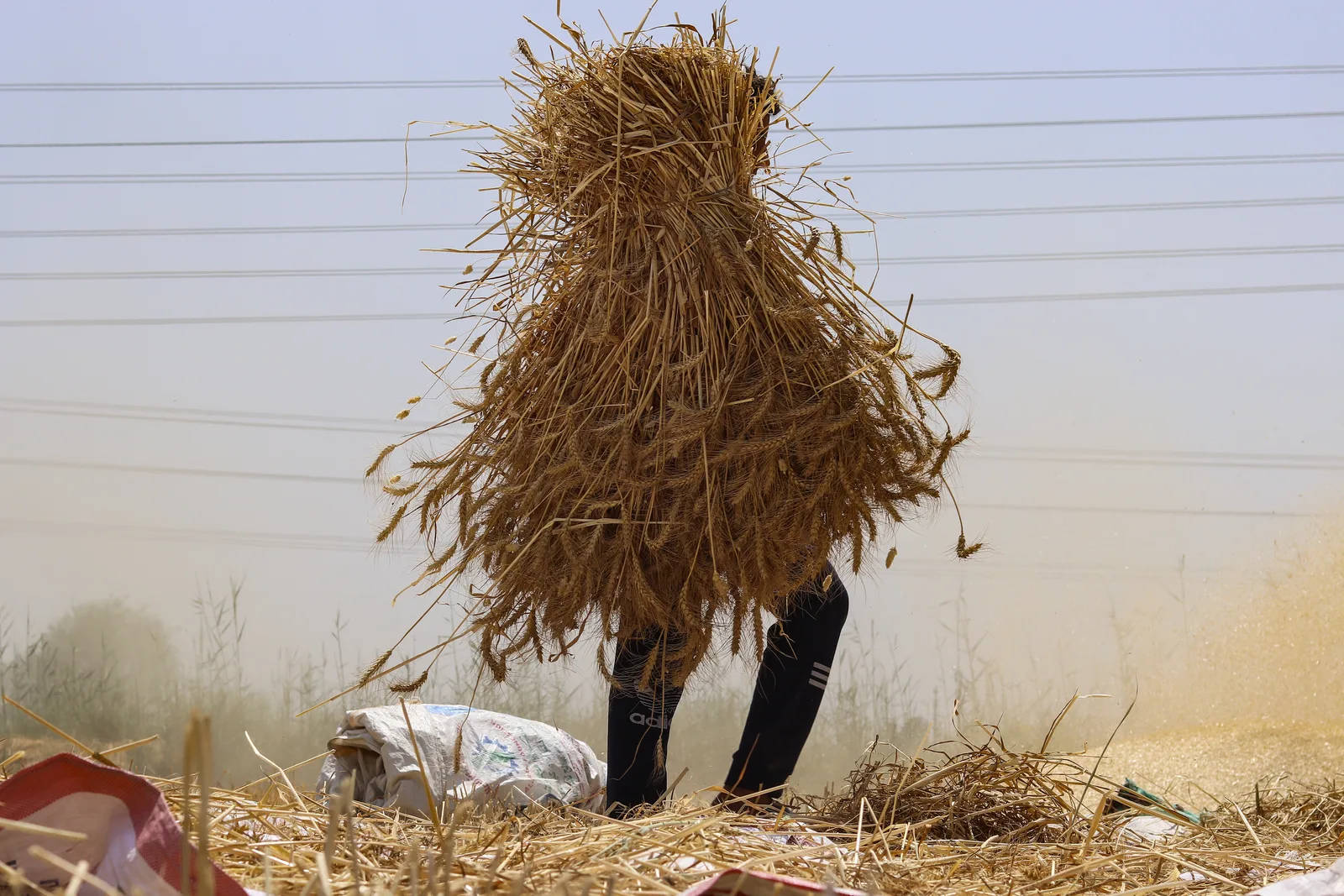
The Journey of a Wheat Grain: Four Loaves in Ten Come From Egypt's Soil, the Rest Crosses the Sea
On World Food Day, we trace a single grain of wheat from field and port to the neighborhood oven: how much does the Egyptian farmer produce, what does the state pay him per ardeb, and why has Egypt become one of the world's largest wheat importers — often the largest — despite harvesting ten million tonnes? And what does a "reserve nearing nine months" actually mean? Official figures, and the story of a journey.
October 15, 2026 · 7 min read
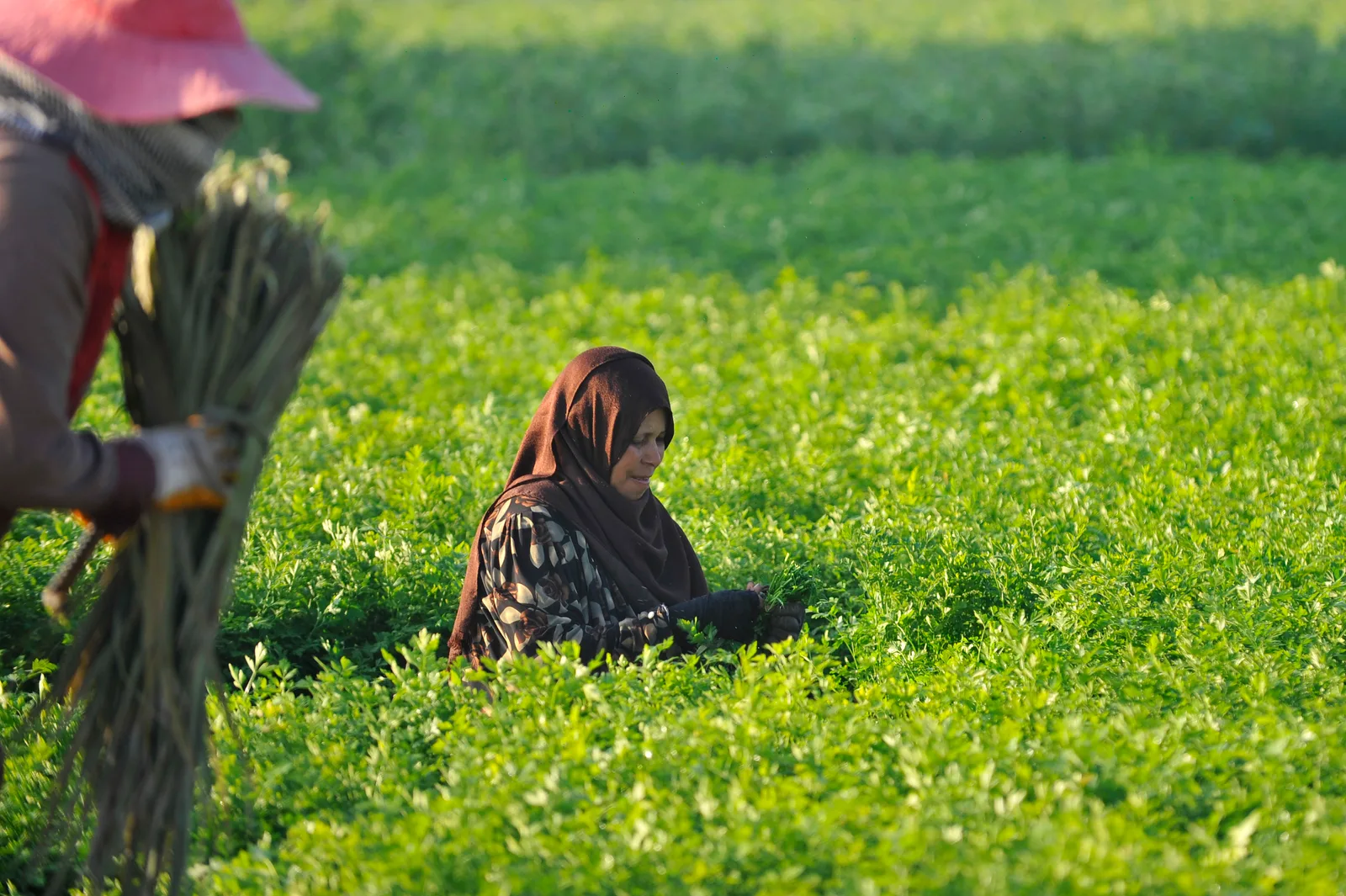
Before Sunrise on the Field: A Full Workday No Payroll Ever Records
Every October 15, the world marks a workday that begins before sunrise in Egypt's villages and never appears on a payroll. A 2007 UN resolution, the latest official statistics on rural households and their workforce, 1.6 million women counted in agriculture, and a social-insurance law waiting for someone to register under it: a sober look at labor everyone lives off yet no ledger counts.
October 14, 2026 · 7 min read
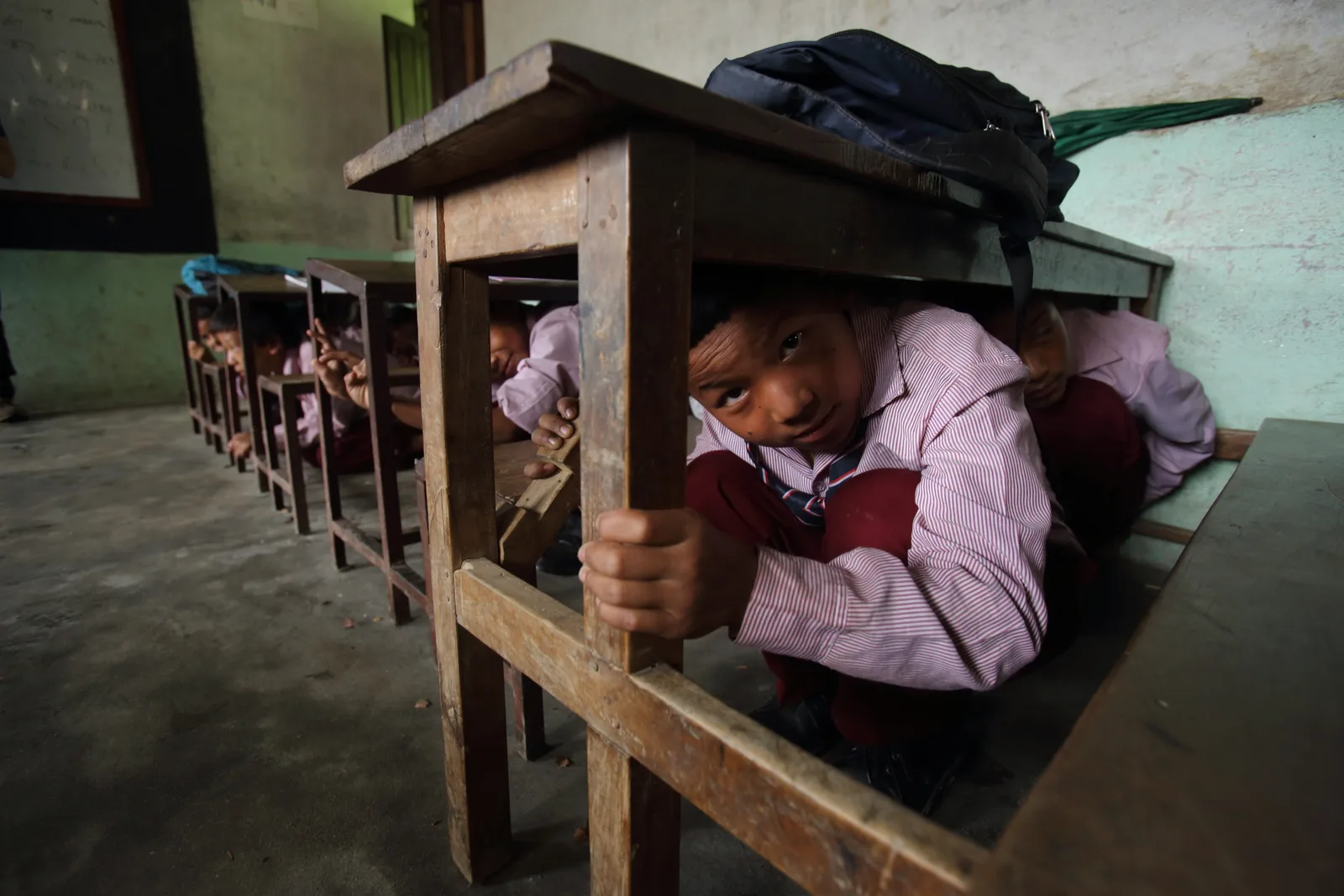
What to Do When the Ground Shakes: The Lesson of October 12, 1992 — 'Drop, Cover, Hold On,' Never Run for the Stairs
Not every victim of the 1992 Dahshur earthquake died under rubble — newspapers at the time reported that many were schoolchildren crushed while fleeing their classrooms. Marking the quake's 34th anniversary and the October 13 International Day for Disaster Reduction, we retell it through sourced figures, explain the international rule that can protect your child in sixty seconds, and offer a five-step family plan to pin behind the door.
October 13, 2026 · 8 min read
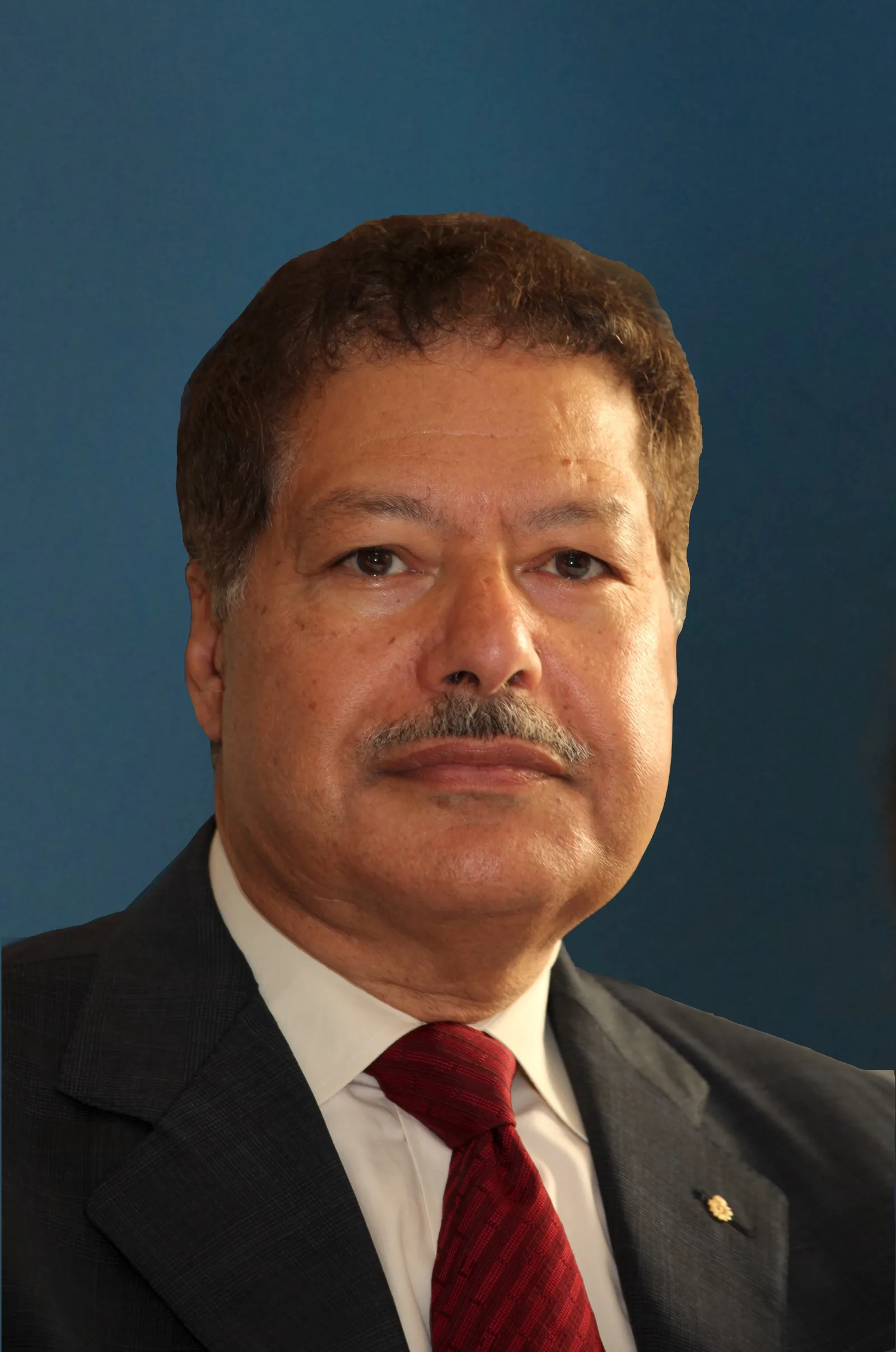
October 12, 1999: The Day a Son of Damanhur Watched Atoms Move — Ahmed Zewail and Femtochemistry
Twenty-seven years ago today, the Royal Swedish Academy of Sciences announced that Ahmed Zewail had won the Nobel Prize in Chemistry for "his studies of the transition states of chemical reactions using femtosecond spectroscopy." Here, in everyday language, we explain what a femtosecond is, how scientists managed to capture the instant a chemical bond breaks, and what Law 161 of 2012 and its 2019 amendment say about the city that bears his name.
October 12, 2026 · 8 min read
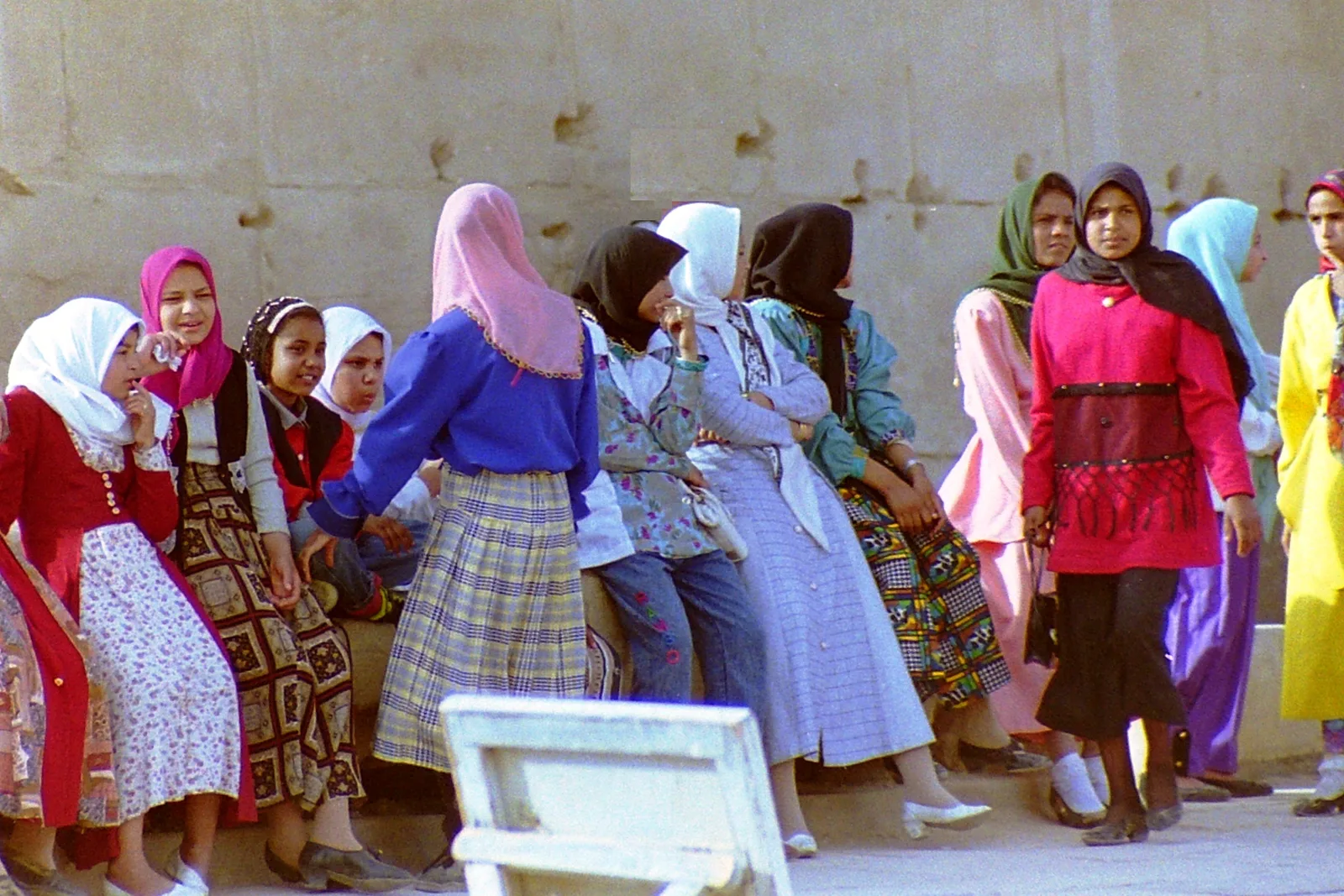
Before Eighteen: What Egyptian Law Says About Child Marriage, and Why Children Pay for an Unregistered Contract
Egypt's constitution defines a child as anyone under eighteen, and the law bars registering that child's marriage. But the ban targets registration, not the marriage itself, so it slips into an informal 'orfi' arrangement, and the losses begin the moment the newborn needs a first document. On the International Day of the Girl Child, we lay out the texts and numbers as they stand, and why a school seat still outweighs any sermon.
October 11, 2026 · 7 min read
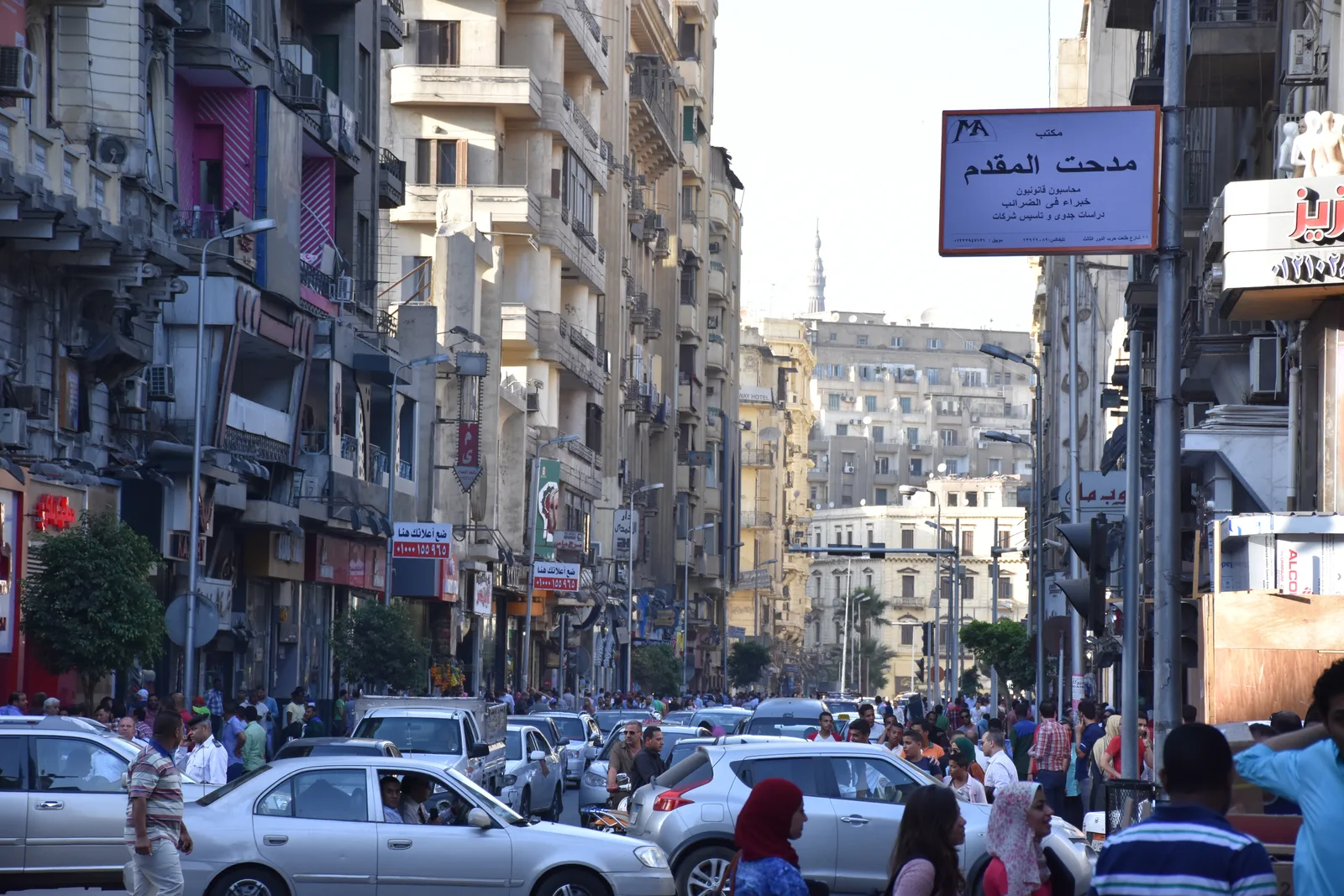
'That's Wrong': Harassment Isn't 'Flirting' — Two Years or a 100,000-Pound Fine for Words, Five for Coercion
A word thrown on the street that the man who says it calls a 'joke,' and a longer route a mother makes her daughter take because it feels 'safer.' In 'That's Wrong,' we hold the behavior up against Law 141 of 2021, without exaggeration or minimization: two to four years in prison or a 100,000-pound fine for words and gestures, five years or more for sexual coercion. And we ask about the third party — the one who hears and does nothing.
October 10, 2026 · 8 min read
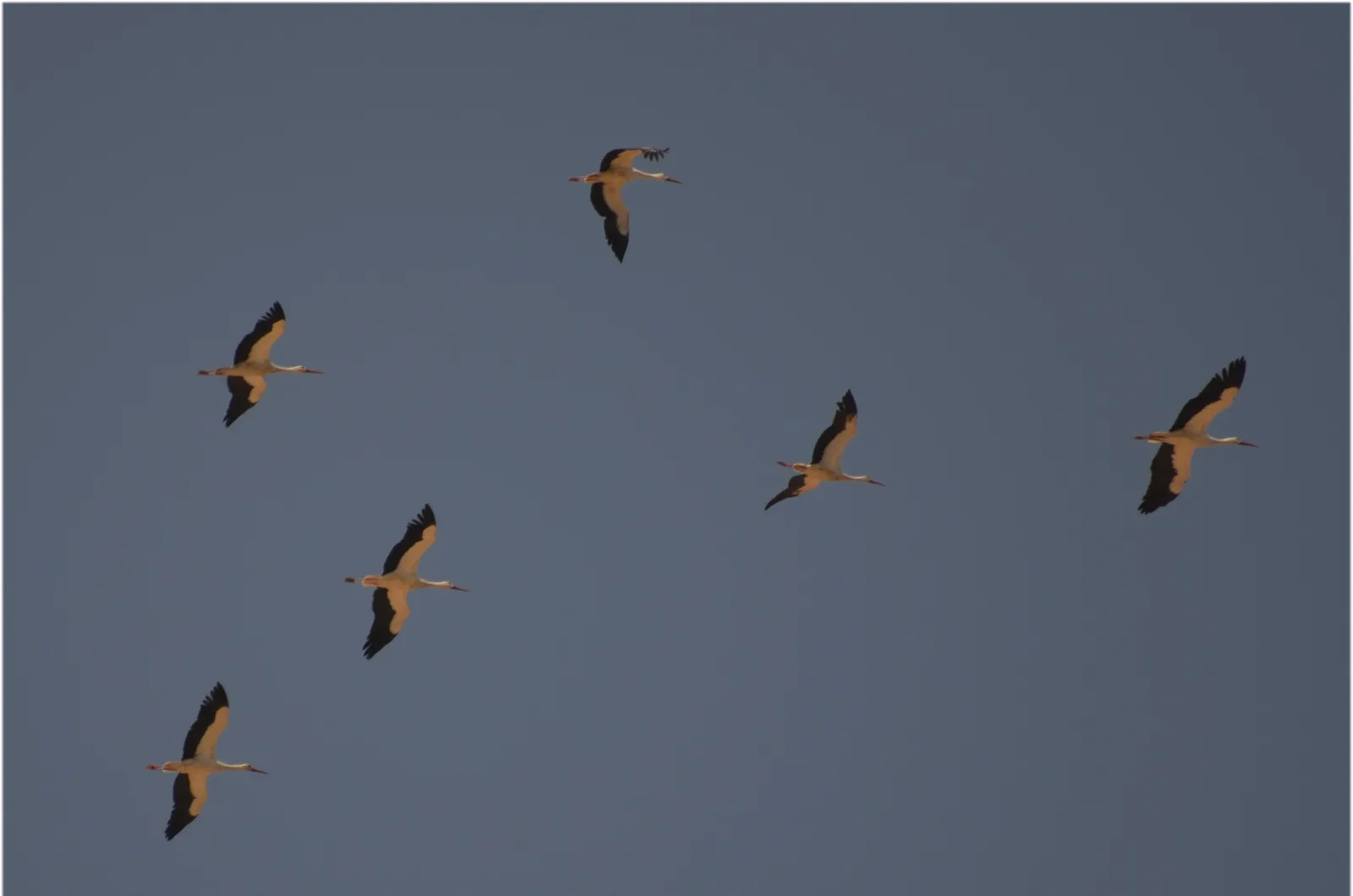
World Migratory Bird Day: Egypt's Sky, a Bridge Between Two Continents, as Storks Cross the Gulf of Suez Every Autumn
Saturday, October 10, 2026 marks the autumn edition of World Migratory Bird Day. Every autumn, hundreds of thousands of storks and raptors pass over Suez, Ain Sokhna, Hurghada and Gebel El Zeit on their way to Africa, peaking in late August and September and tapering into October. This is the story of the largest aerial crossing over our heads, where to stand and see it, and how radar now halts wind turbines to let the flocks pass safely.
October 9, 2026 · 7 min read
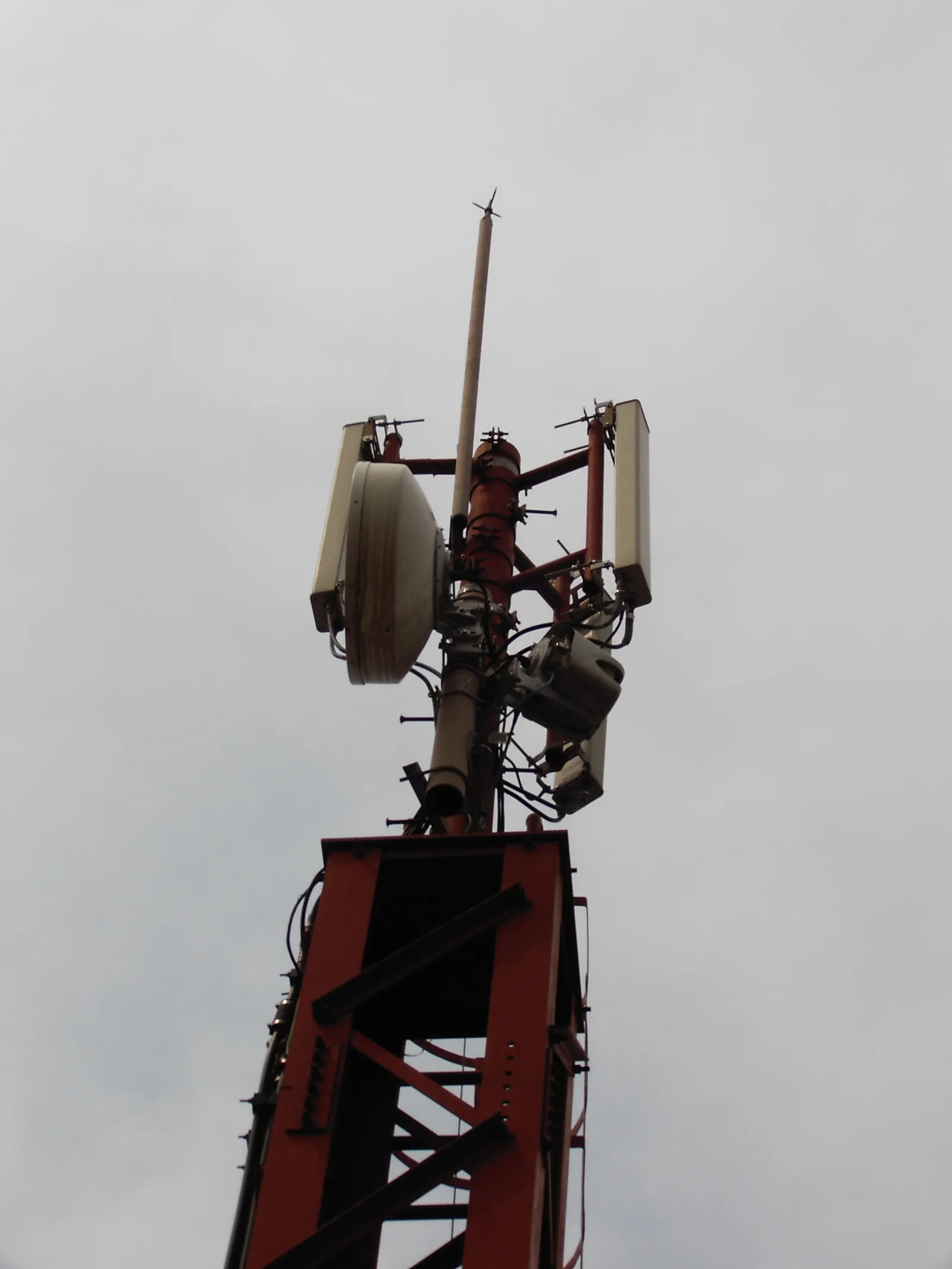
‘The Tower on Our Building Causes Cancer’ — What the Measurements and the WHO Actually Say
A signature sheet at the building entrance, and WhatsApp messages warning the rooftop antenna “will give our children cancer.” We checked the claim: WHO says exposure near base stations is 0.002%–2% of international guidelines, and a 2024 review it commissioned found no likely rise in childhood leukaemia near fixed transmitters. Verdict: no scientific basis — with an honest account of the 2B classification and the legitimate route for residents.
October 8, 2026 · 8 min read
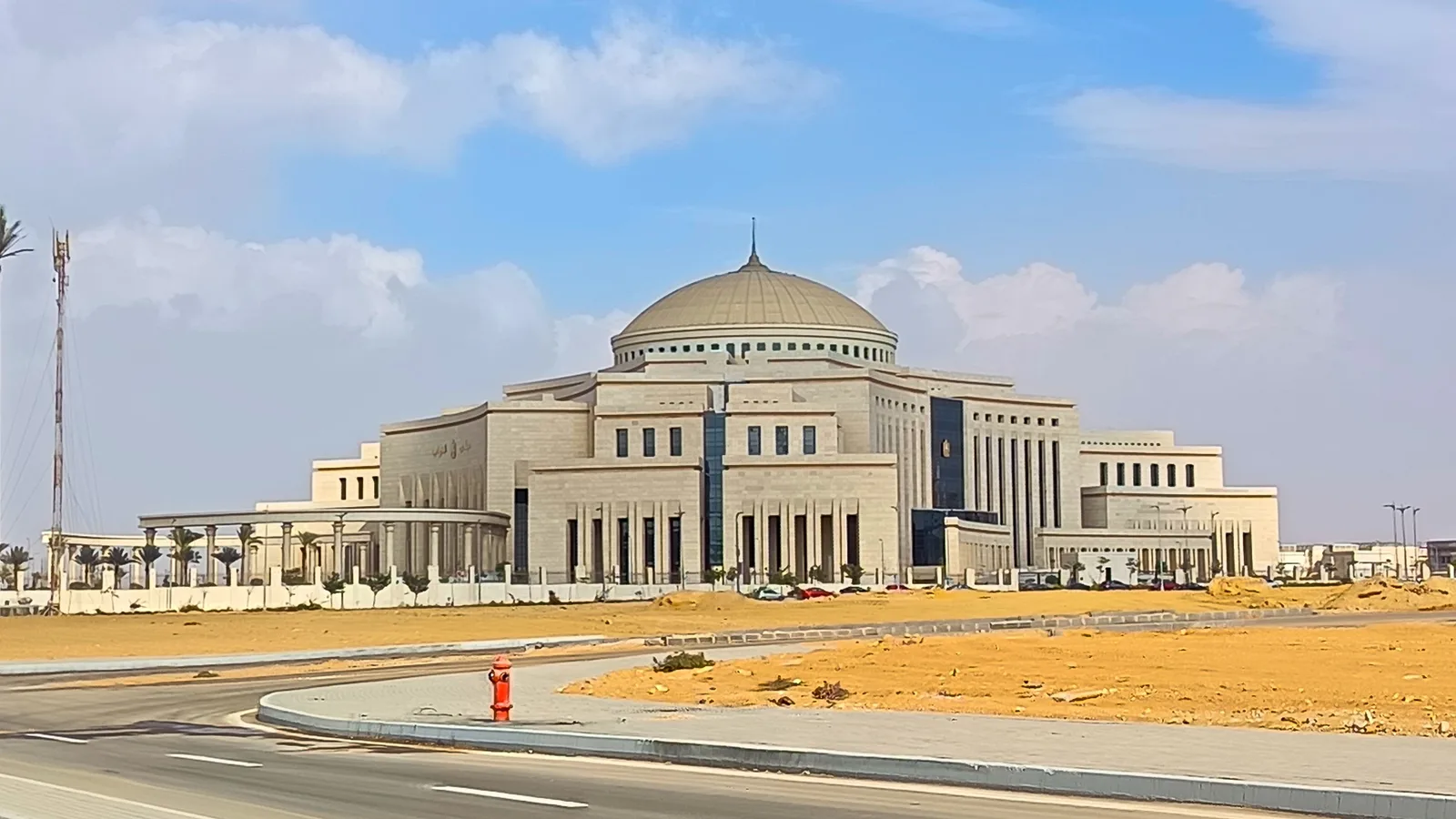
Fourteen Committees, 727 Meetings: Where the Senate's Opinion Is Actually Made
The plenary session is the storefront; the workshop is a room with a long table and stacks of paper. In this non-partisan explainer, we walk step by step through the Senate's fourteen specialized committees: who gets elected in October, how a bill is referred, who is invited to be heard, and how a report is written and then circulated to members at least twenty-four hours before the session.
October 7, 2026 · 8 min read

Egypt's Eye on the Sky: Kottamia Observatory's 74-Inch Mirror, Watching the Universe Since 1964
On a desert plateau east of Cairo, a dome has opened at sunset for more than sixty years. For World Space Week, we tell a story that begins with the Khedivial observatory at Abbassia, then Helwan and Halley's Comet, and reaches a giant mirror Egypt contracted for in 1948 and later upgraded with Japanese instruments. It is a reminder to every student that astronomy in Egypt is a living profession, not just heritage.
October 6, 2026 · 7 min read
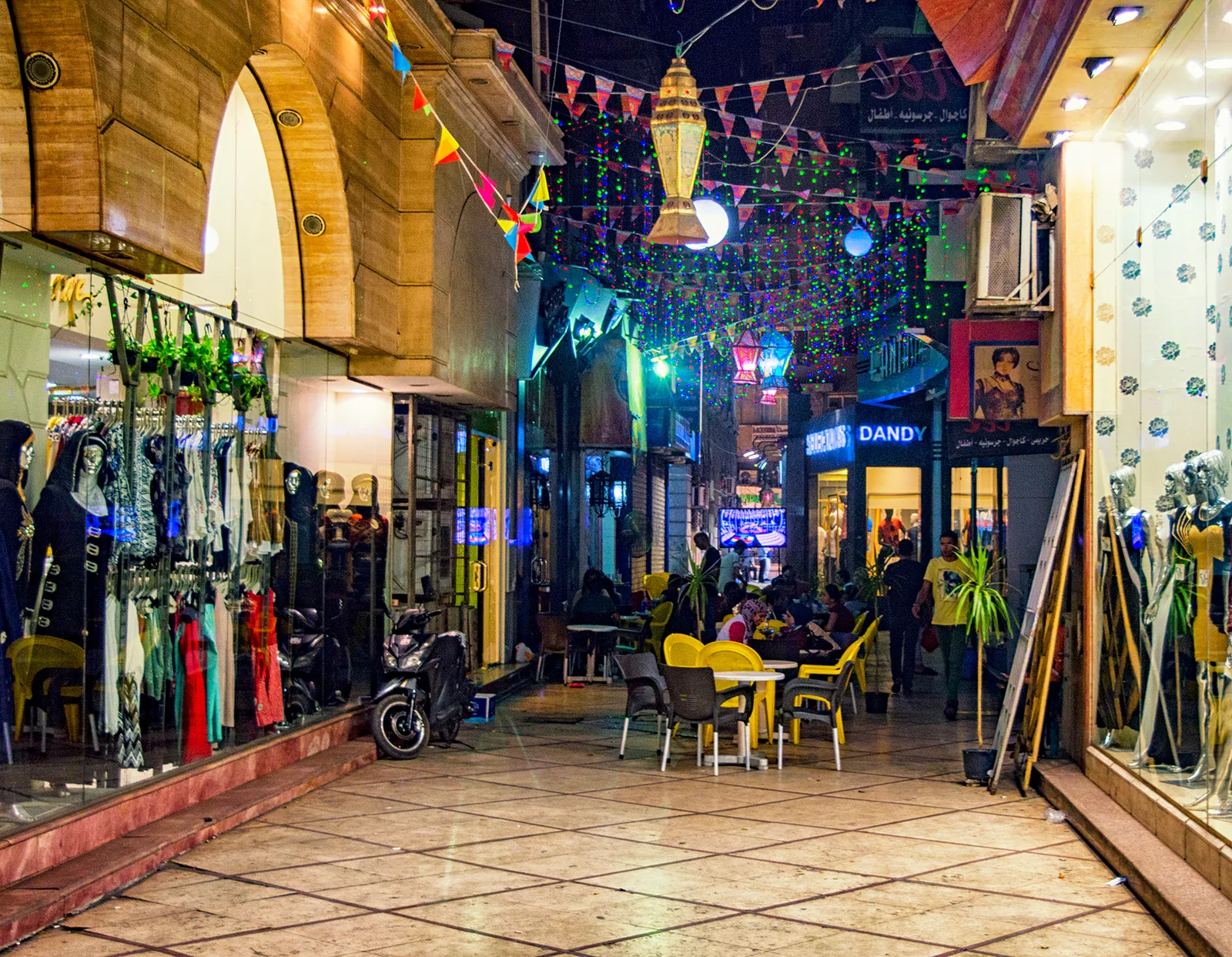
After the Final Bell, a Second School Day Begins: Evenings at the 'Sanater' on an Egyptian Street
At seven in the evening a side street is lit more by the signboards of the 'sanater', Egypt's private tutoring centres, than by its lampposts: taxis pull up and pull away, bags carry the 'sheet' instead of the textbook, and children queue on the stairs. A report from the pavement, on World Teachers' Day, on a scene every Egyptian home knows and the policies that have tried to change it since 2022.
October 5, 2026 · 7 min read
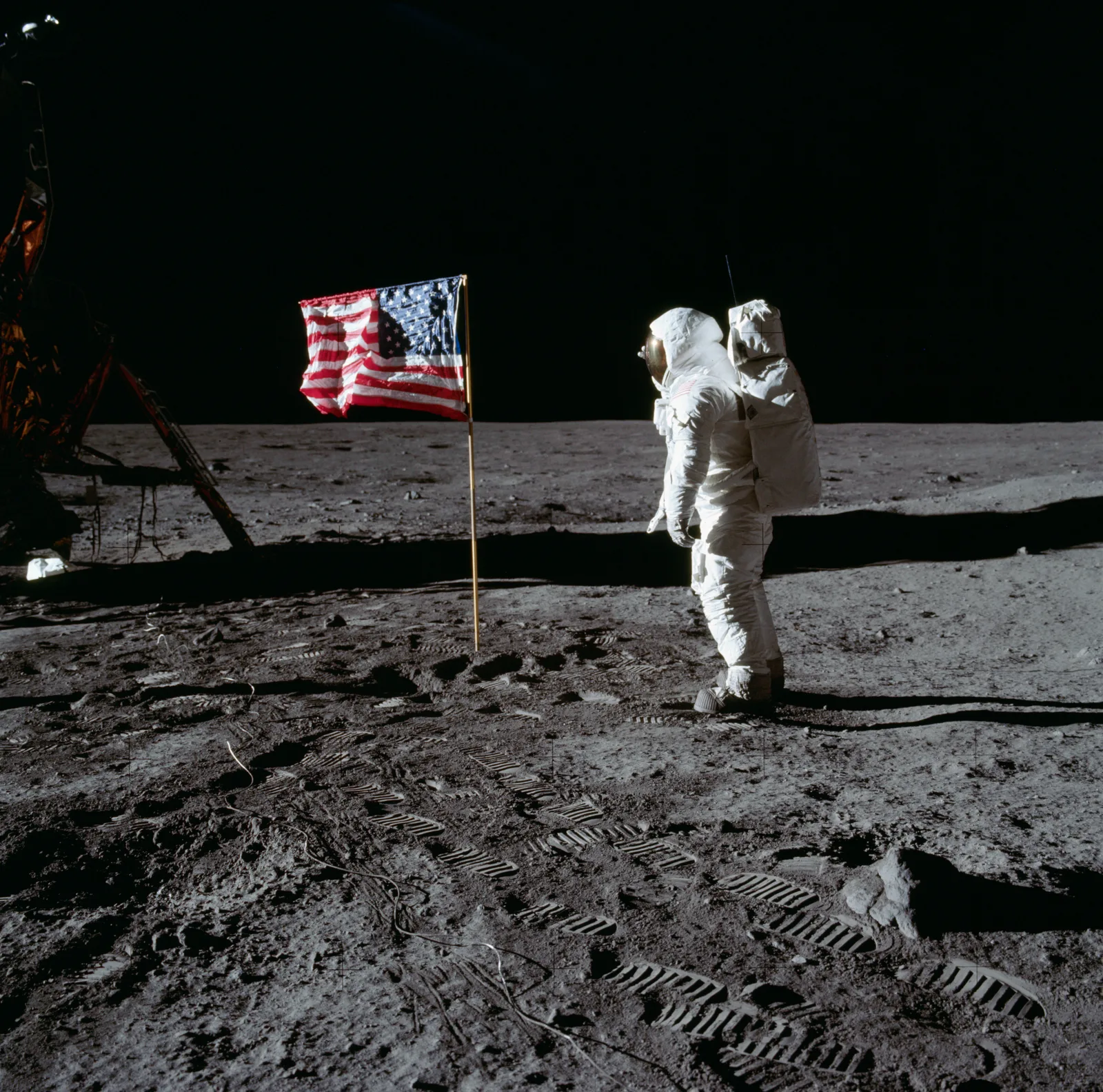
“The Americans never landed on the Moon”: an annual claim, answered by flags and footprints seen from orbit
As World Space Week opens, the short clips swearing that the Apollo landing was filmed in a studio are back. We examine the claim not through the astronauts’ testimony but through what any scientist in the world can check today: photographs from orbit, lunar rocks in laboratories, and the reflectors used every night to measure the distance to the Moon.
October 4, 2026 · 7 min read
Beautiful Egypt
Know your country... and show it to the world
Tourism in all its forms — presenting Egypt to the world in its own languages
View AllBefore Giza, There Were Saqqara and Dahshur: A Day Trip to Egypt's Oldest Standing Stone and First True Pyramid
Voice of the Citizen
Share your complaint or suggestion — we follow up until there is a response
From Complaint to Response
Half the Crate Never Arrives: A Night at the Wholesale Market and the Story of Food Lost Between Field and Plate
Hours before the city wakes, crates are unloaded under floodlights, and some produce is set aside because it didn't survive the journey. Estimates published by the Food and Agriculture Organization in 2022 put annual loss and waste at nearly half of Egypt's vegetables and fruit. A night inside the wholesale market shows where the cold chain breaks down — and why it matters to you when you pick out tomatoes in the morning.
Sections
General News
Comprehensive coverage of national affairs and the issues that touch citizens' daily lives
Scientific Innovations
The latest discoveries and innovations in Egypt and worldwide, explained for everyone
Health News
Verified health awareness and debunking of common myths
Legislation Platform
Draft laws analyzed article by article by experts, with the Legislative Quality Index
The Senate
The Senate's studies, proposals, and public dialogue
Legal News
Court rulings and principles made simple, plus the Know Your Rights series
Family & Society
Permanent sections for women, children, people of determination, workers, and farmers
Youth Gateway
Safe educational content that builds children intellectually and culturally on modern pedagogy
Beautiful Egypt
Tourism in all its forms — presenting Egypt to the world in its own languages
Voice of the Fans
Sports and youth: live coverage and discovering talent across the governorates
Arts & Culture
Constructive criticism and purposeful art serving the nation and the citizen
World News
The world's most important events through Egyptian eyes
National Causes
Six permanent files where knowledge accumulates and progress is measured
The Truth
Lies dispelled by facts: a verification unit with a published methodology
Voice of the Citizen
People's complaints, suggestions, and stories — under strict publishing rules, followed up until a response
That's Wrong
sections.wrong.desc
Your Personal Briefing
A daily briefing generated just for you: your language, your topics, your time
We never share your email with anyone