"That's Just Wrong": Digging Under the House for Treasure Finds No Gold — Only a Collapsing Roof and Years in Prison
The summer of 2026 alone brought a string of illegal digs that collapsed on people searching for buried treasure: five dead in Al-Qusiya, Assiut, in June; ten deaths in Assiut alone within less than a month, according to Masrawy; then three in Fayoum and one under an old house in Bilbeis in August. We tell what happened, explain what Egypt's Antiquities Protection Law says, and show how legitimate archaeological excavation actually works.
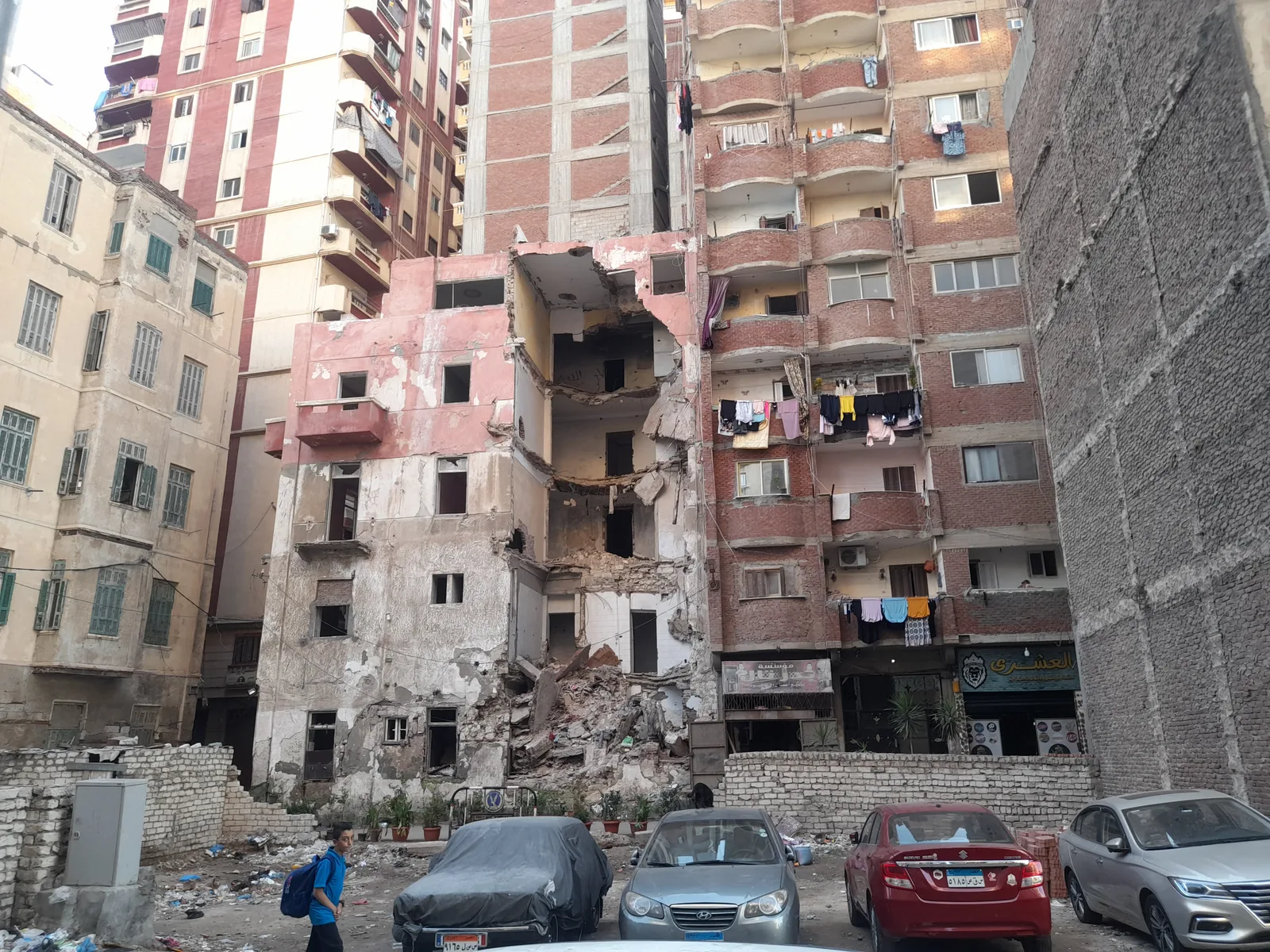
In an old neighborhood, once the street has gone quiet and the television next door has fallen silent, another sound begins, low and careful: a chisel prying up the tiles of a ground-floor room, then a bucket hoisted up on a rope, then men whispering to each other around a bulb hanging from a wire. The neighbors know nothing. And the story that brought these men together is neither new nor rare: one of them heard a whisper about buried treasure under the floor, and promised his family that a single exhausting night would end a lifetime of hardship. This scene is assembled from details that recur across such cases, and we do not attribute it to any one incident in particular; but its ending has been documented at least five times in Egypt's crime pages in the summer of 2026 alone, from Assiut to Fayoum to Qalyubia to Sharqia: no treasure came out of the pit. Bodies did.
On 11 August 2026, the news site Masrawy reported that three people had died when an illegal excavation pit collapsed on them in Fayoum governorate. The pit was so deep that rescuers could not pull the victims out quickly; their bodies were not recovered from under the sand until ten days later, according to a follow-up the same site published on the twentieth of that month. We will not name anyone, nor give addresses — the victims' families have already paid a high enough price, and what concerns us here is the behavior, not the people.
Eleven days later, on 22 August 2026, the same site reported from Sharqia governorate: an old house in the jurisdiction of Bilbeis collapsed on a group digging beneath it in search of antiquities, killing one of them, with four suspects arrested, including the property's owner. Fayoum and Bilbeis were not the only places. On 26 June 2026, Al-Shorouk reported five deaths and three injuries when an excavation pit collapsed at Gebel al-Gharbi in Al-Qusiya, Assiut. On 10 July, Masrawy published a roundup under the headline that ten deaths had occurred in Assiut alone within less than a month, across four separate incidents. Then came the death of one person in an excavation shaft at a brick factory in the same governorate on 10 August, and the rescue of two people after a pit collapsed on them inside a house in the village of Namoul, in Tukh district, Qalyubia, on 14 August, according to Youm7.
Incidents piling up over three months and four far-flung governorates, running to almost the same script every time: old ground, a whisper about treasure, a rope and a pulley, then sand or clay collapsing in an instant that gives no one a chance to reach for a hand. Let's call the mistake by its name: digging under a house — or under farmland, or inside an abandoned building — in search of buried treasure is wrong on three counts at once, not one. It is wrong because it kills. It is wrong because it can bring down a house that may be a family's only asset. And it is wrong because it is a crime under Egyptian law, punishable by up to seven years in prison and a fine of up to one million Egyptian pounds. What makes it most dangerous is that it looks like "a personal gamble that hurts no one," when in truth it is a decision taken on behalf of the neighbors, and of the children asleep in the rooms above.
The engineering side of this is simple, and simply terrifying. An old house does not stand on air; it stands on foundations that carry its weight down into solid soil beneath it, and any pit dug under those foundations, or right beside them, empties out the ground that was holding the wall up — so the wall ends up resting on empty space. How the collapse looks depends on the soil: in Upper Egypt and Fayoum, loose sand gives way all at once — the reporting on the Al-Qusiya pit attributed the collapse there to the sandy nature of the ground — while in the Delta, soft silt and a high water table turn the side of the pit into flowing mud. These illegal digs are carried out with no shoring, no ventilation and no second way out, often at a depth rescue teams struggle to reach, which is exactly what turns what could have been an injury into a certain death. None of this means that a properly shored or ventilated pit would be legitimate — digging in search of antiquities is a complete crime in itself, no matter how many precautions the digger takes.
Behind every one of these pits sits a whole economy of superstition: people who sell so-called "treasure signs" (markings claimed to point to buried hoards), others who talk about "red mercury" as though it were a fortune waiting to be pulled out from under houses, and still others who produce a "treasure map" supposedly inherited from a grandfather. All of it is myth, and we mention it here to expose it, not to explain it. And the pattern never fails: whoever sells the illusion collects cash and walks away, leaving the homeowner alone in front of the pit, in front of the prosecution, and in front of the neighbors. The illusion here is not that there is nothing at all underground — something real can, in fact, be found, and genuine antiquities have been seized from illegal excavators — but that it never turns into money in anyone's pocket. An antiquity is state property, confiscated by law, and the homeowner ends up standing before prosecutors on a charge that carries prison time. As for this kind of digging ending in wealth, we have not found — as of this writing — a single case that ended that way.
This brings us to the law, which is clear here and leaves no room for interpretation. Article 49 of the Egyptian Constitution commits the state to protecting, maintaining and restoring antiquities, and to regulating and supervising excavation for them, and it states that assaulting or trading in antiquities is a crime that never lapses through the passage of time — meaning the years passing does not erase responsibility for a pit dug in secret. In statute, Article 32 of the Antiquities Protection Law No. 117 of 1983, as amended by Law No. 91 of 2018, provides that the Supreme Council of Antiquities alone is responsible for uncovering antiquities on the surface and excavating for those beneath it, and that only it may authorize scientific missions and institutions to dig at specified sites, for specified periods, under its supervision. Excavation, in other words, is a right reserved to the state — owning the land does not give the landowner a right to dig into it.
The penalty itself is set out, with exact figures, in Article 42 of the same law, after penalties were toughened by Law No. 91 of 2018: imprisonment of no less than three years and no more than seven, and a fine of no less than 500,000 Egyptian pounds and no more than one million, for anyone who carries out excavation work in order to obtain antiquities without a license — along with confiscation of the antiquity, the tools, and any vehicles used. On top of that, the dig site itself is placed under seizure until the Council carries out excavation work there at the offender's expense. And if matters escalate to smuggling an antiquity out of the country, Article 41 of the same law raises the penalty to life imprisonment and a fine of no less than one million pounds and no more than ten million.
Responsibility does not stop with the man who climbed down into the pit with his own hands. In the Sharqia case, the published reports noted that four suspects were arrested, including the property owner himself. Whoever opens up their house for the dig, whoever finances the operation, and whoever brings in the laborers and hands out the roles, all fall within the circle of the charge. And the laborer hired for a day's wage, who thinks he is simply "working a job" (a common Egyptian phrase for casual paid labor), can end up facing a charge himself, or leaving behind a family with no breadwinner. Dragging someone else into this pit is not cleverness.
By contrast, it is worth seeing how the legitimate search for the past actually happens today. An archaeological mission — Egyptian or foreign — does not go down into the ground with a rope and a lightbulb. It submits an application to the Supreme Council of Antiquities, its scientific plan is reviewed, and it is issued a license fixed to a specific location, duration and season, all under the supervision of antiquities inspectors. It excavates layer by layer rather than digging a single pit, documents each layer with photographs, drawings and elevation measurements before removing it, and records every piece in official reports under state supervision. Everything found belongs to the state and is handed over to it, the season ends with a report submitted to the Council, and the license holder is granted priority to publish the scientific findings of the discovery within five years of the date of discovery, under Article 32. This — to the best of our knowledge of the procedures in force as of this writing — is the only lawful path.
The difference between the two paths is not just paperwork; it is a difference in meaning. An artifact is not worth what it is in itself so much as it is worth where it was found: which layer it came from, what pottery lay beside it, at what depth. These details are what tell us when people lived here, what they ate, and how they buried their dead. A pit dug at night tears out this page before anyone can ever read it; even if something does come out of it, it comes out mute, stripped of its story, cut off from a history that belongs to the whole nation, not to the homeowner alone.
So what is the right thing to do? If you stumble, by chance, on something you think might be an antiquity — say, while digging a licensed foundation or fixing a pipe — three things are required: stop immediately, do not move or clean the object, and notify the nearest administrative authority within forty-eight hours while safeguarding it until the competent body takes it into custody, as required by Article 24 of the same law; otherwise, you are treated as someone possessing an antiquity without a license. The antiquity becomes state property, and the Council may grant whoever found it and reported it a reward assessed by a specialized committee according to the piece's importance. A written report beats a deal made in the dark, a thousand times over.
And if you hear the sound of digging next door late at night, know that the wall being hollowed out from underneath could well be your own, and that reporting it is not an act of betrayal but a way of protecting lives — including the lives of the people doing the digging. Add it up calmly, the way you'd total up the household expenses at the end of the month: the cost of renting the tools, the wages of the men, and the price of an illusion sold to you by word of mouth, against broken tiles, a cracked ceiling, and the chance of becoming a defendant in your own home. The real treasure under your floor is a sound foundation carrying the wall, cool tiles children run across in summer, and a night the family sleeps through undisturbed until dawn.
Related Stories
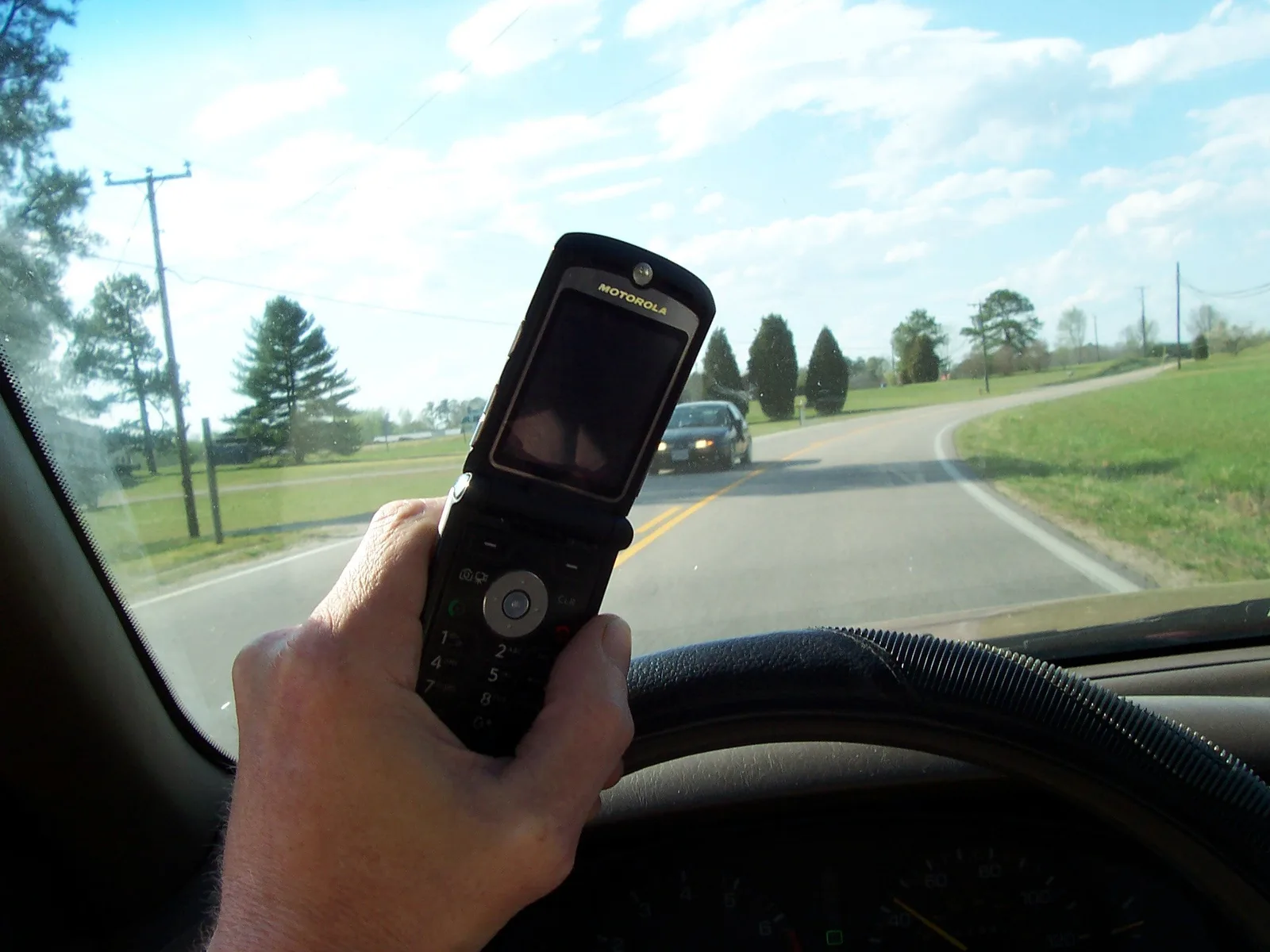
“That’s Wrong”: One Glance at the Screen — WHO Says Drivers Who Use Phones Are About Four Times as Likely to Crash
On the World Day of Remembrance for Road Traffic Victims, marked today on the third Sunday of November, we look at a habit seen on every street that seems harmless: the phone in hand behind the wheel. The World Health Organization says drivers who use a phone are about four times as likely to crash, and that hands-free kits are not much safer, because the problem is attention, not the hand.
November 15, 2026 · 8 min read
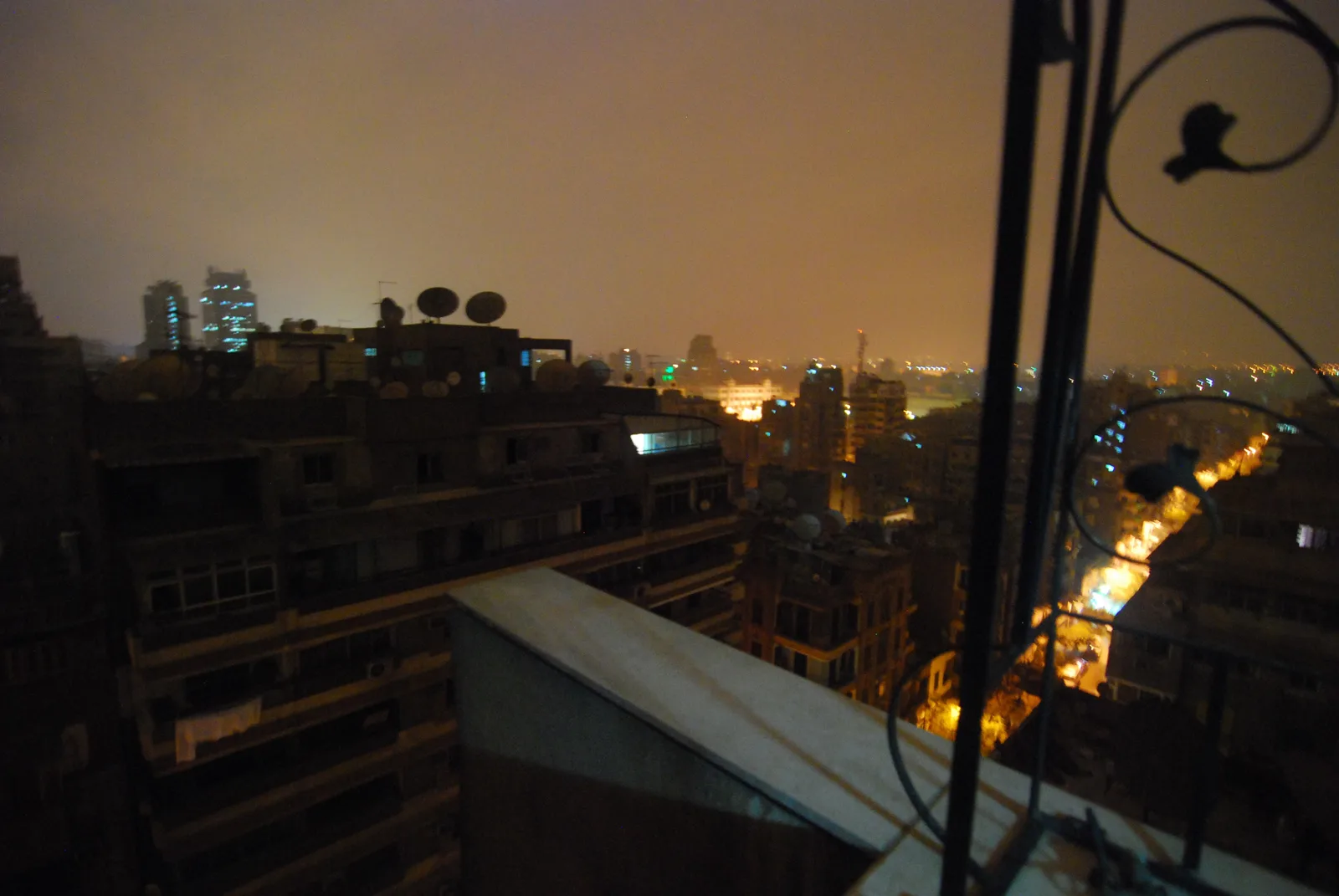
“Kida Ghalat”: Loudspeakers on a Residential Street After Midnight. Your Joy Is a Right, and So Is Your Neighbour’s Rest
A wedding marquee, a band and a loudspeaker beneath balconies where a student is revising, a sick woman is resting and a two-month-old baby is sleeping: when does a legitimate celebration become noise the law asks about? We separate a licensed hall, bound by the sound limits of the environment law, from a private street party, and propose an announced finishing time and sound aimed inward, so the joy and the neighbours’ night can both be kept.
November 6, 2026 · 8 min read
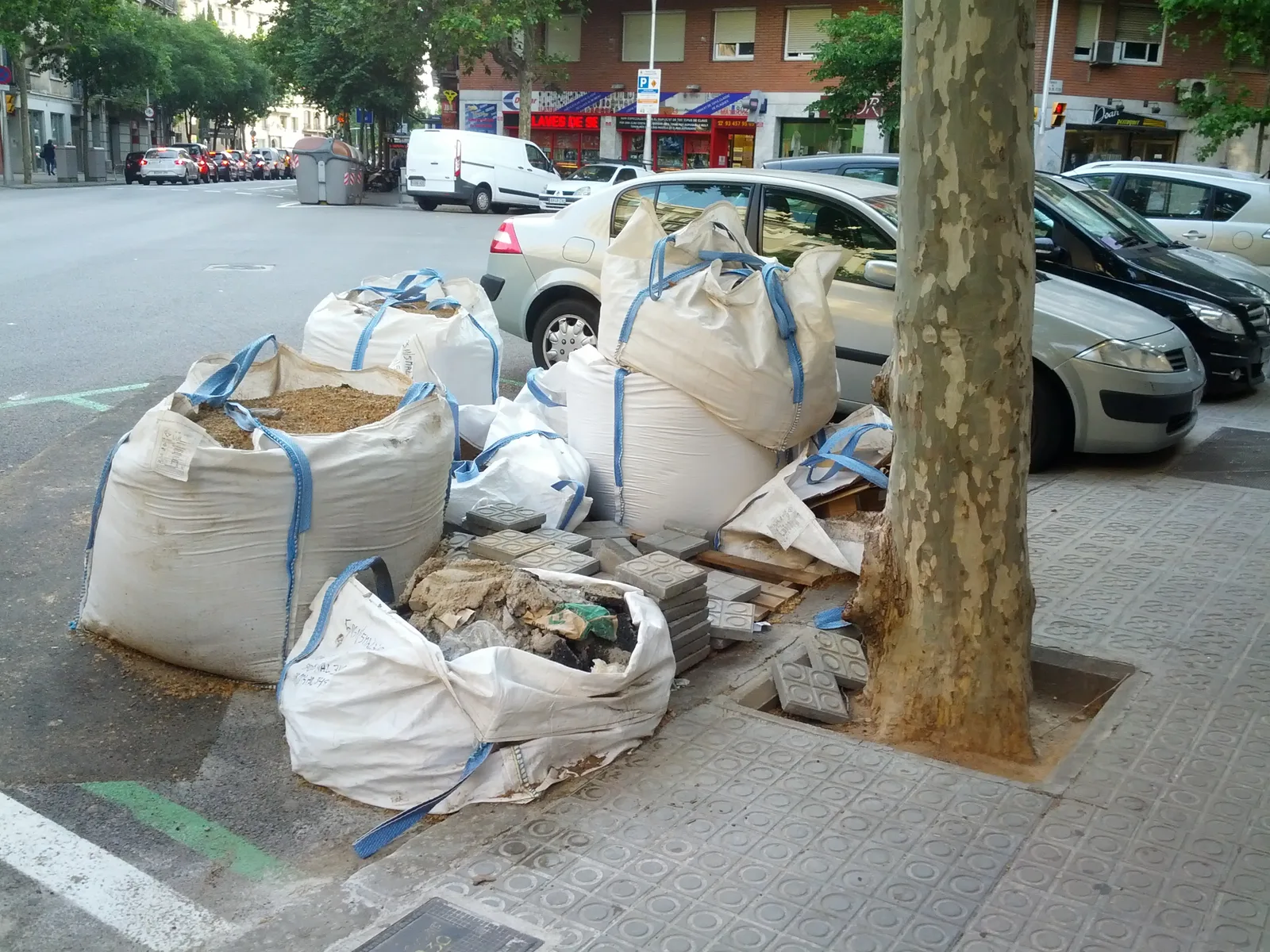
"That's Just Wrong": Demolition and Renovation Debris Dumped on the Corner — Owner and Contractor Liable, Not Passers-By
A mound of dirt and broken brick appears overnight at the corner, narrowing the pavement and clogging the storm drain before the first rain. This is not just another litter story: demolition and renovation debris has its own law, beginning with the building permit and a contract with a licensed hauler — and liability falls first on whoever ordered the work and paid for it. Here is the practical path, and the penalty.
October 27, 2026 · 7 min read