Scientific Innovations
The latest discoveries and innovations in Egypt and worldwide, explained for everyone
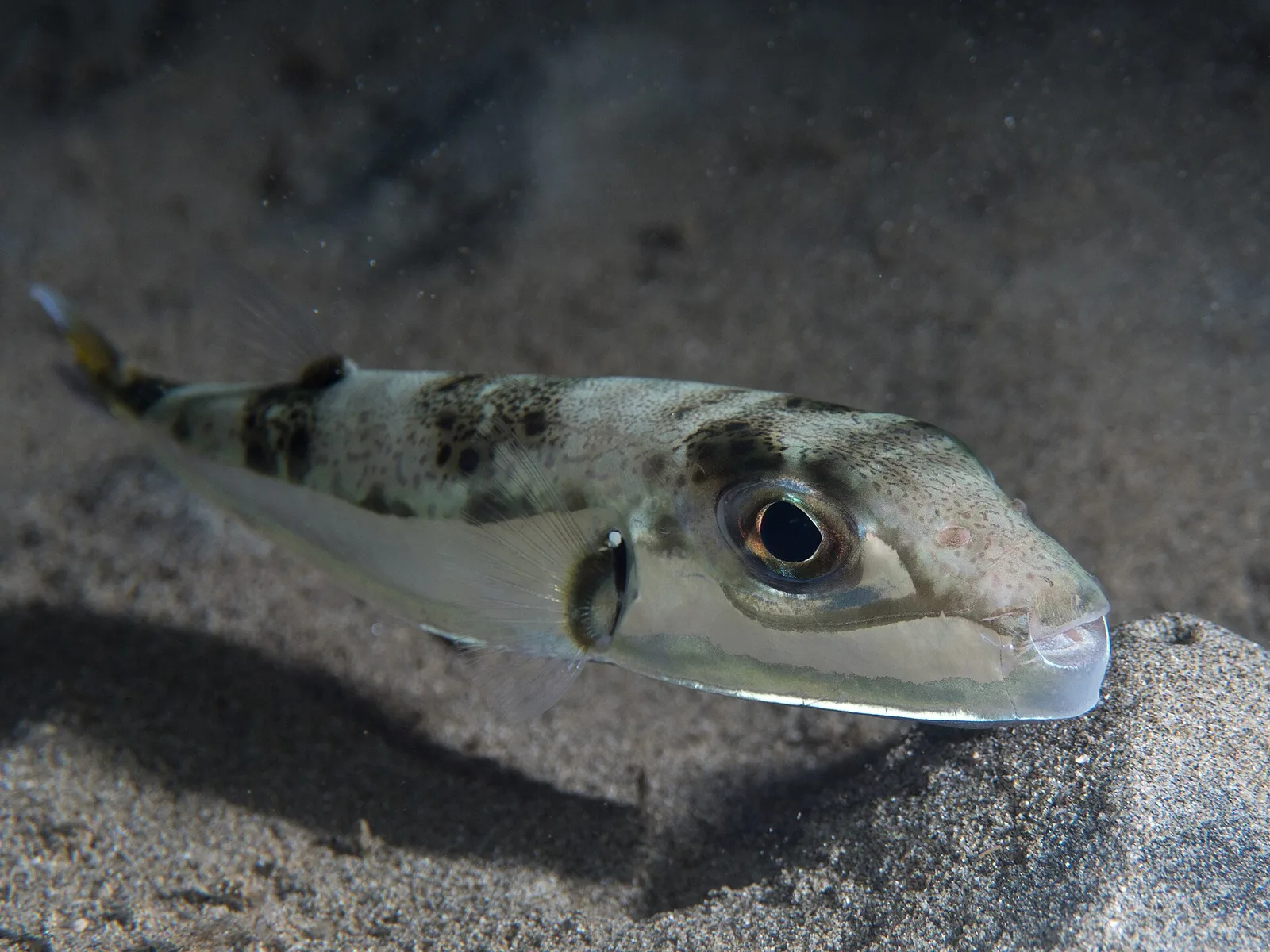
157 Years After the Suez Canal Opened: Hundreds of Species Reached the Mediterranean, and the “Rabbit Fish” Story
The canal opened to shipping 157 years ago this week, and it did more than link two ports: it joined two seas that had been separate for millions of years, starting a marine migration scientists call “Lessepsian.” The story ends at the fish counter: one species carries a poison that cooking does not destroy, while the popular name is also used for other fish that are caught, sold and eaten safely.
November 18, 2026 · 9 min read
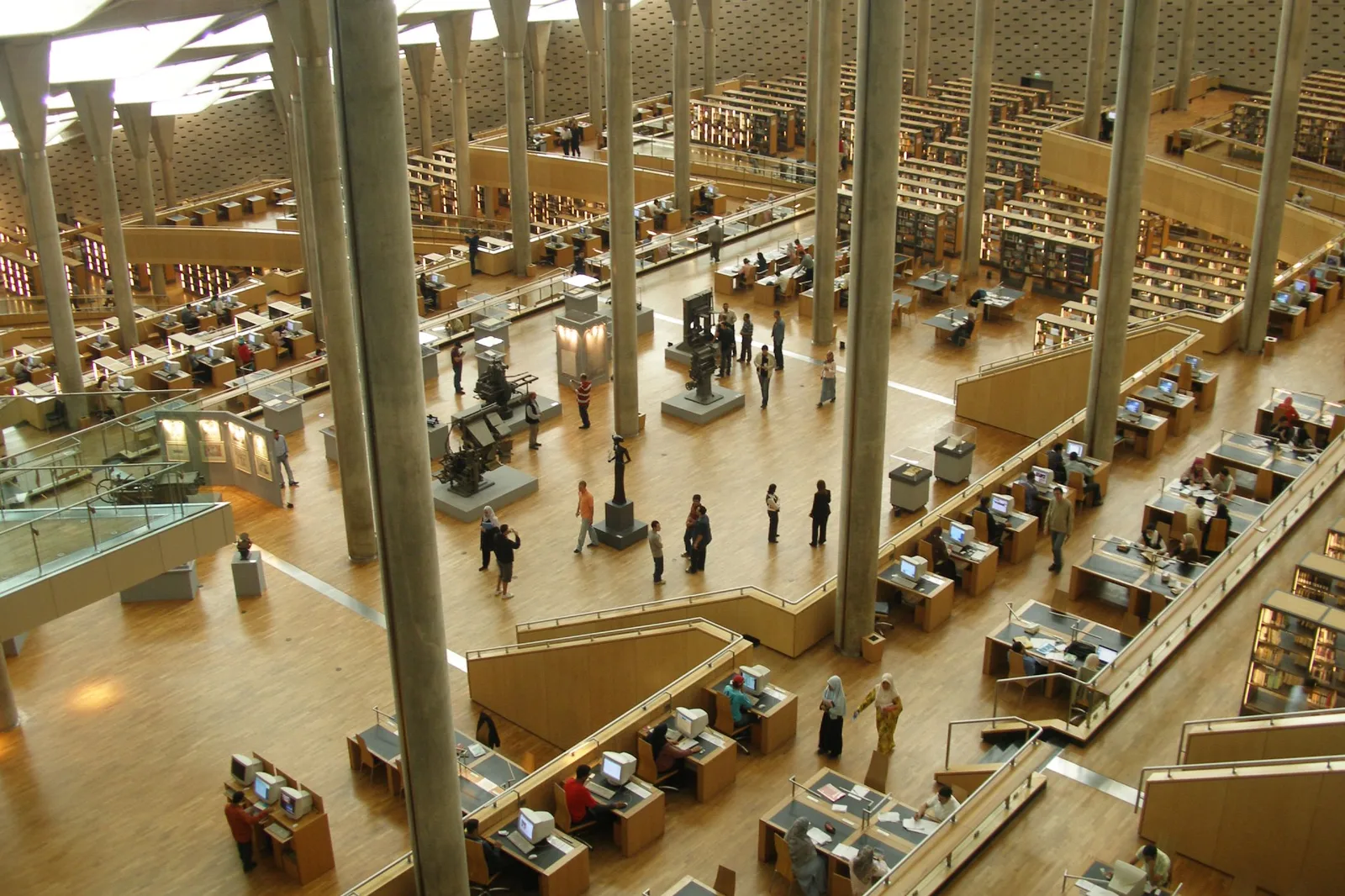
On World Science Day, how does a non-specialist read a scientific study, and who opens the door to one in Egypt?
A message arrives after midnight beginning “a new study confirms”, and anyone who tries to check it hits a page demanding tens of dollars. On World Science Day for Peace and Development, we explain the legal routes to studies in Egypt, what peer review means, and why one study of twenty people is not a final verdict.
November 10, 2026 · 9 min read
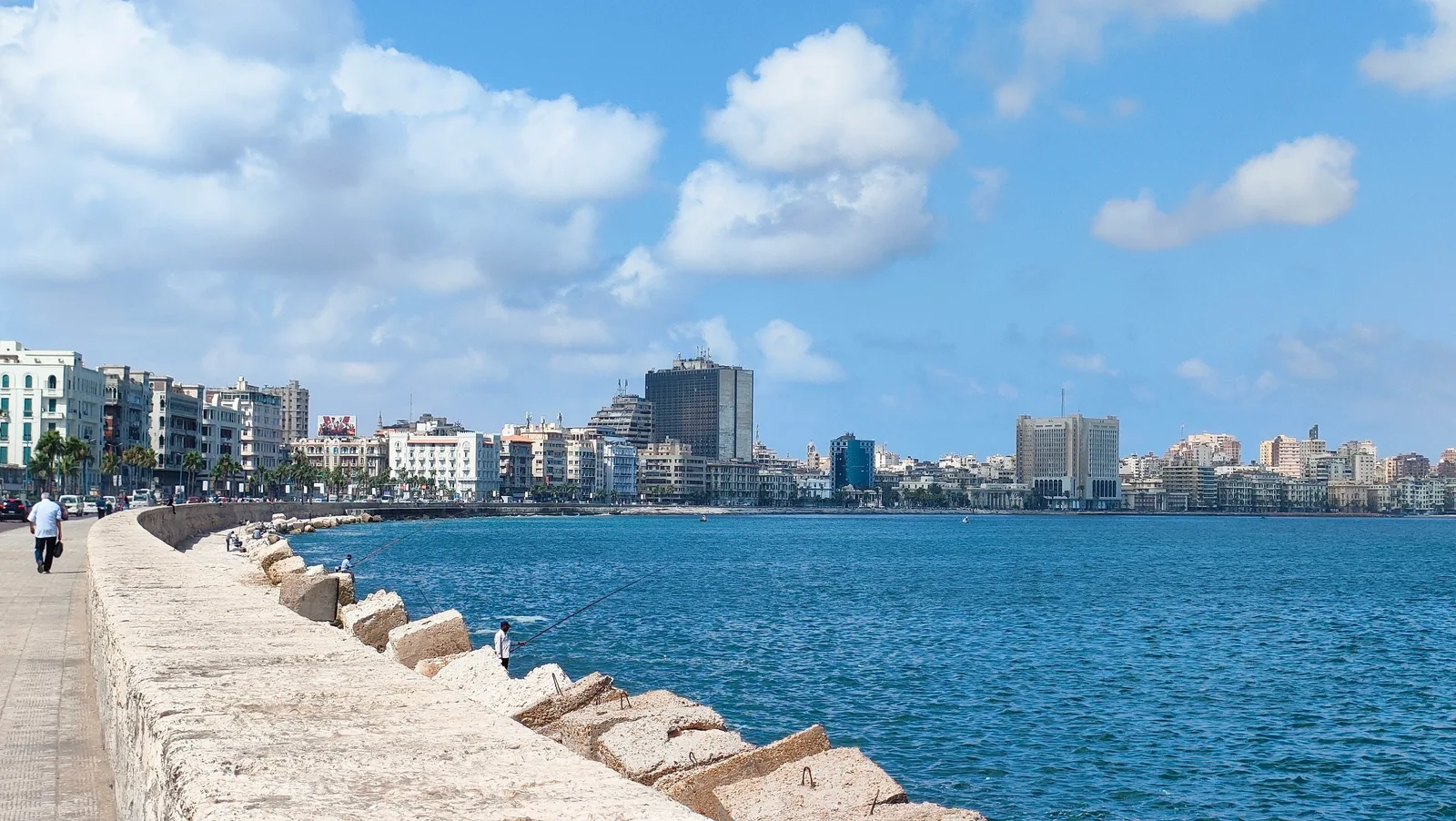
Alexandria's 'Day of Terror': What Happened in July 365, and How Science Watches the Med
On November 5 the world marks World Tsunami Awareness Day. We look back to July 21, 365 CE, when the sea withdrew from Alexandria's shore and then returned, and ask: what does science say about that story today? Why is Mediterranean warning time measured in minutes, not hours? And how did Alexandria become the first 'Tsunami Ready' city in Egypt and Africa?
November 5, 2026 · 7 min read
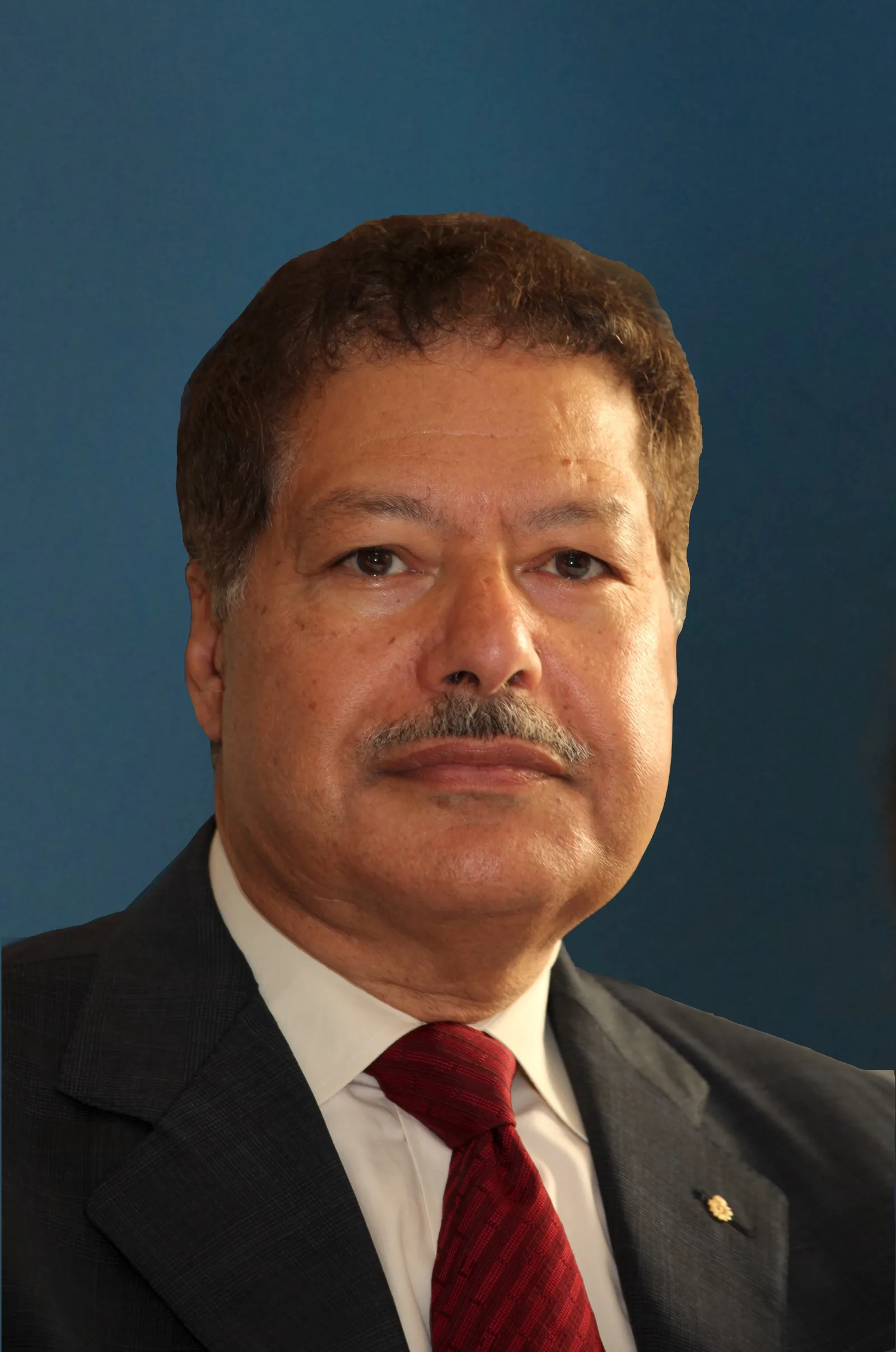
October 12, 1999: The Day a Son of Damanhur Watched Atoms Move — Ahmed Zewail and Femtochemistry
Twenty-seven years ago today, the Royal Swedish Academy of Sciences announced that Ahmed Zewail had won the Nobel Prize in Chemistry for "his studies of the transition states of chemical reactions using femtosecond spectroscopy." Here, in everyday language, we explain what a femtosecond is, how scientists managed to capture the instant a chemical bond breaks, and what Law 161 of 2012 and its 2019 amendment say about the city that bears his name.
October 12, 2026 · 8 min read
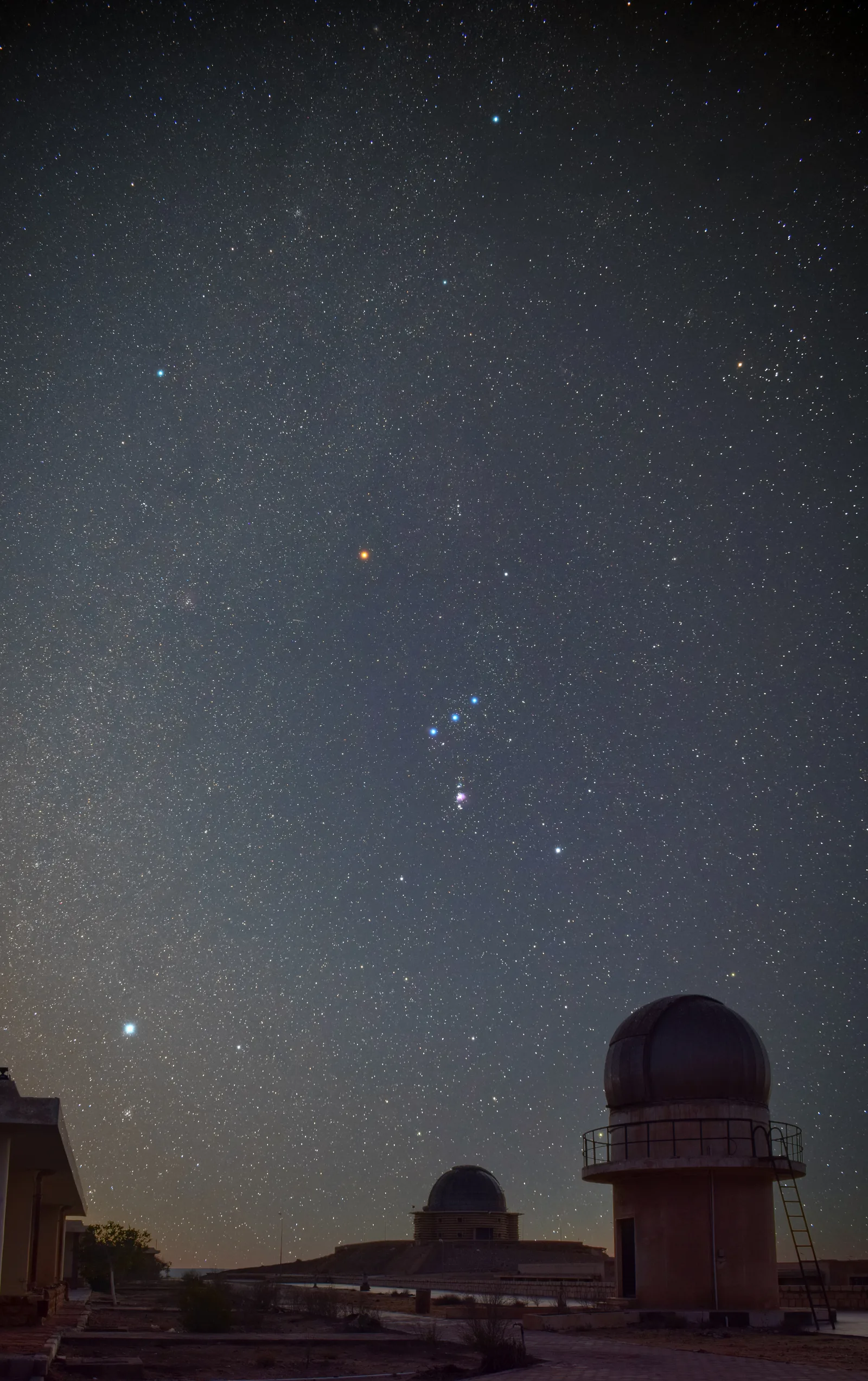
Egypt's Eye on the Sky: Kottamia Observatory's 74-Inch Mirror, Watching the Universe Since 1964
On a desert plateau east of Cairo, a dome has opened at sunset for more than sixty years. For World Space Week, we tell a story that begins with the Khedivial observatory at Abbassia, then Helwan and Halley's Comet, and reaches a giant mirror Egypt contracted for in 1948 and later upgraded with Japanese instruments. It is a reminder to every student that astronomy in Egypt is a living profession, not just heritage.
October 6, 2026 · 7 min read
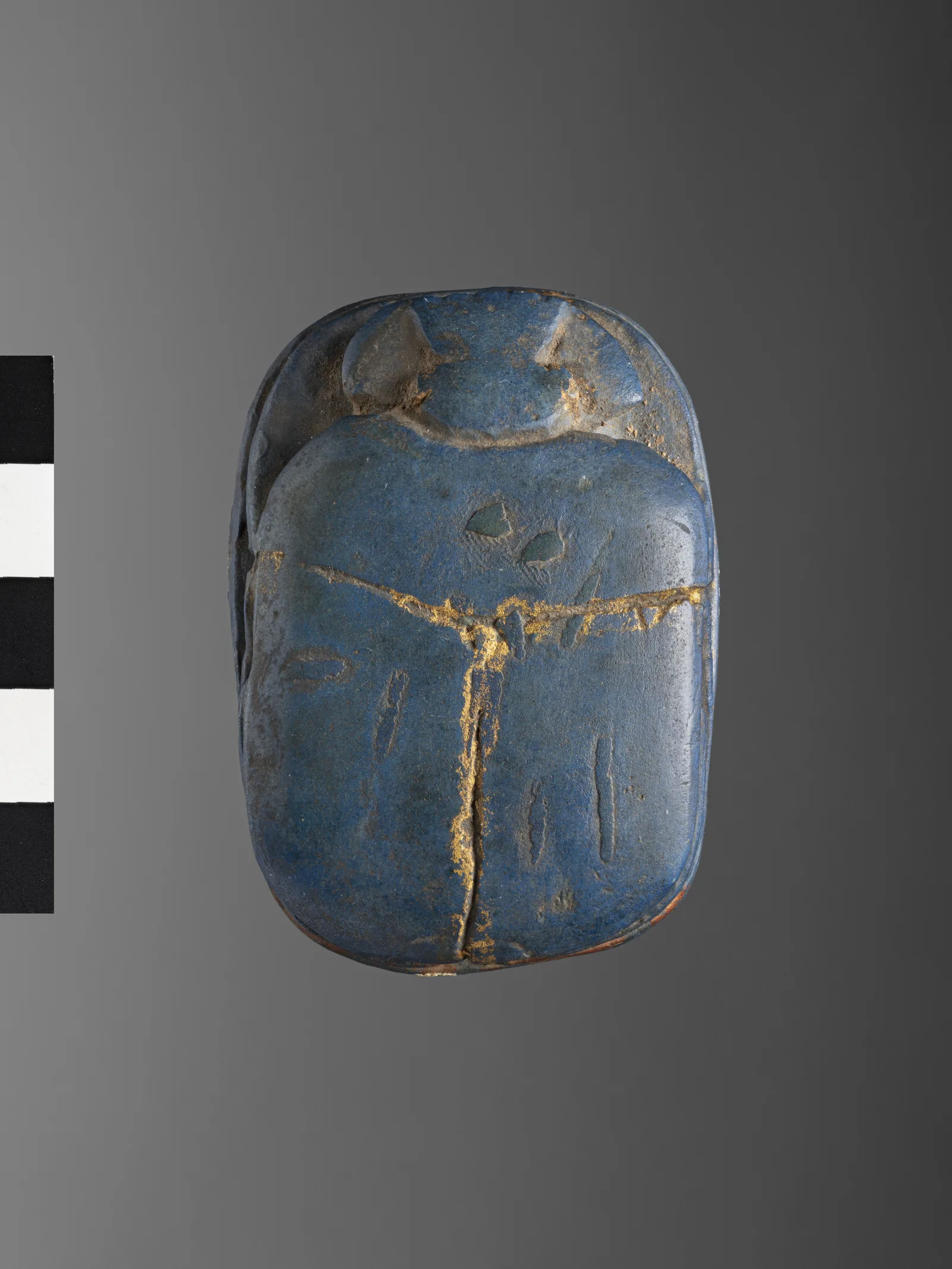
Egyptian Blue: History's First Synthetic Pigment Is Back, Lifting Fingerprints and Lighting Up Cells
A blue that Egyptian chemists made from sand, copper and lime thousands of years ago turned out, in 2013, to break apart into nanosheets that glow in the infrared. It has since become a powder that reveals fingerprints in Australia and a probe that lights up fly embryos and plant leaves in Germany. The story of an ancient material with a thoroughly modern property, and a question about our own laboratories today.
September 17, 2026 · 7 min read
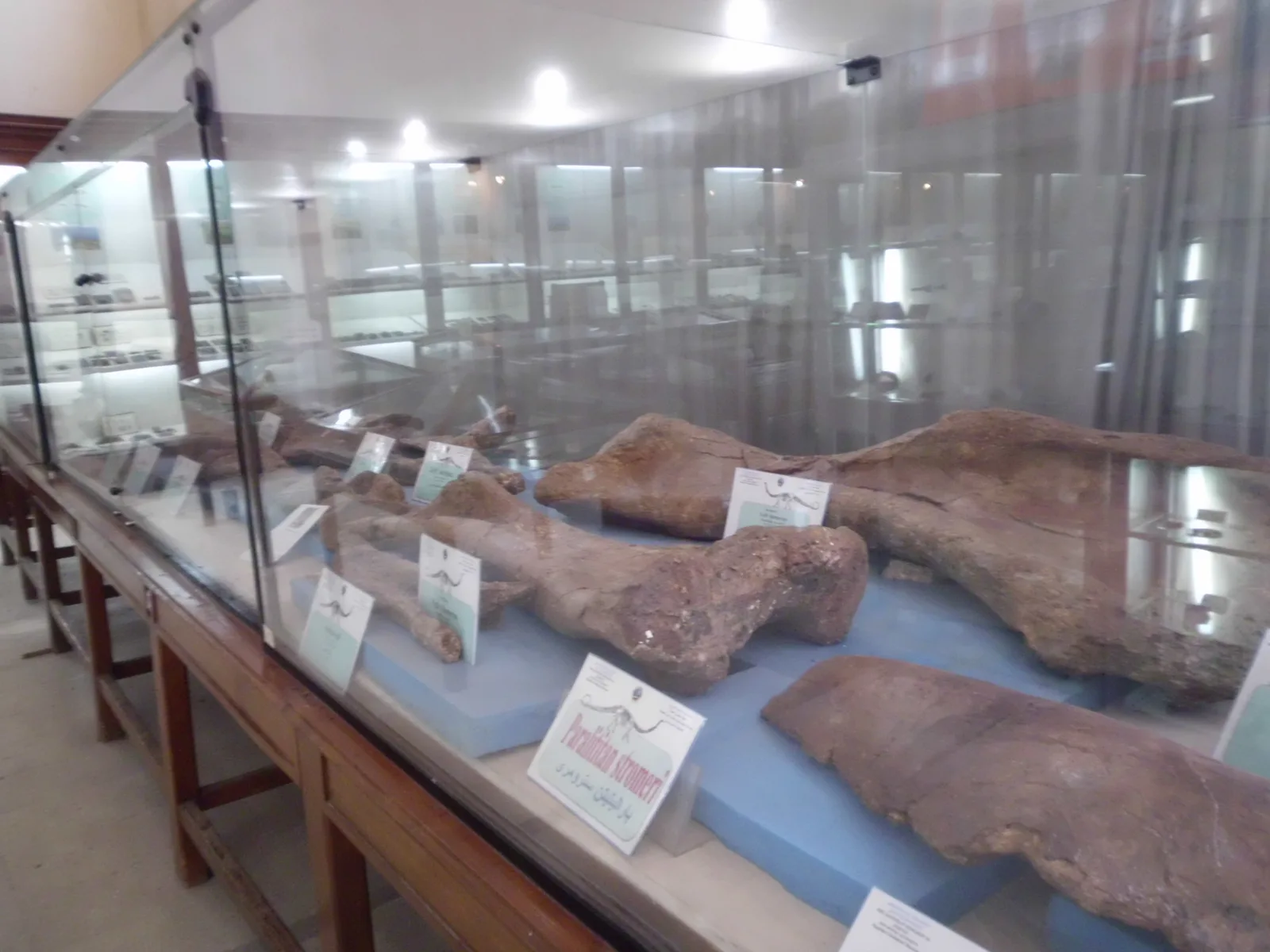
Eighty Million Years Before the Pharaohs: Mansoura's Dinosaur and the Oasis Fossils the War Burned
Egyptian students from Mansoura University pulled from the rocks of Dakhla Oasis the bones of Mansourasaurus, the most complete Late Cretaceous dinosaur skeleton ever found in Africa. A century before them, a German scientist laid the dinosaurs of Bahariya Oasis to rest in Munich, and the war burned them. The story of the Earth's archive in Egypt's desert, and of a science your child can study here.
September 8, 2026 · 7 min read
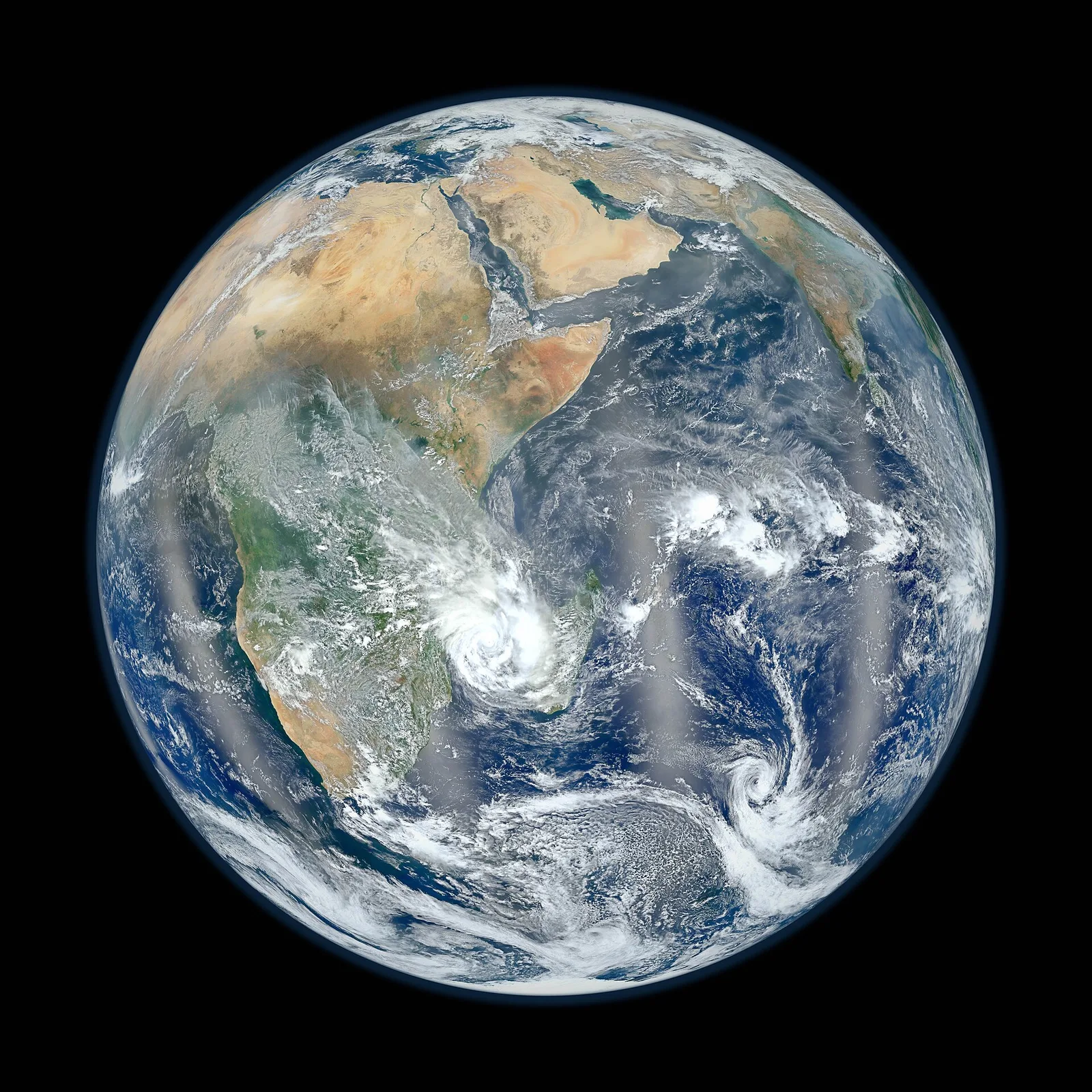
Egypt in Space: A National Agency and the Satellites Watching Land and Water
The Egyptian Space Agency was created by law in 2018, but Egypt's satellite story is older: from EgyptSat-1 to Tiba-1 and NExSat. Why does a farming country need a space programme? The answer lies in its fields, its water and its remote villages.
August 18, 2026 · 6 min read
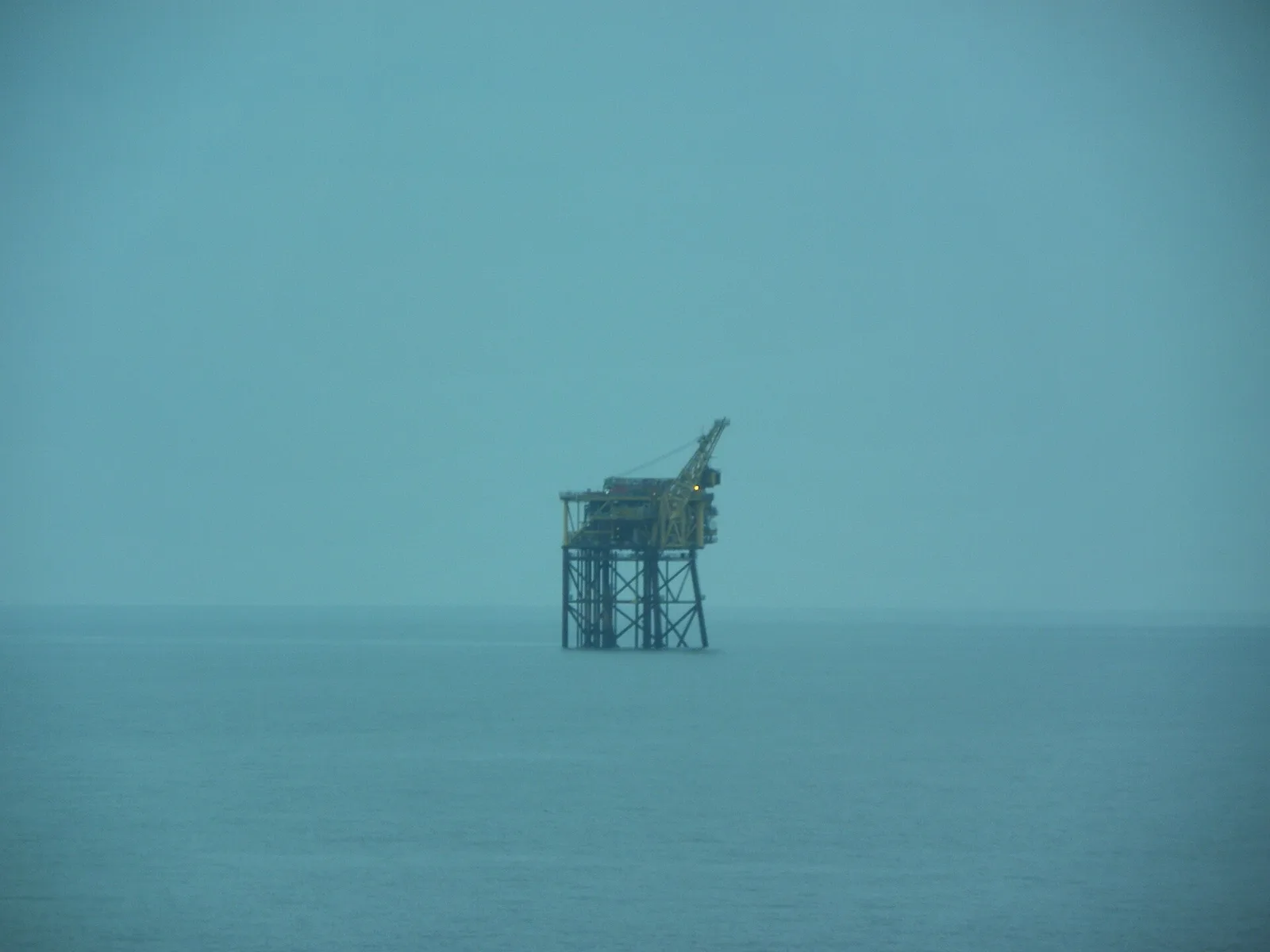
Zohr: The Discovery That Redrew the Eastern Mediterranean's Energy Map
In the summer of 2015, Eni announced the discovery of the Zohr field off Port Said — described at the time as the largest gas find in the Mediterranean's history. This is the story of the discovery, how gas is produced from the deep sea, and why it changed Egypt's place on the regional energy map.
August 18, 2026 · 6 min read
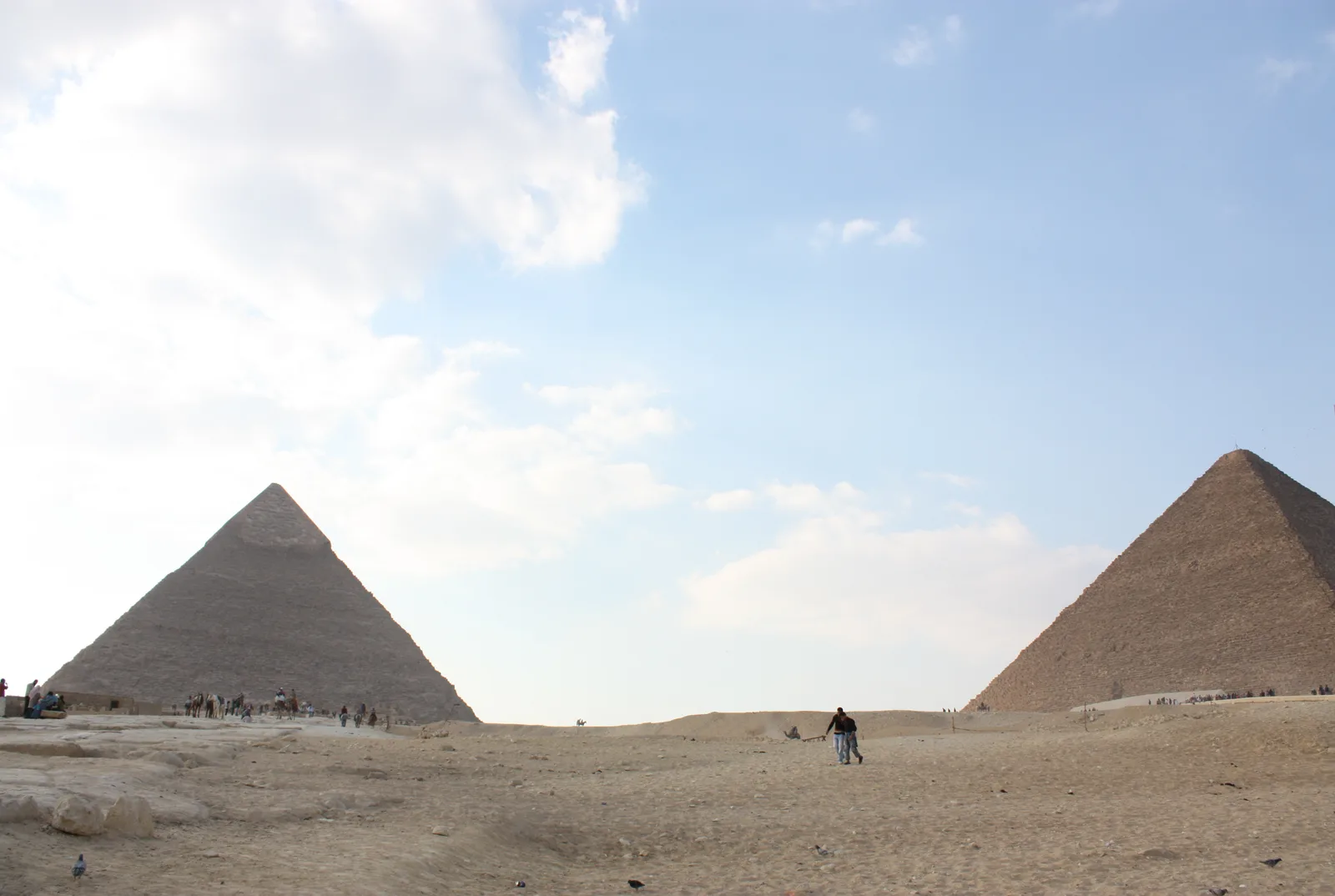
Muons, Scanners and Satellites: The New Science Reading Egypt's Ancient Secrets
Egyptology is no longer just brush and trowel. From cosmic particles passing through the Great Pyramid's stones to CT scans that unwrap mummies without touching them, modern technology is rewriting how Egypt discovers its own past.
August 18, 2026 · 7 min read
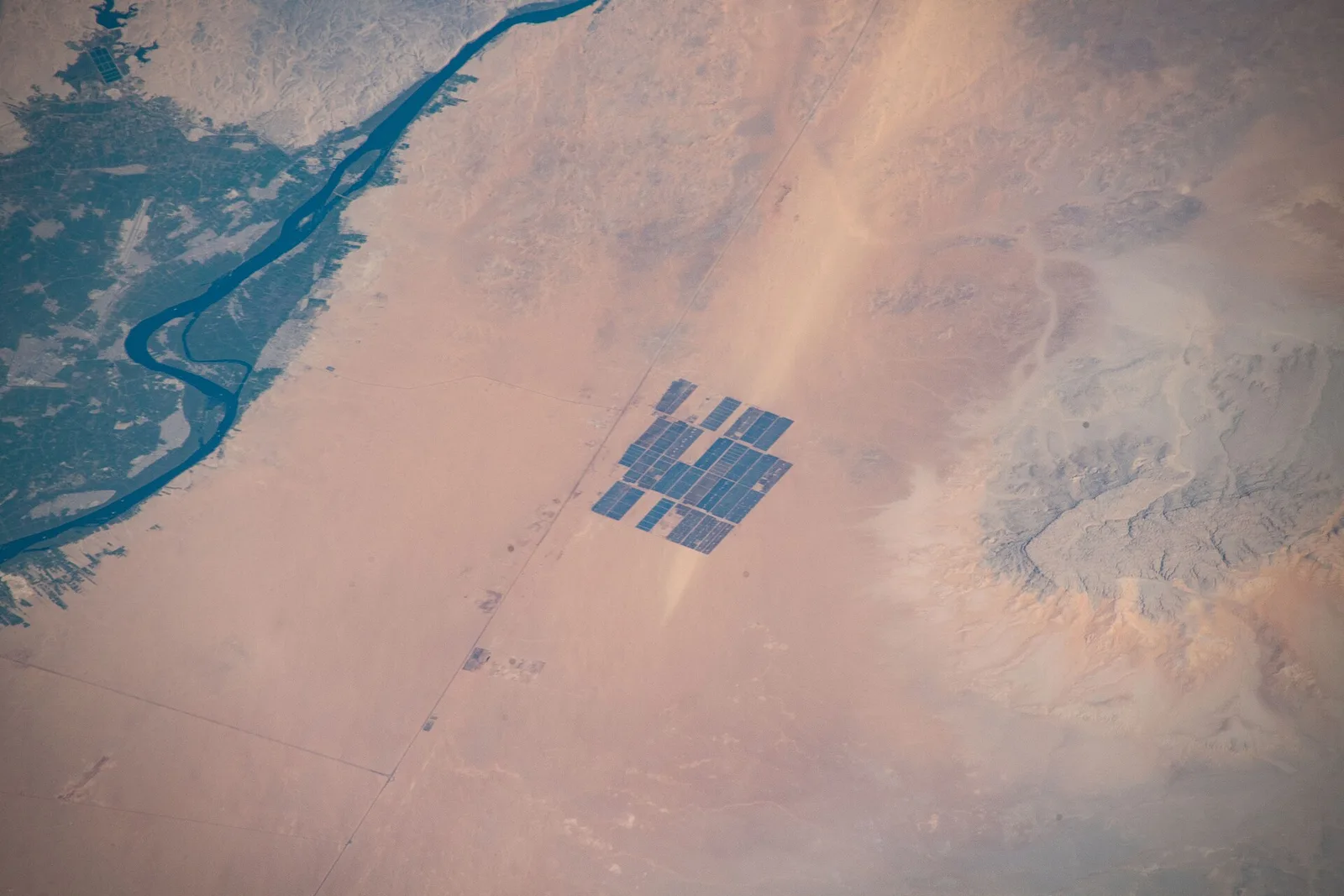
Benban: How Egypt's Desert Sun Became One of the World's Great Power Plants
In the Western Desert north of Aswan, dozens of interlocking solar plants form Benban, one of the largest photovoltaic parks on Earth — a project that turned Egypt's harshest natural force, the desert sun, into a renewable national asset.
August 18, 2026 · 7 min read
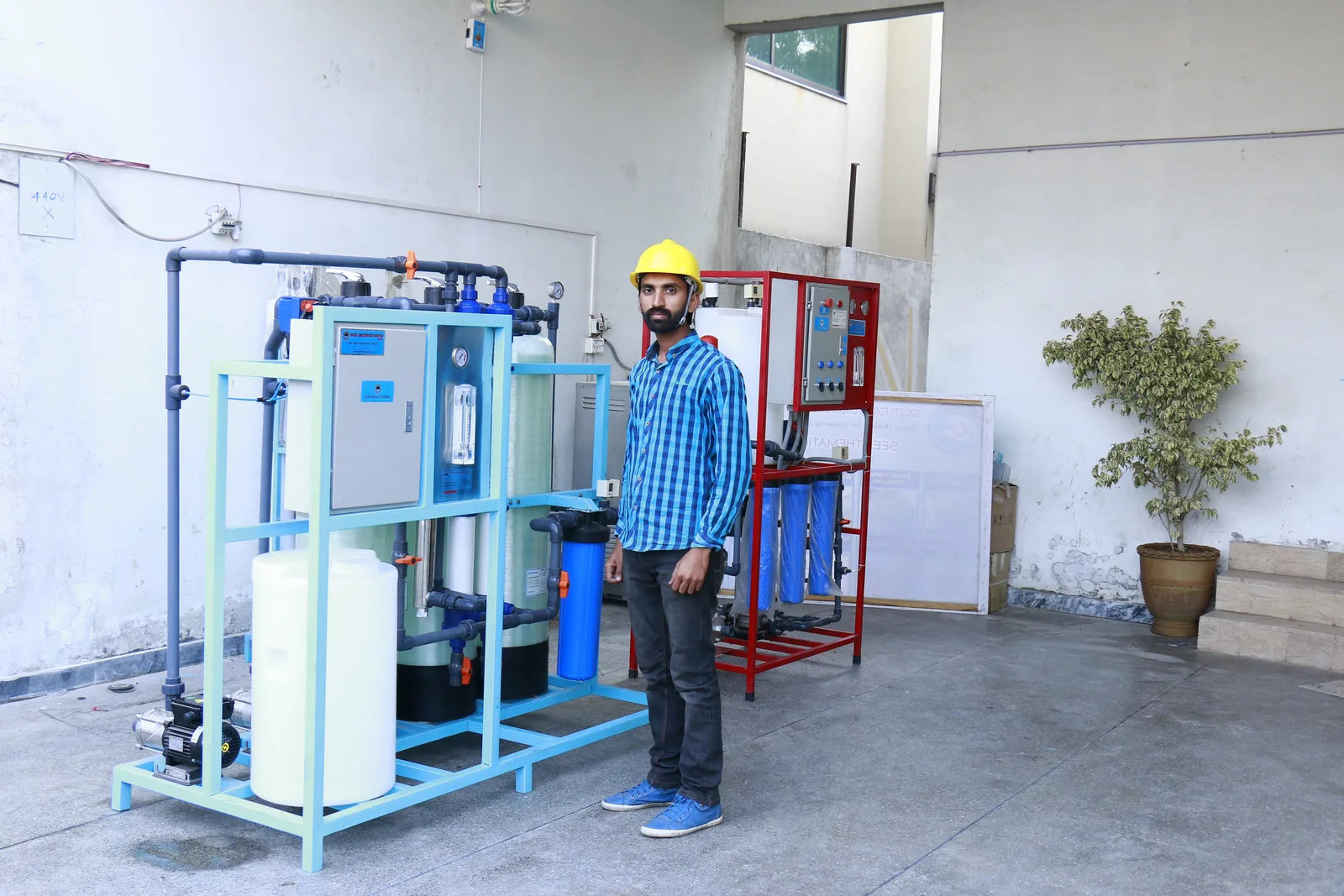
Innovation of the Week: New Membranes Cut the Cost of Seawater Desalination
Advanced generations of reverse-osmosis membranes promise lower energy use — what does that mean for coastal cities and mega projects?
August 11, 2026 · 5 min read