Muons, Scanners and Satellites: The New Science Reading Egypt's Ancient Secrets
Egyptology is no longer just brush and trowel. From cosmic particles passing through the Great Pyramid's stones to CT scans that unwrap mummies without touching them, modern technology is rewriting how Egypt discovers its own past.
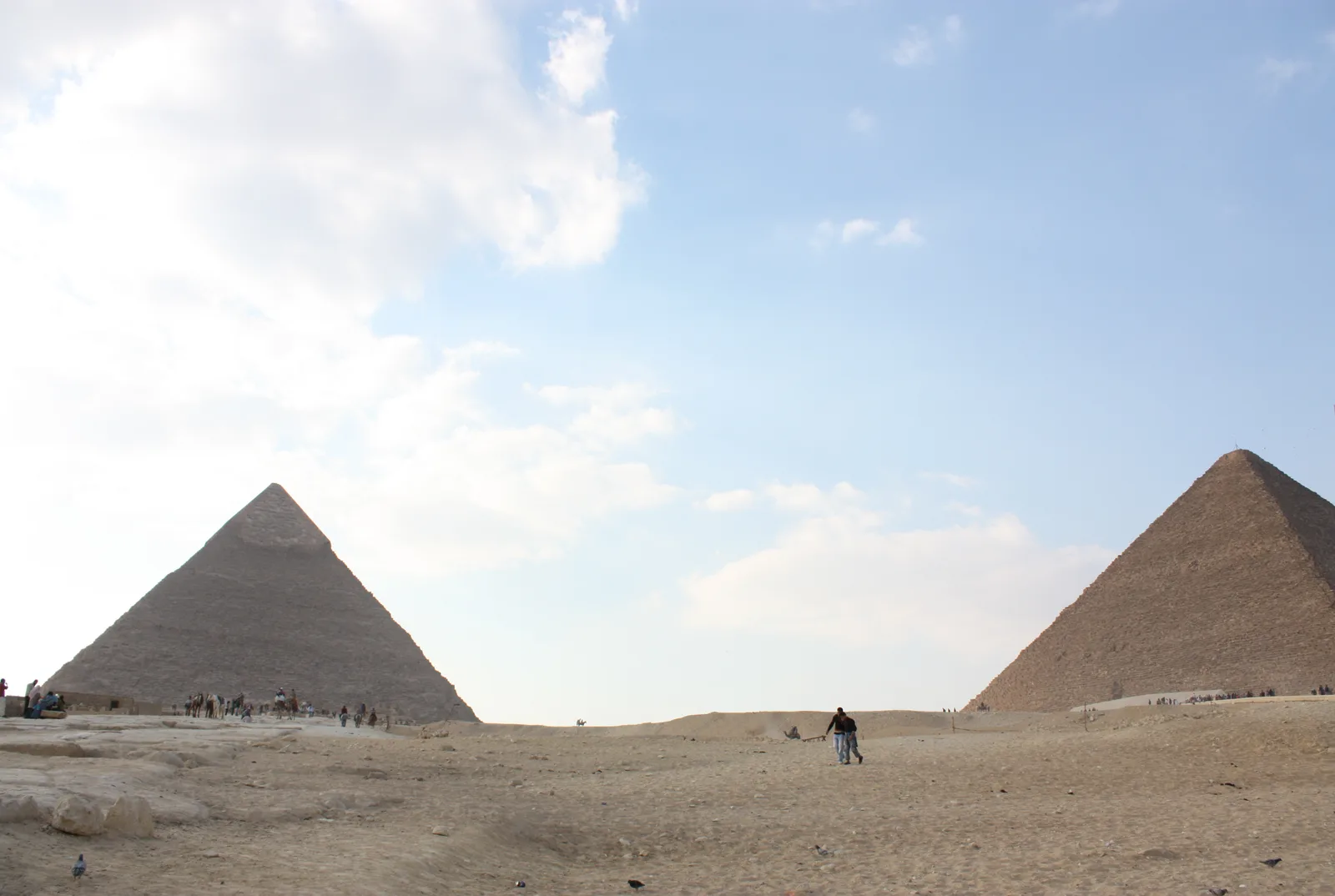
For two centuries, Egyptology conjured a single image: an archaeologist bent over the sand with a brush and trowel, dusting off the treasures of the past. That picture has changed profoundly. Today the great discoveries of the Nile Valley are born in physics laboratories, medical imaging suites and satellite ground stations as much as in the excavation trenches themselves.
The most famous example of this shift is ScanPyramids, a project launched in the mid-2010s by Egyptian and international scientists to examine the pyramids of Giza and Dahshur with non-invasive techniques. Its central tool is muon imaging. Muons are subatomic particles that rain down on Earth continuously, produced when cosmic rays strike the atmosphere, and they can penetrate hundreds of metres of solid rock.
The idea works like an X-ray of an entire mountain. Sensitive detectors are placed inside and around a pyramid, and the muons passing through from every direction are counted. Where the stone mass is denser, fewer particles get through; where there is a void, more arrive. Using this method, the team announced in 2017 — in research published in the journal Nature — the detection of a large unknown void above the Grand Gallery of the Great Pyramid, the first find of its kind inside the monument in centuries.
The story did not stop there. In recent years researchers confirmed a hidden corridor behind the pyramid's northern face near the original entrance, after threading a slim endoscope through a small gap between the stones and capturing images of the empty passage from within — physical confirmation of what the muon maps had predicted, without moving a single block.
In the study of mummies, computed tomography has driven a parallel revolution. The mummy of the young king Tutankhamun underwent a comprehensive CT scan in the mid-2000s, revealing details of his health and age at death without disturbing his body. The technique has since gone further with what is known as digital unwrapping: the mummy of King Amenhotep I was examined entirely by scanner while still inside its wrappings and mask, its face and amulets revealed without opening the sacred bindings.
Ancient DNA has opened a third door. Genetic studies of royal mummies of the Eighteenth Dynasty, published in a leading medical journal early in the last decade, helped map Tutankhamun's family tree and establish kinship between mummies. Scientists remain cautious here: hot climates degrade DNA over millennia, making its extraction and analysis one of the most delicate and scientifically contested of laboratory tasks.
From space, satellite imagery is redrawing Egypt's archaeological map. Infrared imaging and analysis of high-resolution pictures reveal subtle differences in soil and moisture that betray the outlines of mudbrick buildings buried for thousands of years. The same images are used to monitor illegal looting pits and to help protect sites from thieves.
On the ground, temples and tombs are being turned into three-dimensional digital models through laser scanning and photogrammetry. The tombs of Thebes are now documented in millions of digital points preserving every inscription and every crack, and an exact facsimile of Tutankhamun's burial chamber has been produced near Luxor, giving visitors a complete experience while easing pressure on the fragile original.
Materials science has joined the effort too. Laboratories analyse the pigments of wall paintings, the salts in stone and the fibres of papyri with techniques such as hyperspectral imaging, to understand ancient craftsmanship and design scientifically grounded conservation plans. Egyptian conservation laboratories, including those of the Grand Egyptian Museum, play a growing role in training a new generation of Egyptian conservators and scientists in these specialisms.
In the end, technology does not replace the archaeologist; it gives the discipline new senses. Antiquities are a finite, non-renewable resource, and every conventional dig destroys part of the context forever. Muons, scanners and satellites reveal without demolishing — preserving for future generations their right to a past that still keeps most of its secrets beneath the sand.
Related Stories
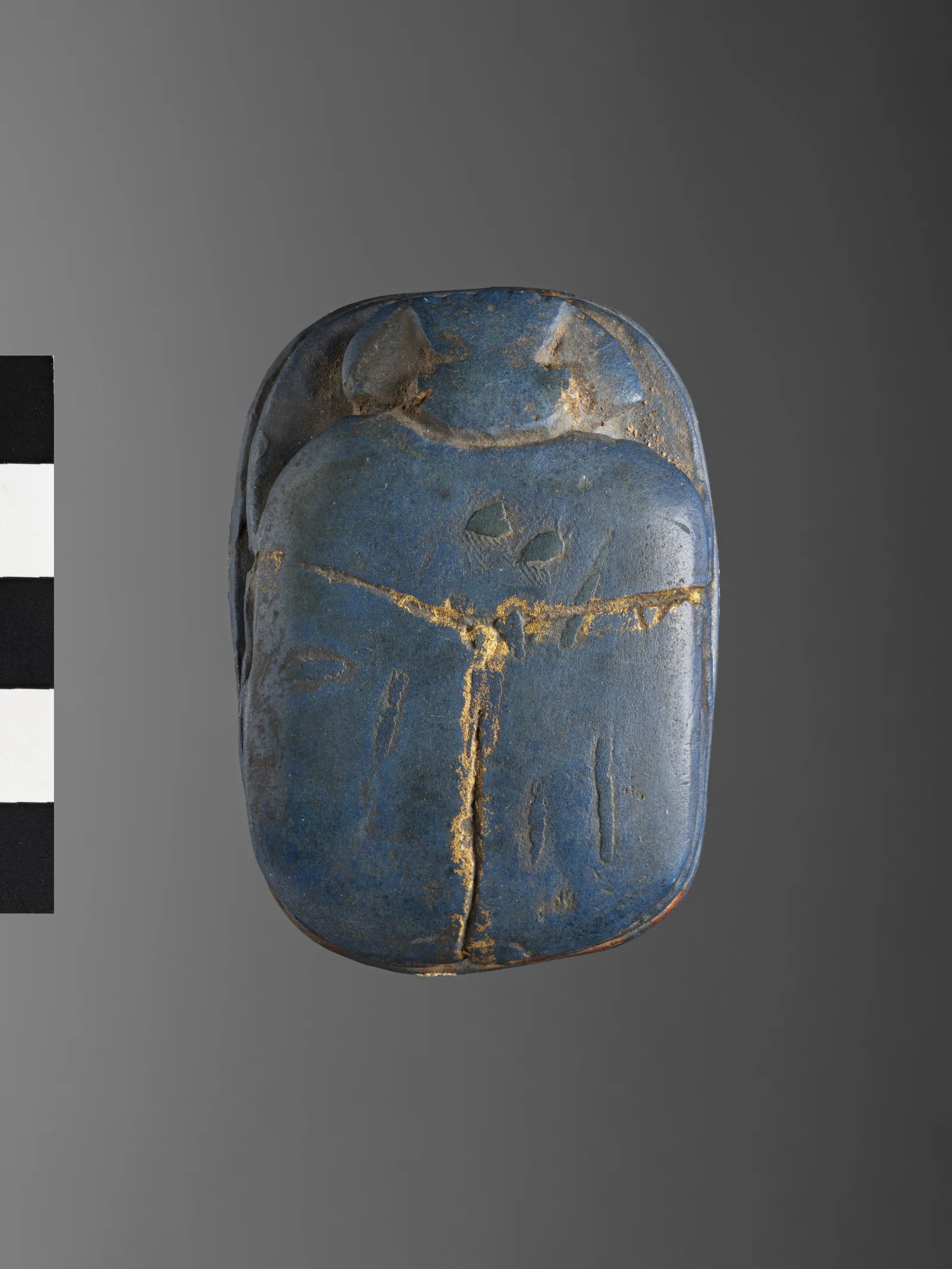
Egyptian Blue: History's First Synthetic Pigment Is Back, Lifting Fingerprints and Lighting Up Cells
A blue that Egyptian chemists made from sand, copper and lime thousands of years ago turned out, in 2013, to break apart into nanosheets that glow in the infrared. It has since become a powder that reveals fingerprints in Australia and a probe that lights up fly embryos and plant leaves in Germany. The story of an ancient material with a thoroughly modern property, and a question about our own laboratories today.
September 17, 2026 · 7 min read
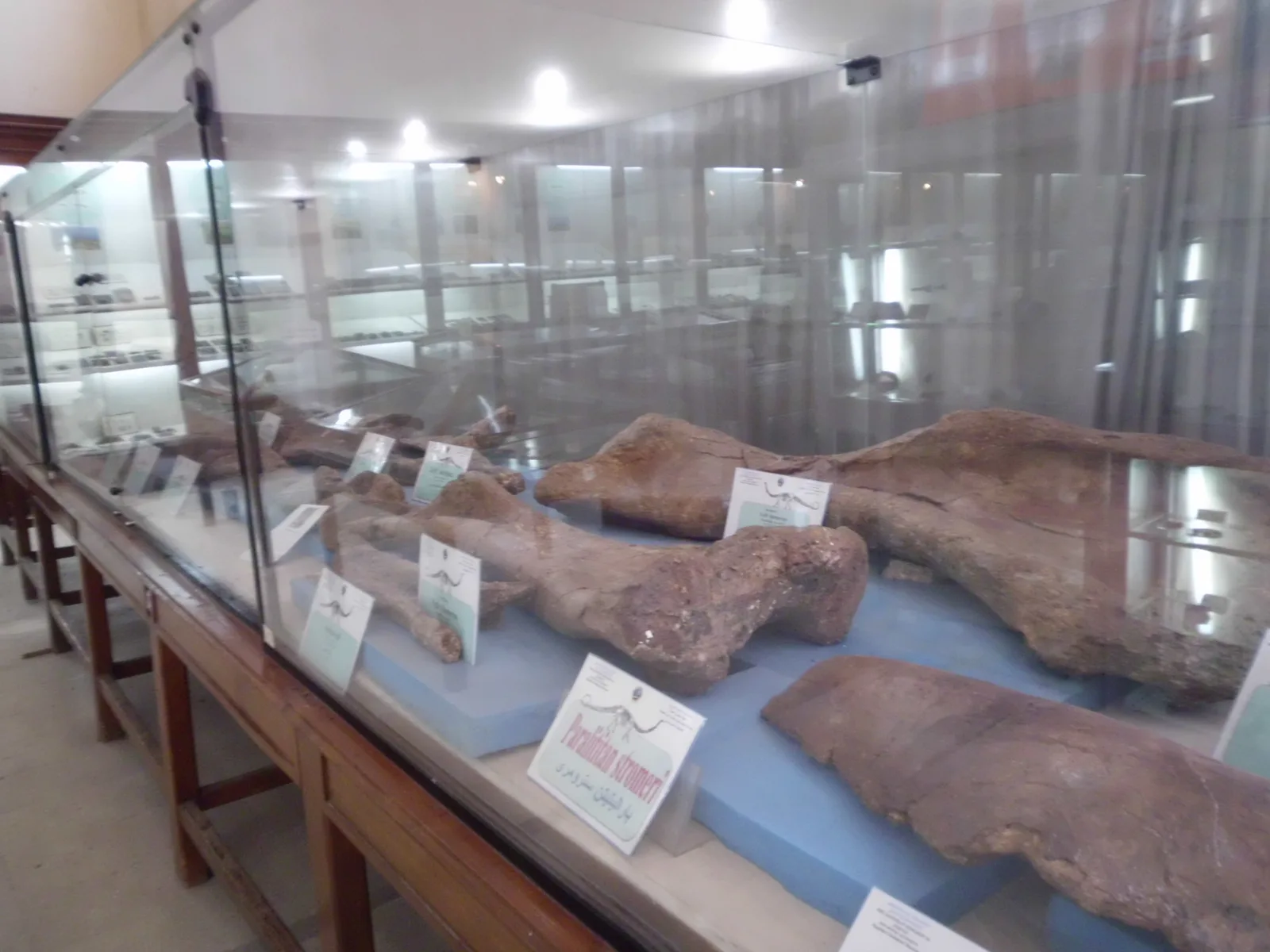
Eighty Million Years Before the Pharaohs: Mansoura's Dinosaur and the Oasis Fossils the War Burned
Egyptian students from Mansoura University pulled from the rocks of Dakhla Oasis the bones of Mansourasaurus, the most complete Late Cretaceous dinosaur skeleton ever found in Africa. A century before them, a German scientist laid the dinosaurs of Bahariya Oasis to rest in Munich, and the war burned them. The story of the Earth's archive in Egypt's desert, and of a science your child can study here.
September 8, 2026 · 7 min read
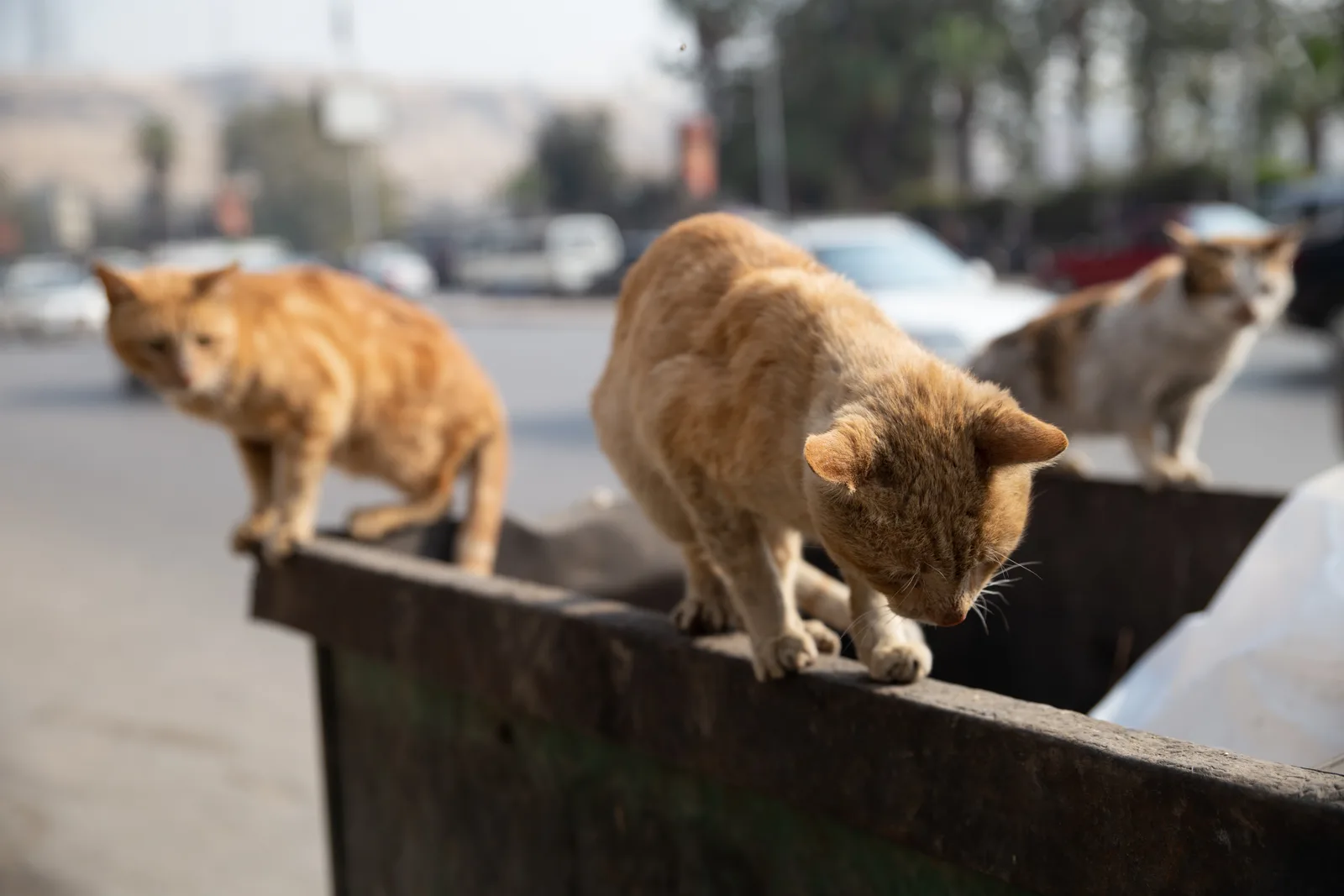
Keda Ghalat (That's Just Wrong): Harming an Animal Has Been a Crime Under Egypt's Penal Code Since 1937
A neighbour sets out poisoned bowls beside the school wall; a cart driver beats his donkey across the face to make it haul a load beyond its strength. Many assume that "just an animal" means no law protects it. In fact, Articles 355, 356 and 357 of the Penal Code punish killing, poisoning and harming animals with penalties that go as far as prison. On the eve of World Animal Day, we explain what the law says and what the right thing to do is.
October 3, 2026 · 6 min read