On World Science Day, how does a non-specialist read a scientific study, and who opens the door to one in Egypt?
A message arrives after midnight beginning “a new study confirms”, and anyone who tries to check it hits a page demanding tens of dollars. On World Science Day for Peace and Development, we explain the legal routes to studies in Egypt, what peer review means, and why one study of twenty people is not a final verdict.
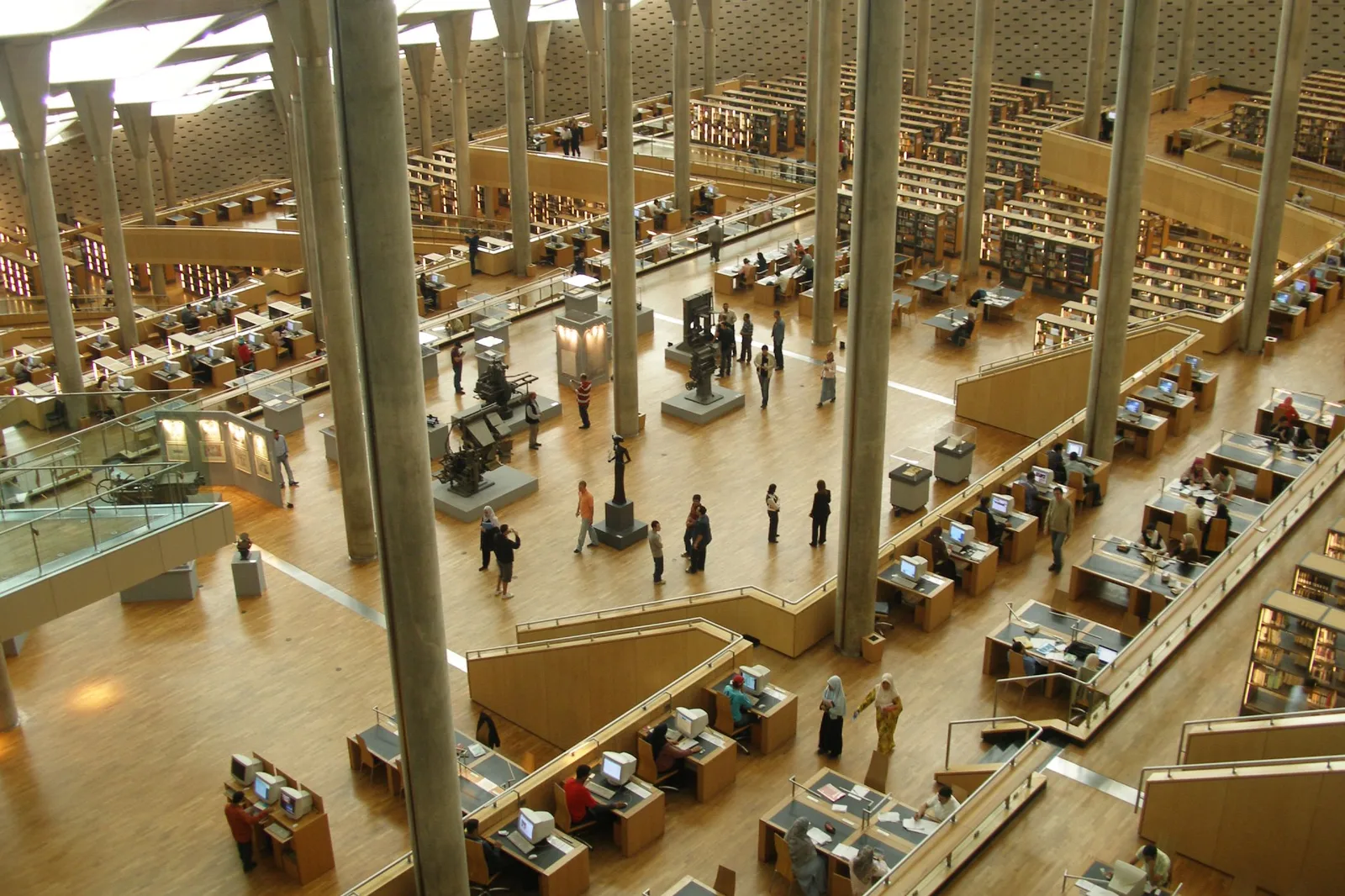
Many people know the scene. A message lands on your phone after midnight, with one decisive sentence beginning “a new study confirms”, and nothing after it: no journal name, no date, no link. Anyone who tries to check and reaches the original study page may be met with a cold line: pay to read this article. The price of a single article runs to tens of dollars. The pay-per-view page of a major publisher such as Elsevier, as of this writing, lists $31.50 per article or chapter for most of its content, a price that can change. An ordinary reader will not pay that to settle doubts about an item that arrived on WhatsApp. So the phone is put down, the sentence stays unsupported, and it is forwarded to others exactly as it arrived.
Today, November 10, is World Science Day for Peace and Development. The United Nations page for the day says it is observed on November 10 every year, that UNESCO proclaimed it in 2001 and that the first observance was in 2002, and it refers to General Assembly resolution 77/326, which declared the International Decade of Sciences for Sustainable Development 2024–2033. The day is linked with International Week of Science and Peace; its page on the same site says the General Assembly proclaimed the week in resolution 43/61 in December 1988, that it falls in the week containing November 11 each year, and that the first observance was in 1986, during the International Year of Peace.
The name of the day says something worth pausing over: science for peace and development, not science for laboratories alone. In practical terms, science becomes a force in people's lives only if it passes through two doors. The first is access, meaning that a citizen can open a study and read it. The second is understanding, meaning that the citizen knows how to read it, neither swallowing it whole nor rejecting it whole. The first door is a matter of availability, cost and agreements. The second is a personal skill that can be learned in an hour and that protects a household from half the rumors that enter it.
Let us begin with the first door. Most major scientific journals work on a subscription model: a university, hospital or research center pays an annual fee, and those who work there read what they like, while an individual from outside such institutions is asked to pay for each article. What matters to the reader is that several legal routes exist that need neither that payment nor any illegal shortcut.
In Egypt, one of these is the Egyptian Knowledge Bank, at ekb.eg. It was officially launched in January 2016 with agreements with a number of major scientific and educational publishers; reports at the time named Oxford, National Geographic, Reuters and others among them. Its board of trustees is chaired by the minister of higher education and scientific research, according to what was published about the board meeting of July 23, 2025. It gives registered users access to the resources of international publishers without the user paying per article. Registration procedures and conditions should be checked on the official site itself, since they change over time. When it was launched in 2016, it was described as “the largest digital library in the world”, a description attributed by press reports to the State Information Service. We do not present it as established fact, because we found no published independent comparison that supports it.
As for the scale of use, every figure has its year. In a statement by the acting head of the Academy of Scientific Research and Technology, who is also general supervisor of the Egyptian Knowledge Bank, reported by the news site Al-Banker in January 2025, the total number of registered users reached 4,575,630 as of October 2024, up from 80,720 users in 2016. The service is used by universities, research bodies, institutes, ministries and medical institutions. The same figure holds a lesson in reading numbers: the count of registered users is an accumulated total since the launch, and it does not say how many people open the service in a single month.
Beside this door there are others that researchers know and many readers do not. The first is open-access journals: peer-reviewed journals that publish their material free to everyone because the cost of publication is covered elsewhere. They have a comprehensive index, the Directory of Open Access Journals, at doaj.org, run by a nonprofit organization and searchable by title or subject. The second is the digital repositories of universities and research centers, where copies of their staff's research are deposited; many universities publish their repository on their official website. The third, and the simplest to overlook, is writing to the researcher. The email address of the corresponding author is printed on most papers, and sending a polite message asking for a copy is an old and legitimate practice; many researchers gladly send one. The fourth is reports that international organizations and official bodies publish free of charge, which are often closer to the reader's question than a specialist paper.
But access is only half the road. Whoever opens a paper for the first time finds text written in the language of the trade, tables and numbers, and cautious phrasing that can seem evasive. The skill required is not to understand every line but to know which questions to put to the text before building a decision on it or forwarding it. The first question is: where was this published? In a peer-reviewed scientific journal, on a platform that posts drafts before peer review, or merely in a post on a website or page? The difference is not cosmetic, and it is the first thing to establish.
Peer review means that, before publishing, the journal sends the draft to researchers in the same field, who read it and object to what they find lacking: an unsuitable method, weak statistical analysis, a conclusion broader than the data, or missing references. Many papers are rejected or sent back to their authors for revision. More important is for the reader to know what this review does not do: it is not a certificate that the result is correct. It is a filter that raises the likelihood of quality without reaching certainty. Some peer-reviewed papers turn out to contain errors after publication, corrections are issued for them, and some are retracted from the journal. This is not a flaw in science but science itself: a system that corrects itself in public, unlike the rumor, which never retreats from anything.
Preprint platforms, by contrast, are sites where researchers deposit drafts so that people can read them before they go through peer review. They are useful for the speed at which knowledge circulates and dangerous if read as a final result. Their operators say so frankly. The FAQ of the medical platform medRxiv states that “manuscripts submitted to medRxiv are not peer-reviewed, edited, or formatted before they are posted online”. Every paper there carries a notice that it is not peer-reviewed and “should not be used to guide clinical decisions directly”, and the platform asks journalists to make clear to their readers that the findings have not yet been evaluated by the medical community and may be wrong. So if you see the name of a preprint platform as the source, read the item as a possibility open for discussion, not as a settled report.
The second question follows: on whom was the study carried out, and how? The answer is found in the methods section, not in the headline. Four things matter most. What was the experiment run on: humans, animals, or cells in a laboratory dish? How many participants were there? How long did it last? And was there a control group that did not receive the treatment, for comparison, and were participants assigned to the groups by random draw? A promising result on cells in a laboratory does not mean the substance cures a person; between the two lie years of work and many experiments that fail along the way.
The third question concerns the limits of the sample. A study of twenty people, with no control group, lasting two weeks, does not amount to a conclusive verdict; it is a preliminary signal that deserves to be studied on a larger number of people over a longer time. The smaller the number, the greater the chance that what appeared was down to coincidence. Attached to this is another common error: the difference between association and causation. That people who drink a certain beverage are less likely to have a certain disease does not mean the beverage protects against it; they may be younger, more active or better off. Observational studies are good at detecting association and weak at proving cause, and their own cautious wording says so: “is linked to” is not “causes”.
Then two quick questions. Who funded the research, and did the authors declare a conflict of interest? This neither invalidates a result nor proves it, but it is information the reader deserves, and most journals require it to be declared at the end of the paper. And: is this paper alone, or part of a body of evidence? A scientific judgment is not built on one study but on an accumulation of many studies, in different countries, whose results agree. The highest form of evidence in this area is the systematic review and the meta-analysis, which gather dozens of studies into one picture. A single study is a brick; the body of evidence is the house.
One last difference remains, and it produces most misunderstanding: the difference between the paper and the headline written about it. Between a study and its reader pass press releases and sites chasing clicks, and the phrase “may be linked to” turns into “wipes out”, and a small percentage in a specific group turns into a general promise. The most useful habit is for the reader to ask for the source itself: the journal name, the year of publication and the digital object identifier, known by the abbreviation DOI, and then to look it up in the Egyptian Knowledge Bank or in open-access indexes. On World Science Day for Peace and Development, no one is asked to become a scientist, only to ask three questions before pressing “forward”: where was this published? On how many people? And do other studies say the same thing? And before any decision about a medicine or treatment, ask your doctor or pharmacist; a scientific paper can be understood, but no personal treatment should be built on it without the advice of someone who knows your condition.
Related Stories
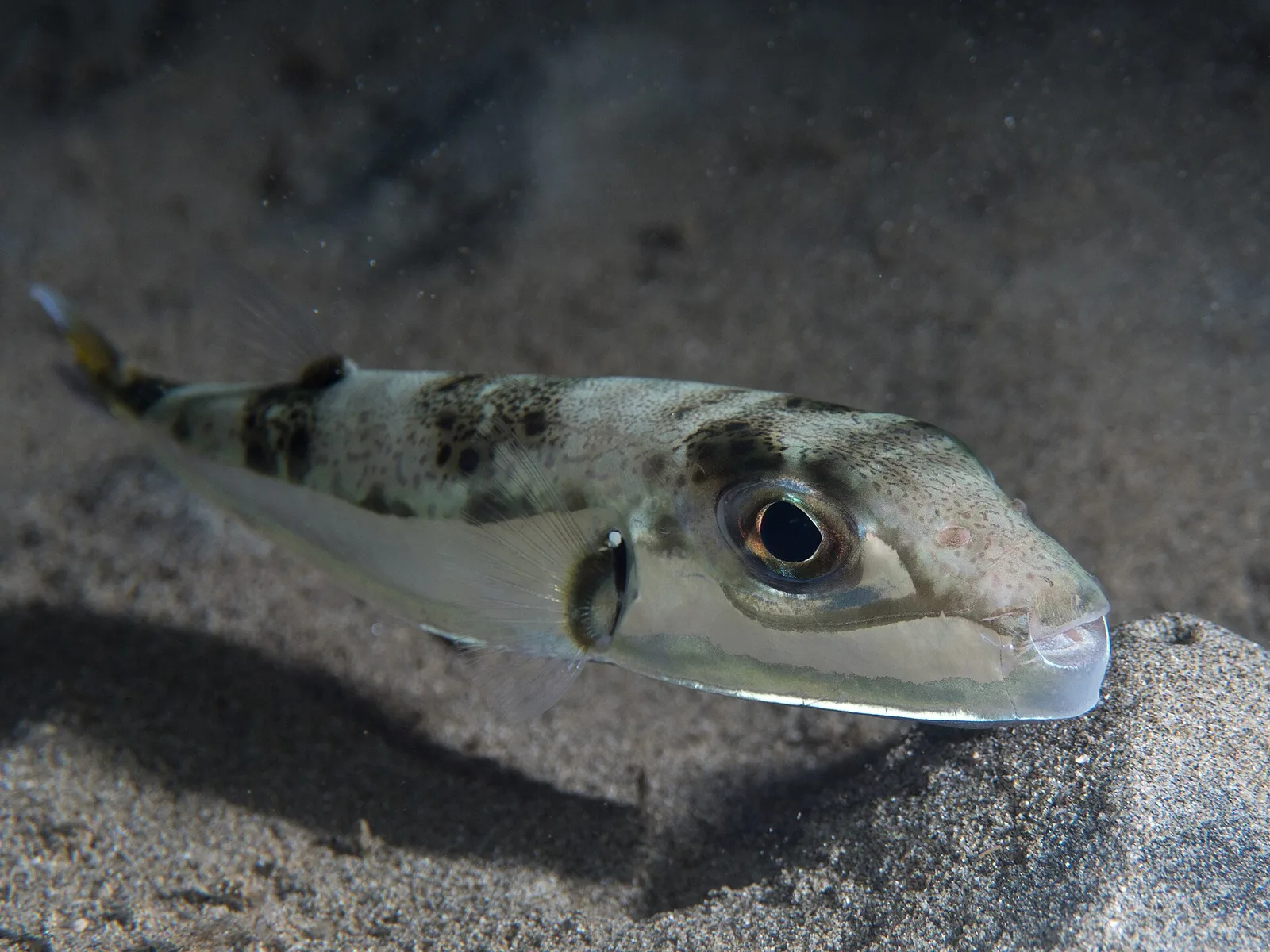
157 Years After the Suez Canal Opened: Hundreds of Species Reached the Mediterranean, and the “Rabbit Fish” Story
The canal opened to shipping 157 years ago this week, and it did more than link two ports: it joined two seas that had been separate for millions of years, starting a marine migration scientists call “Lessepsian.” The story ends at the fish counter: one species carries a poison that cooking does not destroy, while the popular name is also used for other fish that are caught, sold and eaten safely.
November 18, 2026 · 9 min read
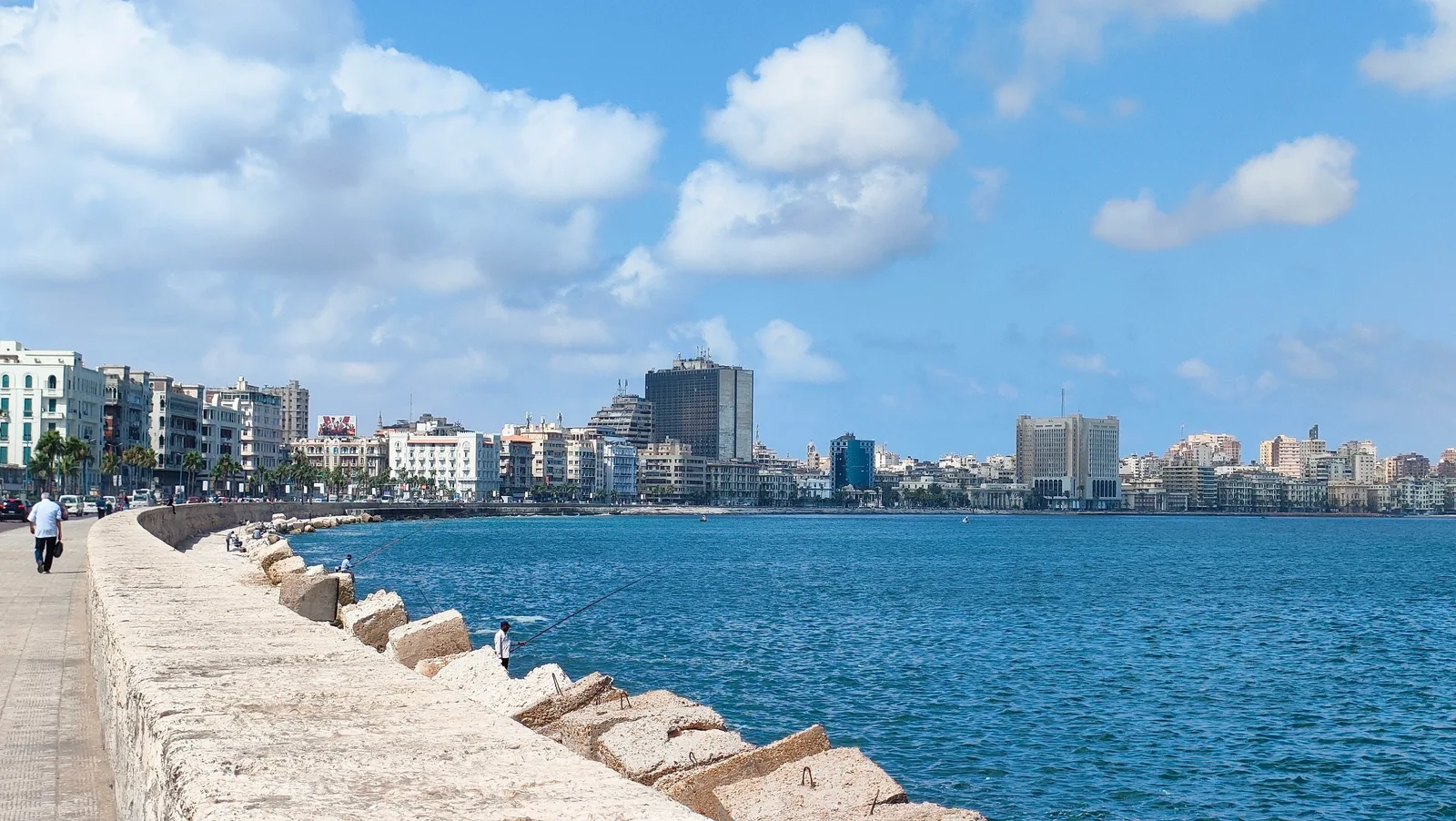
Alexandria's 'Day of Terror': What Happened in July 365, and How Science Watches the Med
On November 5 the world marks World Tsunami Awareness Day. We look back to July 21, 365 CE, when the sea withdrew from Alexandria's shore and then returned, and ask: what does science say about that story today? Why is Mediterranean warning time measured in minutes, not hours? And how did Alexandria become the first 'Tsunami Ready' city in Egypt and Africa?
November 5, 2026 · 7 min read
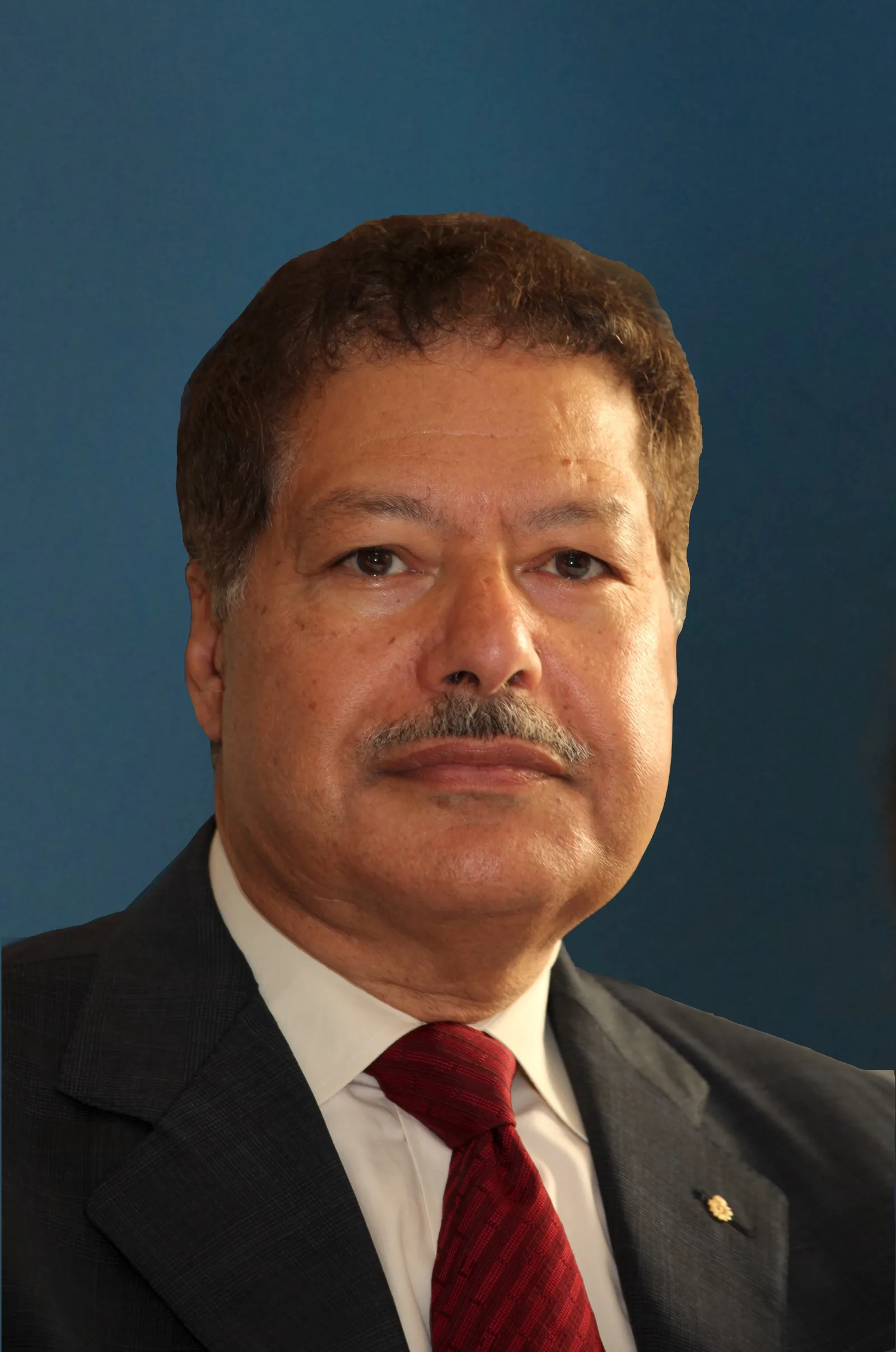
October 12, 1999: The Day a Son of Damanhur Watched Atoms Move — Ahmed Zewail and Femtochemistry
Twenty-seven years ago today, the Royal Swedish Academy of Sciences announced that Ahmed Zewail had won the Nobel Prize in Chemistry for "his studies of the transition states of chemical reactions using femtosecond spectroscopy." Here, in everyday language, we explain what a femtosecond is, how scientists managed to capture the instant a chemical bond breaks, and what Law 161 of 2012 and its 2019 amendment say about the city that bears his name.
October 12, 2026 · 8 min read