Aish Baladi: How Egypt's Bread Subsidy System Works
Egyptians call bread 'aish' — life itself. From ration cards to wheat silos and neighbourhood ovens, here is how the subsidy system feeding more than sixty million people works, and why the humble loaf has been the most sensitive item in Egypt's budget and politics for decades.
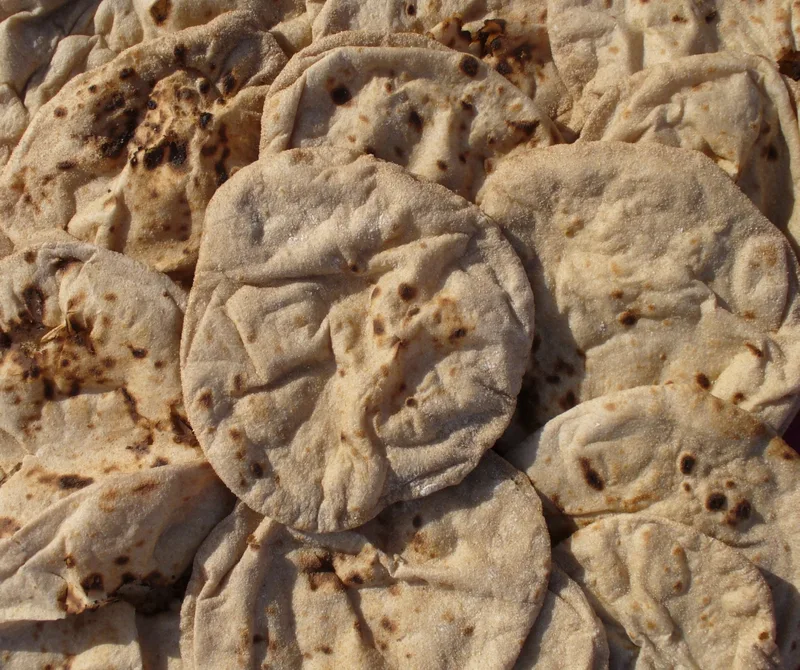
In Egyptian Arabic, bread is not called 'khubz' as in much of the Arab world but 'aish' — literally, life. The word says everything about the place of the round baladi loaf in Egyptian existence. For millions of families, subsidised bread bought for a nominal price is the anchor of the daily meal, and one of the most politically sensitive items in the entire national budget.
Food subsidies in Egypt date back to the era of the Second World War, when the state began controlling supplies of essential goods, and they expanded dramatically over the following decades until, by the 1970s, they covered a wide basket of commodities. In January 1977, a government attempt to cut subsidies on bread and other staples triggered widespread riots that subsided only when the decision was reversed — an episode that taught every subsequent government the political weight of the loaf.
Today the system runs on ration cards, known as tamween cards, issued to registered households. Each person on a card is entitled to a daily quota of subsidised baladi loaves — five per day per person is the long-standing allocation — bought from licensed bakeries at a fraction of production cost, with the state reimbursing bakeries for the difference.
The programme's reach is enormous. Official figures have for years put the number of beneficiaries above sixty million people, roughly six in ten Egyptians, and tens of thousands of bakeries across the country take part. By most measures it is one of the largest food subsidy operations anywhere in the world.
For decades the price of a subsidised loaf was frozen at five piasters, unchanged since the late 1980s even as the pound's value and production costs shifted dramatically. In 2024 the government raised the price to twenty piasters — the first increase in some thirty-five years — while stressing that the loaf remained far below its real cost. The gap between price and cost is carried by the treasury and runs to tens of billions of pounds a year.
Behind every loaf lies a supply chain that begins far from Egypt. The country is among the world's largest wheat importers, because the local harvest covers only part of national demand. The state buys wheat through international tenders and from Egyptian farmers at prices announced each season, stores it in a network of silos expanded considerably in recent years, and mills it into the high-extraction flour used for baladi bread.
A pivotal reform arrived in the mid-2010s, when paper documents gave way to smart cards and bakeries began to be paid electronically for loaves actually dispensed rather than for flour received. The change measurably reduced leakage and waste, and a points system now lets families exchange bread they do not consume for other food commodities at ration outlets.
The system's exposure to global markets remains a permanent vulnerability. Spikes in international wheat prices — most sharply after the war in Ukraine disrupted Black Sea exports — inflate the import bill, and currency movements compound the pressure. This is why storage capacity, diversification of suppliers and greater local procurement are treated as questions of national security in the fullest sense.
Economists have long debated how the subsidy should evolve. One camp argues for tighter targeting so that support reaches the poorest and the fiscal burden eases; another warns that means-testing is administratively difficult and sees universal access to bread as an irreplaceable social safety valve. Proposals to replace in-kind subsidies with cash transfers surface periodically, without resolution so far.
Bread in Egypt also carries a cultural weight older than any ministry. Egyptians have baked round flat loaves for thousands of years; scenes in ancient tombs depict bakeries and their workers, and the baladi loaf eaten today is a direct descendant of a tradition stretching from pharaonic times to the modern table.
Whatever shape reform eventually takes, the fundamentals are unlikely to change soon: a growing population, a loaf that anchors the diet of the majority, and a state commitment entrenched by historical experience. To understand how the bread system works is to understand a large part of how the Egyptian economy itself works.
Related Stories

August Peak: Egypt's Grid Tops 40,000 MW for the First Time, With No Load Shedding
Egypt's national grid crossed 40,000 MW for the first time during last week's heatwave, without a return to load shedding. How fuel supplies held after the Damietta drone strike, and what the new tariffs mean for your bill.
August 19, 2026 · 7 min read
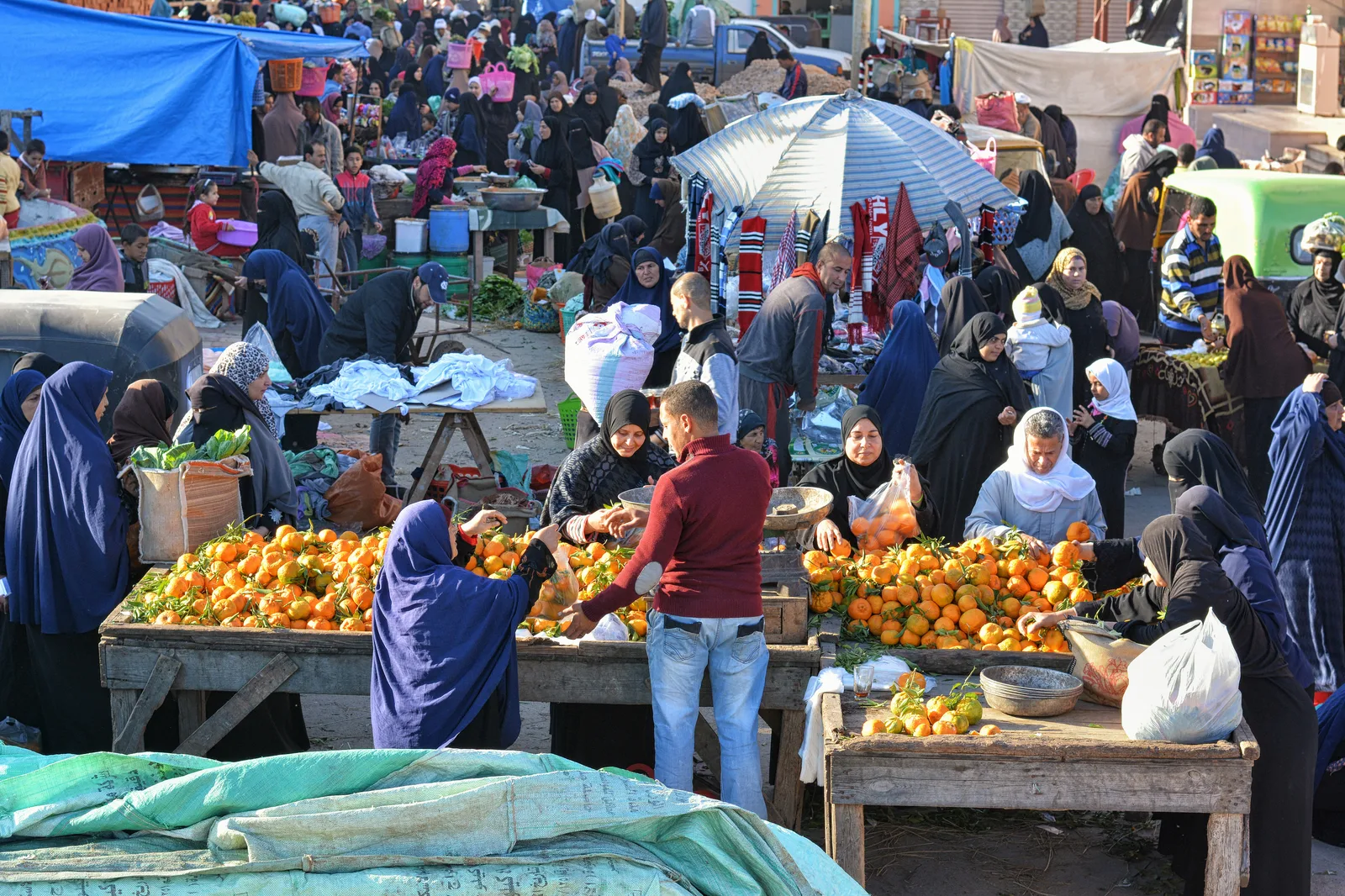
Egypt's Economy in Two Numbers: 5.2% Growth and a Region on Edge
Egypt posted 5.2% growth over nine months while the cabinet reviews updated contingency scenarios for regional escalation. With inflation at 14.9% and the pound near 50 per dollar, what do the two numbers mean for households?
August 18, 2026 · 7 min read
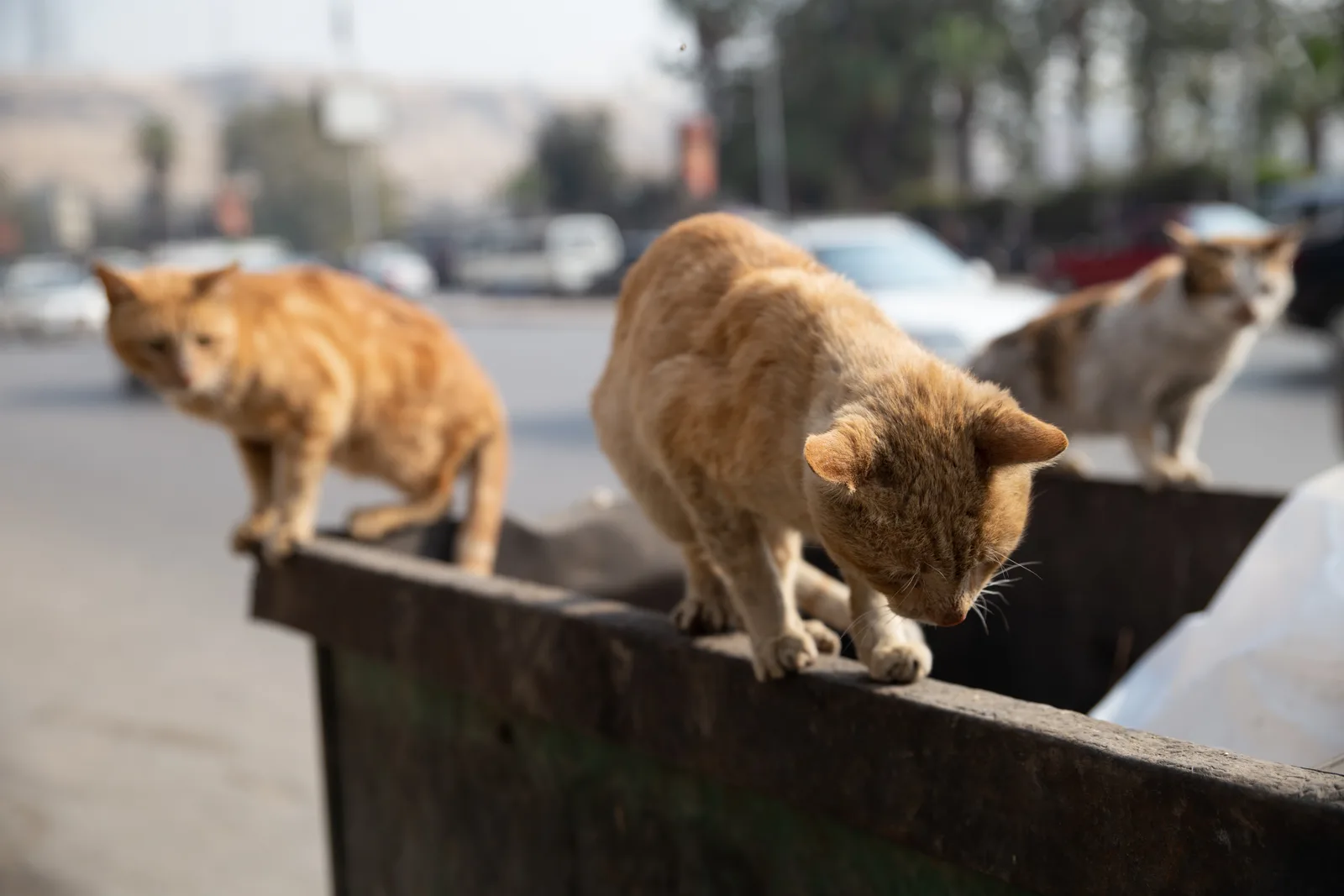
Keda Ghalat (That's Just Wrong): Harming an Animal Has Been a Crime Under Egypt's Penal Code Since 1937
A neighbour sets out poisoned bowls beside the school wall; a cart driver beats his donkey across the face to make it haul a load beyond its strength. Many assume that "just an animal" means no law protects it. In fact, Articles 355, 356 and 357 of the Penal Code punish killing, poisoning and harming animals with penalties that go as far as prison. On the eve of World Animal Day, we explain what the law says and what the right thing to do is.
October 3, 2026 · 6 min read