After the Final Bell, a Second School Day Begins: Evenings at the 'Sanater' on an Egyptian Street
At seven in the evening a side street is lit more by the signboards of the 'sanater', Egypt's private tutoring centres, than by its lampposts: taxis pull up and pull away, bags carry the 'sheet' instead of the textbook, and children queue on the stairs. A report from the pavement, on World Teachers' Day, on a scene every Egyptian home knows and the policies that have tried to change it since 2022.
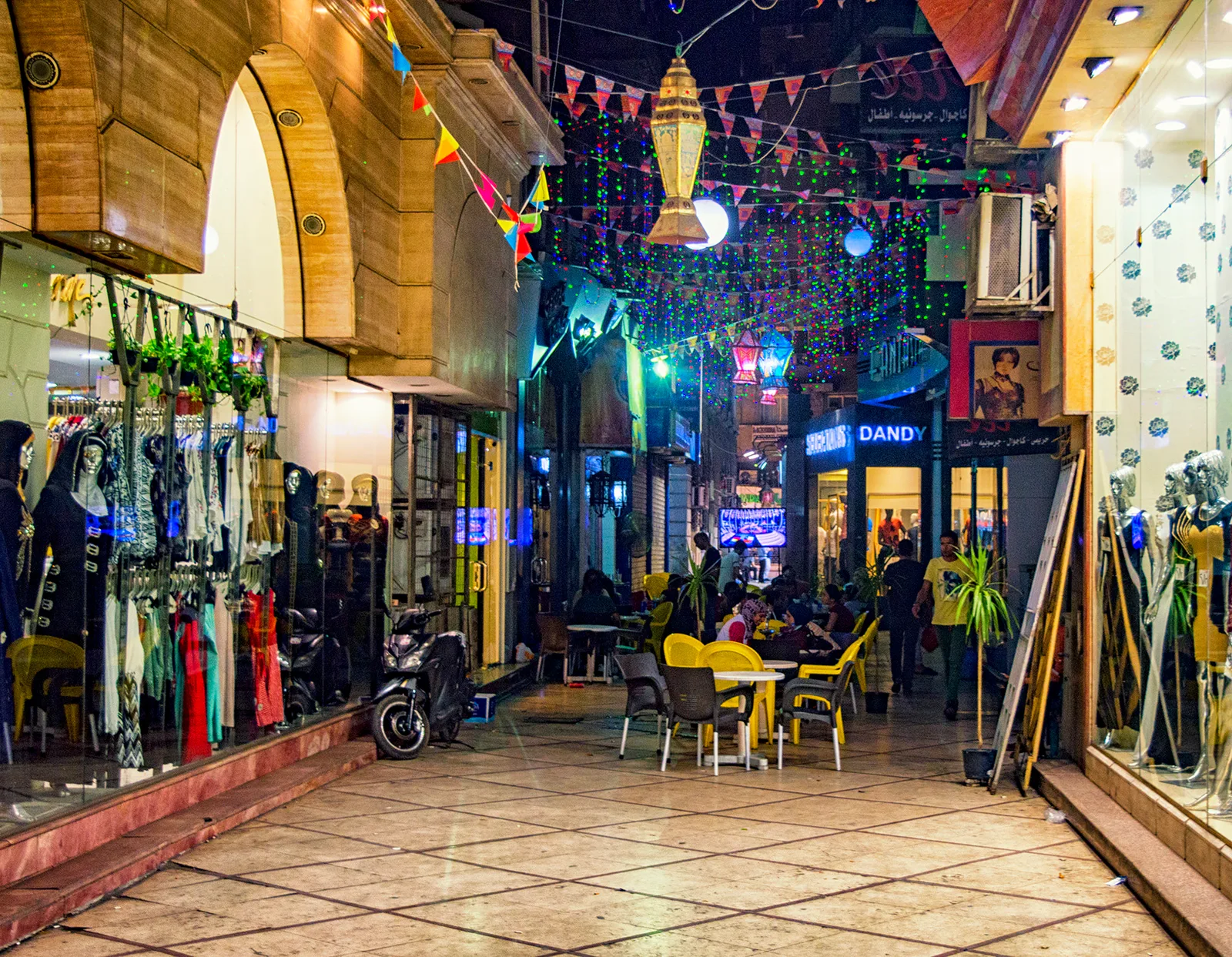
At seven in the evening, hours after the schools have locked their gates, a side street in an ordinary Egyptian neighbourhood wakes up to a second school day. You do not need to look for the place; the light shows you the way. The signboards of the tutoring centres, the 'sanater' as Egyptians call them, garish in colour and with the names of the subjects in heavy lettering, light the pavement more brightly than the public lampposts, half of which are switched off or flickering. Three doors side by side, a different name above each, and in front of them taxis stopping and pulling away in a steady rhythm, like an unpublished timetable.
From the pavement opposite you can read the whole street without stepping through a single door. A microbus unloads its cargo of pupils at the corner, and the man at the kiosk has laid in pens, small notebooks and glasses of tea for those who are waiting. At the entrance to the first building stands a doorman or a receptionist holding a list of names, raising his voice every so often with a single phrase: 'Third year.' One group moves, another takes its place, and the traffic goes on like that until well after ten.
The first thing you notice is the bags. The heavy school bags these children carried in the morning are gone, replaced by lighter ones that carry the 'sheets': photocopied, stapled handouts, one sheet for every lesson, and every centre with its own sheet that sets it apart from the centre next door. The school textbook is entirely absent from this scene, as if it belonged to the first day and not the second. On the stairwells of the buildings, waiting for the previous group to finish, the students sit in rows going over a page or passing phones around, while parents wait on the pavement, or wait in their cars with the engine running.
What do these evenings cost the households that send their children? We refer the reader to what this site published at the start of this school year in the article 'Back to School, the Smart Way', citing the Central Agency for Public Mobilization and Statistics (CAPMAS): private lessons and revision groups account for 28.3% of what families with students spend on education, and the school year began on 12 September 2026. Here we add only one older figure, quoted with its date and nothing more: in July 2016, Ahram Online reported from the same agency that an urban household with students was spending around 5,500 Egyptian pounds a year on education, or 11% of its income, against around 2,333 pounds for a rural household, or 6.7%. The numbers have changed a great deal since then, but the gap between city and village can still be read on the street: the lit signboards are far more present in the cities.
But the question the pavement raises is not only a question of money. The question is why this street exists at all. And the honest answer begins at the school, not at the centre. In May 2025, Education Minister Mohamed Abdel Latif told a seminar organised by the Egyptian-Canadian Business Council in Cairo, as reported by Ahram Online, that the shortage of teachers stood at close to 470,000 nationwide, and that class sizes in some state schools had exceeded two hundred pupils before the plan to reduce overcrowding. A class of that size, and a single teacher standing in front of it, explain a great deal of what happens on the pavement at seven in the evening without anyone having to be accused of anything.
And because this article is published on World Teachers' Day, it is only fair to say what everyone who has stood on this pavement knows: the teacher who climbs the centre's stairs in the evening is very often the same teacher who stood in the morning classroom. He did not invent the overcrowded class, he did not set his own salary, and he did not decide that the road to university should be a single examination on which years of a life are settled. He is, as far as we can see, the most exhausted link in a long chain, working two days in one and blamed from both directions.
The state itself acknowledged the scale of the scene four years ago. In October 2022, the education minister of the day, Dr Reda Hegazy, announced a plan to license private tutoring centres and to allow school teachers to work in them in return for fees paid to the ministry, and he put the size of this market at around 47 billion Egyptian pounds a year. The figure alone was enough to set the House of Representatives alight: the Speaker ordered the education committee to hold hearings, many members objected to the decision, and some described it as finishing off the state school rather than fixing it.
The decision did not last long. According to The National in February 2023, the ministry backed away from licensing the centres within weeks of announcing it; the minister told parliament that the reversal came out of concern over the teaching methods used in them and the fear that they would render state schools meaningless, and the ministry announced instead revision groups inside the schools for a nominal fee, most of which goes to the teacher. In other words, moving the lit-up street inside the school wall. As of the time of writing, we cannot judge from the pavement how far that has been achieved.
Then came another bet on the school itself. On 29 October 2024, Youm7 quoted Education Minister Mohamed Abdel Latif as saying that students' reliance on private tutoring centres had fallen by 50% after the introduction of year-work marks, the continuous assessment that counts towards the final grade, and students' return to regular attendance at school. We pass the figure on as it was given: a statement by the minister, not an independent count we have seen. The thinking behind it is clear in any case: once attendance and classroom performance become part of the final result, the morning acquires a value that the evening cannot make up for.
At the same seminar in May 2025, the minister presented figures for the other side of the equation: 98,000 classrooms added in a single school year; class sizes brought down from more than two hundred pupils in some classes to an average of under fifty in 99.9% of schools; 30,000 teachers appointed each year under a presidential initiative; and approval for the appointment of 72,000 during the year. They are figures attributed to the man who gave them, but they say at least one thing: the government has begun to describe in numbers a problem the street already knew by its lights and its signboards.
So has the street changed? Honesty requires us to say that what can be seen from outside does not allow a definitive answer. The signboards are still lit on streets like this one, the taxis still stop and pull away, and the stairs are still waiting benches. Perhaps there are fewer doors on other streets; perhaps some students have moved to the school groups. The legal status of these centres is itself in flux, and to the best of our knowledge there is, at the time of writing, no final, settled framework governing them, so we confine ourselves to the decisions and statements on record and add nothing to them.
What can be said with certainty is what the pavement itself says on Teachers' Day: that all these evenings, with their lights, their sheets and their queues on the stairs, are nothing but testimony to the worth of the teacher. The families who set aside more than a quarter of their education spending to buy one more hour with him do not do so because they distrust him, but because they trust him more than the overcrowded classroom allows. And the question worth asking on this day is not 'Why does the teacher go to the centre?' but 'What is missing from the morning class that makes everyone need the evening one?'
At around ten the street begins to go dark. One signboard goes off, then another; the children come down the stairs faster than they went up; the last taxis pull away; the kiosk owner packs up his goods. This second school falls silent again, and what remains on the pavement is a faint trail of photocopied pages fallen from some bag. Tomorrow morning the bell will ring once, and in the evening it will ring again, without a sound.
And you, who are most likely reading these lines while you wait in your car or on the pavement, know this street better than we have described it. We are not here to tell you to stop going there; that is not our decision, and it is not ours to judge. All we hope for on Teachers' Day is that a year will come when the final bell really is the end of the school day and not the beginning of a second one, and when the teacher goes home at the same hour his pupils do.
Related Stories
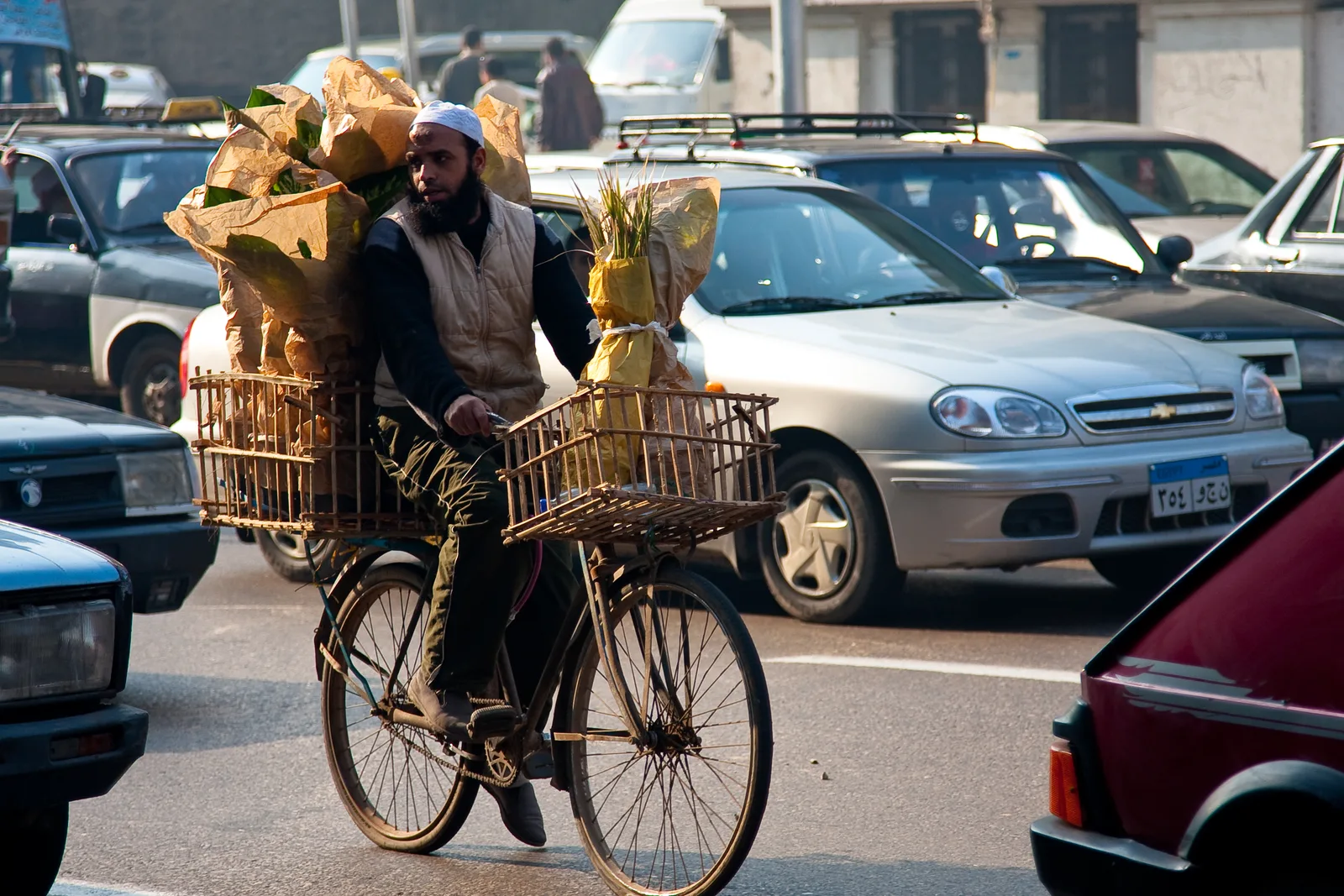
Two Wheels in the Gridlock: Where Does the Bicycle Stand on Egypt's Streets on Car-Free Day?
On 22 September the world marks Car-Free Day, while on our streets the bicycle threads its way between microbuses and along a painted lane with a car parked on it. From Cairo Bike to the "Your Bike, Your Health" scheme to a boy carrying a tray of bread on his head down a side street: a report on what any passer-by can see, and a single question: whom is the bicycle for in Egypt, and why does a safe lane remain a dream?
September 22, 2026 · 8 min read
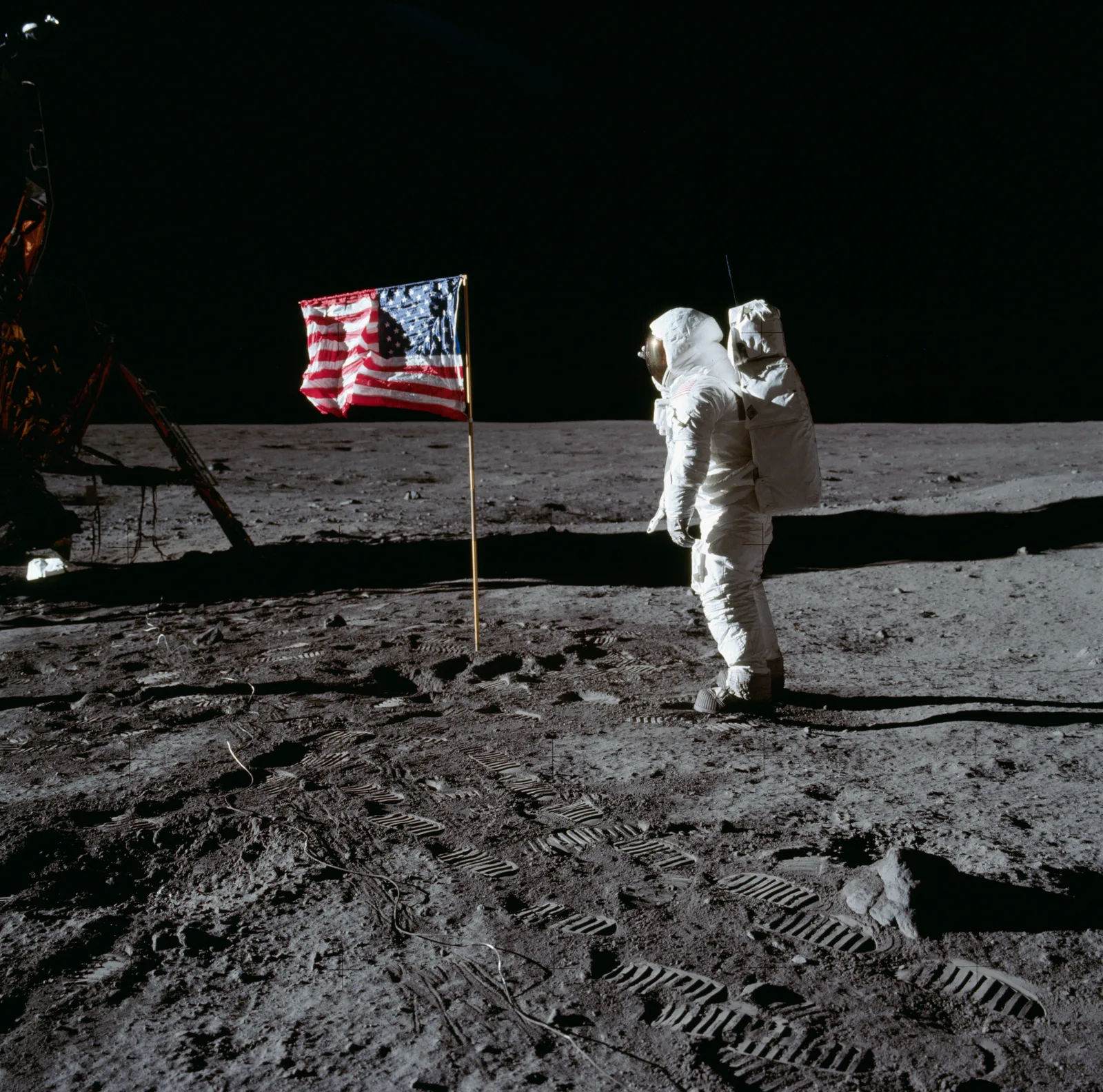
“The Americans never landed on the Moon”: an annual claim, answered by flags and footprints seen from orbit
As World Space Week opens, the short clips swearing that the Apollo landing was filmed in a studio are back. We examine the claim not through the astronauts’ testimony but through what any scientist in the world can check today: photographs from orbit, lunar rocks in laboratories, and the reflectors used every night to measure the distance to the Moon.
October 4, 2026 · 7 min read
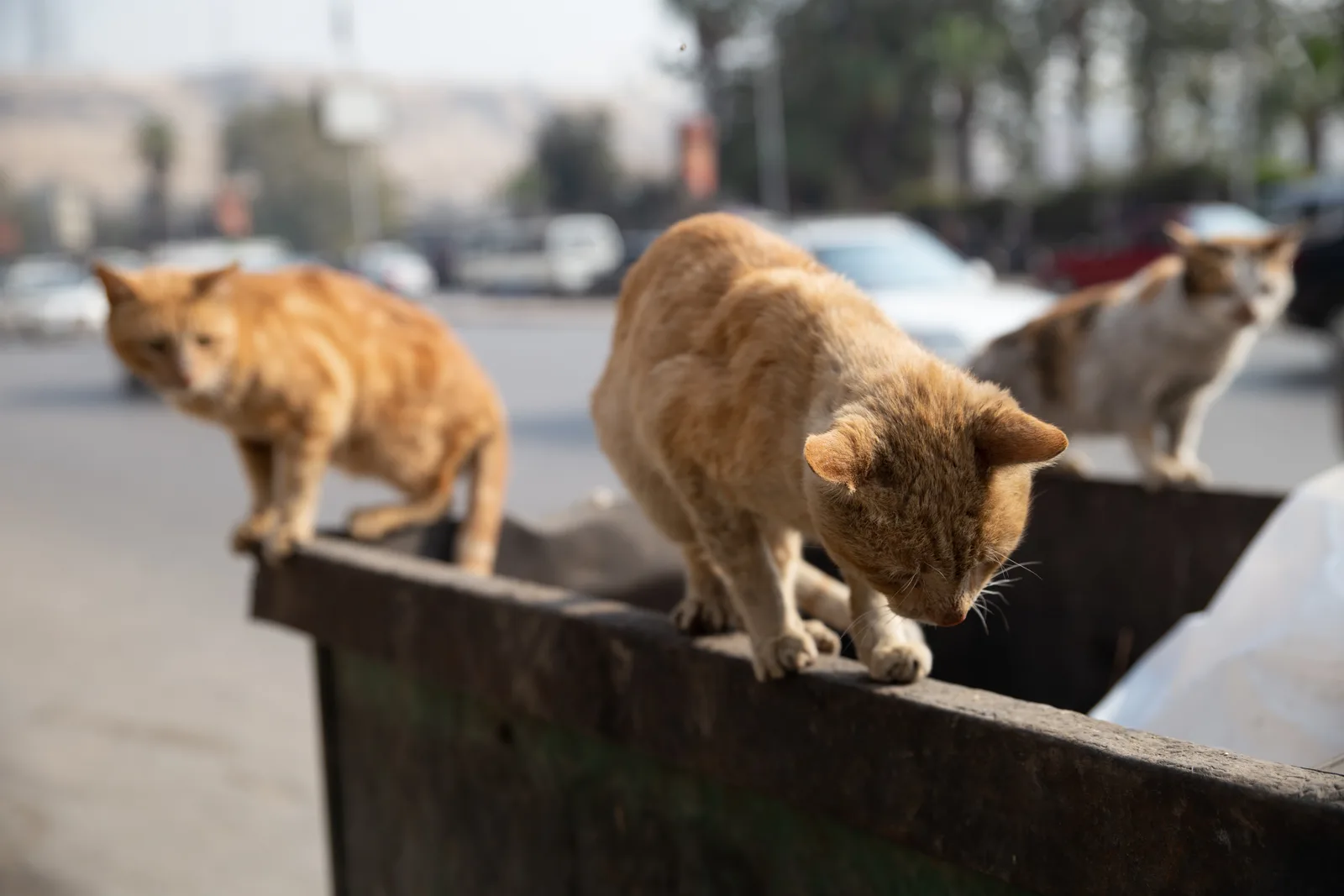
Keda Ghalat (That's Just Wrong): Harming an Animal Has Been a Crime Under Egypt's Penal Code Since 1937
A neighbour sets out poisoned bowls beside the school wall; a cart driver beats his donkey across the face to make it haul a load beyond its strength. Many assume that "just an animal" means no law protects it. In fact, Articles 355, 356 and 357 of the Penal Code punish killing, poisoning and harming animals with penalties that go as far as prison. On the eve of World Animal Day, we explain what the law says and what the right thing to do is.
October 3, 2026 · 6 min read