Did Slaves Build the Pyramids? The Digs at Giza Tell a Very Different Story
From Herodotus to Hollywood, the image of thousands of slaves driven by the whip to build the pyramids has endured for centuries. But the discovery of the builders' tombs and their town at the foot of the Giza plateau overturned that story. Verdict: FALSE.
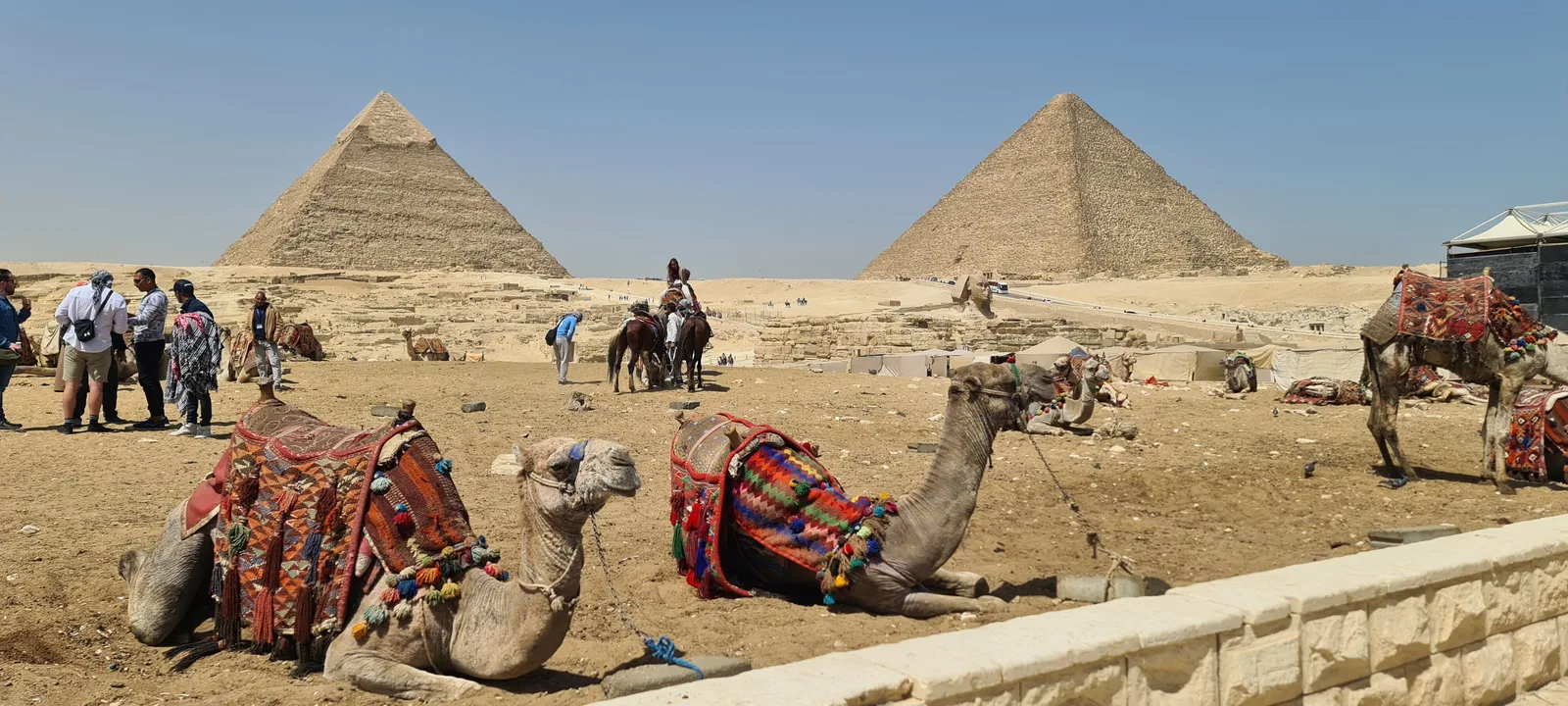
Few historical myths have proved as durable as the claim that the pyramids of Giza were built by slaves labouring under the lash. The image recurs in old schoolbooks, Hollywood epics and popular documentaries until, for many people, it hardened into accepted fact. Yet what archaeologists' trowels have uncovered on the Giza plateau itself over recent decades tells an entirely different story — one that has produced a rare consensus among Egyptologists: the pyramid builders were not slaves.
The myth's roots go back to the Greek historian Herodotus, who visited Egypt in the fifth century BC — some two thousand years after the Great Pyramid was finished — and repeated his guides' tale that a hundred thousand men had been pressed into the work. The story swelled over the centuries and became entangled in the Western imagination with the biblical narrative of the Israelites in Egypt, even though scripture never mentions the pyramids at all, and the pyramids predate the period traditionally assigned to those events by more than a thousand years.
The decisive moment came from the ground, not from books. In the 1990s, a whole cemetery of construction workers and their overseers was discovered on the Giza plateau, close to the pyramids themselves. Its location stunned researchers: these men were buried in the shadow of their kings' tombs, provisioned with jars of beer and bread for the afterlife, and some tombs carried job titles such as overseer of the side of the pyramid. Had they been despised slaves, they would never have earned burial on the most sacred ground in Egypt.
That discovery was reinforced by years of excavation southeast of the pyramids, where an entire settlement emerged from the sand — the so-called town of the pyramid builders. Diggers found industrial-scale bakeries, breweries, the bones of thousands of cattle, sheep and goats testifying to meat-rich meals, organised housing and communal sleeping galleries. In short: a vast logistical infrastructure for feeding and housing a huge workforce, not a wretched forced-labour camp.
The skeletons examined by physicians and archaeologists reveal a telling detail: bone fractures that were properly set and had healed, and traces of medical treatment showing that injured workers received genuine care. The bones also bear marks of severe physical strain, confirming how punishing the work was — but treating the injured is behaviour that does not fit the logic of slavery, which consumes bodies and discards them.
Written evidence comes from inside the pyramids themselves. Work gangs left red-ochre graffiti on hidden blocks in the relieving chambers above the King's Chamber of the Great Pyramid, recording their crew names with competitive pride — names like Friends of Khufu. Then came the Wadi al-Jarf papyri, found on the Red Sea coast, including the logbook of the overseer Merer, who documented his team ferrying limestone blocks by boat to Giza and collecting rations and textiles — the oldest administrative paperwork to survive from ancient Egypt.
Taken together, the evidence sketches the real labour system: a core of skilled, full-time workers and craftsmen, supported by rotating levies of farmers called up under the state-run corvée system, all paid in kind — bread, beer and cloth — in an economy that did not yet use money. The work was undoubtedly brutal, but it was organised, compensated labour on a national project with religious meaning, not the toil of captive slaves.
Why, then, does the myth survive? Because it is simply a seductive story: crushed multitudes dragging stones under the whip is more dramatic than the reality of a masterfully engineered and administered project. Because Western cinema repeated the image for decades. And because the sheer scale of the pyramids tempts some people toward any extreme explanation — from slaves to aliens — rather than the harder, more beautiful one: that organised, gifted human beings did it.
One caveat matters: debunking the slave myth does not mean ancient Egypt was an ideal society. Like every civilisation of the ancient world, it knew forms of slavery and forced labour in various contexts and eras. But the question here is specific — who built the pyramids of Giza? — and the answer supported by the tombs, the town, the papyri and the bones is consistent: free, organised Egyptian workers employed by the state.
Final verdict: the claim that slaves built the pyramids is FALSE. Decades of accumulating archaeological evidence — from the workers' cemetery to their town to their daily logbooks — establish that the pyramid builders were Egyptian labourers who were paid, cared for when injured, and buried with honour beside their kings, and who left their proud signatures on the greatest thing their hands ever made.
Related Stories

"Cough Hard to Survive a Heart Attack Alone": A WhatsApp Message Egyptian Homes Pass Around, and Medicine Says Otherwise
A chain message reaches nearly every phone in Egypt: if you have a heart attack alone, cough hard and in rhythm until your heart steadies. The American Heart Association flatly rejects "cough CPR," the message confuses a heart attack with cardiac arrest, and every minute spent coughing instead of calling the free 123 ambulance line is taken from the patient's life. This is what medicine says.
September 28, 2026 · 7 min read
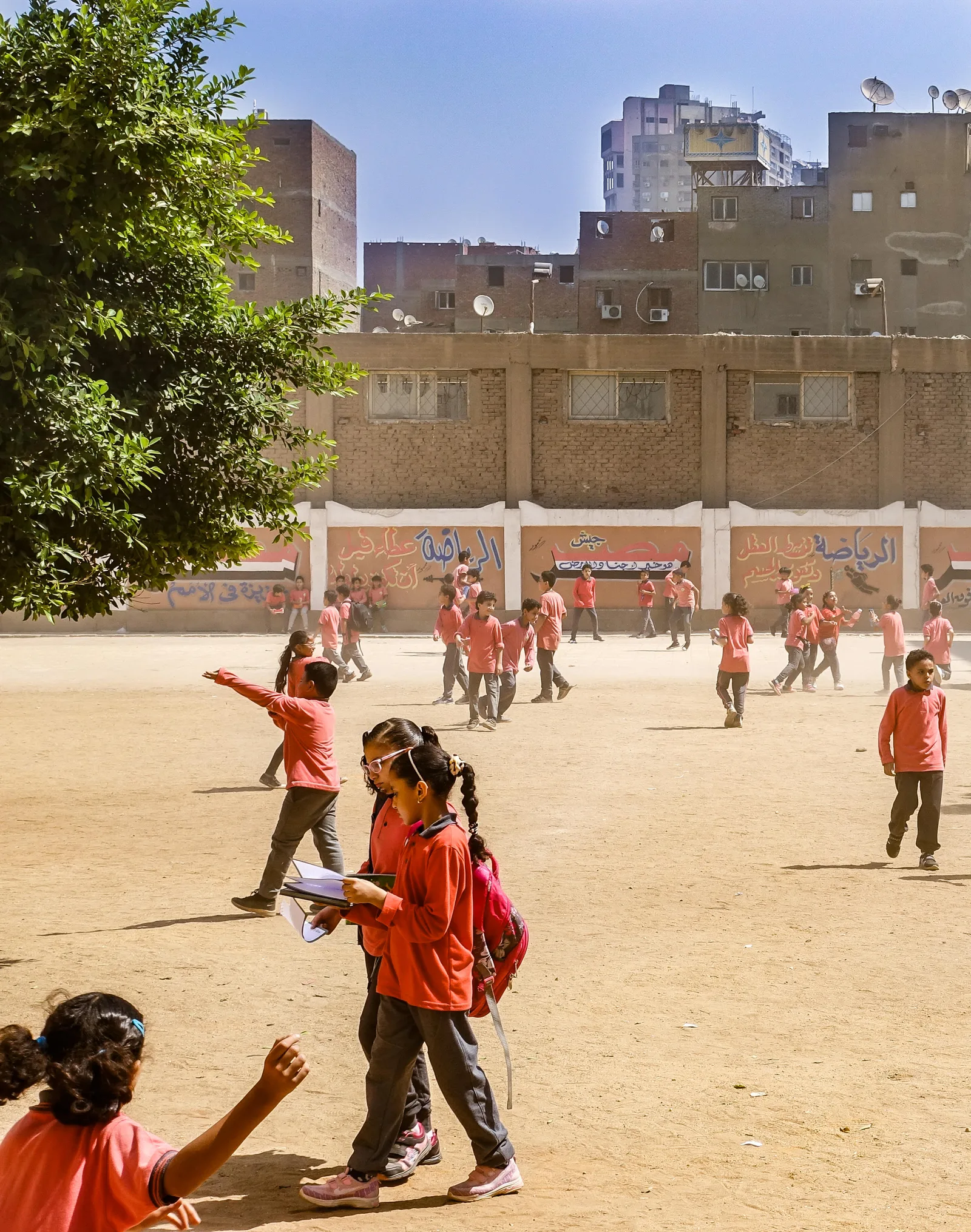
"Reading in Dim Light Ruins Your Eyes": What Ophthalmologists Confirm, and the Risk Parents Really Overlook
With evening study sessions back under a single bulb, the old warning returns: "You'll go blind." We checked the claim word for word and found ophthalmologists of one mind: dim light and sitting close to the screen tire the eyes; they do not damage them. But behind that reassurance stands a real danger most households overlook, and regional estimates put Egypt's children at the top of it.
September 19, 2026 · 7 min read
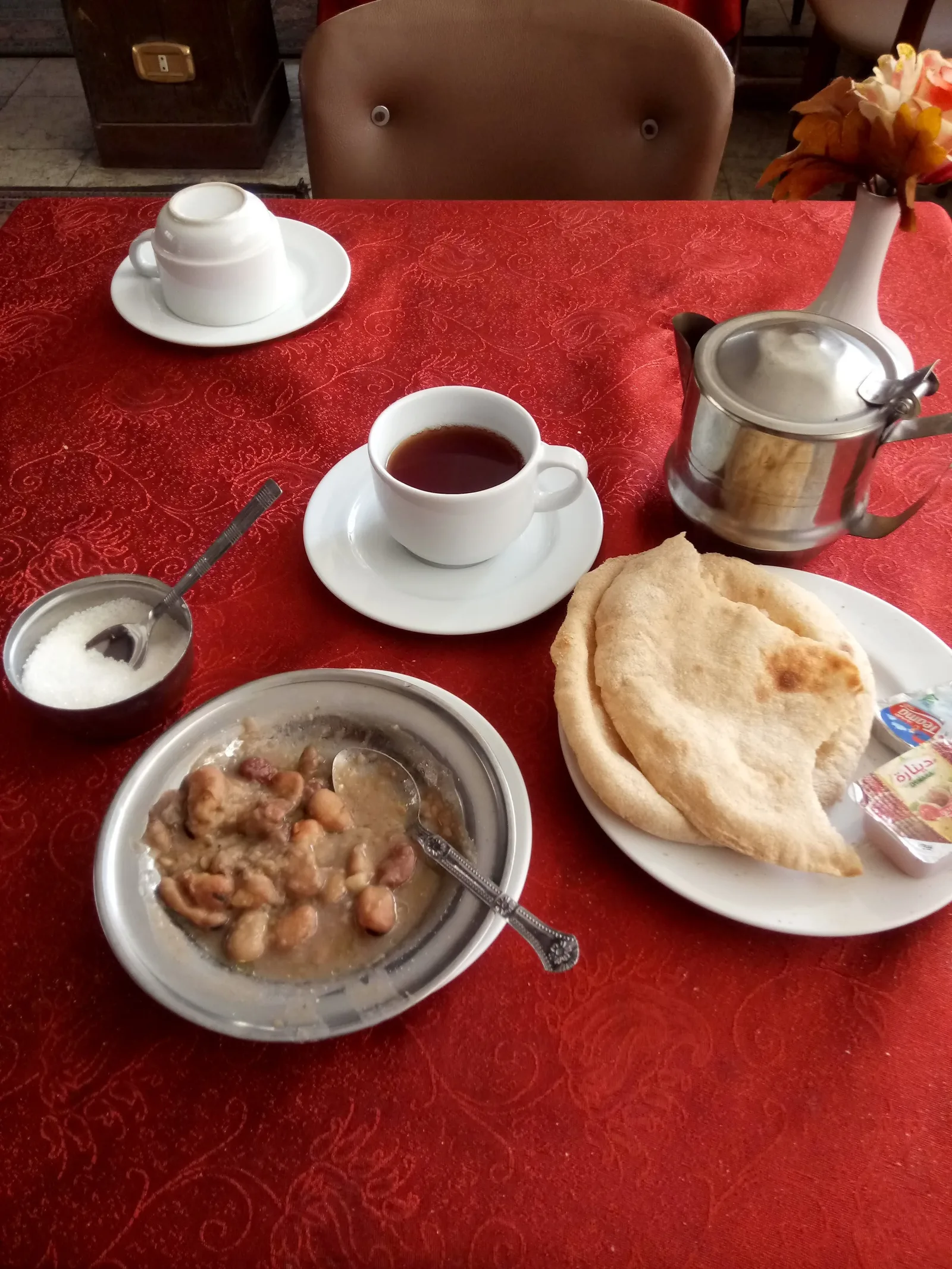
“Tea After Meals Blocks Iron”: The Mothers’ Warning Science Confirmed, and a Simple Fix
It is rare for a warning from the Egyptian kitchen to be backed so clearly by the laboratory. Black tea taken with a meal cuts the absorption of iron from bread, lentils and vegetables by startling margins, and milk does not rescue it. But the answer is not to banish the tea tray; it is to hold it back by a single hour, and to put a wedge of lemon on the table. We lay out the evidence, and why it matters for Egypt in particular.
September 10, 2026 · 7 min read