That's Wrong: A Banana Peel Costs an Innocent Life
A short story with a heavy ending: a hand flicks a banana peel out of a car window, and a schoolboy running to his exam never arrives. In this episode of 'That's Wrong' we tell the story, ask what faith and the law have to say, and look at how to change a habit we call 'minor' — and which kills.
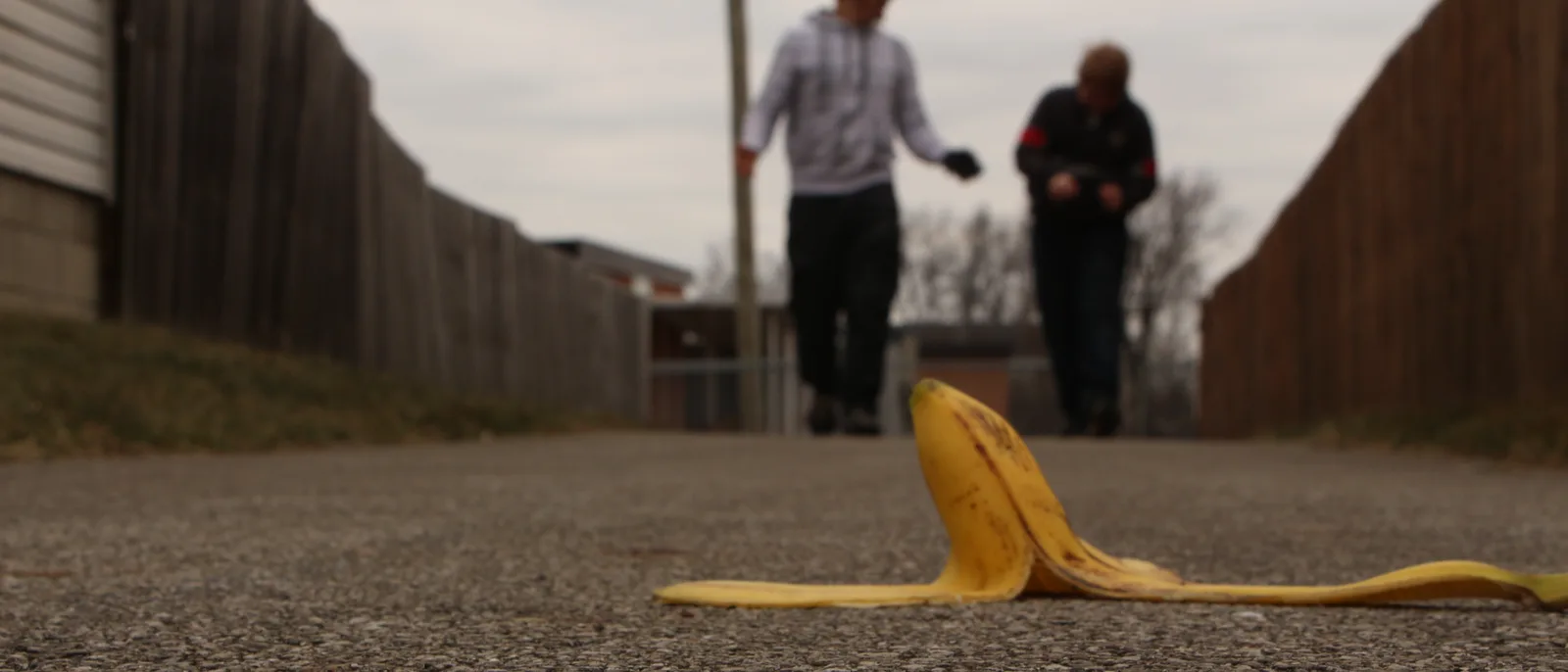
It is a story that could sound ordinary, except for how it ends. A sleek car glides down a crowded street. The driver peels a banana, eats it at leisure, then stretches an arm out of the window and drops the peel onto the asphalt as casually as a wave, and drives on. He does not look back. It never crosses his mind that this small yellow scrap could become, within minutes, a lethal weapon.
Minutes later a schoolboy comes down the same street, schoolbag on his back and a head full of dreams, running because he is afraid of being late for his exam. His foot lands on the peel. He loses his balance, slips, and falls hard; his head strikes the edge of the curb. Severe internal bleeding. Screams from passers-by. An ambulance that arrives late, as they so often do. Then the pronouncement: he is gone.
We tell it here as a cautionary tale, not as a police report — because its elements, in one form or another, play out on our pavements every day: a hand that throws, a foot that slips, a head that strikes. And the moral does not change: a child died because he was on his way to learn, and a man threw a peel because he never learned.
After every accident of this kind someone says, "Really? From that?" Yes — from that. Carelessness is not measured by the size of the act but by the size of its consequence. The peel that misses ten times hits on the eleventh, and when it hits, nothing goes back to the way it was.
The street is not a rubbish bin. We shrug off what we call "small habits" that are in truth deadly ones: a banana peel, a crisp packet or a water bottle flung from a speeding car; rubbish dropped from a balcony onto the heads of passers-by; oil or soapy water poured onto the asphalt, turning it into a slide the eye cannot see. Each begins with a flick of the wrist that takes a second, and some end with an entire lifetime.
What does faith say? In Islam, removing a harmful object from the road is an act of charity — so what of the one who puts the harm there with his own hand? The Prophet, peace be upon him, said: "Beware of the two acts that bring curses." They asked, "What are they, O Messenger of God?" He said: "Relieving oneself in people's path or in their shade" (Sahih Muslim). If relieving oneself in the road earns people's curses, what of throwing into their road something that makes them slip and kills them?
Another hadith reads: "Faith has seventy-odd branches... and the least of them is removing a harmful thing from the road" (Sahih Muslim). Clearing the path, then, is part of faith itself — and placing harm in people's path is a deficit in faith and in humanity alike. Before God you answer for every foot that slipped, every head that struck the ground, and every mother who wept because of your indifference.
And what does the law say? This is not "personal freedom," nor a "minor sin," but an offense spelled out in black and white. Egypt's Waste Management Regulation Law No. 202 of 2020 prohibits, in Article 38, dumping waste anywhere other than designated sites; Article 71 sets a fine of no less than EGP 10,000 and up to EGP 100,000 for anyone who throws non-hazardous waste where it does not belong — and on repeat offense, imprisonment plus the fine, together with confiscation of the vehicle used in the violation.
If that negligence injures or kills someone, the legal picture changes completely: we move from a littering violation to involuntary manslaughter or negligent injury under the Penal Code (Articles 238 and 244), punishable by imprisonment — on top of the civil compensation the victim's family is entitled to claim. Proving the link between the peel and the fall is, of course, for prosecutors and courts to weigh case by case; but the principle is settled: whoever causes a death through negligence answers for that death. You are not tossing a peel out of the window — you are tossing out the evidence that will convict you.
How do we change minds? Preaching alone will not do it, and neither will fines alone; what is needed is a change in behavior, and that is everyone's responsibility. It starts with five simple steps.
First, begin with yourself and your home: a small bag for rubbish in the car, and a rule your children learn by heart — your pocket is cleaner than the street. What a child grows up with, he grows old with.
Second, words carry responsibility: preachers, teachers, content creators — tell this story, the story of the banana peel that killed a schoolboy. Stories reach hearts in a way that numbers and regulations never will.
Third, the school is the answer: one lesson a month on "the ethics of the road" is enough to raise a generation that does not drop a scrap of paper. The real exam is not in the hall; it is in the street.
Fourth, social deterrence: do not laugh along with the person who throws from a car window — give them a look of disapproval. Document the violation if you safely can, without putting yourself at risk, and send it through the official complaint channels. Shame in the eyes of the community is the strongest law there is.
Fifth, lead by example: put a small bin in your car, outside your shop, by your front door. People copy what they see, not what they hear.
To the one who threw the peel and forgot: a mother has not forgotten; her tears have not dried; a seat in the exam hall stayed empty. Before you throw anything from your window, ask yourself: would you accept that this peel be the end of a human being's dream? The street is not yours alone. It belongs to a child on his way to his future, an old man on his way to prayer, a mother carrying her baby. Clean your heart before you clean your hands — for the one whose heart is clean will never agree to dirty the people's road.
In 'That's Wrong,' Voice of the Citizen goes on calling the mistake by its name without shaming anyone; the issue is behavior, not people. Share what you see — without endangering yourselves or exposing individuals — through the 'Citizen's Lens' service in the 'Your Voice' form on our platform, so that together we build a documented file to place before the responsible authorities.
Related Stories
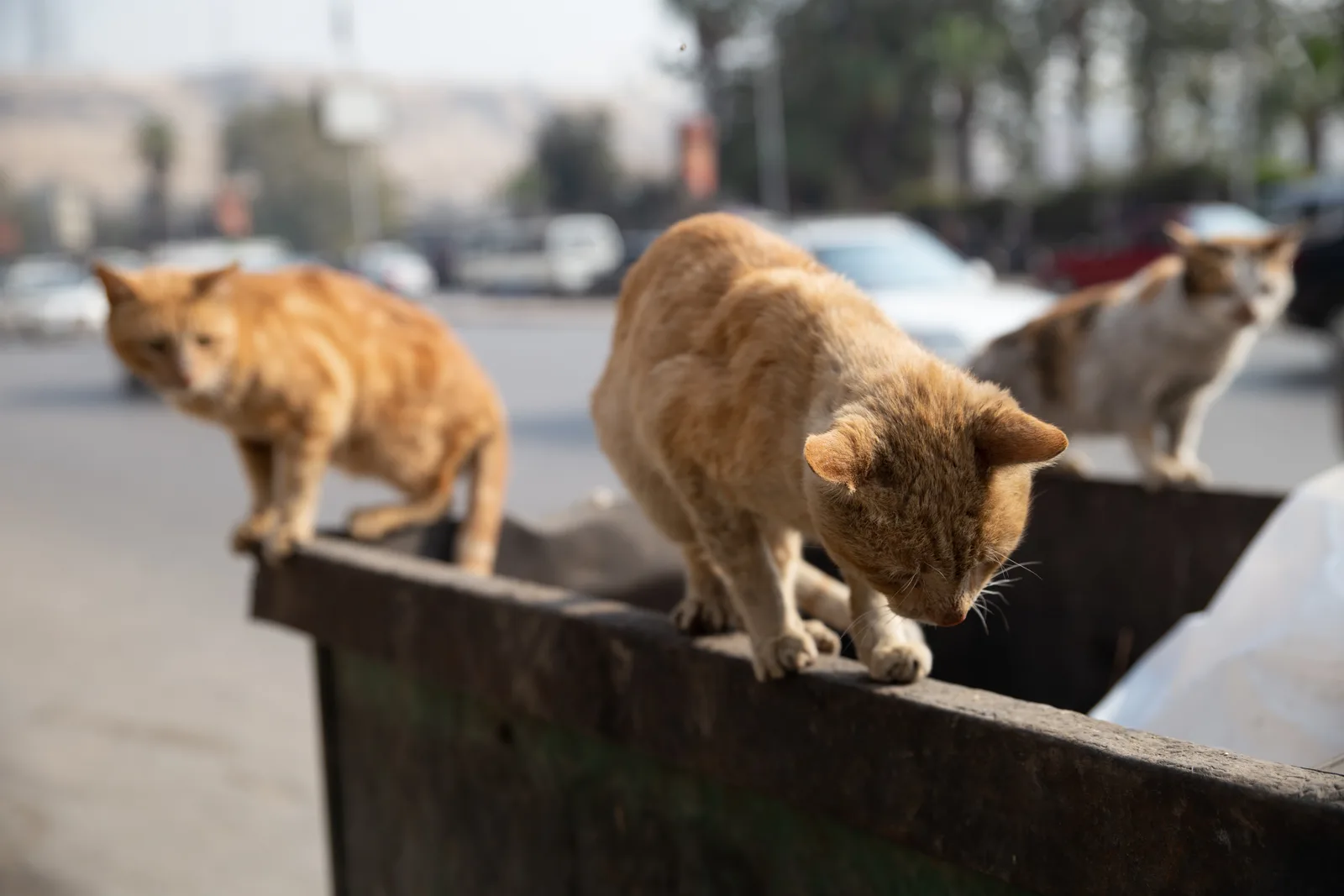
Keda Ghalat (That's Just Wrong): Harming an Animal Has Been a Crime Under Egypt's Penal Code Since 1937
A neighbour sets out poisoned bowls beside the school wall; a cart driver beats his donkey across the face to make it haul a load beyond its strength. Many assume that "just an animal" means no law protects it. In fact, Articles 355, 356 and 357 of the Penal Code punish killing, poisoning and harming animals with penalties that go as far as prison. On the eve of World Animal Day, we explain what the law says and what the right thing to do is.
October 3, 2026 · 6 min read
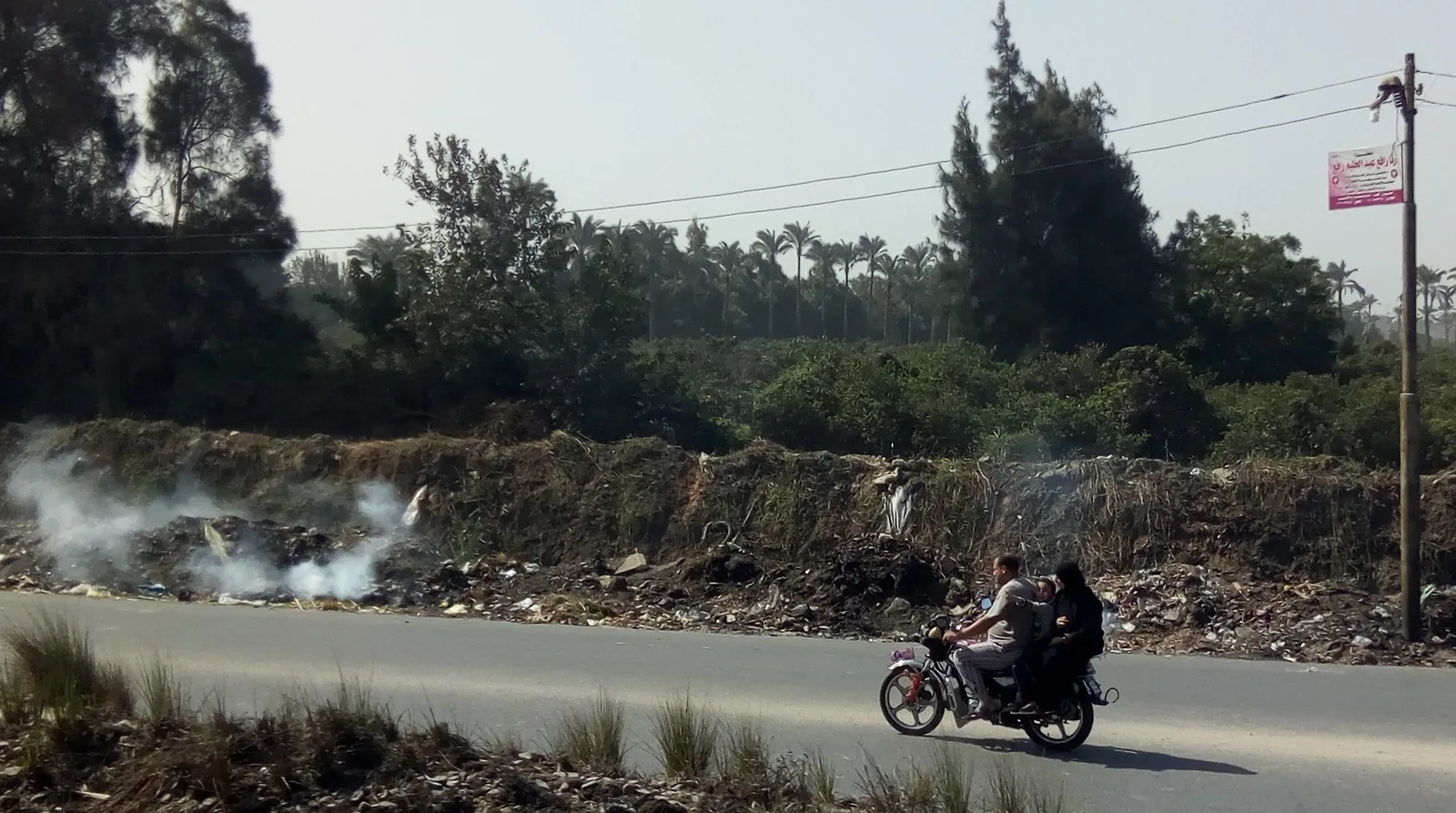
Four on a Motorcycle and No Helmet: A Bare Head Is the Dearest Thing a Family Can Lose on the Road
In the second week of school the same scene repeats: a father driving, one child in front, another behind, the mother clutching the bags, and not a single helmet among them. Press reports citing CAPMAS show deaths jumping from 190 to 897 between 2020 and 2024, while a Cochrane review finds a helmet alone cuts the risk of death by 42%. The law has punished the bare head since 1999, fine raised in 2008. So why do we not comply?
September 23, 2026 · 8 min read
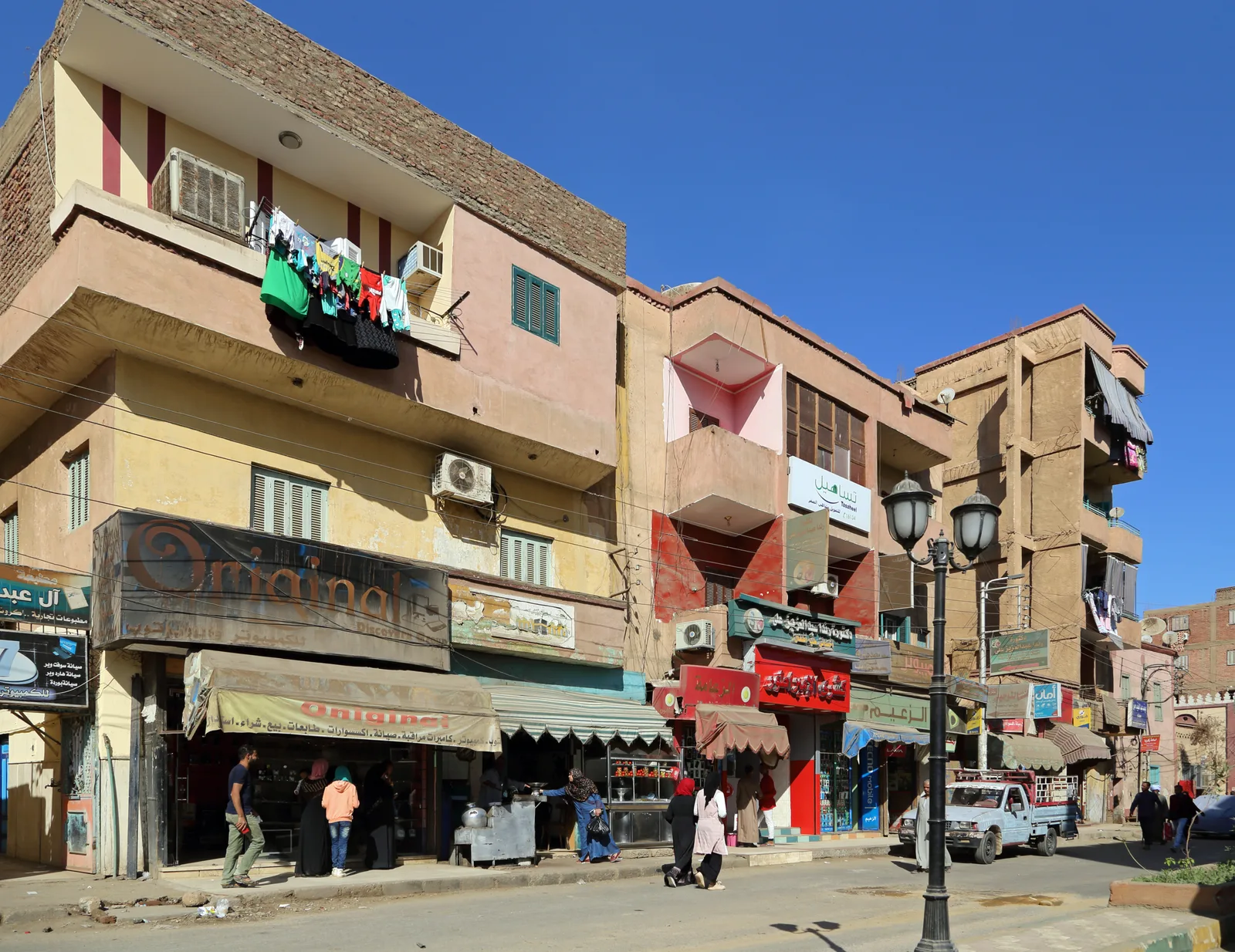
"A Hook-Up on the Cable" Is No Clever Trick: Electricity Theft Is a Crime the Whole Neighbourhood Pays For
A bare wire dangling from a lamp post to a balcony, an air conditioner on a meter that never moves, and a fuse blowing for the third time, plunging a bill-paying neighbour into darkness. Article 71 of the Electricity Law calls this unlawful appropriation of current, punished by prison and a fine, while a tougher amendment awaits the House of Representatives. What does a whole street lose from one hook-up? And what is the right alternative?
September 14, 2026 · 7 min read