A Child With Diabetes in the Classroom: What Your Son or Daughter Needs From School on World Diabetes Day
Egypt's Ministry of Health and Population estimates that about 55,000 children in the country live with type 1 diabetes. Their daily struggle is not in the clinic but in the classroom: when to test, where to keep medication, and who knows what to do if blood sugar drops during PE. A calm guide for parents and schools, with not a single dose in it.
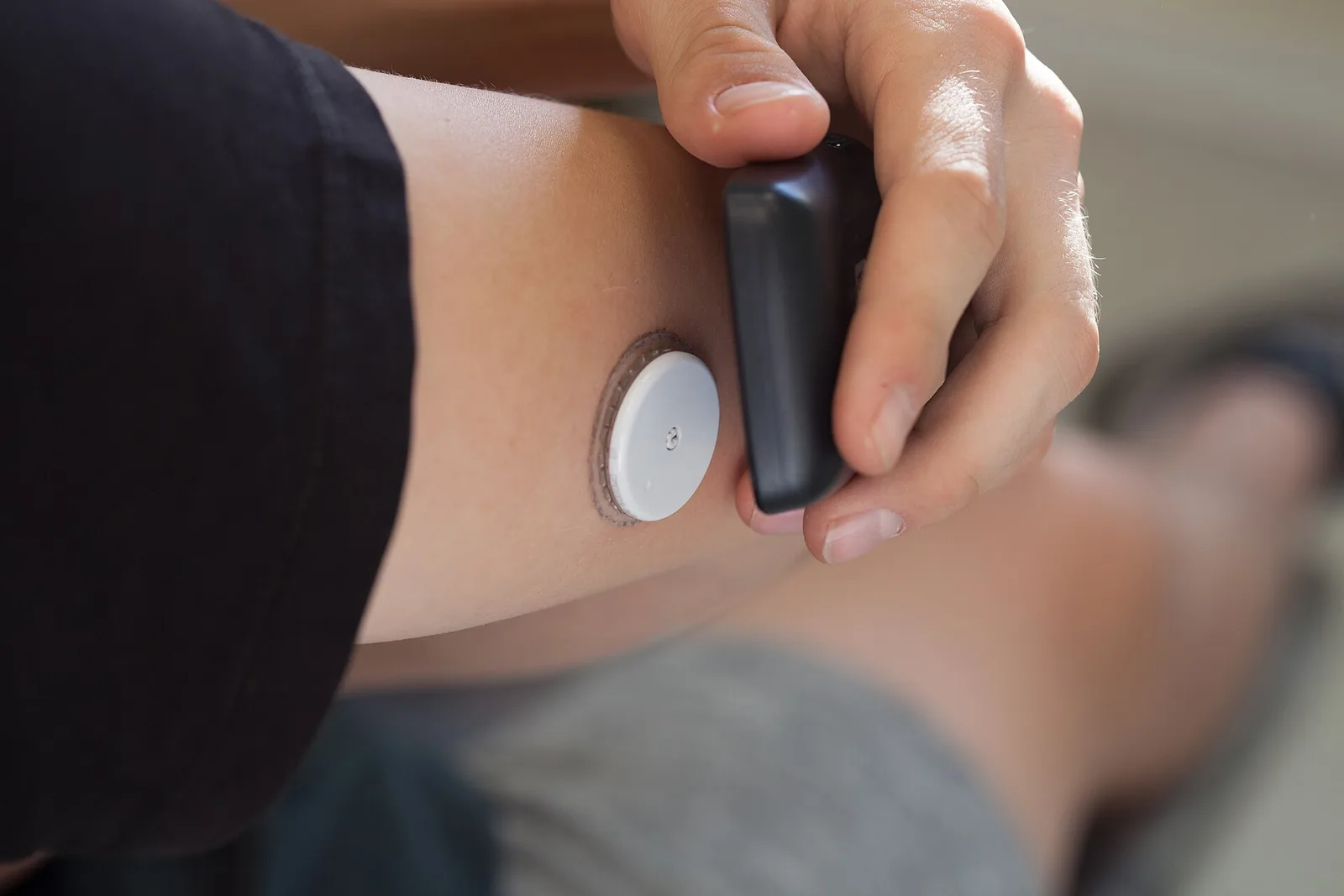
At this time every year, many Egyptian parents pack a school bag that differs slightly from the others: between the pencil case and the homework notebook sit a small glucose meter, the child's medication in a side pocket, and a slip of paper with the family's phone number and the number of the child's clinic. The question that returns each morning has nothing to do with grades: if blood sugar drops during PE, who will notice? World Diabetes Day falls on November 14. The United Nations' page for the day gives that date and notes that the General Assembly adopted it in 2007 through Resolution 61/225. This year it lands on a Saturday, a day off at many Egyptian schools, a quiet window to arrange what has not yet been arranged before Sunday morning.
The first point must be clear, because confusion over it can kill: type 1 is not type 2. In its diabetes fact sheet, the World Health Organization describes type 1 as a deficiency in insulin production that requires daily insulin, and states, in its own words, that “people with type 1 diabetes need insulin injections to survive,” adding that its cause and the means of preventing it are not known. The International Diabetes Federation, on its type 1 page, describes a long-term autoimmune condition in which the immune system attacks the insulin-producing cells so that the body stops making insulin, and states plainly that those who do not get insulin will die. Here insulin is a requirement for life, not a treatment option, and no diet, herbal remedy or exercise can replace it. That the cause is unknown also answers a sentence every family hears after diagnosis: the child did not fall ill because of sweets, nor because the mother got the food wrong.
As for the scale in Egypt, the figure is one announced by the Minister of Health and Population in June 2026 and relayed by the press: about 55,000 children, from birth to age 18, with type 1 diabetes. It is a ministerial estimate, not a final count. Alongside it are International Diabetes Federation figures for 2024 that concern adults, not children: 13,214,500 cases of diabetes among adults in Egypt and a diabetes prevalence of 22.4% among adults. But the child's story is different: a far smaller number, but a far heavier daily burden, because it never pauses for an hour and takes no day off on a school day.
Globally, the World Health Organization says the number of people with diabetes of all types rose from 200 million in 1990 to 830 million in 2022, and that 14% of adults aged 18 and over had it in 2022, against 7% in 1990. On type 1 specifically, the International Diabetes Federation's page says it can affect people at any age but develops mainly in children and young people. Yet all these large numbers are lived out in a single family, in one small place: the classroom.
The classroom is exactly the subject of this article, because that is where a child spends the hours of the day away from his or her mother and doctor. What the child needs there is not anyone's improvisation but a written plan from the child's own clinic: a clear note from the treating physician that sets out when to test during the school day, what the child is given if blood sugar drops and when, what to do before and after PE, and when to call the family and when to call an ambulance at once. One copy stays at school and one in the child's bag. You will find no dose, no schedule and no calorie count in this article, and that is deliberate: decisions about medication, food, quantities and timing belong to the child's treating physician alone, and no teacher, relative or internet article should change them.
Even so, knowing the general signs of low blood sugar is a right of everyone who stands in front of this child. In its glossary definition of hypoglycemia, the International Diabetes Federation says a person affected may feel nervous, shaky, weak or sweaty, with headache, blurred vision and hunger, and that it can follow too much insulin, too little food, or physical exertion without extra food. Its type 1 page adds that glucose levels can change quickly and unpredictably even with excellent treatment, and that low blood sugar can lead to confusion, seizures or loss of consciousness. For that reason a child showing these signs is not made to wait until the end of the lesson and is not left alone; what the child is given, and when, is set out in the clinic's plan, not in common lore. If the child's consciousness is impaired or a seizure begins, that is an emergency that calls for an ambulance and for the family to be told immediately.
Two common mistakes follow from this and deserve to be stated plainly: forbidding the child to eat outside the break, in the name of order, and forbidding movement and sport, in the name of protection. Both collide with the causes of low blood sugar described above, and the answer to both is an arrangement written by the clinic, not depriving the child of a playground or a bite of food. A child with type 1 diabetes can play, learn and excel like his or her classmates, provided the people around that child know the arrangement and respect it.
Between the two lies a gap that many Egyptian parents describe: a school that is welcoming but uninformed, staff who have never been trained to handle a child with diabetes, and a fear of liability. We report it as families tell it, not as a documented incident and not as an accusation against any particular school or type of school. The need for diabetes education in schools is not a matter of dispute worldwide: the International Diabetes Federation, in partnership with the International Society for Pediatric and Adolescent Diabetes, runs a program called Kids and Diabetes in Schools. Its page says, as of this writing, that its materials have reached more than a million children in 23 countries, lists an Egyptian experience among its success stories, and says it provides educational sessions in schools and ready-made teaching materials. The tools exist; what is often missing is someone asking for them.
At the official level, according to Egyptian press reports, June 2026 saw the formal launch of the presidential initiative for the care of children with type 1 diabetes, part of the 100 Million Healthy Lives program. It is built on providing continuous glucose monitoring technology, training families and regular follow-up, in cooperation with the World Health Organization and a scientific committee. The figures announced at the same time are preliminary results from a limited number of registered children and should be read as such and in no other way: 143 registered children, 47 of whom had completed three months of follow-up, and a reported drop in emergency visits from 1.11 to 0.08 per child per year and in hospital admissions from 0.70 to 0.08, with a gradual expansion expected to reach eight specialized centers by the end of 2027. That expansion is an announced plan, not an accomplished fact as of this writing. The initiative concerns monitoring devices and training, not the supply of insulin, and it covers a limited number of registrants, not every child in Egypt.
There is also a small detail that adults tend to overlook: the device itself. A child with a monitoring patch on the arm, or who takes out a testing meter in front of thirty classmates, is exposed to questions, comments and perhaps laughter. It helps to precede that with a short, calm explanation to the class, with the family's consent and as far as the child is comfortable: this device helps the child, it must not be touched, and stepping out for a few minutes to test is neither a privilege nor a way of dodging class. Treating it as ordinary is what makes it ordinary.
What these families face is not limited to devices and schedules; there are also claims circulating in Egypt about a particular diet that cast doubt on approved treatments, including vital drugs for people with diabetes and cancer. On May 5, 2026, the newspaper Al Emarat Al Youm, citing Egyptian papers, reported that the spokesman for the Ministry of Health and Population had warned against practices and ideas attributed to the diet known as al-Tayyibat (“the good things”), saying that “it has been proven that they may put patients at risk.” The same report stressed, attributing it to various medical bodies rather than to the spokesman, that any decision to stop or adjust drug treatment must be made solely through the treating physician. We repeat only what has already been relayed from the World Health Organization and the International Diabetes Federation, adding no judgment of our own: in type 1 diabetes, insulin is a condition of survival.
Because this day is also an occasion for those not yet diagnosed, teachers and parents have a right to know the signs the International Diabetes Federation lists for type 1: unusual thirst and a dry mouth, frequent urination, sudden weight loss, fatigue and low energy, constant hunger, blurred vision, and bedwetting. The page says symptoms usually appear quickly and can become severe, and that their early stages can resemble common illnesses, so diagnosis is delayed. A child who drinks and urinates more than usual and loses weight within weeks does not need patience but a doctor, as soon as possible.
What a parent can accomplish in a single week around this date is simple but weighty: a written plan from the child's clinic with a copy at school; a named person responsible who knows it, with a substitute for when that person is away; an agreed place to keep the child's medication and equipment within reach, not locked in a distant drawer; clear permission to test and eat in class when needed; a written arrangement for PE, field trips and exams; and up-to-date phone numbers. What we hope for on this day is less than that and larger: that one person in every school pays attention. The child who shoulders a bag on Sunday morning is not asking for a miracle or special treatment, only that someone among those around him or her should know, so that the child returns home an ordinary child who has finished the school day. This article is a general explanation, not a diagnosis or treatment, and it does not replace the treating physician or the child's written clinic plan.
Related Stories
World Children’s Day: What Article 80 of Egypt’s Constitution and the Child Law Actually Guarantee Your Child
On November 20 the world marks Children’s Day, an anniversary of texts rather than of an event. We read Article 80 of the Constitution as published, trace Egypt’s 1990 ratification of the Convention on the Rights of the Child, review the penalties Law 186 of 2023 rewrote in the Child Law, and explain what a parent can do when a right breaks down.
November 20, 2026 · 8 min read
16000: The Number Every Child Should Know — How Egypt's Child Helpline Works and When to Call
A free five-digit line that runs day and night, yet few know who answers it, how it differs from the police emergency line 122, or what happens after the call ends. We read the definition of "a child at risk" in Article 96 of the Child Law, and trace, step by step, where a report travels — all the way to the Child Protection Committees.
October 16, 2026 · 7 min read
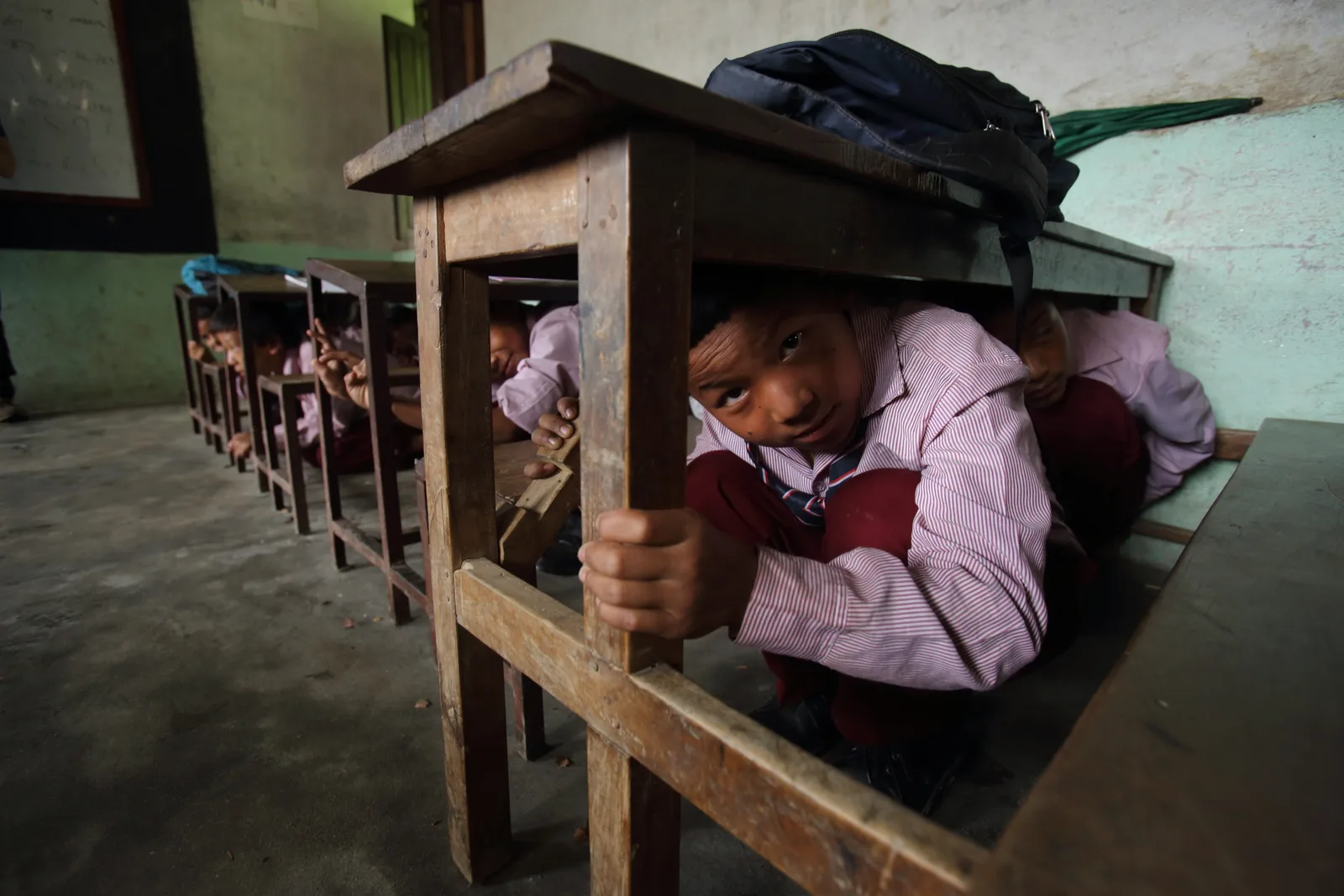
What to Do When the Ground Shakes: The Lesson of October 12, 1992 — 'Drop, Cover, Hold On,' Never Run for the Stairs
Not every victim of the 1992 Dahshur earthquake died under rubble — newspapers at the time reported that many were schoolchildren crushed while fleeing their classrooms. Marking the quake's 34th anniversary and the October 13 International Day for Disaster Reduction, we retell it through sourced figures, explain the international rule that can protect your child in sixty seconds, and offer a five-step family plan to pin behind the door.
October 13, 2026 · 8 min read