Fourteen Committees, 727 Meetings: Where the Senate's Opinion Is Actually Made
The plenary session is the storefront; the workshop is a room with a long table and stacks of paper. In this non-partisan explainer, we walk step by step through the Senate's fourteen specialized committees: who gets elected in October, how a bill is referred, who is invited to be heard, and how a report is written and then circulated to members at least twenty-four hours before the session.
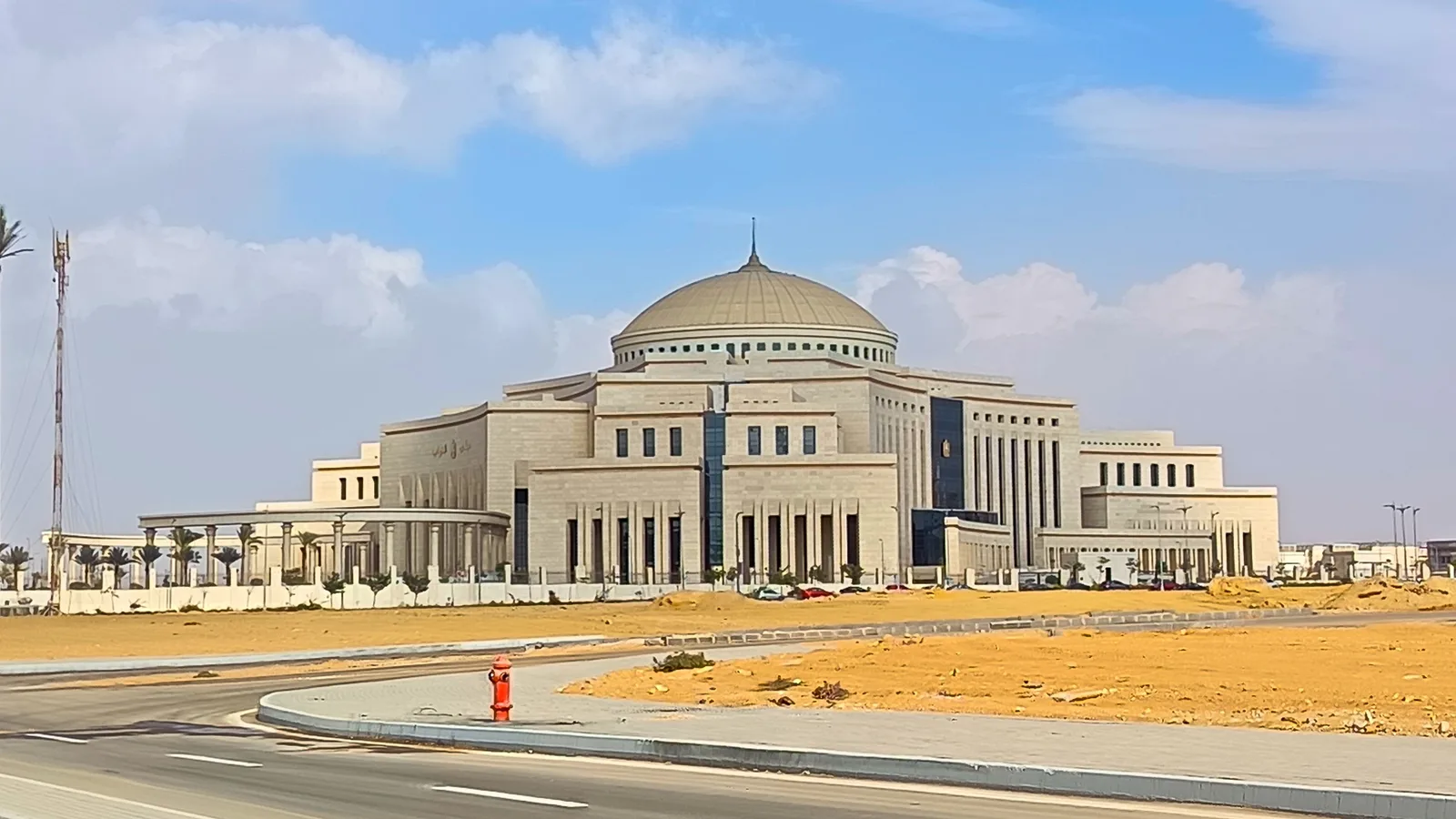
On an October evening, while the tea cools on the table, a familiar shot passes across the screen: a wide hall, rows of orderly seats, the session's chair holding the bell, a member speaking for two minutes, and then the news bulletin moves on to something else. The viewer forms a quick impression and files it away: so this is parliament — a session, a speech, polite applause. In truth, what he has seen is the showroom, not the workshop. The workshop is a smaller room, with a long table and stacks of paper shaded with pen marks, known in parliamentary language as the specialized committee.
The numbers alone are enough to overturn that picture. In the harvest of the first ordinary session of the Senate's second legislative term — the session whose closing was announced on June 23, 2026 — the specialized committees held 727 meetings totaling 654 hours and 35 minutes, against 28 plenary sessions totaling 104 hours and 25 minutes. In other words, the time spent away from the cameras is more than six times the time spent in front of them. In fairness: these figures are published in the closing-session coverage of a private online parliamentary portal (parlgate.com), and we attribute them to it explicitly — this is not, to our knowledge as of this writing, an official statement from the Senate itself. But what they mean is what matters to the reader: opinion is not born in the great hall; it arrives there almost fully formed.
The specialized committee is not an administrative arrangement that shifts with the mood — it is a written text. Article 38 of the Senate's internal bylaw, issued under Law No. 2 of 2021, establishes by name fourteen committees: Constitutional and Legislative Affairs; Financial, Economic and Investment Affairs; Foreign, Arab and African Affairs; Defense and National Security; Industry, Trade and Medium, Small and Micro Enterprises; Energy, Environment and Manpower; Housing, Local Administration and Transport; Education, Scientific Research, Communications and Information Technology; Youth and Sports; Health and Population; Agriculture, Irrigation and Water Resources; Human Rights and Social Solidarity; Culture, Tourism, Antiquities and Media; and Religious Affairs and Endowments. Read the list while thinking about your own day: the gas cylinder, the hospital checkup, your child's school lesson, the irrigation turn on your family's land back in the village.
As for why this chamber's opinion is sought at all, that is a matter the Constitution settles in Articles 248 and 249: the first makes its mandate the study and proposal of whatever it deems capable of underpinning the foundations of democracy and supporting social peace, and the second lists what its opinion is taken on — proposed constitutional amendments and draft laws referred to it. We have devoted a separate piece to that question, titled "Egypt's Senate: Composition, Powers and Limits"; today's discussion is about how it works, not what it does.
The starting point is October itself, and it is a starting point fixed by text, not by habit: Article 115 of the Constitution requires that the House be called into its annual ordinary session before the first Thursday of October, and Article 254 extends that same rule to the Senate. With the opening comes Article 43 of the bylaw into motion: "Each committee shall elect, as soon as possible, at the start of every ordinary session, from among its members, a chair, two deputies and a secretary, by an absolute majority of its members." The wording is precise — "at the start of every ordinary session," not once for the entire legislative term — meaning four posts in each committee, fifty-six across the whole chamber, are settled as soon as possible after the opening. The vote is by secret ballot, supervised by a committee formed by the Senate's Bureau from members who have not put themselves forward as candidates; if only the required number of candidates come forward, they are declared elected by acclamation. We name no one here; what matters is the mechanism, not the individuals.
After that begins the daily migration of paperwork. A committee does not pick its own subjects out of thin air — they arrive by referral. Each committee is tasked with studying whatever draft laws and matters within its remit are referred to it (Article 61), and any bill reaching the Senate is presented by its Speaker at the first session following its arrival so the chamber can decide its referral to the competent committee; the Speaker may also refer it directly to the competent committee and simply notify the chamber at the next session (Article 136). A step that looks like a formality is nothing of the sort: which committee gets the text determines which expertise will read it and which questions will be asked.
Then the room convenes, and the meeting has its quorum rules: a committee session is not valid unless attended by a third of its members, and it may not take a decision on a matter before it except with a majority of its members present; if that majority is not reached, the chair postpones the vote to a following meeting (Article 72). On the table sit the text under review and its explanatory memorandum — both of which the bylaw requires be attached to the final report (Article 80) — alongside them sits the government's position, voiced by whoever represents it: the Prime Minister and ministers are entitled to attend committee meetings, and the committee must hear them whenever they ask to speak (Article 76). This is the real difference between the room and the hall: in the plenary session a minister speaks to public opinion, while in committee he sits before specialists who already know the file, so the exchange becomes a review rather than a speech.
The room may also summon people from outside parliament altogether. A committee may form a subcommittee from among its own members to study a matter referred to it, and it may draw on advisers, specialists and other experts in its work (Article 68); each committee is even required, at the start of every session, to compile a list of specialized and prominent experts in its fields, kept in a dedicated register (Article 91). This is where real life enters the text: the economics professor explaining the impact of a tax schedule, the physician describing what a clause in a bill would mean inside an operating theatre. Hearing them out is not a courtesy — it is what keeps a law from being written behind closed doors by those it will govern.
When deliberation ends, the hardest step begins: writing the report. A committee's report is not minutes listing who said what — it is a document required to contain a statement of the procedures followed, the committee's opinion and its reasoning, and the other views raised (Article 80), and it must carry dissenting opinions under their authors' names whenever those members ask to have them recorded in writing. In other words, a dissenter's voice is not folded away the moment the majority votes; it stays in the body of the text, to be read by anyone who returns to the document years later wanting to know how the matter was argued at the time.
The report then leaves the room for the hall, and that departure has a deadline: it must be circulated to Senate members at least twenty-four hours before the session set to consider it (Article 85), so no member is blindsided by a text he has never seen and then asked for his opinion on it minutes later. It is a rule with only one way around it, by decision: the same article allows the Senate's Bureau, in urgent cases, to place the matter on the agenda with the report simply read aloud in the session. That exception is itself a kind of measure — the more rarely it is invoked, the more a committee's work remains open to scrutiny, because once a report is circulated it becomes part of the session's own paper trail: debated, cited, and referred back to.
This is why the plenary session looks fast and already decided — it is the mountain's peak, not the mountain. The first session's tally — again according to the same private portal cited above — came to seven draft laws, seventeen requests for general debate, two hundred and fifteen recommendation proposals, and a single legislative impact study. The number of sessions is small precisely because whatever reached them had already been discussed and written into a report. Judging parliament by the number of its sessions is like judging a kitchen by the number of dishes that come out the door.
Nor is the room forever sealed off with its papers; committees do sometimes go out into the field, and there is a basis for that too: through the Senate Speaker, a committee may obtain data and documents from any official or public body, and it may conduct field visits related to examining a matter referred to it, once the Bureau approves, with the chamber covering the cost (Article 92). The harvest figures record four field visits by Senate committees that session: the Tahrir Palace in January, the village of Tutun in Fayoum and the Police Academy in May, and Cairo Airport in June. We are reporting the tally, not the minutes, but the item carries its own meaning: firsthand inspection is one of the tools of study.
One question many people ask in good faith remains: isn't all this simply slow? Yes — and that is the point. A room that convenes with only a third of its members, decides nothing without a majority present, hears out both the minister and the expert, records the dissenter's objection, and circulates its paper a full day before the session, is not excess bureaucracy — it is the difference between an opinion that has matured and one that was improvised. The room is also answerable for what it produces: Article 90 requires every committee to submit to the Speaker, before the end of each ordinary session, a report on its activities during that session, so the question "what were you referred, and what did you accomplish?" is never lost between one session and the next.
So what should a reader do with all this on an ordinary October evening? One practical thing: pause at the committee's name. When you hear news of a law touching your rent, your medication, or your child's school fees, ask first: which of the fourteen committees was it referred to? Then know that committee sessions themselves are not public, by the letter of the bylaw (Article 71) — so your way in is not the door of the room but what comes out of it: what the Senate's official channels publish, what is read out from reports in the plenary session and preserved in its minutes, and the committee's report itself, once it becomes available. Look in it for three things: what the committee proposed, why, and who dissented and why. And when you return to that opening shot — the hall, the seats, the bell — you will know it is the end of the story, not its beginning, and that the story played out in a room with a long table, carrying a name that resembles the name of whatever concerns you most.
Related Stories
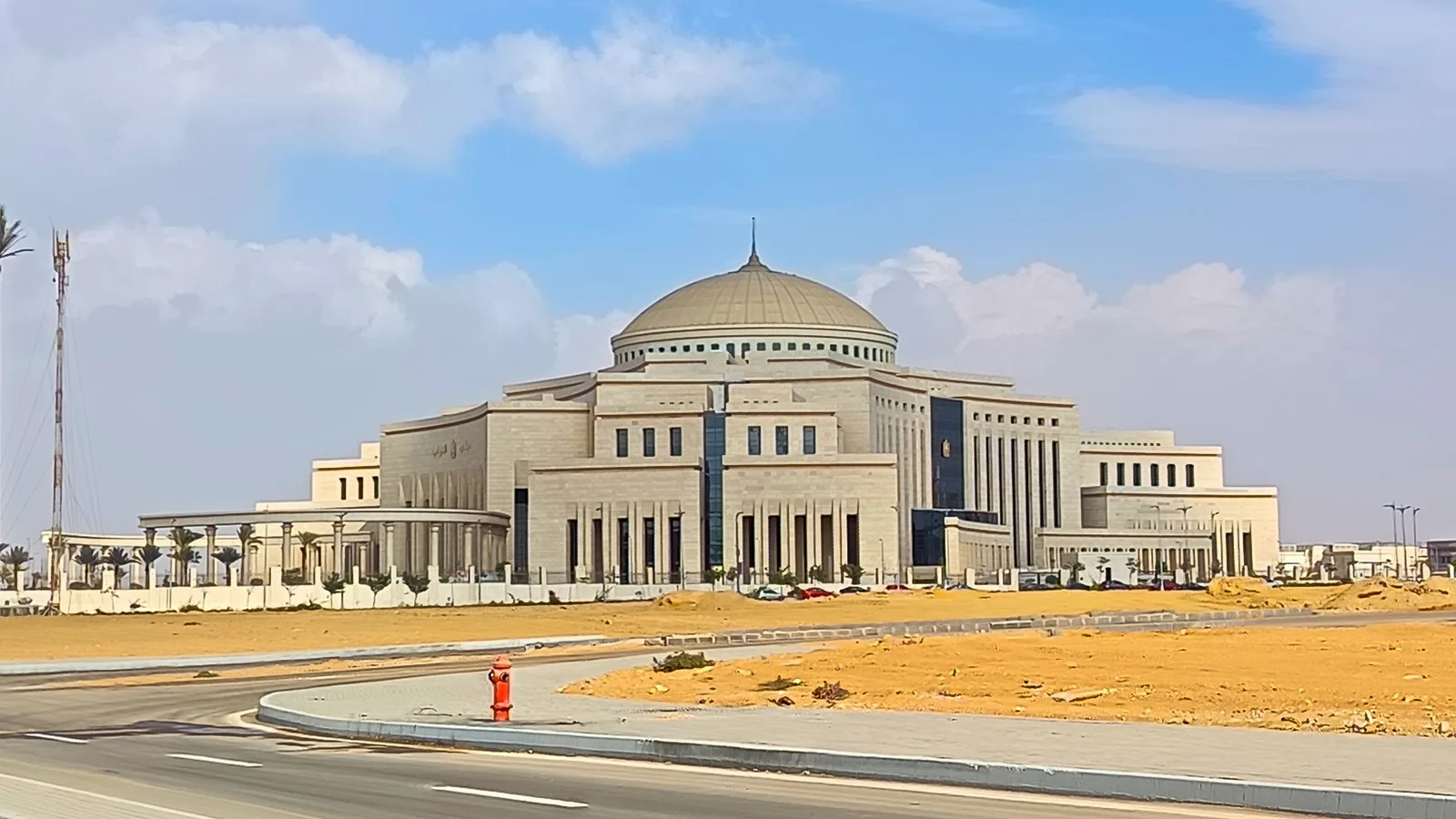
Parliament's Eye on the Government: From a Briefing Request to a Withdrawal of Confidence — The Oversight Toolkit as the Constitution Drew It
From a question put to a minister to an interpellation that can bring down a government: a practical tour of parliament's oversight toolkit as drawn by the 2014 Constitution and the 2019 amendments — what the House of Representatives can do that the Senate cannot, and how to follow it all for yourself.
September 6, 2026 · 7 min read
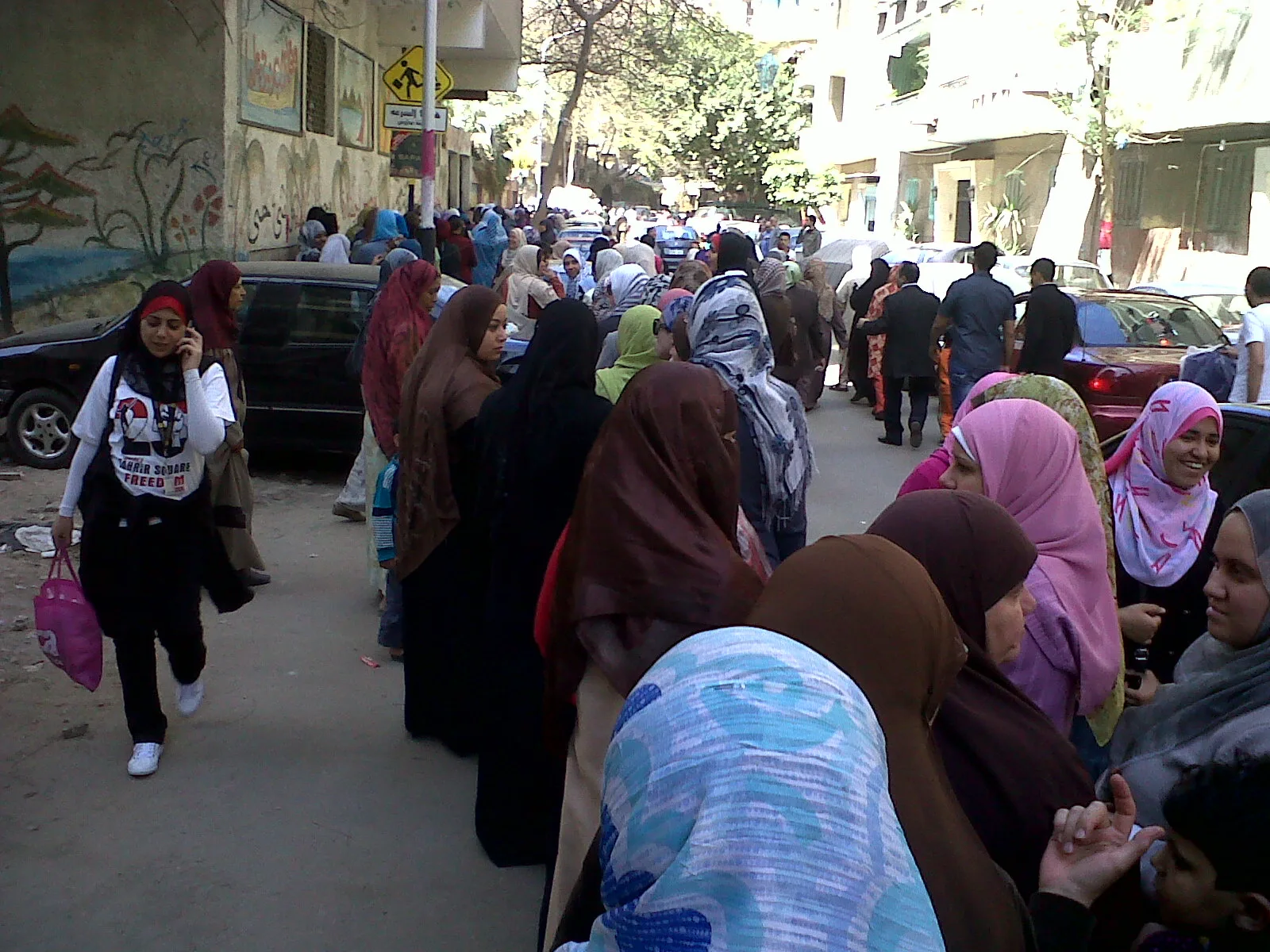
Egypt's Senate in 2026: No Election This Year — What Voters Need to Know
No Senate election is scheduled in Egypt for 2026: the current chamber was elected in August 2025 for a five-year term, with the next vote due in 2030. A neutral guide to seats, voter eligibility, polling stations, and results.
August 20, 2026 · 7 min read

Egypt's Eye on the Sky: Kottamia Observatory's 74-Inch Mirror, Watching the Universe Since 1964
On a desert plateau east of Cairo, a dome has opened at sunset for more than sixty years. For World Space Week, we tell a story that begins with the Khedivial observatory at Abbassia, then Helwan and Halley's Comet, and reaches a giant mirror Egypt contracted for in 1948 and later upgraded with Japanese instruments. It is a reminder to every student that astronomy in Egypt is a living profession, not just heritage.
October 6, 2026 · 7 min read