Egypt's Senate in 2026: No Election This Year — What Voters Need to Know
No Senate election is scheduled in Egypt for 2026: the current chamber was elected in August 2025 for a five-year term, with the next vote due in 2030. A neutral guide to seats, voter eligibility, polling stations, and results.

Searches for "Egypt Senate elections 2026" keep circulating, and so do a few headlines — but the documented answer is direct: there is no Senate election this year. The chamber's last election was held in August 2025, its membership was completed that October, and its term runs five years, putting the next vote on course for 2030. This guide explains — with no political assessment of any kind — how the Senate's electoral system works, who is entitled to vote, how voters find their polling station, and when results are announced in any future contest.
As of publication, the National Election Authority (NEA) — the only body constitutionally empowered to administer elections and announce their dates — has issued no timetable for any Senate election in 2026. Every schedule published on the authority's website concerns the 2025 contest, whose file was closed with the announcement of final results.
In that last contest, under the procedural timetable issued by NEA Decision No. 6 of 2025, Egyptians abroad voted on 1–2 August 2025 at embassies and consulates, and voters inside the country cast ballots on 4–5 August 2025.
The authority announced first-round results on 12 August 2025, settling 195 of the 200 elected seats. Five individual seats across five governorates went to a runoff: expatriates voted on 25–26 August, domestic voters on 27–28 August, and the final results were declared on 4 September 2025, according to the authority and coverage by Ahram Online and the State Information Service.
The chamber's composition was completed in October 2025, when Presidential Decree No. 575 of 2025 appointing one hundred members was published, as reported by the National Media Authority and Egyptian outlets citing the Official Gazette.
As for the seat system: the Senate comprises 300 members split into three equal thirds — 100 seats elected under the individual (first-past-the-post) system, 100 through the absolute closed-list system, and 100 appointed by the President of the Republic. The Senate law requires that women hold no less than 10 percent of all seats. In the 2025 contest, a single slate — the National Unified List for Egypt — stood for the list seats, and the authority declared it the winner of all 100 under that system's rules.
Who can vote? According to the electoral guide published on the NEA's website, every Egyptian aged 18 or over is entitled to vote and is enrolled automatically in the voter database from national ID records held by the Civil Status Authority — no advance registration is needed. Exempt from voting, per the same guide, are officers and personnel of the armed forces and police throughout their service, people convicted of specified crimes, those under legal guardianship, and naturalized citizens within five years of acquiring Egyptian nationality.
How do you find your polling station? The authority provides four official channels that operate year-round: an online inquiry at elections.eg using the 14-digit national ID number, a free text message of the national ID number to 5151, the 141 voice hotline, and the authority's official mobile app on the two major app stores, as announced by the NEA and reported by Ahram Gate. Voters cast their ballot with a national ID card or a valid passport bearing the national number.
For Egyptians living abroad, voting takes place at Egyptian embassies and consulates for anyone enrolled in the voter database. In recent contests the practice has been for out-of-country voting to precede domestic voting by two days, as happened in 2025.
And when do results appear? The authority fixes announcement dates in advance in the procedural decree it issues before each contest, and no result is official until the NEA declares and publishes it. In the 2025 cycle, first-round results came roughly a week after domestic voting, and final results roughly a week after the runoff — via an NEA press conference and publication in the Official Gazette.
What does the Senate actually do? Under Articles 248 and 249 of the constitution, the chamber studies and proposes what it deems conducive to broadening democracy, social peace, and rights and freedoms, and its opinion is taken on proposed constitutional amendments, the state's general social and economic development plan, treaties of peace and alliance and those touching sovereign rights, and draft laws referred to it by the President or the House of Representatives. Its role is essentially consultative, and government ministers are not accountable before it. For a full treatment of the chamber's powers and their limits, see our explainer, "Egypt's Senate: Composition, Powers, and Limits."
Practically speaking, no electoral action is required of citizens in 2026 where the Senate is concerned. But the inquiry tools above work all year, and keeping the residence address on your national ID card current is what automatically determines your polling station in any future contest, since the voter roll is built from civil registry data.
The bottom line: the current Senate was elected and appointed in 2025 for a five-year term, and the chamber's next election falls due in 2030 barring constitutional or legislative change. Any claim of a "2026 Senate election" has no basis in the National Election Authority's announcements — and the authority remains the sole official source for dates, procedures, and results.
Related Stories
Parliament's Eye on the Government: From a Briefing Request to a Withdrawal of Confidence — The Oversight Toolkit as the Constitution Drew It
From a question put to a minister to an interpellation that can bring down a government: a practical tour of parliament's oversight toolkit as drawn by the 2014 Constitution and the 2019 amendments — what the House of Representatives can do that the Senate cannot, and how to follow it all for yourself.
September 6, 2026 · 7 min read

“The Americans never landed on the Moon”: an annual claim, answered by flags and footprints seen from orbit
As World Space Week opens, the short clips swearing that the Apollo landing was filmed in a studio are back. We examine the claim not through the astronauts’ testimony but through what any scientist in the world can check today: photographs from orbit, lunar rocks in laboratories, and the reflectors used every night to measure the distance to the Moon.
October 4, 2026 · 7 min read
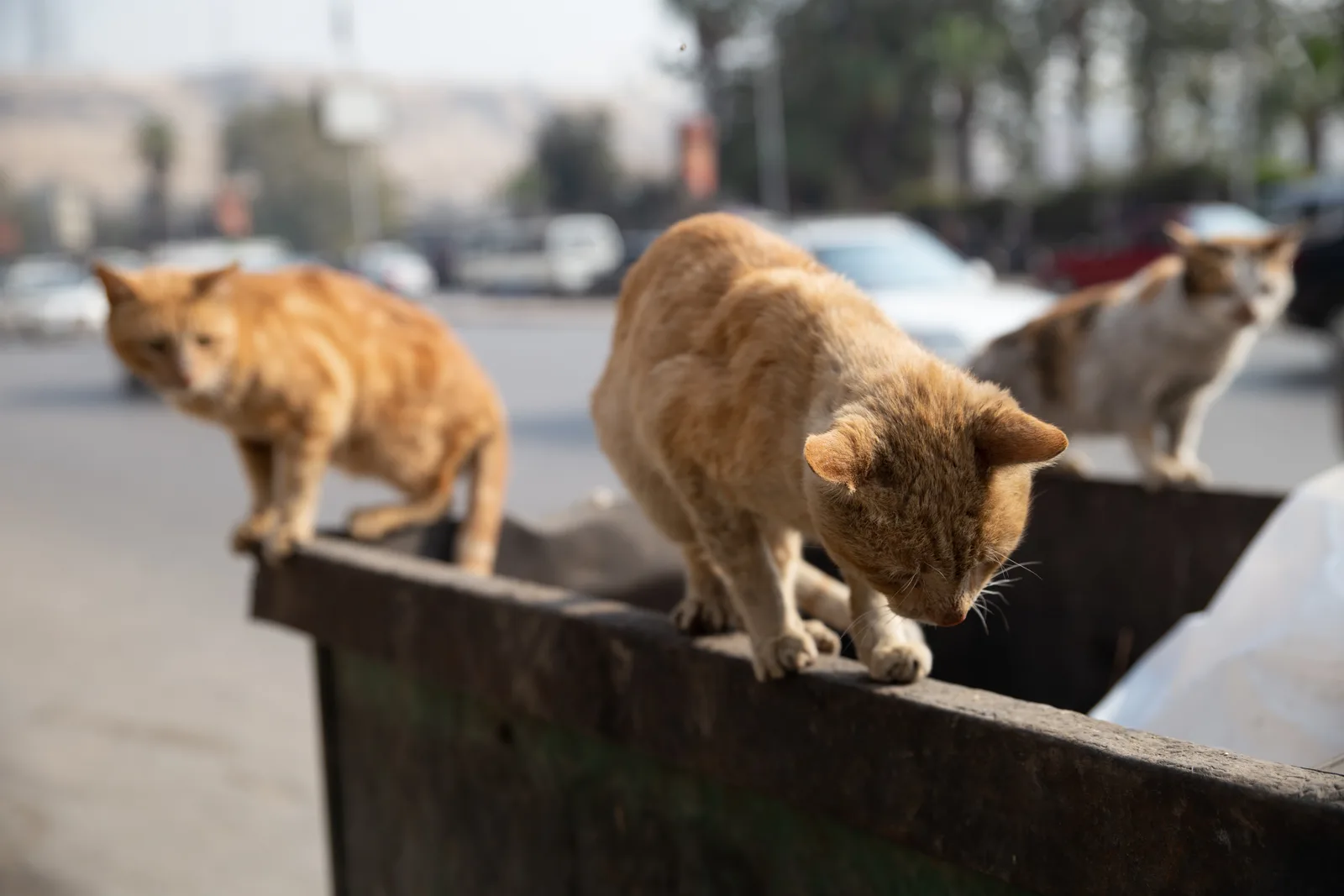
Keda Ghalat (That's Just Wrong): Harming an Animal Has Been a Crime Under Egypt's Penal Code Since 1937
A neighbour sets out poisoned bowls beside the school wall; a cart driver beats his donkey across the face to make it haul a load beyond its strength. Many assume that "just an animal" means no law protects it. In fact, Articles 355, 356 and 357 of the Penal Code punish killing, poisoning and harming animals with penalties that go as far as prison. On the eve of World Animal Day, we explain what the law says and what the right thing to do is.
October 3, 2026 · 6 min read