The Water File: How Modern Irrigation Saves Billions of Cubic Meters
From canal lining to drip irrigation — a reading of water-saving tools within our permanent file on mega land-reclamation projects.
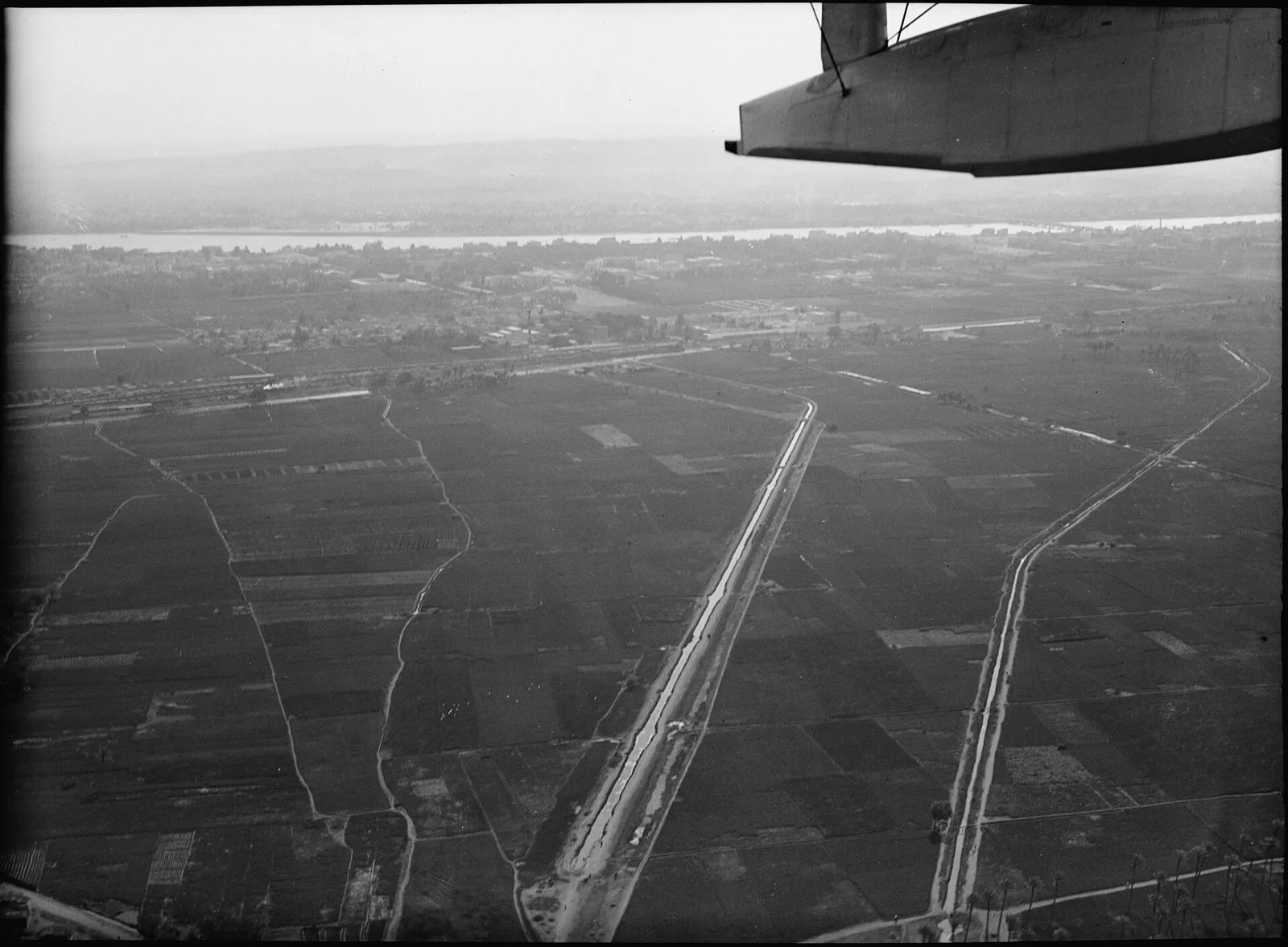
Within our National Causes files, this permanent dossier tracks the transformation of irrigation: why traditional flood irrigation consumes the lion's share of water, and which alternatives cut losses without hurting yields.
Engineering studies indicate that shifting to drip and sprinkler systems on new lands, combined with canal lining across the Valley and Delta, cuts losses substantially — water equivalent to the needs of millions of reclaimed feddans.
This file is updated periodically with an indicator dashboard: conversion rates, covered areas, and realized savings — because accumulated knowledge outlasts a passing headline.
Related Stories
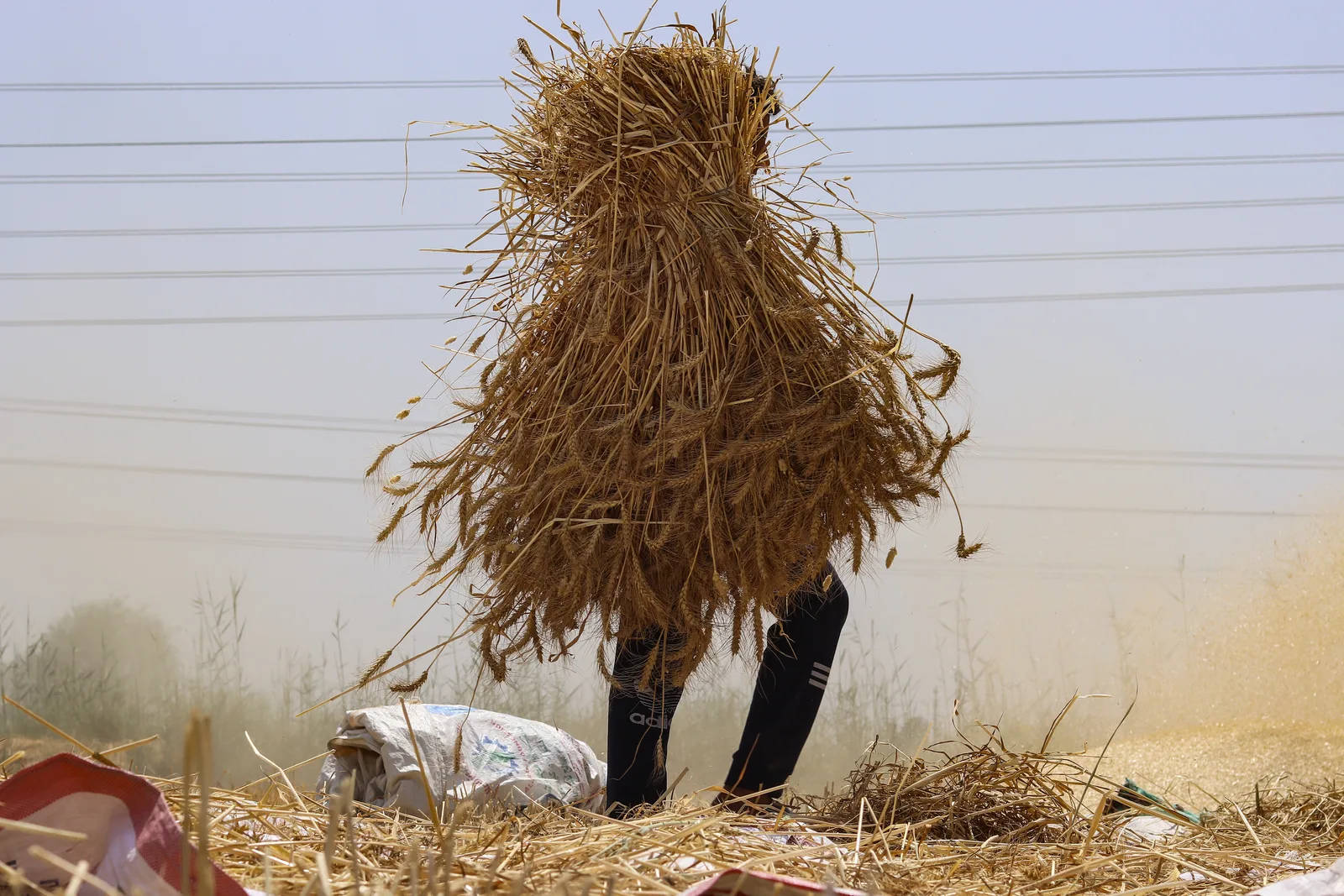
The Journey of a Wheat Grain: Four Loaves in Ten Come From Egypt's Soil, the Rest Crosses the Sea
On World Food Day, we trace a single grain of wheat from field and port to the neighborhood oven: how much does the Egyptian farmer produce, what does the state pay him per ardeb, and why has Egypt become one of the world's largest wheat importers — often the largest — despite harvesting ten million tonnes? And what does a "reserve nearing nine months" actually mean? Official figures, and the story of a journey.
October 15, 2026 · 7 min read
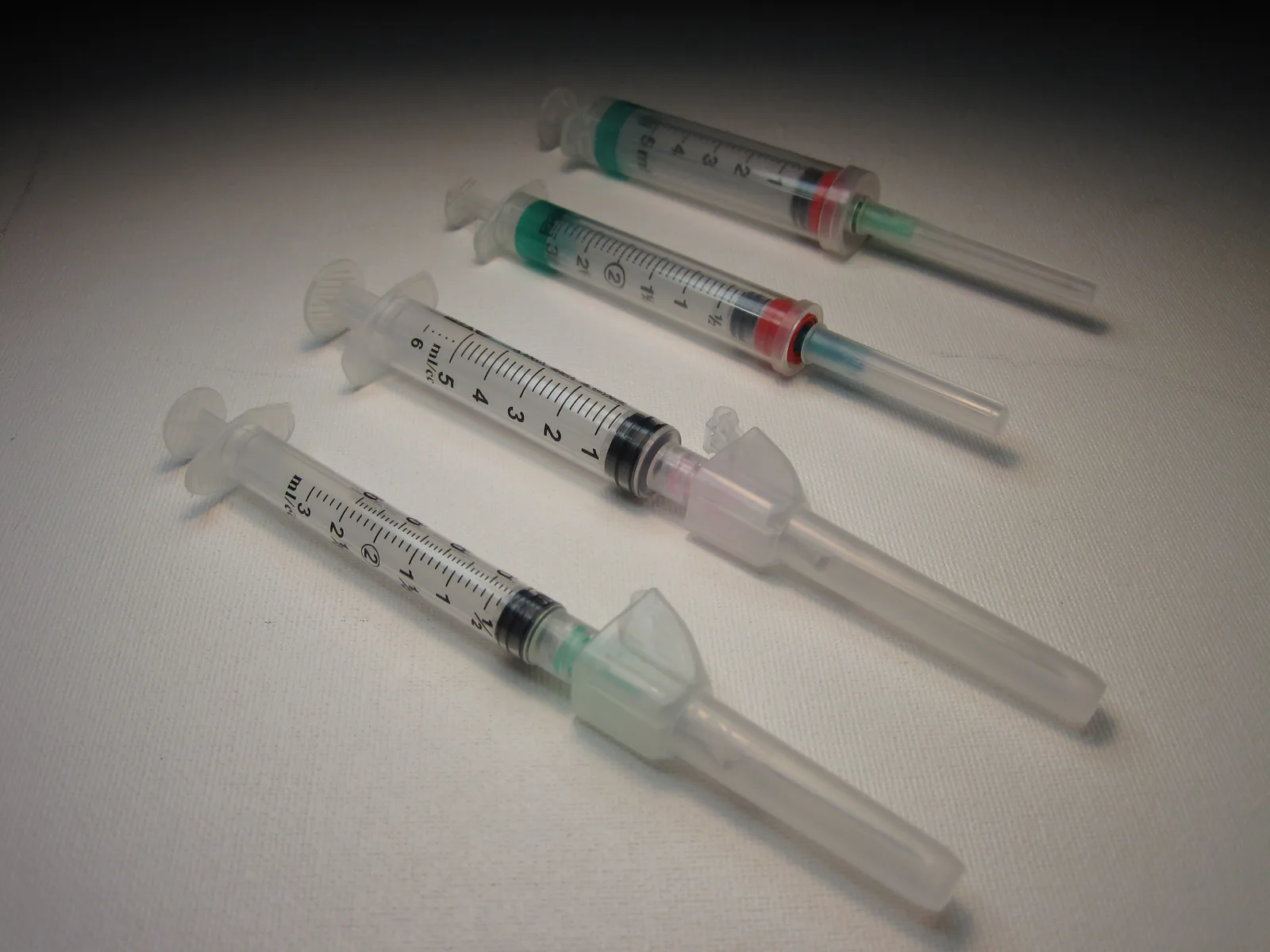
“A Cold Shot Cures a Cold”: A False Claim, and What Trials Say About the “Power” of the Vein
“Forget the pills, take a shot and you'll be back on your feet” is advice that returns with the first chill of every year. We test two claims: that a “cold shot” cures a cold, and that an injection is inherently stronger than tablets. Verdict: false. The evidence lies in the mixture itself, in randomized trials comparing vein with mouth, and in an official Egyptian guide. The route of a medicine is the doctor's decision alone.
November 22, 2026 · 9 min read
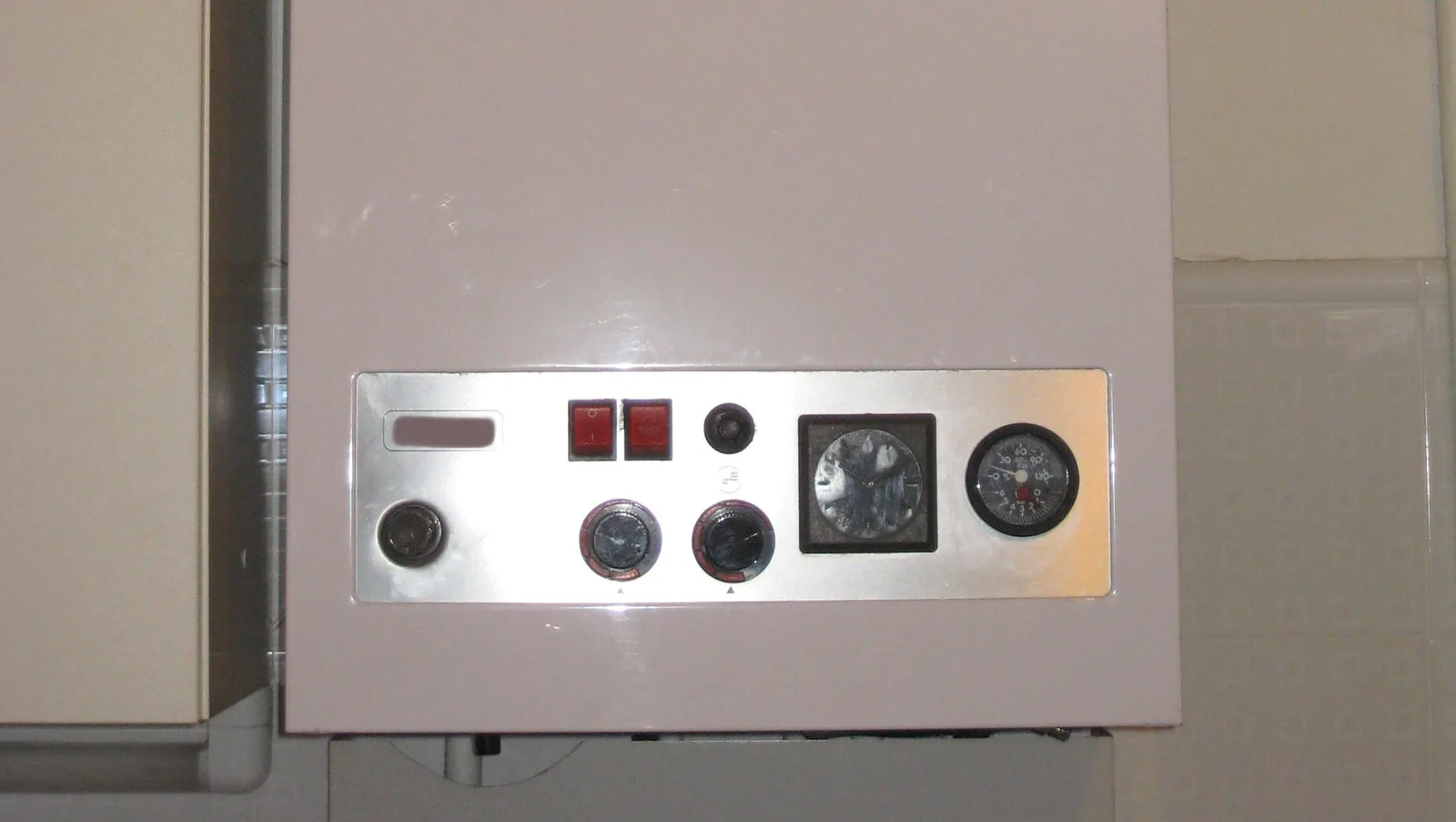
The Silent Killer in the Bathroom: The Danger Is Not the Gas Heater but an Unventilated Room and Neglected Upkeep
With the first cold snap each year, Egyptian homes light their gas water heaters and shut their windows, turning a small bathroom into a room with no fresh air. Carbon monoxide has no colour, smell or taste, and its early symptoms are easily mistaken for a cold or fatigue. Here is what official sources say about the real cause of the danger, and the order of actions in the first minutes that could save a whole family.
November 21, 2026 · 8 min read