Adult Literacy in Egypt: The Scale of the Challenge and the Classes Changing Lives
Recent censuses have put illiteracy at roughly a quarter of Egyptians aged ten and over — millions of adults who never learned to read. From the General Authority for Literacy and Adult Education to NGO classrooms and volunteering university students, a look at the programmes teaching them, and what actually works.
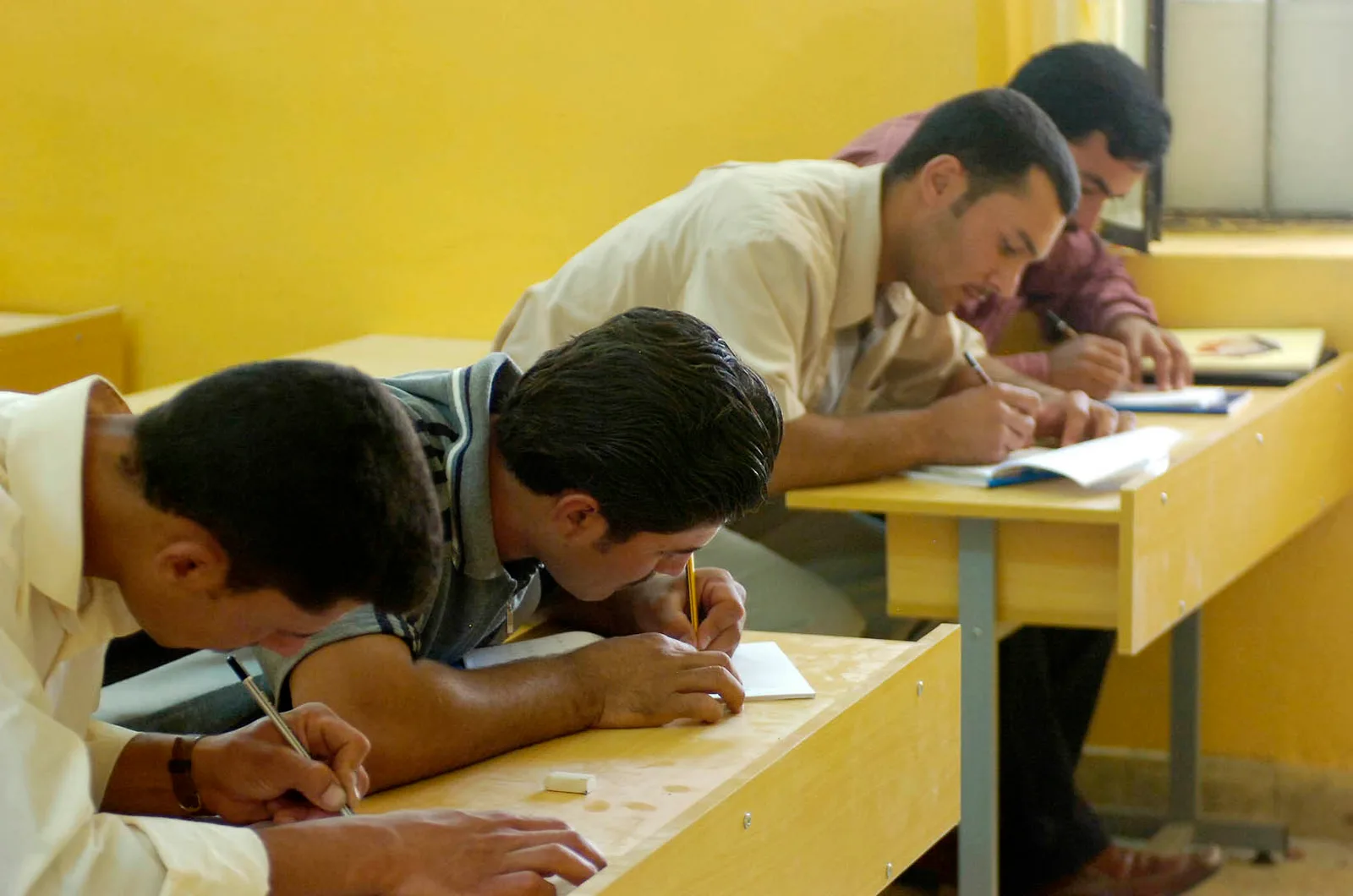
In a small room after evening prayers, a woman in her fifties traces the letter alif for the first time in her life. Scenes like this repeat across Egypt every week — in mosques, churches, youth centres and NGO classrooms — because one of the country's oldest development challenges remains unfinished: millions of Egyptian adults cannot read or write, and a quiet network of programmes is working to change that, one learner at a time.
The scale is documented, not anecdotal. Egypt's 2017 census put illiteracy at roughly a quarter of the population aged ten and over — millions of people navigating contracts, medicine leaflets, bank forms and their children's report cards without the ability to read them. The rate has fallen steadily across the decades as schooling expanded, but the absolute numbers remain large, because Egypt's population has grown fast enough to keep replenishing the total.
The burden is not evenly shared. Illiteracy is markedly higher among women than men, higher in the countryside than in the cities, and highest of all among older rural women in Upper Egypt — the group most likely to have been kept from school entirely a generation or two ago. The problem also has a feeder: children who drop out of school early, or pass through it without truly learning, become the next cohort of adults who can barely read.
Why the cause matters goes far beyond reading for pleasure. Literacy is tied, in study after study worldwide, to health, income and the fortunes of the next generation: a mother who reads follows medicine doses precisely, handles her children's paperwork, helps with their homework. An adult who reads can check a contract before signing, compare prices, and use a smartphone for more than calls. Illiteracy is a silent tax paid on every interaction with a modern state and market.
Egypt has fought this battle for a long time. Literacy campaigns date back to the mid-twentieth century, and in 1991 Law No. 8 created the General Authority for Literacy and Adult Education, the state body charged with organising classes, setting curricula and examining learners. Its certificate is a real key: it attests that an adult can read and write, and it opens the door to continuing education for those who want to go further than that.
The authority works through partnerships as much as through its own classes — with governorates, mosques and churches, and with universities. One of the most distinctive Egyptian mechanisms enlists university students to teach literacy classes, with incentives tied to their participation; the model turns the country's huge student population into a teaching force and, at its best, builds a bridge between generations: a twenty-year-old teaching a sixty-year-old the letters.
Civil society carries a large share of the load. Life Makers has organised volunteer literacy campaigns for two decades; the Misr El Kheir Foundation makes literacy one of the pillars of its development work; and the Coptic Evangelical Organization for Social Services and Caritas Egypt have run adult education programmes for generations, long before the cause was fashionable. Between them, NGO classrooms reach villages and neighbourhoods that no government schedule covers.
Decades of experience — in Egypt and worldwide — have taught what works. Adults are not big children: they learn faster when the material speaks to their lives, an approach known as functional literacy. A curriculum built around reading a prescription, an electricity bill, market prices and phone messages keeps learners in their seats; abstract primers drive them away. UNESCO, which marks International Literacy Day every 8 September, has documented the same lesson on every continent.
For women — the majority of learners — the details decide everything: classes scheduled around housework and harvest seasons, held somewhere a conservative family trusts, taught by someone who does not shame a grandmother for stumbling. The most successful programmes pair reading with something learners immediately want — sewing, small-business skills, eligibility for microfinance, a course on using a phone — so that literacy arrives as a tool, not a test.
The honest picture includes the obstacles. Dropout from adult classes is high everywhere; a harvest, an illness or a sceptical husband can end an education. Relapse is real too: a new reader who finds nothing to read slips backwards, which is why follow-up materials and 'post-literacy' stages matter. And the feeder problem persists — every child who leaves school unable to read statistically undoes the work of an entire adult classroom.
That is why the cause has two fronts. One is teaching today's adults, and it needs volunteers, funding and social encouragement rather than embarrassment — celebrating the sixty-year-old who sits for an exam instead of joking about him. The other is closing the tap: keeping children in school and making sure their years there produce actual reading, so that the authority's classes work through a shrinking backlog rather than an unending river.
Anyone can stand somewhere on this front line: teach in a campaign, fund a classroom, or simply encourage a parent or a neighbour to enrol and keep going — and treat their effort with the respect owed to any student. A society in which every adult reads is not built by one decree; it is assembled letter by letter, in small rooms after evening prayers, by people who decided that the phrase 'too late' does not apply to learning.
Related Stories
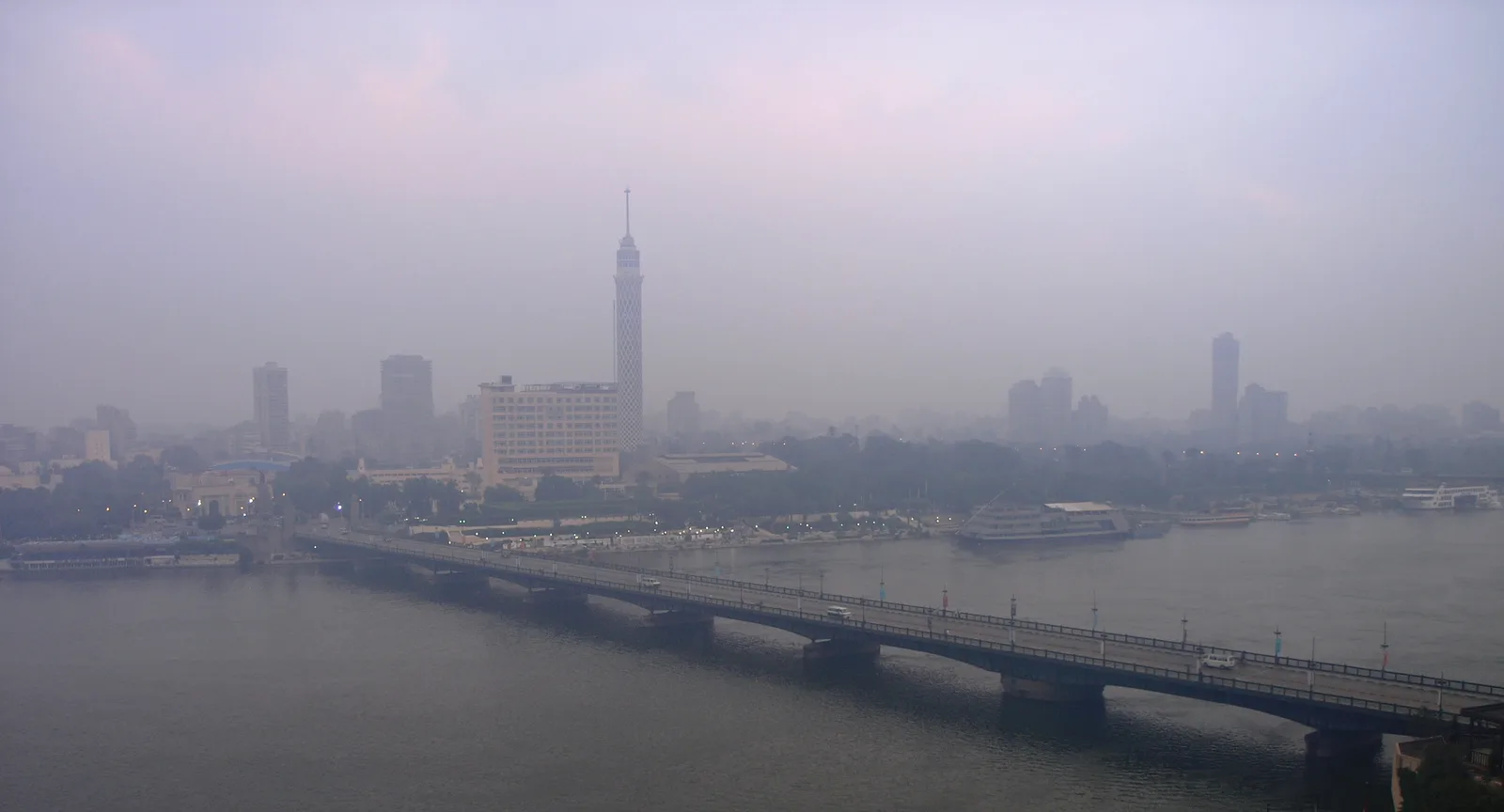
Cairo's air is a national cause: from the 'Black Cloud' to the electric bus, the battle for every breath
Every autumn the 'Black Cloud' returns to choke Greater Cairo, but what actually kills is what we cannot see: particles finer than a hair that slip into the lungs and the bloodstream. On the eve of World Car-Free Day, we open the file on one of the gravest environmental health problems facing Greater Cairo: what the numbers say, what is being done, and what you can do in your own day.
September 21, 2026 · 7 min read

The Sea Creeps Up on the Delta: How Egypt Is Defending Its Most Fertile Land With Barriers of Sand and Reed
Along the coastal road at Burullus, sand dunes held in place by reed fences stand guard; behind them, a farmer tastes the water from his well and finds it salty. A silent crisis threatens a quarter of Egypt's population: a rising sea and a sinking land. This article lays out the danger in documented figures, examines a $105 million project that has built 69 kilometres of soft barriers, and asks what role the citizen has in protecting the shore.
September 13, 2026 · 8 min read
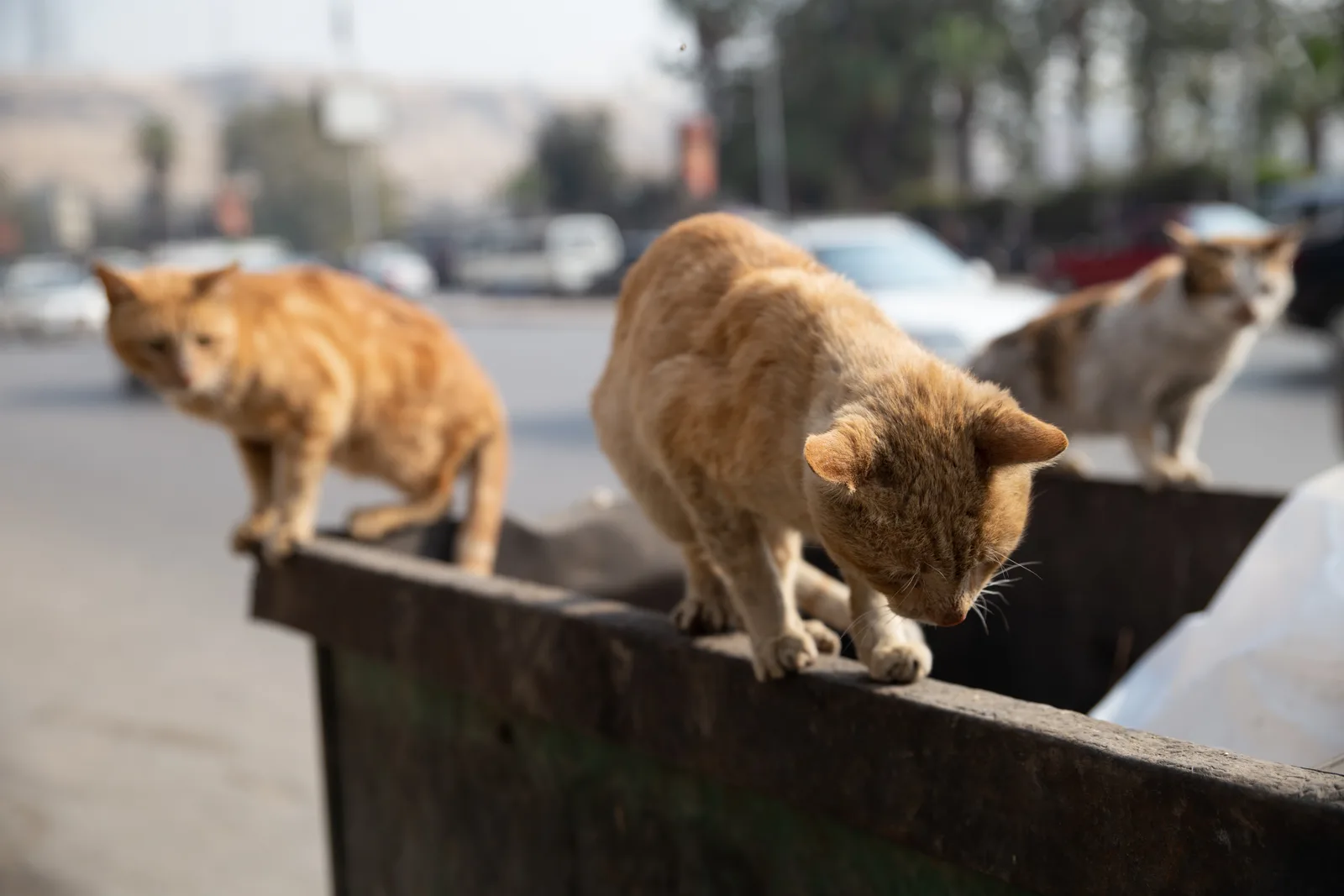
Keda Ghalat (That's Just Wrong): Harming an Animal Has Been a Crime Under Egypt's Penal Code Since 1937
A neighbour sets out poisoned bowls beside the school wall; a cart driver beats his donkey across the face to make it haul a load beyond its strength. Many assume that "just an animal" means no law protects it. In fact, Articles 355, 356 and 357 of the Penal Code punish killing, poisoning and harming animals with penalties that go as far as prison. On the eve of World Animal Day, we explain what the law says and what the right thing to do is.
October 3, 2026 · 6 min read