Кафе под твоей спальней: когда нижние этажи превращаются в кальянные до рассвета
Дым просачивается через вентиляцию в квартиры, гвалт и хохот не стихают до самого рассвета, а ребёнок, которому утром на экзамен, не знает, как уснуть. Превращение подвалов и нижних этажей жилых домов в кальянные, открытые всю ночь, — ежедневное посягательство на здоровье и покой жильцов. Так нельзя: жильё — это право, которое выше любого бизнеса.
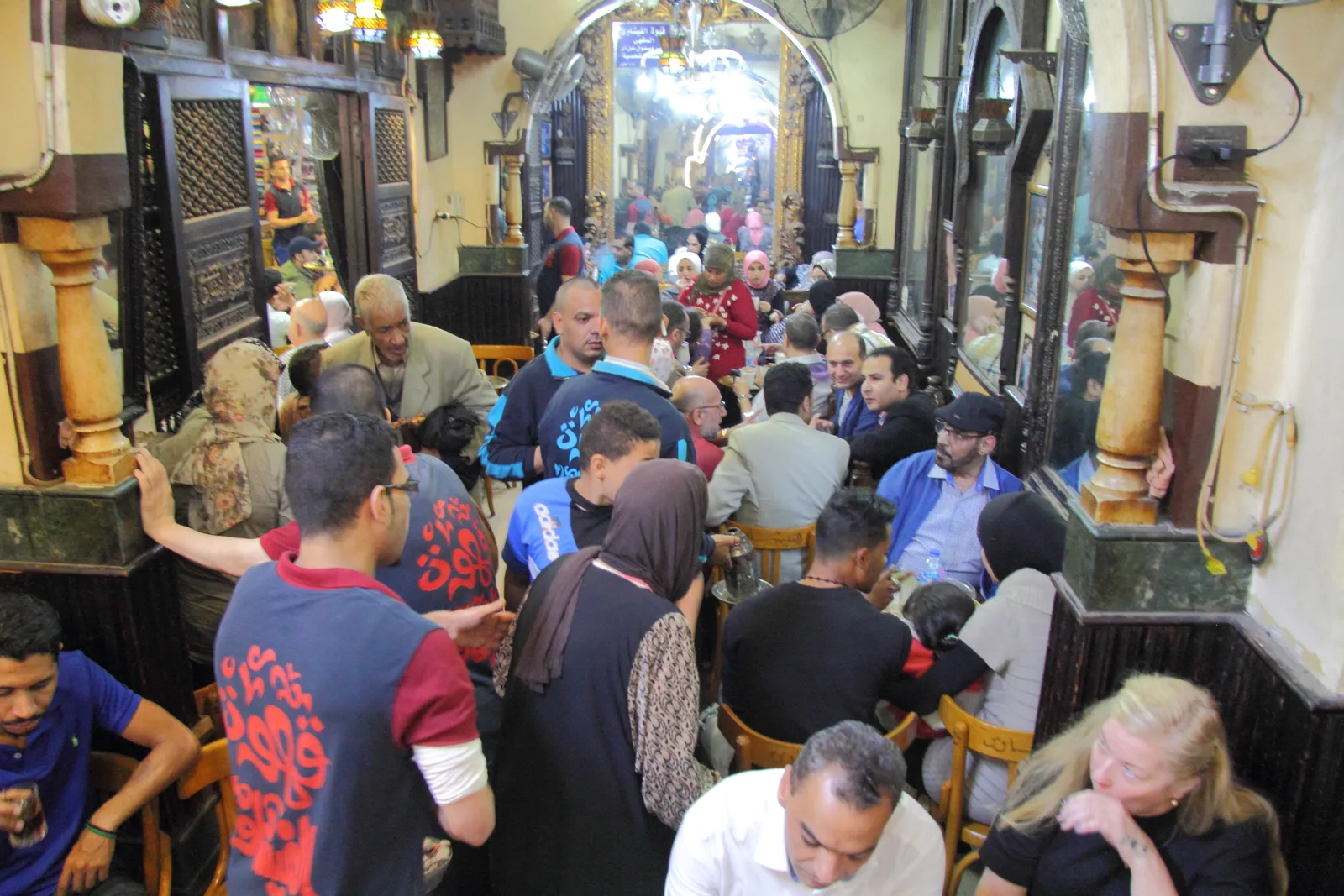
Во множестве домов наших городов повторяется одна и та же картина: подвал или первый этаж, значившийся когда-то гаражом, складом или квартирой, кто-то снимает и за одну ночь превращает в кофейню: пластиковые стулья, наползающие на тротуар, огромный экран для футбольных матчей и десятки кальянов, угли которых не гаснут с полудня до самого рассвета и позже. А прямо над всем этим семьи внезапно обнаруживают, что их дом стоит над бессрочной ночной гулянкой, о которой их никто не спрашивал.
Начнём с того, с чего эта рубрика должна начинать всегда: это прежде всего нравственное посягательство и только потом административное нарушение. Дом — последняя крепость человека, место, где он должен закрыть дверь за своей усталостью и уснуть. И когда дым кальяна и табака с патокой просачивается через вентиляционные каналы и световые шахты в спальни, когда смех, гул болельщиков и стук столов пробивают стены квартир до трёх часов ночи, владельцы кофейни ведут не коммерческую деятельность — они отбирают сон у целого дома.
Вред здесь — не мимолётное раздражение. Пассивный дым, проникающий в квартиры, вредит всем, а тяжелее всего детям, людям с болезнями лёгких и аллергией и пожилым; медицина закрыла этот вопрос десятилетия назад. И хроническое недосыпание — не утраченная роскошь, а прямой ущерб здоровью: школьник приходит на уроки измотанным, и успеваемость падает; служащий ведёт утром машину вполвнимания; больная мать не находит и часа тишины.
Есть ещё тротуар и улица. Кофейня, начинающаяся с нескольких стульев у двери, вскоре проглатывает весь тротуар, и пешеходам приходится сходить на проезжую часть; подъезд превращается в зал ожидания, а жильцы пробираются к собственным квартирам между столиками и клубами дыма, словно незваные гости в своём же доме.
Египетский закон здесь не сторонний наблюдатель — проблема в правоприменении. Закон о строительстве № 119 от 2008 года и правила застройки регулируют использование помещений и изменение их назначения: перевод жилой квартиры или подвала под коммерческую деятельность — не безусловное право собственника, а процедура со своими условиями и согласованиями. Закон об общественных заведениях № 154 от 2019 года требует лицензии и устанавливает условия работы; Закон о борьбе с вредом курения № 52 от 1981 года с поправками запрещает курение в закрытых общественных местах; Закон об охране окружающей среды № 4 от 1994 года задаёт пределы шума, которые нельзя превышать ночью. Правовые инструменты есть — нет их применения.
И будем справедливы: мы не против кофеен — они неотъемлемая часть египетской общественной жизни, — и не против молодого человека, открывшего дело, чтобы заработать на хлеб. Мы против одного вполне определённого: чтобы такое заведение размещалось там, где ему не место, и так, что покой жильцов становится ценой его прибыли. Место кофейни — торговые кварталы и улицы, при соблюдении установленных требований, а не чрево жилого дома, над которым спят дети.
И ответственность лежит не на одном арендаторе. Собственник, сдавший подвал, прекрасно понимая, во что тот превратится, — полноправный соучастник вреда: он продал покой соседей, с которыми прожил бок о бок годы, за прибавку к арендной плате. А лицензирующие органы, которые выдают разрешение на деятельность в непригодном месте или закрывают на неё глаза, — третий соучастник, отвечающий не меньше.
Что требуется от гражданина: владельцу кофейни стоит задать себе один вопрос — согласился бы он сам жить с детьми над собственным заведением? Если ответ отрицательный, пусть знает, что делает людям то, чего не желает себе. Собственнику надлежит не сдавать жилые помещения и подвалы под виды деятельности, вредящие жильцам, каким бы соблазнительным ни был доход. А пострадавшим жильцам — не сдаваться: документированная коллективная жалоба в район и в лицензирующие органы есть их право, и спокойное, организованное требование действеннее ежедневной перебранки.
А от государства требуется: чтобы контроль за изменением назначения жилых помещений и подвалов был настоящим, а не сезонным; чтобы лицензия любого общественного заведения увязывалась с серьёзным обследованием его расположения и влияния на жильцов; чтобы ночные пределы шума и часы закрытия исполнялись на деле, а не на словах; и чтобы жалоба жильцов была доступным путём, ведущим к результату, а не хождением по мукам между кабинетами, которое заканчивается сдачей бумаг в архив.
На весах этой рубрики правило простое: право на сон и чистый воздух выше права бодрствовать и зарабатывать. Кто хочет открыть кофейню — пусть открывает там, где положено, и так, как положено. А превращать жилые дома в ночные заведения, навязанные их же обитателям, — это попросту неправильно: неправильно по отношению к ребёнку, которому завтра сдавать экзамен, к больному, которому нужна тишина, и к самой идее дома.
Материалы по теме
«Кеда галят» («Так неправильно»): жестокое обращение с животными — преступление по египетскому УК с 1937 года
Сосед раскладывает отравленные миски у школьной ограды, а хозяин повозки бьёт осла палкой по морде под непосильным грузом. Многие полагают, что «это всего лишь животное», а значит закон его не защищает. На самом деле статьи 355, 356 и 357 Уголовного кодекса Египта предусматривают наказание вплоть до тюрьмы за убийство, отравление и жестокое обращение с животными. Накануне Всемирного дня животных мы объясняем, что говорит закон.
3 октября 2026 г. · 6 мин. чтения
Четверо на мотоцикле без шлема: непокрытая голова — самое дорогое, что может потерять семья на дороге
На второй неделе учёбы повторяется одна картина: отец за рулём, ребёнок впереди, другой позади, мать держит сумки — и ни одного шлема. Пресса со ссылкой на CAPMAS сообщает о росте смертей с 190 до 897 за 2020–2024 годы, тогда как обзор Cochrane показывает, что шлем снижает риск гибели на 42%. Закон наказывает за езду без шлема с 1999 года, штраф повышен в 2008-м. Почему же мы не соблюдаем это правило?
23 сентября 2026 г. · 8 мин. чтения
«Скрутка на кабеле» — это не хитрость: кража электроэнергии — преступление, за которое расплачивается весь квартал
Оголённый провод свисает со столба на балкон, кондиционер работает через счётчик, который не крутится, а предохранитель перегорает уже в третий раз, гася свет в доме соседа, исправно платящего по счетам. Статья 71 Закона об электроэнергии называет это незаконным присвоением тока и карает лишением свободы и штрафом, а более суровая поправка ждёт слова Палаты депутатов. Чего лишается вся улица из-за одной врезки? И какова правильная альтернатива?
14 сентября 2026 г. · 7 мин. чтения