Бенбан: как солнце египетской пустыни стало одной из крупнейших электростанций мира
В Западной пустыне к северу от Асуана десятки прилегающих друг к другу солнечных станций образуют комплекс Бенбан — один из крупнейших фотоэлектрических парков на планете. Этот проект превратил самую суровую силу египетской природы — солнце пустыни — в возобновляемое национальное богатство.
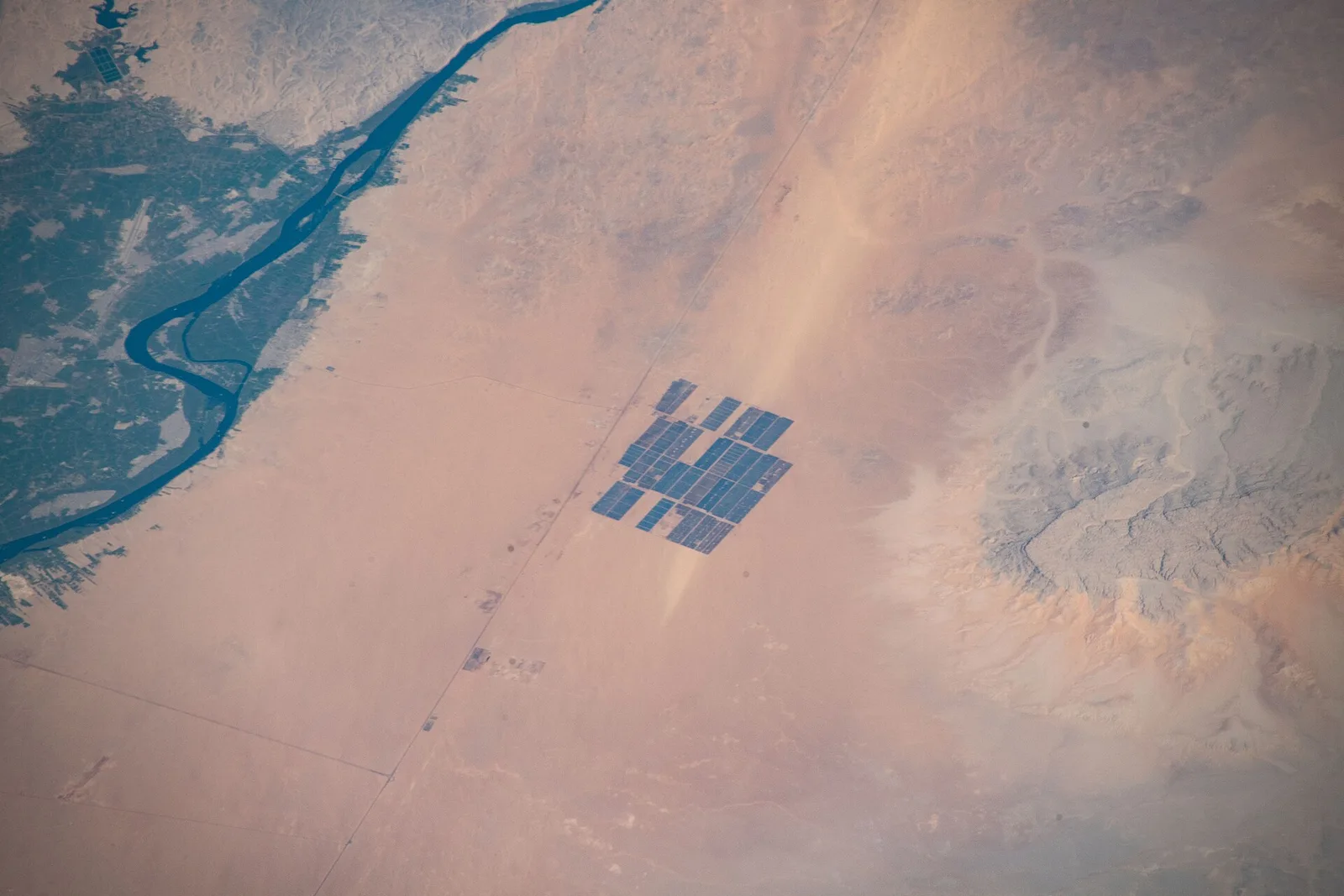
В нескольких десятках километров к северу от Асуана, рядом с небольшой деревней Бенбан, раскинулся пейзаж, не похожий ни на что другое в Египте: бесконечные ряды тёмно-синих солнечных панелей покрывают огромные пространства Западной пустыни и блестят под солнцем, которое почти никогда не прячется. Это солнечный парк Бенбан, который с момента завершения строительства в конце прошлого десятилетия считается одним из крупнейших фотоэлектрических комплексов мира: его суммарная мощность составляет около 1,65 гигаватта, распределённых между десятками соседних станций.
Бенбан задумывался не как одна гигантская электростанция, а как мозаика проектов. Вместо того чтобы государству строить огромную станцию своими силами, Управление новой и возобновляемой энергетики разделило обширный участок пустыни на десятки наделов и предложило их частным застройщикам из Египта и со всего мира в рамках программы «зелёного тарифа», запущенной в середине прошлого десятилетия. Финансирование потекло от крупнейших международных институтов — прежде всего от Международной финансовой корпорации, входящей в Группу Всемирного банка, и Европейского банка реконструкции и развития, — и за несколько лет замысел стал реальностью.
Почему именно Асуан? Ответ лежит одновременно в физике и в географии. Юг Египта обладает одним из самых высоких уровней солнечной радиации в мире: солнце светит здесь практически круглый год, и заметной облачности почти не бывает. К тому же ровная и малонаселённая пустыня даёт колоссальные площади по низкой цене, а её относительная близость к национальной энергосистеме сделала подключение станций экономически осуществимым.
В основе комплекса лежит фотоэлектрическая технология: кремниевые элементы напрямую преобразуют солнечный свет в постоянный ток, а устройства, называемые инверторами, превращают его в переменный ток, пригодный для передачи. Энергия каждой станции собирается на крупных трансформаторных подстанциях, которые направляют её в общенациональную сеть, освещая дома и заводы за сотни километров от песков Бенбана.
В мерках повседневной жизни чистого электричества, которое вырабатывает комплекс, хватает на сотни тысяч египетских домохозяйств. Оно избавляет от сжигания огромных объёмов ископаемого топлива, которое пришлось бы ввозить или черпать из внутренних ресурсов, а вместе с тем сокращает выбросы углекислого газа, вызывающего изменение климата.
Эффект оказался не только экономическим и экологическим, но и социальным. За годы строительства проект дал тысячи рабочих мест, и многие из них достались жителям Асуана и окрестных деревень; вокруг парка возникли и постоянные работы по эксплуатации и обслуживанию, требующие техников и инженеров, — в провинции, которая десятилетиями жаловалась на нехватку промышленных возможностей.
Бенбан находится в центре более широкой энергетической стратегии Египта, которая предполагает довести долю возобновляемых источников примерно до 42 % электроэнергетического баланса к 2035 году. Помимо солнца, Египет делает ставку на ветер в таких районах, как Суэцкий залив и Зафарана, и на историческую гидроэнергетику Асуанской высотной плотины, стремясь диверсифицировать источники и снизить зависимость от природного газа.
Но пустыня не отдаёт своё солнце даром. Пыль и песок оседают на панелях и снижают их выработку, а значит, требуется постоянная очистка — и это в местности, где воды мало; операторам пришлось перейти к технологиям сухой очистки и специализированным роботам. Сильная жара сама по себе тоже снижает КПД элементов — известный парадокс солнечной инженерии. Добавляется и задача встроить прерывистый источник, который исчезает ночью, в сеть, обязанную оставаться стабильной круглые сутки.
Эти трудности превратили Бенбан в живую научную лабораторию. Египетские и зарубежные университеты и исследовательские центры изучают здесь поведение панелей в жарком и запылённом климате, испытывают решения для хранения энергии, очистки и прогнозирования выработки — опыт, ценность которого растёт по мере расширения солнечных проектов в арабском мире и в Африке.
В конечном счёте значение Бенбана выходит за пределы электричества. Проект предложил модель партнёрства государства, частного сектора и международного финансирования в области, которую прежде монополизировали традиционные тепловые станции, и укрепил позиции Египта как регионального претендента на экспорт чистой энергии через проекты энергетических соединений с соседними странами. Солнце, которое египтяне долго считали суровостью климата, в песках Бенбана стало национальным ресурсом, с которым приходится считаться.
Материалы по теме
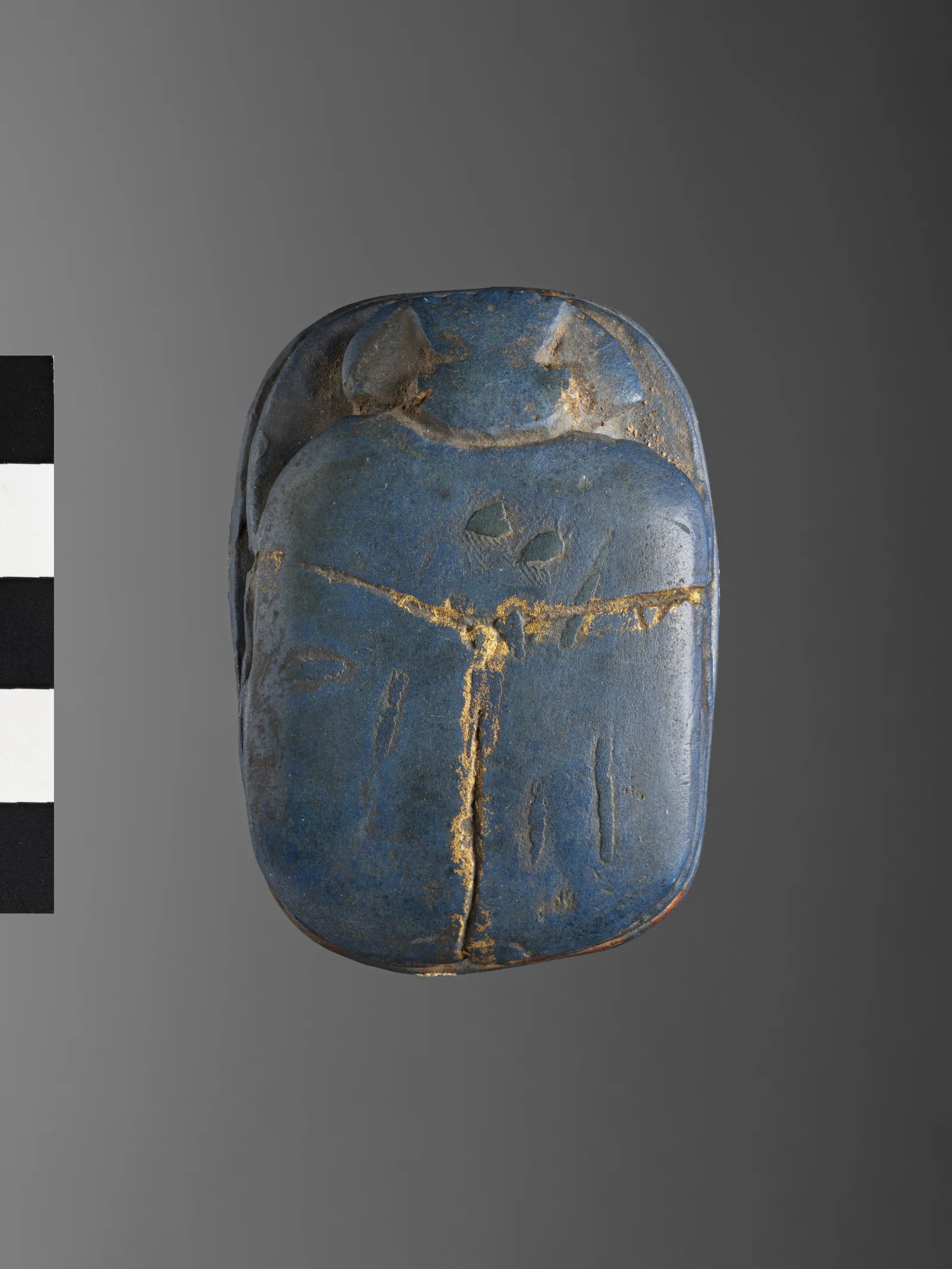
«Египетская синь»: первый в истории синтетический пигмент возвращается, выявляя отпечатки пальцев и подсвечивая клетки
Синий цвет, который египетские химики тысячи лет назад получали из песка, меди и извести, как выяснили учёные в 2013 году, распадается на нанопластинки, излучающие в инфракрасном диапазоне. С тех пор он стал порошком, выявляющим отпечатки пальцев в Австралии, и зондом, подсвечивающим эмбрионы мух и листья растений в Германии. История древнего материала с вполне современным свойством — и вопрос о наших сегодняшних лабораториях.
17 сентября 2026 г. · 7 мин. чтения
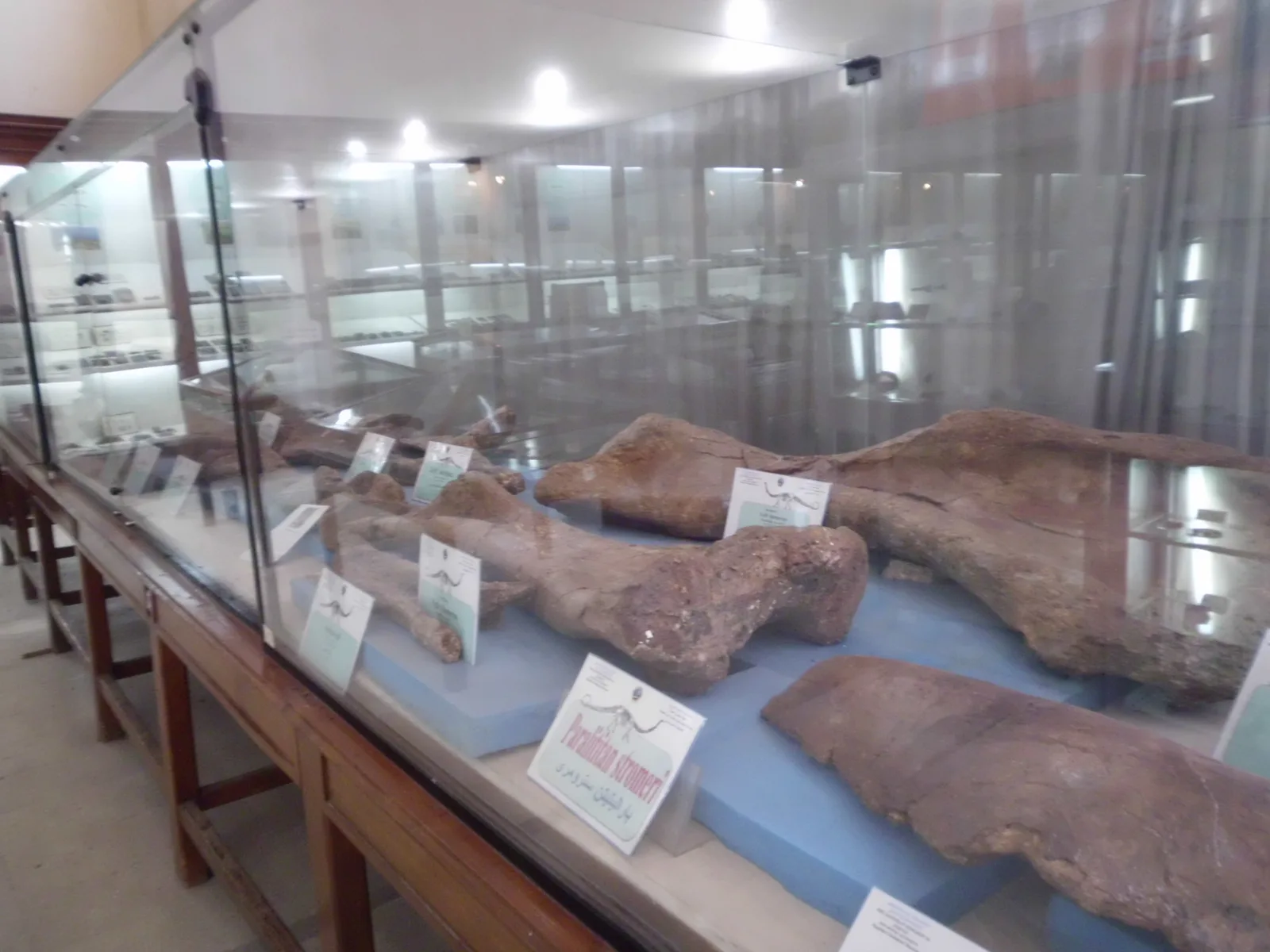
За восемьдесят миллионов лет до фараонов: динозавр из Мансуры и окаменелости оазисов, сгоревшие в войну
Египетские студенты Мансурского университета извлекли из скал оазиса Дахла кости мансуразавра — самого полного скелета динозавра позднего мелового периода, когда-либо найденного в Африке. Столетием раньше немецкий учёный вывез динозавров оазиса Бахария в Мюнхен, и война сожгла их. История архива Земли в египетской пустыне — и науки, которую ваш ребёнок может изучать здесь.
8 сентября 2026 г. · 7 мин. чтения
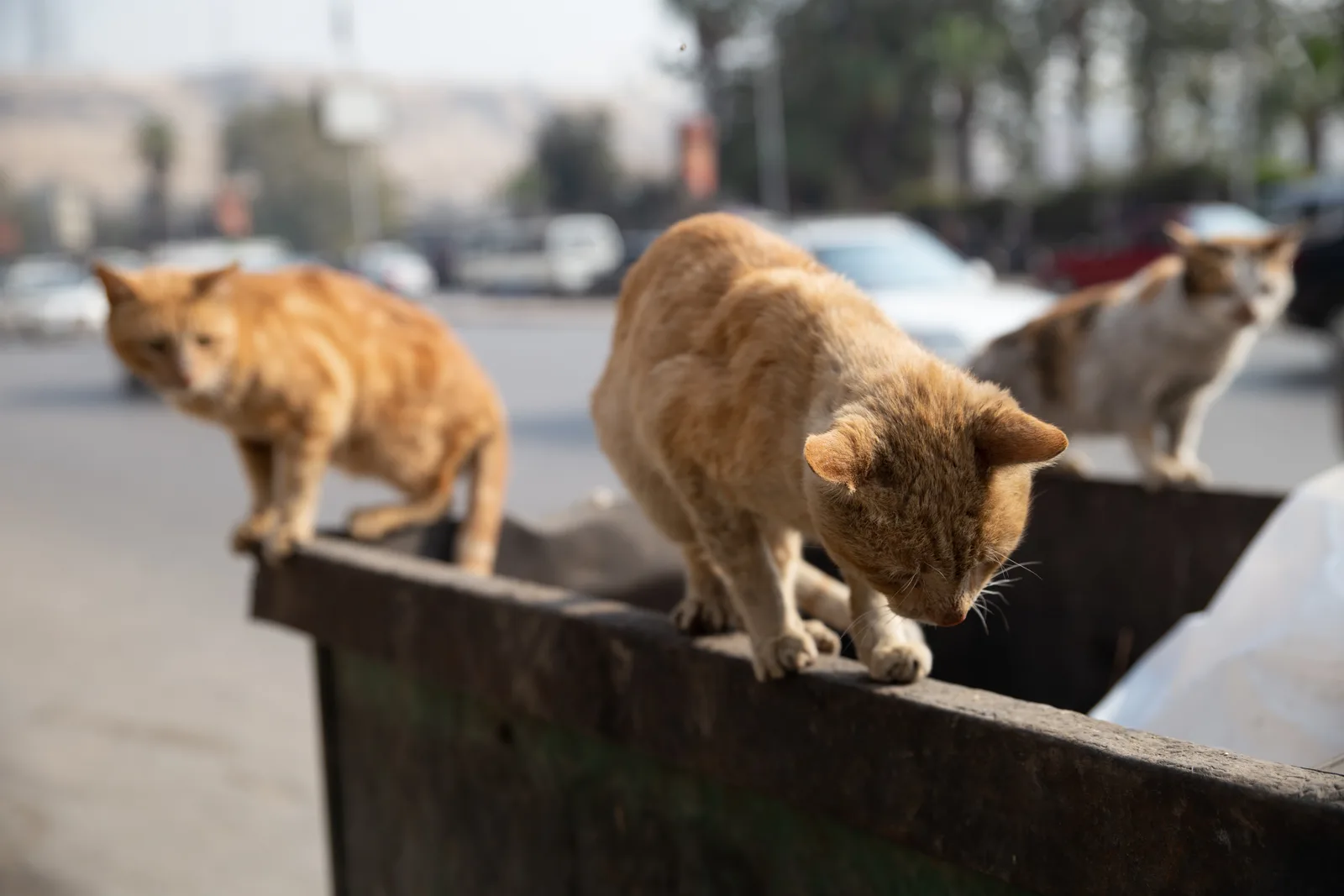
«Кеда галят» («Так неправильно»): жестокое обращение с животными — преступление по египетскому УК с 1937 года
Сосед раскладывает отравленные миски у школьной ограды, а хозяин повозки бьёт осла палкой по морде под непосильным грузом. Многие полагают, что «это всего лишь животное», а значит закон его не защищает. На самом деле статьи 355, 356 и 357 Уголовного кодекса Египта предусматривают наказание вплоть до тюрьмы за убийство, отравление и жестокое обращение с животными. Накануне Всемирного дня животных мы объясняем, что говорит закон.
3 октября 2026 г. · 6 мин. чтения