Диабет в Египте: тихая эпидемия, которую можно обуздать простыми шагами
Миллионы египтян живут с диабетом, и многие даже не подозревают о болезни. В этом гиде разбираем факторы риска и ранние тревожные сигналы и рассказываем, как защитить себя и свою семью простыми шагами, действенность которых доказана наукой.
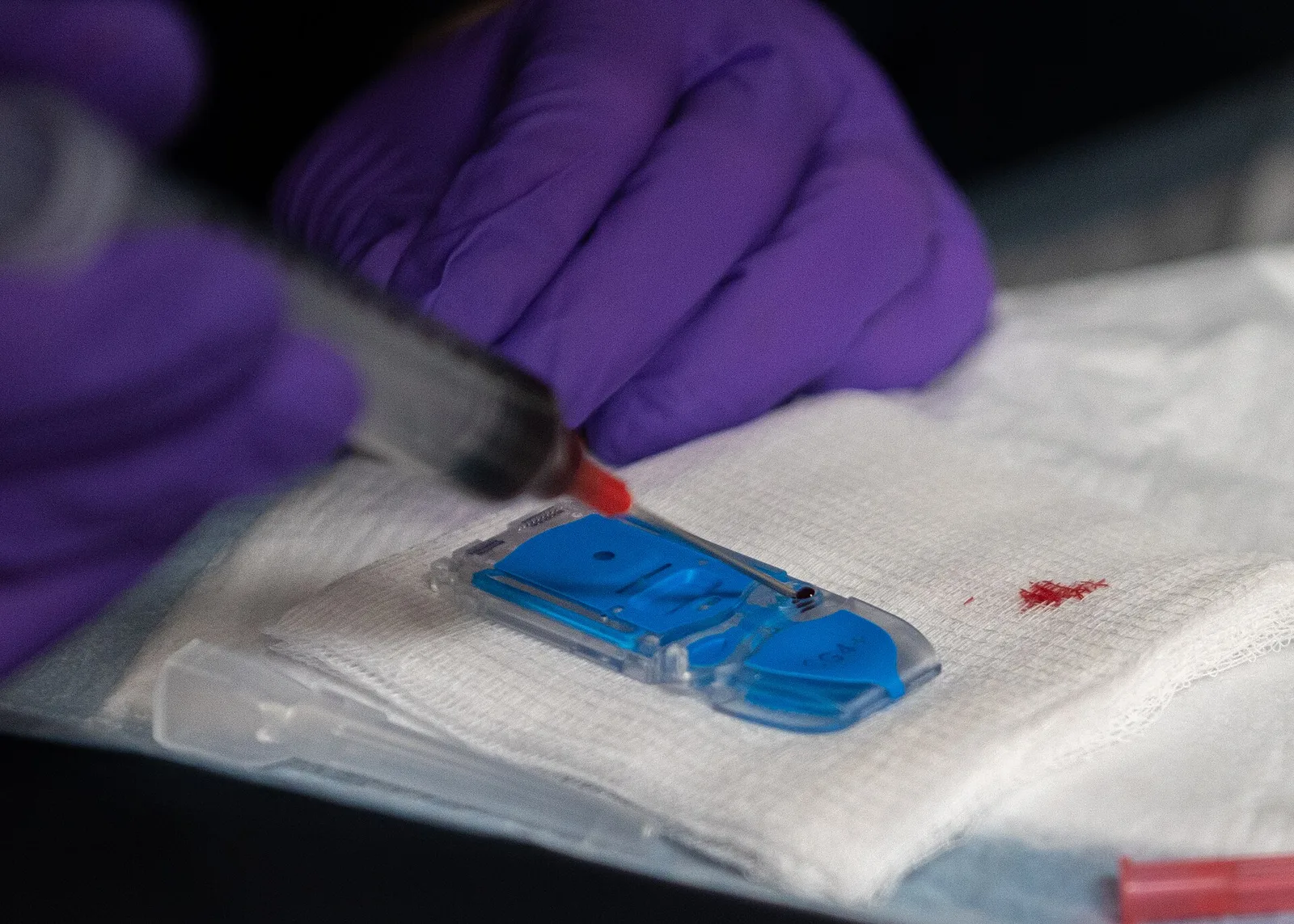
Оценки Международной диабетической федерации в последние годы неизменно относят Египет к десятке стран мира с наибольшим числом взрослых, страдающих этим заболеванием: миллионы египтян живут с диабетом, и, по расчётам, почти каждый пятый взрослый либо уже болен, либо стоит на пороге болезни. Эти цифры делают диабет одной из самых серьёзных проблем общественного здравоохранения в стране — и одновременно он остаётся одним из тех хронических заболеваний, которые легче всего предупредить и держать под контролем.
Диабет — это, говоря просто, хронически повышенный уровень сахара в крови, вызванный нарушением работы инсулина, гормона, который вырабатывает поджелудочная железа. Первый тип чаще всего проявляется в детстве или юности, когда организм перестаёт вырабатывать инсулин, и требует пожизненных инъекций. Второй тип, распространённый несравненно шире, развивается, когда клетки организма всё хуже отзываются на инсулин; он тесно связан с образом жизни, весом и наследственностью.
Почему болезнь так широко распространилась в Египте? Здесь сходится сразу несколько факторов: уровень ожирения среди взрослых, который, по данным национальных обследований здоровья, входит в число самых высоких в регионе; постепенный сдвиг рациона в сторону рафинированных углеводов, сладких напитков и готовой еды; нехватка движения в городской жизни, где приходится часами сидеть; наконец, генетическая предрасположенность, из-за которой семейная история болезни становится главным фактором риска.
Опаснее всего то, что диабет второго типа способен годами подкрадываться незаметно. Международные исследования показывают, что значительная часть больных не подозревает о своём диагнозе и узнаёт о нём случайно — при обычном анализе или когда появляются первые осложнения. В эти безмолвные годы повышенный сахар исподволь разрушает сосуды и нервы.
Есть ранние тревожные признаки, на которые стоит обратить внимание: сильная и часто возвращающаяся жажда, учащённое мочеиспускание, особенно ночью, постоянная усталость без видимой причины, затуманенное зрение, медленно заживающие раны, необъяснимая потеря веса и онемение в конечностях. Появление одного или нескольких из них ещё не означает, что вы больны, но этого достаточно, чтобы сделать простой анализ, который занимает считаные минуты.
Запущенный или плохо контролируемый диабет открывает дорогу тяжёлым осложнениям: ретинопатии, способной привести к слепоте, почечной недостаточности, болезням сердца и сосудов, поражению периферических нервов и язвам стопы, которые на поздних стадиях могут закончиться ампутацией. Хорошая новость в том, что дисциплинированное лечение и регулярное наблюдение снижают эти риски очень существенно.
Раннее выявление — первая линия обороны, а обследование простое и доступное: анализ крови на сахар натощак или тест на гликированный гемоглобин, который отражает средний уровень сахара примерно за три месяца. Врачи советуют регулярно проверяться всем, кому за сорок, а тем, кто моложе, — при избыточном весе, семейной истории болезни или если женщина перенесла диабет беременных. Египетская инициатива «100 миллионов здоровья» включила проверку на диабет в свои массовые обследования, что помогло выявить множество случаев, о которых люди даже не подозревали.
Что до профилактики, её правила научно доказаны и просты на практике. Крупные исследования показали, что снижение веса всего на пять-семь процентов более чем вдвое уменьшает риск перехода преддиабета в настоящую болезнь. К этому добавляются умеренная физическая нагрузка — например, быстрая ходьба по полчаса почти каждый день, — отказ от избытка сладких напитков и десертов, а также предпочтение цельных круп, овощей и бобовых, которыми так богат традиционный египетский стол.
Тот, кому диагноз уже поставлен, может прожить долгую и полноценную жизнь при одном условии — дисциплине: принимайте лекарства строго по времени и никогда не отменяйте их самовольно, периодически проверяйте гликированный гемоглобин, раз в год обследуйте глаза и почки, ежедневно ухаживайте за ступнями и осматривайте их, нет ли даже самой маленькой ранки. Если вы хотите поститься в Рамадан, посоветуйтесь с врачом до начала месяца, чтобы скорректировать дозы и время приёма лекарств: одним пациентам пост безопасен, другим его не рекомендуют.
Особого внимания заслуживает то, что врачи называют «преддиабетом», — стадия, когда сахар выше нормы, но ещё не дотягивает до порога диагноза. Это не окончательный приговор, а золотая возможность: изменив питание, движение и вес, во многих случаях удаётся вернуть сахар к норме и полностью избежать болезни.
В конечном счёте диабет — дело семьи, а не одного человека. Когда весь дом переходит к лучшим привычкам — на столе больше овощей и бобовых и меньше сахара, совместные прогулки вместо сидячих посиделок, вода вместо газировки, — риск снижается для всех, а дети растут с укладом, который, возможно, вообще убережёт их от этой болезни. Ранняя проверка занимает минуты, но способна прибавить к жизни годы.
Материалы по теме
Розовый октябрь: бесплатный осмотр в ближайшем медпункте — почему ранняя диагностика меняет судьбу египетских женщин
«Ничего не болит» — не повод откладывать. С июля 2019 года медицинские пункты Египта бесплатно принимают всех женщин от 18 лет, а к июню 2026-го доля случаев, выявленных на поздней стадии, снизилась с 60% до 19,5%. Мы рассказываем, что происходит на приёме, какие признаки требуют визита к врачу и почему страх откладывает это важное обследование.
2 октября 2026 г. · 7 мин. чтения
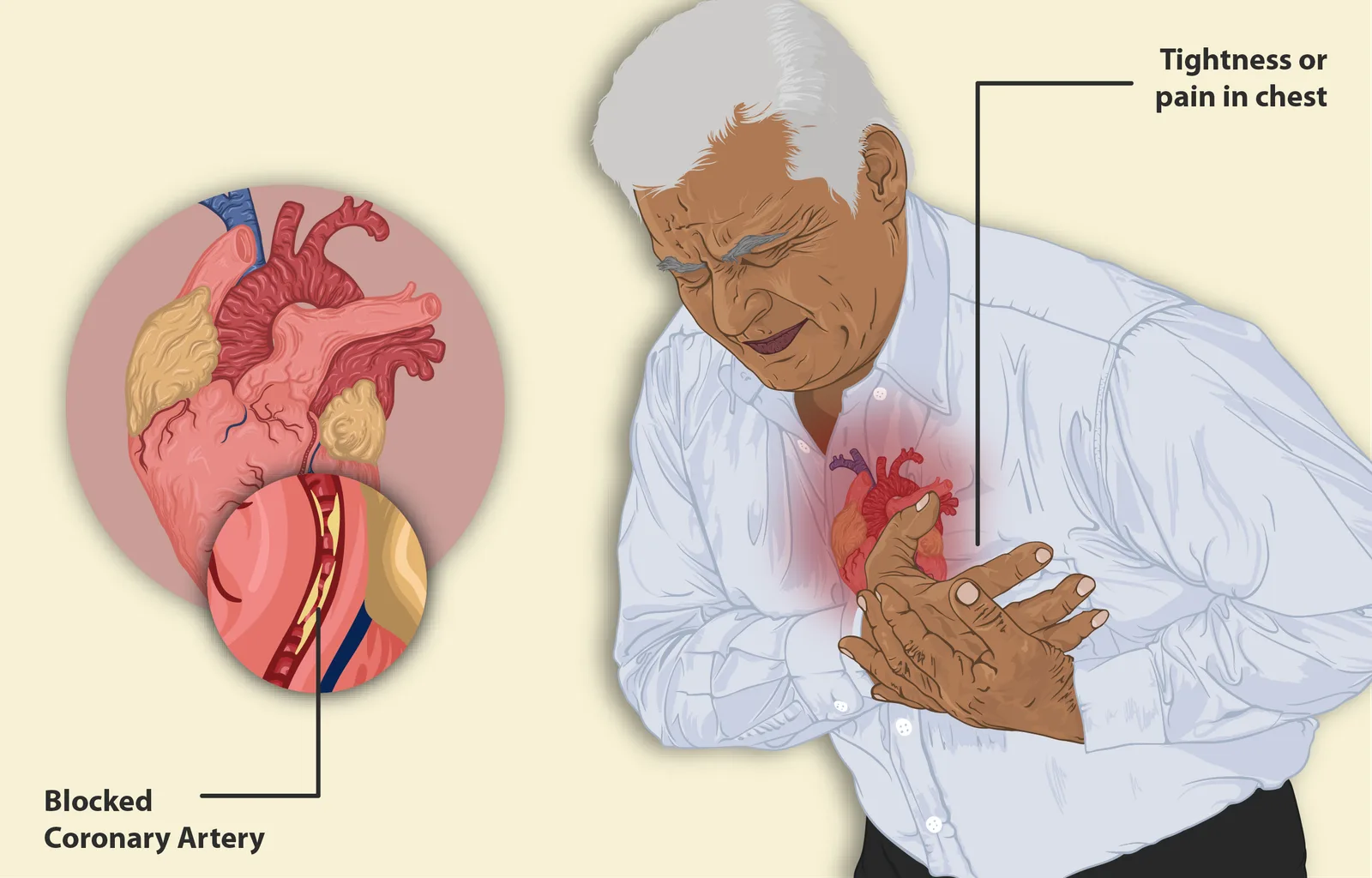
Во Всемирный день сердца: как распознать признаки стенокардии и инфаркта, пока не поздно, и что делать в первые минуты
Мужчина за пятьдесят принимает тяжесть в груди за «изжогу» после плотного ужина и откладывает больницу до утра. Во Всемирный день сердца мы объясняем, чем стенокардия отличается от инфаркта, остановки сердца и инсульта, какие тревожные признаки называет Всемирная организация здравоохранения, в том числе чем они отличаются у женщин, и что делать в первые минуты: звонить по бесплатному номеру 123, сесть и не садиться за руль.
29 сентября 2026 г. · 7 мин. чтения
Психическое здоровье — не роскошь: когда грусть становится болезнью и где найти помощь без клейма?
Между «возьми себя в руки» и «слабой верой» люди с депрессией и тревогой молча угасают. Практическое руководство: чем мимолётная грусть отличается от болезни, которая требует лечения, чем психиатр отличается от психолога и куда идти за помощью в Египте — словами, которые открывают дверь, а не захлопывают её.
31 августа 2026 г. · 7 мин. чтения