Субсидированный хлеб: как устроена старейшая программа поддержки в Египте
Египтяне называют хлеб «аиш» — то есть сама жизнь. От продовольственных карточек до пшеничных элеваторов и районных пекарен: рассказываем, как работает система хлебных субсидий, которой пользуются более шестидесяти миллионов египтян, и почему простая лепёшка десятилетиями остаётся самой чувствительной темой и бюджета, и политики.
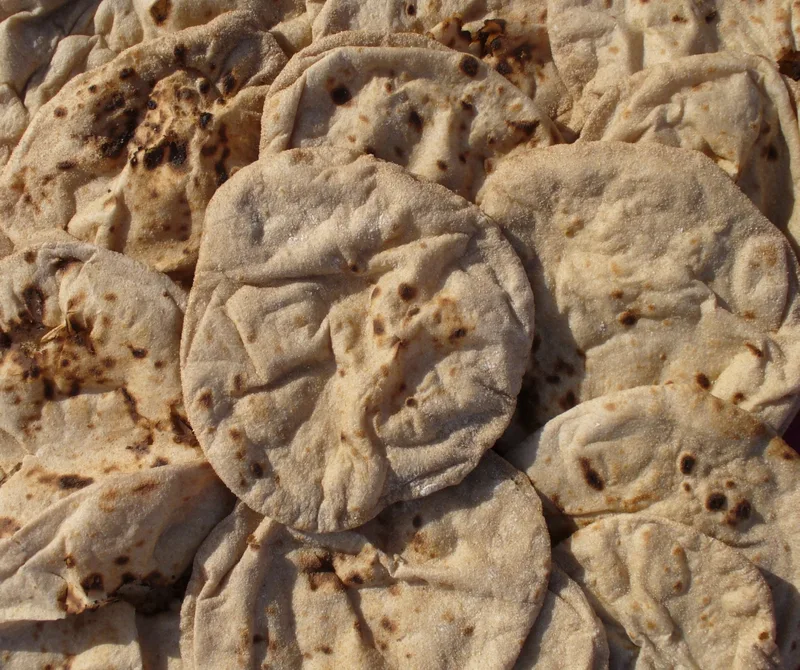
В египетском разговорном арабском хлеб называют не «хубз», как в большинстве арабских стран, а «айш» — то есть сама жизнь. Одно это слово говорит всё о месте круглой лепёшки «балади» в жизни египтян: для миллионов семей субсидируемый хлеб, который покупается за символическую цену, остаётся основой ежедневной трапезы и одной из самых чувствительных статей государственного бюджета.
Корни продовольственных субсидий в Египте уходят во времена Второй мировой войны, когда государство начало контролировать поставки товаров первой необходимости; в последующие десятилетия система сильно разрослась и к 1970-м годам охватывала широкую корзину товаров. В январе 1977 года попытка правительства сократить субсидии на хлеб и другие товары вызвала массовые волнения, которые утихли лишь после отмены решения, — этот эпизод преподал всем последующим правительствам урок о политическом весе лепёшки.
Сегодня система держится на продовольственных карточках, которые выдаются зарегистрированным домохозяйствам: каждому вписанному в карточку человеку полагается дневная норма субсидируемых лепёшек «балади» — пять штук в день на человека по действующему уже много лет нормативу, — и он покупает их в лицензированных пекарнях за малую долю себестоимости, а разницу пекарням возмещает государство.
Масштаб программы огромен: официальные данные уже много лет оценивают число получателей более чем в шестьдесят миллионов человек, то есть примерно шесть египтян из десяти, а участвуют в ней десятки тысяч пекарен по всей стране. Это делает её одной из крупнейших операций продовольственной поддержки в мире.
Цена субсидируемой лепёшки оставалась замороженной на уровне пяти пиастров с конца 1980-х годов, несмотря на все перемены в курсе фунта и в издержках производства, пока в 2024 году правительство не подняло её до двадцати пиастров — впервые примерно за тридцать пять лет, подчеркнув при этом, что хлеб по-прежнему стоит намного дешевле своей реальной себестоимости. Эту разницу, исчисляемую десятками миллиардов фунтов в год, несёт государственная казна.
За каждой лепёшкой стоит цепочка поставок, начинающаяся далеко за пределами Египта: страна входит в число крупнейших импортёров пшеницы в мире, поскольку местный урожай покрывает лишь часть национальной потребности. Государство закупает пшеницу на международных тендерах и у египетских фермеров по закупочным ценам, объявляемым каждый сезон, хранит её в сети элеваторов, заметно расширенной за последние годы, а затем перемалывает в муку высокого выхода, из которой и пекут хлеб «балади».
Середина прошлого десятилетия принесла ключевую реформу: смарт-карты пришли на смену бумажным документам, а пекарни стали получать оплату электронно за фактически выданные лепёшки, а не за полученную муку, что ощутимо сократило утечки и потери. Балльная система, кроме того, позволяет семьям обменивать неиспользованную часть хлебной нормы на другие продукты в государственных торговых точках.
Однако зависимость системы от мировых рынков остаётся постоянным уязвимым местом: скачки международных цен на пшеницу — самый резкий из них последовал за войной на Украине и сбоем экспорта через Чёрное море — раздувают счёт за импорт, а колебания валютного курса многократно усиливают давление. Именно поэтому мощности хранения, диверсификация источников поставок и рост закупок внутри страны рассматриваются как вопросы национальной безопасности в самом прямом смысле слова.
Экономисты давно спорят о будущем субсидии: одни выступают за более точную адресность, которая гарантировала бы, что помощь доходит до самых нуждающихся, и облегчила бы нагрузку на бюджет; другие предупреждают о сложности административного отбора и видят во всеобщем доступе к хлебу бесценный социальный предохранительный клапан. Время от времени всплывают предложения заменить натуральную поддержку денежными выплатами, но окончательного решения до сих пор нет.
Есть у хлеба в Египте и культурный вес, который старше любого министерства: египтяне пекут круглые лепёшки тысячи лет, на росписях древних гробниц изображены пекарни и их работники, а сегодняшняя лепёшка «балади» — прямой потомок традиции, протянувшейся от эпохи фараонов до нынешнего стола.
Какую бы форму ни приняла будущая реформа, основные величины в ближайшее время не изменятся: растущее население, лепёшка, на которой держится питание большинства, и обязательство государства, закреплённое опытом истории. Понять, как устроена хлебная система, значит понять немалую часть того, как устроена сама египетская экономика.
Материалы по теме
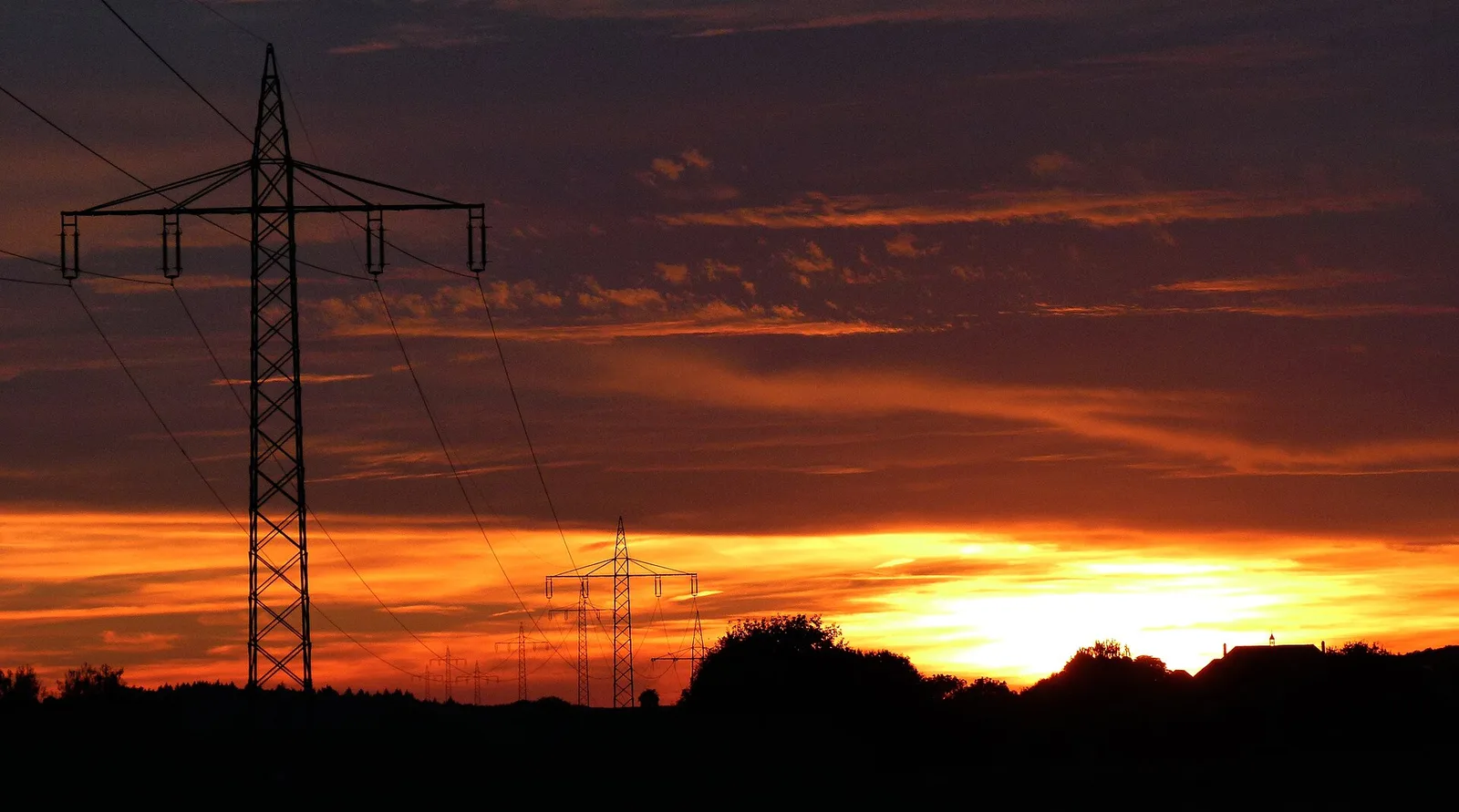
Августовский пик: энергосистема Египта впервые преодолела 40 000 МВт — без веерных отключений
Во время жары на прошлой неделе национальная энергосистема Египта впервые в истории превысила отметку 40 000 МВт, и веерные отключения не вернулись. Как удалось сохранить поставки топлива после атаки дрона в Думьяте и что новые тарифы означают для вашего счёта за электричество.
19 августа 2026 г. · 7 мин. чтения
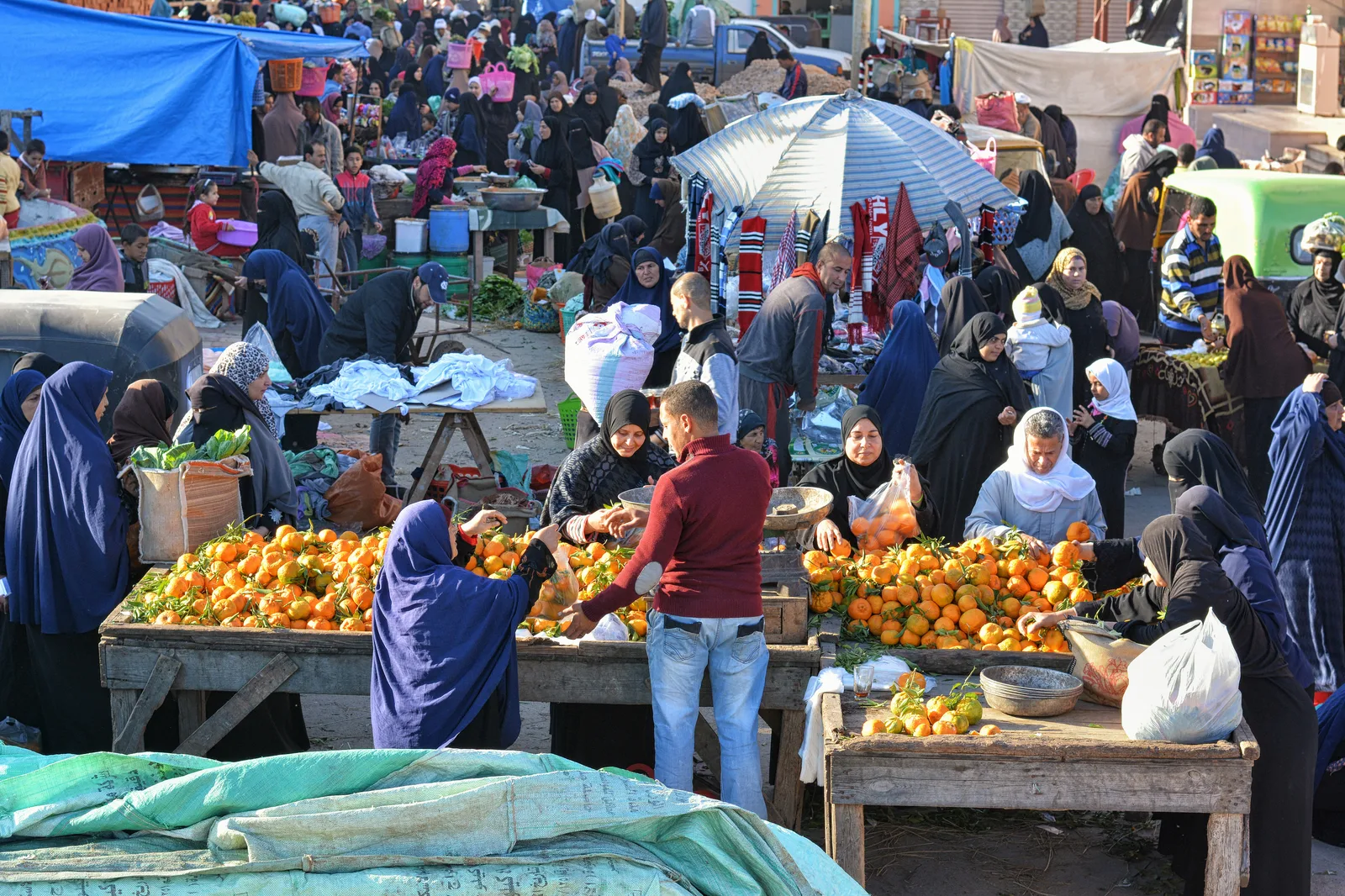
Экономика Египта в двух цифрах: рост на 5,2% и регион на грани эскалации
Правительство отчиталось о росте на 5,2% за девять месяцев и одновременно пересматривает антикризисные сценарии на случай региональной эскалации. Инфляция достигла 14,9%, доллар держится около 50 фунтов. Что эти цифры значат для кошелька рядового египтянина?
18 августа 2026 г. · 7 мин. чтения
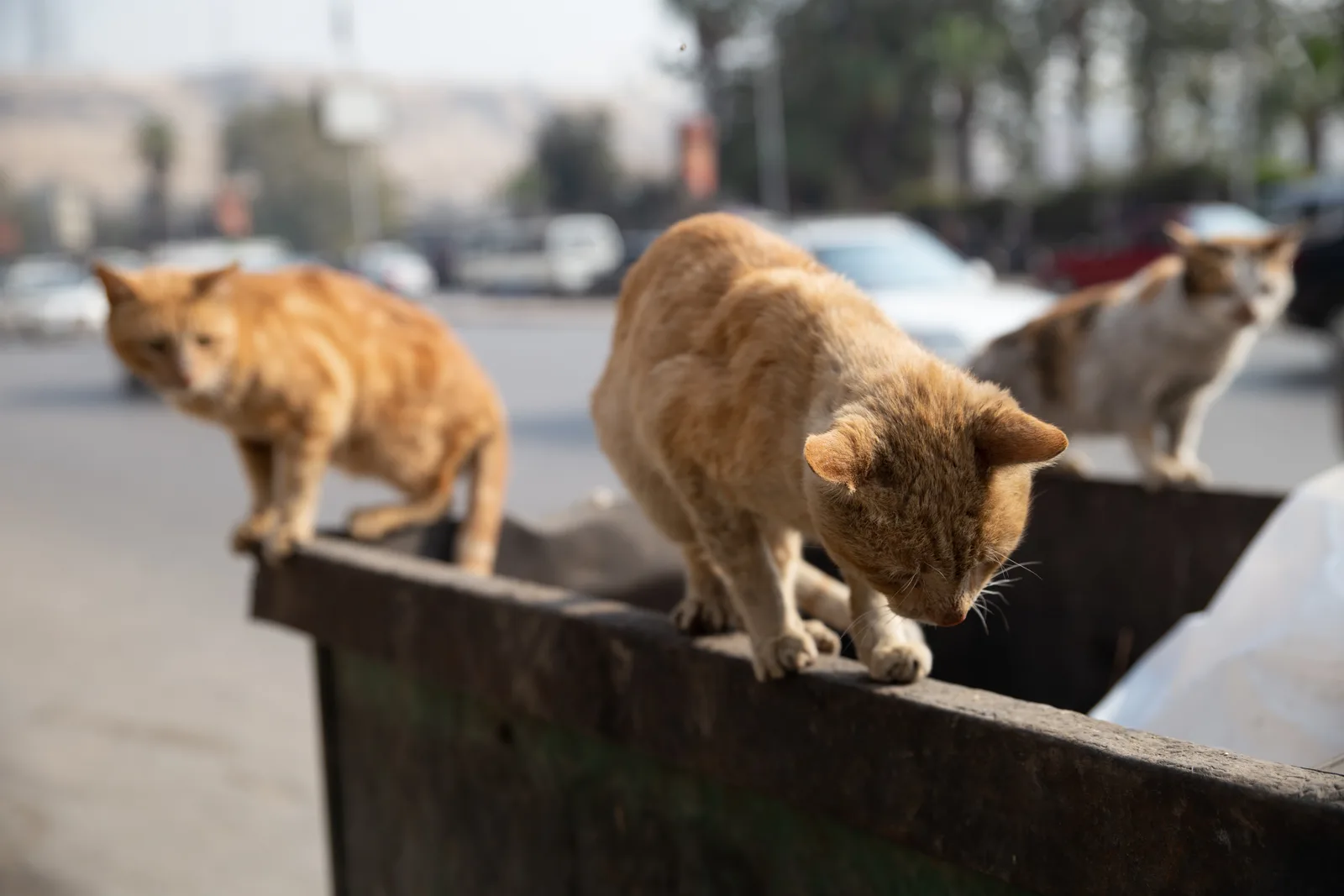
«Кеда галят» («Так неправильно»): жестокое обращение с животными — преступление по египетскому УК с 1937 года
Сосед раскладывает отравленные миски у школьной ограды, а хозяин повозки бьёт осла палкой по морде под непосильным грузом. Многие полагают, что «это всего лишь животное», а значит закон его не защищает. На самом деле статьи 355, 356 и 357 Уголовного кодекса Египта предусматривают наказание вплоть до тюрьмы за убийство, отравление и жестокое обращение с животными. Накануне Всемирного дня животных мы объясняем, что говорит закон.
3 октября 2026 г. · 6 мин. чтения