Закон об аренде, старый и новый: история двух рынков под одной крышей
Миллионы квартир в Египте сдаются по старым договорам за символические фунты, тогда как соседи платят тысячи по рыночным ставкам. Как возник разрыв между старой и новой арендой, что постановил Конституционный суд и что меняет новый переходный закон? Взвешенное объяснение позиций обеих сторон.
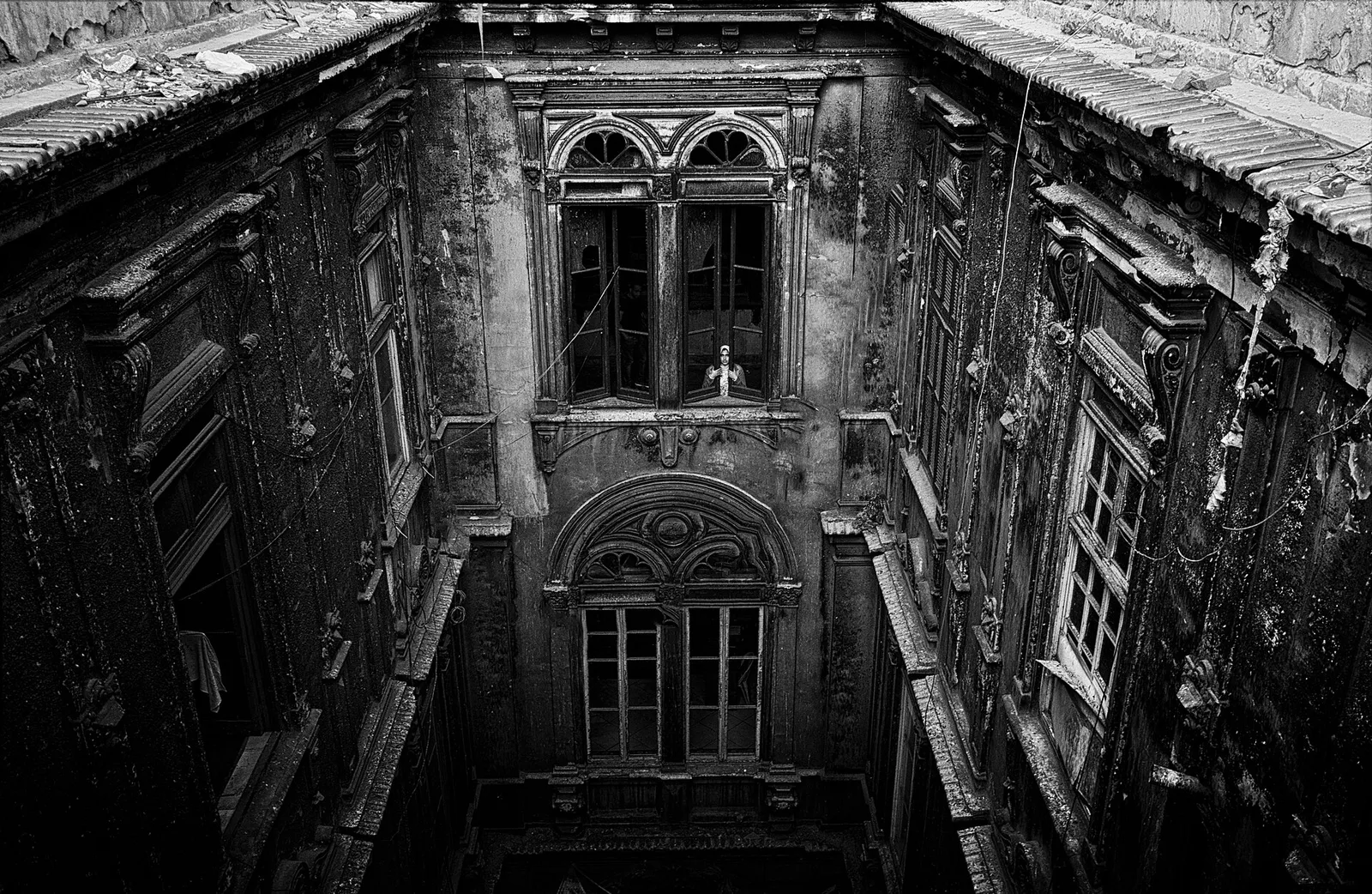
В одном и том же каирском доме две почти одинаковые квартиры могут рассказать две совершенно разные экономические истории. Первая сдаётся по договору, подписанному десятилетия назад, за сумму, которой сегодня едва хватит на бутерброд; вторая, по более новому договору, стоит тысячи фунтов в месяц по рыночным ценам. Это и есть разлом между египетскими системами «старой аренды» и «новой аренды» — одно из самых давних и самых эмоционально заряженных правовых дел в стране, затрагивающее миллионы семей по обе стороны отношений между собственником и нанимателем.
Регулирование арендной платы в Египте началось как чрезвычайная мера военного времени в 1940-е годы, когда нехватка жилья сделала аренду вопросом общественного порядка. То, что задумывалось как временное, стало постоянным и расширялось на протяжении следующих десятилетий. Рамки, определившие современную эпоху «старой аренды», были завершены законом № 49 от 1977 года и законом № 136 от 1981 года: они заморозили плату на уровне договорной стоимости, сделали договоры автоматически продлеваемыми и разрешили их переход к членам семьи нанимателя. Договор найма перестал быть срочным и фактически превратился в соглашение, рассчитанное на поколения.
Нанимателям старая система давала защищённость, близкую к собственности, но без её цены. Плата могла расти лишь на символические законные величины, собственник не мог расторгнуть договор по своей воле, а после смерти первоначального нанимателя договор продолжался для супруга или живших вместе с ним детей. Многие семьи при вселении вносили ещё и крупные «ключевые деньги» — единовременный взнос, который они понимали как покупку бессрочного права. Для собственников те же правила означали, что дом мог полвека стоять полностью заселённым, почти не принося дохода.
Переломным моментом стал закон № 4 от 1996 года, который вывел новые или освободившиеся квартиры из старого режима и вернул их под общие нормы Гражданского кодекса. С этой даты новые договоры заключаются свободно: стороны договариваются о плате и сроке, а когда срок истекает, договор прекращается. С тех пор Египет живёт с двумя параллельными рынками аренды — одним, замороженным в прошлом, и другим, движущимся вместе с инфляцией, — и разрыв между ними расширяется с каждым годом.
Масштаб раскола зафиксирован в официальной статистике. Данные переписи насчитывают миллионы квартир старой аренды, сосредоточенных в старых кварталах Каира, Александрии и городов Дельты. Плата в несколько фунтов в месяц для этого фонда обычна — это суммы, сложившиеся до нескольких волн инфляции и денежных реформ. Собственники рассказывают, что получают за год плату, которой не хватает даже на дорогу, чтобы её забрать, тогда как такая же квартира в соседнем доме приносит рыночные деньги, отражающие реальную стоимость жилья сегодня.
Сторона нанимателей заслуживает не меньшего внимания. Многие наниматели старой аренды — пожилые люди, прожившие в одной и той же квартире всю взрослую жизнь, вырастившие там детей и рассчитавшие свою пенсию исходя из платы, установленной очень давно. Другие ссылаются на ключевые деньги, внесённые их семьями при вселении, — по тем временам нередко значительную сумму — как на доказательство того, что они купили нечто большее, чем временное проживание. В их глазах старый закон не подарок судьбы, а основание, на котором принимались решения целых десятилетий, и внезапный переход к рыночным ставкам означал бы для них выселение.
Экономические последствия выходят за рамки двух сторон. При замороженной плате у собственников почти не было стимула содержать стареющие дома, и значительная часть фонда старой аренды заметно обветшала. Часть квартир стоит запертой и неиспользуемой, потому что наниматели держат их просто как дешёвое владение, тогда как приезжающие в город новосёлы конкурируют за сокращающееся предложение новой аренды, ещё сильнее подталкивая рыночные цены вверх. Экономисты давно называют это искажением, которое вредит рынку жилья в целом, даже когда защищает живущие внутри него семьи.
Перемены в итоге пришли через суд. В 2018 году Высший конституционный суд признал неконституционным автоматическое продление старых договоров, заключённых юридическими лицами, в том числе компаниями. Затем, в ноябре 2024 года, суд вынес поворотное решение по жилищному найму, посчитав противоречащим Конституции бессрочное закрепление платы на её исторической договорной величине. Решение никого не лишило жилья — оно обязало парламент выстроить новый баланс между конституционной защитой собственности и социальной защитой нанимателей.
Парламент ответил в 2025 году законом, который завершает эпоху старой аренды постепенно, а не в одночасье. Жилые договоры старой аренды действуют ещё семь лет переходного периода, нежилые — пять; после этого они прекращаются, и помещения возвращаются на свободный рынок. В переходный период плата сразу поднимается до величины, кратной прежней, с нижними границами, различающимися в зависимости от категории района, а затем ежегодно индексируется. Государство сопроводило это обещанием предоставить имеющим на то право нанимателям старой аренды приоритетный доступ к альтернативному жилью.
Спор вокруг реформы воспроизводит давнюю линию разлома в этом деле. Сторонники говорят, что право собственности было приостановлено на два поколения, что символическая плата — несправедливость, которую Конституция больше не могла нести, и что переходный период с конкретной датой наконец даёт обеим сторонам определённость. Критики тревожатся за пожилых людей с фиксированным доходом, спрашивают, появится ли альтернативное жильё там, где люди действительно живут и работают, и замечают, что семь лет проходят быстро для семьи, которой некуда идти. Обе позиции высказываются добросовестно, и обе описывают реальных людей.
Для каждого, кого это касается, первый практический шаг — понять, какой режим действует для его договора: дата найма и история квартиры решают всё. И собственникам, и нанимателям старой аренды стоит следить за официальными сообщениями о порядке исполнения закона, регистрации и предоставления альтернативного жилья и сохранять каждый документ, связанный с наймом. Подробности перехода такого масштаба будут и дальше проясняться подзаконными актами и судебными решениями, а в вопросе, который определяет, где будут жить семьи, официальные тексты и квалифицированная юридическая помощь всегда надёжнее слухов.
Материалы по теме

Закон о правах пожилых людей в Египте: что гарантирует закон № 19 от 2024 года тем, кому исполнилось 65?
В Международный день пожилых людей мы читаем закон № 19 от 2024 года статью за статьёй: кто считается «пожилым», кто обязан заботиться о нём и в каком порядке, как пенсию доставляют на дом за плату не выше ста египетских фунтов, какая доля мест в домах престарелых должна быть бесплатной, какое наказание грозит за пренебрежение, отказ заботиться или эксплуатацию пожилого человека, и на какой стадии сегодня исполнительный регламент.
1 октября 2026 г. · 8 мин. чтения

«Информация принадлежит народу»: статья 68 Конституции и закон, которого египтяне ждут с 2014 года
Чиновник за окошком говорит: «Вы не имеете права это знать», а Конституция дословно утверждает обратное. Накануне Международного дня всеобщего доступа к информации мы читаем статью 68 слово за словом, прослеживаем проекты закона с 2013 по 2026 год и объясняем, что это значит для гражданина, который просит у ведомства документ, — прежде чем парламент откроет в октябре новую сессию.
27 сентября 2026 г. · 7 мин. чтения

«Кеда галят» («Так неправильно»): жестокое обращение с животными — преступление по египетскому УК с 1937 года
Сосед раскладывает отравленные миски у школьной ограды, а хозяин повозки бьёт осла палкой по морде под непосильным грузом. Многие полагают, что «это всего лишь животное», а значит закон его не защищает. На самом деле статьи 355, 356 и 357 Уголовного кодекса Египта предусматривают наказание вплоть до тюрьмы за убийство, отравление и жестокое обращение с животными. Накануне Всемирного дня животных мы объясняем, что говорит закон.
3 октября 2026 г. · 6 мин. чтения