От Носсейра до эль-Генди: век египетских медалей на Олимпийских и Паралимпийских играх
От золота Эль-Сайеда Носсейра в 1928 году до рекордного титула Ахмеда эль-Генди в Париже, от Фатмы Омар до Шерифа Османа на паралимпийском помосте: целый век египетских олимпийских и паралимпийских медалей, большинство которых добыто чистой силой.
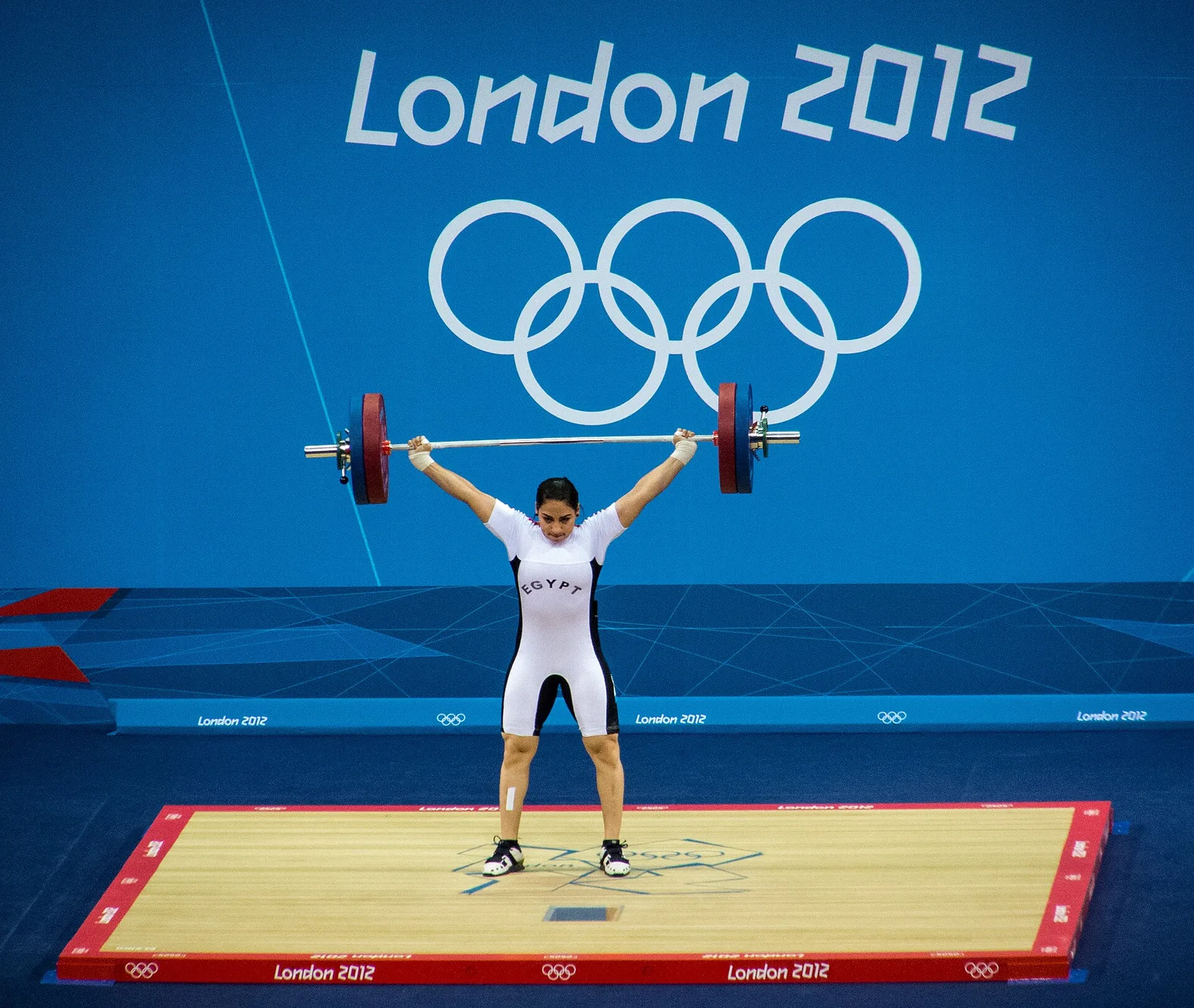
Олимпийская история Египта начинается раньше, чем у большинства стран. Египет стал первой арабской страной, появившейся на Играх: дебют состоялся в Стокгольме в 1912 году, и с тех пор страна собрала одну из крупнейших медальных коллекций Африки. Рисунок этой коллекции не оставляет сомнений: Египет выигрывает силой. Тяжёлая атлетика и борьба дают большую часть его олимпийских наград, а на Паралимпийских играх национальной специальностью стал пара-пауэрлифтинг. От штанг Амстердама 1928 года до золота в современном пятиборье в Париже медали очерчивают целое столетие египетского спорта.
Старт был дан в Амстердаме в 1928 году: штангист Эль-Сайед Нусейр выиграл золото в полутяжёлом весе, а борец Ибрагим Мустафа взял титул в греко-римской борьбе — два чемпиона на одних Играх, в то время, когда на олимпийских пьедесталах почти не бывало спортсменов из Африки или арабского мира. Прыгун в воду Фарид Симайка добавил серебро и бронзу с трамплина. Для страны, всё ещё находившейся под британской оккупацией, эти медали читались дома как нечто большее, чем спорт: как доказательство того, что Египет способен соперничать с кем угодно.
Берлин-1936 подарил выступление, о котором до сих пор рассказывают с восхищением. Средневес Хадр эль-Туни завоевал золото с суммой, превысившей результат чемпиона более тяжёлой категории, — достижение, сделавшее его легендой вида спорта и одним из самых прославленных штангистов своего века. Анвар Месбах разделил золото в лёгком весе, и египетские тяжелоатлеты уехали из Берлина с медальным урожаем, который на целое поколение закрепил за страной статус подлинной сверхдержавы тяжёлой атлетики.
Лондон-1948 это подтвердил: Махмуд Фаяд и Ибрагим Шамс выиграли два золота в тяжёлой атлетике — Фаяд с суммой мирового рекорда в полулёгком весе, — а Аттия Хамуда взял серебро. С 1928 по 1948 год египетские штангисты и борцы собрали такой запас олимпийских наград, какого не было ни у кого в Африке и на Ближнем Востоке. Силачи были национальными героями, их портреты висели на стенах кофеен, а их виды спорта пустили в египетских клубах и переулках корни, которых с тех пор никто не вырвал.
Затем наступила засуха. Войны, бойкоты и скудное финансирование не пускали Египет на одни Игры и оставляли его неподготовленным к другим; полвека после Лондона в медальном зачёте зияли длинные пробелы. Но традиция жила в клубах даже тогда, когда исчезла с пьедесталов: мальчишки продолжали бороться и поднимать штангу, федерации — проводить свои чемпионаты, а Египет — отправлять команды. Не хватало лишь последнего шага на подиум — пока его громко не сделал борец греко-римского стиля из дельты Нила.
В Афинах в 2004 году Карам Габер смёл соперников по своей категории и выиграл золото в греко-римской борьбе — первый олимпийский титул Египта с 1948 года, — а позже добавил серебро в Лондоне-2012. Вокруг него медали начали возвращаться: бронза в дзюдо у Хишама Месбаха в Пекине-2008, а в Лондоне — серебро в фехтовании у Алаа Абуэлькассема, первая олимпийская награда в истории Египта в этом виде и достойный поклон спорту, с которым страна век назад вошла в Игры.
Рио-2016 изменил лицо сборной. Штангистка Сара Ахмед, тогда ещё подросток, стала первой египтянкой на олимпийском пьедестале, завоевав бронзу; тхэквондистка Хедая Малак добавила ещё одну бронзу, а Мохамед Ихаб — третью, в тяжёлой атлетике. В команде, которую так долго определяли силачи-мужчины, главным событием стал прорыв её молодых спортсменок — и он не был случайностью, а стал плодом многолетних вложений федераций и клубов в женский спорт по всей стране.
Токио-2020 принёс Египту самый богатый урожай на одних Играх: шесть медалей. Фериаль Абдельазиз выиграла финал в тяжёлой весовой категории карате и стала первой египтянкой — олимпийской чемпионкой; Ахмед Эль-Генди взял серебро в современном пятиборье; бронзу принесли карате, тхэквондо и борьба. Всё это было добыто несмотря на болезненное отсутствие: египетских штангистов, исторический костяк сборной, отстранили от Токио после допинговых нарушений в федерации — жёсткое напоминание о том, что одна лишь традиция не гарантирует ничего.
В Париже в 2024 году Ахмед Эль-Генди завершил восхождение, выиграв золото в современном пятиборье с рекордной суммой очков, — первый олимпийский титул в этом виде спорта для Египта и для Африки. Сара Ахмед Самир, первопроходец Рио, вернулась на пьедестал в тяжёлой атлетике, а египетские борцы поддержали свой давний огонь ещё одной наградой. Спустя век после Амстердама медали сборной по-прежнему говорили на старинном диалекте силы — к которому добавились более новые языки, выученные Египтом по дороге.
Паралимпийская глава, пожалуй, ещё больше повод для гордости. Египет превратил пара-пауэрлифтинг в национальный институт, который из Игр в Игры поставляет чемпионов на пьедестал. Фатма Омар собирала паралимпийское золото на нескольких Играх подряд и стала одним из лиц этого вида спорта, а Шериф Осман штанга за штангой поднялся к собственным паралимпийским титулам и мировым рекордам. За ними стоит глубокая национальная база тяжелоатлетов с инвалидностью — продолжение той же традиции силы, что началась с Нусейра и эль-Туни, вынесенное на этот раз на паралимпийскую сцену.
Нет египетского паралимпийца известнее Ибрагима Хамдату — игрока в настольный теннис, который в детстве потерял в аварии обе руки и сам научился подавать ногой и держать ракетку во рту. Выступления на нескольких Паралимпиадах подряд сделали его всемирным символом самого паралимпийского движения, а его девиз «нет ничего невозможного» цитируют далеко за пределами спорта. Рядом с ним сборные Египта по волейболу сидя долгие годы держатся среди сильнейших команд за спинами традиционных грандов и остаются постоянными участниками паралимпийских турниров.
Если читать олимпийский и паралимпийский реестры вместе, они преподают один и тот же урок: Египет выигрывает там, где традиция, клубы и федерации тянут в одну сторону, — прежде всего в силовых видах спорта, — и осваивает новые территории, когда вкладывается заранее, как это было в женском спорте и современном пятиборье. Следующие главы уже намечены: молодые штангисты, борцы, фехтовальщики и пятиборцы, выступающие по всему миру, и паралимпийская программа, которая не перестаёт производить чемпионов. Через сто лет после первых золотых медалей история египетских наград остаётся такой же, какой была в 1928 году, — незавершённой и всё ещё написанной от руки.
Материалы по теме
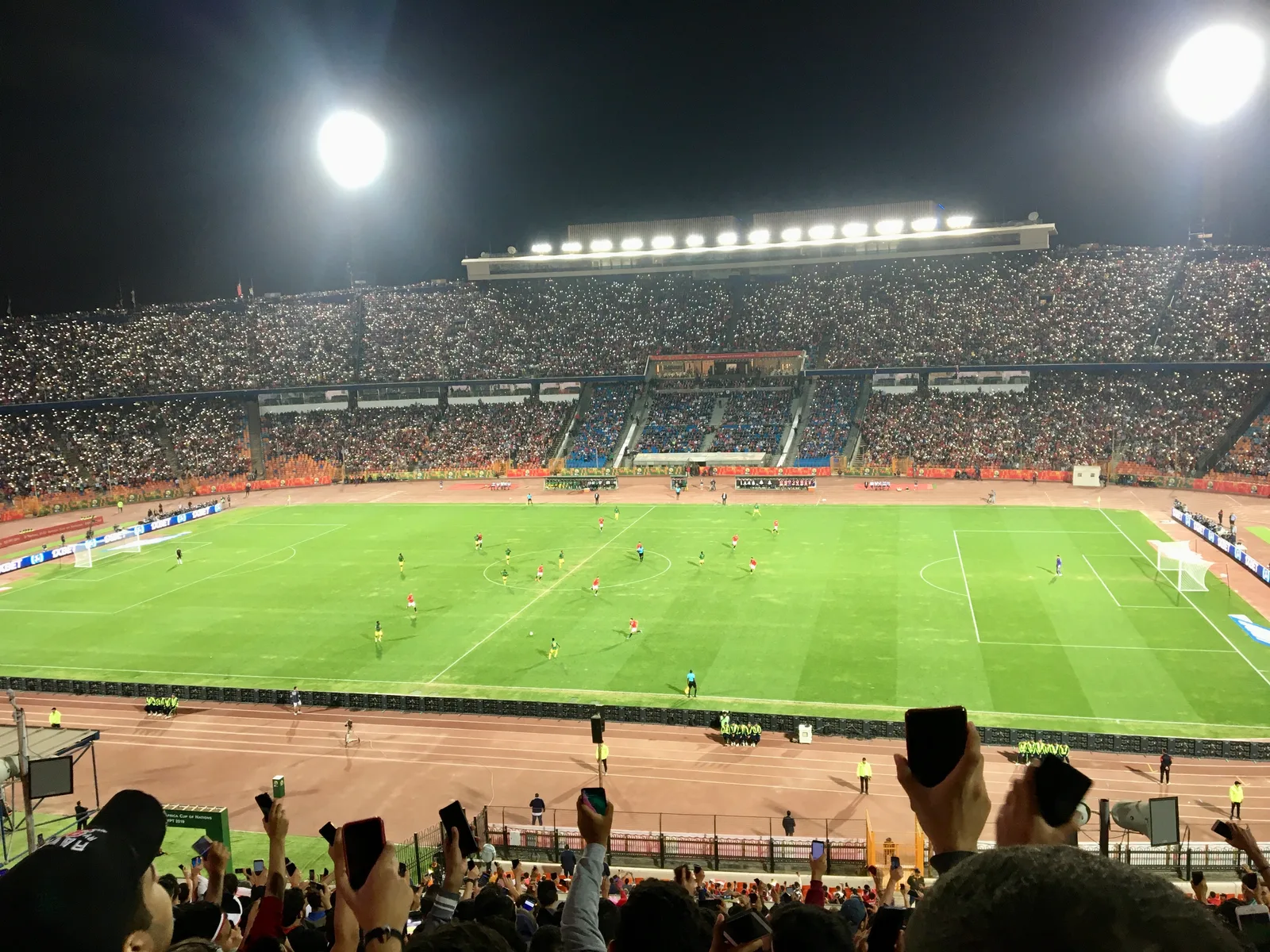
Больше, чем матч: столетие «Вершины» — дерби «Аль-Ахли» и «Замалека» глазами египетских семей
От первой встречи в 1917 году до африканского финала 2020-го матч «Аль-Ахли» против «Замалека» никогда не был просто девяноста минутами. Это дата, которая делит одну гостиную на красную и белую половины — а затем вновь их объединяет. Спокойный взгляд на историю возникновения двух клубов, их рекорды и ритуалы дня дерби в египетских домах.
25 сентября 2026 г. · 6 мин. чтения
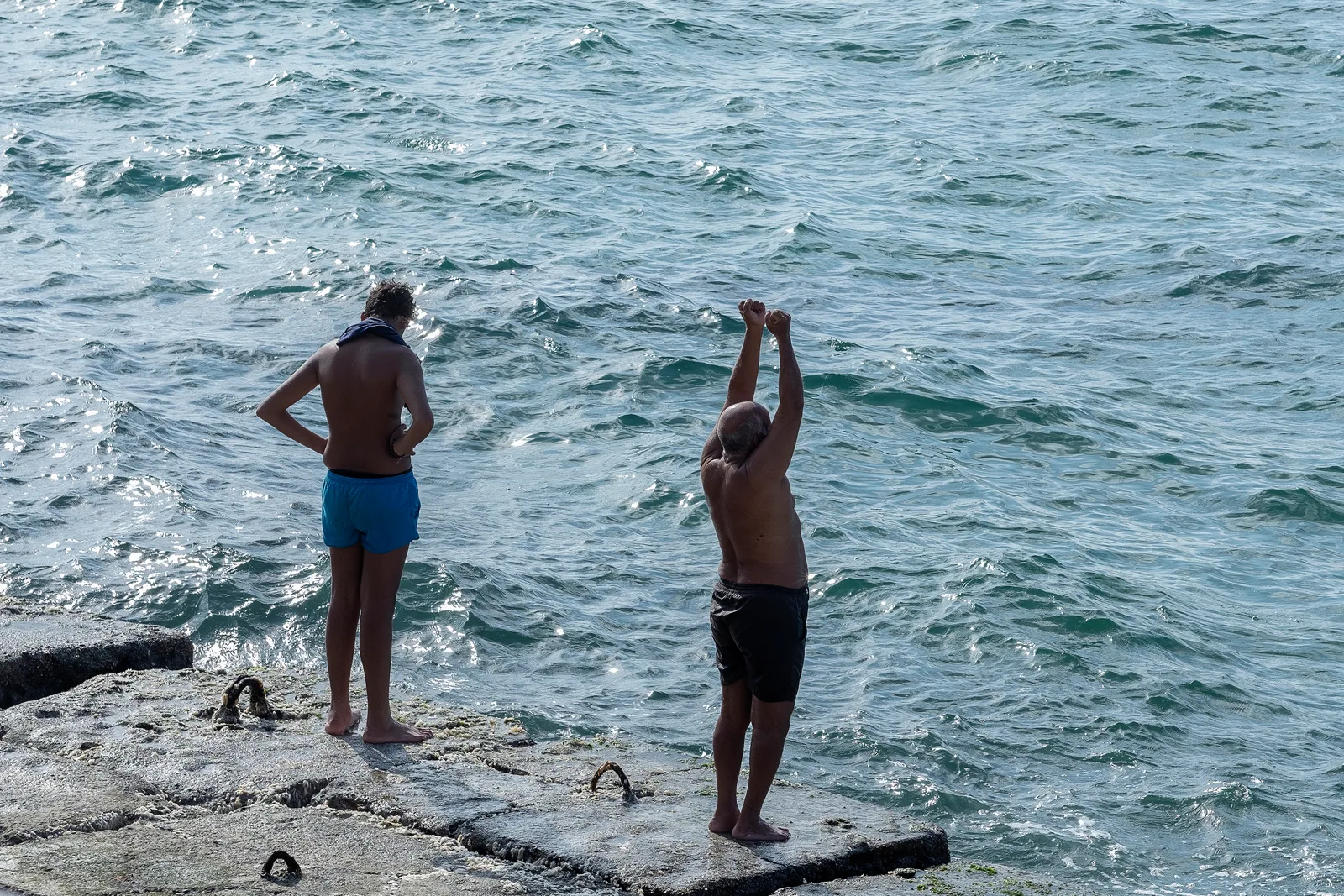
«Нильский крокодил»: Абдель Латиф Абу Хейф, переплывший Ла-Манш и озеро Мичиган и ставший пловцом столетия
Летом 1963 года грузный александриец проплыл шестьдесят миль по холодной воде озера Мичиган почти за тридцать пять часов, а американцы следили за ним с лодок. Это история Абдель Латифа Абу Хейфа — трёхкратного чемпиона мира и «марафонского пловца столетия» по признанию Международного зала славы плавания, человека, чьё имя многие знают по названию улицы, не зная его судьбы.
18 сентября 2026 г. · 8 мин. чтения
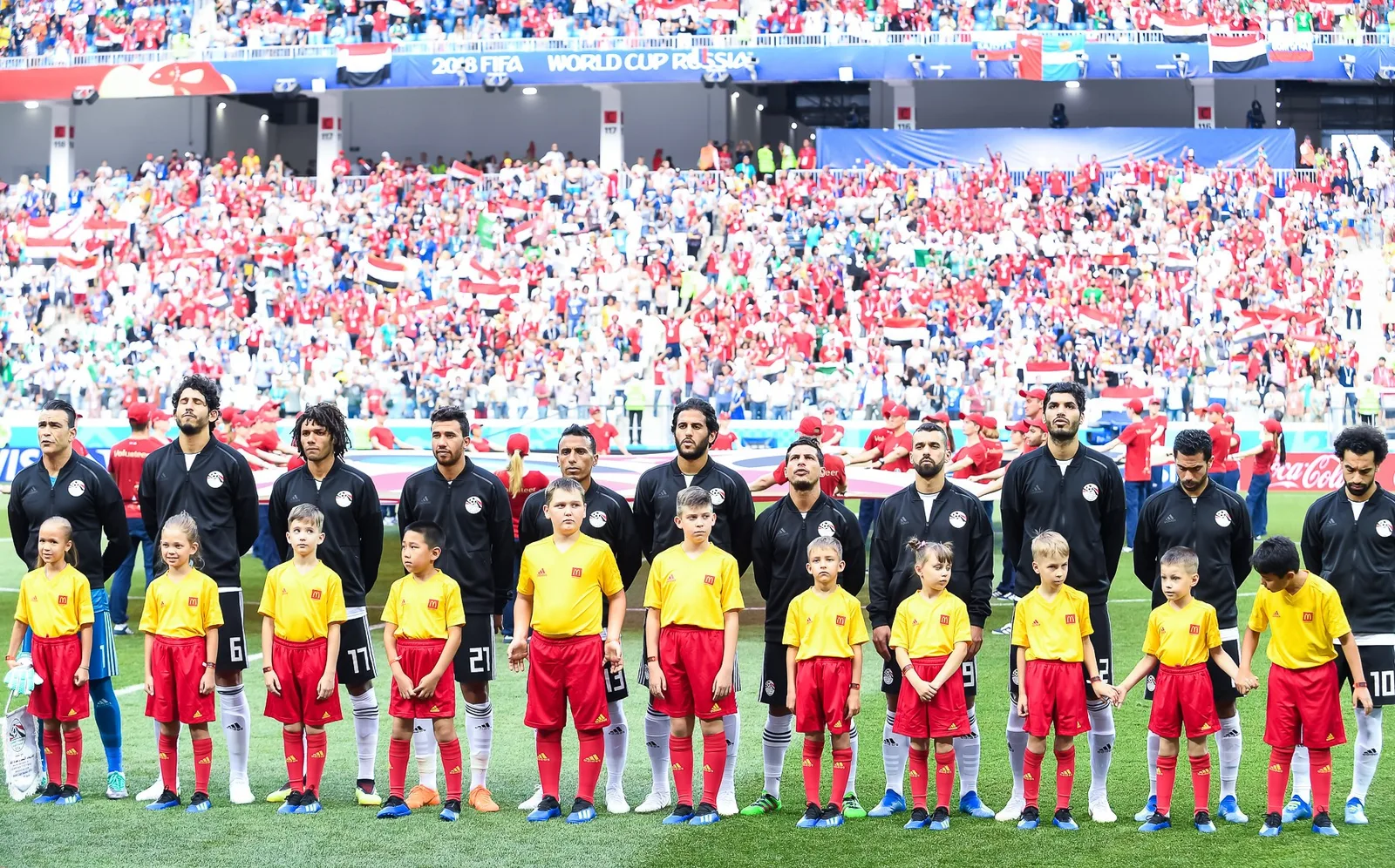
От парохода «Хелуан» до 1/8 финала: девяносто лет пути Египта на чемпионатах мира
Всего четыре участия за девять десятилетий: морское путешествие в Неаполь в 1934 году, итальянское лето 1990-го, разочарование России-2018 и, наконец, лето 2026-го, когда Египет впервые в своей истории вышел из группы. Спокойный разбор того, что менялось от раза к разу, — без горячки момента и с исправлением счёта матча 1934 года, который зарубежные источники путают до сих пор.
9 сентября 2026 г. · 7 мин. чтения