Фунт и продуктовая корзина: как инфляция работает на рынке и как приспосабливаются египетские семьи
Почему одна и та же корзина риса, масла и овощей дорожает с каждым сезоном — даже если товары выращены в самом Египте? Простое объяснение того, как инфляция и курс фунта проходят путь от портов до рыночных прилавков, как субсидии смягчают удар и какие проверенные временем стратегии помогают семьям справляться.
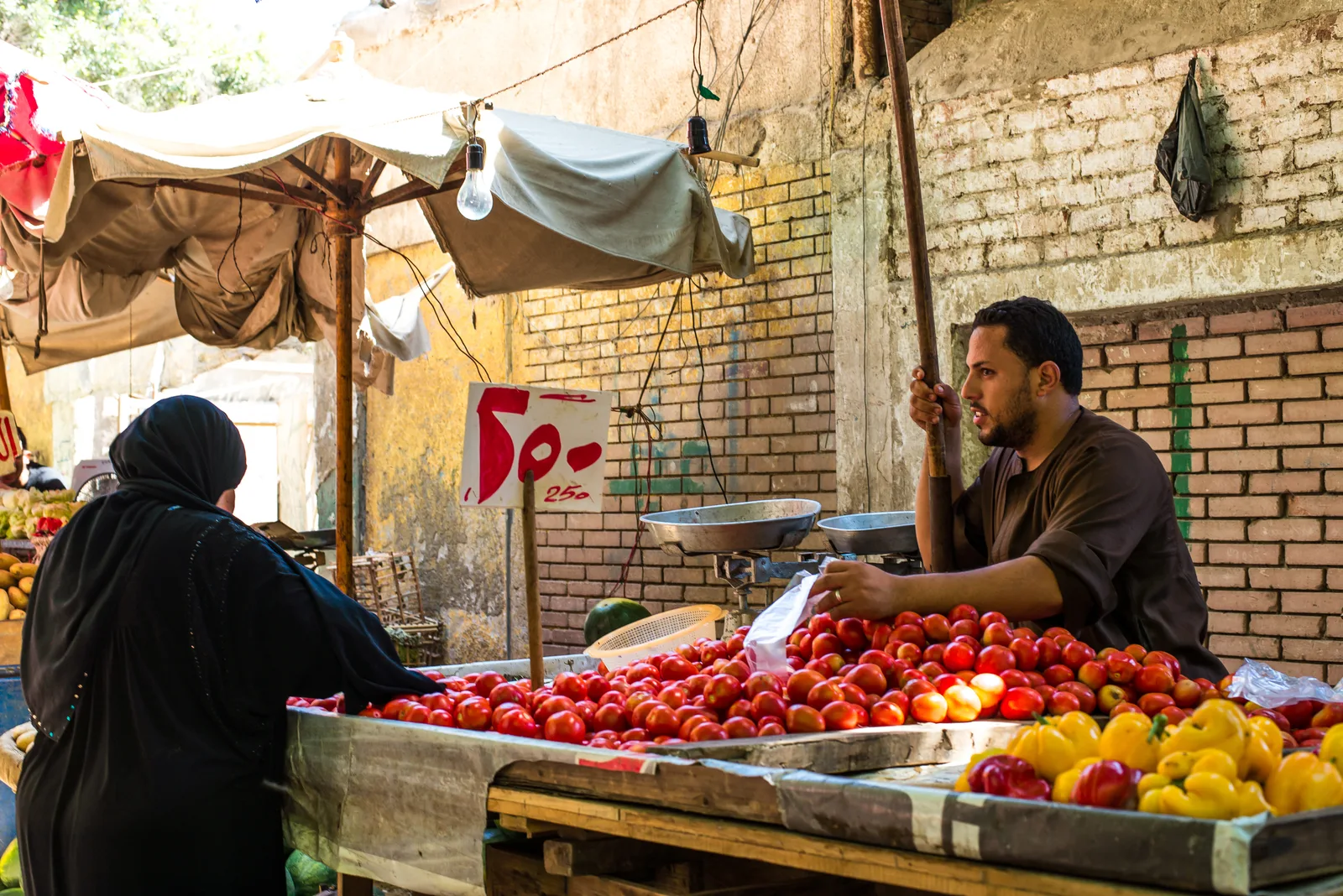
Каждый, кто закупает продукты для семьи в Египте, знает это ощущение: одна и та же корзина риса, масла, овощей и хлеба с каждым сезоном обходится дороже. В этом материале нет ни сегодняшних цен, ни курсов валют, ведь они меняются постоянно; речь пойдёт о механике, стоящей за цифрами: что такое инфляция на самом деле? Почему стоимость египетского фунта добирается до овощного прилавка? Как субсидии смягчают удар? И какими способами египетские семьи давно растягивают неизменный доход на растущий счёт?
Инфляция — это устойчивый рост общего уровня цен, то есть другая формулировка падения покупательной способности денег: та же купюра покупает меньше, чем прежде. Египетское статистическое ведомство CAPMAS измеряет её, отслеживая стоимость фиксированной корзины товаров и услуг. Поскольку еда и напитки занимают большую долю расходов средней египетской семьи, продовольственная инфляция ощущается здесь острее, чем в странах, где продукты составляют лишь малую часть бюджета.
Обменный курс важен потому, что Египет ввозит значительную часть того, что ест и использует: страна входит в число крупнейших импортёров пшеницы в мире и закупает за рубежом пищевые масла, кукурузу и сою для кормов, фармацевтическое сырьё и топливо. Импорт номинирован в долларах, и, когда фунт слабеет к доллару, та же партия пшеницы или масла обходится в порту дороже в фунтах, а этот рост идёт дальше через мукомольные предприятия, пекарни и оптовиков, пока не доходит до магазинной полки.
Товары местного производства тоже не защищены, и это ставит покупателей в тупик: почему египетский сыр или курица дорожают из-за доллара? Дело в том, что местное производство опирается на импортные ресурсы: птицефабрики покупают привозные корма, фермер берёт удобрения и семена, цены на которые зависят от мировых, заводы закупают упаковку и запчасти, а всё это перевозят грузовики, сжигающие топливо. Каждое звено перекладывает часть возросших издержек на следующее, и ослабление валюты просачивается даже в товары, которые никогда не пересекали границу.
Свой импульс добавляют ожидания. Торговец, который опасается, что завтра пополнение склада обойдётся дороже, поднимает цены уже сегодня, чтобы покрыть стоимость замещения, а семьи, боящиеся дефицита, закупаются впрок, ненадолго опустошая полки и подталкивая цены ещё выше. Именно поэтому в неспокойные периоды власти ведут кампании против спекулятивных запасов и публикуют данные о предложении. Ничего специфически египетского в этом нет, это азы экономической науки, но так объясняется, почему цены порой взлетают быстрее, чем оправдывает любая отдельно взятая статья затрат.
Этому давлению противостоит система субсидий. Продовольственные карточки программы «тамвин» дают зарегистрированным членам семьи право на ежемесячные нормы субсидируемых базовых продуктов, а отдельная программа удерживает цену лепёшки балади намного ниже её себестоимости для десятков миллионов получателей. Государственные потребительские комплексы и сезонные торговые точки продают товары с пониженной наценкой. Субсидии не останавливают инфляцию, но закрепляют цену на самое необходимое для жизни, потому и споры о реформе этой системы всякий раз разгораются так остро.
Семьи отвечают замещением — тихим искусством египетской кухни. Когда красное мясо становится не по карману, стол смещается к птице, яйцам и давней традиции бобовых: фуль, чечевица и кушари дают белок за малую долю прежних расходов. Покупатели переходят от фасованных марок к развесному товару, от импортного к местному, от крупных кусков к мелким. А покупка овощей в сезон, когда предложение достигает пика, а цены снижаются, остаётся одной из самых старых и действенных линий обороны.
Смотрите на упаковку, а не только на ценник. Распространённый ответ производителей на рост издержек — так называемая «шринкфляция»: цена остаётся привычной, а пачка тихо теряет граммы. Сравнение цены за единицу, то есть стоимости килограмма или литра, показывает то, что скрывает полочный ярлык. Крупные траты семьи сглаживают и сообща: «гамийя», касса взаимопомощи с очерёдностью выплат среди родственников, соседей или коллег, по-прежнему остаётся широко распространённым способом оплатить учёбу, бытовую технику или долги без обращения в банк.
Инфляция наказывает и деньги, лежащие без движения, поэтому вместе с ценами меняется сберегательное поведение. Египтяне издавна видят в золоте средство сбережения на свадьбу и на чёрный день, а банки периодически выпускают сберегательные сертификаты с высокой доходностью, призванные сохранить привлекательность накоплений в фунтах. У каждого варианта свои риски и компромиссы, и эта статья описывает поведение, а не рекомендует его; но логика везде одна: деньги, неподвижно лежащие в ящике стола, теряют покупательную способность с каждым месяцем роста цен.
Ни один из этих механизмов не делает трудный месяц лёгким, но их понимание меняет то, как покупатель читает рынок: подорожание перестаёт быть прихотью торговца и становится цепочкой, которая начинается в портах и на валютных курсах, а заканчивается у кассы. Знать, что вам положено по продовольственной карточке, сравнивать цены за единицу, готовить по сезону и планировать покупки сообща — не хитрости, а накопленная мудрость семей, прошедших через множество экономических циклов до нынешнего.
Материалы по теме

Августовский пик: энергосистема Египта впервые преодолела 40 000 МВт — без веерных отключений
Во время жары на прошлой неделе национальная энергосистема Египта впервые в истории превысила отметку 40 000 МВт, и веерные отключения не вернулись. Как удалось сохранить поставки топлива после атаки дрона в Думьяте и что новые тарифы означают для вашего счёта за электричество.
19 августа 2026 г. · 7 мин. чтения
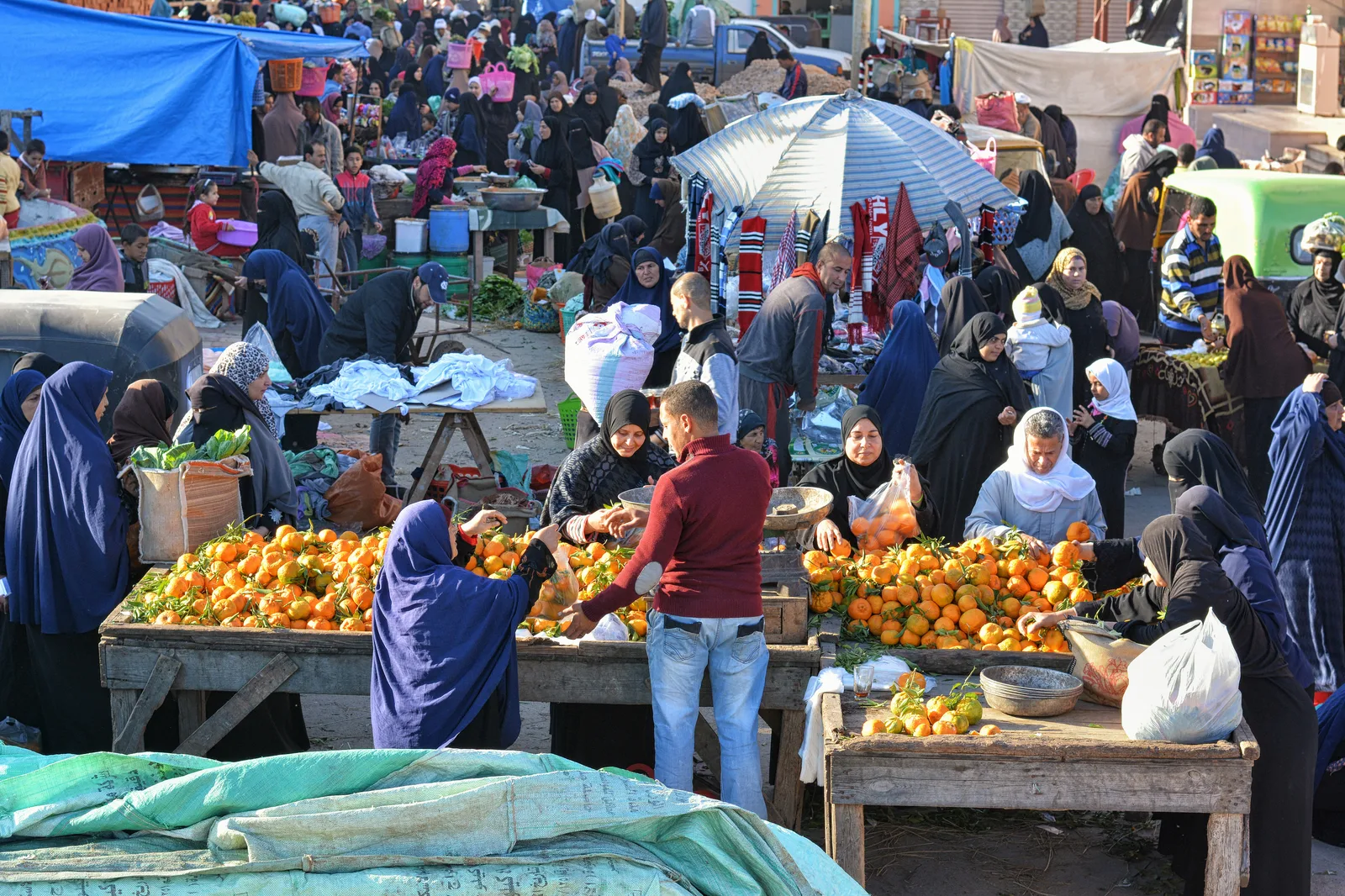
Экономика Египта в двух цифрах: рост на 5,2% и регион на грани эскалации
Правительство отчиталось о росте на 5,2% за девять месяцев и одновременно пересматривает антикризисные сценарии на случай региональной эскалации. Инфляция достигла 14,9%, доллар держится около 50 фунтов. Что эти цифры значат для кошелька рядового египтянина?
18 августа 2026 г. · 7 мин. чтения
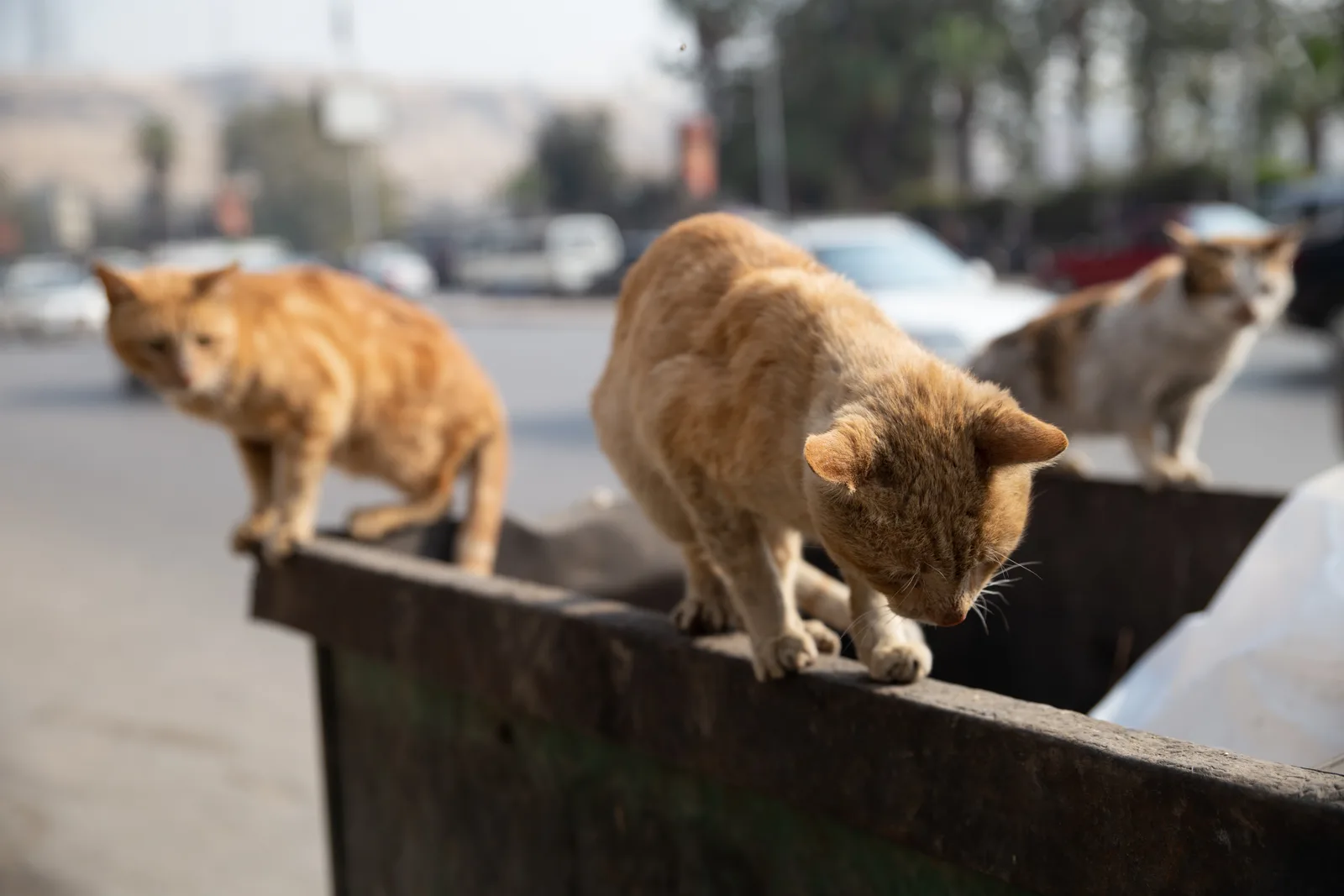
«Кеда галят» («Так неправильно»): жестокое обращение с животными — преступление по египетскому УК с 1937 года
Сосед раскладывает отравленные миски у школьной ограды, а хозяин повозки бьёт осла палкой по морде под непосильным грузом. Многие полагают, что «это всего лишь животное», а значит закон его не защищает. На самом деле статьи 355, 356 и 357 Уголовного кодекса Египта предусматривают наказание вплоть до тюрьмы за убийство, отравление и жестокое обращение с животными. Накануне Всемирного дня животных мы объясняем, что говорит закон.
3 октября 2026 г. · 6 мин. чтения