Бегом через поток машин: азартная игра, за которую платят и пешеход, и водитель
В нескольких метрах от пешеходного моста или перехода человек бросается в асфальтовую реку — бежит между машинами, вскинув ладонь перед несущимся потоком, будто рука — это тормоз. Сцена настолько привычная, что мы забыли её суть: это игра на жизнь пешехода и на нервы водителя, который может вильнуть и покалечить невиновных. Так нельзя — с обеих сторон; и с государства спрос тоже.
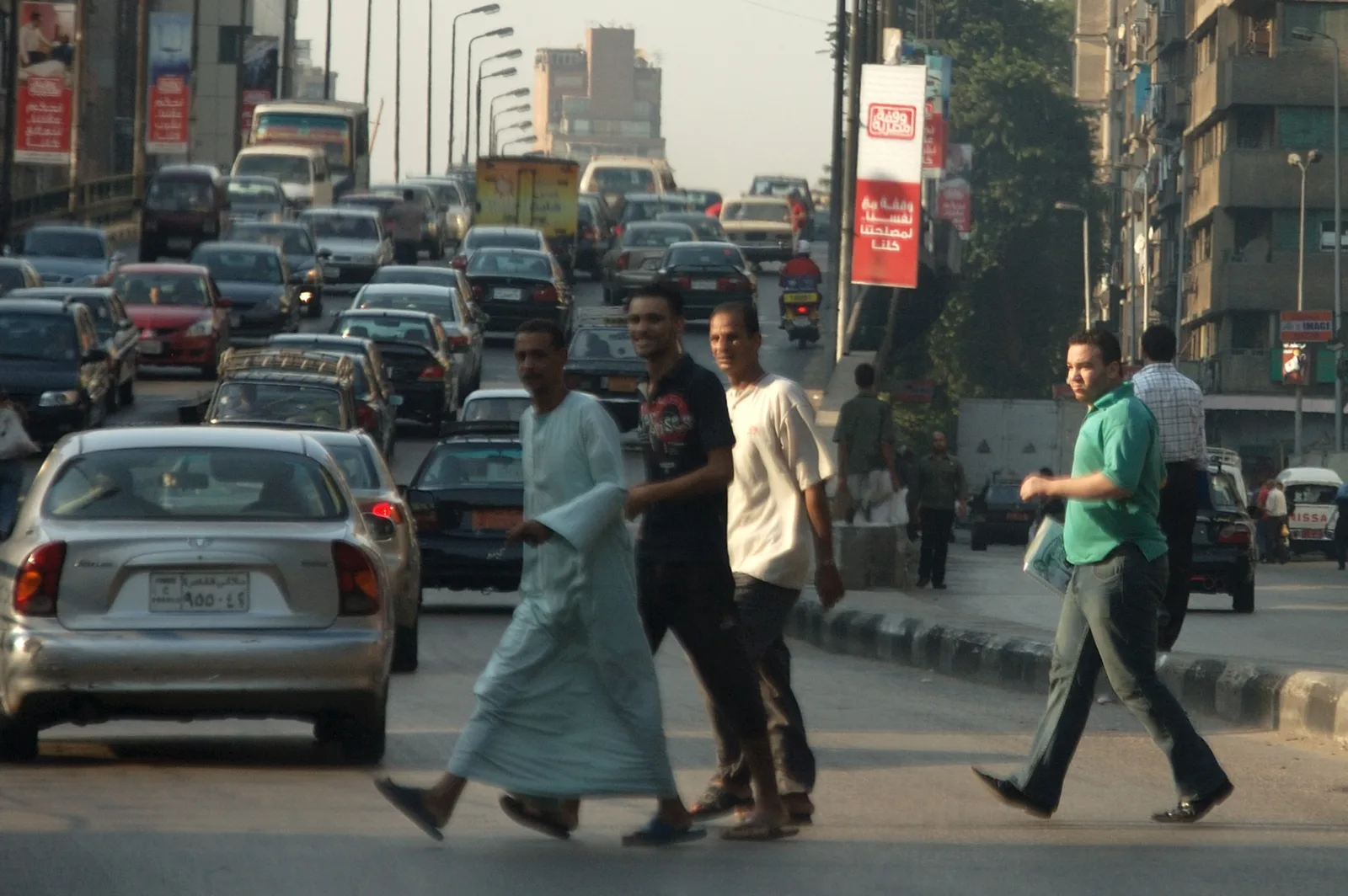
Эта картина настолько привычна, что мы перестали её замечать: скоростная трасса или центральная улица, по которой несутся автомобили, а в нескольких метрах — пешеходный мост или размеченный переход; и всё же прохожий выбирает кратчайшую прямую. Он спускается в асфальтовую реку, уворачивается от одной машины, замирает перед другой, поднимает ладонь навстречу мчащимся, будто ладонь — это тормоз, а затем бегом добирается до противоположного берега, пока у всех, кто это видел, сердце уходит в пятки.
Назовём этот поступок своим именем: азартная игра. Ставка, в которой пешеход кладёт на стол собственную жизнь ради экономии двух минут или ради того, чтобы не подниматься по ступеням моста. И это ставка, в которой у него на руках лишь половина карт; вторая половина — у водителя, которого он никогда не видел. Был ли тот внимателен? Исправны ли у него тормоза? Мокрая ли дорога? Не слепит ли ему глаза солнце именно в эту секунду? Каждый удачный переход в неположенном месте — не доказательство ловкости, а бросок костей, который на этот раз оказался выигрышным.
А забытая жертва в этой картине — водитель. Мы всегда говорим об опасности для того, кто переходит дорогу, и забываем, что водитель, перед которым посреди проезжей части внезапно вырастает человеческая фигура, за долю секунды поставлен перед невозможным выбором: сбить человека; ударить по тормозам и получить удар от идущей сзади машины; или вывернуть руль и врезаться в другой автомобиль либо в другого пешехода на тротуаре. Представьте, что вы едете с разрешённой скоростью, предельно внимательно, и вдруг перед вами из-за двух припаркованных машин выскакивает человек. В чём ваша вина? И где справедливость в том, что человек всю жизнь несёт на совести груз преступления, которого он не совершал, лишь потому, что кто-то другой поставил на кон собственную жизнь перед его колёсами?
Именно здесь и лежит нравственный упрёк, который занимает нас прежде закона: тот, кто перебегает дорогу среди машин, рискует не только собой — а этого уже достаточно для осуждения, — он навязывает каждому водителю на этой дороге риск, которого тот не выбирал, и взваливает на него вероятность психологической и юридической катастрофы, в которой нет его вины. Ваша свобода рисковать собственным телом заканчивается в тот момент, когда вы делаете другого человека невольным соучастником своей игры.
Ещё опаснее то, что переход в неположенном месте — привычка, которая передаётся по наследству через личный пример. Ребёнок, который держит отца за руку, пока тот пробирается между едущими машинами, усваивает ровно один урок: вот так и переходят улицу. После этого тысяча уроков безопасности в школе не перевесит одну и ту же сцену, повторяемую родителем. Тот, кто переходит дорогу где попало вместе с ребёнком, совершает ошибку дважды: один раз сегодня и ещё раз — при каждом переходе, который этот ребёнок завтра совершит один.
Справедливости ради: египетский закон о дорожном движении не оставил эту картину без регулирования. Он обязывает пешеходов пользоваться специально отведёнными местами перехода там, где они есть, и обязывает водителей уступать пешеходам дорогу в этих местах. Правовая норма существует, но ей — как и многим другим — нужен тот, кто о ней напомнит, и тот, кто заставит её работать.
И мы были бы нечестны с читателем, если бы возложили всю ответственность на одного пешехода. Скажем прямо: во многих местах безопасного перехода попросту нет, или он находится на невыносимом удалении, или это обветшалый пешеходный мост с разбитыми ступенями и без освещения, которому ночью не доверится ни одна женщина и на который не поднимется ни пожилой человек, ни человек с инвалидностью. Когда дорогу проектируют так, будто пешеходов не существует, не удивляйтесь, что её переходят так, будто не существует машин. Безопасность перехода — общая ответственность: пешеход обязан пользоваться тем, что ему предоставлено, а государство обязано сделать предоставленное человечным и пригодным для использования.
Что требуется от гражданина? Одно правило без исключений: переходите дорогу в отведённом для этого месте везде, где оно есть, сколько бы лишних шагов это ни стоило; ведь минута, которую вы «экономите», бросаясь в поток машин, может оказаться последней в вашей жизни — или первой минутой кошмара для ни в чём не повинного водителя. А если вам всё же приходится переходить там, где нет ни одного безопасного способа, остановитесь, посмотрите в обе стороны, идите по прямой, не бегите, не держите в руке телефон и никогда не втягивайте в эту игру ребёнка.
А что требуется от государства? Безопасные переходы на разумном расстоянии друг от друга на магистральных улицах: чёткая и освещённая дорожная разметка, пешеходные светофоры, которые действительно работают, чистые, освещённые пешеходные мосты с исправными ступенями и пандусами для пожилых людей и людей с инвалидностью, чтобы мост стал реальным выбором, а не наказанием. А затем — применение правил дорожного движения к обеим сторонам: к водителю, который не останавливается перед пешеходным переходом, и к пешеходу, который врывается на проезжую часть, когда безопасный путь находится в нескольких метрах.
Между двумя берегами улицы — жизни: жизнь пешехода, нервы водителя и глаза ребёнка, который всему учится. Те несколько метров, которые выигрывает бросок через проезжую часть, не стоят ни одной из них. И пешеходу, который лавирует между машинами, когда мост у него над головой, и чиновнику, оставившему магистральную улицу без человеческого перехода, мы говорим вместе и с одинаковой твёрдостью: так — неправильно.
Материалы по теме
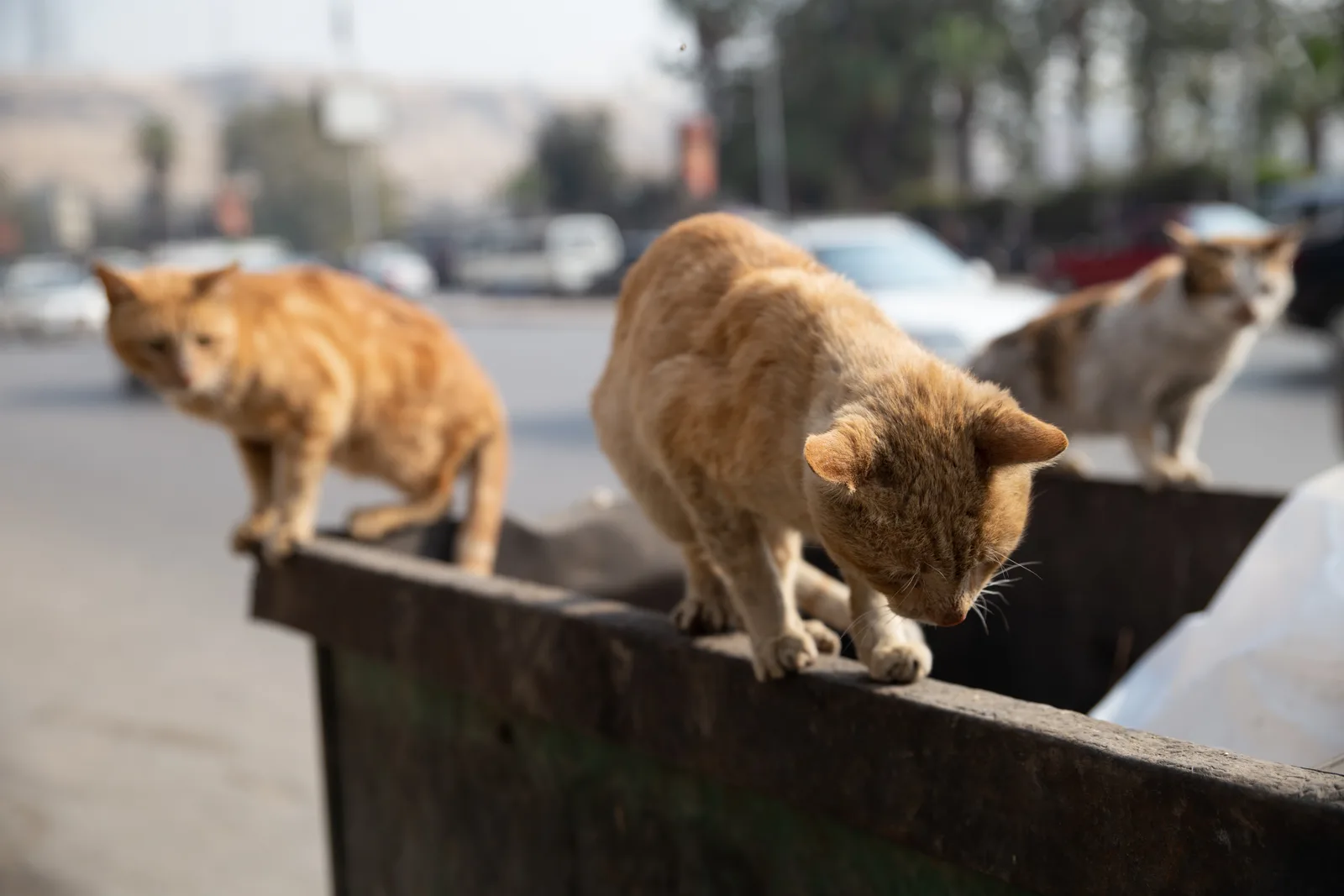
«Кеда галят» («Так неправильно»): жестокое обращение с животными — преступление по египетскому УК с 1937 года
Сосед раскладывает отравленные миски у школьной ограды, а хозяин повозки бьёт осла палкой по морде под непосильным грузом. Многие полагают, что «это всего лишь животное», а значит закон его не защищает. На самом деле статьи 355, 356 и 357 Уголовного кодекса Египта предусматривают наказание вплоть до тюрьмы за убийство, отравление и жестокое обращение с животными. Накануне Всемирного дня животных мы объясняем, что говорит закон.
3 октября 2026 г. · 6 мин. чтения
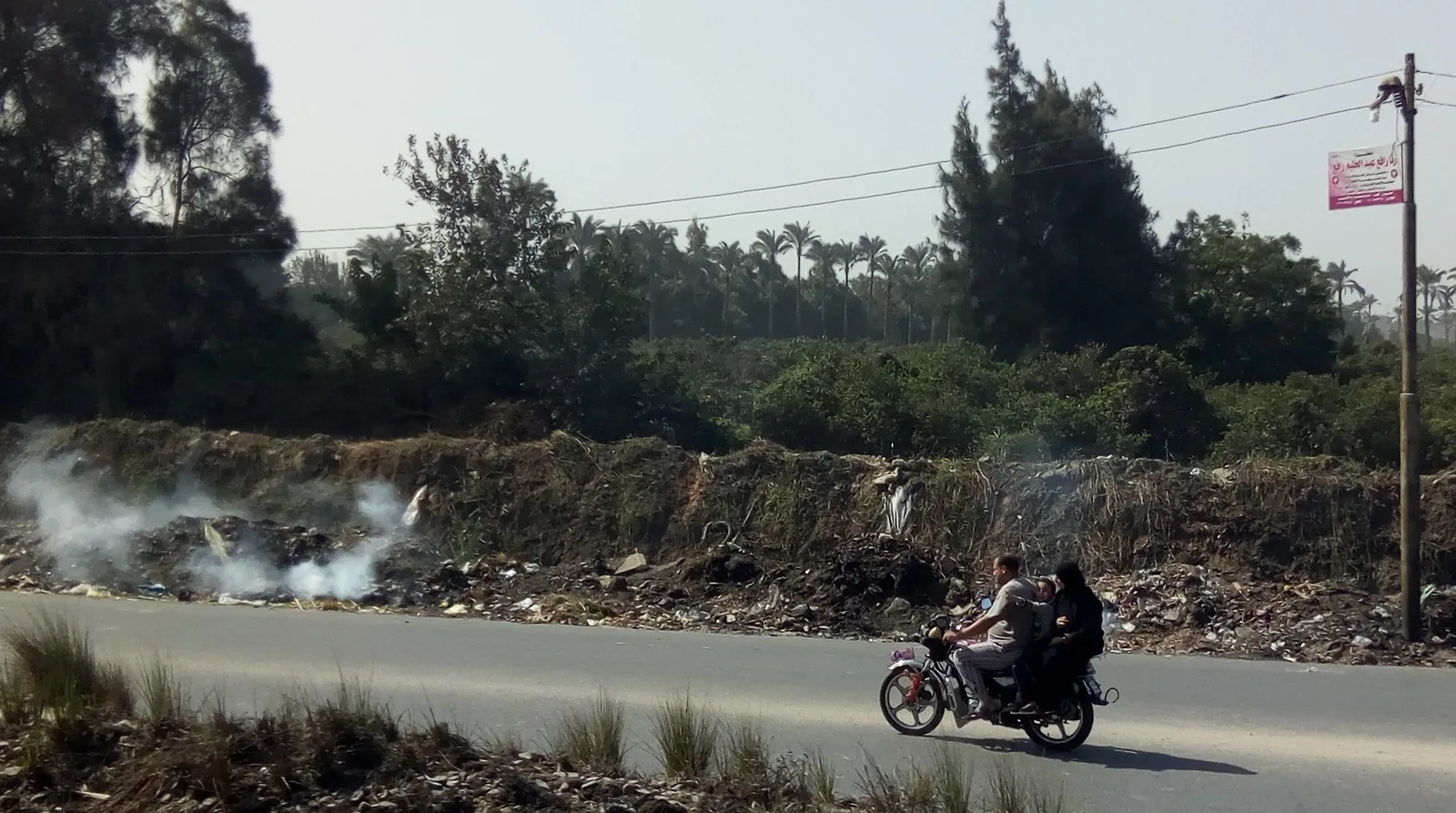
Четверо на мотоцикле без шлема: непокрытая голова — самое дорогое, что может потерять семья на дороге
На второй неделе учёбы повторяется одна картина: отец за рулём, ребёнок впереди, другой позади, мать держит сумки — и ни одного шлема. Пресса со ссылкой на CAPMAS сообщает о росте смертей с 190 до 897 за 2020–2024 годы, тогда как обзор Cochrane показывает, что шлем снижает риск гибели на 42%. Закон наказывает за езду без шлема с 1999 года, штраф повышен в 2008-м. Почему же мы не соблюдаем это правило?
23 сентября 2026 г. · 8 мин. чтения
«Скрутка на кабеле» — это не хитрость: кража электроэнергии — преступление, за которое расплачивается весь квартал
Оголённый провод свисает со столба на балкон, кондиционер работает через счётчик, который не крутится, а предохранитель перегорает уже в третий раз, гася свет в доме соседа, исправно платящего по счетам. Статья 71 Закона об электроэнергии называет это незаконным присвоением тока и карает лишением свободы и штрафом, а более суровая поправка ждёт слова Палаты депутатов. Чего лишается вся улица из-за одной врезки? И какова правильная альтернатива?
14 сентября 2026 г. · 7 мин. чтения