«Так нельзя»: банановая кожура стоила жизни невиновному
Короткая история с тяжёлым концом: рука выбрасывает банановую кожуру из окна машины, а школьник, бегущий на экзамен, так до него и не добирается. В этом выпуске мы рассказываем эту историю, спрашиваем, что говорят религия и закон, и ищем, как изменить привычку, которую мы называем «мелочью», — а она убивает.
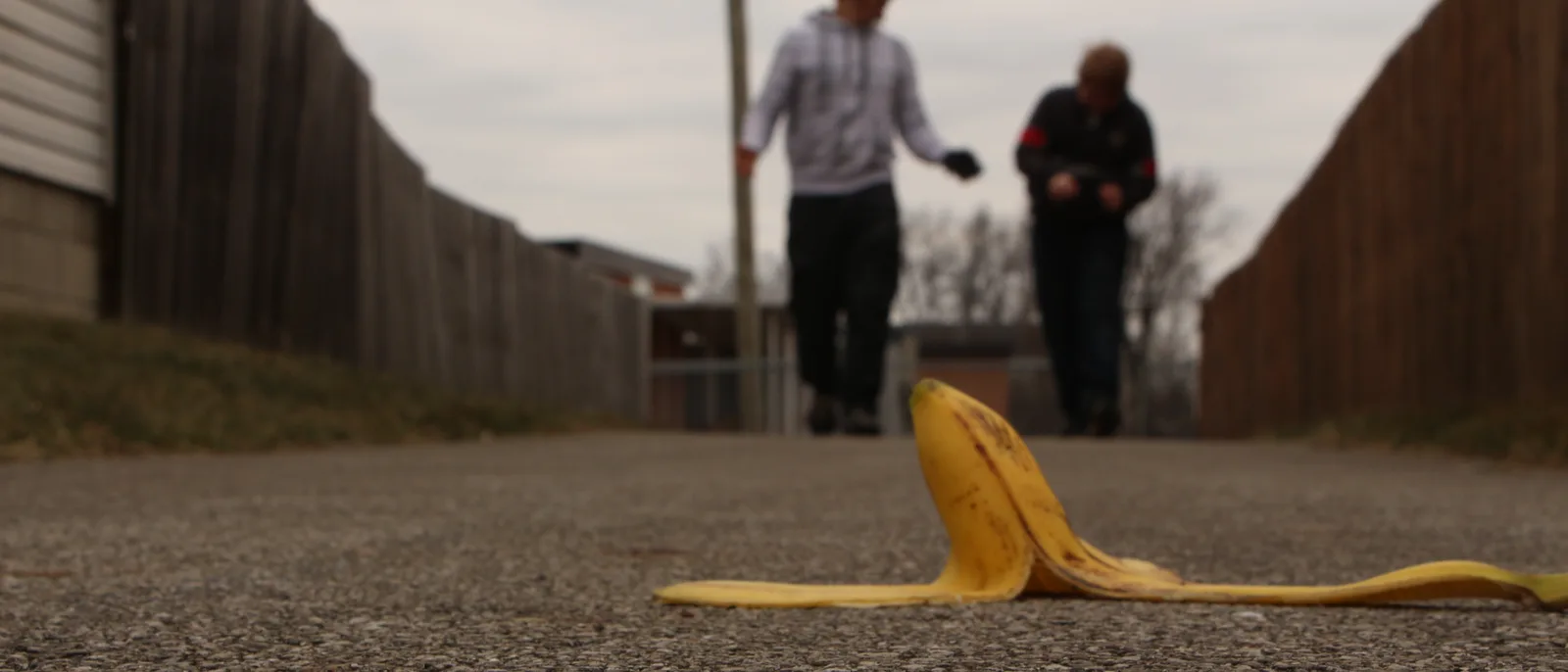
История, которая могла бы показаться обычной, если бы не её финал. Дорогой автомобиль скользит по забитой улице; водитель чистит банан, неспешно съедает его, а затем высовывает руку в окно и бросает кожуру на асфальт — так же небрежно, как машут в знак приветствия, — и едет дальше. Он не обернулся, и ему ни на мгновение не пришло в голову, что этот маленький жёлтый лоскут через несколько минут может превратиться в орудие убийства.
Через несколько минут по тому же месту проходит школьник с ранцем за спиной и мечтами в голове: он бежит, боясь опоздать на экзамен. Нога опускается на кожуру, он теряет равновесие, скользит и тяжело падает — голова ударяется о край тротуара. Обширное внутреннее кровотечение, крики прохожих, скорая, которая опаздывает, как опаздывает всегда… а потом — известие о смерти.
Мы рассказываем это как предостережение, а не как протокол происшествия, потому что подробности — в том или ином виде — повторяются на наших тротуарах каждый день: рука бросает, нога скользит, голова ударяется. И вывод не меняется: ребёнок погиб потому, что шёл учиться, а взрослый бросил кожуру потому, что так и не научился.
После каждого такого случая кто-нибудь непременно скажет: «Неужели из-за такой ерунды?» Да, именно из-за неё. Беспечность измеряется не размером поступка, а размером его последствий: кожура, которая десять раз никого не задела, на одиннадцатый раз попадает в цель, и когда попадает, ничто уже не возвращается на свои места.
Дорога — не мусорное ведро. Мы легкомысленно относимся к тому, что называем «мелочами», а на деле это привычки, которые убивают: банановая кожура, пакетик чипсов или бутылка воды, выброшенные из окна мчащегося автомобиля; мусор, сброшенный с балкона на головы прохожих; масло или мыльная вода, вылитые на асфальт и превращающие его в невидимый глазу каток. Всё начинается с движения руки, которое длится меньше секунды, а кое-что заканчивается целой человеческой жизнью.
Что говорит религия? Убрать с дороги то, что причиняет вред, — это милостыня; что же тогда сказать о том, кто собственной рукой оставляет вред на пути? Пророк, мир ему и благословение, сказал: «Остерегайтесь двух дел, навлекающих проклятия». Его спросили: «Что это за дела, о Посланник Аллаха?» Он ответил: «Справлять нужду на пути людей или в тени, где они укрываются» (приводит Муслим). Если справление нужды на дороге навлекает людские проклятия, то что сказать о том, кто бросает им под ноги то, что заставляет поскользнуться и убивает?
В другом хадисе сказано: «У веры более семидесяти ответвлений… и наименьшее из них — убрать с дороги то, что причиняет вред» (приводит Муслим). Значит, очищение пути — часть самой веры, а оставленный на пути вред — изъян и в вере, и в человечности. Перед Богом вы отвечаете за каждую поскользнувшуюся ногу, за каждую разбитую голову и за каждую мать, заплакавшую из-за вашего равнодушия.
А что говорит закон? Это не «личная свобода» и не «маленький грех», а правонарушение, прямо предусмотренное законом. Закон № 202 от 2020 года о регулировании обращения с отходами запрещает в статье 38 сбрасывать отходы вне отведённых для этого мест, а статья 71 устанавливает штраф не менее 10 000 и не более 100 000 египетских фунтов для всякого, кто выбросил неопасные отходы в неположенном месте; при повторном нарушении назначаются лишение свободы и штраф одновременно, а транспортное средство, использованное при нарушении, подлежит конфискации.
Если же небрежность привела к травме или гибели человека, юридическая квалификация меняется коренным образом: от нарушения правил чистоты мы переходим к причинению смерти или вреда здоровью по неосторожности согласно Уголовному кодексу (статьи 238 и 244), что наказывается лишением свободы, — не считая гражданского возмещения, которое вправе требовать семья погибшего. Да, связь между кожурой и падением прокуратура и суд оценивают в каждом деле отдельно, но принцип незыблем: тот, чья небрежность стала причиной смерти человека, отвечает за эту смерть. Вы выбрасываете из окна не кожуру — вы выбрасываете доказательство собственной вины.
Как пробудить в людях сознательность? Одних проповедей мало, одних штрафов тоже; нужно менять поведение, и это ответственность каждого из нас. Начинается она с пяти простых шагов.
Первое: начните с себя и со своего дома. Небольшой мешок для мусора в машине и правило, которое ваши дети выучат наизусть, — карман чище улицы. Что усвоено в детстве, остаётся на всю жизнь.
Второе: слово — это ответственность. Проповедники, учителя, авторы контента, рассказывайте эту историю — историю банановой кожуры, которая убила школьника. Истории задевают сердца сильнее, чем цифры и инструкции.
Третье: школа — это решение. Одного урока в месяц о «культуре улицы» достаточно, чтобы вырастить поколение, которое не бросит и клочка бумаги. Настоящий экзамен сдают не в аудитории, а на улице.
Четвёртое: общественное осуждение. Не смейтесь вместе с тем, кто выбрасывает мусор из окна машины, — посмотрите на него с укором. Если можете сделать это безопасно, зафиксируйте нарушение и отправьте материал по официальным каналам жалоб. Стыд перед людьми — самый сильный закон.
Пятое: личный пример. Поставьте небольшую урну в машине, перед своим магазином и у двери своего дома. Люди подражают поступкам, а не словам.
Тому, кто выбросил кожуру и забыл: есть мать, которая не забыла, есть слеза, которая не высохла, и есть место на экзамене, оставшееся пустым. Прежде чем выбросить что-нибудь из окна, вспомните: согласились бы вы, чтобы эта кожура оборвала чью-то мечту? Улица принадлежит не вам одному — она принадлежит ребёнку, идущему к своему будущему, старику, идущему на молитву, и матери, несущей младенца. Очистите сердце прежде, чем вымоете руки: тот, у кого чистое сердце, не станет пачкать дорогу других людей.
В рубрике «Так нельзя» «Голос гражданина» продолжает называть ошибку своим именем, никого не задевая: речь идёт о поведении, а не о людях. Присылайте нам то, что замечаете, — не подвергая себя опасности и никого не выставляя напоказ, — через сервис «Объектив гражданина» в форме «Ваш голос» на нашей платформе, чтобы вместе собрать документированное досье для профильных ведомств.
Материалы по теме
«Кеда галят» («Так неправильно»): жестокое обращение с животными — преступление по египетскому УК с 1937 года
Сосед раскладывает отравленные миски у школьной ограды, а хозяин повозки бьёт осла палкой по морде под непосильным грузом. Многие полагают, что «это всего лишь животное», а значит закон его не защищает. На самом деле статьи 355, 356 и 357 Уголовного кодекса Египта предусматривают наказание вплоть до тюрьмы за убийство, отравление и жестокое обращение с животными. Накануне Всемирного дня животных мы объясняем, что говорит закон.
3 октября 2026 г. · 6 мин. чтения
Четверо на мотоцикле без шлема: непокрытая голова — самое дорогое, что может потерять семья на дороге
На второй неделе учёбы повторяется одна картина: отец за рулём, ребёнок впереди, другой позади, мать держит сумки — и ни одного шлема. Пресса со ссылкой на CAPMAS сообщает о росте смертей с 190 до 897 за 2020–2024 годы, тогда как обзор Cochrane показывает, что шлем снижает риск гибели на 42%. Закон наказывает за езду без шлема с 1999 года, штраф повышен в 2008-м. Почему же мы не соблюдаем это правило?
23 сентября 2026 г. · 8 мин. чтения
«Скрутка на кабеле» — это не хитрость: кража электроэнергии — преступление, за которое расплачивается весь квартал
Оголённый провод свисает со столба на балкон, кондиционер работает через счётчик, который не крутится, а предохранитель перегорает уже в третий раз, гася свет в доме соседа, исправно платящего по счетам. Статья 71 Закона об электроэнергии называет это незаконным присвоением тока и карает лишением свободы и штрафом, а более суровая поправка ждёт слова Палаты депутатов. Чего лишается вся улица из-за одной врезки? И какова правильная альтернатива?
14 сентября 2026 г. · 7 мин. чтения