Непотушенный окурок: маленького уголька достаточно для катастрофы
Одно движение пальца — сигарета летит из окна или падает на тротуар, ещё тлея, а её хозяин идёт дальше. Но уголёк не знает, что он «маленький». На сухой траве, возле кучи мусора, рядом с подтёком топлива одной искры хватит, чтобы началась катастрофа. Секундная небрежность способна поглотить всё, чем живут целые семьи. Так нельзя.
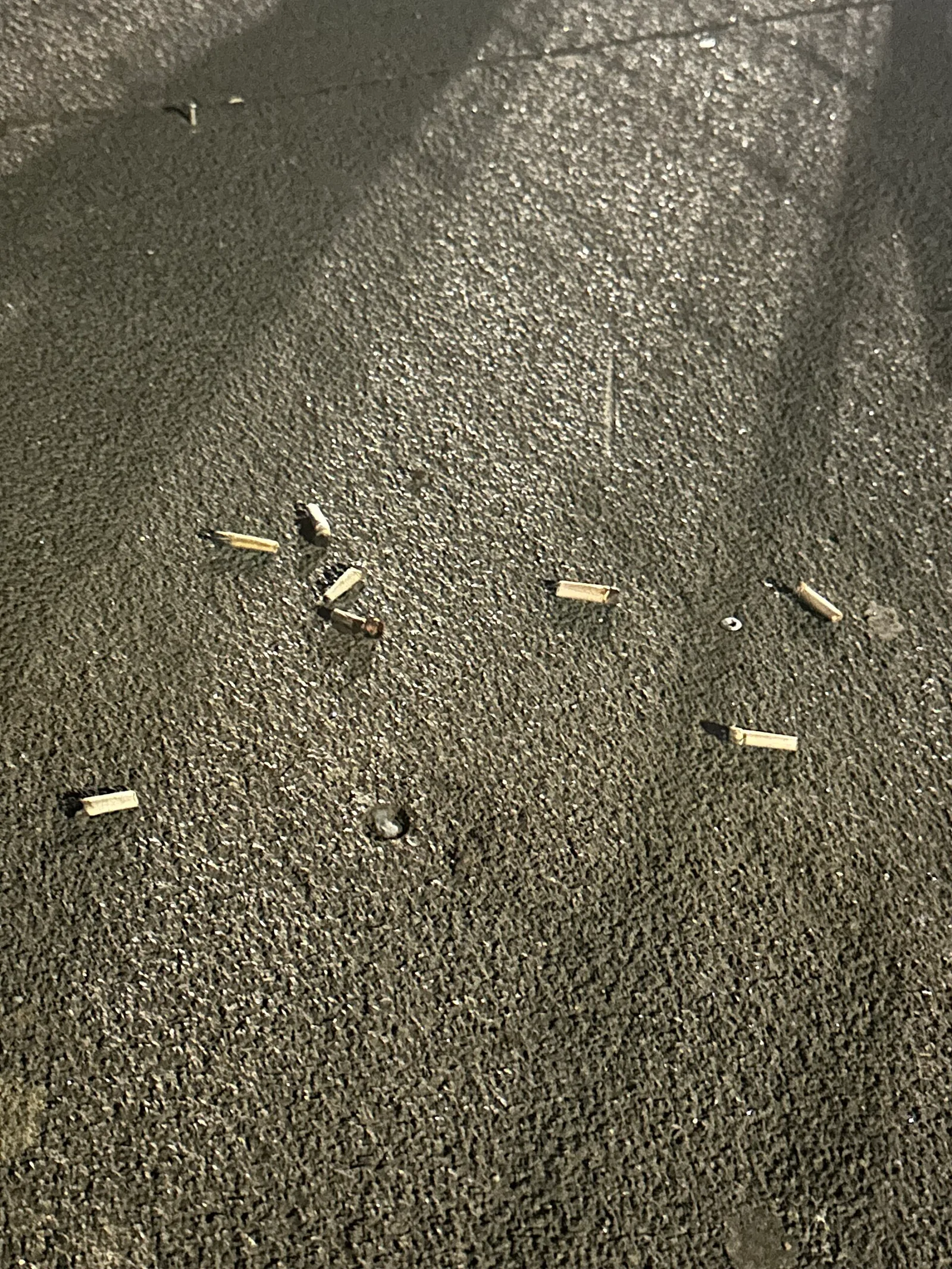
Это одно движение пальца, о котором тот, кто его делает, даже не задумывается: последняя затяжка, а затем окурок летит из окна машины или падает на тротуар — всё ещё горящий, рассыпающий искры. Курильщик идёт своей дорогой, а тлеющий уголёк остаётся один на земле и решает судьбу всего, что вокруг.
Уголёк не знает, что он «маленький». Огню нужны всего три вещи, и все они легко находятся на наших улицах: тепло, которое даёт сам уголёк, горючий материал и немного воздуха. Сухая трава на обочине просёлочной дороги, куча мусора из бумаги и картона, пластиковые отходы, пятно топлива, скопившееся у заправки или у мастерской. Всё это ждёт искры — а искра приходит экспресс-почтой из окна проезжающей машины.
Сколько пожаров началось именно так — с уголька, который его хозяин поленился затушить? Не нужно выдумывать конкретные случаи: отчёты служб гражданской обороны по всему миру называют небрежно брошенные окурки среди постоянных причин пожаров на фермах, складах и в жилых домах. Схема известна и задокументирована: уголёк, сухой материал, порыв ветра — и пожар, который тот, кто его вызвал, уже не смог бы потушить, даже если бы захотел.
Представьте себе картину в самом простом виде: горящий окурок вылетает из окна машины на скоростной трассе, и поток воздуха несёт его в лицо мотоциклисту, едущему сзади, или он попадает в кузов с соломой. Или окурок бросают с балкона, и он падает на тканевый навес магазина на первом этаже, на развешанное бельё или на соседский балкон, где есть чему загореться. Никто из этих людей не выбирал участвовать в азартной игре, которую затеял кто-то другой.
И здесь суть нравственного обвинения, которое волнует нас прежде всего: тот, кто бросает горящий уголёк в общее пространство, играет жизнями, заработком и имуществом других людей ради экономии трёх секунд — именно столько нужно, чтобы затушить сигарету, прежде чем выбросить её. Даже если ничего так и не загорится, поступок остаётся презрением к людям и вызовом им, посланием, которое гласит: ваша безопасность не стоит для меня и одного движения пальца.
Даже потухший окурок не вполне безобиден: это мусор, за выброс которого на улицу египетский закон об общественной чистоте № 38 от 1967 года с поправками предусматривает наказание, и это один из самых распространённых и самых медленно разлагающихся видов уличного мусора в мире. Но именно горящий окурок переводит поступок из разряда грязи в разряд непосредственной опасности.
Парадокс в том, что решение здесь — одно из самых дешёвых и простых, какие только бывают. Курильщику достаточно полностью погасить сигарету — растерев её о твёрдую поверхность или смочив водой — прежде чем бросить в урну. У того, кто курит в машине, есть пепельница, сделанная ровно для этого; тому, кто сидит на балконе, хватит маленького блюдца. От вас не требуют бросить курить — требуют лишь, чтобы ваша сигарета не превращалась в зажигательный снаряд.
Что требуется от гражданина? Сначала погасить, потом выбросить — всегда и без исключений, даже если вам кажется, что уголёк вот-вот погаснет сам. Объясните курящим в вашей семье, если не удаётся убедить их бросить, что именно это движение — красная черта. А тот, кто видит, как горящий окурок летит из чужого окна, пусть скажет: «Так нельзя».
А что требуется от государства и от заведений, открытых для публики? Металлические урны и ящики с песком у входов в дома, кафе и на транспортных станциях, чтобы у курильщика не осталось оправдания в виде отсутствия подходящего места. Просветительские кампании, прямо связывающие горящий окурок с пожаром, потому что многие делают это по искреннему незнанию последствий, а не из пренебрежения. А затем — применение уже существующих штрафов к тем, кто упорствует.
Тлеющий кончик сигареты — самое малое, что может уместиться в руке, и он способен стать первой нитью самой большой потери, какую знала целая улица. Между тем и другим — три секунды внимания, не больше. Тому, кто жалеет их для своих соседей и прохожих, мы говорим без колебаний: «Так нельзя».
Материалы по теме
«Кеда галят» («Так неправильно»): жестокое обращение с животными — преступление по египетскому УК с 1937 года
Сосед раскладывает отравленные миски у школьной ограды, а хозяин повозки бьёт осла палкой по морде под непосильным грузом. Многие полагают, что «это всего лишь животное», а значит закон его не защищает. На самом деле статьи 355, 356 и 357 Уголовного кодекса Египта предусматривают наказание вплоть до тюрьмы за убийство, отравление и жестокое обращение с животными. Накануне Всемирного дня животных мы объясняем, что говорит закон.
3 октября 2026 г. · 6 мин. чтения
Четверо на мотоцикле без шлема: непокрытая голова — самое дорогое, что может потерять семья на дороге
На второй неделе учёбы повторяется одна картина: отец за рулём, ребёнок впереди, другой позади, мать держит сумки — и ни одного шлема. Пресса со ссылкой на CAPMAS сообщает о росте смертей с 190 до 897 за 2020–2024 годы, тогда как обзор Cochrane показывает, что шлем снижает риск гибели на 42%. Закон наказывает за езду без шлема с 1999 года, штраф повышен в 2008-м. Почему же мы не соблюдаем это правило?
23 сентября 2026 г. · 8 мин. чтения
«Скрутка на кабеле» — это не хитрость: кража электроэнергии — преступление, за которое расплачивается весь квартал
Оголённый провод свисает со столба на балкон, кондиционер работает через счётчик, который не крутится, а предохранитель перегорает уже в третий раз, гася свет в доме соседа, исправно платящего по счетам. Статья 71 Закона об электроэнергии называет это незаконным присвоением тока и карает лишением свободы и штрафом, а более суровая поправка ждёт слова Палаты депутатов. Чего лишается вся улица из-за одной врезки? И какова правильная альтернатива?
14 сентября 2026 г. · 7 мин. чтения