Мусор из окна машины: секундная лень, которая может стоить жизни
Опускается стекло, высовывается рука, пакет падает на асфальт — и машина едет дальше. Эта сцена повторяется на наших улицах каждый день, и из скромных машин, и из роскошных. Прежде чем стать правонарушением, это — послание презрения каждому, кто идёт по дороге, и ловушка, на которой прохожий может поскользнуться и заплатить жизнью. Так нельзя.
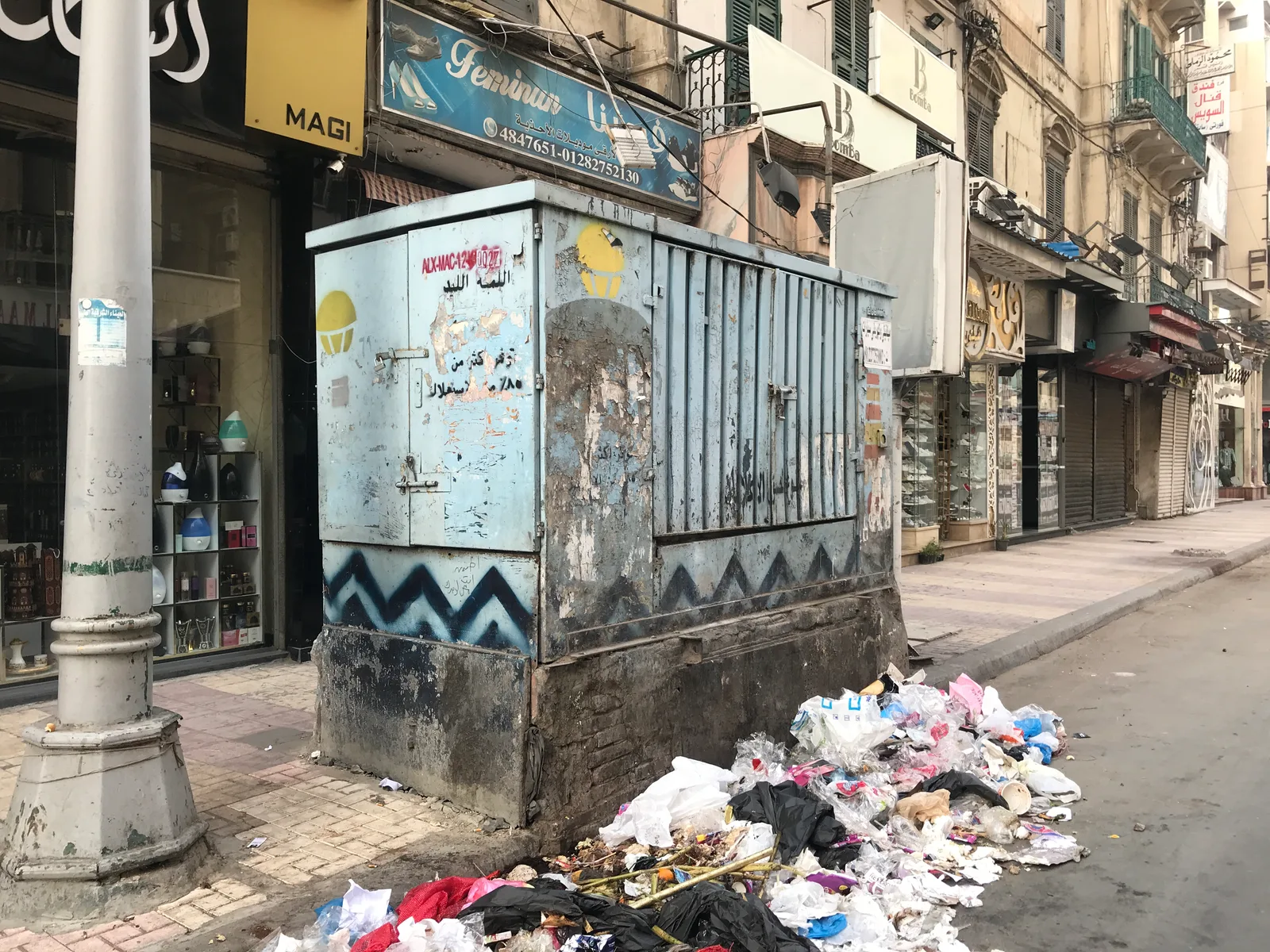
Эту картину не нужно долго описывать, мы видим её каждый день: машина едет по дороге, опускается стекло, наружу тянется рука с пакетом, бутылкой или остатками еды, всё это падает на асфальт, и автомобиль едет дальше как ни в чём не бывало. Для владельца этой руки улица — большая мусорная корзина, а уборщики улиц существуют для того, чтобы подбирать то, что он выбросил.
И скажем прямо с первой строки: роскошь автомобиля ничего не оправдывает. Сколько раз мы видели, как пакет вылетает из тонированного окна машины, которая стоит как квартира? Достоинство — это не марка и не год выпуска; достоинство — это поведение. Тот, кто выбрасывает мусор из окна своей машины, красноречивее всего рассказывает о себе самом, что бы он ни водил.
Проступок здесь прежде всего нравственный и лишь потом правовой. Улица — общее достояние всех, кто ею пользуется: пешехода, пассажира, торговца, ребёнка, возвращающегося из школы. Тот, кто вываливает на неё свой мусор, фактически говорит им всем: моё удобство важнее всех вас, а чистота салона моей машины стоит того, чтобы ваша дорога стала грязной. Это оскорбление, вызов и вред — даже если из этого поступка вообще ничего больше не последует.
Но беда в том, что последствия могут оказаться куда тяжелее простого уродства. Представьте себе школьника, который утром идёт на занятия по краю проезжей части, потому что тротуар занят, и наступает на кожуру фрукта или мокрый пакет, выброшенный за минуту до этого из окна проезжавшей машины. Он поскальзывается, теряет равновесие и падает под колёса. За одну секунду лень человека, которому было невмоготу довезти пакет до ближайшей урны, превращается в трагедию, которая рушит целую семью.
Чтобы вынести приговор такому поступку, не нужно дожидаться трагедии. Даже в самом благополучном случае, когда никто не поскользнулся и никто не пострадал, выбрасывать мусор из машины остаётся безнравственным, нецивилизованным и оскорбительным для каждого, кто это видит. Мерзость — в самом действии, а не только в его последствиях.
И один пакет никогда не остаётся один. Первый пакет на обочине — открытое приглашение для второго и третьего, пока обочина не превратится в маленькую свалку: пакеты летят водителям в лицо, забивают ливневые стоки и в конце концов оказываются в оросительных и дренажных каналах. Дурная привычка сама создаёт себе среду: грязное место так и подталкивает мусорить дальше.
Есть здесь слово и у закона, хотя мы намеренно ставим его на второе место. Выброс мусора на дорогу общего пользования — нарушение, наказуемое по египетскому закону об общественной чистоте № 38 от 1967 года и поправкам к нему. Норма существует десятилетиями; не хватает жёсткого применения — такого, чтобы человек, уже потянувшийся к стеклоподъёмнику, подумал дважды.
И есть готовый довод, который слышишь постоянно: «А зачем тогда нужны уборщики улиц?» Ответ прост: то, что кто-то метёт улицу, не даёт права её пачкать, точно так же как существование врачей не приглашает калечить людей. Уборщик заслуживает того, чтобы его труд уважали, а не умножали впустую, чтобы за ним сохраняли достоинство, а не обращались с ним как с метлой, которая ходит следом за нашими окнами.
Что требуется от гражданина? Нечто до смешного простое: маленький пакет в машине, куда складывают мусор до ближайшей урны. Вот и всё. А если вы стали свидетелем, скажите об этом вежливо и твёрдо, хотя бы взглядом: «так нельзя». Нарушитель, который знает, что люди видят и осуждают, исправляется куда быстрее того, чей поступок остаётся без единого замечания.
А что требуется от государства? Достаточное количество урн, с умом расставленных вдоль дорог и на площадях; реальное применение уже прописанных в законе штрафов, чтобы постановление доходило до владельца машины так же, как доходит штраф за превышение скорости; и использование существующих дорожных камер для фиксации такого поведения везде, где это возможно. Закон, который не применяется, превращается в совет.
Дорога — зеркало тех, кто по ней движется. Когда пакет вылетает из окна, на асфальт падает не только он: вместе с ним падает часть образа города и часть образа его жителей. «Так нельзя» — и мы будем повторять это до тех пор, пока рука, протянутая из окна с пакетом, не станет картиной из прошлого.
Материалы по теме
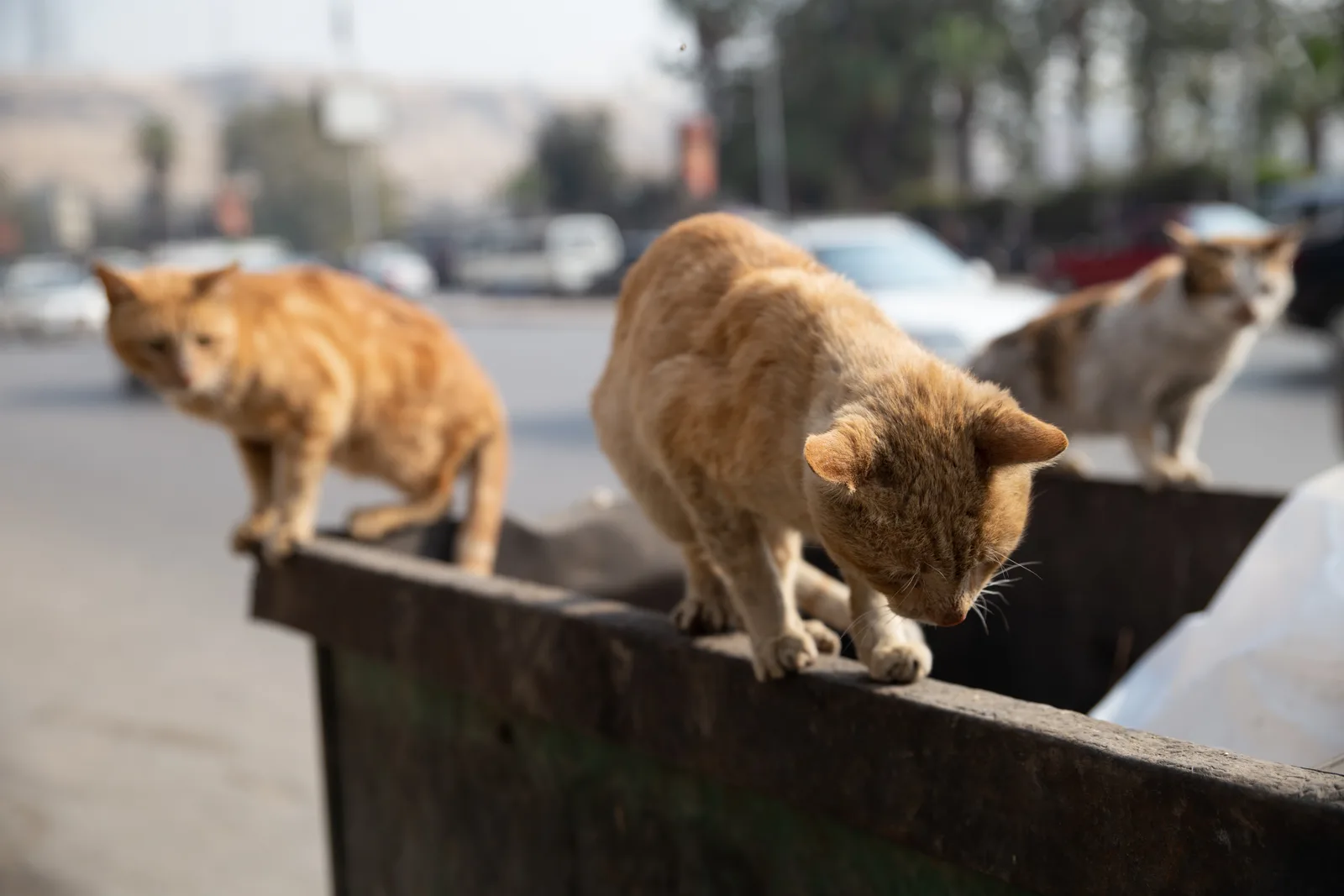
«Кеда галят» («Так неправильно»): жестокое обращение с животными — преступление по египетскому УК с 1937 года
Сосед раскладывает отравленные миски у школьной ограды, а хозяин повозки бьёт осла палкой по морде под непосильным грузом. Многие полагают, что «это всего лишь животное», а значит закон его не защищает. На самом деле статьи 355, 356 и 357 Уголовного кодекса Египта предусматривают наказание вплоть до тюрьмы за убийство, отравление и жестокое обращение с животными. Накануне Всемирного дня животных мы объясняем, что говорит закон.
3 октября 2026 г. · 6 мин. чтения
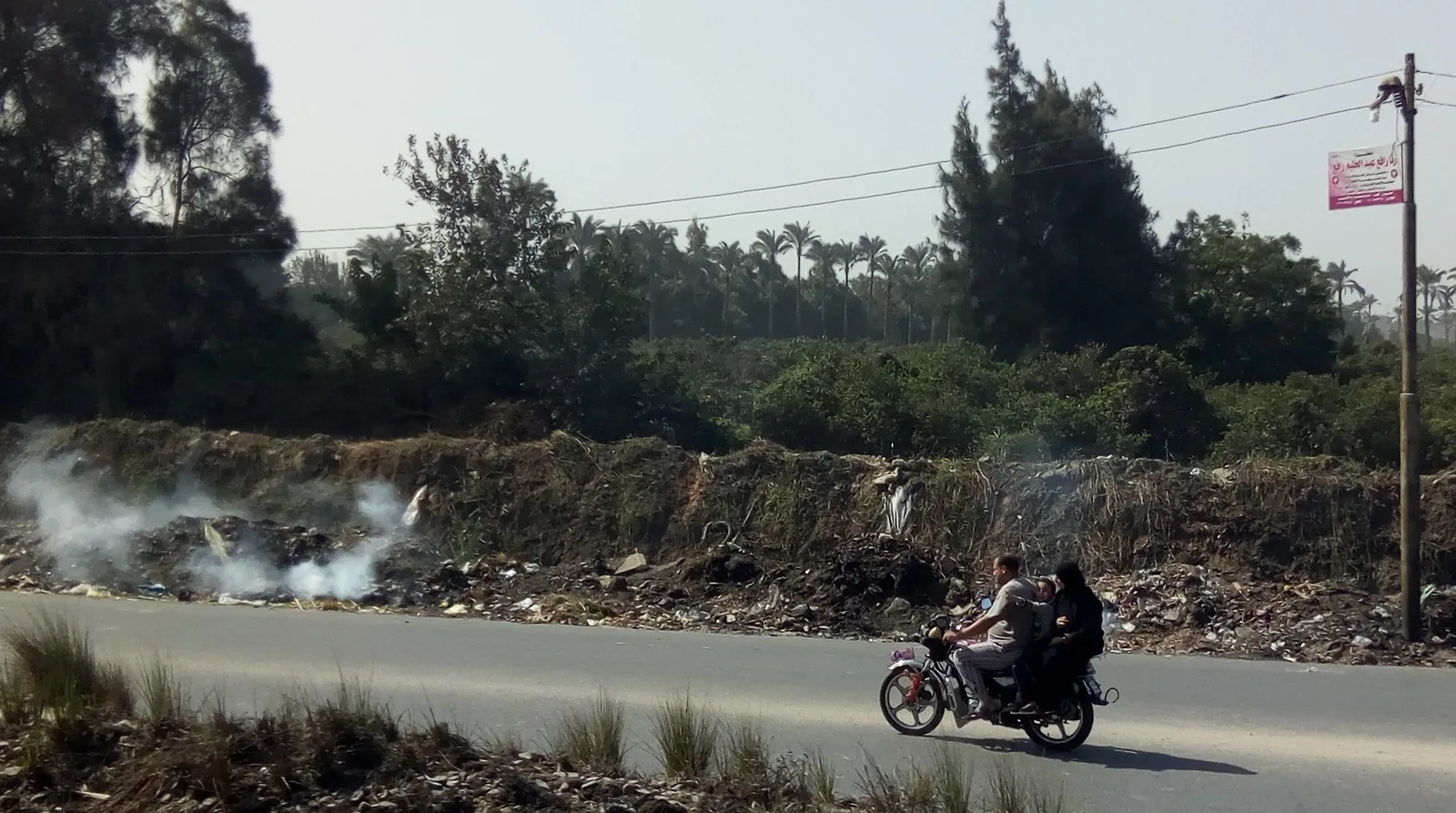
Четверо на мотоцикле без шлема: непокрытая голова — самое дорогое, что может потерять семья на дороге
На второй неделе учёбы повторяется одна картина: отец за рулём, ребёнок впереди, другой позади, мать держит сумки — и ни одного шлема. Пресса со ссылкой на CAPMAS сообщает о росте смертей с 190 до 897 за 2020–2024 годы, тогда как обзор Cochrane показывает, что шлем снижает риск гибели на 42%. Закон наказывает за езду без шлема с 1999 года, штраф повышен в 2008-м. Почему же мы не соблюдаем это правило?
23 сентября 2026 г. · 8 мин. чтения
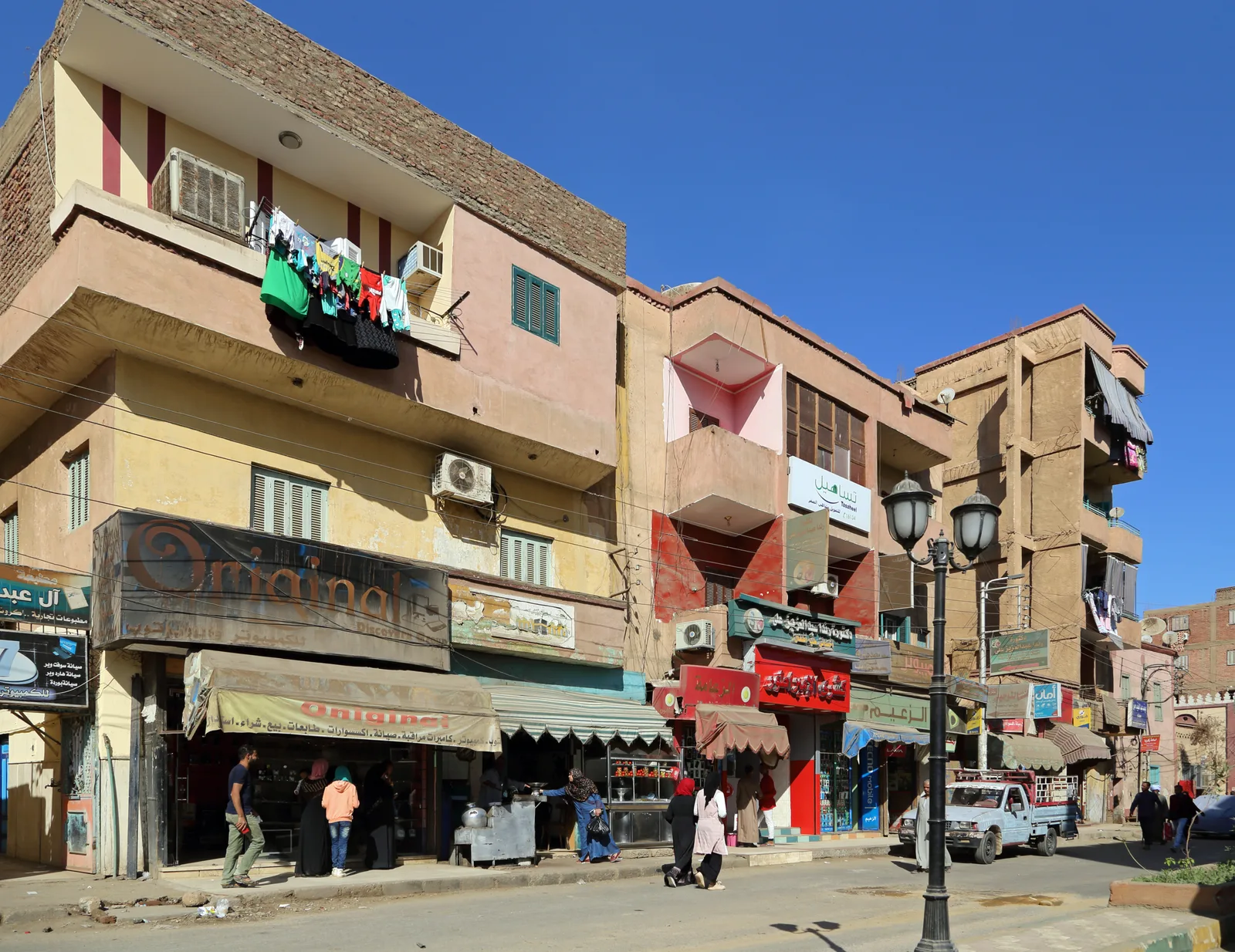
«Скрутка на кабеле» — это не хитрость: кража электроэнергии — преступление, за которое расплачивается весь квартал
Оголённый провод свисает со столба на балкон, кондиционер работает через счётчик, который не крутится, а предохранитель перегорает уже в третий раз, гася свет в доме соседа, исправно платящего по счетам. Статья 71 Закона об электроэнергии называет это незаконным присвоением тока и карает лишением свободы и штрафом, а более суровая поправка ждёт слова Палаты депутатов. Чего лишается вся улица из-за одной врезки? И какова правильная альтернатива?
14 сентября 2026 г. · 7 мин. чтения