Новая административная столица Египта: что это такое, как переезжает правительство и почему не утихают споры о стоимости
Примерно в 45 километрах к востоку от Каира Египет с нуля возводит новый центр государственной власти. Что представляет собой Новая административная столица, как проходит поэтапный переезд министерств, как она связана с Каиром — и почему её стоимость остаётся предметом реальных, документально подтверждённых споров?
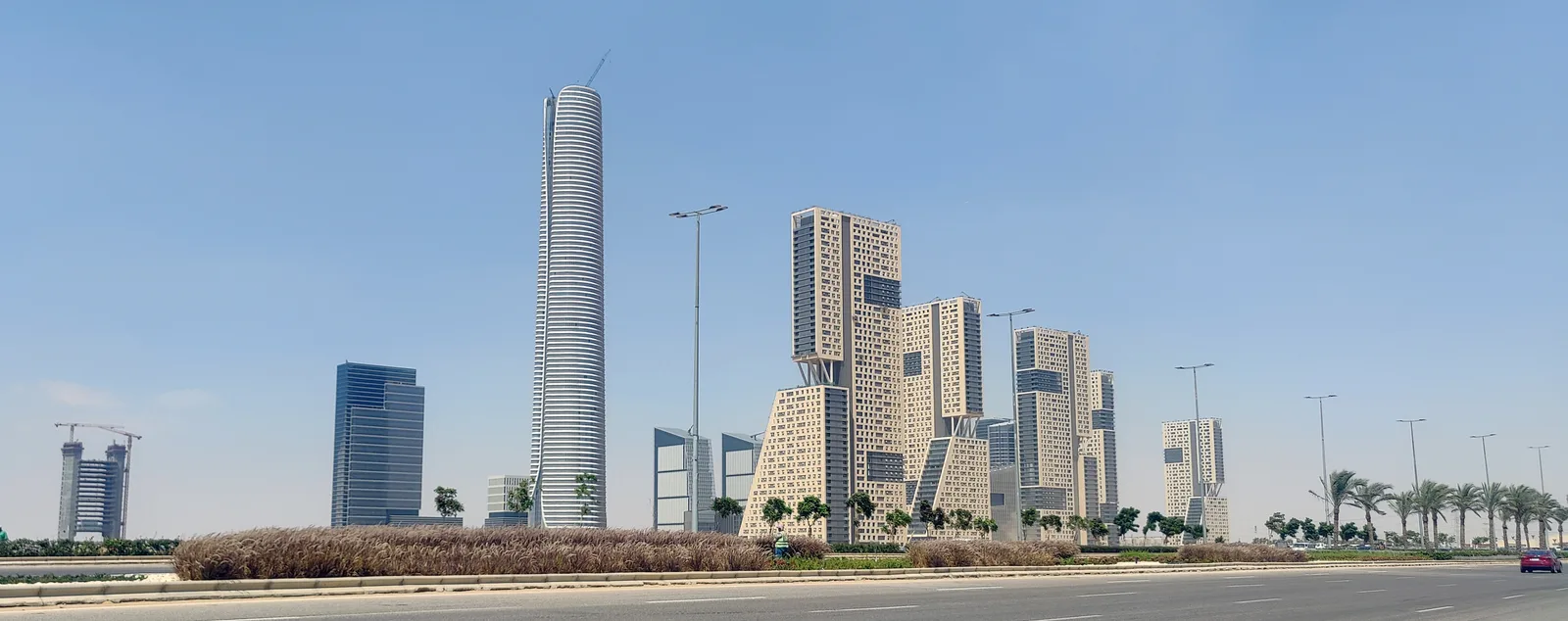
Примерно в сорока пяти километрах к востоку от Каира, на пустынной земле вдоль дороги на Суэц, Египет строит совершенно новый город, которому предстоит стать местом пребывания власти. Проект был объявлен в марте 2015 года на экономической конференции в Шарм-эш-Шейхе, и Новая административная столица считается крупнейшим из всех проектов новых городов в стране. Этот материал объясняет, что представляет собой город, как проходит поэтапный переезд государственного аппарата, как он связан с Каиром и почему его стоимость остаётся предметом задокументированной общественной дискуссии.
На бумаге проект занимает около семисот квадратных километров — площадь, которую нередко сравнивают с Сингапуром. Генеральный план предусматривает правительственный квартал с министерствами и кабинетом министров, новое здание парламента, президентский квартал, деловой и финансовый район, в центре которого возвышается башня «Айконик Тауэр», дипломатический квартал для посольств, жилые районы и университеты, огромный центральный парк, известный как «Зелёная река», а также спортивные сооружения. Проектировщики говорят о городе, который со временем сможет принять миллионы жителей, хотя формирование населения идёт куда медленнее, чем строительство башен.
Официальная логика проекта начинается с самого Большого Каира — агломерации, население которой намного превышает двадцать миллионов человек, а улицы, коммунальные сети и жилой фонд изнемогают под давлением непрекращающегося роста. Десятилетиями министерства работали в старых переполненных зданиях, разбросанных по центру Каира, что осложняло и повседневное управление, и дорожное движение. С семидесятых годов прошлого века Египет строит города-спутники — Шестое октября, Новый Каир, Десятое рамадана, — чтобы вывести рост за пределы узкой полосы долины Нила, и административная столица стала самой амбициозной главой этой давней политики.
Развитием города занимается Компания административной столицы по городскому развитию, известная под сокращением «АКУД», собственность которой распределена между земельными структурами, подчинёнными вооружённым силам, и министерством жилищного строительства. Официальные лица неоднократно описывали проект как самоокупаемый: компания продаёт застройщикам подготовленные участки и недвижимость и направляет вырученные средства на финансирование инфраструктуры, не обращаясь напрямую к государственному бюджету. Однако экономисты и критики усомнились в том, насколько полным оказывается такое разделение на практике, указывая на гарантии, государственные контракты и займы, которые в конечном счёте связаны с государственными финансами.
Облик города уже определяют несколько знаковых сооружений. Башню «Айконик Тауэр» в деловом квартале широко называют самым высоким зданием Африки, а мечеть Аль-Фаттах Аль-Алим и собор Рождества Христова — открытый в январе 2019 года и считающийся одной из крупнейших церквей Ближнего Востока — задают религиозную архитектуру города. Широкий правительственный променад, восьмиугольный комплекс министерства обороны, новые университеты, город искусств и культуры и исполинский флагшток довершают первое впечатление, намеренно рассчитанное на монументальность.
Переезд правительства шёл намеренно поэтапно. После нескольких лет строительства и опытной эксплуатации министерства начали постепенно переводить сотрудников в правительственный квартал, начиная с пилотных групп служащих и лишь затем расширяя переводы. Заседания кабинета министров, сессии парламента и президентские функции постепенно смещались на восток. Переезд затрагивает десятки тысяч сотрудников, новые схемы оплаты труда и транспорта, а также цифровую перестройку рабочих процедур, которую чиновники подают как возможность модернизировать саму систему управления, а не просто сменить её адрес.
Поскольку большинство сотрудников по-прежнему живёт в Большом Каире, транспорт остаётся ежедневным испытанием для проекта. Электрическая линия лёгкого рельсового транспорта соединяет город с пересадочным узлом «Адли Мансур», где она смыкается с третьей линией каирского метро; строится монорельс, который свяжет восток Каира с районами новой столицы. Город обслуживают также региональные автобусы и расширяющаяся сеть дорог, а в планах — высокоскоростные поезда. Для тех, кто ездит каждый день, стоимость и продолжительность поездки остаются решающими обстоятельствами жизни.
Именно вокруг стоимости задокументированный спор разгорается сильнее всего. Оценки полной застройки, звучавшие на протяжении лет, доходят до десятков миллиардов долларов, а окончательных проверенных цифр в открытом доступе нет. Критики — среди них египетские экономисты и голоса оппозиции — спрашивают, должно ли государство с тяжёлым внешним долгом ставить новую столицу выше развития существующих городов, школ и больниц. Сторонники отвечают, что продажа земли финансирует работы, а сам проект привлекает инвестиции. Это реальное и продолжающееся расхождение, и его стоит понимать таким, какое оно есть.
Градостроители задают вопросы, выходящие за рамки денег: не опустошит ли переток власти и бизнеса на восток исторический Каир — или, напротив, разгрузит его настолько, что позволит отреставрировать его наследное ядро? Способен ли город, спланированный вокруг широких магистралей и закрытых жилых комплексов, вырастить ту уличную жизнь, которая придаёт египетским городам живость? И как обеспечить воду, услуги и доступное жильё в пустыне в таком масштабе? Именно от ответов на эти вопросы будет зависеть долгосрочная оценка проекта.
История предлагает противоречивые прецеденты. Столицы, построенные с нуля, — Бразилиа, Исламабад, Абуджа, Астана — десятилетиями превращались из административных площадок в живые города, а некоторым это так и не удалось до конца. Новая столица Египта уже выполняет свою функцию места пребывания власти; станет ли она местом, где миллионы людей действительно живут, работают и чувствуют себя своими, — история, которая будет разворачиваться на протяжении целого поколения. А пока самый честный итог таков: город существует, переезд идёт, а спор о его цене и приоритетах продолжается.
Материалы по теме
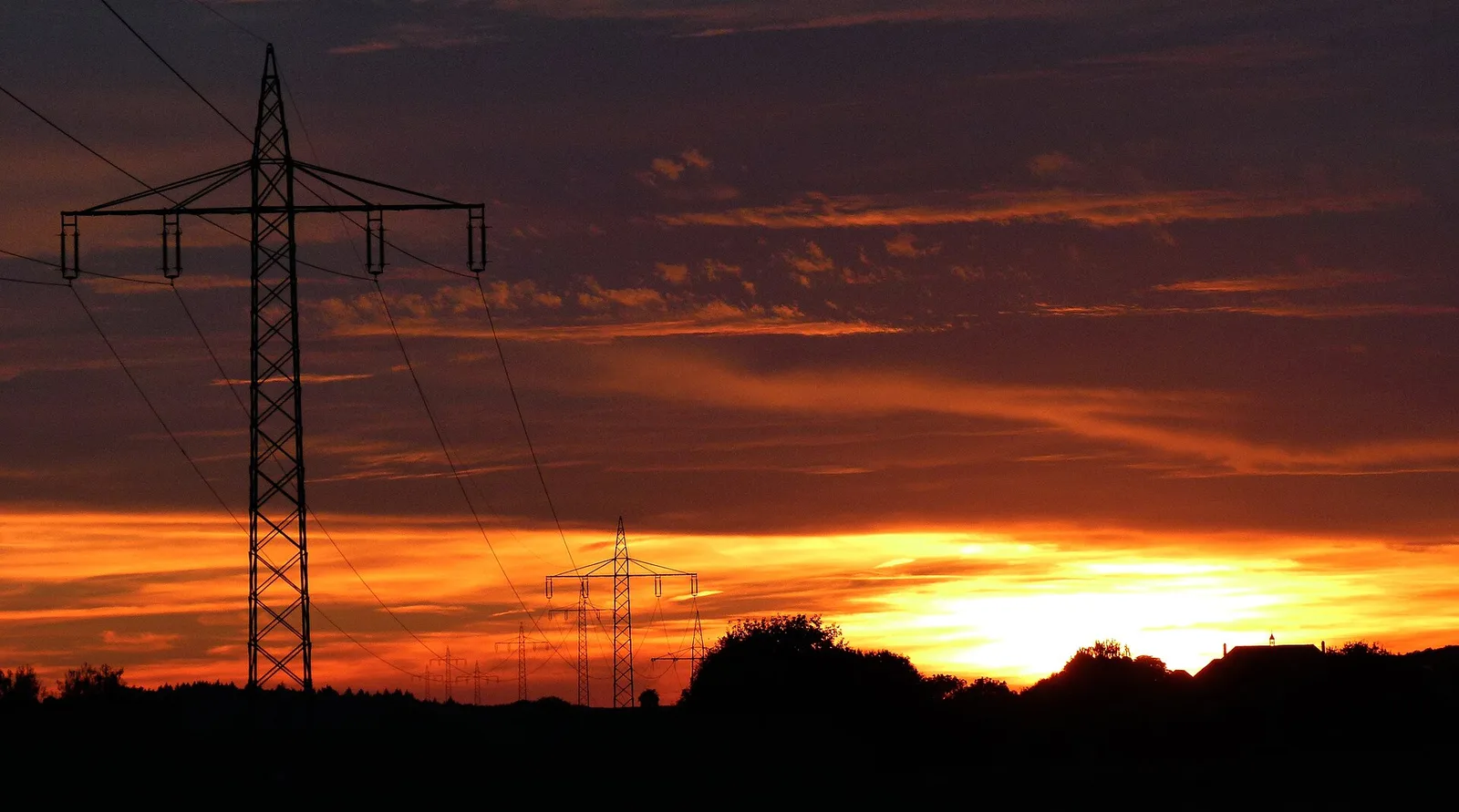
Августовский пик: энергосистема Египта впервые преодолела 40 000 МВт — без веерных отключений
Во время жары на прошлой неделе национальная энергосистема Египта впервые в истории превысила отметку 40 000 МВт, и веерные отключения не вернулись. Как удалось сохранить поставки топлива после атаки дрона в Думьяте и что новые тарифы означают для вашего счёта за электричество.
19 августа 2026 г. · 7 мин. чтения
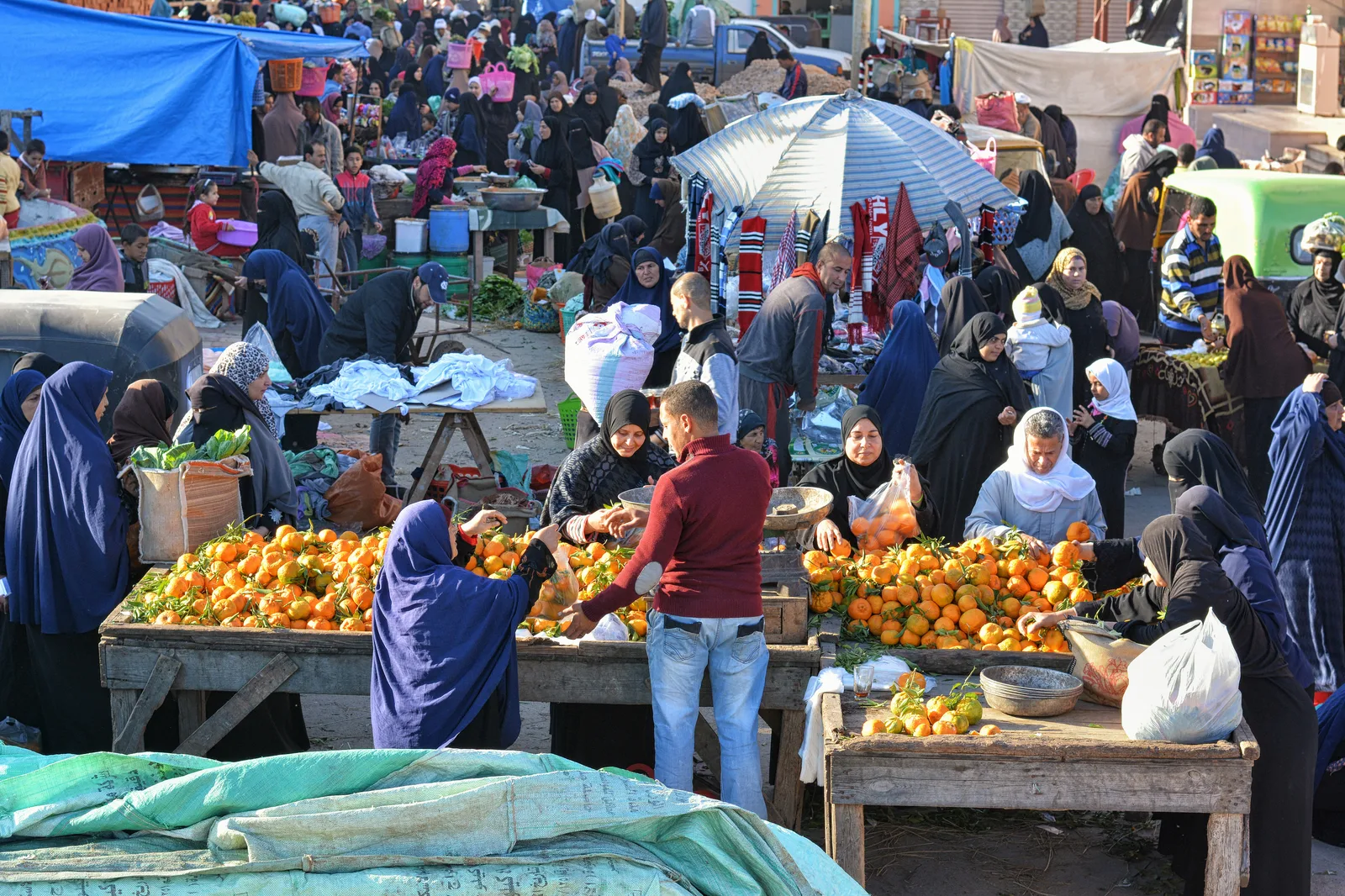
Экономика Египта в двух цифрах: рост на 5,2% и регион на грани эскалации
Правительство отчиталось о росте на 5,2% за девять месяцев и одновременно пересматривает антикризисные сценарии на случай региональной эскалации. Инфляция достигла 14,9%, доллар держится около 50 фунтов. Что эти цифры значат для кошелька рядового египтянина?
18 августа 2026 г. · 7 мин. чтения
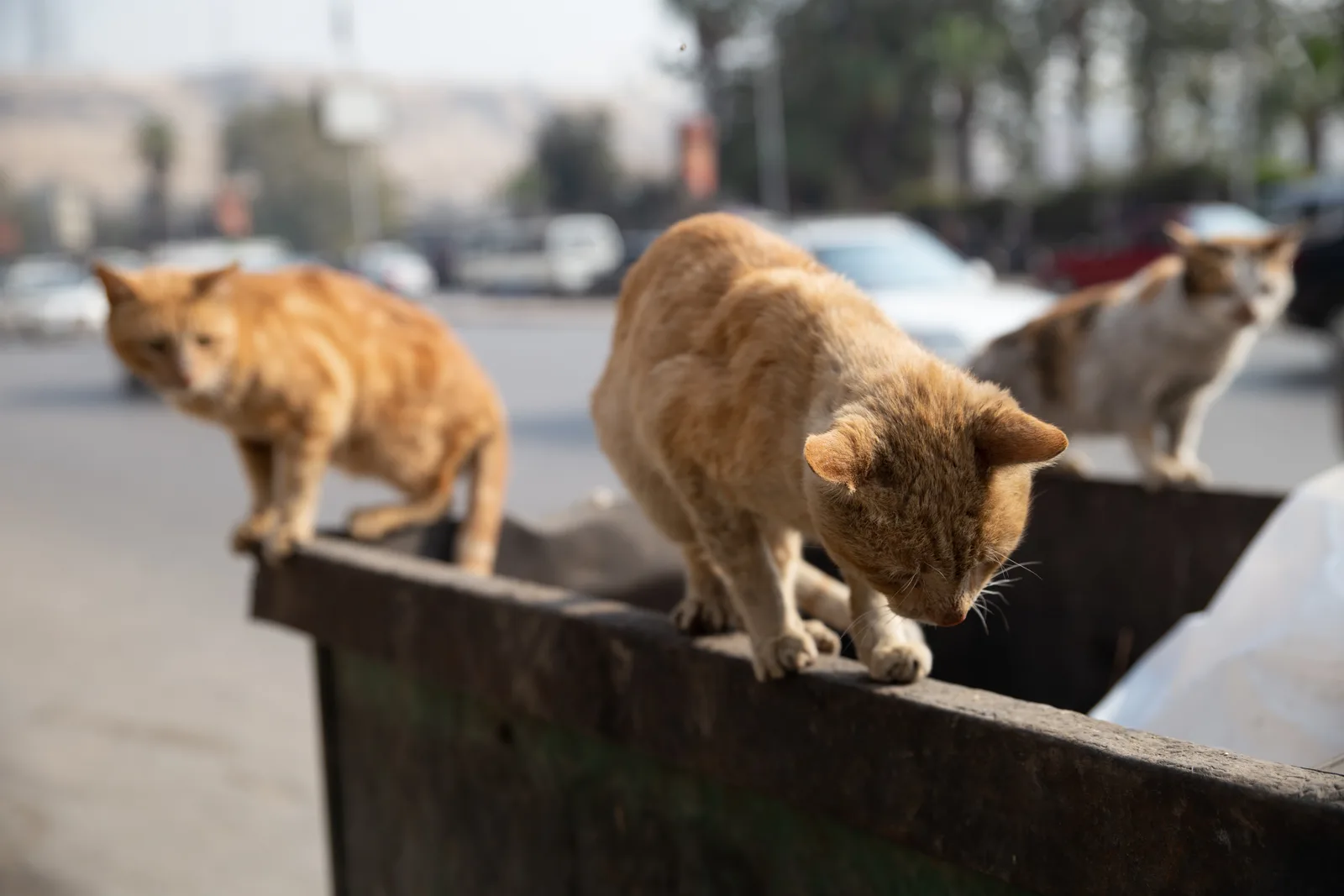
«Кеда галят» («Так неправильно»): жестокое обращение с животными — преступление по египетскому УК с 1937 года
Сосед раскладывает отравленные миски у школьной ограды, а хозяин повозки бьёт осла палкой по морде под непосильным грузом. Многие полагают, что «это всего лишь животное», а значит закон его не защищает. На самом деле статьи 355, 356 и 357 Уголовного кодекса Египта предусматривают наказание вплоть до тюрьмы за убийство, отравление и жестокое обращение с животными. Накануне Всемирного дня животных мы объясняем, что говорит закон.
3 октября 2026 г. · 6 мин. чтения