Одна река, одиннадцать государств: дипломатия бассейна Нила простыми словами
Египет берёт из Нила более девяти десятых своей пресной воды и стоит последним по течению реки, которую делят одиннадцать стран. От соглашений 1929 и 1959 годов до Инициативы бассейна Нила и плотины «Возрождение» — разбираем карту интересов, права и переговоров в одном из важнейших досье национальной безопасности Египта и арабского мира.
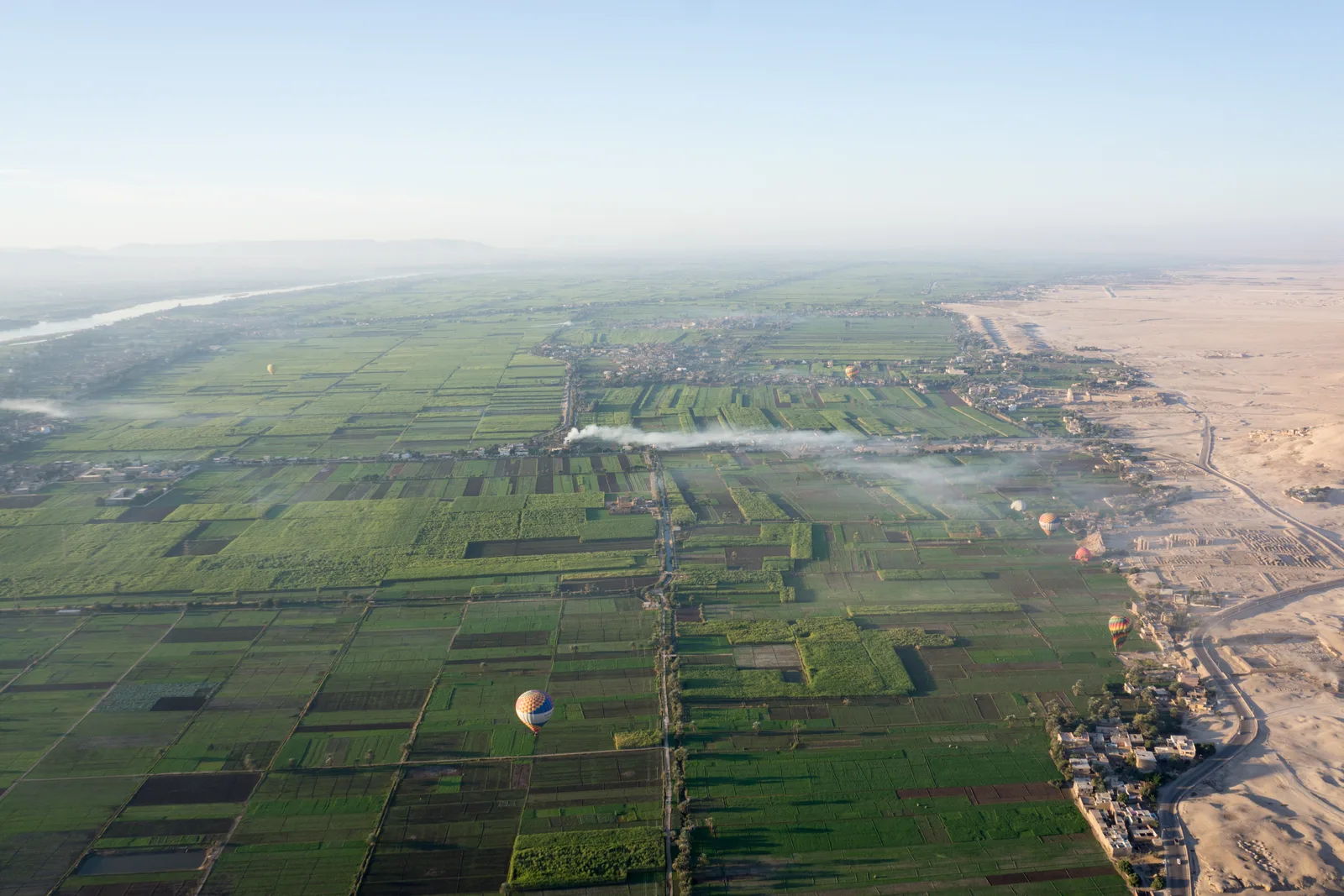
Нил — не просто река, текущая через Египет; он причина самого его существования, как заметил греческий историк Геродот, назвавший эту страну «даром Нила». Сегодня бассейн реки делят одиннадцать государств — от экваториальных озёр Африки до Средиземного моря, и Египет стоит в самом конце течения, завися от реки более чем на девять десятых своих возобновляемых пресноводных ресурсов. Именно это делает дипломатию бассейна в полном смысле слова вопросом выживания.
Река тянется примерно на 6650 километров, что делает её самой длинной в мире или одной из самых длинных, и питается двумя основными рукавами: Белым Нилом, спускающимся с озёр экваториального плато, и Голубым Нилом, срывающимся с Эфиопского нагорья, который вместе с рекой Атбара даёт львиную долю — около 85 процентов — воды, доходящей до Египта, особенно в сезон разлива.
Зависимость Египта от реки почти абсолютна: дождей здесь мало, пустыня покрывает большую часть территории, а после того как население перевалило за сто миллионов человек, обеспеченность возобновляемой водой на душу населения опустилась заметно ниже международно признанной черты водной бедности в тысячу кубометров в год — в последние годы она приблизилась даже к половине этого порога.
Юридическая позиция Египта опирается на исторические соглашения, прежде всего на договор 1929 года, заключённый с Великобританией от имени её восточноафриканских колоний, и на соглашение 1959 года с Суданом, которое распределило сток реки, измеряемый у Асуана: около 55,5 миллиарда кубометров Египту и 18,5 миллиарда Судану. Однако страны верховьев никогда не были сторонами этих договорённостей и открыто их отвергают, считая колониальным наследием, которое их не связывает.
Государства бассейна пытались выстроить общую основу: сначала через «Инициативу бассейна Нила», запущенную в 1999 году как площадку технического сотрудничества и укрепления доверия, затем через Рамочное соглашение о сотрудничестве, подписанное в Энтеббе в 2010 году, к которому присоединились несколько стран верховьев, тогда как Египет и Судан сделали оговорки к положениям о водной безопасности и исторических правах. До сих пор у бассейна нет правовой основы, объединяющей все его государства.
Великая эфиопская плотина Возрождения вывела спор в центр международной политики. С начала строительства в 2011 году на Голубом Ниле вблизи суданской границы она выросла в одну из крупнейших гидроэнергетических плотин Африки с водохранилищем ёмкостью около 74 миллиардов кубометров. Эфиопия видит в ней локомотив развития и способ дать электричество десяткам миллионов своих домов; Каир и Хартум видят проект, задевающий их жизненную артерию, пока его не регулируют обязывающие правила.
Требования Египта и Судана сводятся к юридически обязывающему соглашению, которое регулировало бы наполнение водохранилища и правила эксплуатации плотины, устанавливало чёткие протоколы на годы затяжной засухи, регулярные механизмы обмена данными и гарантии конструкционной безопасности, — чтобы управление рекой не превращалось в односторонние решения, принимаемые в верховьях, последствия которых несут страны низовьев.
Переговорный процесс прошёл несколько этапов, важнейший из которых — Декларация принципов, подписанная лидерами трёх стран в Хартуме в 2015 году, а затем раунды под эгидой Соединённых Штатов и Всемирного банка и позже Африканского союза, так и не приведшие к обязывающему соглашению. Эфиопия тем временем продолжала этапы наполнения от одного сезона дождей к другому, и турбины плотины реально начали вырабатывать электроэнергию.
Внутри страны Египет не ждёт итогов переговоров сложа руки: он расширил очистку и повторное использование сельскохозяйственных дренажных вод на гигантских станциях, первая среди которых — Бахр эль-Бакар, входящая в число крупнейших в мире, а также опреснение морской воды на побережье, восстановление и облицовку каналов, более рациональный полив на полях и ограничение площадей под влаголюбивыми культурами вроде риса.
Многие специалисты напоминают, что река способна стать мостом сотрудничества, а не полем спора: объединение энергосистем, торговля электроэнергией и совместные вложения в накопление воды, сельское хозяйство и судоходство могли бы принести всему бассейну выгоды, превосходящие любой односторонний выигрыш, — тем более при неуклонном росте населения в странах бассейна и давлении климатических изменений на всех без исключения.
Для египетского и арабского читателя это по-прежнему история национальной безопасности по преимуществу: вода здесь не просто экономический ресурс, а само условие жизни. Именно поэтому дипломатия бассейна Нила — с её переговорами, саммитами и правовыми рамками — останется одним из важнейших направлений египетской внешней политики на десятилетия вперёд.
Материалы по теме
Дыра в небе, залатанная договором: Монреальский протокол и роль Египта в спасении озонового слоя
16 сентября мир отмечает Международный день охраны озонового слоя — годовщину договора, ратифицированного всеми странами мира, который действительно сработал. От научной статьи 1974 года до подписания в Монреале в 1987-м, ранней ратификации Египтом в 1988-м и Кигалийской поправки 2023 года: история баллона с хладагентом в руках техника и того, почему учёные ожидают исцеления неба к 2040 году.
16 сентября 2026 г. · 7 мин. чтения
Лига арабских государств: дом арабов, чьи окна смотрят на площадь Тахрир
В нескольких шагах от площади Тахрир стоит «дом арабов»: одна из старейших региональных организаций мира, родившаяся в Каире раньше самого Устава ООН. Как работают её саммиты и генеральный секретариат? Почему её решения обязательны только для тех, кто с ними согласился? И что за история с переездом в Тунис и возвращением обратно? Прогулка внутрь старого соседа, мимо которого мы проходим каждый день и о котором почти ничего не знаем.
2 сентября 2026 г. · 7 мин. чтения
Под синим сводом: как работает ООН и у кого право вето в Совете Безопасности?
Стоит вспыхнуть кризису — и вы слышите: Совет Безопасности собрался на экстренное заседание, а некая держава применила «вето». Но что происходит на самом деле под синим сводом? Путь от зала Генеральной Ассамблеи к столу в форме подковы: как рождается резолюция ООН, когда она обязательна, как одно-единственное слово способно её убить и где во всей этой картине место Египта?
26 августа 2026 г. · 8 мин. чтения