Нил задыхается от пластика: ежедневная битва за спасение жизненной артерии Египта
От рыбацких лодок, в сети которых бутылки попадаются раньше рыбы, до уборочных инициатив, выросших в маленькую экономику на берегах реки, — история пластика, наступающего на артерию жизни Египта, и объяснение, почему эта битва касается каждого египетского дома.
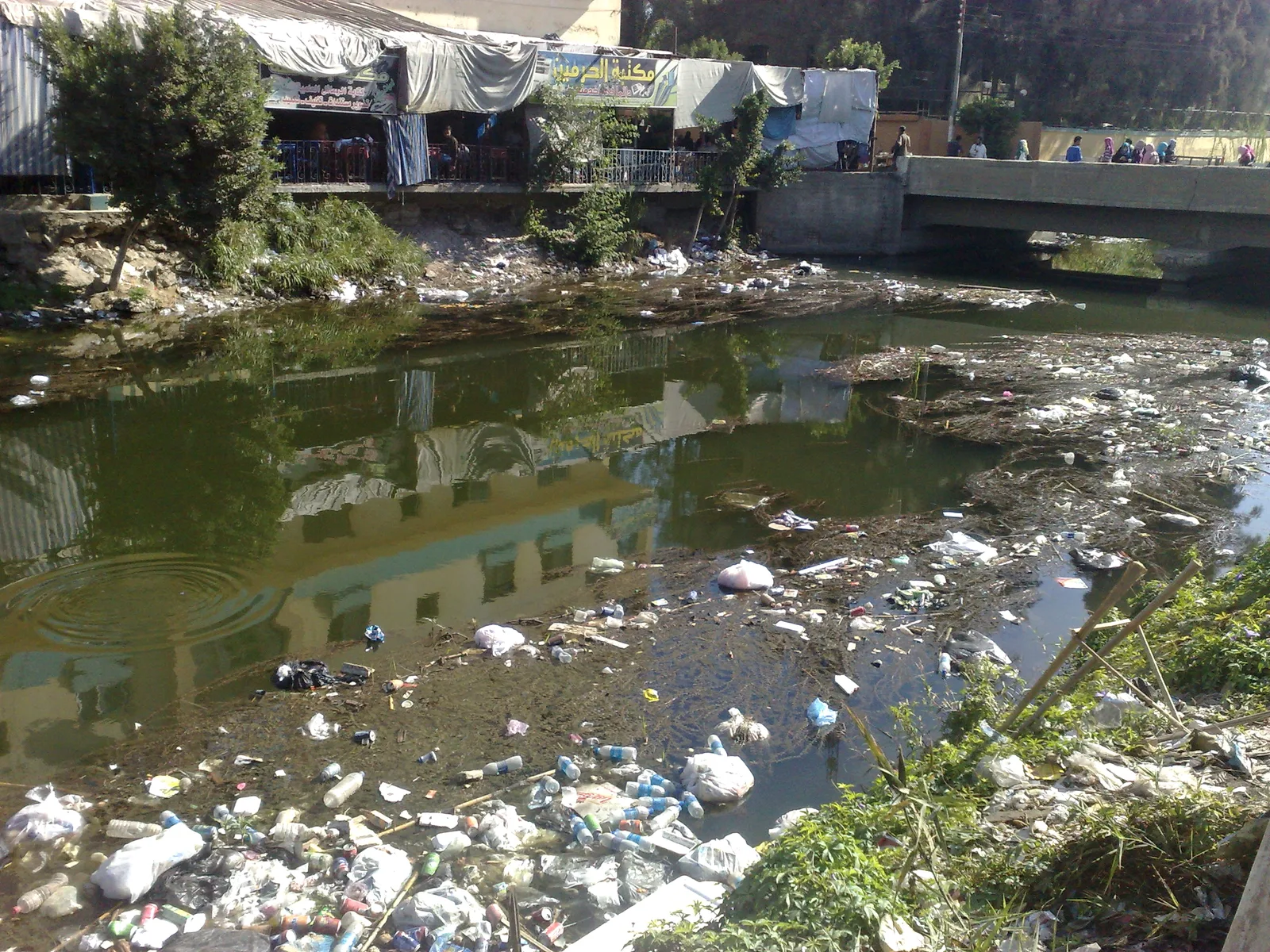
На берегах Нила в Каире рыбаки уже не первый год привыкают к картине, какой не знали их отцы: сеть выходит из воды, и пластиковых пакетов и бутылок в ней порой больше, чем рыбы. Река, дающая Египту около девяноста семи процентов пресной воды, река, на берегах которой поднялась цивилизация возрастом семь тысяч лет, сегодня столкнулась с противником, созданным нашими собственными руками, — с одноразовым пластиком.
Масштаб проблемы больше не является предметом научного спора. Международные исследования, проследившие путь рек, которые выносят пластиковые отходы в моря, поставили Нил в число крупнейших рек мира с самой тяжёлой пластиковой нагрузкой, а сменявшие друг друга региональные доклады отнесли Египет к крупнейшим источникам утечки пластика в Средиземное море, которое и без того относительно своих размеров остаётся одним из самых загрязнённых пластиком морей планеты. Пакет, брошенный в оросительный канал в глубине Дельты, не исчезает: он лишь начинает долгий путь к реке, а затем к морю.
Опаснее того, что видит глаз, — то, чего он не видит. Пластик не исчезает в воде, а распадается на мельчайшие частицы, известные как микропластик. Опубликованные научные работы зафиксировали эти частицы в нильской рыбе, и прежде всего в тиляпии — главной рыбе на столах египтян. Так брошенное нами в реку возвращается к нам через тарелку, замыкая молчаливый круг, из которого никому не выбраться.
Как мы к этому пришли? Причины переплетены: пакеты, которые бесплатно и без счёта раздают в каждой лавке и в каждом кафе; культура одноразовости, при которой бутылка, стакан и вилка служат считаные минуты, а остаются на века; и прорехи в системе сбора отходов, из-за которых в некоторых районах каналы и дренажные канавы превращаются в открытые свалки. Дело не в самом материале, а в модели потребления, которая относится к тому, что живёт в природе столетиями, как к вещи без ценности и без последствий.
И всё же на берегах той же реки родилась одна из самых вдохновляющих историй сопротивления. В 2018 году две молодые египетские общественные и экологические организации запустили инициативу «VeryNile», представленную как первая программа, целиком посвящённая очистке Нила от мусора. Она начиналась с волонтёрских рейдов на каяках, собиравших то, что плавает на поверхности, а затем переросла в модель с куда более глубоким и долговременным эффектом.
Сердцевина этой модели — сами рыбаки, и прежде всего жители острова Курсая посреди Нила в Каире. Вместо того чтобы оставаться врагом, который рвёт сети и лишает заработка, пластик стал ресурсом: рыбаки собирают мусор из реки и получают плату за каждый килограмм, затем сырьё сортируют, перерабатывают и пускают во вторичный оборот, а часть превращают в товары, выручка от продажи которых возвращается в ту же систему. Так уборка реки из сезонной благотворительности превратилась в небольшую устойчивую экономику на берегу.
Эта история не оторвана и от куда более давней египетской традиции переработки. Каирские мусорщики, известные как заббалин, за десятилетия выстроили одну из самых эффективных неформальных систем сбора вторсырья в мире: исследования подтверждают, что они возвращают в оборот исключительно высокую долю собранного. Любое серьёзное решение пластикового кризиса в Египте лежит через признание и включение этого накопленного опыта, а не через попытку его обойти.
На уровне государственной политики сделаны задокументированные шаги: губернаторство Красное море с 2019 года запретило одноразовый пластик, защищая морскую среду и рифы, на которых держится экономика дайвинга и туризма, а министерство окружающей среды развернуло общенациональные кампании по сокращению потребления пластиковых пакетов и продвижению альтернатив. Задокументированный международный опыт — от сборов за пакеты до полного запрета в ряде стран — доказывает, что жёсткая политика резко снижает потребление, когда она сопровождается доступными заменами.
Но одна лишь политика не очистит реку, которой каждый день пользуются миллионы людей: здесь у гражданина есть прямая роль, и никто не исполнит её за него. Золотое правило просто и состоит из трёх шагов: сократить, использовать повторно, переработать. Берите на рынок тканевую сумку вместо десяти пакетов, которые через час окажутся в мусоре; носите бутылку, которую можно наполнить снова, вместо тех, что выбрасывают; отказывайтесь от трубочки и пакета, когда они вам не нужны; никогда не превращайте канал или канаву в свалку, что бы ни делали другие; и, если можете, присоединяйтесь к кампаниям по уборке, которых становится всё больше на берегах.
Свою долю обязательств, которая не истекает со временем, несут и компании: тот, кто помещает товар в упаковку, отвечает и за её дальнейшую судьбу — этот принцип известен во всём мире как расширенная ответственность производителя. Сокращение упаковки, тара, пригодная для повторного наполнения, поддержка систем приёма вторсырья — во многих странах всё это давно стало обязанностью, а не пожертвованием, и мировая тенденция уверенно движется к их закреплению.
Кто-то возразит, что реку такой длины не спасти тканевыми сумками и каяками, — возражение было бы справедливым, если бы борьба велась одним-единственным инструментом. Но египетский и международный опыт доказывает: решения складываются. Здесь — политика, ограничивающая пакеты, там — инициатива, создающая экономику сбора, плюс осознанность, меняющая привычки миллионов домохозяйств, и промышленность, заново проектирующая свою упаковку. Каждый такой слой снимает часть нагрузки с реки, а разницу создаёт именно их сумма.
Нил дал Египту всё: воду, пищу, ил и саму цивилизацию. Впервые за свою долгую историю река нуждается в том, чтобы дети отплатили ей добром — не лозунгами и не песнями, а вещами более простыми и более трудными: пакетом, который не выбросили, бутылкой, которую использовали снова, привычкой, которая изменилась. Борьба с пластиком — дело не одних лишь экологов; это дело каждого, кто пьёт из этой реки, то есть каждого египтянина.
Материалы по теме
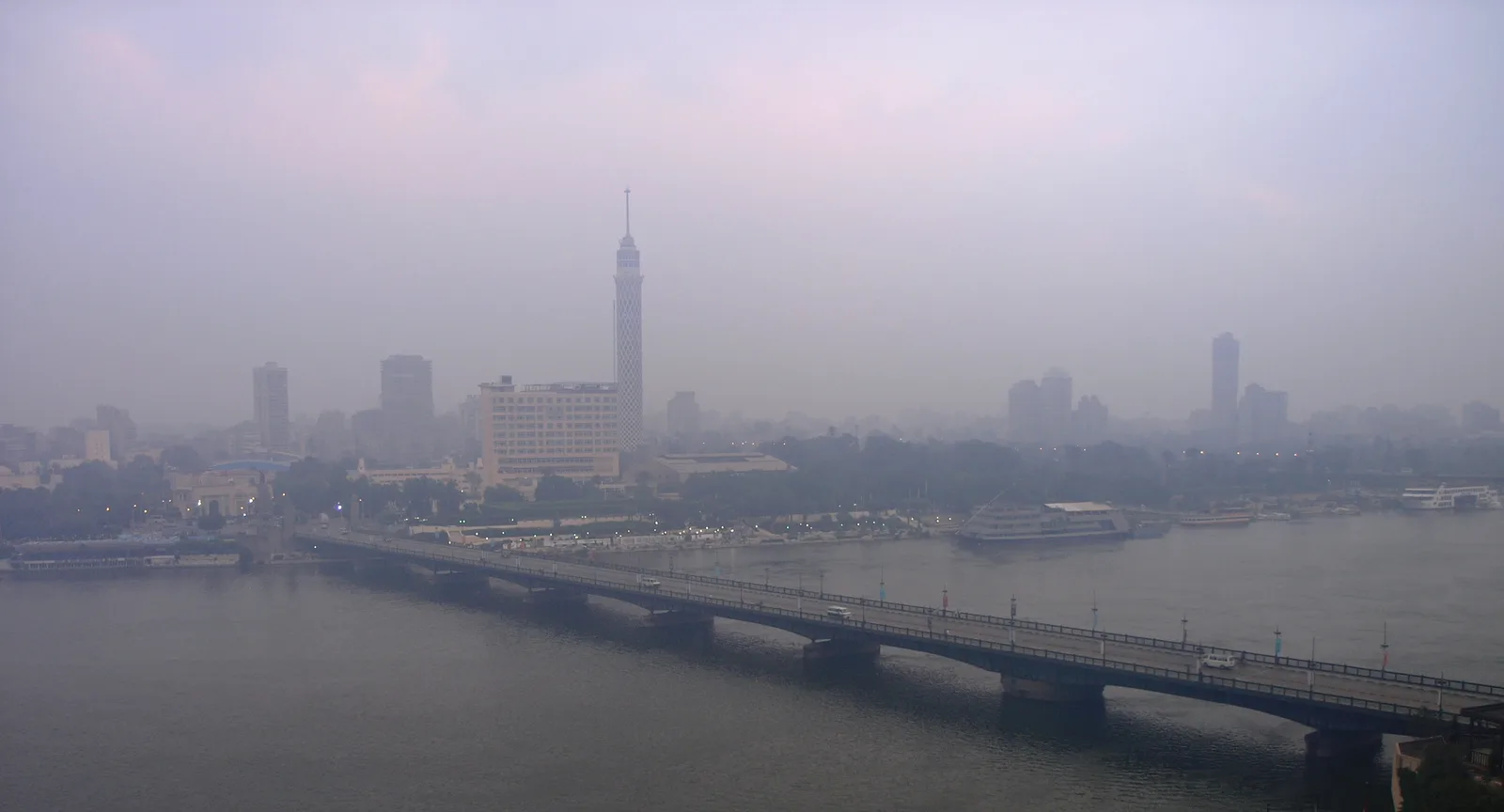
Воздух Каира — дело общенациональное: от «чёрного облака» до электробуса, битва за каждый вдох
Каждую осень «чёрное облако» возвращается и душит Большой Каир, но по-настоящему убивает то, чего мы не видим: частицы тоньше человеческого волоса, проникающие в лёгкие и кровь. Накануне Всемирного дня без автомобиля мы открываем досье одной из самых опасных для здоровья экологических проблем Большого Каира: что говорят цифры, что делается и что можете сделать вы в своей повседневной жизни.
21 сентября 2026 г. · 7 мин. чтения
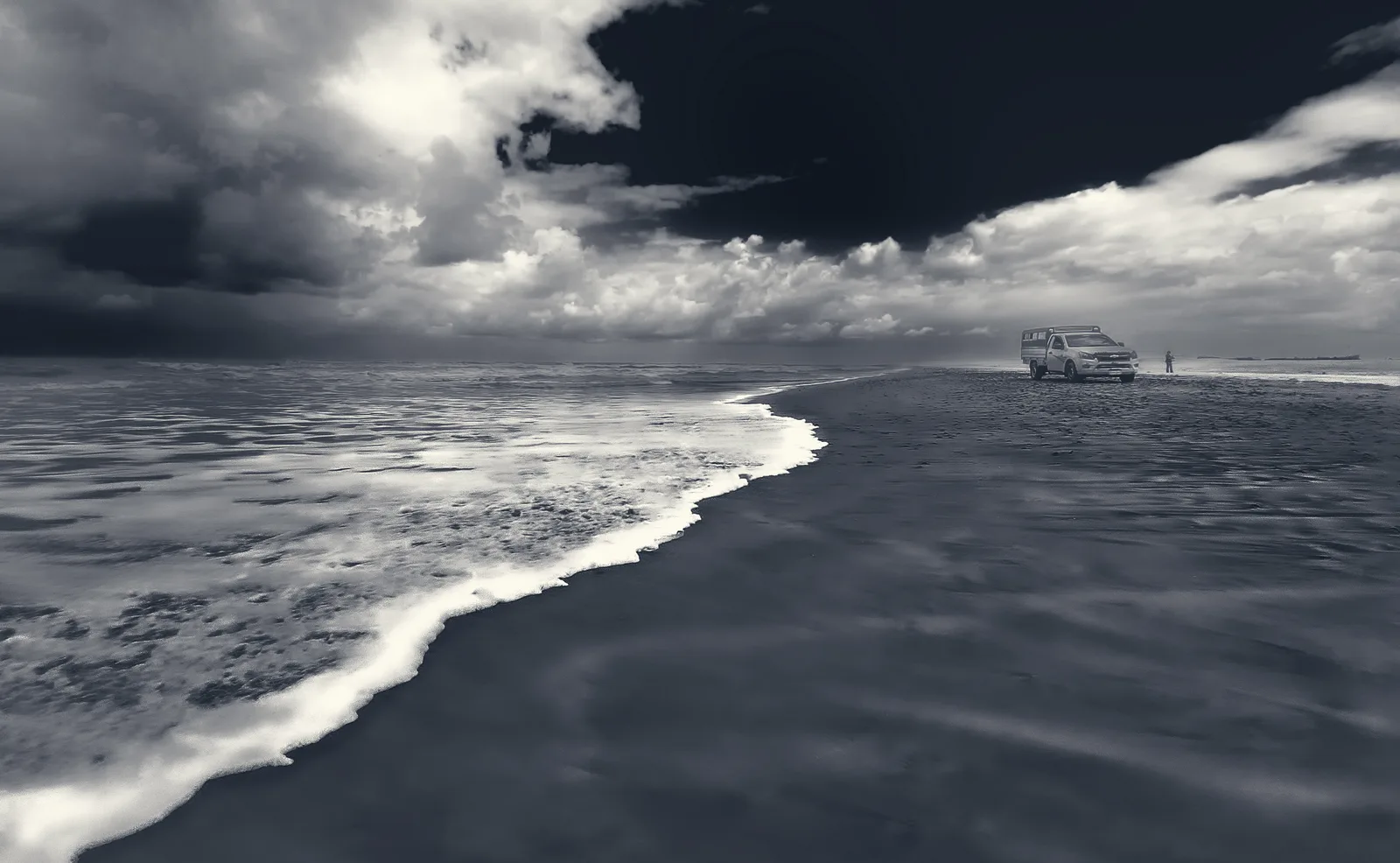
Море наступает на дельту: как Египет защищает свои самые плодородные земли барьерами из песка и тростника
На прибрежной дороге у Бурулуса стоят песчаные дюны, закреплённые тростниковыми изгородями; неподалёку крестьянин пробует воду из колодца — и она солёная. Это тихий кризис, угрожающий четверти населения Египта: море поднимается, а земля опускается. В статье приводятся цифры этой опасности, рассказывается о проекте за 105 миллионов долларов, построившем 69 километров мягких барьеров, и ставится вопрос о роли самого гражданина.
13 сентября 2026 г. · 8 мин. чтения
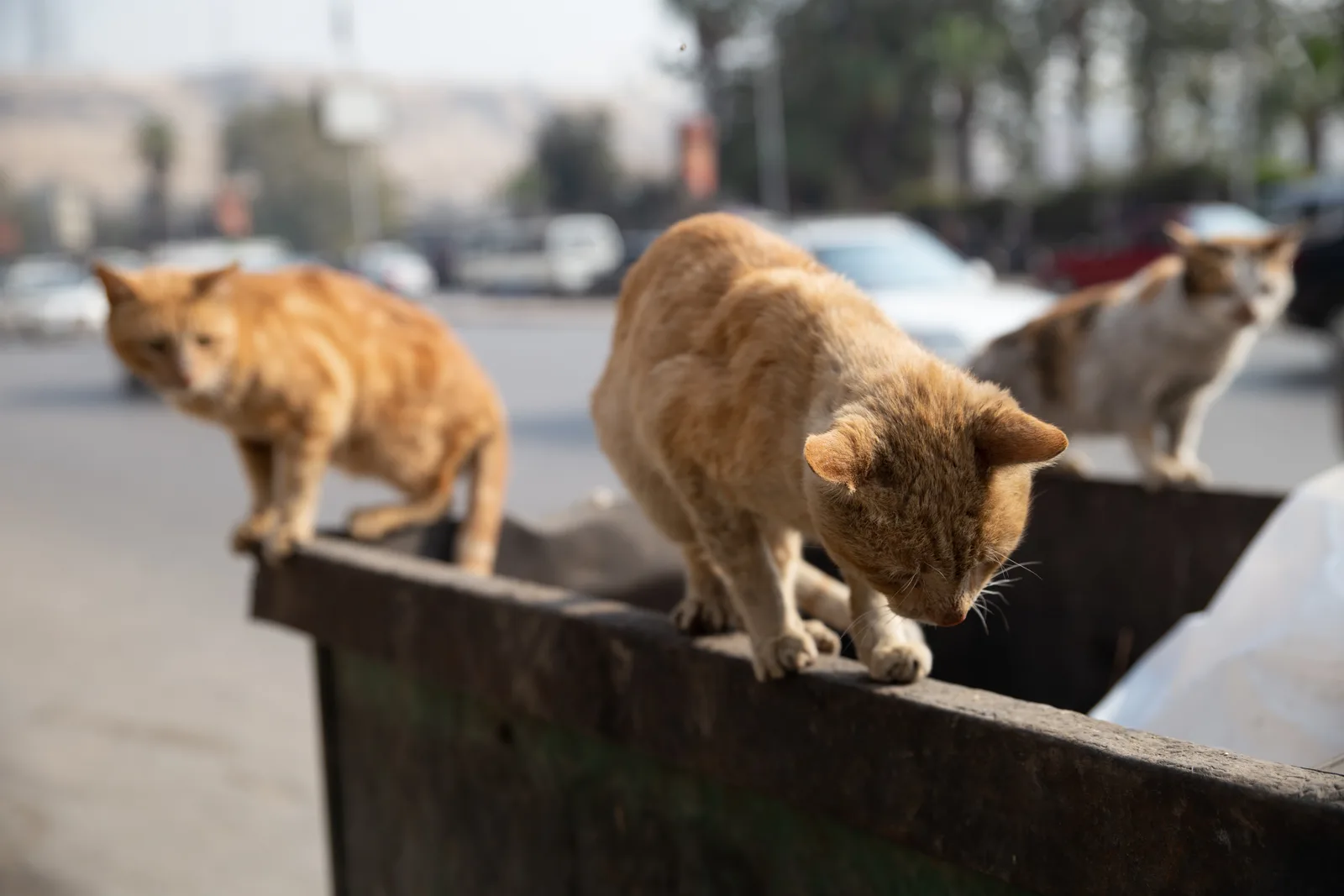
«Кеда галят» («Так неправильно»): жестокое обращение с животными — преступление по египетскому УК с 1937 года
Сосед раскладывает отравленные миски у школьной ограды, а хозяин повозки бьёт осла палкой по морде под непосильным грузом. Многие полагают, что «это всего лишь животное», а значит закон его не защищает. На самом деле статьи 355, 356 и 357 Уголовного кодекса Египта предусматривают наказание вплоть до тюрьмы за убийство, отравление и жестокое обращение с животными. Накануне Всемирного дня животных мы объясняем, что говорит закон.
3 октября 2026 г. · 6 мин. чтения