Тротуар — право гражданина: киоски, выталкивающие пешеходов на смерть в реку дороги
Мать толкает коляску между машинами, старик пробирается на ощупь вдоль микроавтобусов — потому что тротуар, построенный для них, проглочен киоском, холодильниками с напитками и разложенным товаром. Киоск на тротуаре — даже лицензированный — присваивает проход, возведённый для людей, и выталкивает их в реку дороги. Так нельзя: тротуар — не недвижимость под аренду, а артерия безопасности каждого гражданина.
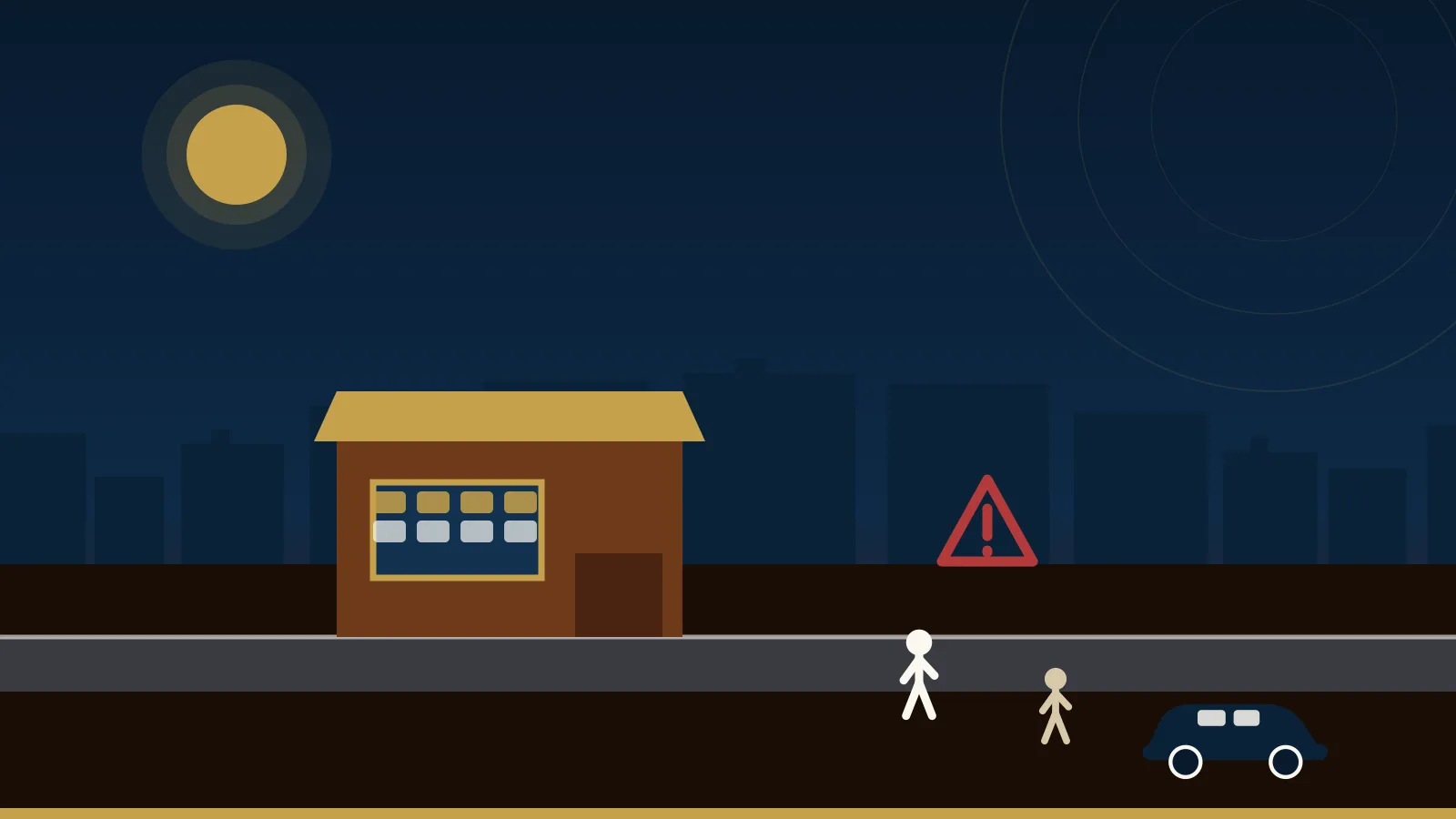
Попробуйте пройти главную улицу любого египетского города из конца в конец по тротуару, ни разу не спустившись на проезжую часть. Во многих кварталах вы не одолеете и первой сотни метров: киоск с сигаретами и газировкой разросся до целой лавки, вокруг — холодильники и ящики с товаром, навесы и стулья, так что прохожим остаётся узкая полоска или вовсе ничего. В итоге — ежедневная картина, настолько привычная, что мы забыли, насколько она чудовищна: люди идут между машинами, потому что предназначенная им дорожка занята.
Скажем прямо: это не вопрос эстетики и не просто вопрос «цивилизованного облика» города, это вопрос безопасности и жизни. Когда пешеход спускается на проезжую часть, он оказывается один на один с автомобилями и мотоциклами, и тяжелее всего приходится самым слабым: ребёнку по дороге в школу, матери с детской коляской, пожилому человеку с медленным шагом, людям с инвалидностью, для которых город без проходимых тротуаров попросту непреодолим. Каждый киоск, перекрывающий тротуар, буквально выталкивает этих людей навстречу опасности.
Ещё до всякого закона это очевидный нравственный проступок. Тротуар — чистая общественная собственность, построенная на общие деньги, чтобы все ходили по ней безопасно; тот, кто занимает её под свой частный промысел, фактически говорит каждому прохожему: мой интерес важнее вашей безопасности, спускайтесь на дорогу и рискуйте сами. Именно об этом ежедневном оскорблении и говорит наша рубрика — о маленькой, снова и снова наносимой ране достоинству гражданина, который на ощупь пробирается между машинами в собственной стране.
И здесь мы подходим к тому, что нужно сказать со всей прямотой: разрешение не делает неправильное правильным. Киоск, которому район выдал разрешение, а он затем разросся и проглотил тротуар, вредит не меньше стихийной палатки, а возможно, и больше — потому что занимает общественный проход с официальной печатью. Лицензия допускает деятельность в очерченных границах и никак не может быть свидетельством о праве собственности на пешеходный путь. А когда орган власти выдаёт разрешение, из-за которого пройти по тротуару невозможно, этот орган сам становится соучастником нарушения.
Египетское право решило этот вопрос принципиально ещё десятилетия назад: закон № 140 от 1956 года о занятии общественных дорог регулирует любое занятие общественного пути и делает его разрешительным исключением с чёткими условиями, а не безусловным правилом, ибо изначально дорога и тротуар — общее право всех, кто по ним проходит. То есть правовая база есть, принцип определён, а не хватает — как обычно в делах этой рубрики — последовательного правоприменения, которое не делало бы разницы между маленьким киоском, большим кафе и известным магазином, вынесшим товар на метры перед витриной.
Будем справедливы и к владельцам киосков: многие из них — кормильцы семей, добывающие свой хлеб, киоск — их единственное дело, и моральной кампании не к лицу превращаться в войну против заработка простых людей. Но справедливость не означает мириться с вредом: честный заработок не строится на риске для жизни прохожих. Решение не в том, чтобы снести киоски, а в том, чтобы ввести их в рамки: чётко отведённая площадь, которую соблюдают, пешеходный проход, к которому не прикасаются, и организованные альтернативные площадки там, где тротуар слишком узок.
Представьте вместе с нами обратную картину — это не фантазия: так устроены многие города мира и уже перепланированные египетские улицы. Сплошной проходимый тротуар, киоск на отведённом ему месте и ни на сантиметр дальше, мать, которая катит коляску от начала улицы до конца, ни разу не сойдя на проезжую часть. Разница между двумя картинами — не в сказочном бюджете, а в воле исполнять правила и во взаимном уважении к очерченным границам.
От владельца киоска мы требуем одного: соблюдайте границы своего разрешения до сантиметра — лишний холодильник и выдвинутый вперёд ящик с товаром это не ловкость, а посягательство на путь других людей. И задайте себе вопрос, который мы задаём каждому герою этой рубрики: согласились бы вы, чтобы ваша мать или ваша дочь шла среди машин, потому что её тротуар занят?
А от государства и местных властей мы требуем: пересмотреть разрешения на занятие тротуаров по одному ясному критерию — сохраняется ли сплошной и достаточный пешеходный проход; убрать всё, что перекрывает тротуары, без поблажек сильным и без жестокости, которая лишает мелкого торговца заработка, не давая ему замены; предусмотреть организованные альтернативные площадки там, где это необходимо; и закладывать право пешехода в любой новый проект планировки или укладки. Ведь тротуар, который построили, а затем отдали под захват, потрачен впустую дважды: один раз — деньгами, другой — своим назначением.
Тротуар — маленькая проверка большой идеи: улица принадлежит всем или тому, кто первым наложил на неё руку? Каждый метр тротуара, возвращённый пешеходам, — это сигнал: право слабого защищено, даже если это всего лишь право пройти. А каждый киоск, проглотивший проход и вытолкнувший людей на проезжую часть, — сигнал обратный, и мы его отвергаем: так нельзя, тротуар — право гражданина прежде любого частного интереса.
Материалы по теме
«Кеда галят» («Так неправильно»): жестокое обращение с животными — преступление по египетскому УК с 1937 года
Сосед раскладывает отравленные миски у школьной ограды, а хозяин повозки бьёт осла палкой по морде под непосильным грузом. Многие полагают, что «это всего лишь животное», а значит закон его не защищает. На самом деле статьи 355, 356 и 357 Уголовного кодекса Египта предусматривают наказание вплоть до тюрьмы за убийство, отравление и жестокое обращение с животными. Накануне Всемирного дня животных мы объясняем, что говорит закон.
3 октября 2026 г. · 6 мин. чтения
Четверо на мотоцикле без шлема: непокрытая голова — самое дорогое, что может потерять семья на дороге
На второй неделе учёбы повторяется одна картина: отец за рулём, ребёнок впереди, другой позади, мать держит сумки — и ни одного шлема. Пресса со ссылкой на CAPMAS сообщает о росте смертей с 190 до 897 за 2020–2024 годы, тогда как обзор Cochrane показывает, что шлем снижает риск гибели на 42%. Закон наказывает за езду без шлема с 1999 года, штраф повышен в 2008-м. Почему же мы не соблюдаем это правило?
23 сентября 2026 г. · 8 мин. чтения
«Скрутка на кабеле» — это не хитрость: кража электроэнергии — преступление, за которое расплачивается весь квартал
Оголённый провод свисает со столба на балкон, кондиционер работает через счётчик, который не крутится, а предохранитель перегорает уже в третий раз, гася свет в доме соседа, исправно платящего по счетам. Статья 71 Закона об электроэнергии называет это незаконным присвоением тока и карает лишением свободы и штрафом, а более суровая поправка ждёт слова Палаты депутатов. Чего лишается вся улица из-за одной врезки? И какова правильная альтернатива?
14 сентября 2026 г. · 7 мин. чтения