Бомба на колёсах: скорость на разваливающихся машинах — пренебрежение жизнью людей
Тормоза, работающие через раз, лысая резина, погасшие фары — а водитель летит по дороге так, будто машина только что сошла с конвейера. Разваливающаяся машина на скорости — не средство передвижения, а движущаяся угроза каждой семье на дороге. Так нельзя: твоя свобода за рулём заканчивается там, где начинается право других доехать до дома живыми.
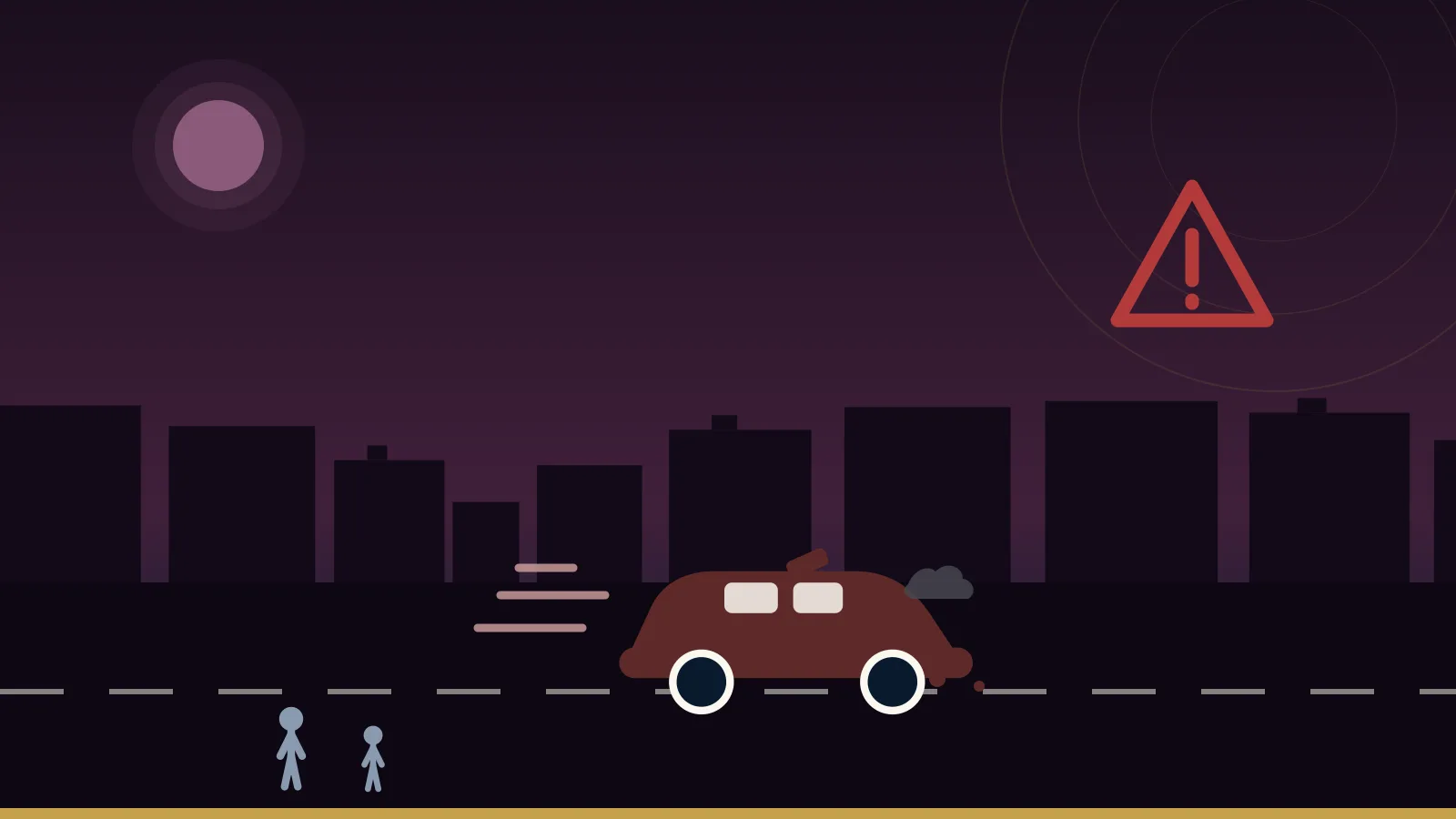
Мы все её видели: и на скоростных трассах, и в городе. Машина, кузов которой изъела ржавчина, её ведёт из стороны в сторону при обгоне, один задний фонарь разбит, другой не горит, из выхлопной трубы валит чёрный дым, а протектор шин давно стёрся до гладкого. Пугает не её состояние, ведь у владельца, возможно, просто нет денег и его можно понять. Пугает то, что она пожирает дорогу с безумной скоростью, обгоняя и справа, и слева, будто её водитель сидит за рулём гоночного автомобиля, а не разваливающегося кузова.
Скажем прямо: ехать на технически неисправной машине с высокой скоростью — это не лихость и не вынужденная необходимость, а нравственное покушение на всех, кто делит с вами дорогу. Тормоза, которые срабатывают только со второго нажатия, лысая шина, скользящая при первой же влаге, разболтанный руль — это не технические мелочи. Это расстояние между мимолётным испугом и катастрофой, которая обрушивается на целые семьи.
Представьте себе картину, которой не пожелаешь никому: забитая дорога в час пик, разбитый микроавтобус рвётся на обгон и вдруг упирается в тормозящую впереди машину. Водитель исправного автомобиля жмёт на тормоз, и машина слушается; развалюха отзывается с опозданием или не отзывается вовсе. В эти секунды цену платит не только владелец машины, но и семья в соседнем автомобиле, рабочий на обочине и пассажир, вся вина которого в том, что он сел не в тот транспорт.
И здесь нужно остановиться перед горьким парадоксом: многие из этих машин заняты именно перевозкой людей — микроавтобусы и такси, срок службы которых истёк много лет назад. То есть потенциальная жертва сама платит за проезд навстречу опасности, не имея роскоши выбора там, где альтернативы попросту нет. Это удваивает нравственную ответственность владельца и водителя и тем более удваивает её для ведомств, которые, как предполагается, проводили технический осмотр и выдавали разрешение.
На бумаге закон вовсе не отсутствует. Египетский закон о дорожном движении требует технического осмотра как условия регистрации автомобиля и продления его документов и предусматривает наказание как за управление неисправной машиной, так и за превышение установленной скорости. Как же тогда среди нас ездят машины, непригодность которых любой прохожий видит невооружённым глазом? Печальный ответ известен всем: осмотр, который порой превращается в формальность, и водитель, который делает ставку на то, что его никто не остановит.
Но прежде чем возлагать всю тяжесть вины на надзор, посмотрим на самих себя: тому, кто садится за руль машины, зная, что тормоза у неё слабые, и всё-таки разгоняется, не нужен полицейский пост на дороге, чтобы понять, что он неправ. Он это знает. Просто каждый день он играет на удачу, и беда в том, что на кону не только его жизнь, но и жизни людей, которые никогда не соглашались участвовать в этой игре.
И мы скажем это без обиняков, ровно так же, как говорим владельцу дорогой машины, который выбрасывает мусор в окно: бедность не обвинение, а стеснённые обстоятельства не порок, но безумная скорость на разбитой машине никому не навязана судьбой. Вы можете ехать на той же самой машине медленно и осторожно, пока не соберёте денег на ремонт: медленная езда на слабой машине — похвальная скромность, быстрая — смертельная самонадеянность.
От водителя и владельца требуется вот что: честно признайтесь себе, в каком состоянии ваша машина, и в первую очередь почините то, что касается безопасности, ведь тормоза, шины и свет — не роскошь. А если на ремонт пока нет средств, то хотя бы держите скорость, соответствующую состоянию вашего автомобиля. У того, кто зарабатывает на жизнь перевозкой пассажиров, ответственность двойная: те, кто платит ему за проезд, доверили ему свои жизни.
От государства требуется другое: настоящий технический осмотр, а не дежурная печать; дорожный контроль, который берётся прежде всего за явно изношенные машины, до аварий, а не после них; и реальные программы поддержки для замены устаревшего транспорта, особенно занятого в общественных перевозках, чтобы у бедного водителя никогда не оставалось единственного выхода — играть с жизнями людей.
Дорога — общее достояние, и самые слабые её участники, пешеходы, дети, пассажиры общественного транспорта, заслуживают того, чтобы самые сильные были на ней самыми осторожными. Разбитую машину, которая еле ползёт, мы понимаем, а её владельца уважаем; но разбитая машина, летящая по дороге, — это бомба на колёсах. Так нельзя, и жизнь людей не полигон для чьей-то удачи.
Материалы по теме
«Кеда галят» («Так неправильно»): жестокое обращение с животными — преступление по египетскому УК с 1937 года
Сосед раскладывает отравленные миски у школьной ограды, а хозяин повозки бьёт осла палкой по морде под непосильным грузом. Многие полагают, что «это всего лишь животное», а значит закон его не защищает. На самом деле статьи 355, 356 и 357 Уголовного кодекса Египта предусматривают наказание вплоть до тюрьмы за убийство, отравление и жестокое обращение с животными. Накануне Всемирного дня животных мы объясняем, что говорит закон.
3 октября 2026 г. · 6 мин. чтения
Четверо на мотоцикле без шлема: непокрытая голова — самое дорогое, что может потерять семья на дороге
На второй неделе учёбы повторяется одна картина: отец за рулём, ребёнок впереди, другой позади, мать держит сумки — и ни одного шлема. Пресса со ссылкой на CAPMAS сообщает о росте смертей с 190 до 897 за 2020–2024 годы, тогда как обзор Cochrane показывает, что шлем снижает риск гибели на 42%. Закон наказывает за езду без шлема с 1999 года, штраф повышен в 2008-м. Почему же мы не соблюдаем это правило?
23 сентября 2026 г. · 8 мин. чтения
«Скрутка на кабеле» — это не хитрость: кража электроэнергии — преступление, за которое расплачивается весь квартал
Оголённый провод свисает со столба на балкон, кондиционер работает через счётчик, который не крутится, а предохранитель перегорает уже в третий раз, гася свет в доме соседа, исправно платящего по счетам. Статья 71 Закона об электроэнергии называет это незаконным присвоением тока и карает лишением свободы и штрафом, а более суровая поправка ждёт слова Палаты депутатов. Чего лишается вся улица из-за одной врезки? И какова правильная альтернатива?
14 сентября 2026 г. · 7 мин. чтения