«Это моя земля»: сайес-вымогатель, или когда дань превращается в принудительную услугу
Он стоит на улице, где не владеет ни камнем, распределяет парковочные места, словно это его поместье, назначает таксу по настроению — а несогласного ждёт острый ключ по борту машины или оскорбление на глазах у семьи. Нелицензированный сайес, навязывающий себя запугиванием, — не поставщик услуги, а сборщик дани. Так нельзя: улица — общественное достояние, парковочное ремесло урегулировано законом, и бандитизму, рядящемуся в его одежды, оправдания нет.
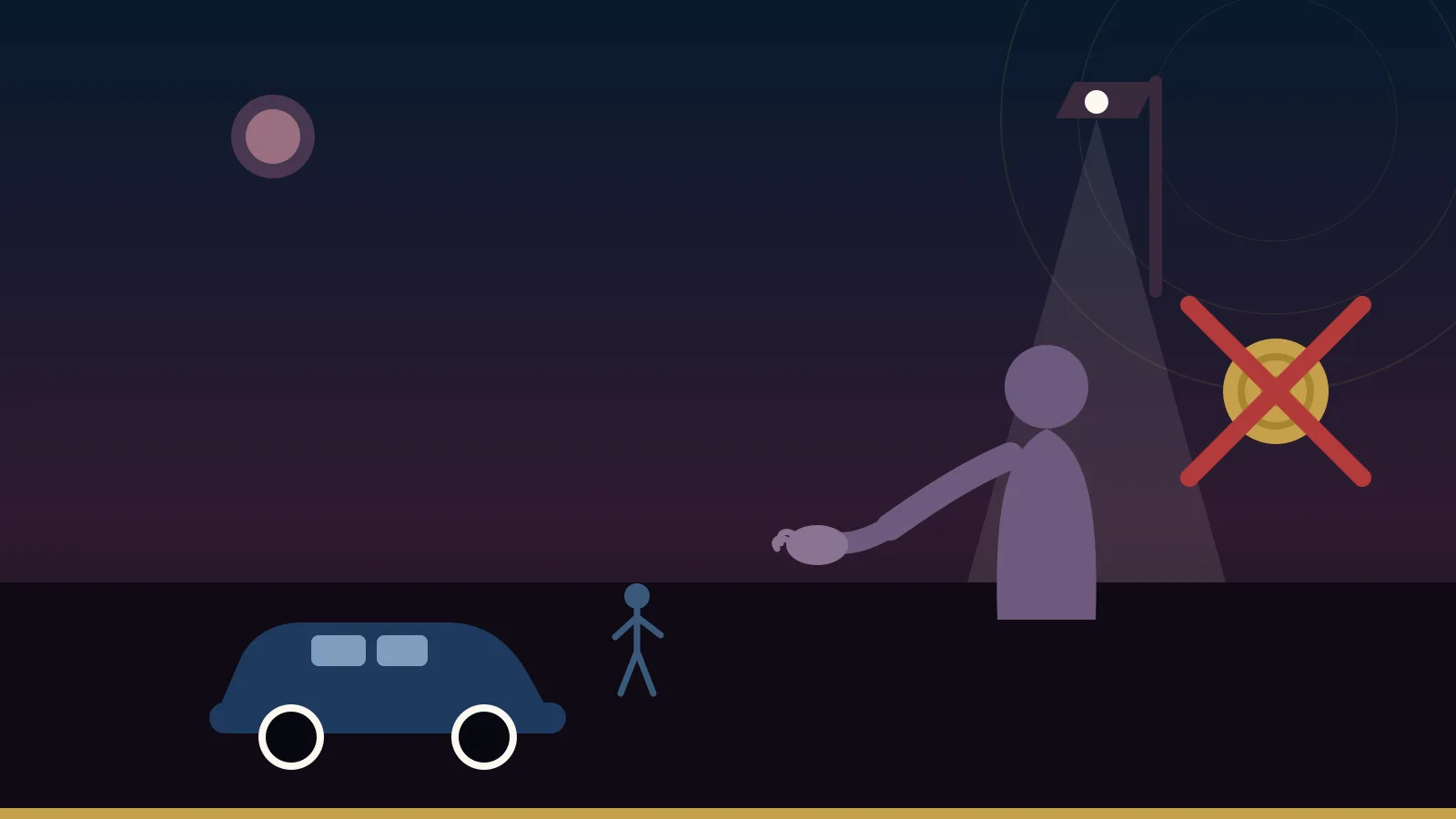
Вы знаете эту историю ещё до того, как она закончится: вы сворачиваете в переулок в поисках места для машины, и словно из-под земли появляется человек, который машет вам рукой с уверенностью хозяина асфальта: «Сюда, начальник». Вы не просили его об услуге, и он не спросил, нужна ли она вам, но с этой минуты он стал вашим принудительным компаньоном по парковке, и, вернувшись, вы заплатите столько, сколько он решит. И горе вам, если вы станете спорить о сумме или не заметите протянутой руки.
Сразу проведём чёткую границу, потому что справедливость — девиз этой рубрики: есть честный сторож стоянки, которого знает вся округа. Он и вправду работает, и вправду присматривает за машинами, помогает втиснуться в тесное место и довольствуется тем, что ему дают по доброй воле. Это честный заработок, которого мы не тронем ни словом, и закон его упорядочил, открыв ему легальную дверь. Речь у нас совсем о другой породе: о том, кто наложил руку на общую улицу и превратил гарантированное всем право проезда и стоянки в товар, который продаёт под принуждением.
Суть дела прежде всего нравственная: этот человек продаёт вам то, что ему не принадлежит. Улица — общественная собственность; место для стоянки на ней либо общее право, либо услуга, которую государство организует за известную плату. Он же в действительности предлагает только одно: избавление от вреда, источником которого является он сам. Вы платите ему не за услугу, а за безопасность своей машины именно от него. Это буквальное определение поборов.
И оскорбительность происходящего измеряется вовсе не фунтами. Это ощущение гражданина, которого обирают на улице собственной страны, на глазах у жены и детей, ставя перед выбором: заплатить, смирившись, или ввязаться в ссору, конца которой он не знает, — глубокая царапина гвоздём, вырванное зеркало, спущенное колесо, а в худшем случае и прямая угроза. Сколько раз мы видели, как водитель проглатывает гнев и платит — не по убеждению, а чтобы избежать беды, — и уезжает с ещё одной горечью, осевшей поверх прежних.
Опаснее всего то, что некоторые выросли из одиночек в структуры: группы делят улицы, как военную добычу, занимают места стульями и канистрами с водой, сдают право стоянки внаём на час и на месяц и выгоняют с улицы всякого, кто не платит. В этот момент перед нами уже не проступок отдельного человека, а маленькая параллельная власть, навязывающая общественному пространству собственный закон, а всякая параллельная власть начинается с малого.
Египетский закон не оставил эту зону серой: закон № 150 от 2020 года о регулировании деятельности организаторов парковки сделал это ремесло лицензируемым занятием с условиями, правилами и упорядоченной платой и установил ответственность за работу без лицензии. Иными словами, сегодня различие столь же ясно юридически, сколь и нравственно: с одной стороны — лицензированный организатор парковки, работающий по правилам, с другой — самозванец, взимающий поборы под именем профессии. А тот, кто прибегает к угрозам или портит машину возразившего, уже вошёл в круг деяний, наказуемых по Уголовному кодексу.
Не обойдём и социальный корень: многих из тех, кто занялся этим промыслом, привела туда закрытая дверь заработка, а иные кормят этими фунтами целую семью. Это заслуживает серьёзного внимания в политике занятости, но не годится в оправдание запугиванию: нужда заступается за того, кто трудится честно, и не заступается за того, кто вымогает у людей. А закон, упорядочивший профессию, открыл законную дверь всякому, кто захочет в неё войти.
Что требуется от гражданина: не вознаграждайте запугивание вечной покорностью, будто это судьба. Поддержите честного сторожа с лицензией и дайте ему по доброй воле, но, если случилось нападение, зафиксируйте его и заявите о нём: каждый случай, оставшийся без заявления, укрепляет во всех убеждение, что улица принадлежит тому, кто себя навязал. И сами не покупайте по телефону «забронированные места» у тех группировок, что захватили улицу: кто арендует краденое, тот финансирует кражу.
Что требуется от государства: применять закон об организации парковочного дела с обеих сторон — сделать серьёзное лицензирование действительно доступным для тех, кто хочет работать честно, и решительно пресекать работу без лицензии и взимание поборов, — вместе с системной альтернативой, осушающей источник: упорядоченная парковка с разметкой, объявленными тарифами и понятными способами оплаты на перегруженных улицах. Там, где есть объявленное правило, сужается пространство для того, кто выдумывает собственные.
История сторожа-вымогателя больше, чем парковка автомобиля: это вопрос о том, кто правит улицей — общее правило или та рука посильнее, что стоит на углу. Всякий раз, когда гражданин с вымученной улыбкой платит поборы, неверный ответ продвигается на шаг вперёд. Так нельзя. Правильно — когда гражданин ставит машину на улице своей страны с поднятой головой и платит только известную плату за настоящую услугу, которую выбрал по собственной воле.
Материалы по теме

«Кеда галят» («Так неправильно»): жестокое обращение с животными — преступление по египетскому УК с 1937 года
Сосед раскладывает отравленные миски у школьной ограды, а хозяин повозки бьёт осла палкой по морде под непосильным грузом. Многие полагают, что «это всего лишь животное», а значит закон его не защищает. На самом деле статьи 355, 356 и 357 Уголовного кодекса Египта предусматривают наказание вплоть до тюрьмы за убийство, отравление и жестокое обращение с животными. Накануне Всемирного дня животных мы объясняем, что говорит закон.
3 октября 2026 г. · 6 мин. чтения
Четверо на мотоцикле без шлема: непокрытая голова — самое дорогое, что может потерять семья на дороге
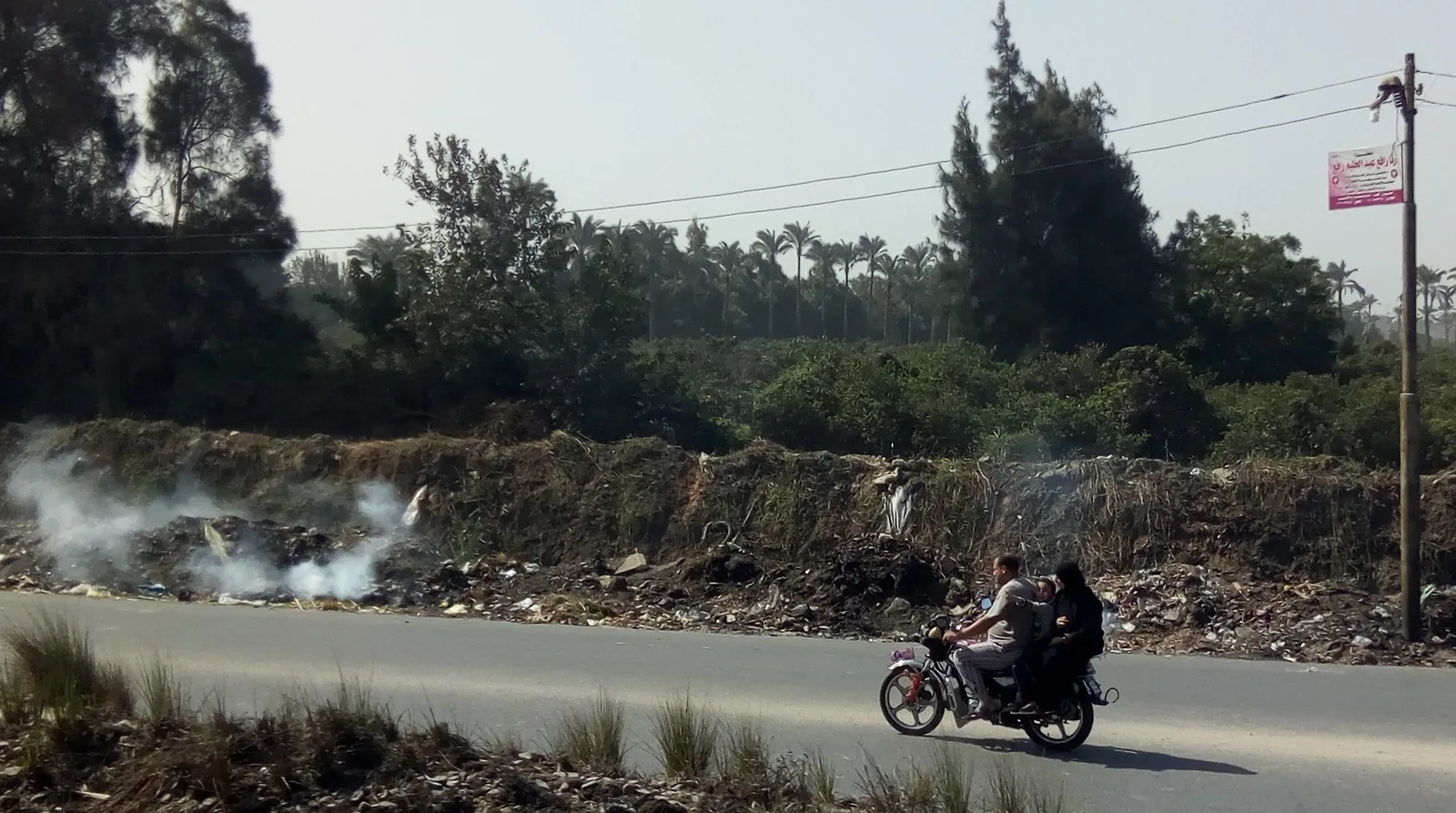
На второй неделе учёбы повторяется одна картина: отец за рулём, ребёнок впереди, другой позади, мать держит сумки — и ни одного шлема. Пресса со ссылкой на CAPMAS сообщает о росте смертей с 190 до 897 за 2020–2024 годы, тогда как обзор Cochrane показывает, что шлем снижает риск гибели на 42%. Закон наказывает за езду без шлема с 1999 года, штраф повышен в 2008-м. Почему же мы не соблюдаем это правило?
23 сентября 2026 г. · 8 мин. чтения
«Скрутка на кабеле» — это не хитрость: кража электроэнергии — преступление, за которое расплачивается весь квартал
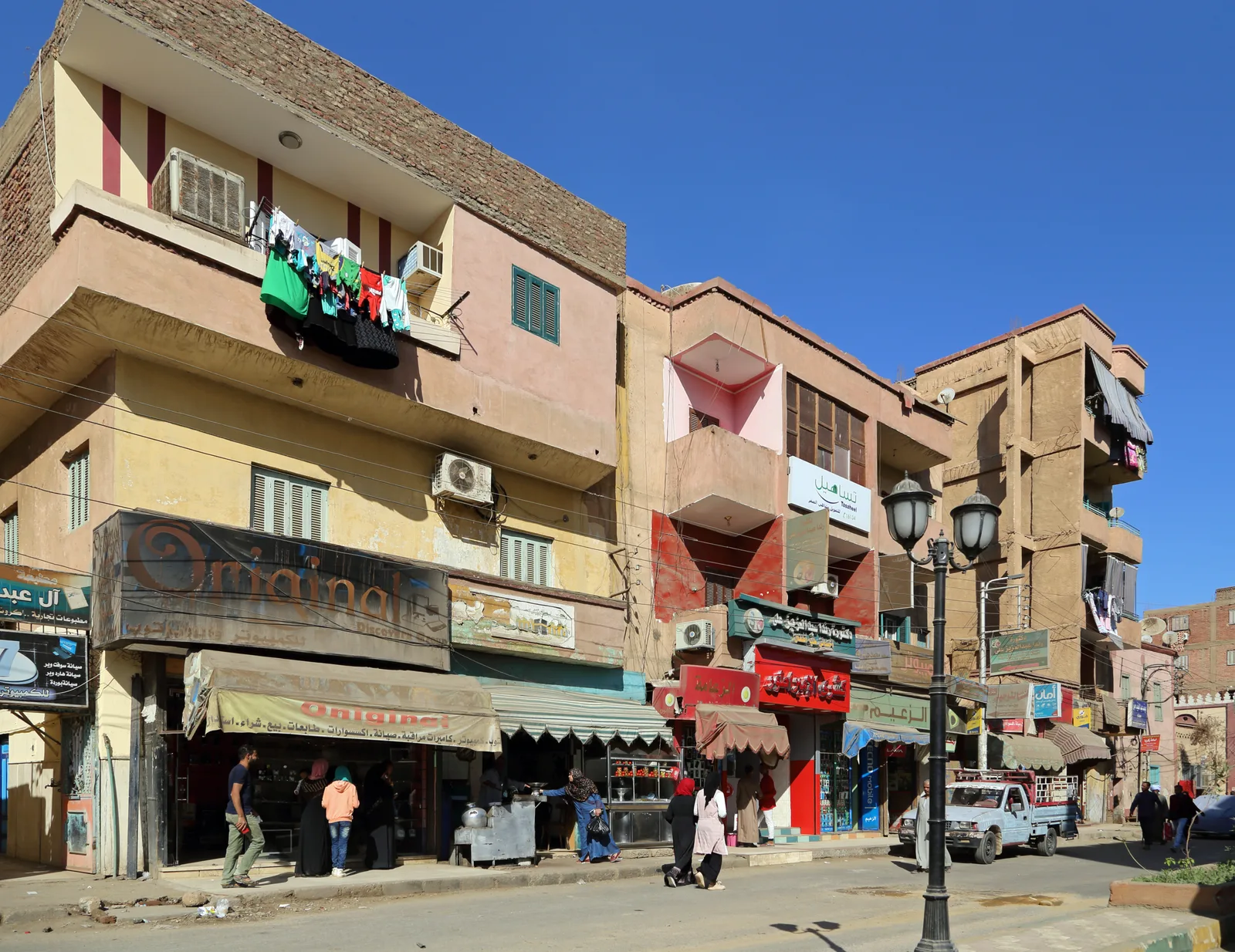
Оголённый провод свисает со столба на балкон, кондиционер работает через счётчик, который не крутится, а предохранитель перегорает уже в третий раз, гася свет в доме соседа, исправно платящего по счетам. Статья 71 Закона об электроэнергии называет это незаконным присвоением тока и карает лишением свободы и штрафом, а более суровая поправка ждёт слова Палаты депутатов. Чего лишается вся улица из-за одной врезки? И какова правильная альтернатива?
14 сентября 2026 г. · 7 мин. чтения