Metro ya Kairo: Jinsi inavyosafirisha mamilioni chini ya jiji lisilotulia
Tangu njia yake ya kwanza ilipozinduliwa mwaka 1987 ikiwa metro ya kwanza barani Afrika na Mashariki ya Kati, metro ya chini ya ardhi ya Kairo imekuwa uti wa mgongo wa usafiri wa kila siku kwa mamilioni ya Wamisri. Hapa tunaeleza jinsi mtandao huo ulivyoanza, jinsi njia zake tatu zinavyofanya kazi, na mipango yake mikubwa ya upanuzi inakoelekea.
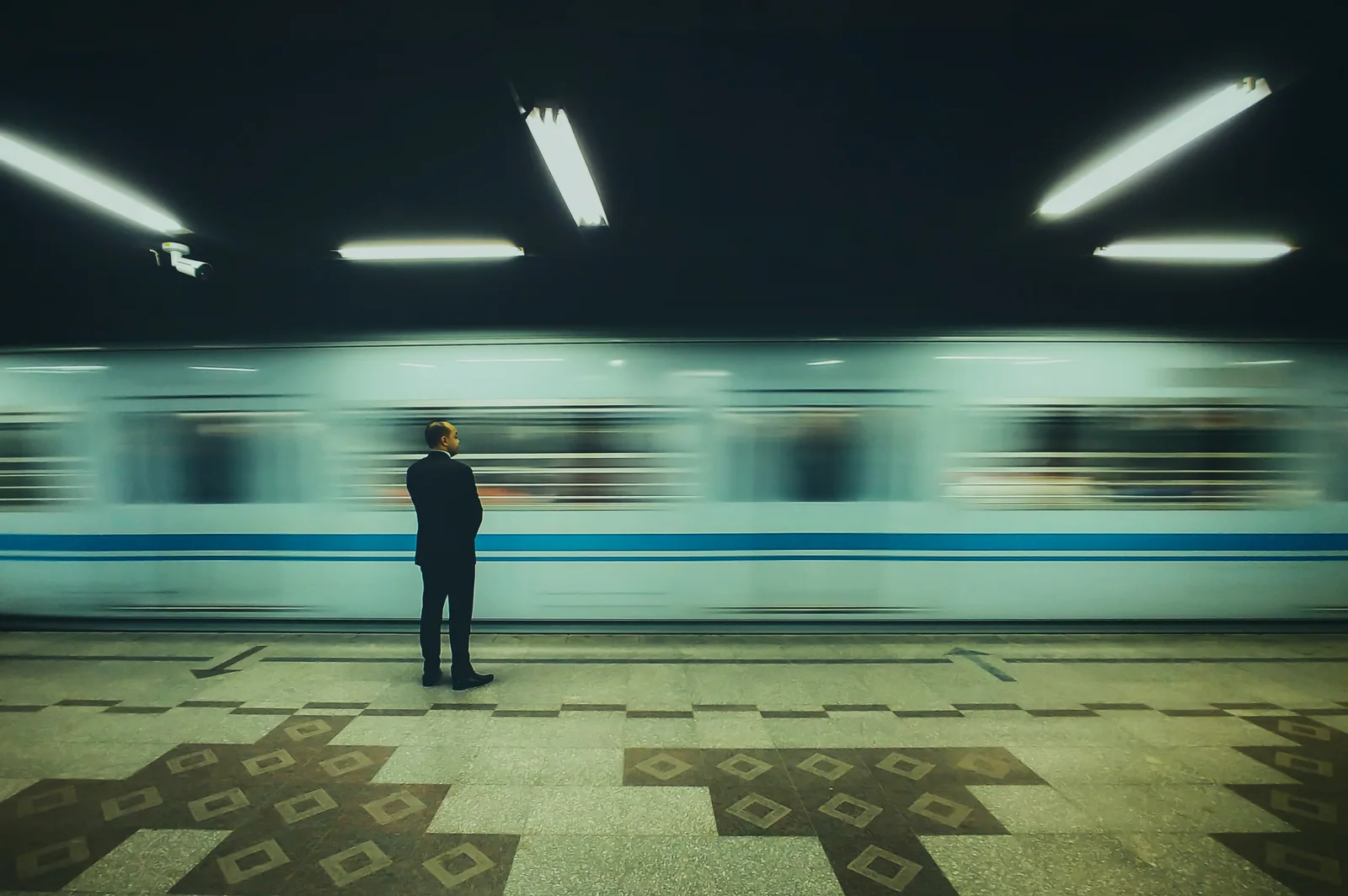
Chini ya barabara zenye msongamano za Kairo, mita chache tu chini ya kelele za mojawapo ya miji mikuu yenye watu wengi zaidi duniani, kuna mtandao ambao umebadilisha kimyakimya maisha ya vizazi viwili. Njia ya kwanza ya treni ya chini ya ardhi ilipofunguliwa mwaka 1987, ilikuwa ya kwanza ya aina yake barani Afrika na Mashariki ya Kati. Takribani miongo minne baadaye, metro imekuwa uti wa mgongo wa usafiri wa umma katika Kairo Kubwa, eneo lenye wakazi zaidi ya milioni ishirini, na mojawapo ya mifumo ya usafiri wa mijini yenye shughuli nyingi zaidi barani.
Wazo hilo lilizaliwa kutokana na ulazima. Kufikia miaka ya themanini, barabara za mji mkuu zilikuwa zimefikia kikomo, na wapangaji wakachagua suluhisho lililotumia kile kilichokuwepo tayari: kuunganisha njia mbili za reli za vitongoji, moja ikielekea kusini hadi Helwan na nyingine kaskazini hadi El Marg, kwa handaki linalopita chini ya moyo wa jiji. Kwa ushirikiano na Ufaransa, ikazaliwa njia yenye urefu wa takriban kilomita arobaini na nne, inayowabeba abiria katikati ya jiji bila kusimama hata kwenye taa moja ya barabarani.
Njia ya pili ilikuja katika miaka ya tisini ikiwa na mafanikio mapya ya kihandisi: kivuko cha kwanza cha reli chini ya mkondo wa Mto Nile. Inaunganisha Shubra El-Kheima upande wa kaskazini na El Mounib mjini Giza, ikipita katikati ya jiji na Chuo Kikuu cha Kairo, mojawapo ya vituo vinavyovutia abiria wengi zaidi katika mji mkuu. Ujenzi wake ulitegemea mitambo ya kuchimba mahandaki iliyofanya kazi kwa kina chini ya mojawapo ya maeneo yenye majengo mengi zaidi katika ukanda huu.
Njia ya tatu, iliyofunguliwa hatua kwa hatua tangu mwaka 2012, ndiyo mshipa mpya zaidi na mrefu zaidi wa mtandao huu. Inaanzia Adly Mansour upande wa mashariki, ambako inakutana na treni nyepesi ya umeme inayoelekea miji mipya, ikavuka katikati ya Kairo hadi Kit Kat, ambako inagawanyika matawi mawili: moja likielekea Chuo Kikuu cha Kairo na jingine Rod El-Farag. Hivyo metro ikafika vitongoji kama Heliopolis, Abbassia, Zamalek na Imbaba.
Njia hizo tatu hukutana katika vituo vya kubadilishia ambavyo kila abiria wa kawaida anavijua kwa moyo: Sadat chini ya Uwanja wa Tahrir na Al Shohadaa kwenye Ramses vinaunganisha njia ya kwanza na ya pili, Attaba inaunganisha ya pili na ya tatu, Gamal Abdel Nasser inaunganisha ya kwanza na ya tatu, na Chuo Kikuu cha Kairo kinaunganisha njia ya pili na tawi la kusini la ya tatu. Katika saa za msongamano, vituo hivi hupokea mafuriko makubwa ya abiria wanaosafiri kati ya kaskazini, kusini, mashariki na magharibi mwa mji mkuu.
Takwimu za abiria hutofautiana kulingana na chanzo na msimu, lakini kwa miaka mingi makadirio yameweka idadi ya safari za kila siku katika kiwango cha mamilioni, jambo linaloifanya metro ya Kairo kuwa mojawapo ya mifumo inayotumika zaidi barani Afrika na katika ulimwengu wa Kiarabu. Kwa mamia ya maelfu ya wafanyakazi na wanafunzi, metro si chaguo miongoni mwa machaguo mengi, bali ndiyo njia pekee halisi ya kuvuka jiji kwa wakati na kwa gharama inayowezekana.
Nauli hupangwa kwa madaraja kulingana na idadi ya vituo vinavyopitwa katika safari, na kuna kadi zinazoweza kuongezewa thamani kwa abiria wa kawaida. Aidha, treni zina mabehewa yaliyotengwa kwa wanawake pekee ili safari iwe na raha zaidi nyakati za msongamano mkubwa, huku wanawake wakibaki huru kupanda behewa lingine lolote wanalotaka.
Mipango ya upanuzi imeongezeka kasi katika miaka ya karibuni. Njia ya nne inajengwa kwa ufadhili wa Japan kuelekea Giza na eneo la piramidi, na kuna njia nyingine zilizoingizwa katika mpango wa muda mrefu wa usafiri wa Kairo Kubwa. Nje ya mtandao wa metro wenyewe, treni nyepesi ya umeme inayounganisha Adly Mansour na makazi mapya ya mijini mashariki mwa Kairo ilianza kutoa huduma katika miaka ya karibuni, huku mradi wa monoreli ukitekelezwa ili kuunganisha Mji Mkuu Mpya wa Kiutawala na Mji wa 6 Oktoba na mtandao uliopo.
Hoja ya kiuchumi kuhusu metro iko wazi: tafiti za msongamano wa magari mjini Kairo zimekadiria kwa miaka mingi gharama yake kufikia mabilioni ya dola kwa mwaka kutokana na mafuta yanayopotea na muda unaopotea, na kila abiria anayesafiri chini ya ardhi humaanisha gari moja au basi dogo moja pungufu barabarani. Metro pia ina umuhimu wa kijamii, kwani tikiti yake inabaki nafuu ikilinganishwa na usafiri binafsi na programu za kuita magari, hali inayoweka usafiri wa mjini ndani ya uwezo wa watu wenye kipato cha chini.
Hata hivyo, mfumo huu unakabiliwa na changamoto halisi: treni za njia za zamani zimejaa kupita kiasi nyakati za msongamano; matengenezo ya treni zilizochakaa, kuboresha upatikanaji wa huduma kwa watu wenye ulemavu na kugharimia upanuzi yote ni masuala yanayoshinikiza; kwa kuongezea, kuna mizani migumu kati ya nauli inayokubalika kijamii na gharama za uendeshaji, mizani inayorejea mstari wa mbele kila mara nauli zinaporekebishwa.
Licha ya shinikizo zote, metro inasalia kuwa mojawapo ya mafanikio ya miundombinu ya Misri yanayoonekana zaidi katika maisha ya kila siku. Kilichoanza kama njia moja mwaka 1987 kimekuwa mazoea ya kila siku kwa mamilioni ya watu, na ramani yake, inayochorwa upya kila baada ya miaka michache kwa vituo vipya, ni kumbukumbu tulivu ya ukuaji wa mji mkuu wenyewe na upanuzi wake usiokoma.
Habari Zinazohusiana
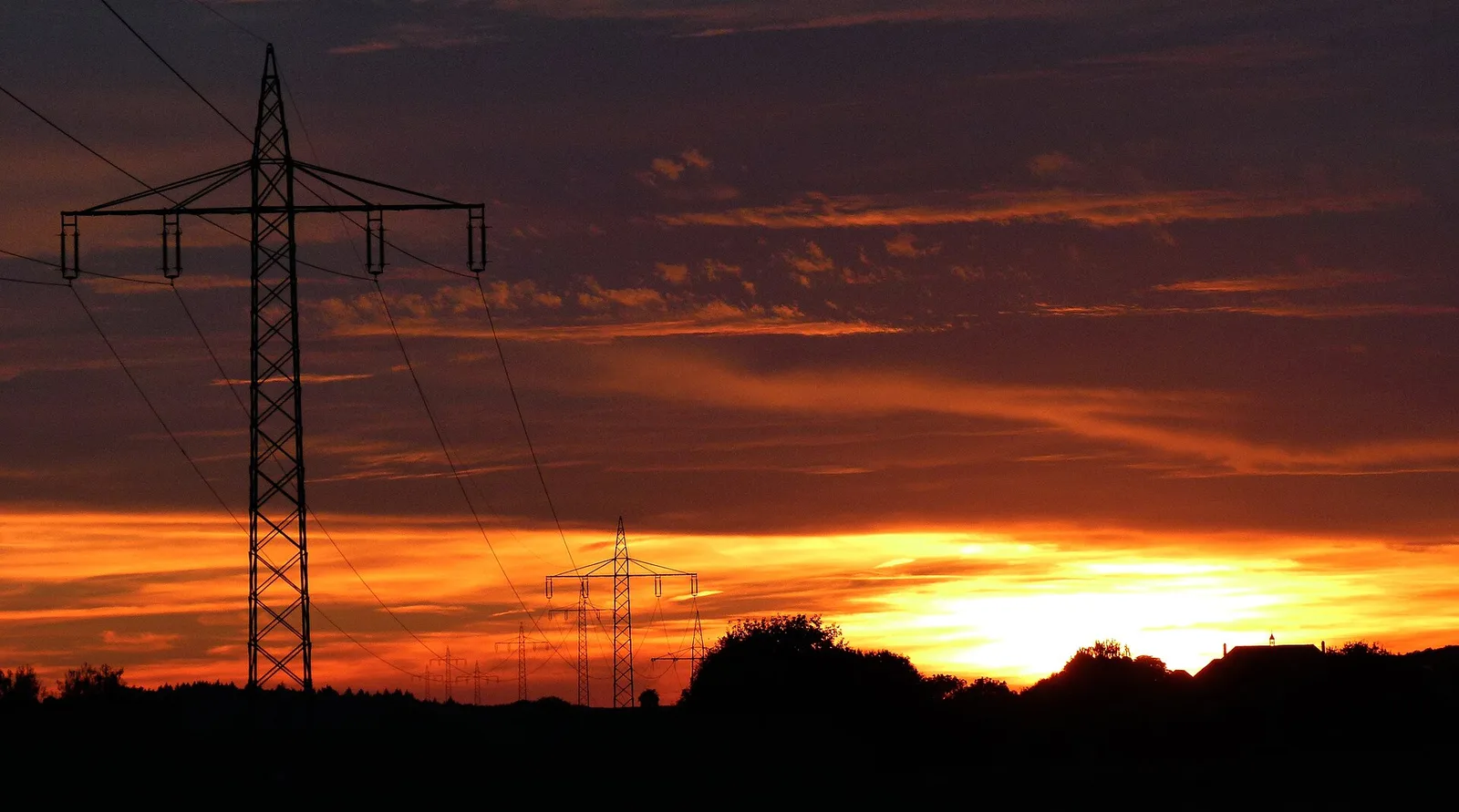
Kilele cha Agosti: Gridi ya Umeme ya Misri Yavuka Megawati 40,000 kwa Mara ya Kwanza, Bila Mgao wa Umeme
Gridi ya taifa ya Misri ilivuka megawati 40,000 kwa mara ya kwanza katika historia yake wakati wa wimbi la joto la wiki iliyopita, bila kurejea kwa mgao wa umeme. Jinsi usambazaji wa mafuta ulivyostahimili baada ya shambulio la ndege isiyo na rubani huko Damietta, na maana ya viwango vipya vya bei kwa bili yako.
19 Agosti 2026 · 7 dakika za kusoma
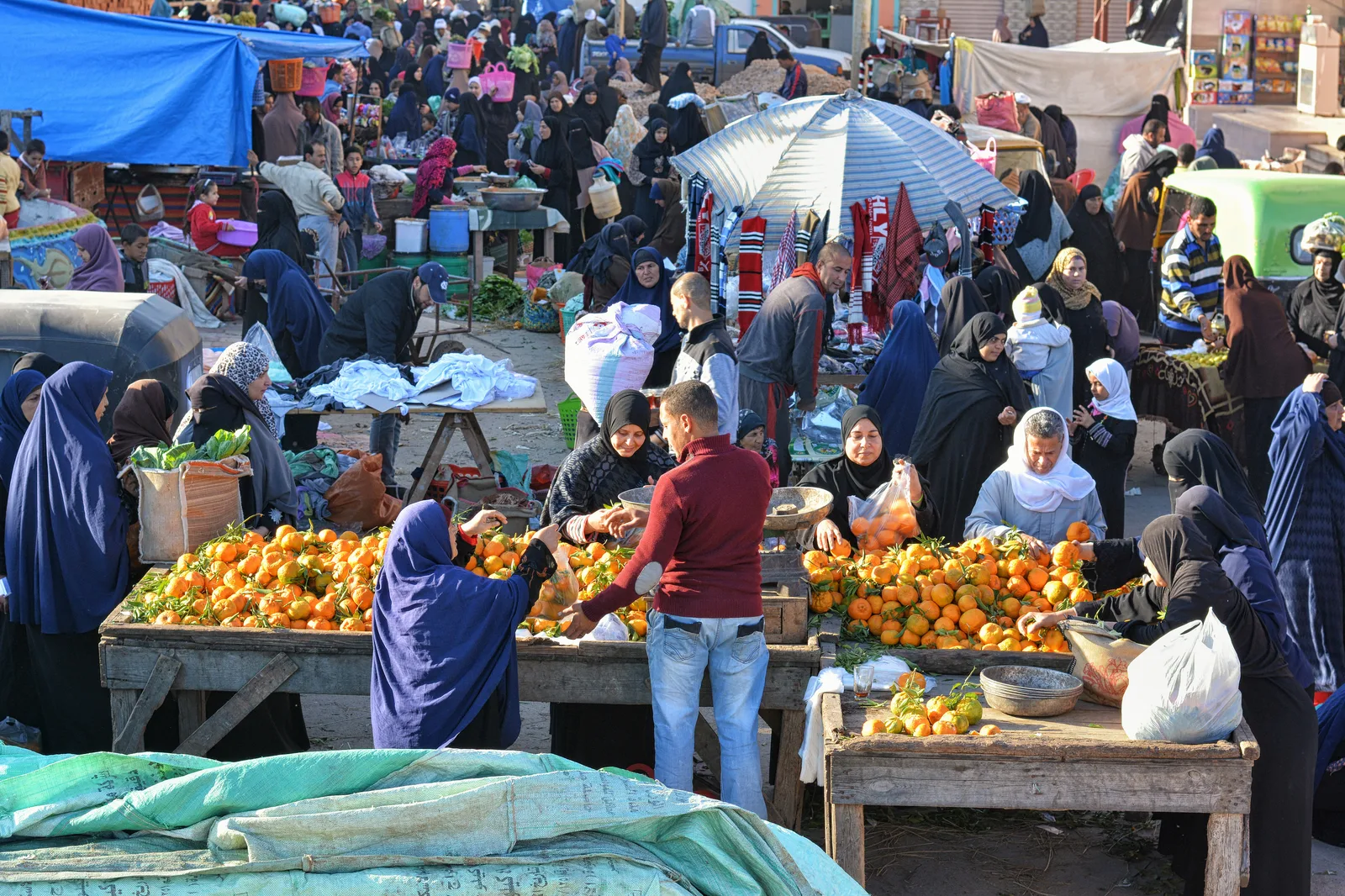
Uchumi wa Misri katika Tarakimu Mbili: Ukuaji wa 5.2% na Kanda Iliyo Katika Wasiwasi
Misri imerekodi ukuaji wa 5.2% katika miezi tisa, huku baraza la mawaziri likipitia upya mipango ya dharura kukabiliana na athari za mvutano wa kikanda. Huku mfumuko wa bei ukifikia 14.9% na dola ikitulia karibu na pauni 50, tarakimu hizi mbili zina maana gani kwa mfuko wa mwananchi?
18 Agosti 2026 · 7 dakika za kusoma
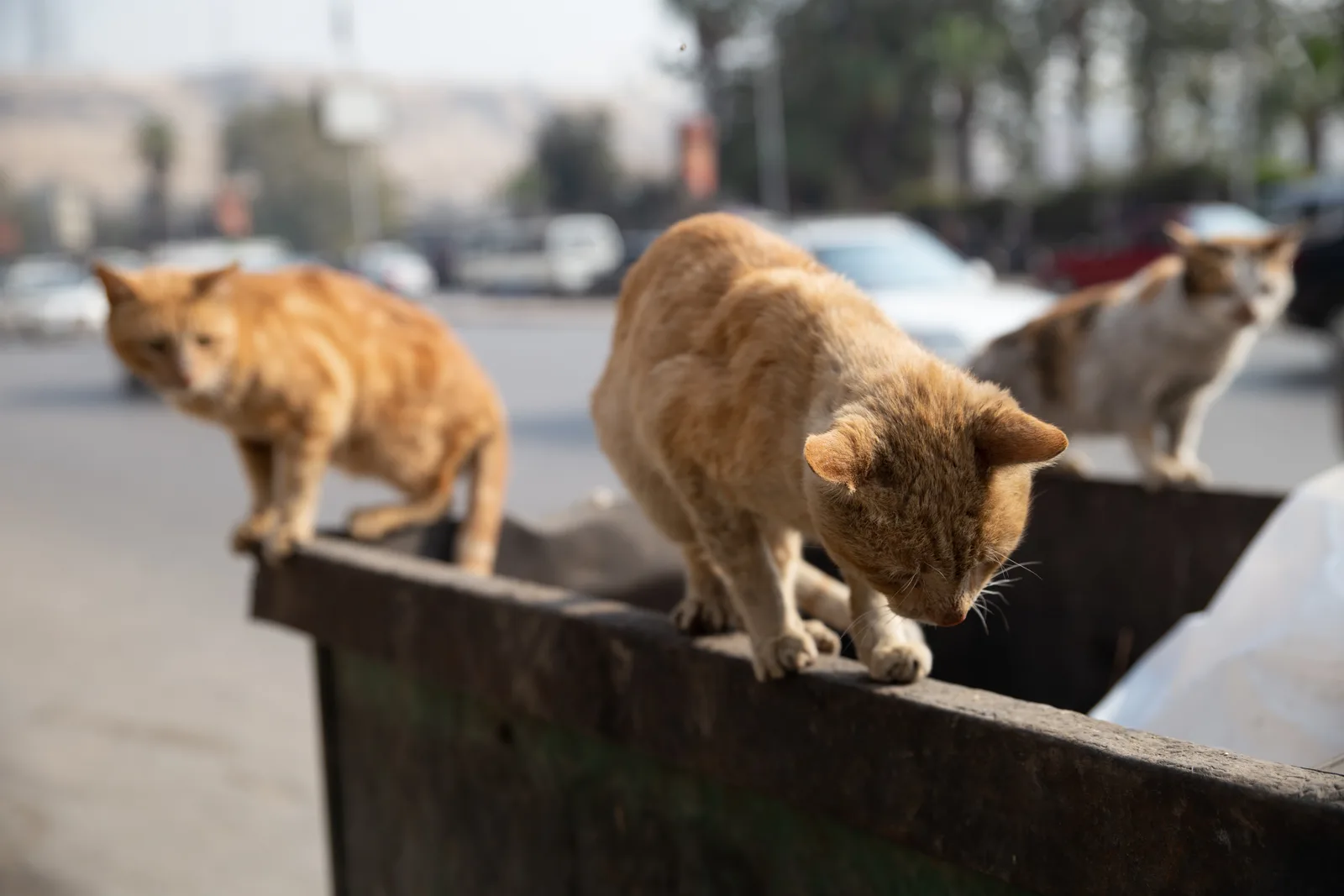
«Keda Ghalat» (Hii Si Sawa): Kudhuru Wanyama ni Kosa la Jinai Chini ya Sheria ya Adhabu ya Misri Tangu 1937
Jirani anaweka bakuli za sumu karibu na ukuta wa shule, na mmiliki wa mkokoteni anampiga punda wake usoni chini ya mzigo mzito kupita kiasi. Wengi hudhani «ni mnyama tu» maana yake hakuna sheria inayomlinda. Ukweli ni kwamba Ibara za 355, 356 na 357 za Sheria ya Adhabu zinaadhibu kuua, kutia sumu na kudhuru wanyama kwa adhabu zinazofikia kifungo jela. Katika usiku wa kuamkia Siku ya Wanyama Duniani, tunaeleza sheria inasema nini.
3 Oktoba 2026 · 6 dakika za kusoma