Uchumi wa Misri katika Tarakimu Mbili: Ukuaji wa 5.2% na Kanda Iliyo Katika Wasiwasi
Misri imerekodi ukuaji wa 5.2% katika miezi tisa, huku baraza la mawaziri likipitia upya mipango ya dharura kukabiliana na athari za mvutano wa kikanda. Huku mfumuko wa bei ukifikia 14.9% na dola ikitulia karibu na pauni 50, tarakimu hizi mbili zina maana gani kwa mfuko wa mwananchi?
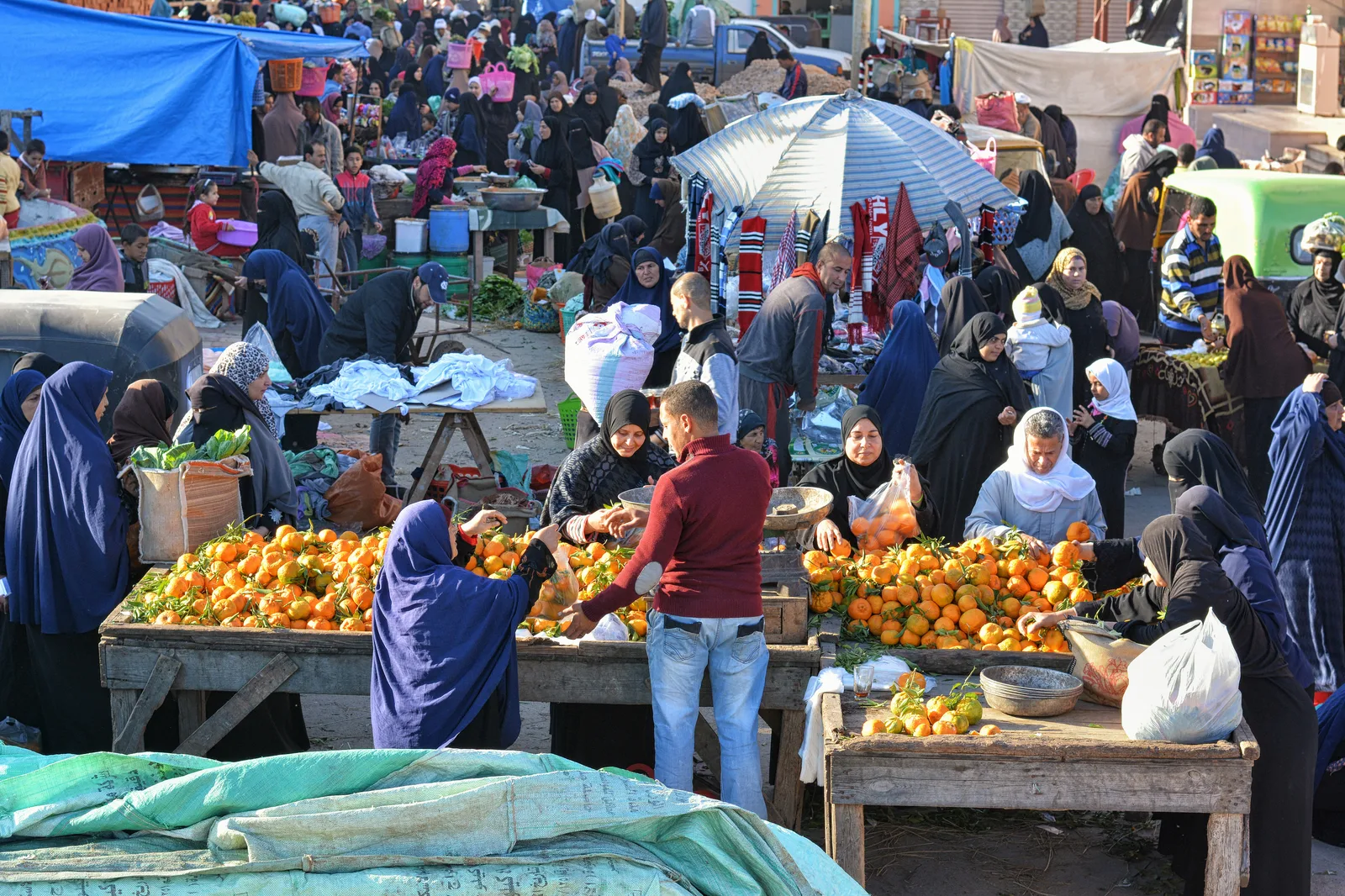
Kiangazi hiki, uchumi wa Misri unaishi kwa mdundo wa tarakimu mbili ambazo mara chache hukutana katika taarifa moja: ukuaji wa asilimia 5.2 katika miezi tisa ya kwanza ya mwaka wa fedha 2025/2026, kwa mujibu wa Wizara ya Mipango na Maendeleo ya Kiuchumi, na mipango ya dharura “iliyoboreshwa” ambayo serikali inaipitia kwa tahadhari ya athari za mvutano unaozidi kupanda katika ukanda huu. Kati ya tarakimu hizo mbili amesimama mwananchi, akijiuliza haya yote yana maana gani kwa bei anazolipa na kwa kazi yake.
Tarakimu ya kwanza ilitangazwa na Wizara ya Mipango mwanzoni mwa Juni: pato la taifa lilikua kwa asilimia 5.2 kati ya Julai 2025 na Machi 2026, likiwa asilimia 5.3 katika robo ya kwanza na ya pili, kisha asilimia 5 katika robo ya tatu (Januari hadi Machi), ambayo iliambatana na kuzuka kwa duru ya hivi karibuni ya mvutano wa kikanda. Wizara inahusisha matokeo hayo na kufufuka kwa shughuli za sekta binafsi.
Tarakimu ya pili haionekani kwenye skrini yoyote, lakini ipo katika kila kikao cha serikali. Kwa mujibu wa taarifa ya Ofisi ya Waziri Mkuu, Baraza la Mawaziri lilitenga sehemu ya kikao chake cha kila wiki kilichofanyika katikati ya Agosti katika mji mpya wa Alamein ili kupitia “mipango iliyoboreshwa” iliyoandaliwa na wizara mbalimbali kukabiliana na athari zinazoweza kutokea kutokana na mivutano hiyo, kuanzia Gaza na Lebanon hadi mvutano kati ya Washington na Tehran. Tangu mwanzoni mwa Machi, Waziri Mkuu Mostafa Madbouly alikuwa ameagiza kuboreshwa kwa “mipango shirikishi” na kuandaliwa kwa mkakati, kwa kushirikiana na Benki Kuu, wa kuhakikisha upatikanaji wa fedha za kigeni zinazohitajika kwa bidhaa za chakula, bidhaa za mafuta na malighafi za uzalishaji.
Hadi sasa, ngome za ulinzi zinaelekea juu. Kwa mujibu wa Madbouly katika kikao hicho hicho, akiba ya fedha za kigeni ilifikia dola bilioni 56.3 mwishoni mwa Julai, ongezeko la takriban dola bilioni 1.2 ikilinganishwa na Juni, huku serikali ikisema kuwa akiba ya baadhi ya bidhaa muhimu — ikiwemo sukari — inatosha kwa takriban mwaka mzima. Tangu Julai, serikali pia imeongeza kasi ya kujenga akiba yake ya mafuta kwa tahadhari ya usumbufu wowote wa usafiri wa majini karibu na Mlango wa Hormuz, kwa mujibu wa jukwaa la kiuchumi “AGBI”.
Katika uwanja wa bei, ambako mwananchi huhisi mvutano kwanza, mfumuko wa bei ulimaliza kipindi kifupi cha utulivu na kurejea juu: asilimia 14.9 mijini mwezi Julai ikilinganishwa na asilimia 14.3 mwezi Juni, ukisukumwa hasa na bei za vyakula, kwa mujibu wa Shirika Kuu la Uhamasishaji wa Umma na Takwimu. Mwezi Januari, kabla mvutano haujapamba moto, kiwango kilikuwa asilimia 11.9 — yaani kasi ya kupanda kwa gharama za maisha imeongezeka kwa pointi tatu za asilimia ndani ya nusu mwaka.
Kiwango cha ubadilishaji fedha kinasimulia nusu zote mbili za hadithi. Katika kilele cha mvutano mwishoni mwa Aprili, dola ya Marekani ilifikia rasmi takriban pauni 53 na kukaribia 54 katika baadhi ya benki mwanzoni mwa Mei, kwa mujibu wa taarifa za kituo cha “Al Arabiya”, kabla ya kurejea wiki hii hadi karibu pauni 50.2 kwa mujibu wa viwango vya Benki Kuu. Kuimarika kwa kiasi kwa pauni kunapunguza gharama za kuagiza bidhaa kutoka nje, lakini bado kunategemea mtiririko endelevu wa dola kutoka utalii, Mfereji wa Suez na fedha zinazotumwa na Wamisri wanaofanya kazi ughaibuni.
Mfereji wa Suez, chanzo cha mapato ya serikali kilicho nyeti zaidi kwa hali ya ukanda huu, unapata nafuu lakini bado haujapona. Mapato yake yalifikia dola bilioni 4.67 katika mwaka wa fedha 2025/2026, ongezeko la asilimia 23, kwa wastani wa takriban dola milioni 390 kwa mwezi kwa mujibu wa Shirika la Fedha la Kimataifa — yaani chini ya nusu ya kilele chake cha kihistoria cha takriban dola bilioni 10 kwa mwaka kabla ya mzozo wa Bahari ya Shamu. Kila mwezi unaopita chini ya kilele hicho ni fedha ngumu ambazo haziingii hazina ya serikali wala haziisaidii pauni.
Utalii hadi sasa umekuwa kipekee katika ukanda huu. Idadi ya wageni wanaowasili iliongezeka kwa asilimia 16 katika robo ya kwanza ya mwaka 2026, wakati utalii katika Mashariki ya Kati kwa ujumla ulishuka kwa asilimia 14, kwa mujibu wa takwimu za Shirika la Utalii la Umoja wa Mataifa zilizoripotiwa na gazeti la “Al-Ahram”, na wageni walifikia milioni 6.1 katika miezi minne ya kwanza, ongezeko la asilimia 7. Mapato ya sekta hiyo pia yalipanda hadi dola bilioni 10.2 katika nusu ya kwanza ya mwaka wa fedha, ongezeko la asilimia 17.3, kwa mujibu wa takwimu rasmi zilizonukuliwa na “Egypt Independent”. Lakini kushuka kwa ukuaji wa jumla kutoka asilimia 16 hadi asilimia 7 mara tu Aprili ulipoanza kunaonyesha jinsi sekta inayowalisha mamilioni ya familia inavyoathirika haraka na mvutano wowote.
Kuhusu ajira, Wizara ya Mipango inahusisha ukuaji huo na shughuli imara zaidi za sekta binafsi, ambayo ndiyo mwajiri mkubwa zaidi katika uchumi. Hata hivyo, Shirika la Fedha la Kimataifa limepunguza matarajio yake ya ukuaji kwa mwaka wa fedha 2026/2027 hadi takriban asilimia 4.4, likieleza kuwa sababu ni kushuka kwa uwekezaji, kupanda kwa gharama za ufadhili na hali ya kutokuwa na uhakika inayotokana na mzozo — sababu ambazo kwa kawaida hupunguza kasi ya kuzalisha nafasi za kazi kabla hazijajitokeza katika kiashiria kingine chochote.
Kujiandaa nako kuna gharama yake. Mwezi Aprili, kamati ya kusimamia majanga inayoongozwa na Madbouly iliidhinisha mfululizo wa hatua za kupunguza matumizi ya umma na matumizi ya kawaida, huku ujenzi wa akiba ya bidhaa na mafuta ukitumia sehemu ya fedha za kigeni ambazo tayari ni chache. Mlinganyo ambao serikali imeutangaza ni huu: kutuliza masoko bila kumaliza akiba ile ile inayoionyesha kama ushahidi wa uimara wake.
Katika wiki zijazo, viashiria vitatu vitachora sura ya “mfuko wa mwananchi”: takwimu za mfumuko wa bei za Agosti na iwapo wimbi la bei za vyakula litaendelea, kasi ya kurejea kwa mashirika ya usafiri wa majini kwenye Mfereji wa Suez, na mwelekeo wa bei za mafuta unaotegemea hali ya kusubiri katika ukanda huu — vyote hivyo vitakuwa na uzito katika maamuzi ya Benki Kuu kuhusu riba.
Hitimisho ni kwamba tarakimu zote mbili ni sahihi kwa wakati mmoja: uchumi unaokua kwa mojawapo ya kasi kubwa zaidi katika miaka ya hivi karibuni, ndani ya ukanda unaoweza kuumega ukuaji huo pembeni wakati wowote. Kupanda kwa akiba na maghala yaliyojaa hakuachi sababu ya hofu, na mfumuko wa bei unaokaribia asilimia 15 pamoja na mfereji unaofanya kazi chini ya nusu ya uwezo wake wa kuingiza mapato haviachi nafasi ya kulegeza kamba.
Habari Zinazohusiana
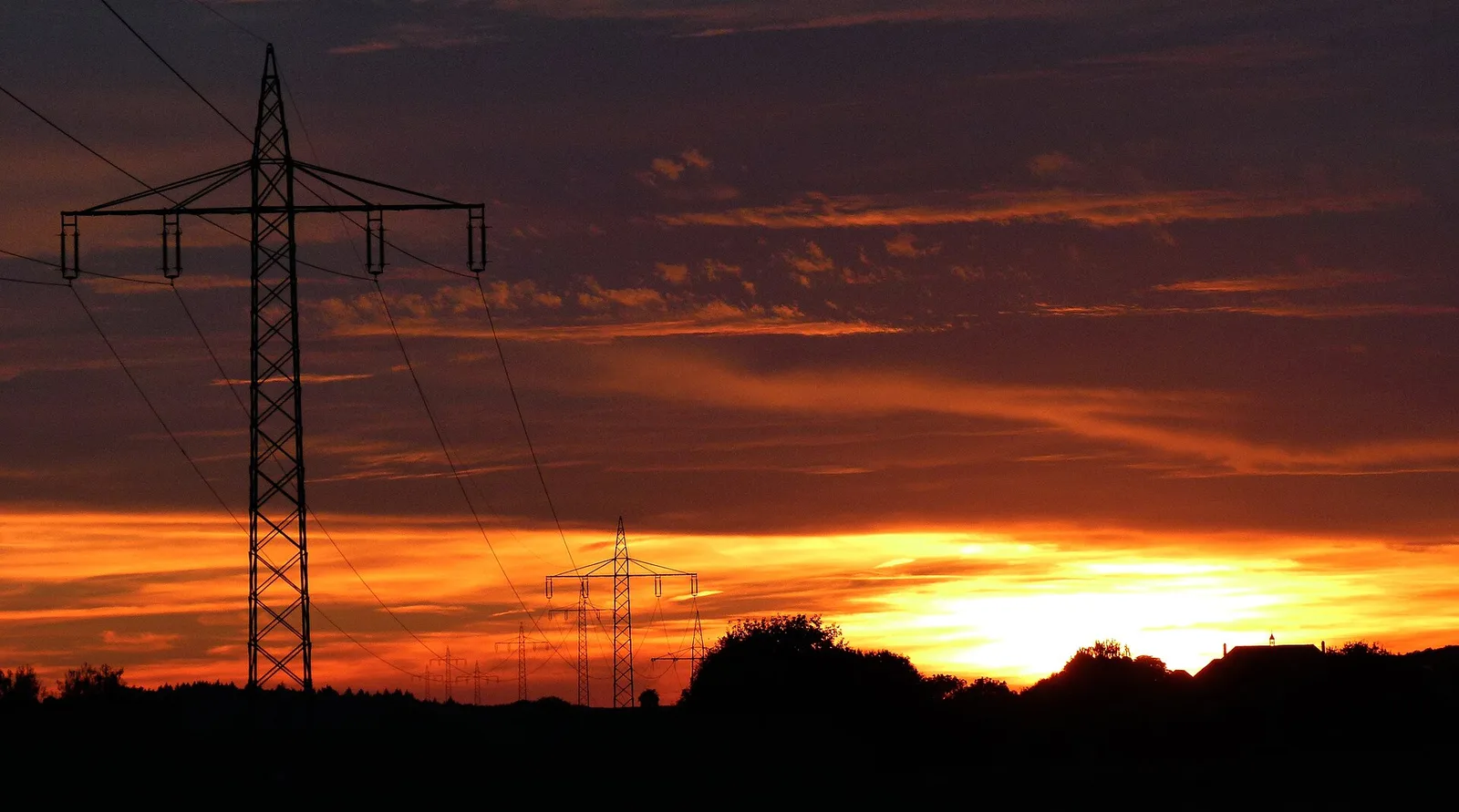
Kilele cha Agosti: Gridi ya Umeme ya Misri Yavuka Megawati 40,000 kwa Mara ya Kwanza, Bila Mgao wa Umeme
Gridi ya taifa ya Misri ilivuka megawati 40,000 kwa mara ya kwanza katika historia yake wakati wa wimbi la joto la wiki iliyopita, bila kurejea kwa mgao wa umeme. Jinsi usambazaji wa mafuta ulivyostahimili baada ya shambulio la ndege isiyo na rubani huko Damietta, na maana ya viwango vipya vya bei kwa bili yako.
19 Agosti 2026 · 7 dakika za kusoma
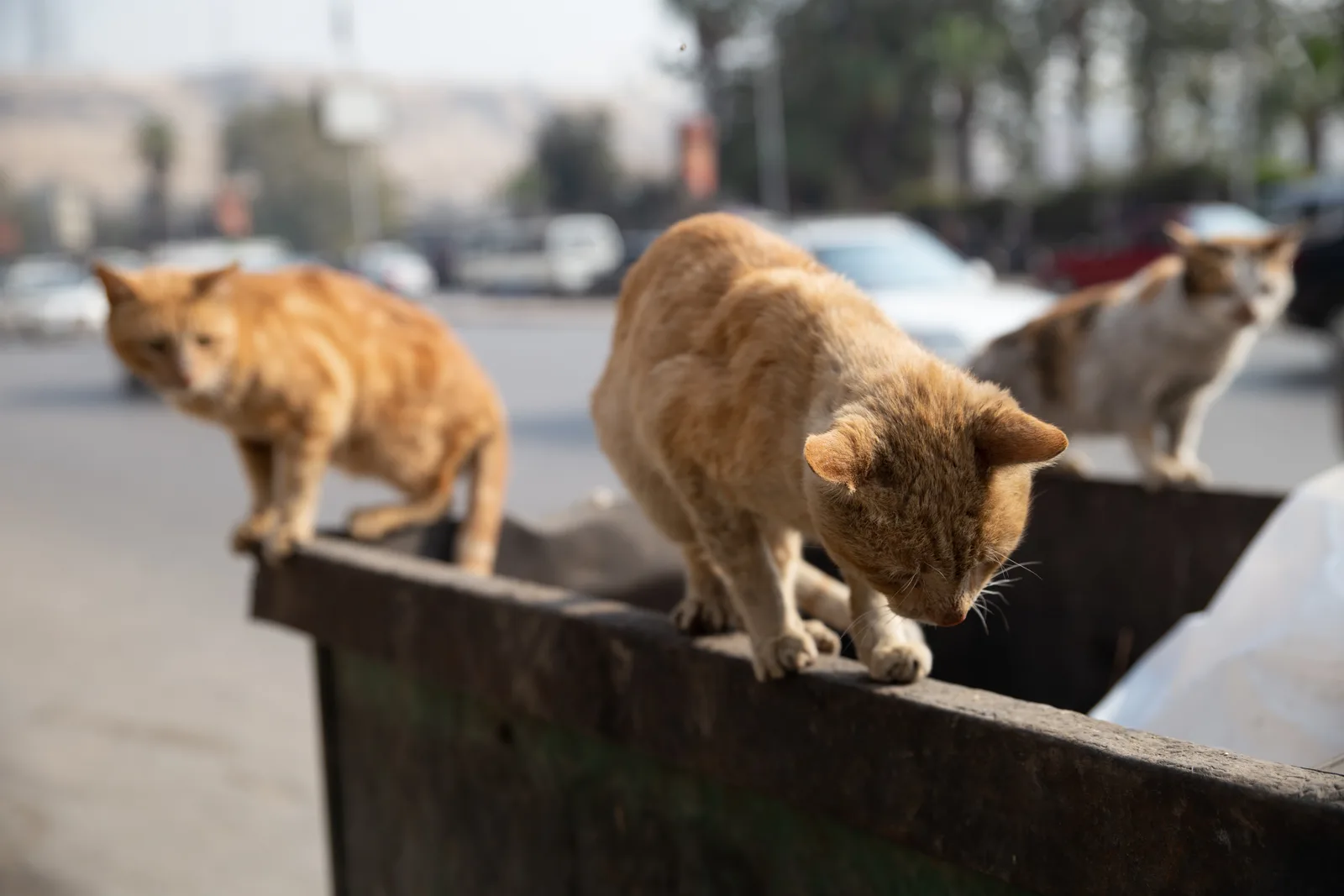
«Keda Ghalat» (Hii Si Sawa): Kudhuru Wanyama ni Kosa la Jinai Chini ya Sheria ya Adhabu ya Misri Tangu 1937
Jirani anaweka bakuli za sumu karibu na ukuta wa shule, na mmiliki wa mkokoteni anampiga punda wake usoni chini ya mzigo mzito kupita kiasi. Wengi hudhani «ni mnyama tu» maana yake hakuna sheria inayomlinda. Ukweli ni kwamba Ibara za 355, 356 na 357 za Sheria ya Adhabu zinaadhibu kuua, kutia sumu na kudhuru wanyama kwa adhabu zinazofikia kifungo jela. Katika usiku wa kuamkia Siku ya Wanyama Duniani, tunaeleza sheria inasema nini.
3 Oktoba 2026 · 6 dakika za kusoma

Oktoba ya waridi: uchunguzi wa bure – kwa nini ugunduzi wa mapema unabadilisha hatima ya mwanamke wa Misri
“Sina maumivu” si sababu ya kuahirisha. Tangu Julai 2019, vituo vya afya nchini Misri vimekuwa vikifungua milango yake bure kwa kila mwanamke mwenye umri wa miaka 18 na zaidi, na kufikia Juni 2026 idadi ya kesi zinazogunduliwa katika hatua za mwisho ilishuka kutoka asilimia 60 hadi 19.5. Tunaeleza yanayotokea kituo cha afya, dalili zinazohitaji ziara, na kwa nini woga unachelewesha uchunguzi huu muhimu.
2 Oktoba 2026 · 7 dakika za kusoma