Mafarao wa Mpira wa Mikono: Jinsi Misri Ilivyopanda hadi Safu ya Juu ya Dunia
Mpira wa mikono ni mchezo wa Ulaya kwa asili — isipokuwa nchini Misri. Imeandaa mashindano mawili ya dunia, ina lundo la mataji ya Afrika, vijana wake walitwaa ubingwa wa dunia, na timu yake ya taifa ilishika nafasi ya nne katika Olimpiki ya Tokyo. Hivi ndivyo Mafarao walivyojenga mfumo unaoanzia shuleni na kuishia klabuni, unaowaweka miongoni mwa wakubwa.
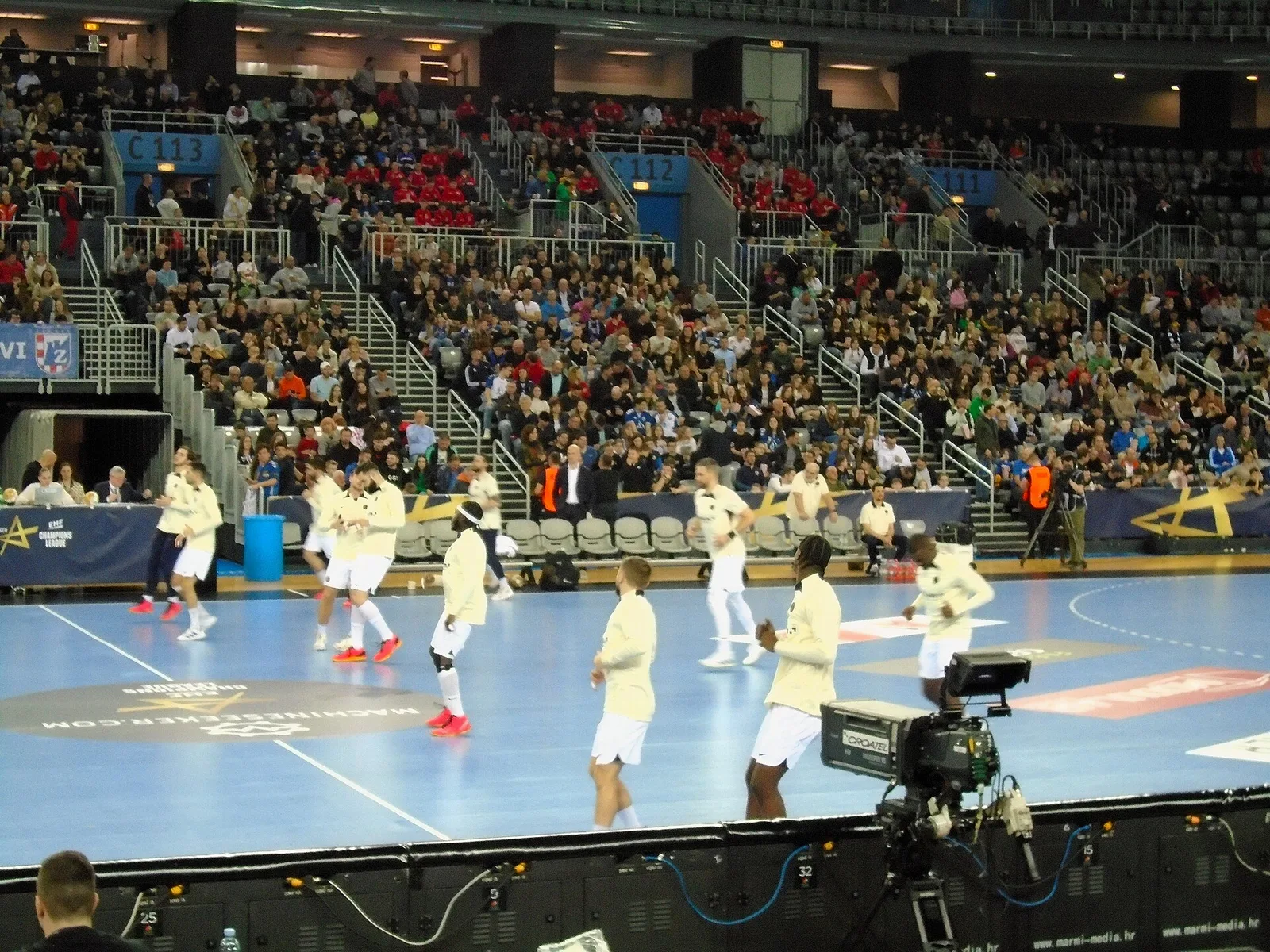
Kundi la juu la mpira wa mikono ni klabu ya Ulaya iliyofungwa: ligi za kitaaluma, Ligi ya Mabingwa na mataji mengi ya dunia ni mali ya bara lililobuni mchezo huu wa kisasa. Lakini kwa miongo mingi, tofauti kubwa pekee imekuwa ikiitwa Misri. Timu ya “Mafarao” hufika hatua za mtoano za mashindano ya dunia mara kwa mara, imeandaa mashindano hayo mara mbili, ina mataji lukuki ya bara, na katika Olimpiki za Tokyo ilikuwa mchezo mmoja tu kutoka jukwaa la ushindi. Hakuna taifa jingine nje ya Ulaya lenye rekodi kama hiyo, nayo inategemea mfumo unaoanzia, kwa maana halisi kabisa, uwanjani mwa shule.
Mchezo huu ulishika mizizi nchini Misri katikati ya karne ya ishirini, ukienea kupitia shule, vyuo vikuu na vilabu vya michezo kabla ya shirikisho la kitaifa kupanga mashindano yake. Misri ikawa kinara wa mchezo huo barani Afrika: nguvu iliyojitokeza mapema na kudumu katika mashindano ya bara, na tangu miaka ya tisini mgeni wa kawaida katika mashindano ya dunia na michuano ya Olimpiki. Wakati nchi nyingine zilizozama katika soka ziliuona mpira wa mikono kuwa jambo la pembeni, vilabu vya Misri viliupa kumbi, makocha na hadhi ya heshima kando ya michezo maarufu zaidi — uamuzi ambao umeendelea kuzaa matunda kwa nusu karne.
Katika uwanja wa Afrika, ushindani kati ya Misri na Tunisia ndio uliochora sura ya mchezo huu: kwa miongo kadhaa nchi hizo mbili zimekuwa zikipokezana taji la Mashindano ya Afrika kwa wanaume, na Misri iko miongoni mwa timu zilizotwaa mataji mengi zaidi katika historia ya mashindano hayo, baada ya kuongeza mataji kadhaa katika michuano ya hivi karibuni. Utawala huo wa kibara ni muhimu kuliko vikombe vyenyewe: bingwa wa Afrika hujihakikishia tikiti ya Michezo ya Olimpiki, na kufuzu mara kwa mara kumeufanya mpira wa mikono wa Misri uendelee kupata fedha, kuonekana kwenye runinga na kuvutia kila kizazi kipya cha vijana wanapochagua mchezo wao.
Mwaka 1999, Misri iliyaleta Mashindano ya Dunia ya Wanaume katika ardhi ya Afrika kwa mara ya kwanza. Michuano ya Kairo ilikuwa tamko la vitendo: sherehe kubwa zaidi ya mchezo huu inaweza kufanikiwa nje ya moyo wake wa Ulaya, na timu mwenyeji inaweza kushindana humo kwa uzito. Kwa mpira wa mikono wa Misri, mashindano hayo yalikuwa kama daraja la kuvuka: uthibitisho kwa mashabiki wake kwamba timu ya taifa ilistahili safu ya kwanza, na uthibitisho kwa shirikisho la kimataifa kwamba Misri iliweza kuandaa majukwaa makubwa zaidi ya mchezo huo.
Miaka ishirini na miwili baadaye, Misri iliyarudia hayo kwa kiwango kikubwa zaidi. Mashindano ya Dunia ya 2021 nchini Misri yalikuwa ya kwanza kuhusisha timu 32, yakichezwa katika kumbi mpya na chini ya masharti makali ya kudhibiti maambukizi. Uwanjani, wenyeji waliandika mojawapo ya hadithi kubwa za michuano hiyo: robo fainali dhidi ya Denmark, bingwa wa baadaye, iliyostahimili muda wa kawaida na kisha muda wa nyongeza kabla ya kuwaponyoka kwenye mikwaju ya penalti. Kutolewa huko kuliacha uchungu, lakini kiwango kile kilitangaza kuwa kizazi hiki cha Misri kinaweza kusimama sawa na timu bora zaidi duniani.
Kiangazi kilichofuata kilithibitisha ujumbe huo. Katika Olimpiki za Tokyo, Misri iliishinda Ujerumani katika robo fainali na kufika nusu fainali ya Olimpiki kwa mara ya kwanza, ikaichosha Ufaransa, kisha ikashindwa kwa tofauti finyu na Uhispania katika mchezo wa medali ya shaba. Nafasi ya nne ilikuwa chungu na ya kihistoria kwa wakati mmoja: matokeo bora zaidi ya Olimpiki kwa timu ya mpira wa mikono kutoka Afrika. Timu ilirudi bila medali, lakini ilirudi na kitu chenye thamani karibu sawa: imani, inayoshirikiwa na wadau wote wa mchezo huu, kwamba Misri sasa ni mwanachama wa kudumu wa kundi la juu la mchezo huo.
Hakuna lolote kati ya haya lililotokea bila mpangilio. Mwaka 2019, timu ya Misri ya vijana walio chini ya miaka 19 ilitwaa taji la Mashindano ya Dunia ya Vijana — taji ambalo akademia za Ulaya huliona kama mali yao binafsi — na timu za vijana za Misri zimefika hatua za mbali katika michuano ya kimataifa mara kwa mara. Matokeo hayo ni kilele kinachoonekana cha mnyororo mzima wa uzalishaji: mchezaji wa Kimisri anapofikisha miaka ishirini, huenda tayari amecheza mpira wa mikono wa ushindani uliopangwa kuliko wenzake wengi wa Ulaya, na mara nyingi ndani ya muundo wa klabu moja iliyomfahamu tangu utotoni.
Mnyororo huo huanzia michezo ya shule, ambako mpira wa mikono umebaki kuwa nguzo isiyoyumba katika vipindi vya elimu ya viungo na ligi za shule, na ambako wapelelezi wa vilabu huwatazama watoto wa miaka tisa au kumi. Vilabu vikubwa vya Kairo na Iskandaria — Al Ahly, Zamalek, Sporting na wenzao — huendesha timu za rika zote, zikiwa na makocha wenye sifa, mashindano yanayoendelea mwaka mzima na ngazi iliyo wazi kutoka mpira wa mikono wa watoto hadi timu ya kwanza. Kijana mwenye kipaji wa miaka kumi na miwili anaijua njia yake kwa usahihi, kwa sababu mamia wameipita njia hiyo kabla yake.
Vilabu hivyo ni nguvu kwa haki yao wenyewe. Al Ahly na Zamalek wametwaa mataji ya mashindano ya vilabu vya Afrika mara kadhaa, na wamepanda jukwaa la ushindi katika mashindano ya vilabu bora duniani, “Super Globe”, wakikabiliana na makubwa ya Ulaya. Derby yao hujaza kumbi na skrini, ikiupa mpira wa mikono wa ndani burudani ambayo ni nchi chache tu nje ya Ulaya zinaweza kuitoa. Kwa wachezaji, ligi imara humaanisha mechi za kweli kila wiki; kwa timu ya taifa, humaanisha kocha anayejenga juu ya maelewano yaliyofanyiwa mazoezi pamoja msimu mzima.
Mfumo huu huzalisha wahusika mashuhuri kama unavyozalisha matokeo. Ahmed El-Ahmar, aliyeiongoza klabu yake na timu ya taifa hata baada ya kuvuka miaka arobaini, alikuwa ishara ya utaalamu na uvumilivu wa mpira wa mikono wa Misri. Kandokando yake na baada yake, kizazi kizima cha wachezaji wa kimataifa kilihamia ligi imara zaidi za Ulaya, kikijipima kila wiki dhidi ya wachezaji bora duniani na kurudi kwenye timu ya taifa kikiwa kimenolewa zaidi. Kuwauza wachezaji nje, jambo lililokuwa likihesabiwa kama hasara, sasa ni sehemu ya mpango: uzoefu unaopatikana ughaibuni hurudi moja kwa moja kwenye kikosi.
Kilichobaki ni hatua ya mwisho tu. Misri imeukaribisha ulimwengu, imewaangusha wakubwa katika mechi mahususi na imerundika mataji ya vijana; medali ya dunia au ya Olimpiki kwa timu ya wakubwa ndiyo mstari unaokosekana kwenye rekodi hiyo. Hoja ya miundombinu ilimalizwa na kumbi zilizojengwa kwa ajili ya Mashindano ya Dunia ya 2021, na hoja ya vipaji ikamalizwa na miongo miwili ya fainali za vijana. Huko Kairo, wadau wa mpira wa mikono huzungumzia jukwaa la ushindi si kama ndoto bali kama miadi iliyowekwa — na ikizingatiwa mnyororo wa uzalishaji unaofanya kazi nyuma ya Mafarao, ni wachache mno katika mchezo huu wanaothubutu kuweka dau dhidi yao.
Habari Zinazohusiana
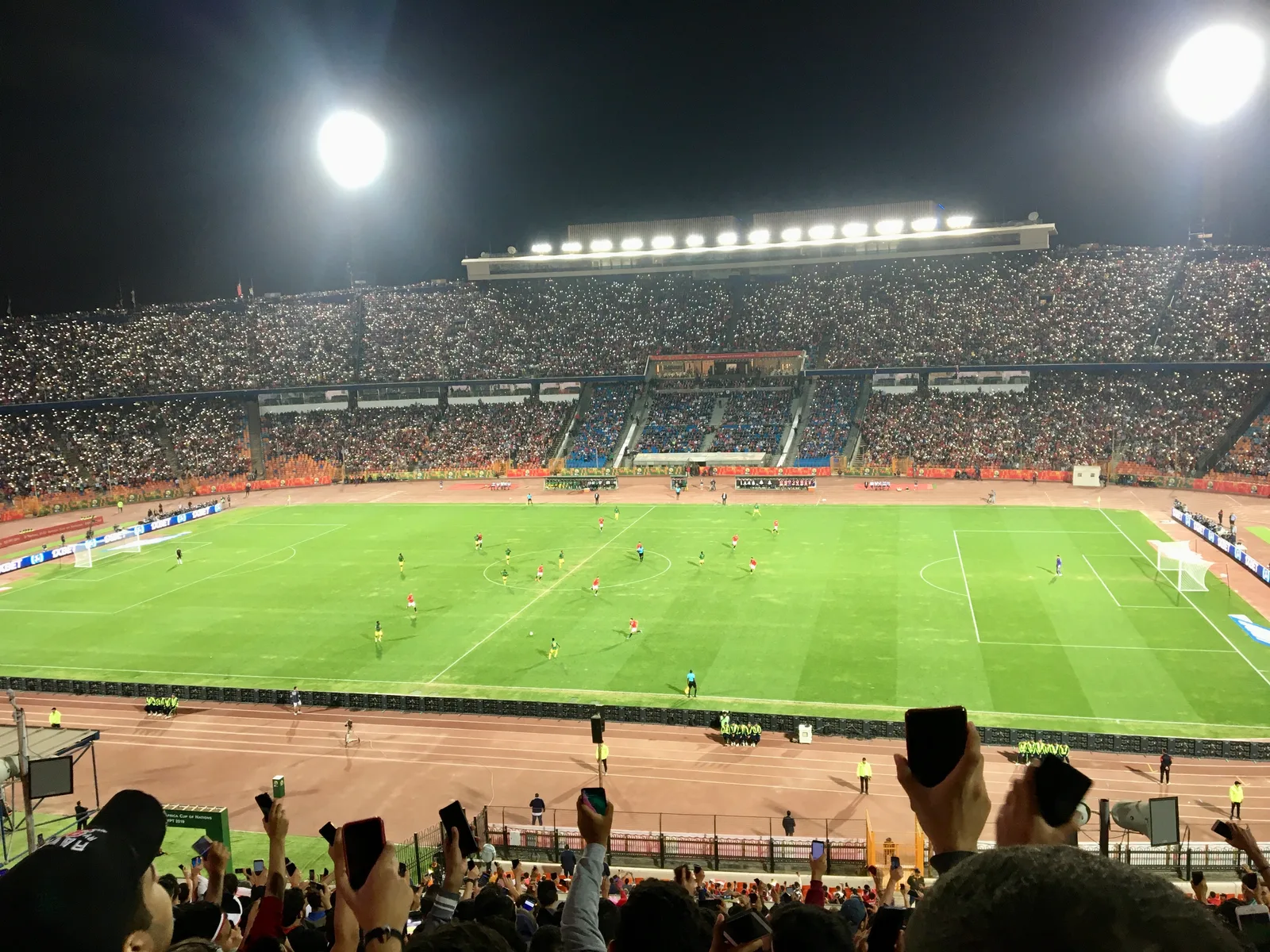
Zaidi ya Mechi: Karne Moja ya 'Al-Qimma' kati ya Al Ahly na Zamalek Kama Wamisri Wanavyoiishi Nyumbani
Kutoka mkutano wa kwanza mwaka 1917 hadi fainali ya Afrika ya 2020, mechi ya Al Ahly dhidi ya Zamalek haijawahi kuwa dakika tisini tu. Ni siku inayogawanya sebule moja katika rangi nyekundu na nyeupe kisha kuiunganisha tena. Makala haya yanaangalia kwa utulivu jinsi klabu hizi mbili zilivyoanzishwa, rekodi zake, na taratibu za siku ya mechi hii katika nyumba za Kimisri.
25 Septemba 2026 · 6 dakika za kusoma
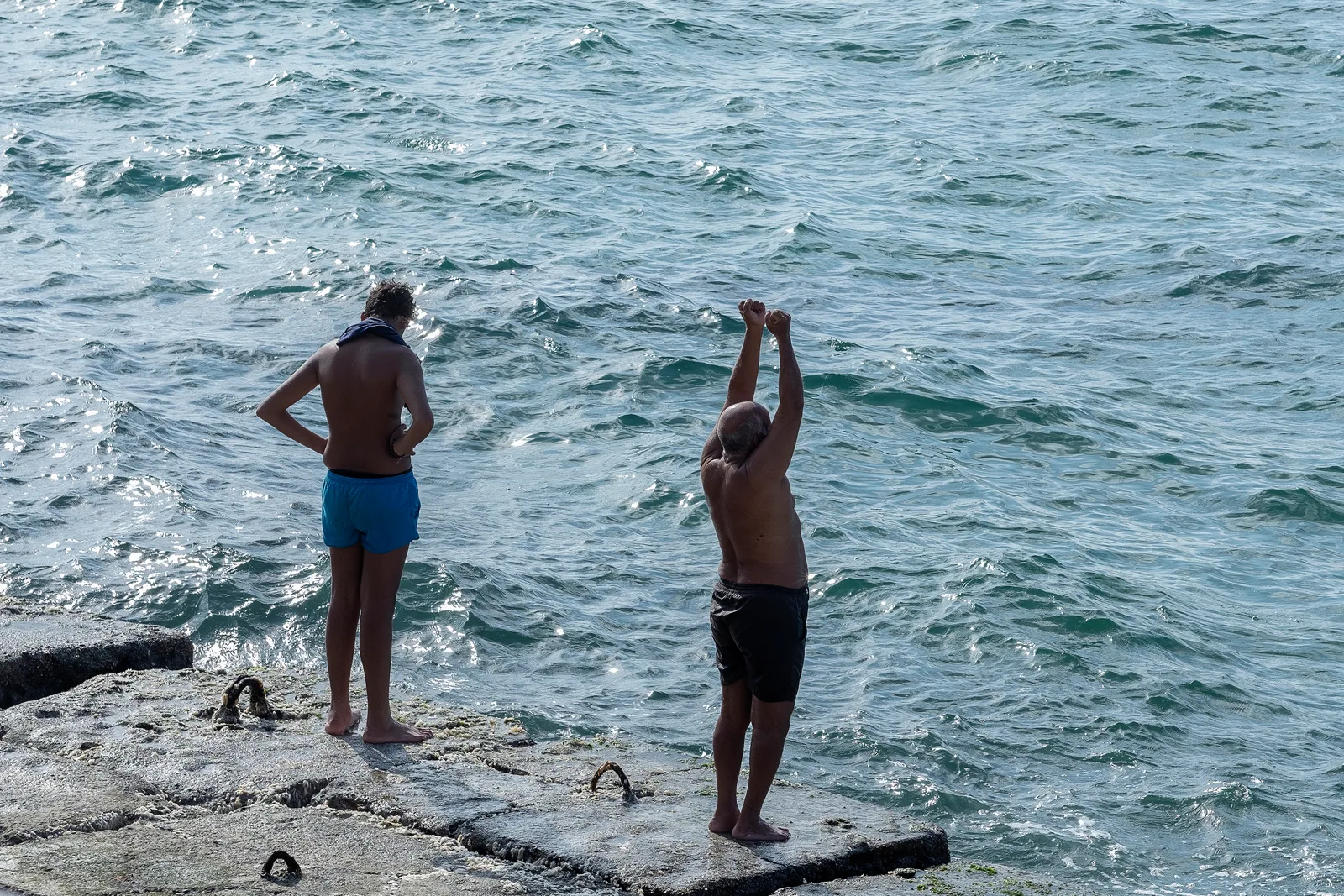
“Mamba wa Mto Nile”: Abdel Latif Abou Heif, Mwalexandria aliyekuwa Mwogeleaji wa Karne
Katika majira ya joto ya 1963, mwanamume mwenye mwili mkubwa kutoka Alexandria aliogelea maili sitini katika maji baridi ya Ziwa Michigan kwa karibu saa thelathini na tano, huku Wamarekani wakimfuatilia kwa boti. Hii ni hadithi ya Abdel Latif Abou Heif, bingwa wa dunia mara tatu na “Mwogeleaji wa Marathoni wa Karne” kwa mujibu wa Ukumbi wa Umaarufu wa Kuogelea — mtu ambaye wengi wanalijua jina la barabara yake lakini hawaijui hadithi yake.
18 Septemba 2026 · 8 dakika za kusoma
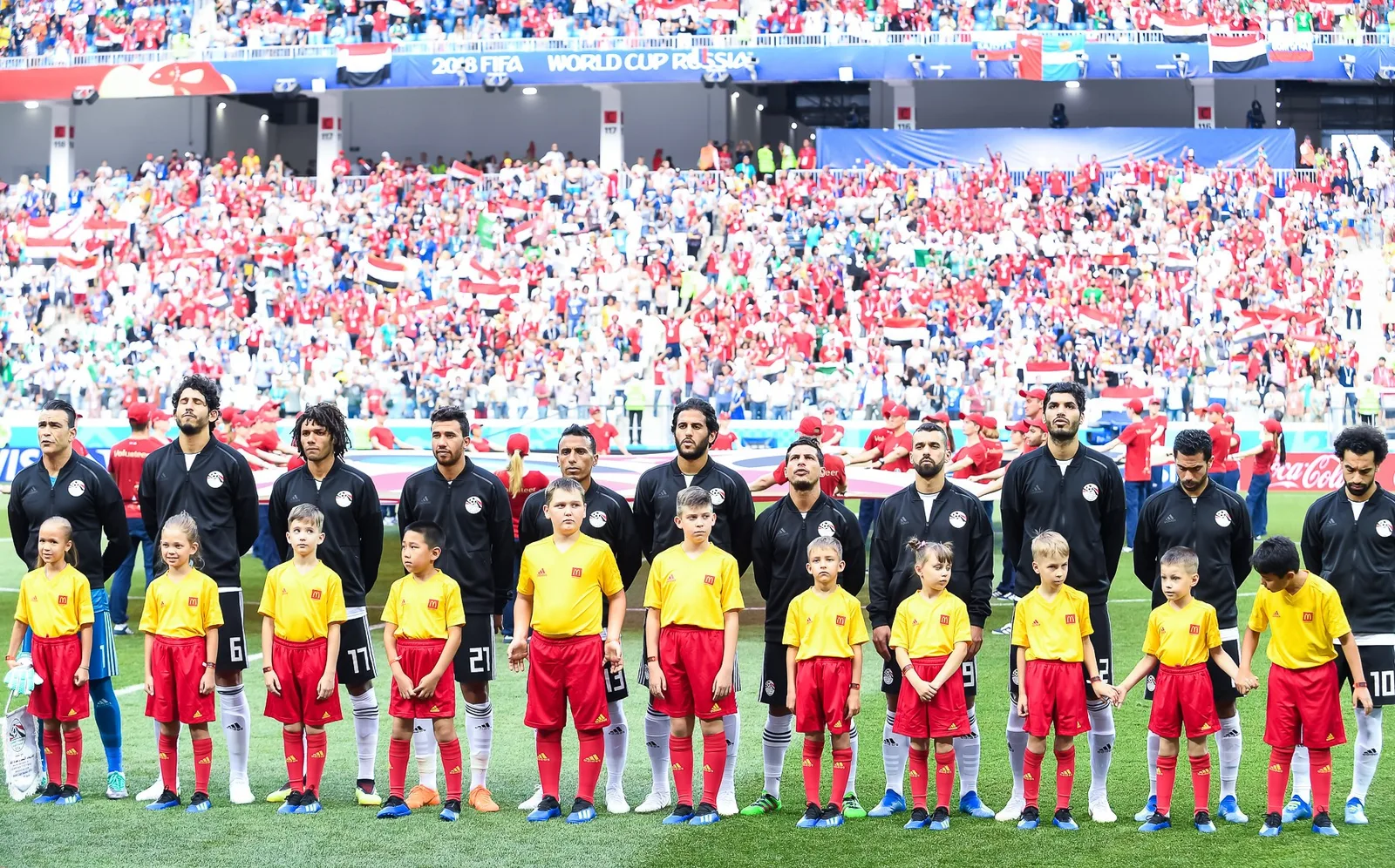
Kutoka meli ya "Helwan" hadi hatua ya 16 bora: Miaka tisini ya safari ya Misri kwenye Kombe la Dunia
Kushiriki mara nne tu katika miongo tisa: safari ya baharini hadi Naples mwaka 1934, kiangazi cha Italia 1990, masikitiko ya Urusi 2018, kisha kiangazi cha 2026 ambapo Misri ilivuka hatua ya makundi kwa mara ya kwanza katika historia yake. Uchambuzi wa utulivu wa kile kilichobadilika kila mara, mbali na hisia za wakati huo, pamoja na kusahihisha matokeo ya mwaka 1934 ambayo vyanzo vya kigeni bado vinayakosea hadi leo.
9 Septemba 2026 · 7 dakika za kusoma