Jinsi Misri ilivyoshinda virusi vya homa ya ini aina C: Kampeni kubwa zaidi duniani ya upimaji na tiba
Misri iliwahi kuwa na kiwango cha juu zaidi duniani cha maambukizi ya virusi vya homa ya ini aina C, lakini ndani ya miaka michache iligeuka kuwa hadithi ya mafanikio ya afya ya umma duniani. Hii ndiyo hadithi ya kampeni ya 'Milioni 100 za Afya' — jinsi upimaji na matibabu ya bure yalivyowafikia mamilioni ya Wamisri, hadi Shirika la Afya Duniani (WHO) kuitambua Misri kama kinara wa aina yake.
Si muda mrefu uliopita, Misri ilibeba sifa isiyotamanika: kiwango cha juu zaidi duniani cha maambukizi ya virusi vya homa ya ini aina ya C. Leo hii, tajriba ya Misri inafundishwa katika duru za kimataifa za afya ya umma kama kielelezo cha yale ambayo utashi wa kisiasa unaweza kufanikisha unapokutana na sayansi ya kisasa na upangaji mzuri. Ni hadithi adimu ya mageuzi: kutoka mzigo mzito wa kitaifa hadi mafanikio yanayoshuhudiwa na Shirika la Afya Duniani.
Mizizi ya janga hili inarudi katikati ya karne ya ishirini, wakati serikali ilipoendesha kampeni pana za kutibu kichocho, ugonjwa uliowachosha wakulima kwa karne nyingi. Sindano zilitolewa siku hizo kwa mabomba ya kioo yaliyojazwa upya na kutumika mara nyingi bila usafi wa kutosha, katika zama ambazo virusi vya homa ya ini C vilikuwa bado havijagunduliwa kabisa. Hivyo, kwa nia ya kutibu ugonjwa mmoja, virusi vingine vya kimya vilihamia miili ya mamia ya maelfu ya watu, na vikaendelea kusambaa kwa miongo kadhaa kupitia uongezaji damu na vifaa vya tiba visivyosafishwa.
Vipimo sahihi vilipopatikana, ukubwa wa janga ulidhihirika: tafiti za kitaifa za afya zilizofanyika takriban muongo mmoja uliopita zilionyesha kuwa karibu mtu mmoja kati ya kila watu wazima kumi wa Misri alikuwa na kingamwili dhidi ya virusi hivyo, yaani alikuwa amewahi kuambukizwa wakati fulani. Maambukizi sugu yalikuwa yakiharibu ini taratibu, hadi magonjwa ya ini na matatizo yake, yaani kovu la ini na saratani, yakawa chanzo kikuu cha vifo na mateso nchini.
Kwa miaka mingi, tiba iliyokuwepo, yaani sindano za interferoni, ilikuwa safari ya mateso: miezi ya sindano za kila wiki zenye madhara makali yanayofanana na homa isiyoisha, na viwango vya kupona vya wastani ambavyo, hata katika hali bora, havikuzidi nusu ya wagonjwa. Wengi walichagua kuishi na ugonjwa badala ya kupitia safari hiyo, na virusi vikaendelea kusambaa na kuua.
Kisha ukafika wakati wa mabadiliko ya kisayansi: kuibuka kwa dawa za kuua virusi zenye kutenda moja kwa moja, hasa sofosbuvir, iliyoingia sokoni duniani katikati ya muongo uliopita. Vidonge vinavyomezwa kwa wiki chache tu, vyenye kiwango cha kupona kinachozidi asilimia tisini na tano na madhara machache. Tatizo pekee lilikuwa bei ya kimataifa iliyokuwa kubwa mno. Misri ilijadiliana punguzo lisilo na kifani, kisha ikafungua mlango kwa makampuni ya ndani ya dawa kuzalisha dawa mbadala zinazolingana, jambo lililoshusha gharama ya kozi kamili ya tiba hadi sehemu ndogo sana ya bei ya dunia.
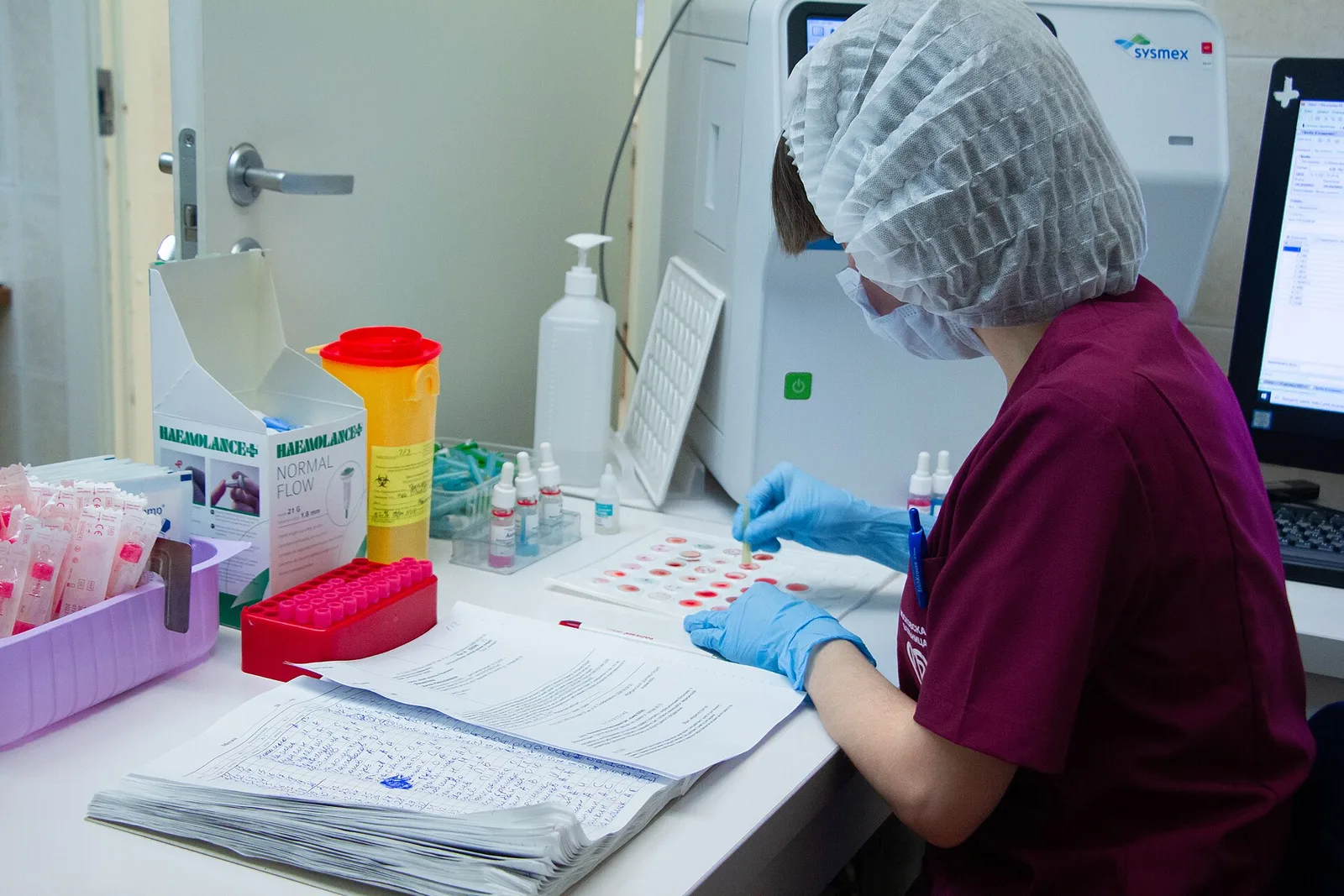
Dawa rahisi peke yake haitoshi ikiwa mgonjwa hajui kuwa ni mgonjwa. Hapa ndipo hatua ya ujasiri zaidi ilipochukuliwa: kampeni ya “Afya kwa Milioni 100”, iliyoanza majira ya vuli mwaka 2018 ikiwa na lengo lisilo na mfano duniani, yaani kuwapima watu wazima wote nchini. Upimaji ulifanyika bure katika vituo vya afya, hospitali na vituo vya kuhamahama vilivyofika vijijini, vitongojini na kwenye vituo vya treni; na kwa kuunganisha matokeo na namba ya kitambulisho cha taifa, kila aliyekutwa na maambukizi aliweza kufuatiliwa na kuelekezwa kwenye njia bayana ya matibabu.
Ndani ya miezi michache, makumi ya mamilioni walipimwa, yaani takriban watu wazima milioni sitini, katika kile kinachohesabiwa kuwa kampeni kubwa zaidi ya upimaji wa ugonjwa mmoja katika historia ya afya ya umma. Kampeni haikuishia kwenye homa ya ini C pekee; ilipima pia shinikizo la damu, kisukari na unene kupita kiasi, hivyo ikageuka kuwa uchunguzi mpana wa magonjwa yasiyoambukiza.
Kila aliyethibitika kuwa na maambukizi alipelekwa kwenye njia kamili ya matibabu ya bure: vipimo vya uthibitisho, tathmini ya hali ya ini, kisha kupewa dawa za kuua virusi zenye kutenda moja kwa moja. Kupitia njia hiyo, zaidi ya Wamisri milioni nne walitibiwa katika miaka ya mpango huo, na kiwango cha maambukizi hai nchini kikashuka kwa kasi isiyokuwa na mfano katika nchi yenye idadi kubwa hivyo ya watu.
Kutambuliwa kimataifa kulikuwa taji la safari hii: mwaka 2023 Shirika la Afya Duniani lilitunuku Misri cheti cha “daraja la dhahabu” katika njia ya kutokomeza homa ya ini C, na hivyo ikawa nchi ya kwanza duniani kukipata. Maana yake ni kwamba Misri ilitimiza vigezo vikali vya utambuzi, matibabu, usalama wa damu na udhibiti wa maambukizi, na kilichobaki ni kulinda mafanikio hayo hadi itakapotangazwa rasmi kuwa ugonjwa huo umetokomezwa kama tishio kwa afya ya umma.
Vita havijaisha kabisa; kulinda mafanikio kunahitaji uangalifu wa kudumu: kuwapima wanaotarajia kufunga ndoa, wajawazito na wachangiaji damu; kusisitiza usafishaji wa vifaa vya tiba pamoja na vifaa vya kunyoa na vya kuchora mwili nje ya vituo vya afya; na kutibu maambukizi yoyote mapya mara tu yanapogunduliwa kabla hayajaambukiza wengine. Vilevile, wale walioathirika na uharibifu mkubwa wa ini kabla ya matibabu bado wanahitaji ufuatiliaji wa mara kwa mara wa ini hata baada ya kupona virusi vyenyewe.
Tajriba ya Misri inatoa mafunzo matatu ambayo sasa ni kigezo cha kimataifa: uamuzi wa kisiasa uliolifanya suala hili kuwa kipaumbele cha juu kabisa cha taifa; dawa ya ndani ya bei rahisi iliyovunja ukiritimba wa bei ya dunia; na njia rahisi kwa mgonjwa kutoka kipimo hadi tiba, bila usumbufu wala gharama. Ni mafunzo ambayo nchi nyingi zinazokabiliwa na virusi hivi zinatamani kuyaiga leo kwa msaada wa Shirika la Afya Duniani.
Kwa ngazi ya mtu binafsi, ujumbe ni rahisi: kama hujawahi kujipima, kipimo kinapatikana bure katika vituo vya afya vya serikali, na tiba, ikiwa maambukizi yatabainika, ni vidonge vya wiki chache tu vyenye kiwango cha kupona kinachokaribia asilimia mia moja. Virusi vilivyowaangamiza Wamisri kwa karibu karne nzima, leo vinaweza kushindwa kwa kipimo cha tone la damu na kidonge kimoja.
Habari Zinazohusiana
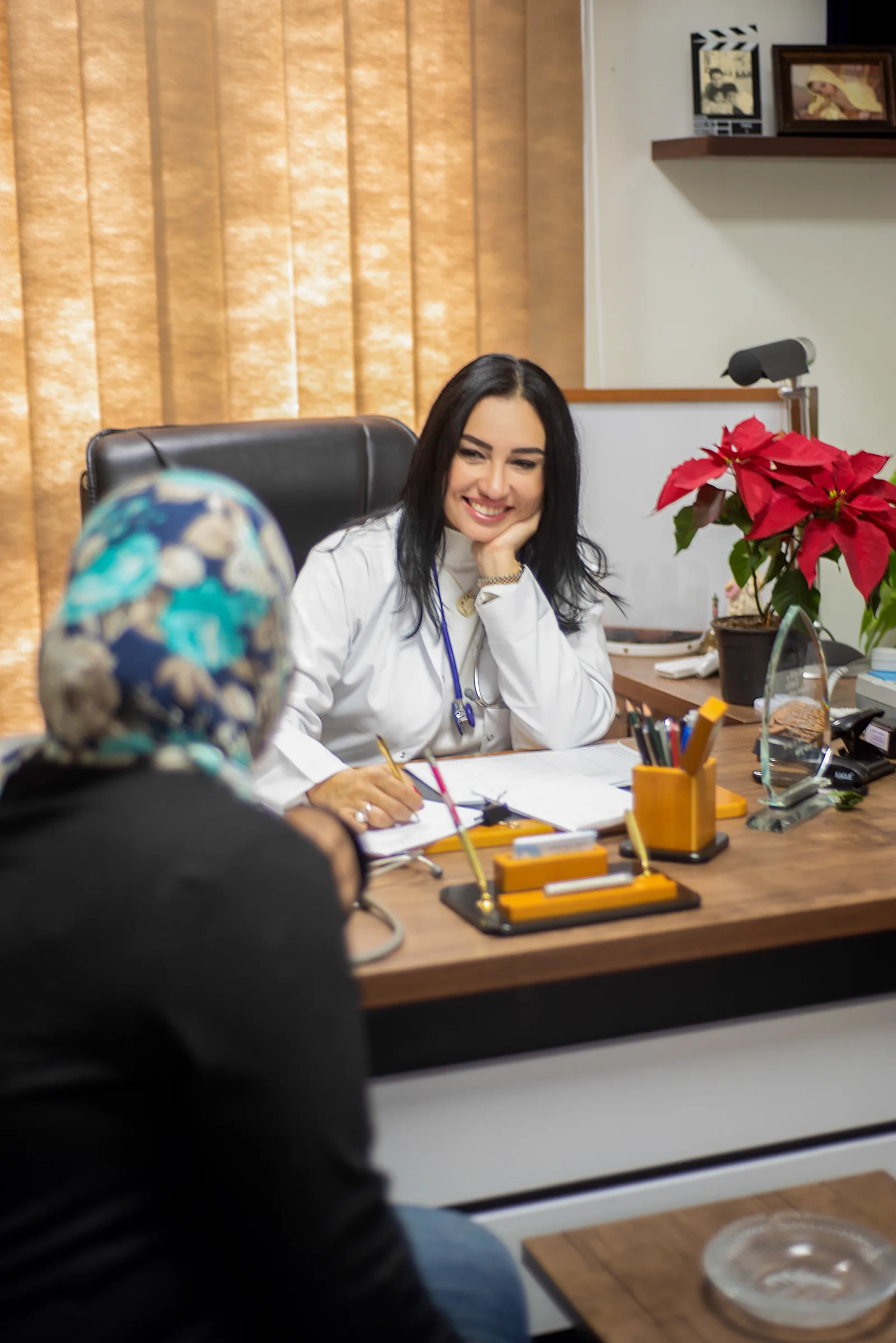
Oktoba ya waridi: uchunguzi wa bure – kwa nini ugunduzi wa mapema unabadilisha hatima ya mwanamke wa Misri
“Sina maumivu” si sababu ya kuahirisha. Tangu Julai 2019, vituo vya afya nchini Misri vimekuwa vikifungua milango yake bure kwa kila mwanamke mwenye umri wa miaka 18 na zaidi, na kufikia Juni 2026 idadi ya kesi zinazogunduliwa katika hatua za mwisho ilishuka kutoka asilimia 60 hadi 19.5. Tunaeleza yanayotokea kituo cha afya, dalili zinazohitaji ziara, na kwa nini woga unachelewesha uchunguzi huu muhimu.
2 Oktoba 2026 · 7 dakika za kusoma
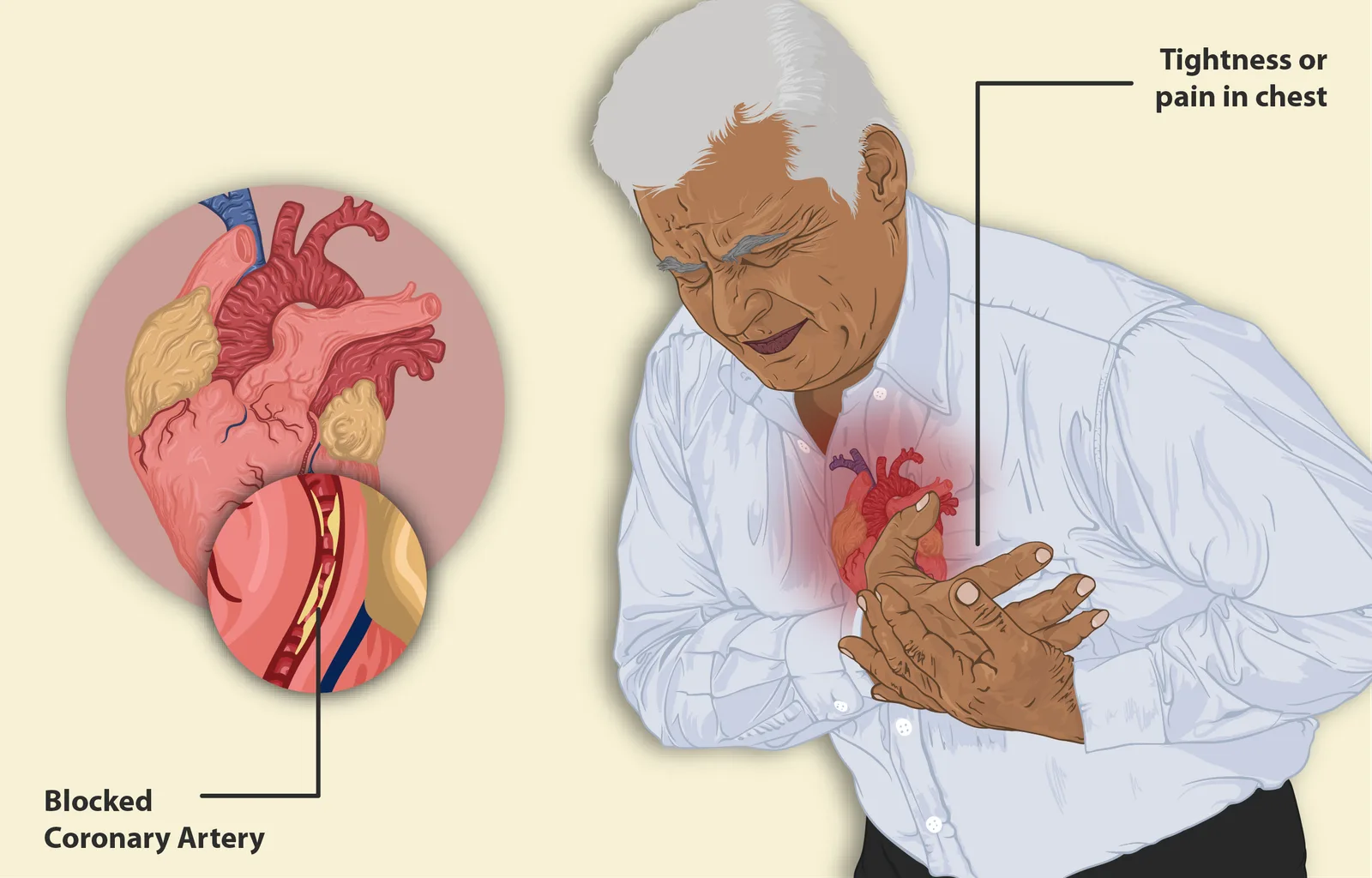
Siku ya Moyo Duniani: kusoma dalili za angina na shambulio la moyo kwa wakati, na cha kufanya
Mwanamume wa miaka ya hamsini anadhani uzito kifuani mwake ni “kiungulia” cha chakula kizito cha jioni, na anaahirisha kwenda hospitali hadi asubuhi. Katika Siku ya Moyo Duniani tunaeleza tofauti kati ya angina, shambulio la moyo, kusimama kwa moyo na kiharusi; dalili za hatari za WHO, ikiwemo tofauti zake kwa wanawake; na cha kufanya katika dakika za kwanza: piga 123 bila malipo, kaa chini, na usiendeshe gari.
29 Septemba 2026 · 7 dakika za kusoma
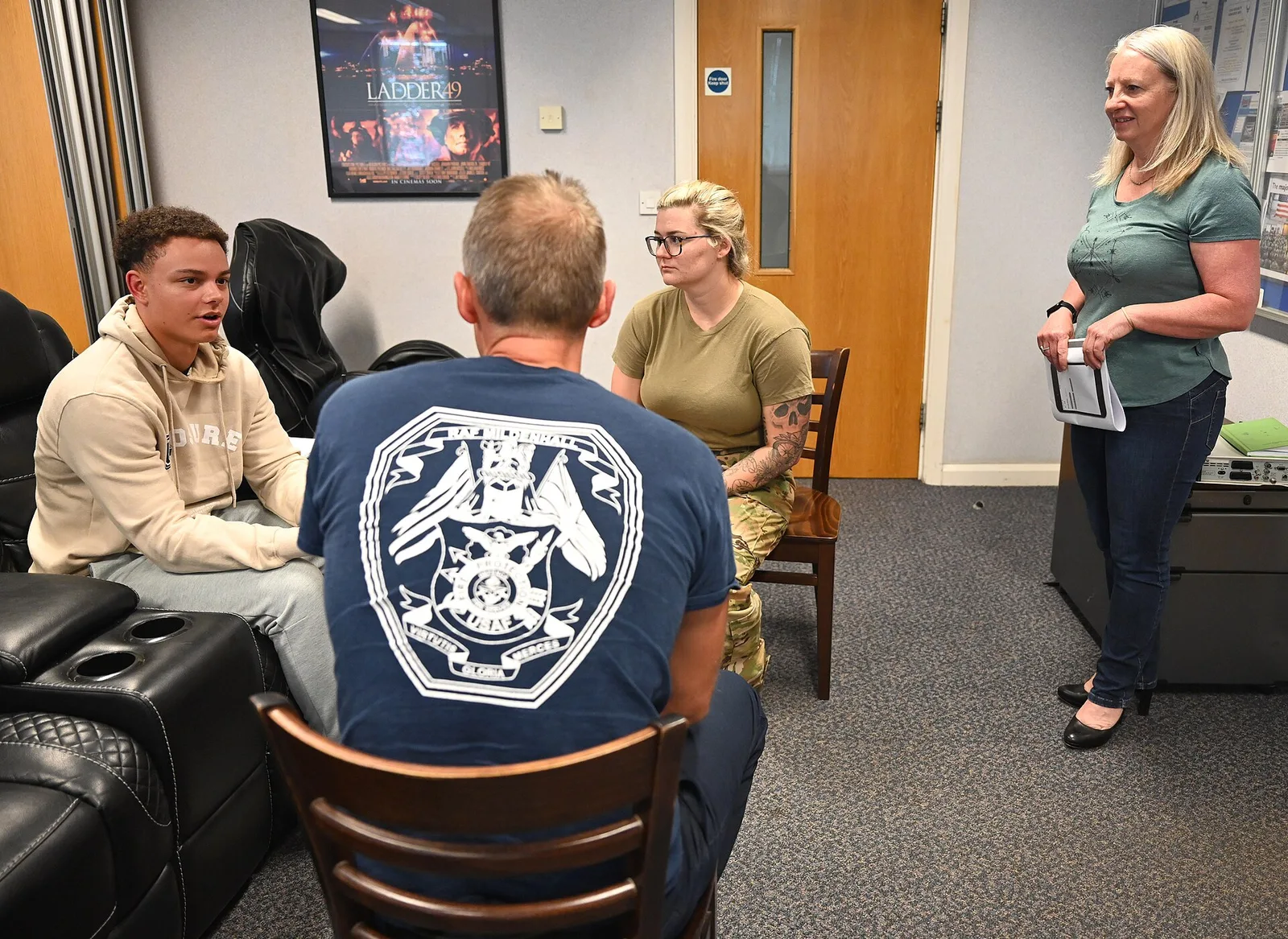
Afya ya akili si anasa: Huzuni inakuwa ugonjwa lini, na wapi unapata msaada bila unyanyapaa?
Kati ya “jikaze bwana” na “imani yako ni haba”, wagonjwa wa sonona na wasiwasi wananyauka kimya kimya. Mwongozo huu wa vitendo unatofautisha huzuni ya kupita na ugonjwa unaohitaji tiba, unafafanua tofauti kati ya daktari wa magonjwa ya akili na mwanasaikolojia, na unaonyesha njia ya kupata msaada nchini Misri kwa maneno yanayofungua mlango badala ya kuufunga.
31 Agosti 2026 · 7 dakika za kusoma