Ongezeko la Idadi ya Watu: Tunawezaje Kuligeuza kutoka Mzigo Unaomeza Maendeleo kuwa Utajiri wa Rasilimali Watu?
Idadi ya watu wa Misri imevuka milioni mia moja, na ongezeko la watu linameza sehemu kubwa ya kila hatua ya maendeleo. Lakini uzoefu wa Iran, Bangladesh, Indonesia, Tunisia na Korea Kusini unathibitisha kwamba mabadiliko yanawezekana: kutoka mzigo unaofyonza uchumi hadi kuwa utajiri wa rasilimali watu unaojenga ustawi wa taifa. Hii hapa ramani ya suluhisho za kivitendo: kinachofanywa na familia, kinachofanywa na serikali, na kinachofanywa na vyombo vya habari.
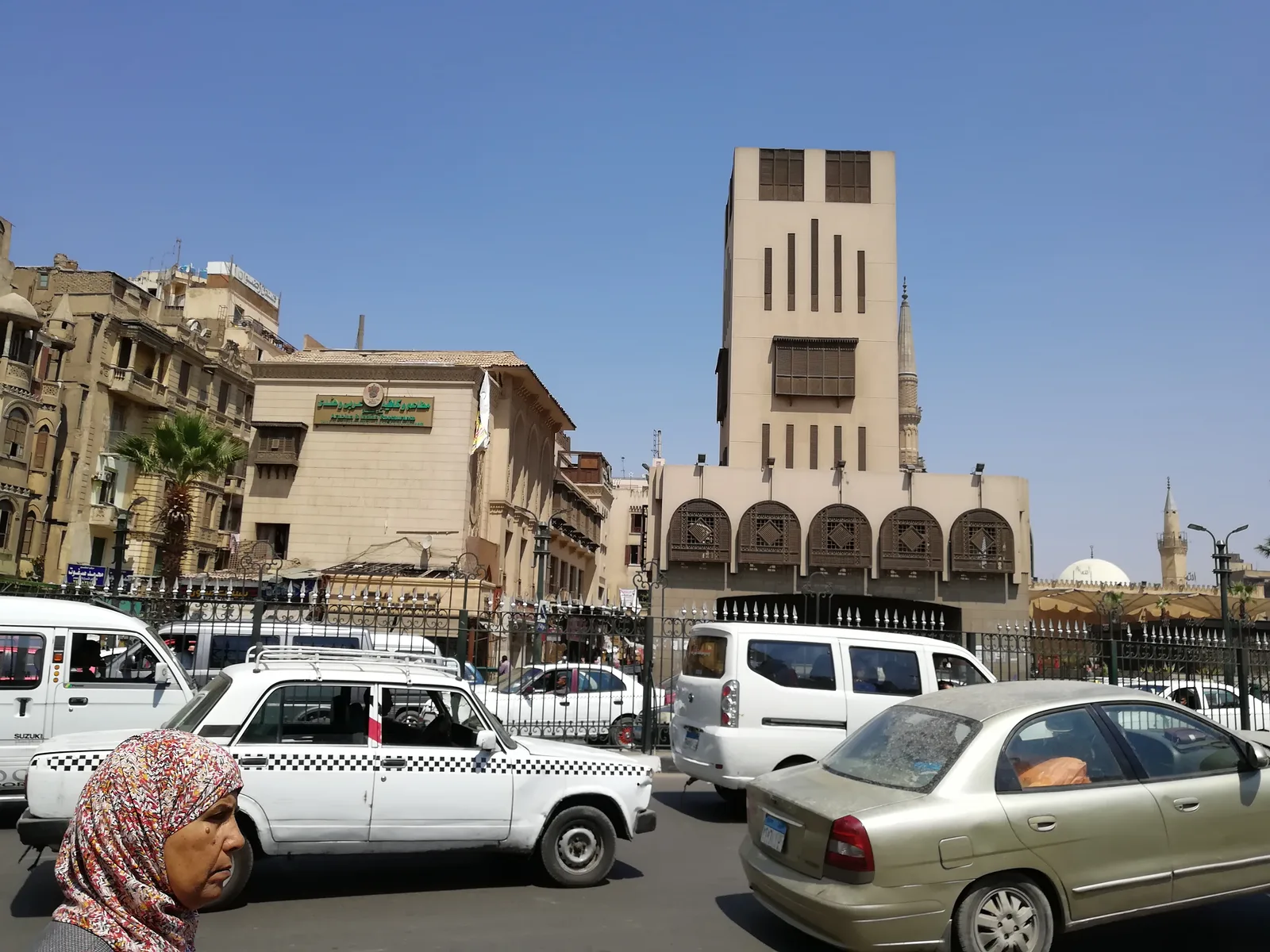
Mnamo Februari 2020, idadi ya watu wa Misri ilivuka rasmi milioni mia moja; leo imezidi milioni mia moja na sita. Kila mwaka serikali hujenga shule na hospitali, huongeza ajira na nyumba; na kila mwaka ongezeko la watu humeza sehemu kubwa ya nyongeza hiyo kabla mwananchi hajaihisi. Haya si maneno matupu, bali ni hesabu ambayo kila familia huiishi kila siku katika madarasa yaliyofurika, foleni za hospitali na msukumano wa kugombea nafasi za kazi.
Hesabu ya mzigo ni rahisi: ukuaji wa uchumi hugawanywa kwa idadi ya watu. Hata uchumi uongeze kiasi gani, ongezeko la watu lililo la kasi zaidi humega fungu la kila mtu: fungu la maji, ambalo kwa kila mtu linapungua mwaka baada ya mwaka; fungu la elimu; fungu la makazi; na zile nafasi laki kadhaa za kazi zinazopaswa kuundwa kila mwaka ili tu kuwapokea wanaoingia upya katika soko la ajira, kabla hata hatujazungumzia kuboresha hali ya wale waliotangulia.
Na tuwe wazi kuhusu tunachosema na tusichosema: hii si kampeni dhidi ya kuzaa, bali dhidi ya kuzaa bila mpango. Binadamu ndiye utajiri mkubwa kuliko wote wa mataifa akiwa amesoma, ana afya na ana kazi; mzigo upo katika pengo kati ya kasi ya kuongezeka kwa watu na kasi ya kuongezeka kwa rasilimali, shule na ajira. Kuziba pengo hilo ndiyo suala zima.
Misri haikukaa kimya. Kampeni ya “Wawili wanatosha”, iliyozinduliwa na Wizara ya Mshikamano wa Kijamii mwaka 2018, ilipeleka elimu ya uzazi wa mpango hadi kwenye nyumba za vijijini; vituo vya afya hutoa huduma za uzazi wa mpango; na mikakati ya kitaifa ya idadi ya watu huweka malengo mfululizo. Tafiti rasmi zinaonyesha kushuka kwa kiwango cha uzazi katika miaka ya karibuni — hayo ni maendeleo ya kweli, lakini kiwango bado kiko juu ya kile cha kujazia nafasi, na ongezeko la kila mwaka bado ni kubwa mno. Somo la mataifa yaliyofanikiwa duniani ni kwamba juhudi hizi lazima ziendelee kwa miongo, si kwa msimu mmoja.
Tazama uzoefu wa Iran katika miaka ya tisini — mojawapo ya kushuka kwa kasi zaidi kwa uzazi kulikowahi kuandikwa katika historia. Uongozi wa kidini uliunga mkono uzazi wa mpango hadharani, mtandao wa “nyumba za afya” vijijini ulipeleka huduma za bure hadi kwenye vijiji, na wanaotarajia kufunga ndoa walipata mafunzo. Katika takriban miaka kumi na mitano, wastani ulishuka kutoka watoto sita kwa kila mwanamke katikati ya miaka ya themanini hadi watoto wawili mwanzoni mwa milenia mpya.
Tazama Bangladesh, iliyokuwa maskini kuliko Misri ilipoanza. Wahudumu wa afya wanawake walibisha hodi nyumba kwa nyumba wakiwapelekea ushauri na njia za uzazi wa mpango wanawake wasioweza kufika kliniki; elimu ya wasichana ilipanuka; na mikopo midogo pamoja na kazi katika viwanda vya nguo viliwapa mamilioni ya wanawake kipato na heshima. Kiwango cha uzazi kilishuka kutoka watoto zaidi ya sita kwa kila mwanamke katika miaka ya sabini hadi wawili leo.
Tazama Indonesia, taifa lenye Waislamu wengi kuliko mataifa yote duniani. Tangu mwaka 1970, shirika lake la kitaifa la uzazi wa mpango lilijenga mpango uliofika kila kijiji, na likawashirikisha wazee wa jamii na wanazuoni wa dini badala ya kupambana nao — ushahidi kwamba jambo hili linaweza kutetewa kutoka ndani ya imani na maadili ya jamii, si kinyume nayo.
Tazama Tunisia, kinara katika ulimwengu wa Kiarabu. Tangu mwishoni mwa miaka ya hamsini na katika miaka ya sitini ilipandisha umri wa kuoa na kuolewa, ikawekeza katika elimu ya wasichana, ikapanua haki za wanawake na ikafanya njia za uzazi wa mpango zipatikane; kwa miongo kadhaa ikadumisha viwango vya uzazi vilivyo miongoni mwa vya chini kabisa katika ulimwengu wa Kiarabu.
Kisha inakuja nusu nyingine ya hadithi: kugeuza wimbi la vijana kuwa faida ya kidemografia. Karibu mwaka 1960, Korea Kusini ilikuwa na kiwango cha uzazi cha karibu watoto sita na kipato kidogo. Ilipunguza uzazi huku ikimwaga uwekezaji katika elimu bora na viwanda vya bidhaa za kuuza nje, hivyo kizazi chake kikubwa cha vijana kikaingia katika soko la ajira kikiwa wafanyakazi wenye ujuzi, si vijana wasio na kazi. Wachumi wanahusisha sehemu kubwa ya “muujiza wa Asia” na faida hii hasa: wategemezi wachache, wafanyakazi wengi na akiba kubwa zaidi — kwa sharti kwamba wafanyakazi wawe wamesoma na kwamba ajira ziwepo.
Katika mifano hii yote, nyuzi zilezile hujirudia. Elimu ya wasichana na ajira kwa wanawake ndizo nyenzo mbili zenye nguvu zaidi zilizowahi kujaribiwa: mwanamke aliyesoma na anayefanya kazi huchagua ndoa ya umri uliokomaa na watoto wachache wenye afya bora. Huduma zinapaswa kwenda kwa watu badala ya kuwasubiri. Viongozi wa dini na wa jamii wanapaswa kuwa washirika. Na dhamira ya dola inapaswa kuvuka miongo na serikali mbalimbali, ikiwa salama dhidi ya mabadiliko ya hisia za wakati.
Familia ifanye nini? Ipange na iweke nafasi kati ya uzazi na uzazi, na ijiulize swali la kweli: je, nitaweza kumsomesha mtoto huyu, kumlisha na kumtibu ipasavyo? Watoto wawili waliosomeshwa na kulelewa vizuri huipandisha familia juu zaidi kuliko wengi walioachwa kwa bahati nasibu. Ni jukumu la familia pia kukataa kuozesha wasichana wadogo na kukataa ukeketaji — kosa linaloadhibiwa na sheria ya Misri — kwa kuwa vyote viwili ni pete katika mnyororo uleule wa umaskini unaorithishwa kizazi hadi kizazi.
Na dola inapaswa kufanya nini? Kudumisha kampeni na kuzipanua badala ya kuziacha ziwake kisha zizime; kuviwezesha vituo vya afya vya vijijini ili asiwepo mwanamke aliye mbali zaidi ya safari fupi kutoka huduma za bure za uzazi wa mpango; kuendelea kupanua elimu ya wasichana na kupambana na kutojua kusoma na kuandika; kufungua njia za kweli za ajira kwa wanawake; na kuunganisha — pale inapowezekana — mipango ya msaada na afya ya mtoto pamoja na mahudhurio yake ya kawaida shuleni. Na juu ya yote: mwendelezo, ili kila serikali ijenge juu ya kile kilichojengwa na iliyoitangulia.
Na vyombo vya habari, ambavyo sisi ni sehemu yake? Ahadi yetu ni kuliweka suala hili likiwa hai mstari wa mbele, si mada ya msimu; kuonyesha kwa uaminifu mifano ya mataifa yaliyofanikiwa; kukanusha uvumi na imani potofu zinazozunguka uzazi wa mpango; na kumzungumzisha mwananchi kwa lugha inayomheshimu, isiyomhubiria wala kumlaumu; kwa maana watu hujibu heshima, si kemeo.
Tofauti kati ya mzigo na utajiri haikuwahi kuwa idadi ya watu, bali ni kile ambacho taifa huwekeza ndani yao. Leo Misri ina kizazi kikubwa cha vijana ambacho kinaweza kuwa mafuta ya mwanzo wa kweli wa kiuchumi — lakini dirisha la kidemografia halibaki wazi milele. Nchi zilizopanga ziligeuza watu wao kuwa mali yao kubwa kuliko zote. Chaguo hili ni letu, na wakati wake ni sasa.
Habari Zinazohusiana
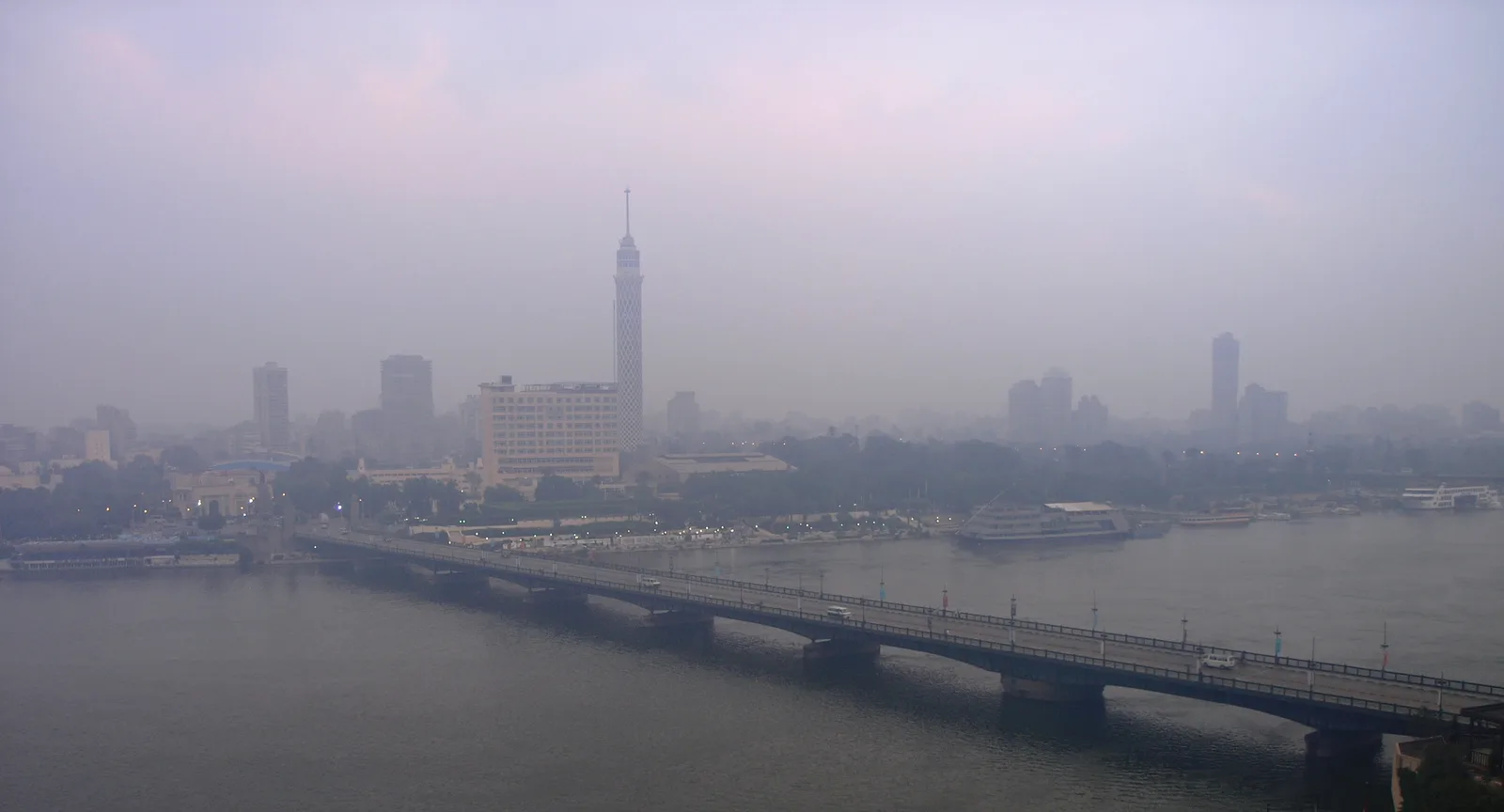
Hewa ya Cairo ni suala la taifa: kutoka “Wingu Jeusi” hadi basi la umeme, vita vya kila pumzi
Kila msimu wa vuli “Wingu Jeusi” hurudi kuisonga Cairo Kuu, lakini kinachoua hasa ni kile tusichokiona: chembechembe nyembamba kuliko unywele zinazopenya kwenye mapafu na damu. Katika mkesha wa Siku ya Dunia Bila Magari, tunafungua faili la mojawapo ya matatizo hatari zaidi ya afya ya mazingira katika Cairo Kuu: takwimu zinasema nini, nini kinafanyika, na wewe unaweza kufanya nini katika siku yako.
21 Septemba 2026 · 7 dakika za kusoma

Bahari Yaisonga Delta: Misri Inavyolinda Ardhi Yake Yenye Rutuba Zaidi kwa Vizuizi vya Mchanga na Mianzi
Kwenye barabara ya pwani huko Burullus, milima ya mchanga imesimama ikiwa imeshikiliwa na uzio wa mianzi; nyuma yake, mkulima anaonja maji ya kisima chake na kubaini kuwa ni ya chumvi. Hii ni janga la kimya linalotishia robo ya wakazi wa Misri: bahari inapanda, ardhi inazama. Makala hii inaeleza hatari kwa takwimu, inachunguza mradi wa dola milioni 105 ulioujenga kilomita 69 za vizuizi laini, na kuuliza mwananchi ana nafasi gani.
13 Septemba 2026 · 8 dakika za kusoma
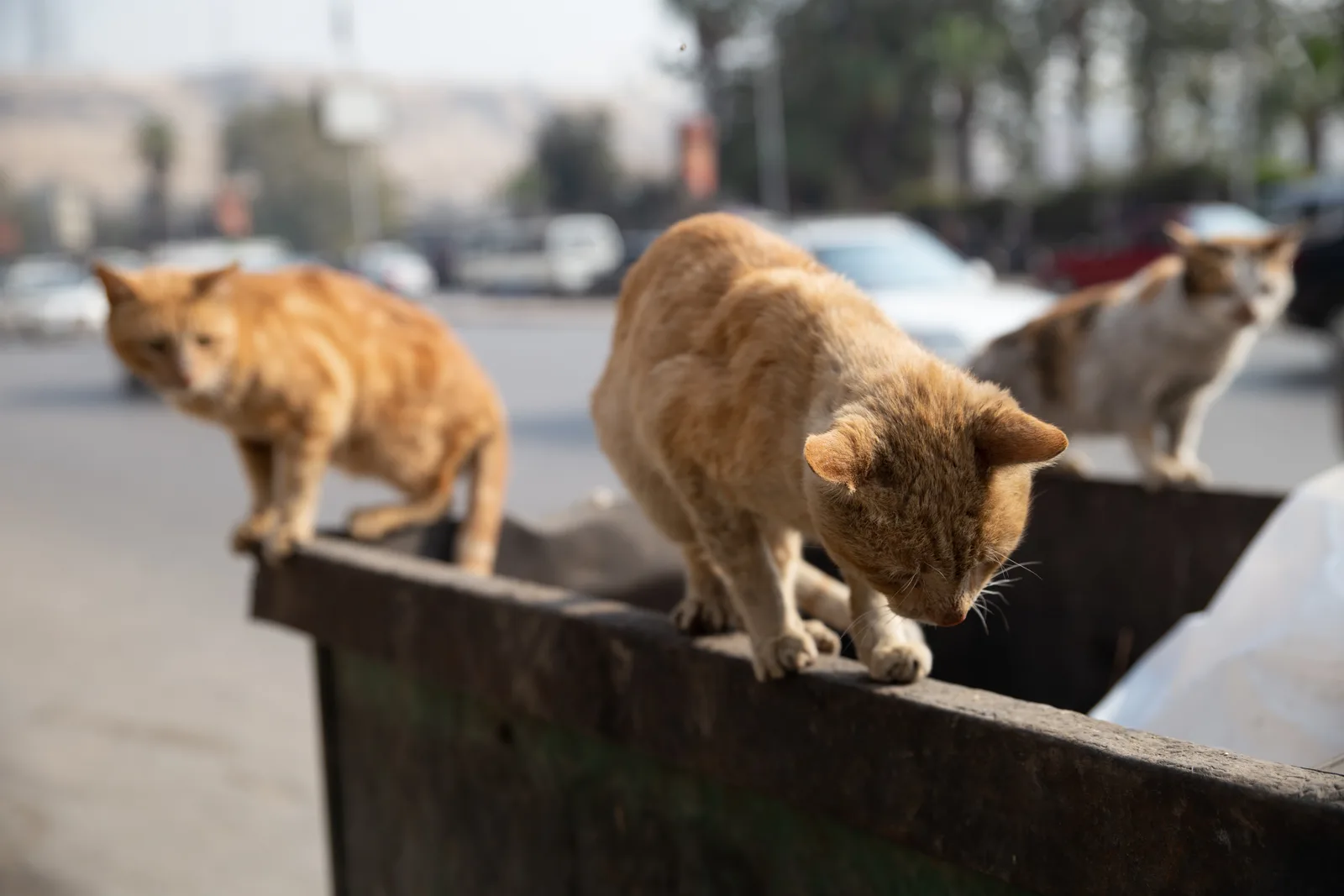
«Keda Ghalat» (Hii Si Sawa): Kudhuru Wanyama ni Kosa la Jinai Chini ya Sheria ya Adhabu ya Misri Tangu 1937
Jirani anaweka bakuli za sumu karibu na ukuta wa shule, na mmiliki wa mkokoteni anampiga punda wake usoni chini ya mzigo mzito kupita kiasi. Wengi hudhani «ni mnyama tu» maana yake hakuna sheria inayomlinda. Ukweli ni kwamba Ibara za 355, 356 na 357 za Sheria ya Adhabu zinaadhibu kuua, kutia sumu na kudhuru wanyama kwa adhabu zinazofikia kifungo jela. Katika usiku wa kuamkia Siku ya Wanyama Duniani, tunaeleza sheria inasema nini.
3 Oktoba 2026 · 6 dakika za kusoma