Usalama Barabarani Nchini Misri: Hatari Zilizothibitishwa na Suluhisho Zilizoonyesha Kufaa
Kila mwaka maelfu ya Wamisri hupoteza maisha barabarani. Sababu zimethibitishwa vyema: mwendo kasi, magari yasiyofaa barabarani, na utekelezaji wa sheria wa kusuasua — na suluhisho zilizopunguza vifo kwa kiasi kikubwa katika nchi nyingine nazo zimethibitishwa. Mtazamo wa kile ushahidi wa kisayansi unachosema kinafanya kazi, na kwa nini hakuna kifo cha barabarani kilicho majaliwa yasiyoepukika.
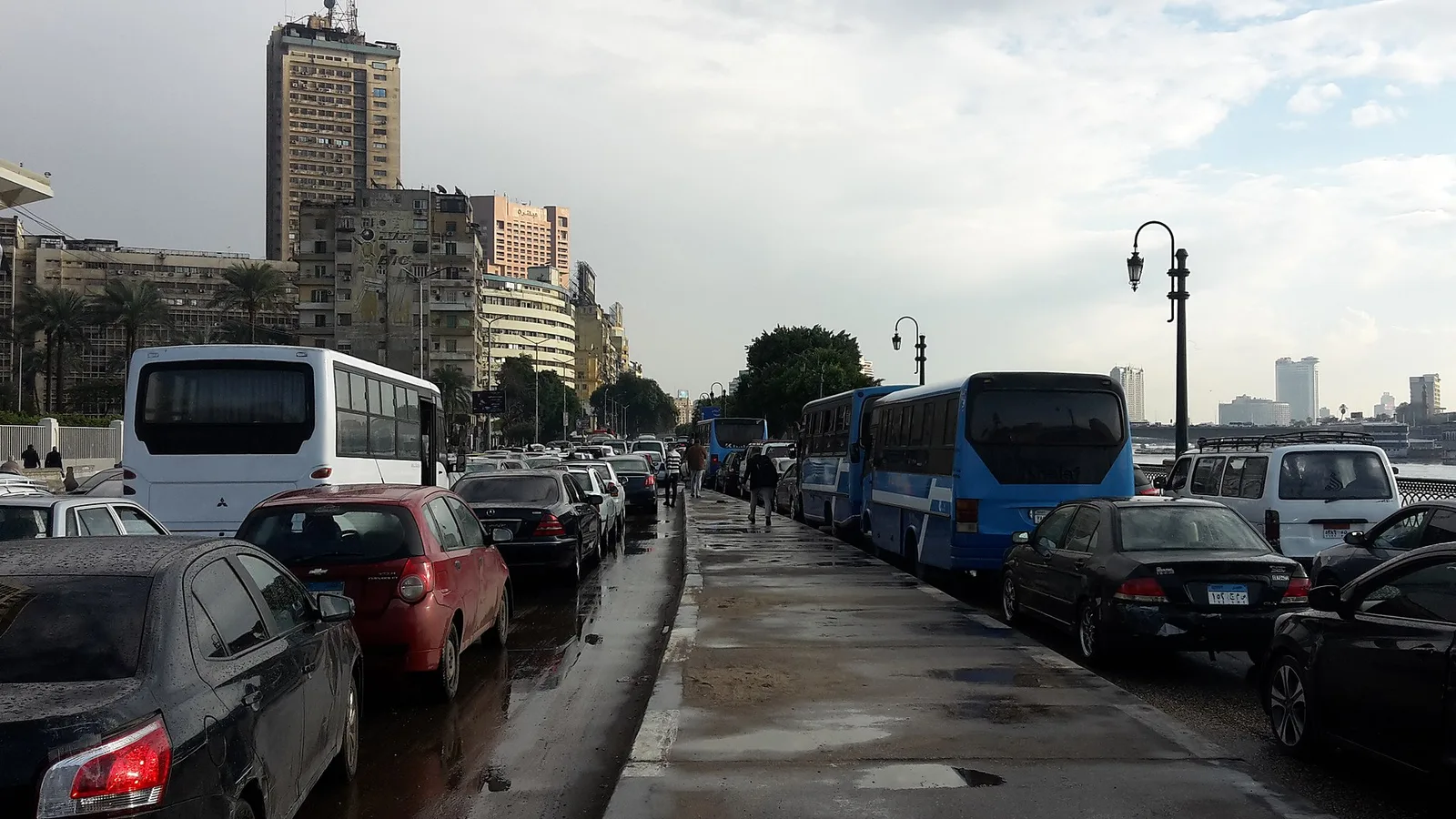
Ajali za barabarani ni miongoni mwa vyanzo vya vifo vinavyojirudia zaidi nchini Misri; mwaka baada ya mwaka, takwimu rasmi huhesabu maelfu ya vifo na makumi ya maelfu ya majeruhi katika barabara za nchi hiyo — idadi ambayo haitokei katika tukio moja la kutisha, bali hujilimbikiza tone baada ya tone, kwa msururu wa misiba ya mtu mmoja mmoja, inayoliliwa majumbani na kusahaulika haraka hadharani. Shirika la Afya Duniani linaainisha majeraha ya ajali za barabarani kuwa miongoni mwa visababishi vikuu vya vifo vya watoto na vijana duniani, na Misri si ubaguzi katika mkondo huu wa giza.
Vifo ni sehemu tu ya gharama. Kwa kila mtu anayefariki, wengi zaidi hujeruhiwa, na baadhi yao hubaki na ulemavu wa kudumu. Familia hupoteza mtegemewa wao kwa dakika moja, na kaya hutumbukia katika umaskini zikilipia matibabu. Shirika la Afya Duniani limekadiria kuwa ajali za barabarani huzigharimu nchi duniani kote karibu asilimia tatu ya pato lao la taifa. Ajali kwenye barabara ya mzunguko ni janga la faragha, lakini ikijumlishwa kwa mwaka mzima huwa pia jeraha la kiuchumi ambalo nchi hulifungua upya bila kikomo.
Kisababishi cha kwanza kilichothibitishwa ni mwendo kasi. Sheria za fizikia hazina huruma: nguvu ya mgongano hupanda kwa kasi kubwa kadri mwendo unavyoongezeka, na uchambuzi wa Shirika la Afya Duniani unaonyesha kuwa ongezeko dogo la wastani wa mwendo hugeuka kuwa ongezeko kubwa la hatari ya ajali za kifo. Barabara ndefu na nyoofu za jangwani huvutia mwendo ambao mwili wa binadamu hauwezi kuustahimili, na mtembea kwa miguu anayegongwa kwa mwendo mkali ana nafasi ndogo mno ya kunusurika. Ndiyo maana usimamizi wa mwendo — mipaka ya kasi, ubunifu wa barabara na kamera — upo katikati ya kila mkakati wa kweli wa usalama barabarani.
Kisababishi cha pili ni chombo chenyewe. Yeyote anayesafiri kati ya mikoa ameiona kwa macho yake: mabasi madogo yenye matairi yaliyochakaa, malori yaliyobebeshwa mizigo kupita uwezo wake, na magari kongwe yanayoendelea kutumika muda mrefu baada ya umri wake salama kwisha. Breki, matairi, taa na usukani huharibika mara nyingi zaidi katika magari yasiyotunzwa vizuri, na yanapoharibika kwa mwendo wa barabara kuu matokeo hayawi mepesi. Ukaguzi wa kiufundi wa mara kwa mara na wenye uadilifu — si muhuri unaonunuliwa kwenye foleni — ni taasisi inayookoa maisha popote unapotekelezwa kwa umakini.
Kisababishi cha tatu ni tabia ya binadamu, na mbele yake yote ni uchovu. Madereva wa safari ndefu wanaofanya kazi kwa saa nyingi zisizo za kibinadamu hushindwa na usingizi wakiwa usukanini; dereva wa basi dogo aliye katika safari yake ya nne kwa siku ni hatari kwa kila aliye naye. Ongeza matumizi ya simu wakati wa kuendesha, na picha huwa nyeusi zaidi. Hakuna lolote kati ya haya lililo la Misri pekee, lakini mkusanyiko wa safari ndefu za usiku, shinikizo la kiuchumi la kuendelea kuendesha, na udhibiti hafifu wa madereva wa kitaaluma ni mapishi yaliyothibitishwa ya maafa.
Nne: utekelezaji wa sheria wa hapa na pale badala ya utekelezaji wa uhakika. Tafiti za uzuiaji ziko wazi: kinachobadilisha tabia si ukali wa adhabu, bali uhakika wa mkosaji kwamba atakamatwa. Mikanda ya usalama na kofia ngumu hupunguza hatari ya kifo kwa kiwango kikubwa mno — Shirika la Afya Duniani linakadiria kuwa mkanda hupunguza hatari ya kifo kwa abiria wa viti vya mbele kwa karibu nusu — na hata hivyo utiifu huporomoka mahali popote ambapo madereva hujifunza kuwa ukaguzi ni nadra au unaweza kujadiliwa. Sheria inayotekelezwa mara chache tu hufanya kazi, kiuhalisia, kama ushauri tu.
Mwisho ni barabara yenyewe na wale wanaotembea kwa miguu. Watembea kwa miguu wanaovuka barabara za mwendo mkali pasipo daraja wala kivuko, vizuizi visivyokuwepo kati ya pande mbili za barabara, sehemu zisizo na taa, na kazi za ujenzi zinazojitokeza ghafla bila alama — muundo wa barabara ndio unaoamua gharama ya kosa la binadamu la sekunde moja. Mpango mkubwa wa Misri wa ujenzi wa barabara katika miaka ya karibuni umepanua na kuweka lami upya maelfu ya kilomita, na wataalamu wa usalama kila mahali wanakubaliana kuwa mantiki ile ile ya uwekezaji lazima ifikie vivuko, taa, vizuizi, na matengenezo ya kila siku yanayoviweka katika hali nzuri.
Kinachofanya kazi si fumbo; kimeshapimwa. Sera ya Maono Sifuri iliyopitishwa na Uswidi mwaka 1997 iliyafafanua upya vifo vya barabarani kuwa hitilafu za mfumo badala ya bahati mbaya ya watu binafsi: kwa kuwa binadamu watakosea daima, barabara, mwendo na magari lazima vibuniwe kwa namna ambayo kosa halitakuwa la kuua. Nchi zinazotumia mkabala huu wa mfumo salama — vizuizi vya katikati, viunga vya mzunguko badala ya makutano ya mwendo mkali, na mwendo unaolingana na kazi ya kila barabara — zimeshusha vifo vyake kulingana na idadi ya watu hadi sehemu ndogo mno ya viwango vya nchi nyingine.
Utekelezaji wa mara kwa mara huzidisha athari ya kila hatua nyingine. Kamera za kupima mwendo zinazofanya kazi kila siku, vipimo vya nasibu kwa madereva, kampeni endelevu za mikanda ya usalama zinazoungwa mkono na faini, na leseni zinazomfanya dereva mpya apate haki zake kamili hatua kwa hatua — hivi ndivyo vyombo vyenye ushahidi imara zaidi. Vyote vinashiriki sifa moja: kutabirika. Madereva hujirekebisha kulingana na kile kinachotekelezwa kwa uthabiti, na kamera isiyolala kamwe hubadilisha tabia zaidi kuliko kizuizi cha ukaguzi kinachojitokeza mara moja kwa mwezi.
Mnyororo hauishii pale ajali inapotokea. Kunusurika mara nyingi hutegemea kinachotokea katika saa ya kwanza: wapita njia wanaojua huduma ya kwanza, gari la wagonjwa linalofika haraka, na kitengo cha dharura kilicho tayari kupokea. Huduma ya wagonjwa ya Misri hujibu kwa namba 123, na kuimarisha mwitikio wa dharura — muda wa kufika, vifaa, na mafunzo kuhusu majeraha ya ajali — ni miongoni mwa njia zenye tija zaidi kigharama kwa nchi yoyote kupunguza vifo vya barabarani, kwa sababu huokoa wale ambao barabara imeshawaangusha.
Misri imepiga hatua katika nyanja kadhaa: masasisho yaliyofuatana ya sheria za usalama barabarani, upanuzi wa kamera za ufuatiliaji katika barabara kuu, na mpango mkubwa zaidi wa ujenzi wa barabara katika historia yake. Uzoefu wa nchi nyingine unaonyesha kuwa faida zinazofuata zipo katika sehemu zisizometa: ukaguzi wa kiufundi wenye uadilifu, udhibiti wa saa za kazi za madereva wa kitaaluma, miundombinu ya watembea kwa miguu, na utekelezaji ambao wananchi wanauishi kama wa kudumu na usioegemea upande, siyo wa msimu.
Usalama barabarani ni suala kwa maana kamili ya neno hilo: janga linaloweza kuzuilika ambalo tiba zake zinajulikana. Kila mmoja wetu ana fungu lake ndani yake — mkanda unaofungwa kabla ya kuondoka, simu inayobaki mfukoni, na mwendo unaoheshimu sheria za fizikia. Lakini funzo la dunia ni kwamba wema wa mtu binafsi peke yake si sera ya umma; jamii zilizopunguza vifo vyake vya barabarani zilifanya hivyo kwa kubuni mifumo ambamo chaguo salama ndilo rahisi zaidi, na kwa kuchukulia kila kifo si kama majaliwa, bali kama ushahidi unaodai marekebisho.
Habari Zinazohusiana
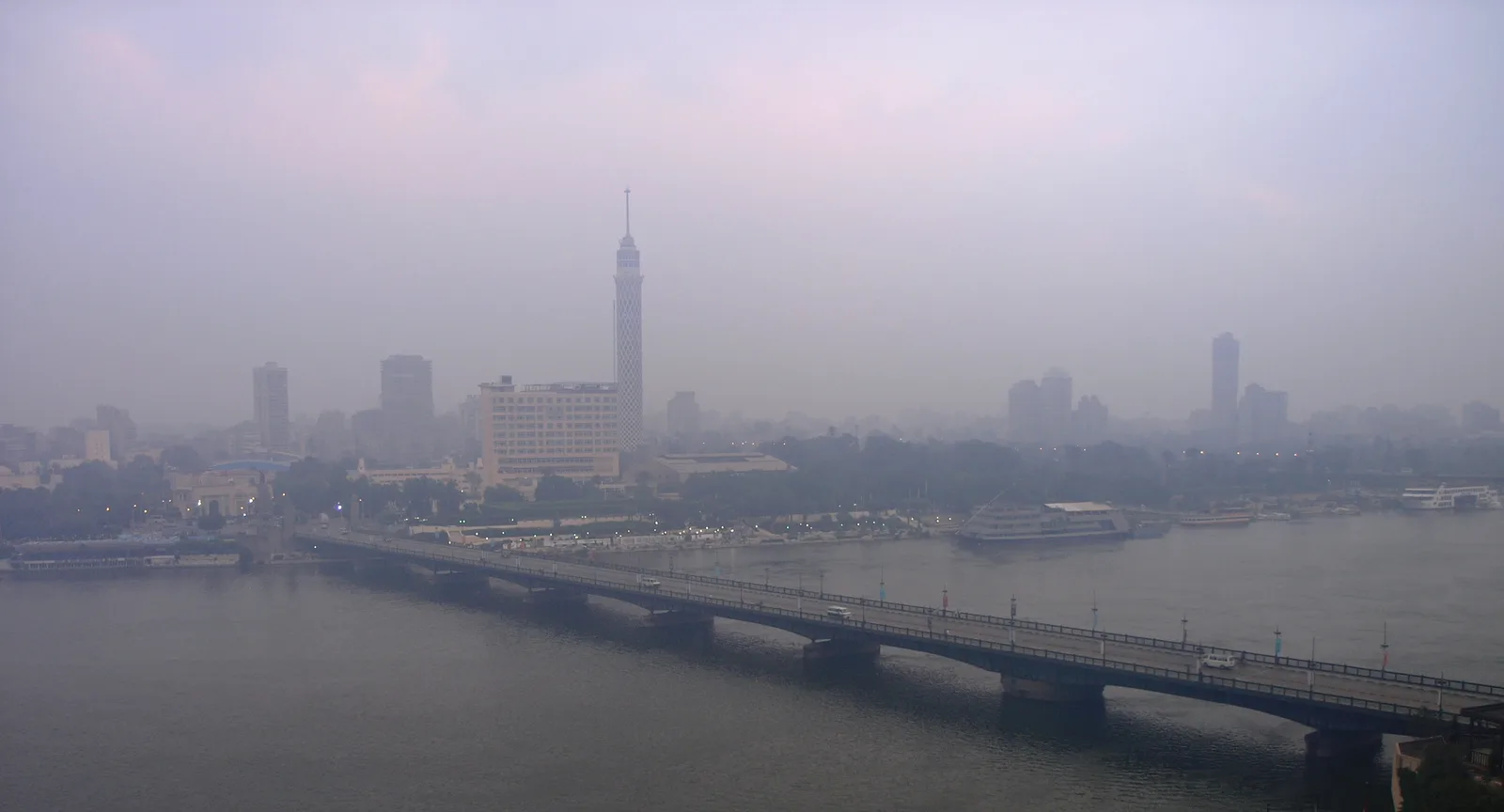
Hewa ya Cairo ni suala la taifa: kutoka “Wingu Jeusi” hadi basi la umeme, vita vya kila pumzi
Kila msimu wa vuli “Wingu Jeusi” hurudi kuisonga Cairo Kuu, lakini kinachoua hasa ni kile tusichokiona: chembechembe nyembamba kuliko unywele zinazopenya kwenye mapafu na damu. Katika mkesha wa Siku ya Dunia Bila Magari, tunafungua faili la mojawapo ya matatizo hatari zaidi ya afya ya mazingira katika Cairo Kuu: takwimu zinasema nini, nini kinafanyika, na wewe unaweza kufanya nini katika siku yako.
21 Septemba 2026 · 7 dakika za kusoma
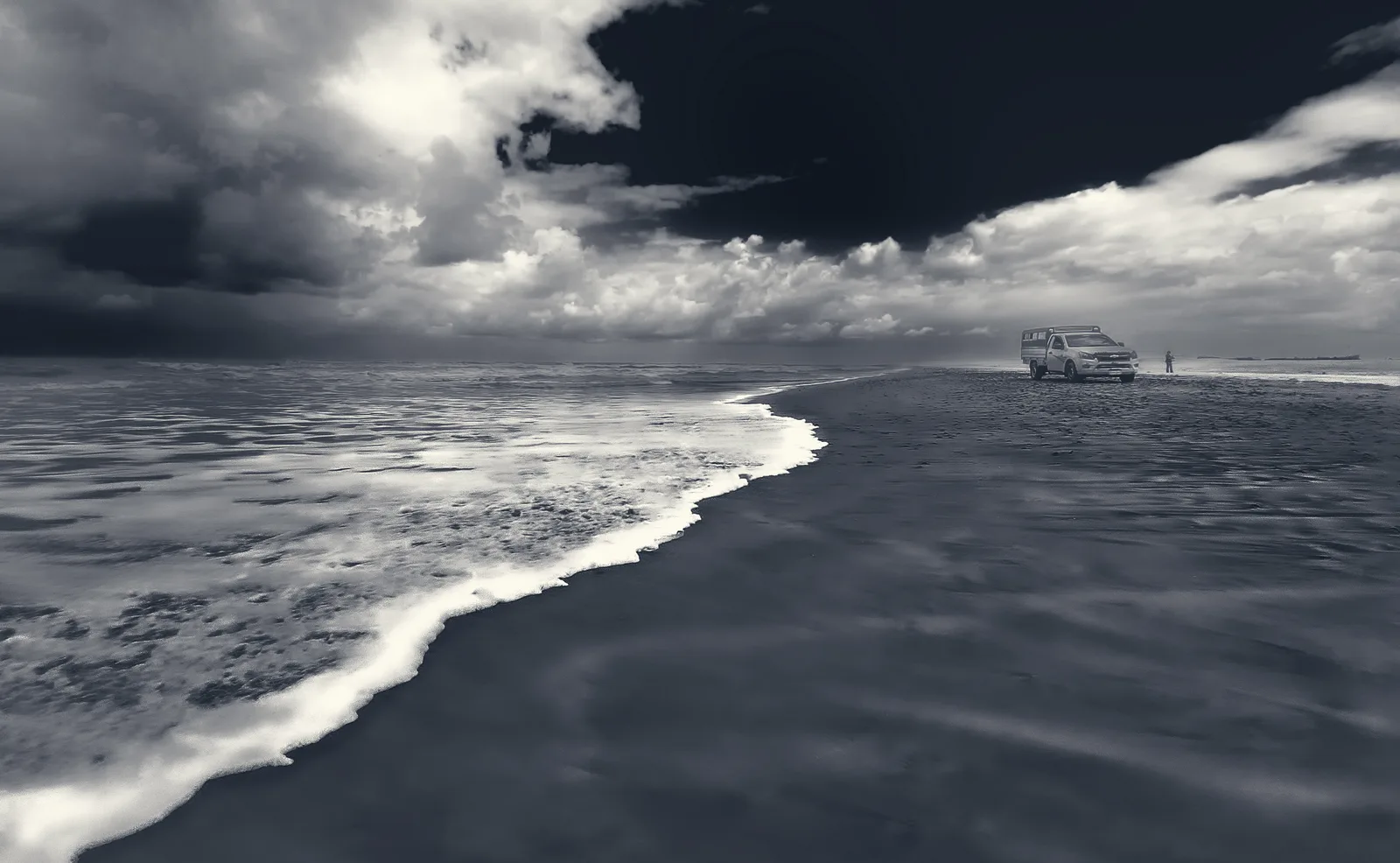
Bahari Yaisonga Delta: Misri Inavyolinda Ardhi Yake Yenye Rutuba Zaidi kwa Vizuizi vya Mchanga na Mianzi
Kwenye barabara ya pwani huko Burullus, milima ya mchanga imesimama ikiwa imeshikiliwa na uzio wa mianzi; nyuma yake, mkulima anaonja maji ya kisima chake na kubaini kuwa ni ya chumvi. Hii ni janga la kimya linalotishia robo ya wakazi wa Misri: bahari inapanda, ardhi inazama. Makala hii inaeleza hatari kwa takwimu, inachunguza mradi wa dola milioni 105 ulioujenga kilomita 69 za vizuizi laini, na kuuliza mwananchi ana nafasi gani.
13 Septemba 2026 · 8 dakika za kusoma
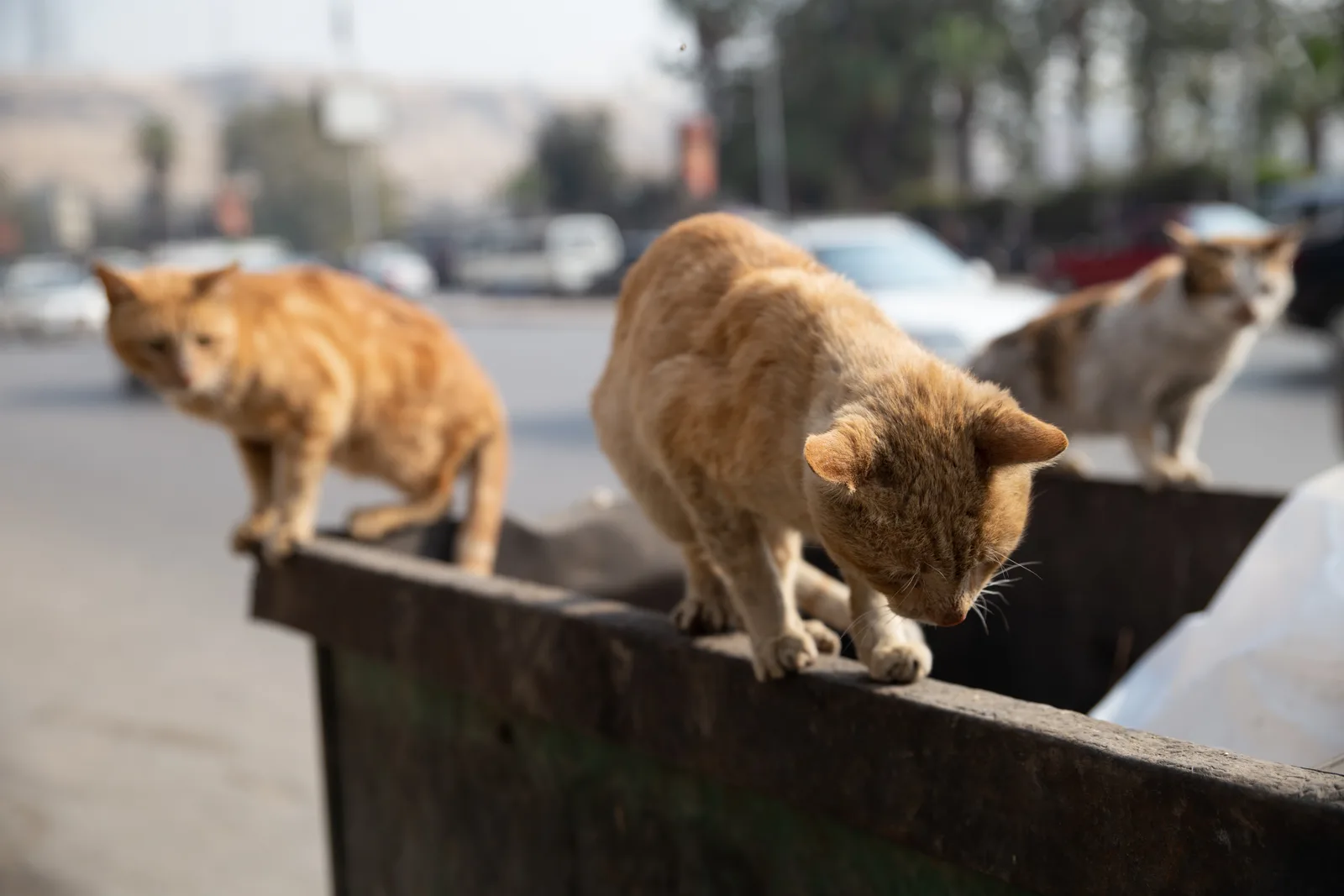
«Keda Ghalat» (Hii Si Sawa): Kudhuru Wanyama ni Kosa la Jinai Chini ya Sheria ya Adhabu ya Misri Tangu 1937
Jirani anaweka bakuli za sumu karibu na ukuta wa shule, na mmiliki wa mkokoteni anampiga punda wake usoni chini ya mzigo mzito kupita kiasi. Wengi hudhani «ni mnyama tu» maana yake hakuna sheria inayomlinda. Ukweli ni kwamba Ibara za 355, 356 na 357 za Sheria ya Adhabu zinaadhibu kuua, kutia sumu na kudhuru wanyama kwa adhabu zinazofikia kifungo jela. Katika usiku wa kuamkia Siku ya Wanyama Duniani, tunaeleza sheria inasema nini.
3 Oktoba 2026 · 6 dakika za kusoma