Mısır'da diyabet: Basit adımlarla dizginlenebilecek sessiz bir salgın
Milyonlarca Mısırlı diyabetle yaşıyor ve birçoğu hasta olduğunun farkında bile değil. Bu rehberde risk faktörlerini, erken uyarı işaretlerini ve bilimin etkinliğini kanıtladığı basit adımlarla kendinizi ve ailenizi nasıl koruyacağınızı anlatıyoruz.
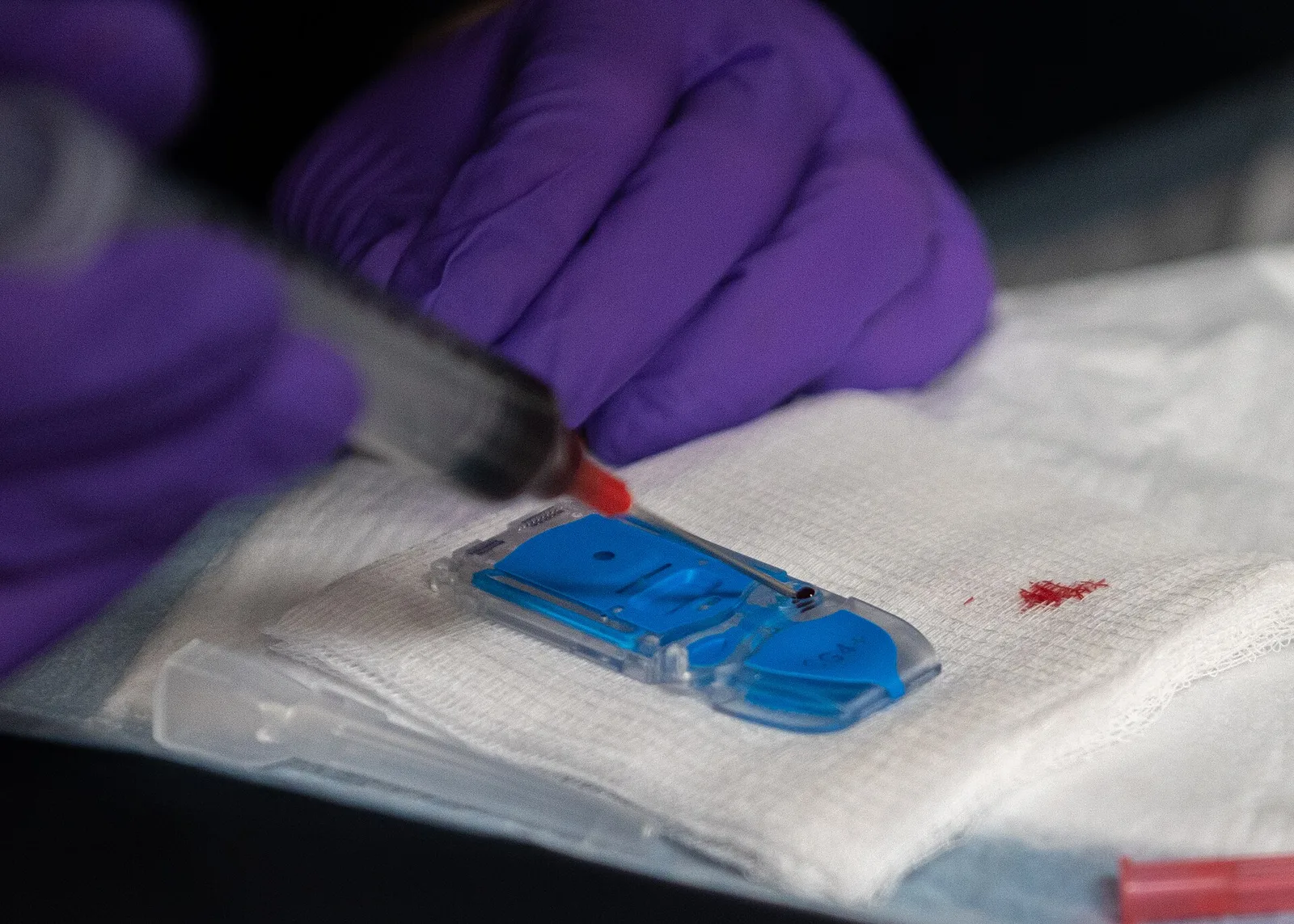
Uluslararası Diyabet Federasyonu’nun son yıllardaki tahminleri Mısır’ı, hastalıkla yaşayan yetişkin sayısı bakımından dünyanın ilk on ülkesi arasında gösteriyor. Milyonlarca Mısırlı diyabetle yaşıyor; tahminlere göre her beş yetişkinden yaklaşık biri ya hastalığa yakalanmış durumda ya da yakalanmanın eşiğinde. Bu rakamlar diyabeti ülkenin en büyük halk sağlığı sorunlarından biri hâline getiriyor; ne var ki diyabet aynı zamanda önlenmesi ve denetim altında tutulması en kolay kronik hastalıklardan biridir.
Diyabet, kısaca, pankreasın salgıladığı insülin hormonundaki bir bozukluk yüzünden kan şekerinin sürekli yüksek seyretmesidir. Birinci tip çoğunlukla çocuklukta ya da gençlikte, vücut insülin üretmeyi bıraktığında ortaya çıkar ve hastanın ömür boyu insülin iğnesi kullanmasını gerektirir. Çok daha yaygın olan ikinci tip ise vücut hücrelerinin insüline verdiği yanıt azaldığında gelişir ve yaşam biçimiyle, kiloyla ve kalıtsal etkenlerle sıkı sıkıya bağlantılıdır.
Hastalık Mısır’da neden bu ölçüde yayılıyor? Birkaç etken bir araya geliyor: ulusal sağlık taramalarına göre bölgenin en yüksekleri arasında yer alan yetişkin obezite oranları; beslenmenin giderek rafine nişastalara, şekerli içeceklere ve hazır yemeklere kayması; uzun saatler oturmaya dayalı bir kent hayatında hareketsizlik; buna bir de aile geçmişini başlıca risk etkeni hâline getiren kalıtsal yatkınlık ekleniyor.
Asıl tehlikeli olan, ikinci tip diyabetin fark edilmeden yıllarca sessizce ilerleyebilmesidir. Dünya genelindeki araştırmalar, hastaların büyük bir bölümünün durumundan habersiz olduğunu, hastalığı ancak rutin bir tahlilde tesadüfen ya da ilk komplikasyonlar ortaya çıktığında öğrendiğini gösteriyor. O sessiz yıllar boyunca yüksek şeker, kimseye sezdirmeden damarlara ve sinirlere zarar veriyor.
Dikkate değer erken uyarı işaretleri var: sık tekrarlayan şiddetli susuzluk, özellikle geceleri sık idrara çıkma, belirgin bir nedeni olmayan sürekli yorgunluk, bulanık görme, geç iyileşen yaralar, açıklanamayan kilo kaybı ve kollarla bacaklarda uyuşma. Bu belirtilerden birinin ya da birkaçının görülmesi mutlaka hasta olduğunuz anlamına gelmez; ama yalnızca birkaç dakika süren basit bir tahlil yaptırmanız için yeterli bir nedendir.
Diyabeti ihmal etmek ya da yeterince denetleyememek ağır komplikasyonların kapısını aralar: körlükle sonuçlanabilen retinopati, böbrek yetmezliği, kalp ve damar hastalıkları, çevresel sinir hasarı ve ileri evrelerde ampütasyona kadar gidebilen ayak yaraları. İyi haber şu: tedaviye bağlı kalmak ve düzenli aralıklarla denetime gitmek bu riskleri çok büyük ölçüde azaltıyor.
Erken teşhis ilk savunma hattıdır; tarama ise basit ve kolay ulaşılabilir: açlık kan şekeri tahlili ya da yaklaşık üç aylık ortalama şekeri yansıtan HbA1c testi. Hekimler kırk yaşını geçen herkese düzenli tarama öneriyor; daha genç olanlara ise fazla kiloları varsa, ailede hastalık öyküsü bulunuyorsa ya da gebelik şekeri geçirmiş bir kadınsa aynı öneriyi yapıyor. Mısır’ın “100 Milyon Sağlık” girişimi diyabet taramasını geniş kapsamlı programlarına dahil etti; bu sayede hastalığından haberi olmayan pek çok kişi belirlendi.
Korunmaya gelince, kuralları bilimsel olarak sağlam, uygulamada ise basittir. Büyük araştırmalar, vücut ağırlığının yalnızca yüzde beş ile yüzde yedisini kaybetmenin, prediyabetin gerçek bir hastalığa dönüşme riskini yarıdan fazla düşürdüğünü ortaya koydu. Buna haftanın çoğu günü yarım saat tempolu yürüyüş gibi orta düzeyde bir hareketi, şekerli içecekleri ve tatlıları azaltmayı, geleneksel Mısır sofrasının zengin olduğu tam tahılları, sebzeleri ve baklagilleri tercih etmeyi ekleyin.
Tanısı çoktan konmuş olanlar da uzun ve normal bir hayat sürebilir; tek koşul kararlılıktır: ilaçlarınızı saatinde alın ve kendi başınıza asla kesmeyin, HbA1c değerinizi düzenli aralıklarla ölçtürün, gözlerinizi ve böbreklerinizi yılda bir kez kontrol ettirin, ayaklarınıza her gün özen gösterip en küçük bir yara var mı diye inceleyin. Ramazan’da oruç tutmak isterseniz, ilaç dozlarınızı ve saatlerini ayarlamak için mübarek ay başlamadan önce hekiminize danışın; kimi hastalar güvenle oruç tutabilir, kimilerine ise tutmaması önerilir.
Hekimlerin “prediyabet” dediği aşama da ayrı bir duraklamayı hak ediyor: kan şekerinin normalin üzerinde olduğu, ama henüz tanı sınırına ulaşmadığı evre. Bu, kesin bir hüküm değil, altın değerinde bir fırsattır; çünkü beslenmeyi, hareketi ve kiloyu düzenleyerek kan şekerini normal düzeyine döndürmek ve pek çok durumda hastalıktan büsbütün kurtulmak mümkündür.
Sonuçta diyabet bireyin değil, ailenin meselesidir. Evin tamamı daha iyi alışkanlıklar edindiğinde — sofrada daha çok sebze ve baklagil, daha az şeker; oturarak geçen akşamlar yerine hep birlikte yürüyüş; gazlı içecek yerine su — herkesin riski azalır ve çocuklar, kendilerini bu hastalıktan belki de ömür boyu koruyacak bir düzen içinde büyür. Erken tarama yalnızca dakikalar alır, ama ömre yıllar katabilir.
İlgili Haberler
Pembe Ekim: en yakın sağlık ocağında ücretsiz muayene… erken teşhis Mısırlı kadının kaderini neden değiştiriyor?
“Hiçbir yerim ağrımıyor” ertelemek için bir gerekçe değil. Temmuz 2019'dan bu yana Mısır'daki sağlık ocakları 18 yaş ve üzeri her kadına ücretsiz kapılarını açıyor; Haziran 2026'ya gelindiğinde geç evrede yakalanan vaka oranı %60'tan %19,5'e geriledi. Sağlık ocağında neler yaşandığını, hangi belirtilerin ziyareti gerektirdiğini ve korkunun bu önemli muayeneyi neden geciktirdiğini anlatıyoruz.
2 Ekim 2026 · 7 dk okuma
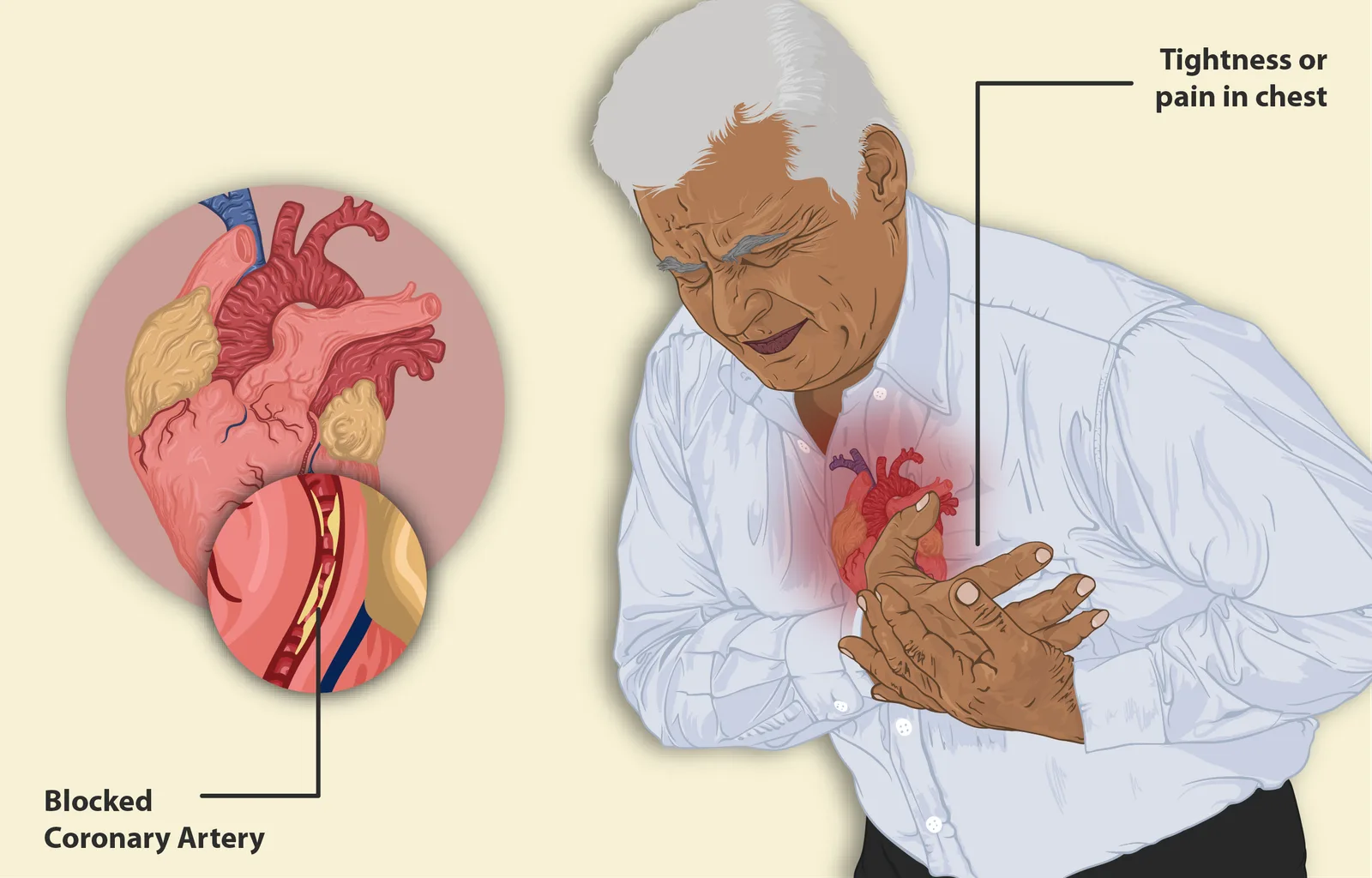
Dünya Kalp Günü'nde: Anjina ve kalp krizinin işaretleri iş işten geçmeden nasıl okunur, ilk dakikalarda ne yapılır?
Ellili yaşlardaki bir adam göğsündeki ağırlığı ağır bir akşam yemeğinin “mide yanması” sanıp hastaneyi sabaha erteliyor. Dünya Kalp Günü'nde anjina, kalp krizi, kalp durması ve inme arasındaki farkı, Dünya Sağlık Örgütü'nün sıraladığı uyarı işaretlerini, kadınlarda nasıl farklılaştığı dahil, ve ilk dakikalarda yapılması gerekenleri anlatıyoruz: ücretsiz 123'ü aramak, oturmak ve direksiyona geçmemek.
29 Eylül 2026 · 7 dk okuma
Ruh sağlığı lüks değildir: Üzüntü ne zaman hastalığa dönüşür, damgalanmadan yardımı nerede bulursunuz?
“Kendini topla” ile “imanın zayıf” arasında, depresyon ve kaygı hastaları sessizce solup gidiyor. Geçici üzüntüyü tedavi gerektiren hastalıktan ayıran pratik bir rehber: psikiyatristle psikoloğun farkı nedir, Mısır'da yardıma giden yol nereden geçer — kapıyı kapatan değil, açan sözcüklerle.
31 Ağustos 2026 · 7 dk okuma