Nil plastikle boğuluyor: Mısır'ın can damarını kurtarmak için günlük mücadele
Artık balıktan önce şişe çıkaran balıkçı teknelerinden, nehir kıyısında küçük bir ekonomiye dönüşen temizlik girişimlerine: Mısır'ın hayat damarını saran plastiğin hikâyesi ve bu mücadelenin neden her Mısırlı haneyi ilgilendirdiği.
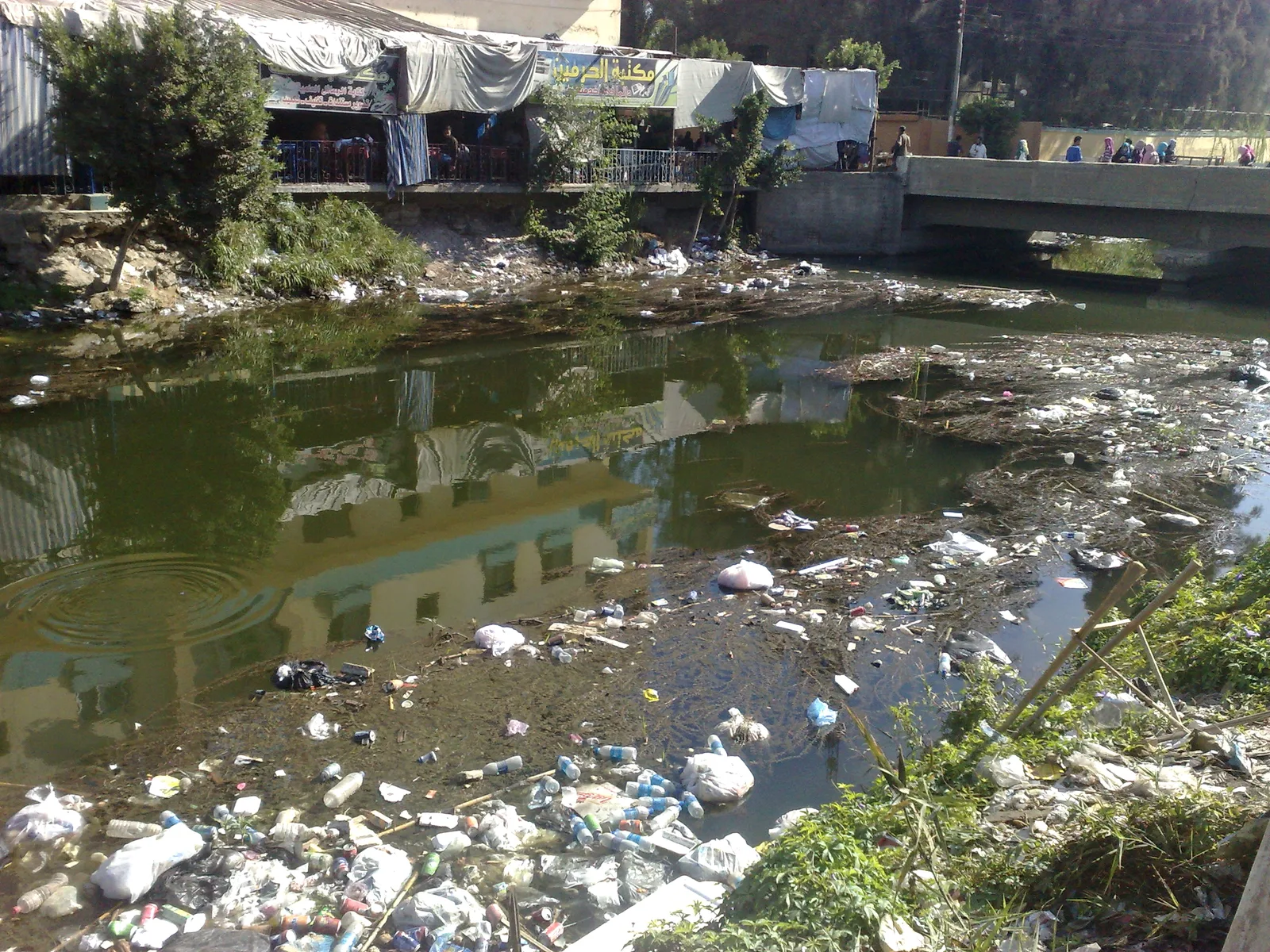
Kahire’de Nil kıyılarında balıkçılar, babalarının hiç bilmediği bir manzaraya yıllardır alışmış durumda: ağ sudan çıkıyor ve içinde kimi zaman balıktan çok plastik poşet ile şişe oluyor. Mısır’ın tatlı su kaynaklarının yaklaşık yüzde doksan yedisini borçlu olduğu, iki yakasında yedi bin yıllık bir uygarlığın yükseldiği nehir, bugün kendi ellerimizle yarattığımız bir düşmanla karşı karşıya: tek kullanımlık plastik.
Sorunun boyutu artık bilimsel bir tartışma konusu değil. Plastik atığı denizlere taşıyan nehirleri izleyen uluslararası çalışmalar Nil’i, dünyanın en ağır plastik yükü taşıyan büyük nehirleri arasına yerleştirdi; art arda yayımlanan bölgesel raporlar da Mısır’ı Akdeniz’e plastik sızıntısının en büyük kaynakları arasında saydı. Akdeniz ise büyüklüğüne oranla dünyanın plastikle en fazla kirlenmiş denizlerinden biri. Delta’nın derinliklerinde bir sulama kanalına atılan poşet yok olmuyor; önce nehre, ardından denize doğru uzun bir yolculuğa çıkıyor.
Gözün gördüğünden daha tehlikeli olan, göremediğidir. Plastik suda yok olmaz; mikroplastik denen minik parçacıklara ayrışır. Yayımlanmış bilimsel çalışmalar bu parçacıkları Nil balıklarında, başta Mısır sofralarının bir numaralı balığı olan tilapyada belgeledi. Böylece nehre attığımız şey, kimsenin kaçamadığı sessiz bir döngüyle tabaklarımıza geri döner.
Peki buraya nasıl geldik? Nedenler iç içe: her dükkânda ve her kahvede hesapsızca bedava dağıtılan poşetler; şişeyi, bardağı ve çatalı birkaç dakika kullandırıp yüzyıllarca doğada bırakan tek kullanım kültürü; ve atık toplama sistemindeki, bazı bölgeleri sulama kanallarını ve tahliye hatlarını açık çöplük saymaya iten boşluklar. Sorun plastiğin kendisinde değil, doğada yüzyıllarca kalan bir şeyi değersiz ve sonuçsuzmuş gibi gören tüketim alışkanlığında.
Ne var ki aynı nehrin kıyısında, en ilham verici direniş hikâyelerinden biri doğdu. 2018’de sivil toplum ve çevre alanında çalışan iki genç Mısırlı kuruluş, Nil’i atıklardan temizlemeye adanmış ilk girişim olarak tanıtılan “VeryNile” girişimini başlattı. İşe, suyun yüzeyinde yüzenleri toplayan kayaklı gönüllü kampanyalarıyla başladı; ardından etkisi daha derin ve daha kalıcı bir modele dönüştü.
Bu modelin özünde balıkçıların kendisi var; merkezinde ise Kahire’de Nil’in ortasındaki Kursaya Adası’nın sakinleri. Plastik, ağlarını yırtan ve geçimlerini kaçıran bir düşman olarak kalmak yerine bir kaynağa dönüştü: balıkçılar nehirden atık topluyor ve her kilogram için ücret alıyor; malzemeler sonra ayrıştırılıyor, işleniyor ve geri dönüştürülüyor, bir bölümü de satılan ürünlere çevriliyor ve geliri yeniden sisteme dönüyor. Temizlik böylece mevsimlik bir hayır işinden, nehir kıyısında küçük ve sürdürülebilir bir ekonomiye dönüştü.
Bu hikâye, Mısır’ın çok daha köklü geri dönüşüm geleneğinden de kopuk değil. Kahire’nin zabbalin adıyla bilinen geleneksel atık toplayıcıları, onlarca yıl içinde dünyanın en verimli kayıt dışı geri kazanım sistemlerinden birini kurdu; çalışmalar, topladıklarının olağanüstü yüksek bir bölümünü geri dönüştürdüklerini belgeliyor. Mısır’daki plastik krizine dair her ciddi çözüm, bu birikmiş deneyimi yok saymaktan değil, tanımaktan ve sisteme katmaktan geçiyor.
Politika düzeyinde devlet, belgelenmiş adımlar attı: Kızıldeniz Valiliği, deniz çevresini ve dalış ile turizm ekonomisinin dayandığı mercan resiflerini korumak için 2019’dan bu yana tek kullanımlık plastiği yasakladı; Çevre Bakanlığı ise plastik poşet tüketimini azaltmak ve alternatifleri özendirmek üzere ulusal kampanyalar yürüttü. Poşet ücretlerinden bazı ülkelerdeki tam yasaklara kadar belgelenmiş uluslararası deneyimler, erişilebilir alternatiflerle birlikte uygulandığında kararlı politikaların tüketimi sert biçimde düşürdüğünü kanıtlıyor.
Ama milyonlarca insanın her gün kullandığı bir nehri yalnızca politikalar temizleyemez; burada yurttaşın, kimsenin yerine getiremeyeceği doğrudan bir rolü var. Altın kural basit bir üçlüden oluşuyor: azaltın, yeniden kullanın, geri dönüştürün. Pazara, bir saat sonra çöpe gidecek on poşet yerine bir bez çanta götürün; atılan şişeler yerine yeniden doldurabileceğiniz bir şişe kullanın; ihtiyacınız yokken pipeti ve poşeti geri çevirin; başkaları ne yaparsa yapsın kanalı ya da tahliye hattını asla çöplüğe dönüştürmeyin; elinizden geliyorsa kıyılarda yaygınlaşan temizlik kampanyalarına katılın.
Şirketlerin de zamanaşımına uğramayan bir yükümlülük payı var: ürünü ambalaja koyan, o ambalajın akıbetinden de bir ölçüde sorumludur; dünyada genişletilmiş üretici sorumluluğu adıyla bilinen ilke budur. Ambalajı azaltmak, yeniden doldurulabilir kaplar sunmak ve geri toplama sistemlerini desteklemek pek çok ülkede artık bağış değil yükümlülük; küresel eğilim de bunları kalıcı kılmaya doğru istikrarlı biçimde ilerliyor.
Kimileri, bu uzunlukta bir nehrin bez çantalar ve kayaklarla kurtarılamayacağını söyleyecektir; mücadele tek bir araçla verilseydi bu itiraz yerinde olurdu. Oysa Mısır’ın ve dünyanın deneyiminin kanıtladığı şu: çözümler üst üste birikir. Bir yanda poşetleri sınırlayan bir politika, öte yanda toplama ekonomisi yaratan bir girişim, milyonlarca hanenin alışkanlığını değiştiren bir bilinç ve ambalajını yeniden tasarlayan bir sanayi. Bu katmanların her biri nehrin yükünü hafifletir; farkı yaratan ise toplamlarıdır.
Nil, Mısır’a her şeyi verdi: suyunu, yemeğini, alüvyonunu ve uygarlığın kendisini. Uzun tarihinde ilk kez nehir, çocuklarının vefa borcunu ödemesine muhtaç; sloganlarla ya da şarkılarla değil, daha basit ve daha zor olanla: atılmayan bir poşet, yeniden kullanılan bir şişe, değişen bir alışkanlık. Plastiğe karşı mücadele yalnızca çevrecilerin davası değildir; bu nehirden su içen herkesin, yani her Mısırlının davasıdır.
İlgili Haberler
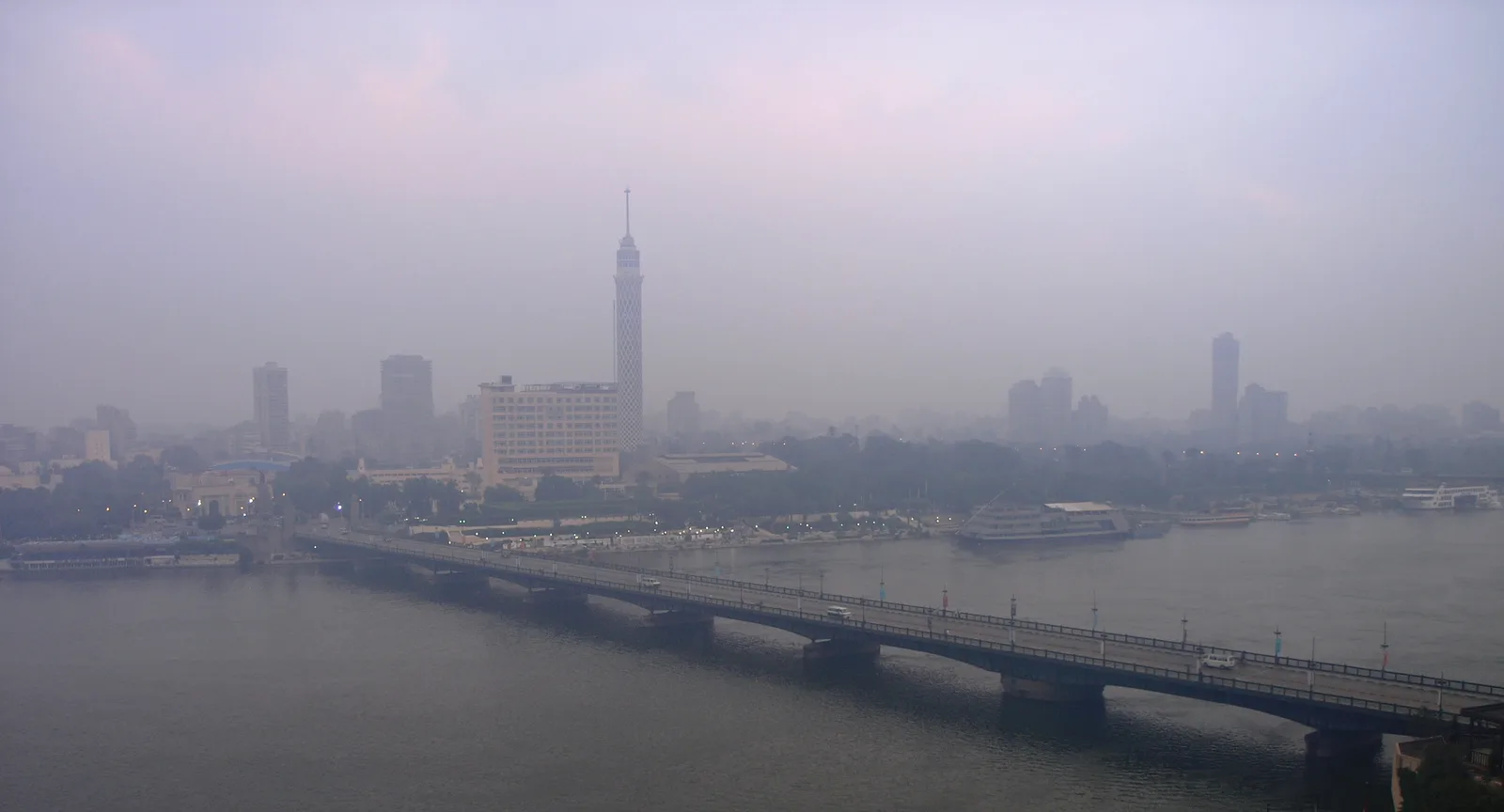
Kahire'nin havası bir memleket meselesi: “Kara Bulut”tan elektrikli otobüse, her nefesin mücadelesi
Her sonbahar “Kara Bulut” Büyük Kahire'yi boğmak için geri dönüyor; ama asıl öldüren, görmediğimiz şey: saç telinden ince parçacıklar akciğerlere ve kana sızıyor. Dünya Otomobilsiz Gün arifesinde, Büyük Kahire'nin en tehlikeli çevre sağlığı sorunlarından birinin dosyasını açıyoruz: rakamlar ne söylüyor, ne yapılıyor ve siz gününüzde ne yapabilirsiniz.
21 Eylül 2026 · 7 dk okuma
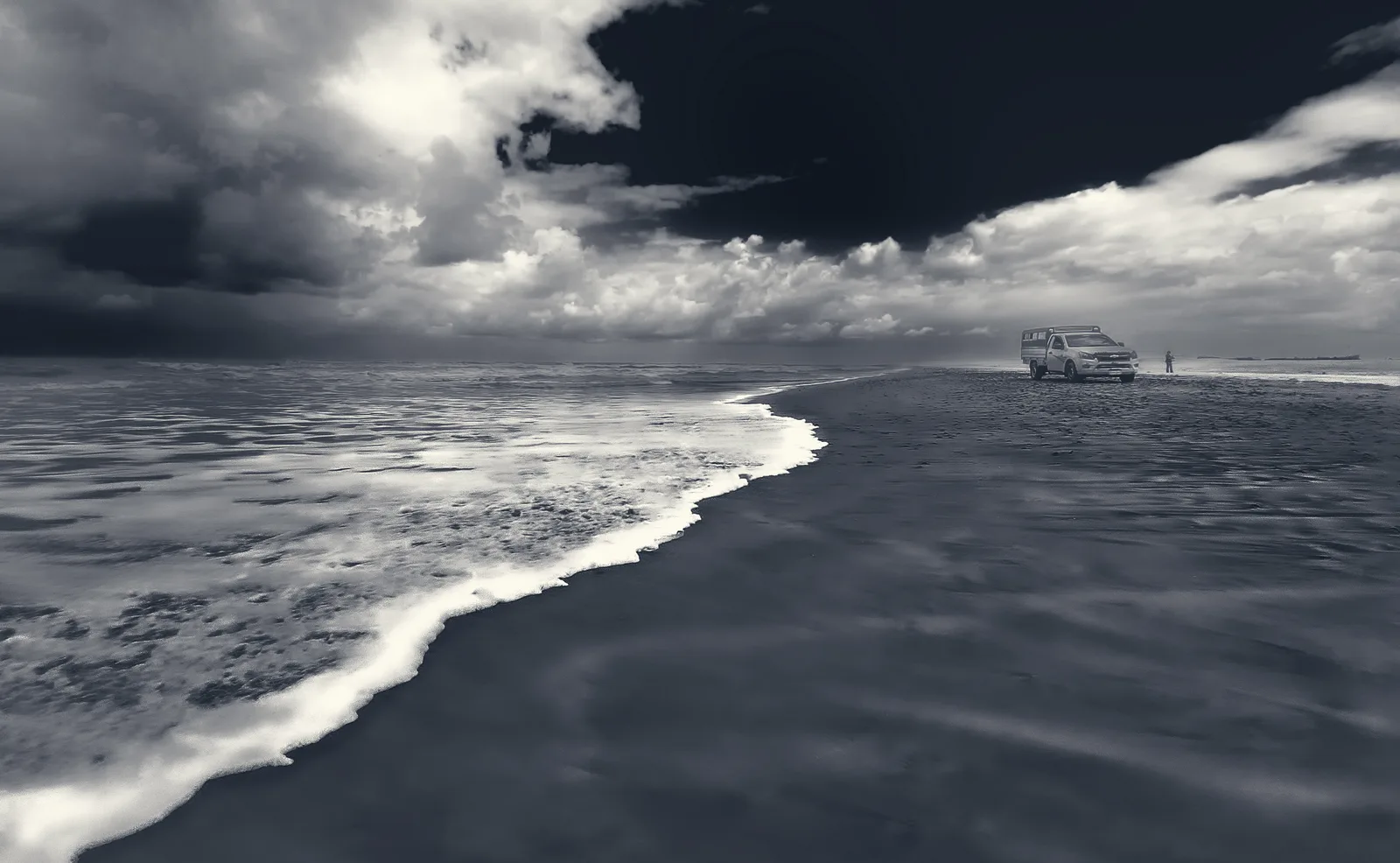
Deniz Deltaya Sızıyor: Mısır En Verimli Topraklarını Kum ve Kamış Bariyerleriyle Nasıl Koruyor?
Burullus'taki sahil yolunda, kamış çitlerle sabitlenmiş kum tepeleri yükseliyor; hemen arkasında bir çiftçi kuyu suyunu tadıyor ve tuzlu olduğunu fark ediyor. Bu, Mısır nüfusunun dörtte birini tehdit eden sessiz bir kriz: yükselen deniz, çöken toprak. Bu yazı tehlikeyi rakamlarla açıklıyor, 69 kilometrelik yumuşak bariyer inşa eden 105 milyon dolarlık projeyi ele alıyor ve vatandaşın rolünü soruyor.
13 Eylül 2026 · 8 dk okuma
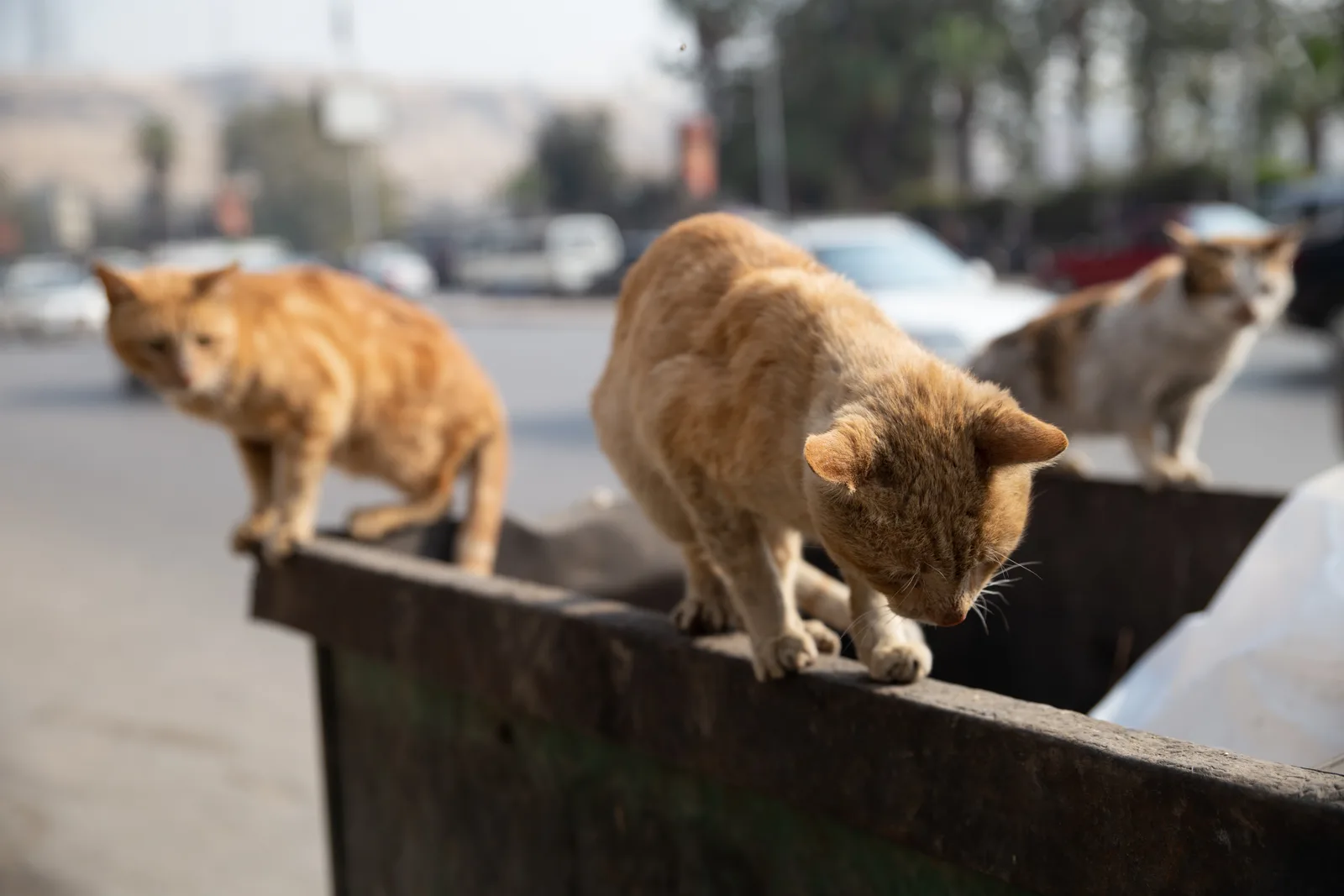
«Keda Ghalat» (Bu Yanlış): Kâsede Zehir, Sırtta Değnek — Hayvana Eziyet, 1937'den Beri Mısır Ceza Kanunu'nda Suç
Bir komşu okul duvarının yanına zehirli kaplar bırakıyor, bir araba sahibi ise eşeğine ağır bir yük çektirmek için yüzüne sopayla vuruyor. Birçok kişi «sadece bir hayvan»ı hiçbir kanunun korumadığını sanıyor. Oysa Ceza Kanunu'nun 355, 356 ve 357. maddeleri, hayvan öldürmeyi, zehirlemeyi ve ona eziyet etmeyi hapis cezasına varan yaptırımlarla cezalandırıyor. Dünya Hayvanlar Günü arifesinde kanunun ne dediğini açıklıyoruz.
3 Ekim 2026 · 6 dk okuma