Nüfus artışı: Kalkınmayı yutan bir yük, insan zenginliğine nasıl dönüştürülür?
Mısır'ın nüfusu yüz milyonu aştı; kalkınmada elde edilen her kazanımın büyük bölümünü nüfus artışı yutuyor. Oysa İran, Bangladeş, Endonezya, Tunus ve Güney Kore deneyimleri dönüşümün mümkün olduğunu kanıtlıyor: ekonomiyi tüketen bir yükten, kalkınma atılımını gerçekleştiren insan zenginliğine. İşte pratik çözümlerin haritası: ailenin yapacağı, devletin yapacağı ve medyanın yapacağı.
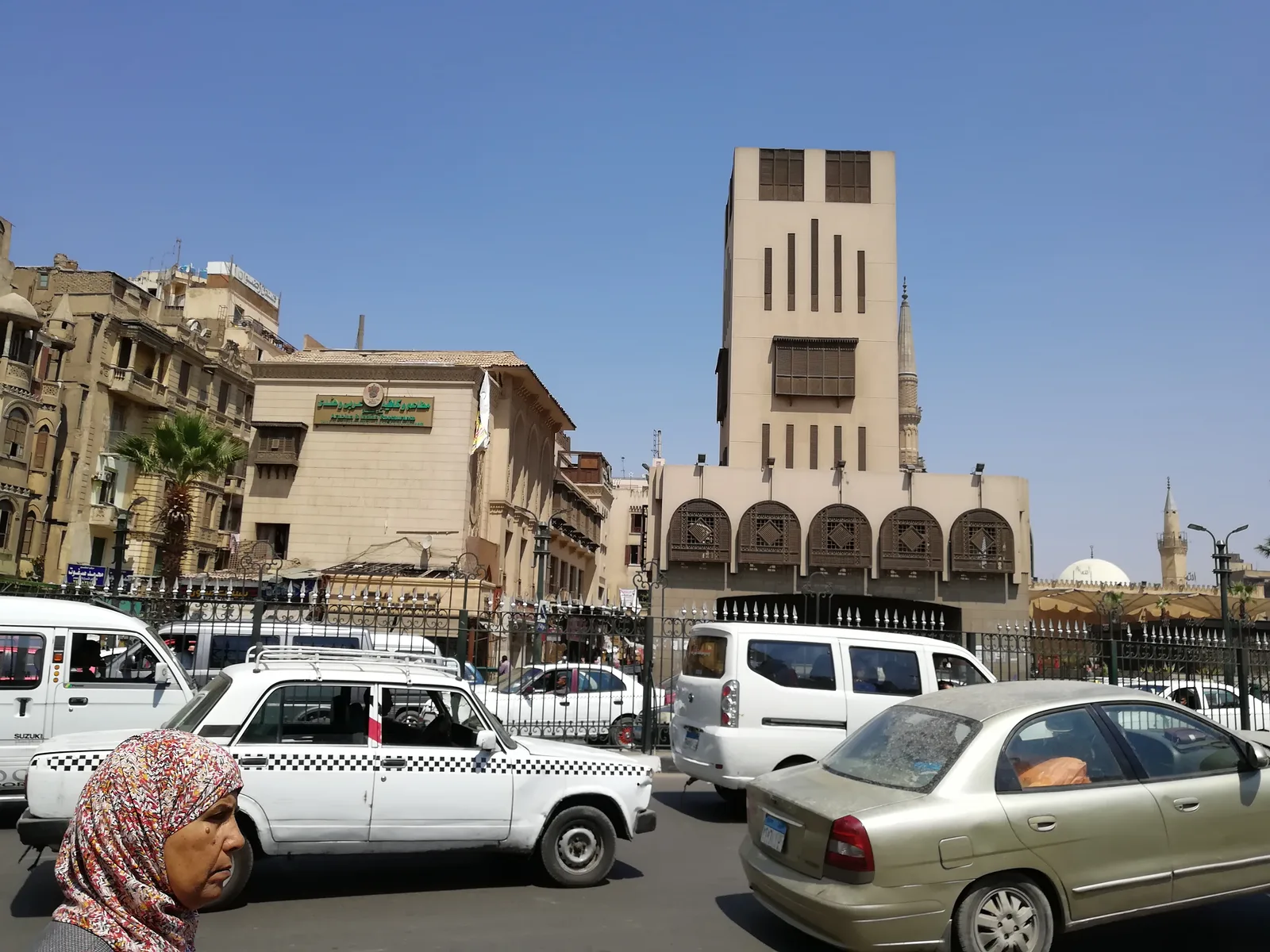
Şubat 2020'de Mısır'ın nüfusu resmen yüz milyonu aştı; bugün bu sayı yüz altı milyonun üzerinde. Devlet her yıl okullar ve hastaneler inşa ediyor, iş imkânları ve konutlar ekliyor; her yıl da nüfus artışı, vatandaş daha hissedemeden bu kazancın büyük bir bölümünü yutuyor. Bunlar slogan değil; her evin kalabalık sınıflarda, hastane kuyruklarında ve iş bulma yarışında her gün yaşadığı bir hesaptır.
Yükün hesabı basit: ekonomik büyüme, nüfusa bölünür. Ekonomi ne eklerse eklesin, daha hızlı bir nüfus artışı kişi başına düşen payı yiyip bitirir: kişi başına düşen miktarı yıldan yıla gerileyen suyu, eğitimi, konutu ve yalnızca iş gücü piyasasına yeni girenleri emebilmek için her yıl yaratılması gereken yüz binlerce iş imkânını — üstelik daha önce girmiş olanların durumunu iyileştirmekten söz etmeye başlamadan önce.
Ne söylediğimiz ve ne söylemediğimiz konusunda net olalım: bu, çocuk sahibi olmaya karşı bir kampanya değil, plansız doğurganlığa karşı bir kampanyadır. İnsan; eğitim görmüş, sağlıklı ve çalışıyorsa milletlerin en büyük servetidir. Yük, insanların çoğalma hızı ile kaynakların, okulların ve iş imkânlarının artış hızı arasındaki açıkta yatar. Bu açığı kapatmak, meselenin tamamıdır.
Mısır eli kolu bağlı oturmadı: Sosyal Dayanışma Bakanlığı'nın 2018'de başlattığı “İki yeter” kampanyası, aile planlaması bilincini kırsaldaki evlere taşıdı; sağlık ocakları aile planlaması hizmetleri sunuyor; ulusal nüfus stratejileri de birbirini izleyen hedefler koyuyor. Resmî araştırmalar son yıllarda doğurganlık hızının gerilediğine işaret ediyor — bu gerçek bir ilerlemedir; ancak hız hâlâ yenilenme düzeyinin üzerinde ve yıllık artış hâlâ çok büyük. Dünyanın başarılı deneyimlerinden çıkan ders şudur: bu çabalar mevsimlik değil, onlarca yıl sürmelidir.
1990'larda İran deneyimine bakın — tarihte belgelenmiş en hızlı doğurganlık düşüşlerinden biri. Dinî liderlik aile planlamasını açıkça destekledi; kırsaldaki “sağlık evleri” ağı ücretsiz hizmetleri köylere taşıdı; evlenecek çiftler eğitim kursları aldı. Yaklaşık on beş yılda ortalama, 1980'lerin ortasında kadın başına yaklaşık altı çocuktan yeni bin yılın başında yaklaşık iki çocuğa indi.
Başladığında Mısır'dan daha yoksul olan Bangladeş'e bakın. Kadın sağlık çalışanları kapı kapı dolaşarak kliniklere ulaşamayan kadınlara danışmanlık ve doğum kontrol yöntemleri götürdü; kız çocuklarının eğitimi yaygınlaştı; mikro krediler ve hazır giyim sanayisindeki işler milyonlarca kadına gelir ve saygınlık kazandırdı. Böylece doğurganlık, 1970'lerde kadın başına altı çocuğun üzerindeyken bugün yaklaşık ikiye indi.
Dünyanın nüfusu en kalabalık Müslüman ülkesi Endonezya'ya bakın. 1970'ten itibaren ulusal aile planlaması kurumu, her köye ulaşan bir program kurdu ve toplumun ileri gelenleriyle din âlimlerini karşısına almak yerine sürece ortak etti — bu, söz konusu davanın toplumun inancına ve değerlerine rağmen değil, onların içinden savunulabileceğinin kanıtıdır.
Arap dünyasının öncüsü Tunus'a bakın. Daha 1950'lerin sonundan ve 1960'lardan itibaren evlilik yaşını yükseltti, kız çocuklarının eğitimine yatırım yaptı, kadın haklarını genişletti ve aile planlaması yöntemlerini erişilebilir kıldı; onlarca yıl boyunca Arap dünyasının en düşük doğurganlık hızlarından birini korudu.
Sonra hikâyenin diğer yarısı gelir: genç nüfus patlamasını demografik armağana çevirmek. Güney Kore 1960 dolaylarında altıya yakın bir doğurganlık hızına ve mütevazı bir gelire sahipti; doğumları azaltırken nitelikli eğitime ve ihracat sanayilerine yatırım pompaladı, böylece kalabalık genç kuşağı iş gücü piyasasına işsiz gençler olarak değil, nitelikli emek olarak girdi. İktisatçılar “Asya mucizesi”nin büyük bir bölümünü tam da bu armağana bağlar: bakmakla yükümlü olunan daha az kişi, daha çok çalışan, daha yüksek tasarruf — yeter ki çalışanlar eğitimli olsun ve işler mevcut olsun.
Bütün bu örneklerde aynı iplikler yinelenir. Kız çocuklarının eğitimi ile kadınların istihdamı, bugüne dek denenmiş en güçlü iki kaldıraçtır: eğitimli ve çalışan bir kadın daha olgun bir evliliği, daha az ve daha sağlıklı çocuğu seçer. Hizmetler insanları beklemek yerine onlara gitmelidir. Dinî ve toplumsal önderler ortak olmalıdır. Devletin taahhüdü ise, değişen ruh hâllerinden korunarak on yıllara ve hükümetlere yayılmalıdır.
Aile ne yapmalı? Planlamalı, doğumların arasını açmalı ve şu dürüst soruyu sormalı: Bu çocuğu gerektiği gibi okutabilir, besleyebilir ve tedavi ettirebilir miyim? İyi okutulmuş ve iyi bakılmış iki çocuk, bir aileyi rastlantıya bırakılmış kalabalıktan daha yükseğe taşır. Ailenin görevleri arasında çocuk yaşta evliliği ve kadın sünnetini — Mısır yasalarının cezalandırdığı suçu — reddetmek de vardır; çünkü ikisi de kuşaktan kuşağa aktarılan aynı yoksulluk zincirinin halkalarıdır.
Peki devlete ne düşüyor? Kampanyaları parlayıp sönmeye bırakmak yerine sürekli kılmak ve genişletmek; kırsaldaki sağlık ocaklarını donatarak hiçbir kadının ücretsiz aile planlaması hizmetlerine kısa bir yoldan fazla uzak kalmamasını sağlamak; kız çocuklarının eğitimini ve okuma yazma seferberliğini yaygınlaştırmayı sürdürmek; kadınlara gerçek iş yolları açmak; ve mümkün olan yerlerde destek programlarını çocuğun sağlığına ve okula düzenli devamına bağlamak. Hepsinin üstünde ise süreklilik: her hükümetin, kendinden öncekinin kurduğunun üzerine inşa etmesi.
Peki içinde bulunduğumuz medyaya ne düşüyor? Taahhüdümüz, bu meseleyi mevsimlik bir konu değil, gündemin ön sırasında canlı tutmak; dünyanın başarılı örneklerini dürüstçe aktarmak; aile planlamasını çevreleyen söylenti ve hurafeleri çürütmek; ve vatandaşa, ona ders vermeyen ya da onu suçlamayan, saygı duyan bir dille seslenmektir. Çünkü insanlar azara değil, saygıya karşılık verir.
Yük ile servet arasındaki fark hiçbir zaman insanların sayısı olmadı; fark, bir milletin onlara ne yatırdığındadır. Mısır bugün, gerçek bir ekonomik atılımın yakıtı olabilecek çok büyük bir genç kuşağa sahip — ancak demografik pencere sonsuza dek açık kalmaz. Planlama yapan ülkeler halklarını en büyük varlıklarına dönüştürdü. Bu tercih bizim tercihimizdir ve zamanı şimdidir.
İlgili Haberler

Kahire'nin havası bir memleket meselesi: “Kara Bulut”tan elektrikli otobüse, her nefesin mücadelesi
Her sonbahar “Kara Bulut” Büyük Kahire'yi boğmak için geri dönüyor; ama asıl öldüren, görmediğimiz şey: saç telinden ince parçacıklar akciğerlere ve kana sızıyor. Dünya Otomobilsiz Gün arifesinde, Büyük Kahire'nin en tehlikeli çevre sağlığı sorunlarından birinin dosyasını açıyoruz: rakamlar ne söylüyor, ne yapılıyor ve siz gününüzde ne yapabilirsiniz.
21 Eylül 2026 · 7 dk okuma

Deniz Deltaya Sızıyor: Mısır En Verimli Topraklarını Kum ve Kamış Bariyerleriyle Nasıl Koruyor?
Burullus'taki sahil yolunda, kamış çitlerle sabitlenmiş kum tepeleri yükseliyor; hemen arkasında bir çiftçi kuyu suyunu tadıyor ve tuzlu olduğunu fark ediyor. Bu, Mısır nüfusunun dörtte birini tehdit eden sessiz bir kriz: yükselen deniz, çöken toprak. Bu yazı tehlikeyi rakamlarla açıklıyor, 69 kilometrelik yumuşak bariyer inşa eden 105 milyon dolarlık projeyi ele alıyor ve vatandaşın rolünü soruyor.
13 Eylül 2026 · 8 dk okuma
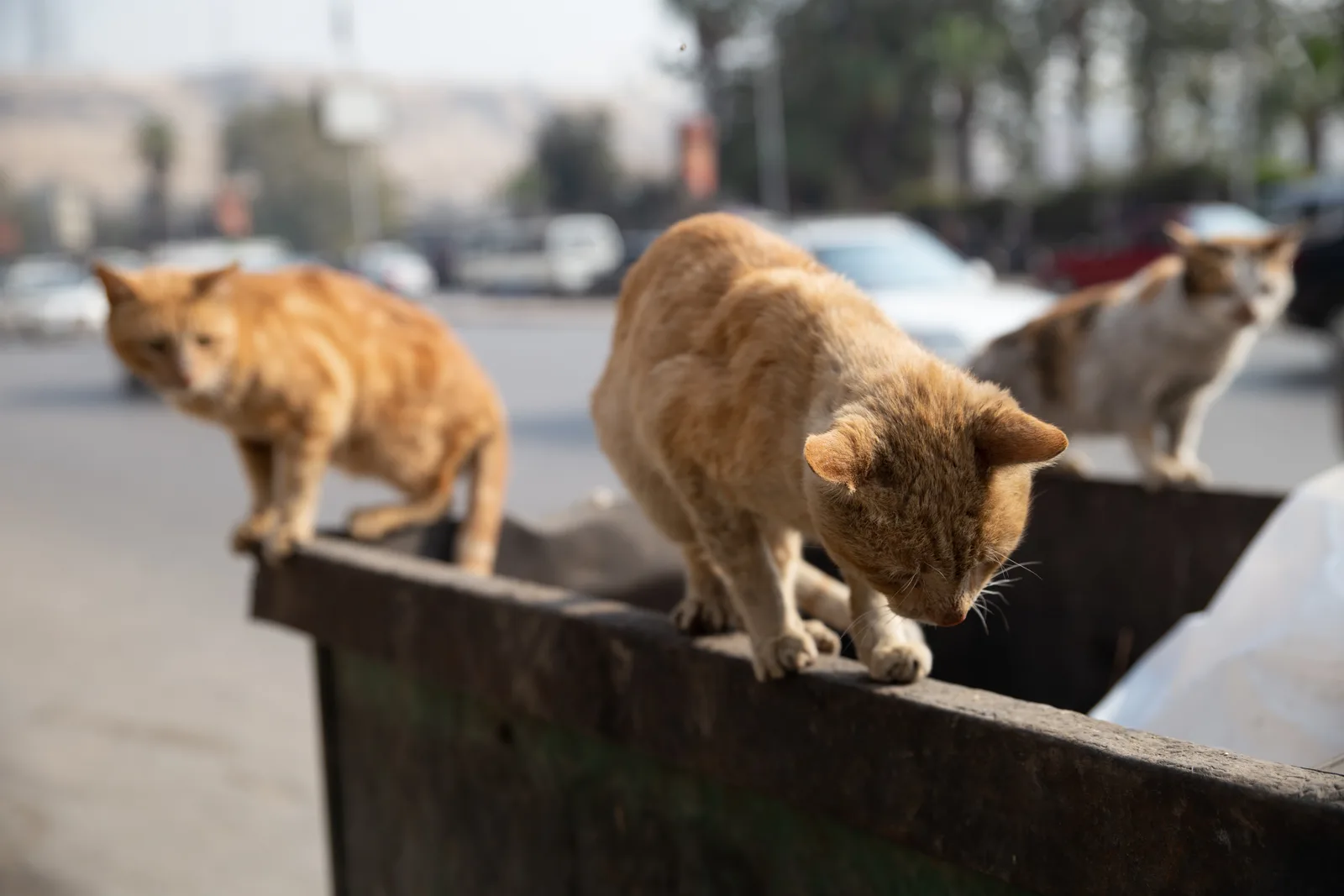
«Keda Ghalat» (Bu Yanlış): Kâsede Zehir, Sırtta Değnek — Hayvana Eziyet, 1937'den Beri Mısır Ceza Kanunu'nda Suç
Bir komşu okul duvarının yanına zehirli kaplar bırakıyor, bir araba sahibi ise eşeğine ağır bir yük çektirmek için yüzüne sopayla vuruyor. Birçok kişi «sadece bir hayvan»ı hiçbir kanunun korumadığını sanıyor. Oysa Ceza Kanunu'nun 355, 356 ve 357. maddeleri, hayvan öldürmeyi, zehirlemeyi ve ona eziyet etmeyi hapis cezasına varan yaptırımlarla cezalandırıyor. Dünya Hayvanlar Günü arifesinde kanunun ne dediğini açıklıyoruz.
3 Ekim 2026 · 6 dk okuma