Okur nasıl yetişir? Mısırlı ailelere çocuklara kitap sevgisi aşılama rehberi
Okuyan çocuk tesadüfen ortaya çıkmaz. Uyku öncesi masallardan Kâmil Kîlânî'nin klasiklerine, halk kütüphanelerinden okul raflarına ve Kahire Uluslararası Kitap Fuarı'na: Mısırlı ailelerin çocuklarına kitap ve Arapça okuma sevgisini nasıl kazandırabileceğine dair pratik bir rehber.
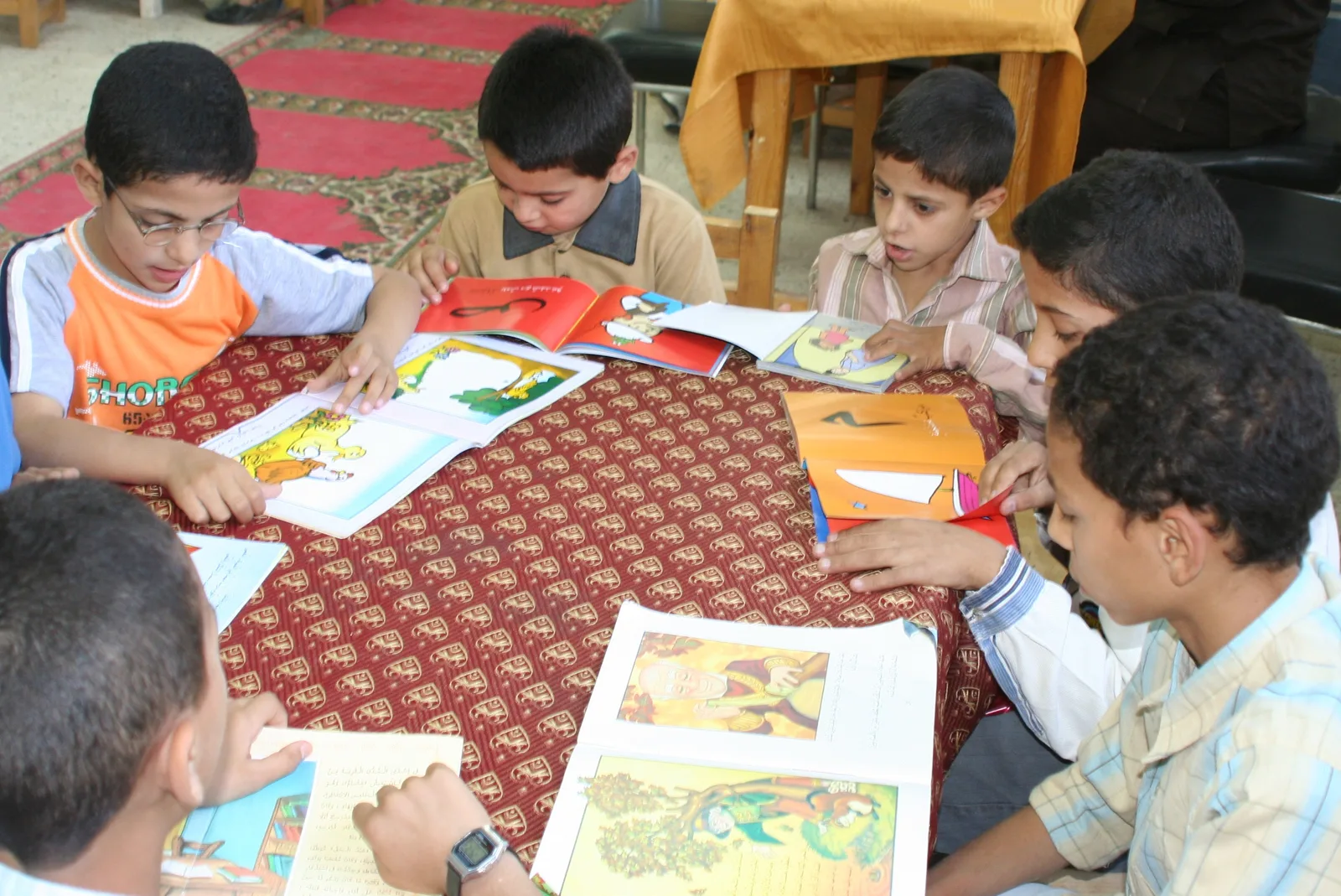
Herhangi bir öğretmene başarılı öğrencileri diğerlerinden ayıran şeyin ne olduğunu sorun; alacağınız yanıt neredeyse hiç değişmez: Okuyanlar öne geçer. Okumak kelime dağarcığını, hayal gücünü, dikkati ve empatiyi besler; etkileri de bütün okul yılları boyunca sessizce birikir. Yine de okuyan bir çocuk neredeyse hiçbir zaman tesadüfen ortaya çıkmaz; her küçük okurun arkasında, kitapları ekmek kadar sıradan bir ev eşyası gibi gören bir aile ve hikâyeyi bir gün ödev değil armağan hâline getirmiş bir yetişkin vardır.
Alışkanlık çoğu ebeveynin sandığından çok daha erken, çocuk tek bir harfi bile sökmeden çok önce başlar. Kendisine kitap okunan bebekler dilin müziğini içine çeker; karton kitapları karıştıran küçükler ise sayfaların sürprizler sakladığını öğrenir. Mısır’ın bu konuda derin bir kuyusu vardır: Ninelerin sözlü anlatı geleneği ve ülkenin halk masalları başlı başına erken bir edebiyattır. Yüksek sesle anlatan bir anne ya da baba — ister ezberden, ister kitaptan, ister hayal gücünden — aslında çoktan bir okur yetiştirmeye başlamıştır.
Evin kendisi, okumanın değeri üzerine yapılan bütün nutuklardan daha etkilidir. Çocuklar kendilerine söyleneni değil, gördüklerini taklit eder; telefonuna gömülmüşken çocuğuna kitap okumasını buyuran bir ebeveyn iki mesaj birden gönderir ve kazanan, sesi daha yüksek olanıdır. Okur yetiştiren aileler kitapları el altında ve göz önünde tutar, kitapçıya ya da kitap tezgâhına bakkala gider gibi uğrar ve herkesin bir şeyler okuduğu küçük bir sessizlik aralığını korur; önce büyükler, sonra çocuklar.
Arapça, ailelerin görmezden gelmek yerine adını koyması gereken gerçek bir zorluk çıkarır: Çocuğun evde konuştuğu Mısır lehçesi ile kitapların yazıldığı modern standart Arapça arasındaki mesafe. Arapça öğretimi uzmanları bu boşluğun nazikçe köprülenmesini öneriyor: Standart metni yüksek sesle okuyup çocuğun kendi lehçesiyle açıklamak, dili yalın ve müzikal olan resimli kitaplar seçmek ve fasih Arapçayı asla bir düzeltme ve azarlama aracına dönüştürmemek. Kitapları azarlanmakla özdeşleştiren çocuk onları kapatır.
Mısırlı aileler, çocuklar için yazmanın zengin bir geleneğinin mirasçısıdır. Arap çocuk edebiyatının öncüsü sayılan Kâmil Keylani, daha yirminci yüzyılın ilk yarısında dünya klasiklerini ve Arap masallarını küçük okurlar için yeniden anlattı. Kuşaklar, büyük yayınevlerinin çocuk dergileriyle büyüdü: Dâru’l-Hilâl’in çıkardığı “Semir” ve Ehram’ın çıkardığı “Alâeddin”, çizgi romanları ve tefrikalarıyla milyonlarca Mısırlıya Arapça okumanın saf bir keyif olabileceğini öğretti.
Bugünün rafları pek çok ebeveynin farkında olduğundan çok daha geniş. Mısırlı ve Arap yayınevleri resimli kitaplar, gençlik romanları ve dünya serilerinin Arapça çevirilerini yayımlıyor; Arap çocuk edebiyatına ayrılmış bölgesel ödüller ise hem niteliği hem görünürlüğü yükseltti. Özellikle resimli kitap alanı çiçek açtı: Mısırlı çizerler Arapça hikâyelere, ithal işlerle rahatlıkla yarışan görsel bir hayat kazandırdı. “Arapçada çocuklar için iyi bir şey yok” şeklindeki eski şikâyeti ise zaman çoktan geçersiz kıldı.
1969’dan bu yana her kış düzenlenen ve dünyanın en büyük kitap fuarları arasında yer alan Kahire Uluslararası Kitap Fuarı, uzun süredir ulusal bir aile gezintisi işlevi görüyor. Çocuklara ayrılmış bölümleri, indirimli baskıları ve yazar söyleşileri, pek çok Mısırlı çocuğa bir kitabı kendi elleriyle seçme deneyimini ilk kez yaşatıyor; kütüphaneciler bunu belirleyici bir an sayıyor, çünkü çocuğun kendi seçtiği kitap, bitirdiği kitaptır. Vilayetlerde düzenlenen bölgesel fuarlar da aynı deneyimi başkentin dışına taşıyor.
Halk kütüphaneleri bu alışkanlığa evin dışında bir yuva sunar. İskenderiye Kütüphanesi, dünyanın en ünlü okuma kurumlarından birinin içinde çocuklara ayrılmış bir kütüphane barındırır; vilayetlere yayılmış halk kütüphanesi ağları ve kültür sarayları çocuk bölümleri ve etkinlikleri yürütür; pek çok cami ve kilise de kendi ödünç verme raflarını tutar. Kütüphane kartı ucuzdur ve ödünç alıp geri verme töreni çocuklara kitapların elden ele dolaştığını öğretir: Okumak özel bir lüks değil, kamusal bir alışkanlıktır.
Okul kütüphaneleri ve okuma dersleri bu alışkanlığı tutuşturabilir de söndürebilir de; ailelerin oradaki etkisi sandıklarından fazladır. Çocuğa sınıfın ne okuduğunu sormak, okulun kitap günlerine katılmak, bir raf dolusu kitap bağışlamak ve kütüphane saatinin sınav tekrarına feda edilmeyip korunması için sakin sakin ısrar etmek: Bunların hepsi, ailenin okumayı eğitimin bir süsü değil, parçası saydığının işaretidir. Öğrencilerine yüksek sesle kitap okuyan öğretmen ağırlığınca altın değerindedir; velilerin ona teşekkür etmesi bir haktır.
Günlük ayrıntılara gelince, bunlar basit ve hoşgörülüdür. Yatmadan önceki hikâye, on dakika bile olsa, en güvenilir ritüeldir. Bırakın çocuk seçsin ve seçimine saygı gösterin: Çizgi romanlar, futbol kitapları, fıkra kitapları hepsi sayılır; çünkü başlangıçta amaç müfredat değil iştahtır. Ekranları uykudan önceki son saatin dışında tutarsanız kitap doğal yerini bulur. Çocuğunuz aynı hikâyeyi onuncu kez istiyorsa sevinin; tekrar, küçük okurların bir kitabı sahiplenme biçimidir.
Bir ailenin okur yetiştirmek için zengin olmasına gerek yoktur; istikrara ve biraz da tiyatroya ihtiyacı vardır. Sesleri taklit eden bir baba, el uzanınca erişilen bir raf, haftada bir kütüphane ziyareti, yılda bir kitap fuarı: Bunlar, birikim gibi üst üste binen mütevazı yatırımlardır. Zevk için okuyan çocuk, ömrü boyunca nereye giderse gitsin yanında özel bir öğretmen taşır. Gürültülü bir çağda, bir çocuğun bir hikâyenin içinde sessizce oturabilmesi, Mısırlı bir ailenin çocuklarına bırakabileceği en yararlı armağanlardan biri olabilir.
İlgili Haberler
Çocuktan Daha Ağır Bir Çanta: Okul Sırt Çantası Kaç Kilo Olmalı, Çocuğunuzun Sırtını Nasıl Korursunuz?
Okulların ilk haftasıyla birlikte her evde aynı soru soruluyor: bir çocuğun sırtı kaç kilogram taşıyabilir? Amerikan Pediatri Akademisi'nin "yüzde 15 kuralı"nı, öğrencilerin dörtte üçünün sırt ağrısından yakındığını ortaya koyan Mısır'ın Menuf kasabasından bir araştırmayı ele alıyor, ardından banyo tartısıyla ölçüm yöntemini ve yükü ömür boyu süren bir ağrıya dönüşmeden önce hafifletecek basit günlük adımları sunuyoruz.
15 Eylül 2026 · 7 dk okuma

Harçlık, ekonominin ilk dersi: Çocuğunuza paranın değerini ve tasarrufu nasıl öğretirsiniz?
Cebirden ve geometriden önce çocuğunuz ilk ekonomi derslerini okulun karşısındaki büfenin önünde ve küçük kumbarasının başında alır. Yaş dönemlerine göre pratik bir rehber: Harçlık ne zaman başlamalı, harcama, birikim ve paylaşma arasında nasıl bölünmeli ve neden asla notlara bağlanmamalı ya da bir ceza aracına dönüştürülmemeli?
3 Eylül 2026 · 7 dk okuma

Çocuklar arasında zorbalık: Çocuğunuz ister kurban ister tanık ister zorba olsun, onu nasıl korursunuz?
Teneffüs kavgası ne zaman zorbalığa dönüşür? Ebeveynler için pratik bir rehber: çocuğun sakladığı sessiz işaretler, kalbini açan güvenli bir sohbet, okula başvurmak için belgelenmiş adımlar ve “sen de vur” öğüdünün gerçek alternatifleri — ve zorba olan kendi çocuğunuzsa, aşağılamadan ve inkâra kaçmadan ne yapmalı?
27 Ağustos 2026 · 8 dk okuma