Egypt's 2026/27 Budget Under the Citizen's Microscope: In Force Since July, With Debt Interest as Its Biggest Line
Reported as bills under debate, Egypt's 2026/27 budget has been law since July 1: EGP 8.19tn in total outlays, debt interest the largest single item, and an EGP 8,000 minimum wage — decoded for households, with a legislative-quality audit.
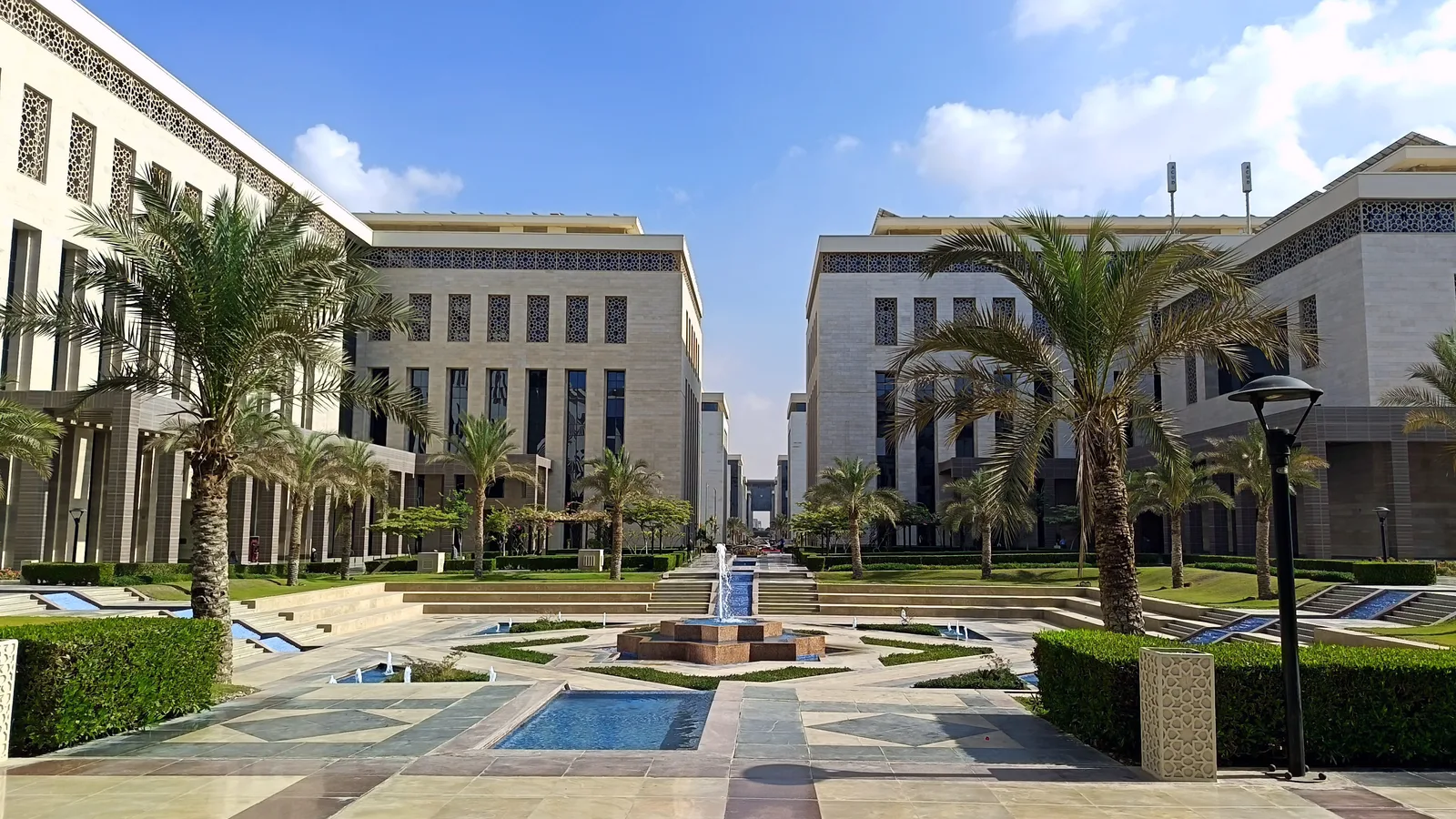
Official outlets, including Egypt's State Information Service, carried reports of the House of Representatives debating bills tied to the 2026/27 budget alongside international agreements. A date check places those reports where they belong: the sessions happened in June and are over. The House passed the budget on June 22, 2026, the president ratified it as Law 77 of 2026, and it took effect on July 1. The document is no longer a draft up for discussion — it has governed state spending for roughly seven weeks.
According to the chamber's published agenda, those June sessions covered the budget-appropriation law itself, the linking laws for the budgets of public economic authorities and the military production authority, and a set of international agreements — among them Egypt's subscription to the 19th and 20th capital increases of the World Bank Group's International Development Association, and African Development Bank budget-support financing under phase two of a private-sector development programme.
On July 22, Speaker Hisham Badawy declared the first ordinary session of the third legislative term closed, with an announced tally of 162 laws and 31 international agreements passed over the session. Parliament is now in recess and, under the constitution, does not reconvene until early October.
The numbers, as published in the budget law: total budget uses of EGP 8.186 trillion, of which EGP 5.178 trillion is actual expenditure — up about 13 percent on the previous year — plus roughly EGP 2.808 trillion earmarked for repaying maturing domestic and external loans. Projected revenues stand at EGP 4.056 trillion, leaving a gap of more than EGP 1.1 trillion between spending and income, to be covered by borrowing.
Where does the money come from? Taxes alone: EGP 3.529 trillion, about 87 percent of revenues. Grants amount to just EGP 19.8 billion, and other revenues to some EGP 507 billion. Put plainly, citizens and companies — not grants or other sovereign resources — are the budget's principal funders.
And where does it go? The single largest item is debt interest: EGP 2.42 trillion — around 47 percent of expenditure, the equivalent of roughly 69 percent of expected tax receipts, and close to three times the wage bill. Next come subsidies, grants and social benefits at EGP 836.8 billion, public-sector wages at EGP 822.8 billion, public investment at EGP 553.7 billion (up from EGP 434.9 billion), and purchases of goods and services at EGP 293.7 billion.
For the household directly: the minimum wage rose from EGP 7,000 to EGP 8,000 a month starting with July salaries for state administrative and economic-authority employees, part of a wage package built into the new budget, according to the Finance Ministry.
On subsidies, EGP 178.3 billion goes to ration-card food commodities and subsidised bread, up from EGP 160 billion the previous year according to the Finance Ministry; about EGP 55 billion funds the Takaful and Karama cash-transfer programme covering some 4.7 million families; and allocations for state-funded medical treatment rise to about EGP 23.1 billion, an increase of roughly 52 percent. The government's presentation also cited a 30 percent rise in health allocations and 20 percent for education.
The headline targets announced by Finance Minister Ahmed Kouchouk: cutting the overall deficit to 4.9 percent of GDP — the lowest in a decade — achieving a record primary surplus of about 5 percent of GDP, roughly EGP 1.2 trillion, and bringing budget-agency debt down to 78 percent of GDP by June 2027. The plain-language meaning of a primary surplus: the state collects more than it spends before counting debt interest — but interest alone flips the result into deficit.
Applying our platform's Legislative Quality Index to the budget process starts with transparency and the availability of documents. The latest Open Budget Survey (OBS 2025), published in June 2026 by the International Budget Partnership, scored Egypt 59 out of 100 on transparency — a ten-point gain on 2023 — crediting a timely pre-budget statement, a citizens' budget, and the audit report's first-ever online publication. Yet the score remains below the survey's 61-point adequacy threshold; the survey also recorded reduced revenue, debt and expenditure detail inside the enacted budget, and public participation scored just 35 out of 100.
On timing: the draft reached parliament within the constitutional deadline requiring submission at least 90 days before the fiscal year begins, but final passage came on June 22 — nine days before the budget took effect — and the full details of the ratified law were only widely published after the fiscal year had already begun. In the same session, the House also approved the final accounts for fiscal year 2023/24 — a lag of about two years that weakens the accountability loop between what was planned and what was actually spent.
The neutral bottom line: citizens have more published numbers this year than before, and transparency scores are improving by the measure of an independent international survey. But anyone wanting to know where their pound goes still reads the budget after its spending has started, and waits two years for its final accounts. That is the distance remaining between a budget that is published and a budget that is debated with the public in real time.
Related Stories
Egypt's Elderly Rights Care Law: What Does Law No. 19 of 2024 Guarantee Anyone Who Has Turned Sixty-Five?
On the International Day of Older Persons we open Law No. 19 of 2024 article by article: who counts as "elderly," who must provide care and in what order, how a pension can reach the front door for no more than one hundred Egyptian pounds, what share of care-home beds must be free, the penalty for neglecting, refusing to care for, or exploiting an older person, and where the executive regulations stand today.
October 1, 2026 · 8 min read
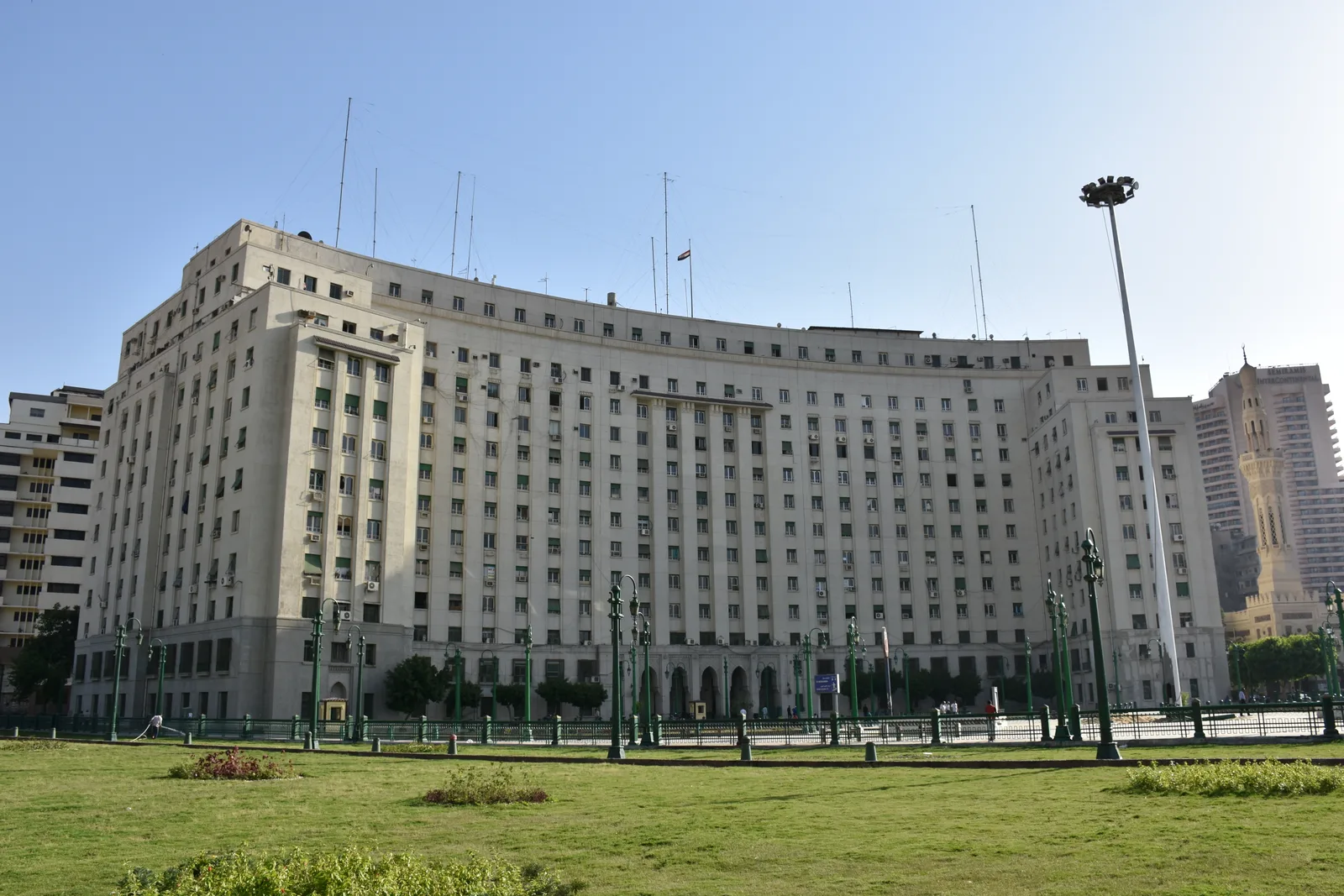
“Information Belongs to the People”: Article 68 and the Access-to-Information Law Egypt Has Awaited Since 2014
A clerk behind the counter says “you have no right to know”; the Constitution says the exact opposite, in so many words. Ahead of the International Day for Universal Access to Information, we read Article 68 word by word, trace the freedom-of-information drafts from 2013 to 2026, and explain what it all means for a citizen asking a government office for a document, before parliament opens its new session in October.
September 27, 2026 · 7 min read
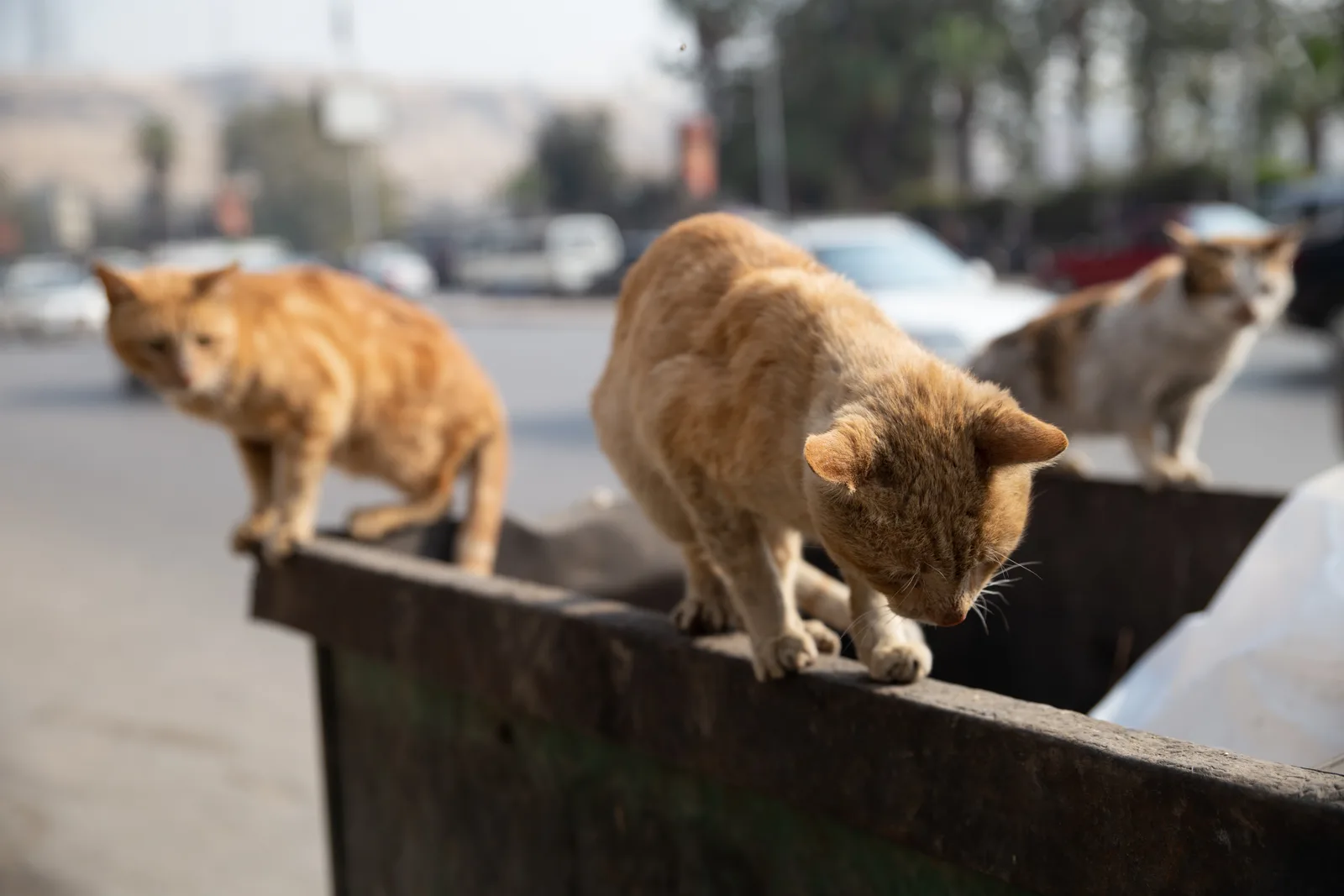
Keda Ghalat (That's Just Wrong): Harming an Animal Has Been a Crime Under Egypt's Penal Code Since 1937
A neighbour sets out poisoned bowls beside the school wall; a cart driver beats his donkey across the face to make it haul a load beyond its strength. Many assume that "just an animal" means no law protects it. In fact, Articles 355, 356 and 357 of the Penal Code punish killing, poisoning and harming animals with penalties that go as far as prison. On the eve of World Animal Day, we explain what the law says and what the right thing to do is.
October 3, 2026 · 6 min read