Egypt's Economy in Two Numbers: 5.2% Growth and a Region on Edge
Egypt posted 5.2% growth over nine months while the cabinet reviews updated contingency scenarios for regional escalation. With inflation at 14.9% and the pound near 50 per dollar, what do the two numbers mean for households?
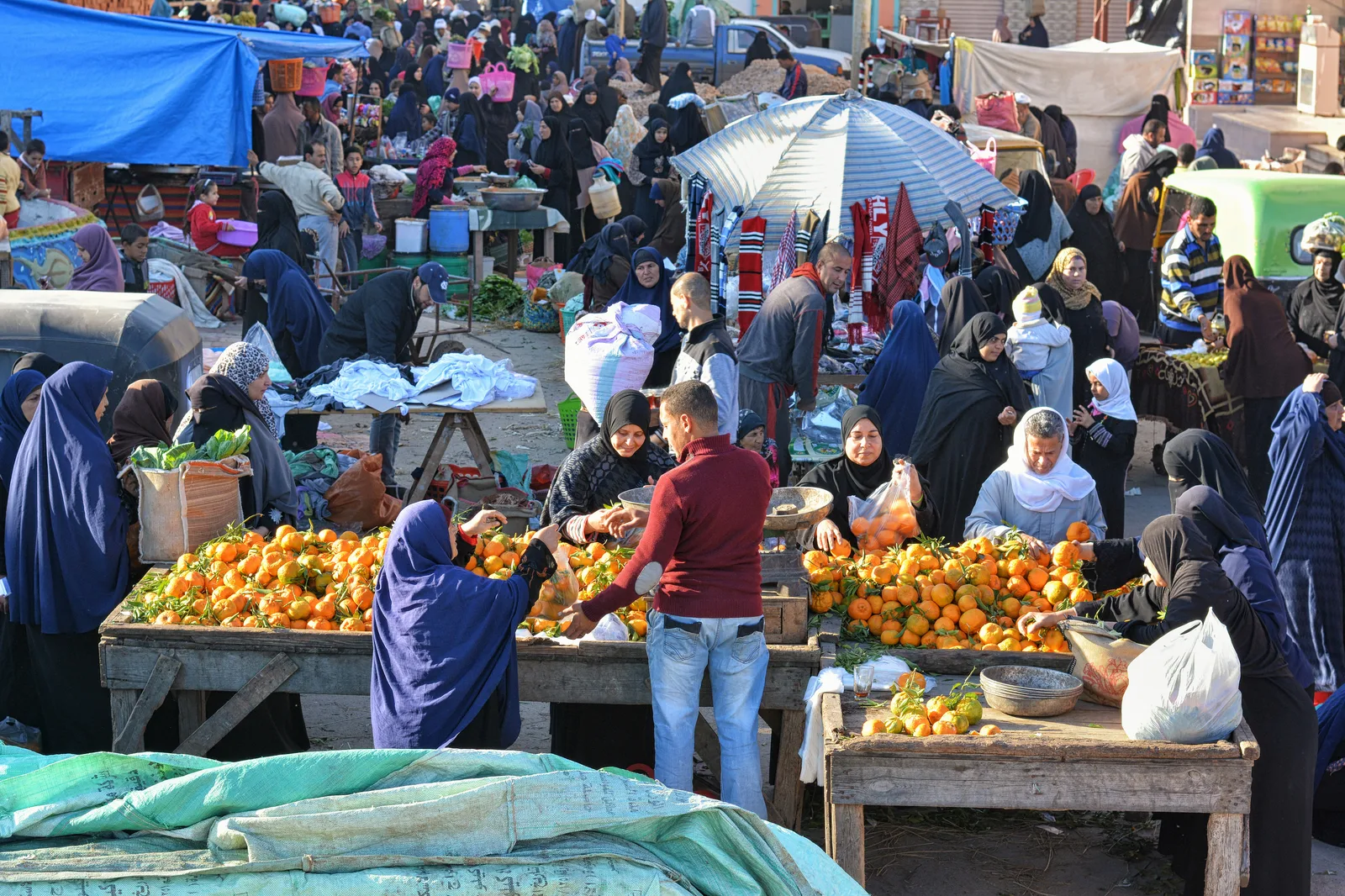
Two numbers frame Egypt's economic summer, and they pull in opposite directions. The economy grew 5.2 percent in the first nine months of fiscal year 2025/26, according to the Ministry of Planning and Economic Development — one of its strongest stretches in years. Yet the same government now devotes part of its weekly cabinet meetings to reviewing updated contingency scenarios for a regional conflict that refuses to stay quiet.
The growth number came first. The Planning Ministry announced in early June that GDP expanded 5.2 percent between July 2025 and March 2026 — 5.3 percent in each of the first two quarters, easing to 5.0 percent in the third, the January-to-March stretch when the latest round of regional escalation erupted. The ministry credits the performance to recovering private-sector activity.
The second number appears on no chart, but it hangs over every cabinet session. At its weekly meeting in New Alamein in mid-August, the government reviewed what the Prime Minister's office described as 'updated scenarios' prepared by ministries for the potential fallout of regional tensions — from Gaza and Lebanon to the standoff between Washington and Tehran. Prime Minister Mostafa Madbouly first ordered those integrated scenarios refreshed in early March, alongside a plan drawn up with the central bank to secure the foreign currency needed for food, fuel and production inputs.
The buffers, for now, are moving the right way. Foreign reserves reached $56.3 billion at the end of July, up about $1.2 billion in a month, Madbouly told the meeting, while the government says stocks of some staples — sugar among them — cover roughly a full year of demand. Since July, Egypt has also accelerated fuel stockpiling against any disruption to shipping near the Strait of Hormuz, according to reporting by the economics outlet AGBI.
Prices are where citizens feel the tension first. Urban inflation snapped a three-month cooling streak in July, rising to 14.9 percent from 14.3 percent in June, driven mainly by food, according to CAPMAS, the state statistics agency. In January, before the escalation intensified, the rate stood at 11.9 percent — a three-point acceleration in six months.
The pound tells both halves of the story. At the peak of the escalation in late April, the official dollar rate reached about 53 pounds, and some banks approached 54 in early May, per Al Arabiya's market coverage; this week the central bank's posted rate is back near 50.2. A firmer pound cushions import costs — but it depends on dollars continuing to flow in from tourism, the canal and remittances.
The Suez Canal, the state revenue line most exposed to the region's moods, is healing rather than healed. Revenues reached $4.67 billion in fiscal 2025/26, up 23 percent, with a monthly average of about $390 million according to the IMF — still under half the roughly $10 billion a year the waterway earned at its pre-crisis record. Every month below that peak is hard currency Egypt does not collect and cannot use to steady the pound.
Tourism has been the regional exception. Arrivals rose 16 percent in the first quarter of 2026 while the Middle East as a whole fell 14 percent, per UN Tourism data cited by Ahram Online, and 6.1 million visitors came in the first four months, up 7 percent. Sector revenues climbed 17.3 percent to $10.2 billion in the first half of the fiscal year, according to official figures reported by Egypt Independent. But the slide from 16 percent to 7 percent cumulative growth once April began shows how quickly escalation bites a sector that feeds millions of households.
On jobs, the Planning Ministry attributes the growth to stronger private activity — the economy's main engine of hiring. The IMF, however, trimmed its forecast for fiscal 2026/27 to around 4.4 percent, citing weaker investment, costlier financing and conflict-related uncertainty: the mix that typically slows job creation before it shows up in any other indicator.
Preparedness carries its own price. The crisis-management committee chaired by Madbouly approved a package in April to rationalize public spending and consumption, and building commodity and fuel stockpiles ties up scarce foreign currency. The government's stated bet is to reassure markets without draining the very reserves it holds up as proof of resilience.
Three indicators will shape what the coming weeks feel like at the market: August's inflation reading and whether the food surge persists; the pace at which shipping lines return to the canal; and oil prices, hostage to the region's wait-and-see mood — all of which will weigh on the central bank's interest-rate decisions.
Both numbers, in the end, are true at once. Egypt is growing at one of its fastest rates in years, inside a region capable of clawing that growth back at short notice. Rising reserves and full warehouses leave no case for panic; inflation near 15 percent and a canal at less than half its earning power leave just as little room for complacency.
Related Stories
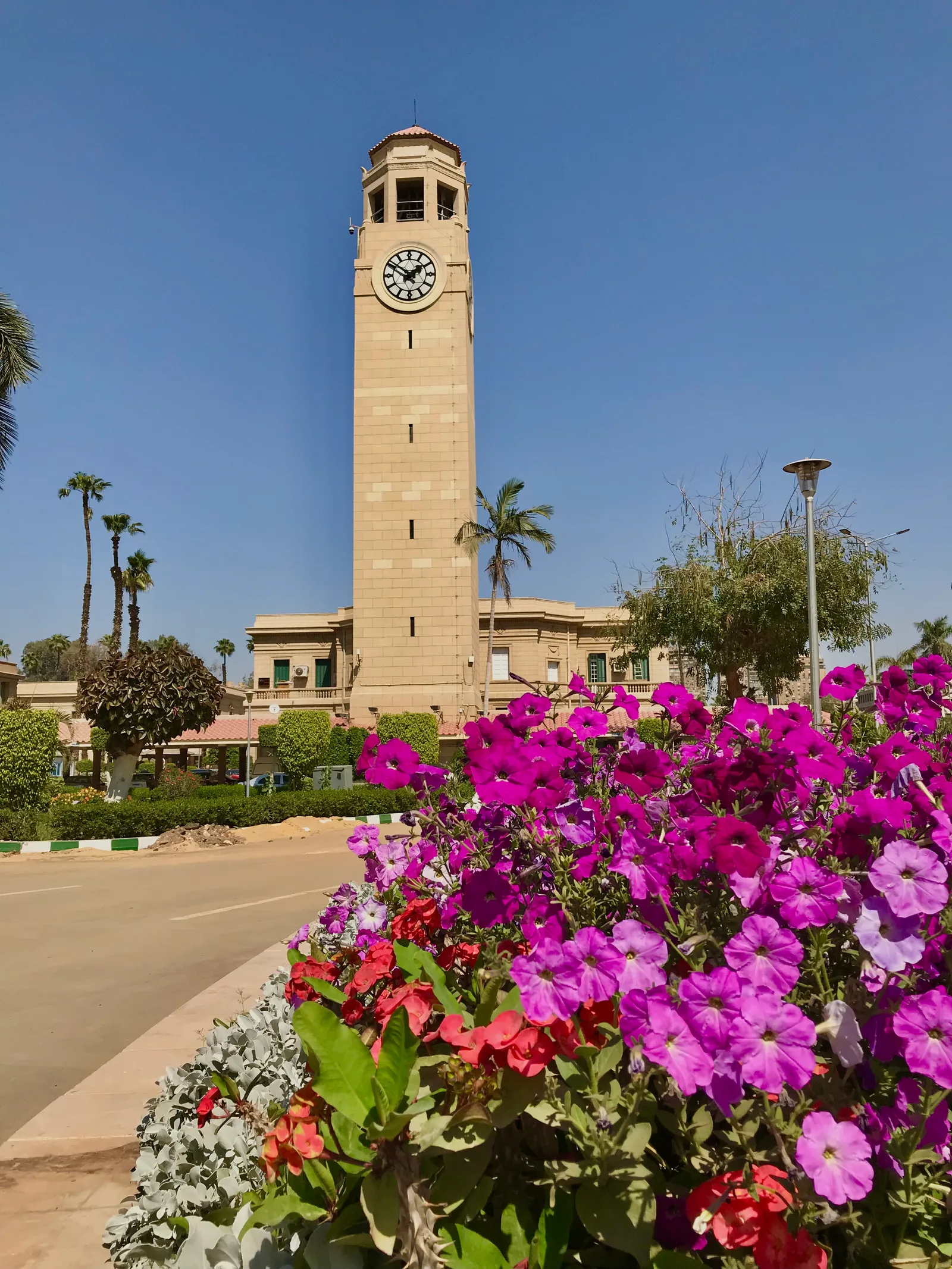
Clocks Fall Back an Hour on Thursday Night, October 29: A Guide to the End of Daylight Saving Under Law 24 of 2023
On the night of Thursday, October 29, 2026, Egypt's daylight saving period ends and clocks fall back sixty minutes at midnight, turning 12:00 a.m. back into 11:00 p.m., with winter time beginning as Friday, October 30 starts. Here is the rule as written in Law No. 24 of 2023, why the change is timed to fall on a Friday, which devices won't reset themselves, and what it means for your day.
October 28, 2026 · 7 min read
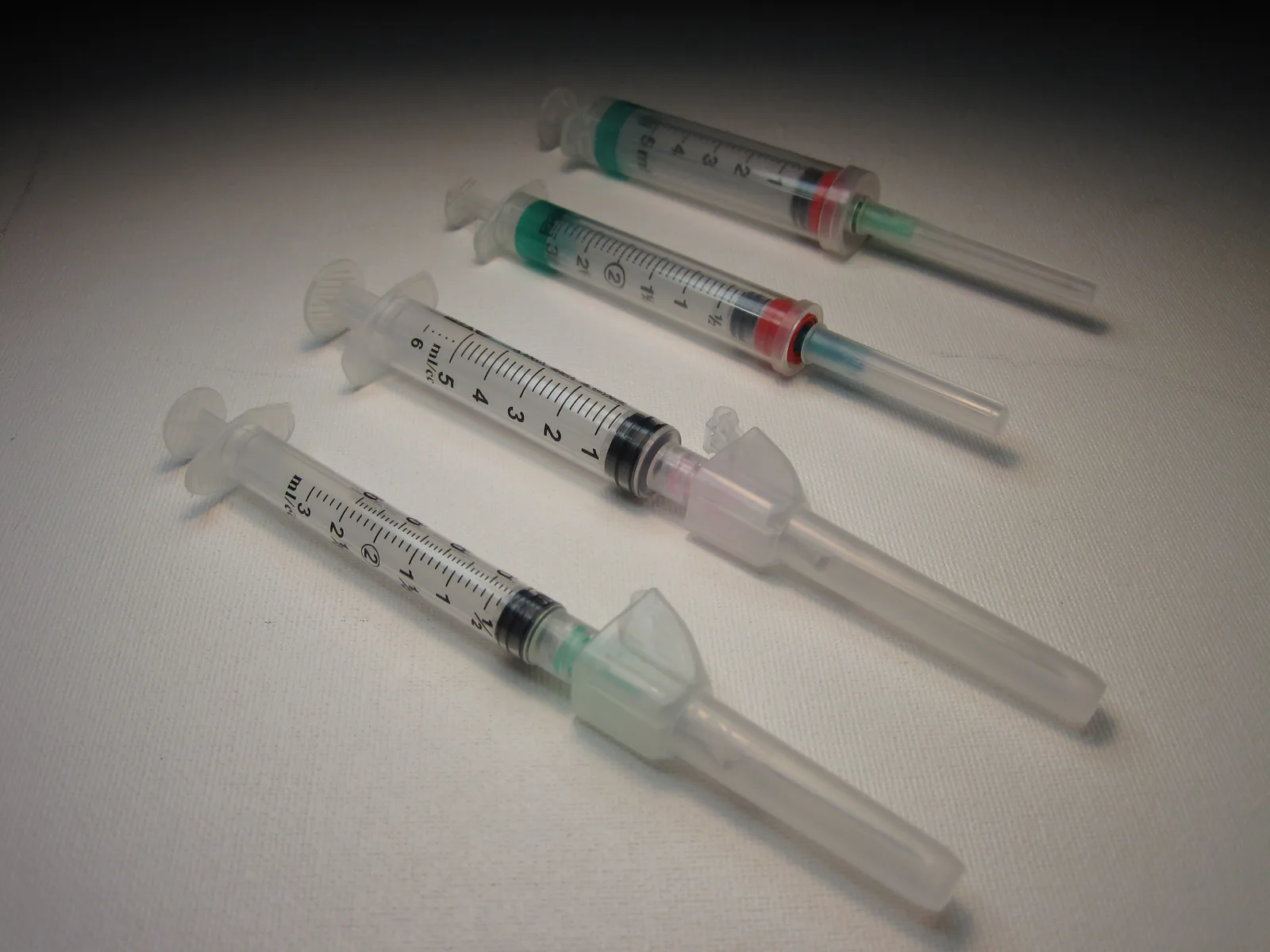
“A Cold Shot Cures a Cold”: A False Claim, and What Trials Say About the “Power” of the Vein
“Forget the pills, take a shot and you'll be back on your feet” is advice that returns with the first chill of every year. We test two claims: that a “cold shot” cures a cold, and that an injection is inherently stronger than tablets. Verdict: false. The evidence lies in the mixture itself, in randomized trials comparing vein with mouth, and in an official Egyptian guide. The route of a medicine is the doctor's decision alone.
November 22, 2026 · 9 min read
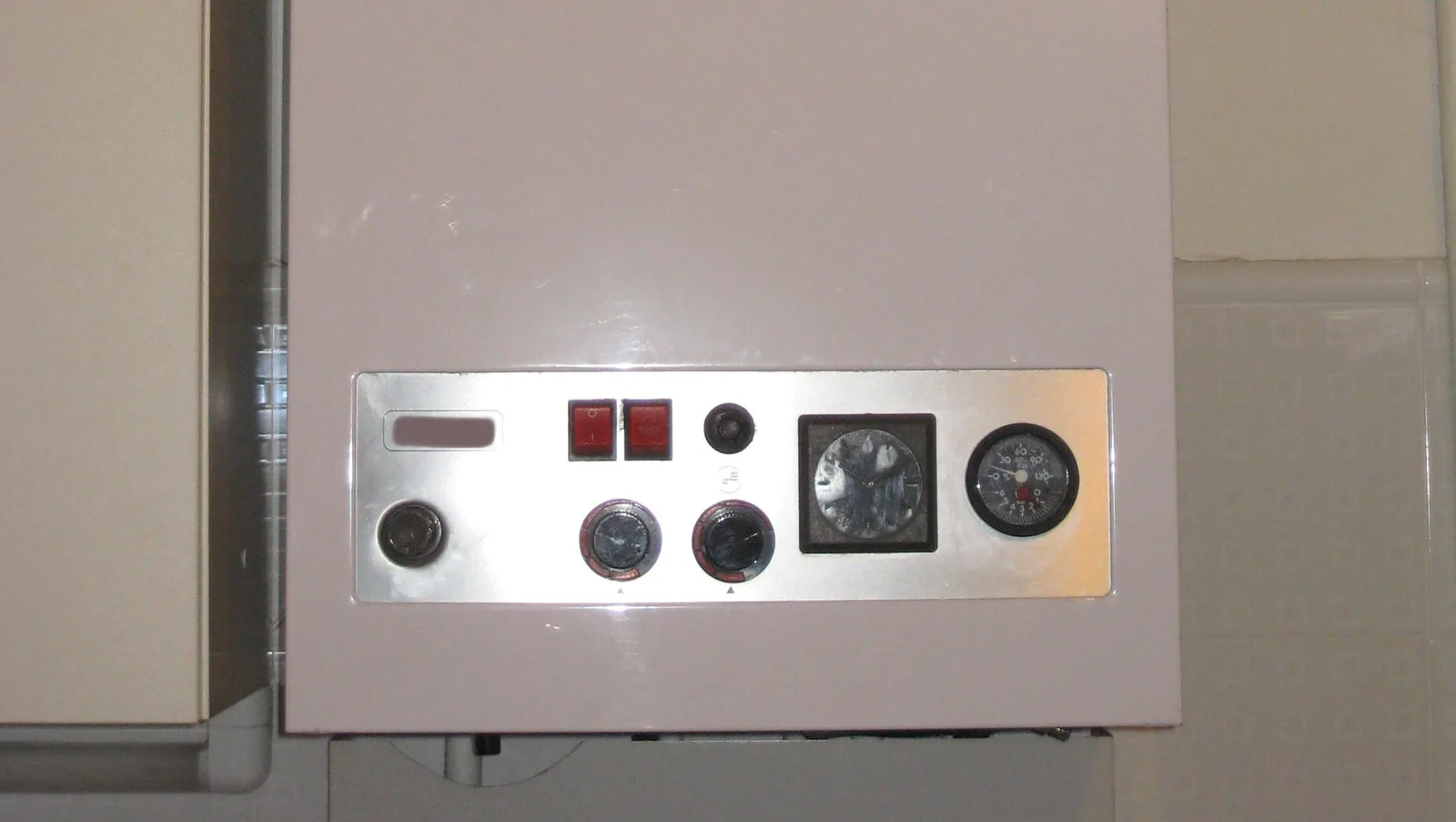
The Silent Killer in the Bathroom: The Danger Is Not the Gas Heater but an Unventilated Room and Neglected Upkeep
With the first cold snap each year, Egyptian homes light their gas water heaters and shut their windows, turning a small bathroom into a room with no fresh air. Carbon monoxide has no colour, smell or taste, and its early symptoms are easily mistaken for a cold or fatigue. Here is what official sources say about the real cause of the danger, and the order of actions in the first minutes that could save a whole family.
November 21, 2026 · 8 min read