В школу с умом: как спланировать семейный бюджет к 12 сентября
Учебный год в Египте начинается 12 сентября. Практический гид по школьному бюджету: официальные размеры взносов, ревизия того, что осталось с прошлого года, приоритеты покупок, реальные способы сэкономить — и как обуздать самую затратную статью, частных репетиторов.
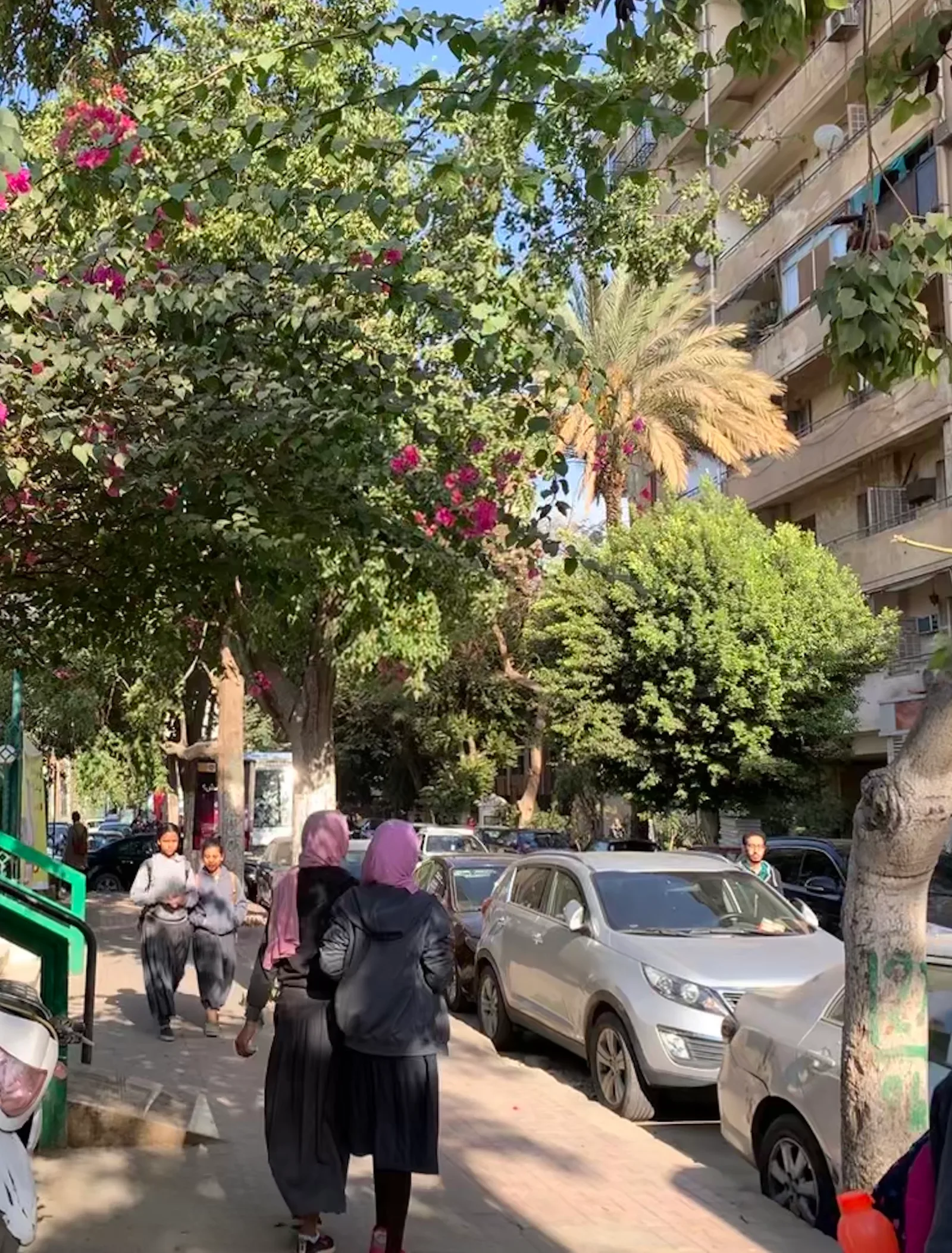
У египетских семей осталось меньше четырёх недель до начала 2026/2027 учебного года, который, согласно календарю, утверждённому Министерством образования и технического образования, стартует в субботу, 12 сентября. Между школьными взносами, формой, канцелярией и частными уроками остаток августа и весь сентябрь превращаются в сезон трат, тяжёлый для любого домашнего бюджета. Раннее планирование не отменяет счёт, но способно заметно его уменьшить.
Как сообщило министерство и передали местные СМИ, занятия в государственных школах, официальных языковых и частных школах начинаются 12 сентября 2026 года и продлятся до 24 июня 2027 года — это 39 учебных недель, — тогда как международные школы откроются 6 сентября. Такое временное окно означает, что семья может распределить покупки на несколько этапов, а не опустошать бюджет разом.
Что касается официальных взносов, приказ министерства № 116 на 2026/2027 учебный год устанавливает их в размере 320 египетских фунтов — от детского сада до конца подготовительной ступени, 545 фунтов — за первый год общего среднего образования, 530 фунтов — за второй и третий годы, 245 фунтов — за первый год технического образования и 230 фунтов — за остальные его классы, о чём сообщили портал «Аш-Шурук» и «Масрави». Взносы вносятся двумя частями через пункты электронного приёма платежей и почтовые отделения, а перечисленные в приказе категории освобождены от них и платят лишь символический административный сбор.
В официальных языковых школах добавляется плата за дополнительные услуги — от 800 фунтов на начальной ступени до 1400 фунтов в детском саду, а в элитных официальных языковых школах она достигает 4400 фунтов на средней ступени, следует из публикаций прессы о том же приказе. Если вы заранее знаете официальную сумму, это защитит вас от требований сверх положенного; кроме того, вы вправе спросить, на чём основан любой дополнительный пункт.
Первый шаг, прежде чем открывать кошелёк, — полная ревизия того, что осталось с прошлого года. Ранец с целыми лямками и работающей молнией, части формы, которые ещё впору, годные пенал и чертёжный набор, тетради с неисписанными страницами, которые можно собрать под черновики. Золотое правило: в список покупок попадает только то, что действительно износилось или стало мало́.
После ревизии наступает черёд приоритетов. Сначала форма: дети растут, и замены ей нет, а два комплекта чуть большего размера полезнее трёх точно по фигуре, которые перестанут годиться к середине года. Затем тетради и канцелярия — по реальному списку школы, а не наугад. И только в конце ранец: пока старый цел, он остаётся последним пунктом.
В экономии реальную разницу делают мелкие приёмы: совместные закупки между мамами позволяют разделить дюжину тетрадей и получить оптовую цену; оптовые и сезонные рынки в мухафазах в разгар сезона заметно дешевле районных канцелярских лавок; а сравнение цен в трёх точках перед покупкой обычно окупает лишнюю поездку с первого же раза.
Пресса, в том числе газета «Ад-Дустур» со ссылкой на источники в Министерстве снабжения и внутренней торговли, сообщает, что ярмарки «Ахлян мадарис» («Здравствуй, школа») в этом сезоне должны открыться в начале сентября в мухафазах: в них участвуют книжные магазины и поставщики школьных товаров, а скидки различаются от товара к товару. В прошлые сезоны такие скидки доходили примерно до 20 %, писала пресса, поэтому перед покупкой стоит следить за официальными объявлениями мухафаз о местах и датах.
Свою долю бюджета забирают и ловушки. Бренды для ребёнка первых лет начальной школы — трата без отдачи: канцелярия теряется и приходит в негодность за считаные недели, а товары с напечатанными мультипликационными героями порой стоят вдвое дороже равных им по качеству. Ещё две ловушки — покупать всё до получения школьных списков и брать рассрочку на мелкие покупки, которая без нужды добавляет стоимость финансирования.
Однако самая крупная статья образовательного бюджета — не форма и не канцелярия. По данным Центрального агентства по общественной мобилизации и статистике, опубликованным в этом месяце местными газетами, на частные уроки и группы подтягивания приходится 28,3 % расходов на образование в семьях, где есть учащиеся, а первое место по таким тратам занимает мухафаза Минуфия — об этом со ссылкой на данные агентства писала газета «Ад-Дустур».
Эту статью можно сократить, не навредив уровню ученика: начинайте только с тех предметов, которые ему действительно нужны, вместо целого «пакета» с первых дней года; пользуйтесь более дешёвыми официальными школьными группами подтягивания; объединяйтесь в небольшие группы по три-четыре семьи; опирайтесь на бесплатные официальные образовательные каналы и платформы как на вспомогательный ресурс. К тому же, если отложить начало занятий до того, как в первый месяц прояснится уровень ребёнка, вы сэкономите как минимум расходы за целый месяц.
Последним предохранителем остаётся растянуть счёт во времени: оплата взносов двумя частями закреплена официально, поэтому вносить всю сумму сразу не нужно; канцелярию можно купить в два захода — необходимое сейчас, остальное после начала учёбы, когда прояснятся реальные потребности, — и сохраняйте чеки для обмена и сравнения цен.
И наконец, участие детей в семейном бюджете — бесплатный урок домашней экономики: ребёнок, который понимает, что новый ранец означает отказ от чего-то другого, рано учится выбирать. Начало учебного года — ежегодный экзамен для семейного бюджета, и тот, кто готовится к нему заранее, сдаёт его с наименьшими потерями.
Материалы по теме
До «катб аль-китаб»: справка о медосмотре, обязательная по закону. Что она показывает и почему не может помешать браку
Обязательное медицинское обследование перед регистрацией брачного контракта, «катб аль-китаб», завершается справкой с QR-кодом, которую требует мазун или церковь. Что оно выявляет, сколько стоит, где проводится и почему так важно именно для Египта? Главное: почему его результат никогда не может помешать браку? Спокойное руководство для тех, кого тревожит мысль «а вдруг у меня что-то найдут».
12 сентября 2026 г. · 9 мин. чтения
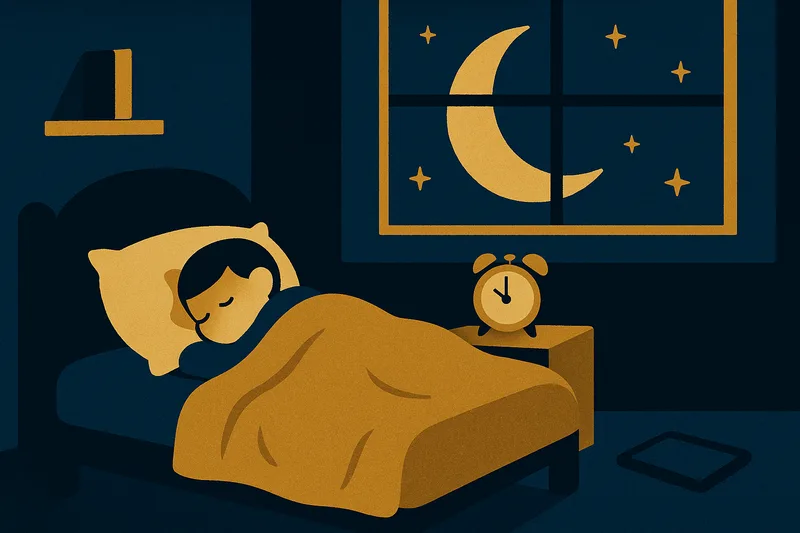
До звонка 12 сентября: двухнедельный план, как перестроить сон ребёнка к школе
Учебный год в Египте начинается 12 сентября, и сомнологи советуют уже сейчас — а не накануне — сдвигать отход ко сну и подъём ребёнка на 15–20 минут раньше каждый день, ограничив экраны и добавив утренний свет. Полный план и рекомендованные нормы сна для каждого возраста.
23 августа 2026 г. · 6 мин. чтения
«Кеда галят» («Так неправильно»): жестокое обращение с животными — преступление по египетскому УК с 1937 года
Сосед раскладывает отравленные миски у школьной ограды, а хозяин повозки бьёт осла палкой по морде под непосильным грузом. Многие полагают, что «это всего лишь животное», а значит закон его не защищает. На самом деле статьи 355, 356 и 357 Уголовного кодекса Египта предусматривают наказание вплоть до тюрьмы за убийство, отравление и жестокое обращение с животными. Накануне Всемирного дня животных мы объясняем, что говорит закон.
3 октября 2026 г. · 6 мин. чтения