Спираль свадебных расходов в Египте: махр, шабка, квартира — и вновь зазвучавшие призывы к скромным свадьбам
От махра и шабки — свадебного золота — до квартиры и каймы, описи приданого: свадебный список в Египте вырос в финансовую гору, откладывающую мечты молодых. Спокойный разбор анатомии свадебных расходов, стоящего за ними давления общества и всё более настойчивых религиозных и общественных призывов к более простым свадьбам.
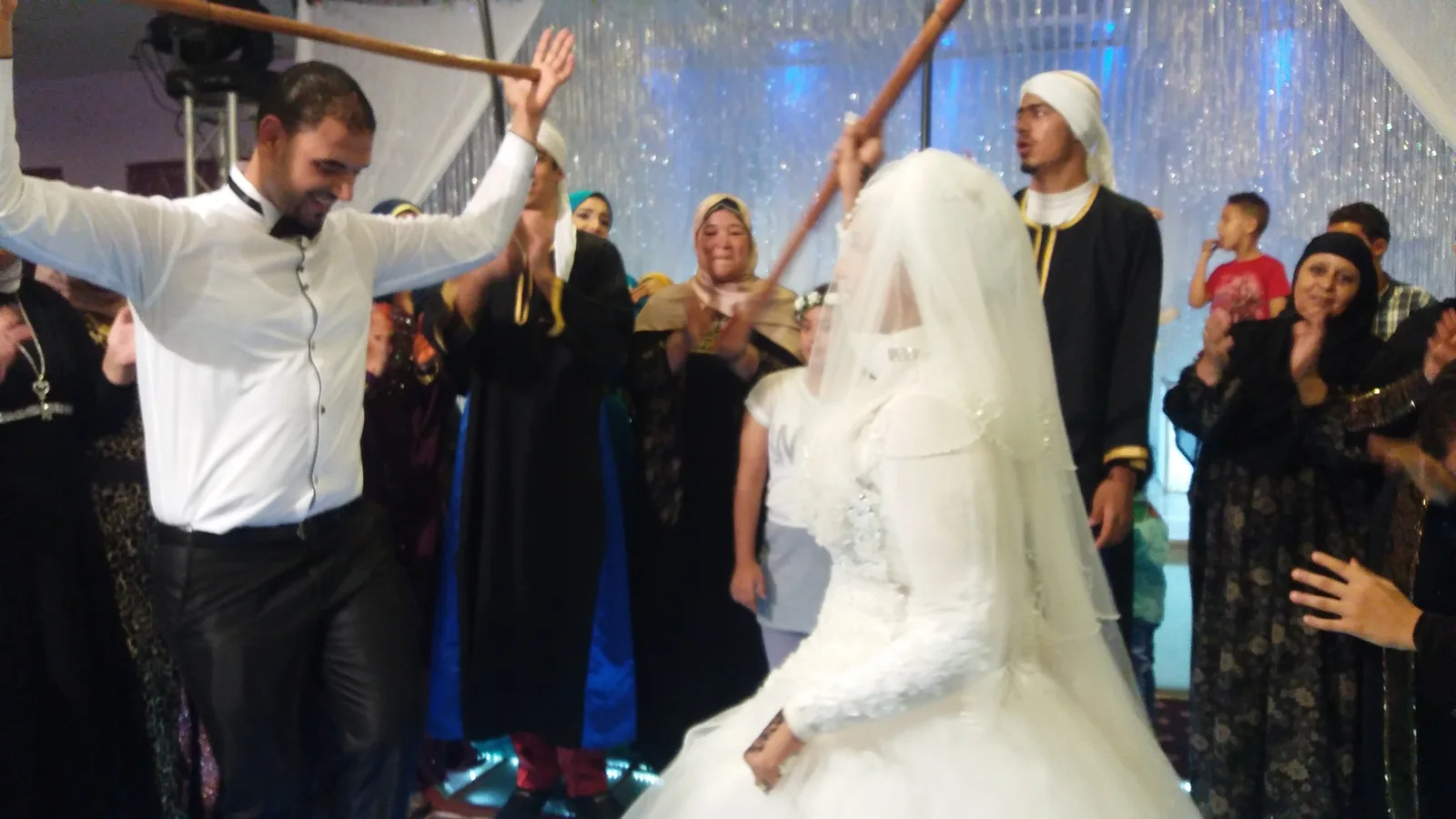
Немногие события в жизни египтян несут в себе столько радости — и столько расчётов, — сколько свадьба. Задолго до «заффы», свадебного шествия, и до банкетного зала две семьи садятся за стол переговоров, чтобы обсудить список, который тяжелеет от поколения к поколению: махр, золото, квартира, мебель, бытовая техника и, наконец, само торжество. То, что когда-то было союзом, скреплённым скромными подарками, для многих семей превратилось в финансовую гору, на подъём которой уходят годы накоплений, а разговор о цене свадьбы не стихает в стране уже несколько десятилетий.
У этого списка свой словарь. Махр — это брачный дар, который жених вручает невесте; в исламе он обязателен, но нижнего предела шариат не устанавливает. Шабка — это золото: кольца, браслеты, иногда целый гарнитур, вес которого нередко читают как меру серьёзности намерений. Затем идут квартира, мебель и техника, известные как гехаз, а во многих семьях — «кайма»: подписанная опись имущества супружеского дома, которая закрепляет за невестой права на её вещи.
Распределяет расходы обычай, а не закон, и обычай этот меняется от области к области и от сословия к сословию. В самом распространённом городском варианте жених берёт на себя квартиру и шабку, а семья невесты обставляет большую часть дома; в деревне равновесие может быть иным. В теории обсуждаем каждый пункт. На практике семьи чувствуют на себе взгляды родственников и соседей, и страх показаться скупыми — или уронить цену дочери — толкает обе стороны к пределу возможностей, а иногда и за него.
Самая тяжёлая строка списка — жильё. В Каире, Александрии и переполненных городах Дельты цена даже скромной квартиры способна поглотить долгие годы обычной зарплаты, и потому вопрос «есть ли у него квартира?» часто звучит раньше любого вопроса о характере. Одни женихи покупают квартиры без отделки и доводят их до ума комната за комнатой, другие подписывают долгие рассрочки, многие откладывают всю затею. Именно жилищный барьер, а вовсе не золото или торжество, растягивает помолвки на годы.
У самого праздника своя инфляция: банкетный зал или отель, «куша» — помост для молодожёнов, певец или диджей, съёмка, платья и костюмы, ужин на сотни гостей. Каждая из этих статей превратилась в сцену, на которой семья показывает своё положение. Социальные сети обострили сравнение: сегодня любую свадьбу снимают, выкладывают в сеть и меряют чужими. Многие отцы в узком кругу признают, что деньги, ушедшие на торжество, разумнее было бы вложить в новый дом, но мало кто решается первым сбавить размах.
Социологи и духовенство давно связывают эти расходы с медленным ростом возраста вступления в брак. Молодые люди откладывают сватовство, пока не потянут список; помолвки затягиваются и порой рушатся под давлением; семьи проедают сбережения или вступают в «гамейят» — соседские кассы взаимопомощи, чтобы собрать деньги. Ноша ложится не на одного жениха: семьи невест нередко продают землю или собственное золото, чтобы обставить дом, и оба семейства могут начать супружескую жизнь уже в долгах.
Религиозные институты Египта призывают к умеренности не первое поколение. Мусульманские богословы ссылаются на хадис о том, что самый благословенный брак — тот, что обходится дешевле всего; пятничные проповеди регулярно призывают семьи снижать махр и запросы, а коптские священники наставляют помолвленных в том же духе. Религиозное послание неизменно: брак — это союз и ответственность, а не витрина, и делать его недоступным для молодых само по себе есть общественный вред.
Альтернативы существуют, и их становится больше. Благотворительные общества по всей стране устраивают коллективные свадьбы, разом обеспечивая десятки пар всем необходимым для дома; во многих мухафазах это давняя традиция. Некоторые семьи теперь открыто объявляют, что довольствуются символическим махром или вовсе отказались от каймы, и подают такой выбор как знак доверия, а не как уступку. Публичные фигуры и проповедники, которые хвалят скромные свадьбы, срывают в интернете широкие аплодисменты — знак того, что разговор меняется, даже если обычаи движутся медленно.
Тем, кто женится сегодня, консультанты повторяют один и тот же совет: расставьте в списке приоритеты. Крепкая квартира и необходимая мебель прослужат браку десятилетия, а одна роскошная ночь — нет. Откровенно обсудить бюджет до помолвки, не поддаваться постатейному соревнованию с двоюродными братьями и коллегами, договориться, что золото можно докупить позже, — вот способы, которыми семьи тихо урезают расходы без публичных ссор. Те, у кого это получилось, потом говорят почти одно и то же: люстры не помнит никто.
Ничто из этого не умаляет красоты египетской свадьбы — барабанного боя заффы, ликующих возгласов женщин, слияния двух больших семей в одну. Но вопрос, который общество задаёт самому себе, звучит не так: праздновать или нет? Он звучит иначе: какой ценой? И кто остаётся за порогом всякий раз, когда цена растёт? Брак, как говорит любая бабушка, держится на понимании, а не на описях имущества, и дольше всего стоят те дома, что начинались вовсе не с самого тяжёлого списка.
Материалы по теме

До «катб аль-китаб»: справка о медосмотре, обязательная по закону. Что она показывает и почему не может помешать браку
Обязательное медицинское обследование перед регистрацией брачного контракта, «катб аль-китаб», завершается справкой с QR-кодом, которую требует мазун или церковь. Что оно выявляет, сколько стоит, где проводится и почему так важно именно для Египта? Главное: почему его результат никогда не может помешать браку? Спокойное руководство для тех, кого тревожит мысль «а вдруг у меня что-то найдут».
12 сентября 2026 г. · 9 мин. чтения

До звонка 12 сентября: двухнедельный план, как перестроить сон ребёнка к школе
Учебный год в Египте начинается 12 сентября, и сомнологи советуют уже сейчас — а не накануне — сдвигать отход ко сну и подъём ребёнка на 15–20 минут раньше каждый день, ограничив экраны и добавив утренний свет. Полный план и рекомендованные нормы сна для каждого возраста.
23 августа 2026 г. · 6 мин. чтения
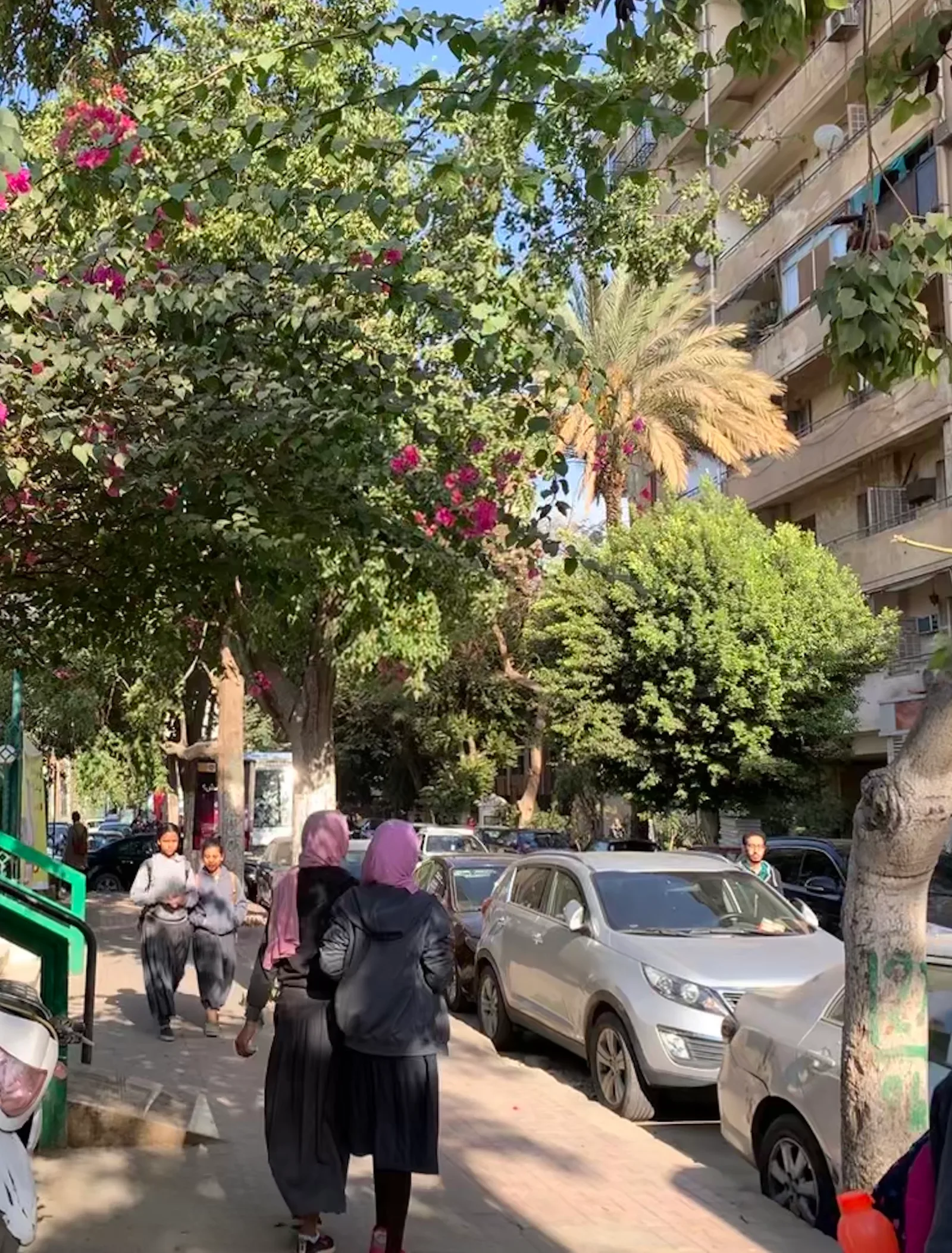
В школу с умом: как спланировать семейный бюджет к 12 сентября
Учебный год в Египте начинается 12 сентября. Практический гид по школьному бюджету: официальные размеры взносов, ревизия того, что осталось с прошлого года, приоритеты покупок, реальные способы сэкономить — и как обуздать самую затратную статью, частных репетиторов.
18 августа 2026 г. · 6 мин. чтения