Воспитание детей в эпоху экранов: что на самом деле рекомендуют педиатрические организации
Между паникой и капитуляцией мировые педиатрические организации предлагают спокойные, научно обоснованные рекомендации о детях и экранах: что на самом деле говорят возрастные ограничения, почему сон важнее всего, почему содержание важнее подсчёта минут и как на практике работает семейный медиаплан.
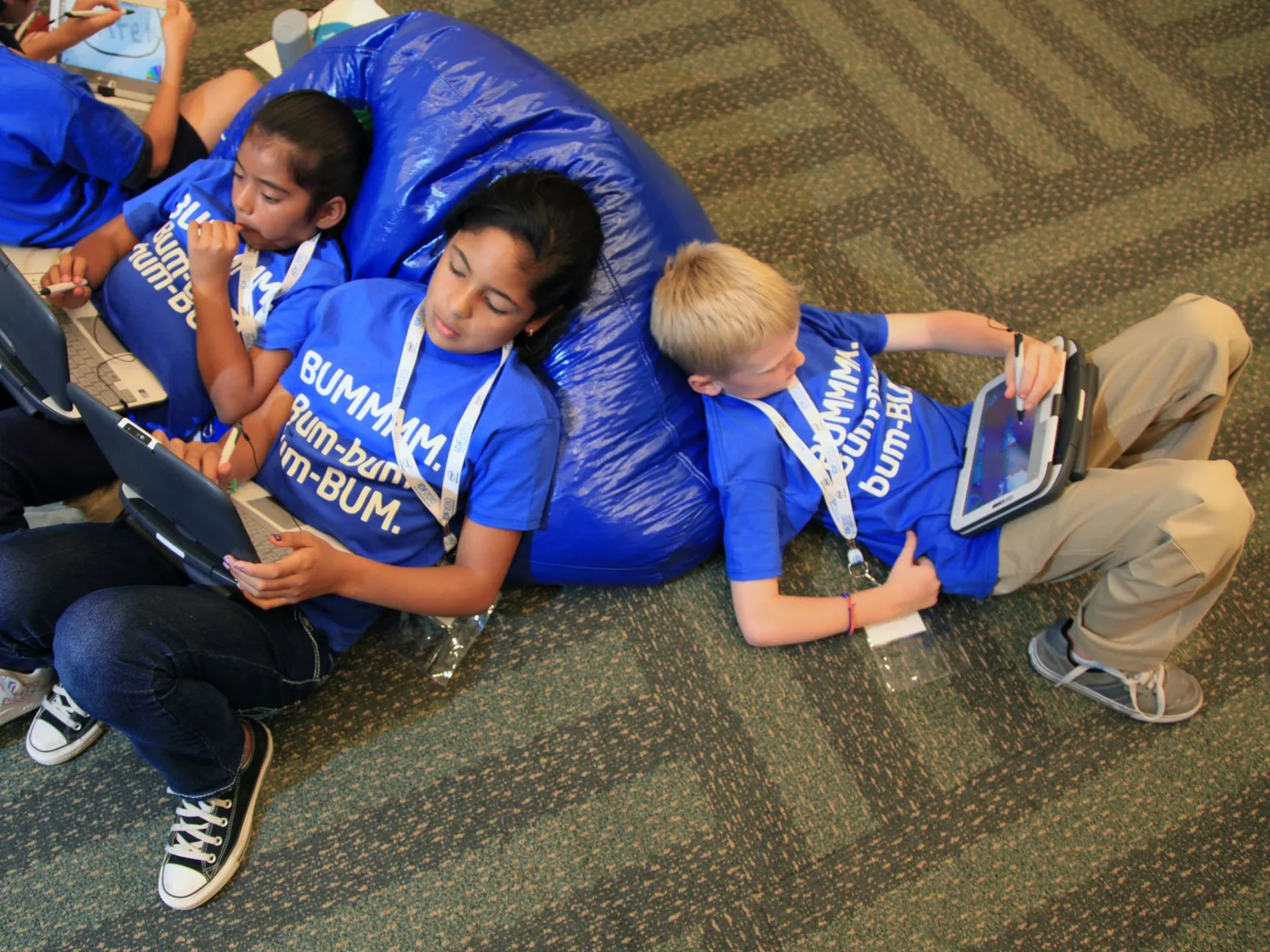
Мало какие вопросы воспитания вызывают в египетских домах столько ежедневных трений, как экран: телефон, которым успокаивают малыша на семейном застолье, планшет, покупающий матери или отцу час тишины, телевизор, работающий весь вечер. Между голосами, объявляющими экраны катастрофой, и теми, кто отмахивается от любой тревоги, родители заслуживают чего-то большего, чем лозунги. Крупнейшие педиатрические организации мира — в том числе Всемирная организация здравоохранения и Американская академия педиатрии — изучили данные и выпустили практические рекомендации: они спокойнее и полезнее, чем можно подумать, слушая этот шум.
Для младенцев и детей примерно до двух лет рекомендация звучит предельно ясно: почти полностью избегать экранных медиа, с одним тёплым исключением — живыми видеозвонками с бабушками, дедушками и роднёй. Дело не в том, что экраны источают некий загадочный вред, а в том, что младенец учится языку и мышлению у живых человеческих лиц, голосов и взаимного общения, и лабораторные исследования раз за разом показывают: из видео он усваивает крайне мало. Каждый час перед экраном в этом возрасте — час, отнятый у того взаимодействия, которое действительно строит мозг.
Для детей от двух до пяти лет чаще всего называют потолок около одного часа в день, и Всемирная организация здравоохранения прямо добавляет: чем меньше, тем лучше. Тип содержания важен не меньше его количества: спокойные по темпу, хорошо продуманные образовательные программы, которые смотрят вместе со взрослым, проговаривающим происходящее на экране, — это совсем другой мир, нежели бесконечный поток роликов, подаваемых алгоритмами. В этом возрасте отец или мать, сидящие рядом с ребёнком, называющие, спрашивающие и смеющиеся, превращают пассивный просмотр в нечто близкое к совместному чтению.
Что до школьников и подростков, педиатрические организации больше не настаивают на одном волшебном числе минут: они рекомендуют устойчивые семейные правила, выстроенные вокруг приоритетов — достаточный для возраста сон, не менее часа движения в день, время на уроки, еду и семейную жизнь лицом к лицу, а экранам достаётся то, что останется. Американская академия педиатрии призывает семьи составлять письменный «семейный медиаплан», чтобы правила были согласованы заранее, а не пересматривались в еженощных баталиях.
Самые убедительные и последовательные данные касаются сна. Вечерние экраны отодвигают отход ко сну, исходящий от них свет подавляет мелатонин — гормон, который сообщает телу, что пора спать, — а возбуждение от игр и роликов довершает дело. Практические правила просты и в большинстве рекомендаций не подлежат торгу: ни телевизора, ни телефона в детской спальне; все экраны выключены примерно за час до сна; устройства заряжаются ночью вне комнаты. Ребёнок, который хорошо спит, выигрывает от одной этой привычки больше, чем от множества других мер вместе взятых.
То, что ребёнок смотрит, важно не меньше, чем то, сколько он смотрит. Лихорадочный контент с частой нарезкой приучает внимание постоянно ждать нового; жестокий контент во множестве исследований связан с агрессивностью; а рекомендательные алгоритмы созданы, чтобы продлевать просмотр, а не служить развитию ребёнка. Выбор конкретных передач вместо бесконечного автовоспроизведения, детские профили и родительский контроль как несовершенные помощники и, главное, совместный просмотр с обсуждением увиденного — всё это перевешивает чашу весов с интересов платформы на интересы семьи.
Есть и тихий виновник, заслуживающий отдельной остановки: телевизор, работающий фоном весь день. Исследования показали, что фоновый телевизор снижает количество и качество разговоров родителей с ребёнком и прерывает игру малышей — а именно эти два занятия и учат ребёнка прежде всего. Лекарство не стоит ничего: выключайте телевизор, когда его никто в самом деле не смотрит, и оставляйте время еды свободным от экранов для всех. Тихая комната, где взрослый беседует с ребёнком, — куда более богатый класс, чем кажется.
Исследователи всё чаще описывают проблему понятием «вытеснение»: вред экранов состоит прежде всего в том, что они собой замещают. Детству нужны свободная игра, движение, скука, рождающая воображение, бумажные книги и прежде всего разговор — тот обмен, где ребёнок говорит, а взрослый отвечает, который наука о языке считает двигателем роста словарного запаса. Семье, которая всё это обеспечивает, незачем паниковать из-за разумного экранного времени; семье, которая это утратила, не возместят потерю и самые совершенные обучающие приложения.
Привычки самих родителей — тоже часть рецепта. Дети копируют то, что видят, и отец, уткнувшийся в телефон за ужином, учит красноречивее любого громко объявленного правила. Педиатрические рекомендации предостерегают и от того, чтобы делать экран автоматическим средством от каждой вспышки гнева: ребёнку нужно тренироваться переносить скуку и разочарование, а устройство, стирающее любой неприятный момент, стирает вместе с ним и саму тренировку. Случайный просмотр в долгой дороге — это жизнь; машинальное обращение к экрану в каждую минуту тишины — привычка, которую стоит сломать, и начинать здесь следует взрослым.
Практический путь для семьи — не запрет и не капитуляция, а ясная договорённость: зоны без экранов, такие как спальни и обеденный стол; время без экранов, например час перед сном; содержание, которое выбирают, а не то, куда сносит течением; и заранее готовые привлекательные альтернативы — мяч, цветные карандаши, дело на кухне, сказка. Перемены идут мягче постепенно, чем через внезапный запрет, а видеозвонки далёким родственникам остаются желанными в любом возрасте. Экран — инструмент в доме; и условия ему диктует семья, а не алгоритм.
Материалы по теме
До «катб аль-китаб»: справка о медосмотре, обязательная по закону. Что она показывает и почему не может помешать браку
Обязательное медицинское обследование перед регистрацией брачного контракта, «катб аль-китаб», завершается справкой с QR-кодом, которую требует мазун или церковь. Что оно выявляет, сколько стоит, где проводится и почему так важно именно для Египта? Главное: почему его результат никогда не может помешать браку? Спокойное руководство для тех, кого тревожит мысль «а вдруг у меня что-то найдут».
12 сентября 2026 г. · 9 мин. чтения
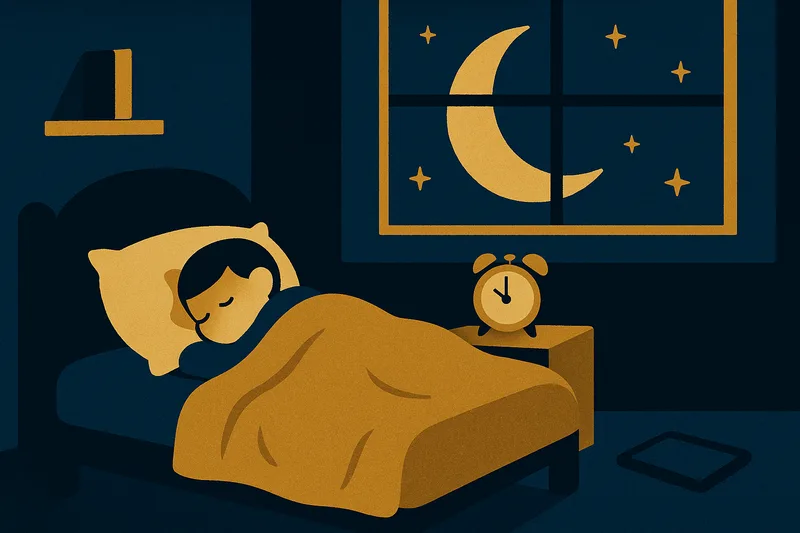
До звонка 12 сентября: двухнедельный план, как перестроить сон ребёнка к школе
Учебный год в Египте начинается 12 сентября, и сомнологи советуют уже сейчас — а не накануне — сдвигать отход ко сну и подъём ребёнка на 15–20 минут раньше каждый день, ограничив экраны и добавив утренний свет. Полный план и рекомендованные нормы сна для каждого возраста.
23 августа 2026 г. · 6 мин. чтения
В школу с умом: как спланировать семейный бюджет к 12 сентября
Учебный год в Египте начинается 12 сентября. Практический гид по школьному бюджету: официальные размеры взносов, ревизия того, что осталось с прошлого года, приоритеты покупок, реальные способы сэкономить — и как обуздать самую затратную статью, частных репетиторов.
18 августа 2026 г. · 6 мин. чтения