Kutoka Malalamiko hadi Sheria: Safari ya Suala la Mwananchi Ndani ya Bunge la Misri
Kutoka malalamiko ya maandishi hadi Kamati ya Mapendekezo na Malalamiko, kisha ombi la taarifa, swali la kibunge, na wakati mwingine sheria mpya: mwongozo wa hatua kwa hatua wa njia rasmi iliyothibitishwa ambayo suala la mwananchi hupitia ndani ya Bunge la Misri.

Bomba la maji lililopasuka, shule isiyo na nafasi, pensheni isiyowahi kufika: kila siku matatizo ya kawaida yanamsukuma raia wa Misri kwenye swali lilelile — ni nani ndani ya dola anayeweza kweli kurekebisha jambo hili? Mojawapo ya majibu ya kikatiba ni bunge. Njia kutoka malalamiko ya raia hadi jalada la kamati, hadi jibu la waziri, na wakati mwingine hadi mabadiliko ya sheria yenyewe, imeandikwa katika katiba na katika kanuni za ndani za bunge. Maelezo haya yanafuata njia hiyo hatua kwa hatua, kwa mpangilio ambao suala halisi hupitia.
Mahali pa kuanzia ni Katiba ya 2014, inayompa kila raia haki ya kuziandikia mamlaka za umma, na inayoainisha kazi mbili pacha za bunge: kutunga sheria na kuisimamia serikali inayozitekeleza. Bunge la Misri lina mabaraza mawili. Baraza la Wawakilishi lina mamlaka ya maamuzi: kupitisha sheria, kuidhinisha bajeti, kuwahoji mawaziri na, katika hali ya mwisho kabisa, kuondoa imani kwa serikali. Baraza la Seneti, lililorejeshwa mwaka 2020, ni baraza la ushauri linalochambua na kutoa maoni kuhusu marekebisho ya katiba, mikataba ya kimataifa na miswada inayopelekwa kwake. Suala la raia linaweza kujitokeza katika baraza lolote kati ya hayo mawili, lakini nyenzo zenye nguvu ya kulazimisha ziko katika Baraza la Wawakilishi.
Mlango wa moja kwa moja zaidi ni mbunge aliyechaguliwa katika jimbo lako. Wabunge hufungua ofisi majimboni mwao na kuitisha mikutano ya hadhara hasa ili kukusanya kesi za aina hii. Mbunge anayelibeba suala anaweza kulipeleka kwa wizara husika kwa njia isiyo rasmi; likikosa majibu, hulipandisha kwa nyenzo rasmi za kibunge. Unaweza pia kumpita mbunge mmoja mmoja na kuwasilisha malalamiko ya maandishi moja kwa moja bungeni, ukimwandikia spika; dhamana ya katiba ya kuziandikia mamlaka za umma inagusa hasa njia hii.
Ndani ya Baraza la Wawakilishi kuna kamati ambayo kazi yake yote ni mzunguko huu: Kamati ya Mapendekezo na Malalamiko. Hupokea maombi na malalamiko kutoka kwa wananchi, huyapanga, na hupeleka kila moja kwa wizara au taasisi husika ikiomba majibu. Kisha kamati hufuatilia yanayorudi, na masuala yenye maana pana zaidi yanaweza kupelekwa kwenye kamati maalum inayohusika: elimu, afya, makazi na nyinginezo. Lalamiko moja mara chache hubadilisha sera, lakini mkusanyiko wa malalamiko yanayofanana yanayofika mezani pamoja ni mojawapo ya njia ambazo bunge hugundua tatizo la kimfumo.
Mbunge anapoamua kulisukuma suala hadharani, kanuni za ndani hutoa nyenzo za usimamizi zenye ngazi mbalimbali. Ombi la taarifa huelekeza macho ya serikali kwenye jambo la dharura lenye umuhimu kwa umma, na linaweza kujadiliwa katika kikao cha bunge zima. Swali la kibunge ni mahususi zaidi: huelekezwa kwa waziri fulani, waziri analazimika kujibu, na swali pamoja na jibu huingia katika kumbukumbu rasmi. Nyenzo hizi hazimwadhibu mtu yeyote, lakini zinalazimisha jibu la hadharani lililorekodiwa — na mara nyingi huo ndio msukumo hasa unaohitajika na suala la kienyeji lililokwama.
Silaha nzito zaidi ya usimamizi ni hoja rasmi ya kumhoji waziri hadharani, ambayo kwa vitendo ni tuhuma ya wazi dhidi ya waziri au dhidi ya serikali kwa uzembe mkubwa. Hujadiliwa katika kikao cha bunge zima na inaweza kuishia, kwa taratibu maalum, katika kura ya kuondoa imani. Bunge linaweza pia kuunda kamati za uchunguzi ili kuchunguza jalada fulani, zikiwa na mamlaka ya kukusanya ushahidi na kuwaita maafisa. Nyenzo hizi hutumiwa kwa uchache, na uchache wao ni sehemu ya uzito wao; masuala mengi ya wananchi hutatuliwa mapema zaidi katika mnyororo, katika ngazi ya kupeleka kwa mamlaka husika, ombi la taarifa au swali.
Lakini matatizo mengine hakuna waziri anayeweza kuyatatua, kwa sababu kikwazo ni sheria yenyewe. Hapo ndipo suala linapotakiwa kugeuka kuwa sheria mpya. Katiba inampa rais wa jamhuri, serikali na kila mjumbe wa Baraza la Wawakilishi haki ya kupendekeza sheria. Miswada inayowasilishwa na serikali au na angalau moja ya kumi ya wajumbe hupelekwa moja kwa moja kwenye kamati maalum zinazohusika, ilhali pendekezo la mjumbe mmoja hupitiwa kwanza na kamati ya pekee kabla ya kuendelea njia hiyohiyo. Kwa vitendo, sheria nyingi zinazopitishwa huanza kama miswada ya serikali; lakini mapendekezo ya wabunge, ambayo mara nyingi huzaliwa kutokana na malalamiko yaliyorundikana na kazi ya huduma majimboni, ni njia inayotambulika ambayo kwayo dhuluma aliyoipata raia inaweza kugeuka kuwa maandishi ya sheria.
Kila pendekezo au mswada huenda kwanza kwenye kamati, na hapo ndipo sehemu kubwa ya kazi halisi hufanyika. Kamati ya Masuala ya Kikatiba na Kisheria huchunguza uzingatiaji wa katiba na uandishi wa maneno, ilhali kamati maalum ya sekta husika huchambua maudhui, huendesha majadiliano, na inaweza kuzisikiliza wizara, wataalamu na makundi yaliyoathirika. Kisha kamati huandika ripoti inayopendekeza kukubali, kurekebisha au kukataa. Miswada inayokufa mara nyingi hufia hapa, kimyakimya; ile inayosonga mbele hufika ukumbi wa bunge zima ikiwa na ripoti yenye sababu, inayoweka mfumo wa mjadala ambao wajumbe wote watashiriki.
Katika kikao cha bunge zima, baraza hujadili mswada kwanza kwa msingi wake, kisha kifungu baada ya kifungu, huku wajumbe wakipendekeza marekebisho na kupiga kura kwa kila moja. Sheria ya kawaida hupitishwa kwa wingi wa kura ndani ya kanuni maalum za akidi, ilhali sheria zinazokamilisha katiba zinahitaji theluthi mbili ya wajumbe wote. Pale suala linapoingia katika mamlaka ya ushauri ya Baraza la Seneti, baraza la pili huchambua maandishi na kurudisha maoni yake. Mara tu kura ya mwisho inapopigwa, maandishi yaliyopitishwa na Baraza la Wawakilishi hukaa imara, na sehemu ya bunge katika safari hii huwa imekaribia kukamilika.
Kisha sheria iliyopitishwa huenda kwa rais wa jamhuri, ambaye anaweza kuisaini au kuirudisha na pingamizi ndani ya siku thelathini. Baraza la Wawakilishi likiipitisha tena kwa theluthi mbili, inakuwa sheria hata hivyo. Hatua ya mwisho isiyoepukika ni kuchapishwa katika Gazeti Rasmi la serikali, na baada ya hapo sheria huanza kutumika katika tarehe inayoitaja yenyewe. Ni wakati huo tu ndipo safari inapokuwa imeisha kweli: kile kilichoanza kama malalamiko ya maandishi au swali katika kamati sasa ni kanuni yenye nguvu ya kisheria ambayo mahakama na taasisi za serikali zinapaswa kuitekeleza.
Kwa raia, ramani hii inatoa mafunzo mawili ya vitendo. La kwanza: usahihi husaidia. Lalamiko lenye majina, tarehe, nyaraka na ombi lililo wazi husafiri mbali zaidi kuliko manung'uniko ya jumla, katika kila hatua, kuanzia ofisi ya jimbo hadi ukumbi wa kamati. La pili: weka matarajio yako katika uhalisia. Malalamiko mengi mno hutatuliwa, au hayatatuliwi, kwa njia ya kiutawala kupitia kupeleka kwa mamlaka husika na kufuatilia; ni sehemu ndogo tu ya masuala inayohitaji sheria mpya. Lakini njia kamili ipo, imeandikwa katika nyaraka za wazi, na kuijua ni aina ya nguvu ya kiraia yenyewe: raia anayejua hatua inayofuata anaweza kusisitiza ifanyike.
Habari Zinazohusiana
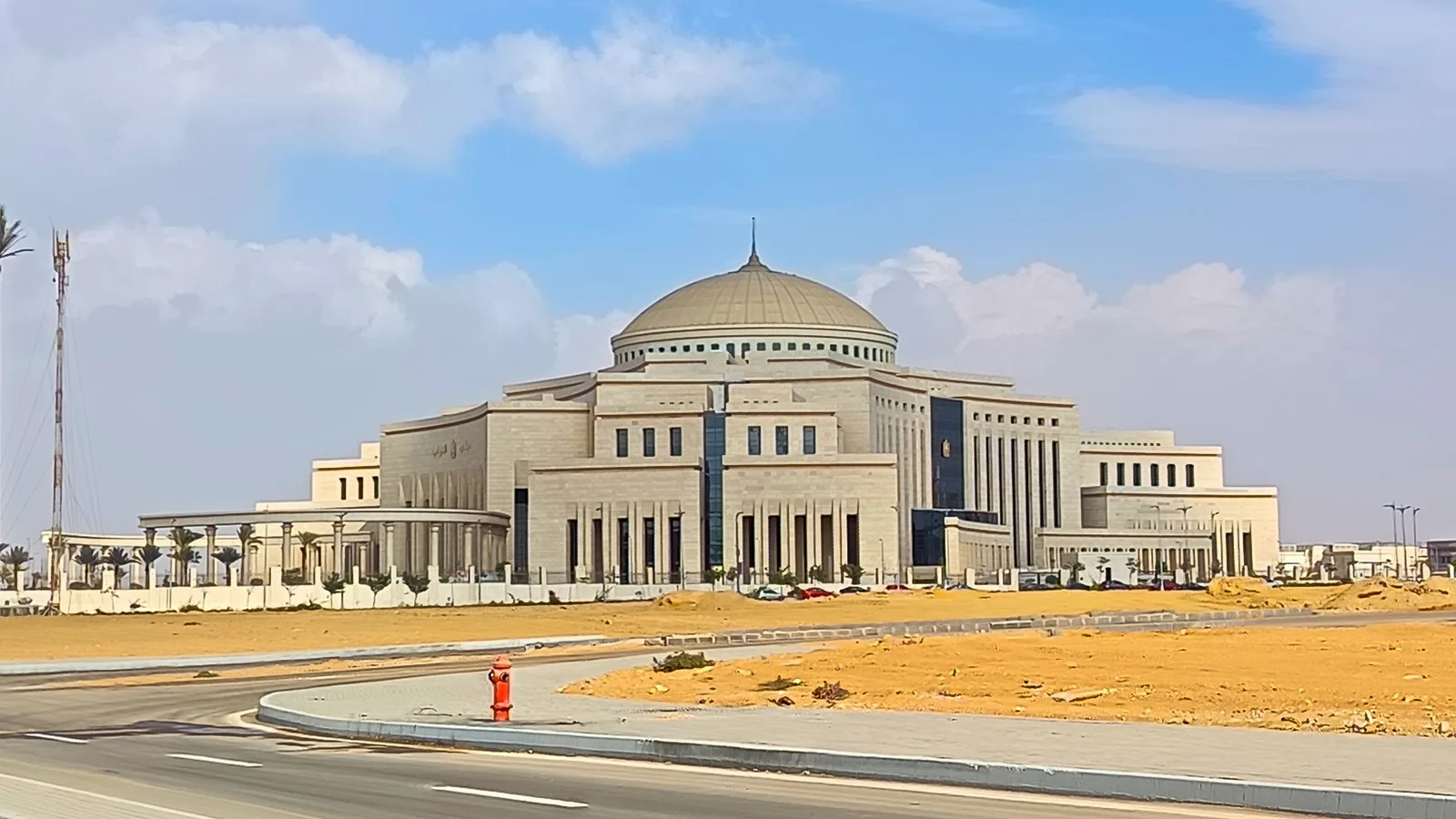
Jicho la Bunge Juu ya Serikali: Kutoka Ombi la Taarifa ya Dharura hadi Kuondoa Imani — Zana za Usimamizi Kama Katiba Ilivyozichora
Kutoka swali analoulizwa waziri hadi hoja ya kumhoji inayoweza kuiangusha serikali nzima: safari ya vitendo ndani ya sanduku la zana za usimamizi wa kibunge kama zilivyoainishwa na Katiba ya 2014 na marekebisho ya 2019, tofauti kati ya mamlaka ya Baraza la Wawakilishi na yale ya Seneti, na jinsi wewe mwenyewe unavyoweza kufuatilia yanayoendelea chini ya kuba la Bunge.
6 Septemba 2026 · 7 dakika za kusoma
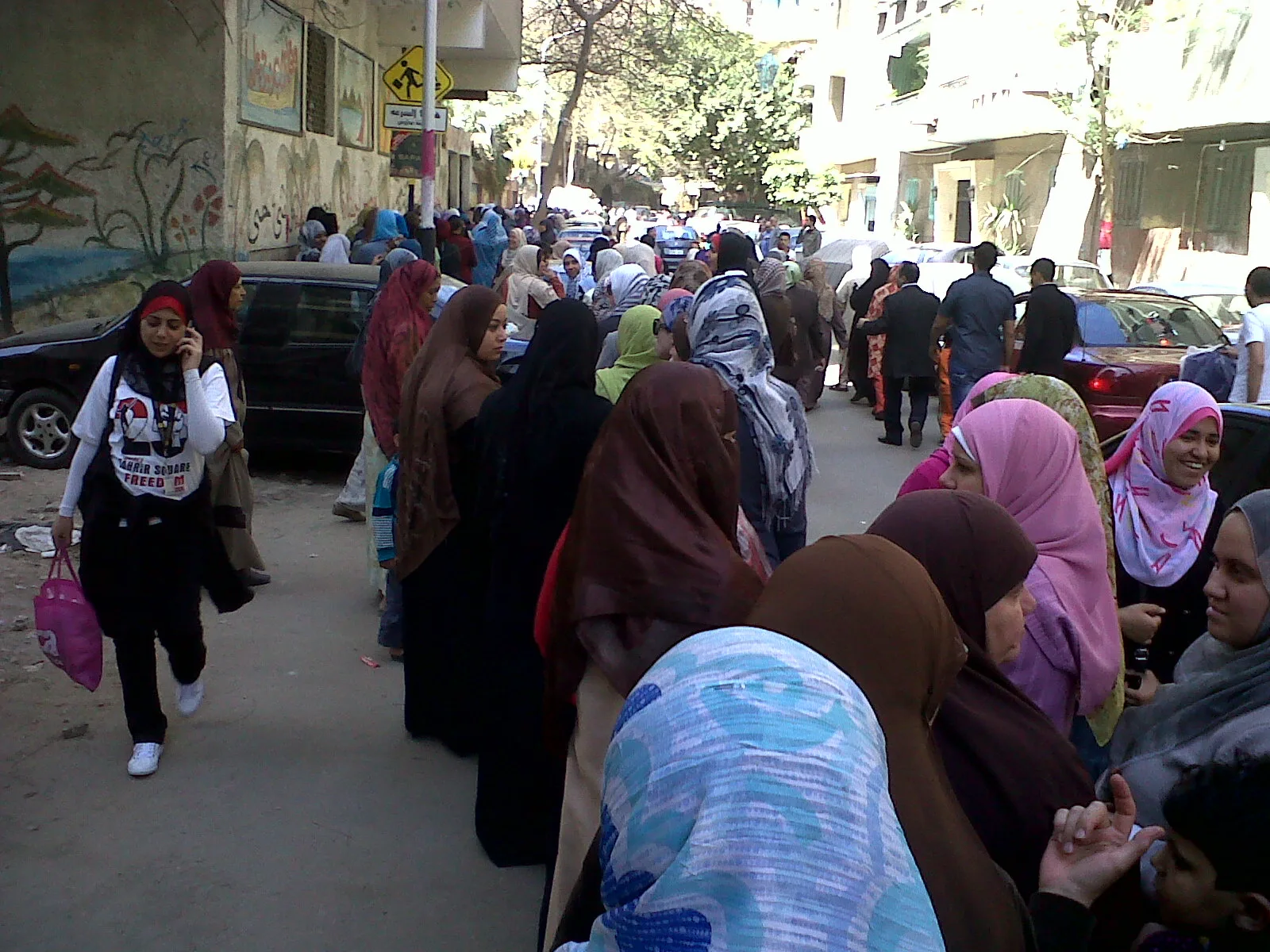
Baraza la Seneti la Misri 2026: Hakuna Uchaguzi Mwaka Huu — Mwongozo kwa Wapigakura
Hakuna uchaguzi wa Baraza la Seneti uliopangwa nchini Misri mwaka 2026: baraza la sasa lilichaguliwa Agosti 2025 kwa muhula wa miaka mitano, na uchaguzi ujao unatarajiwa mwaka 2030. Mwongozo usioegemea upande wowote kuhusu mfumo wa viti, sifa za kupiga kura, vituo vya kupigia kura, na utangazaji wa matokeo.
20 Agosti 2026 · 7 dakika za kusoma
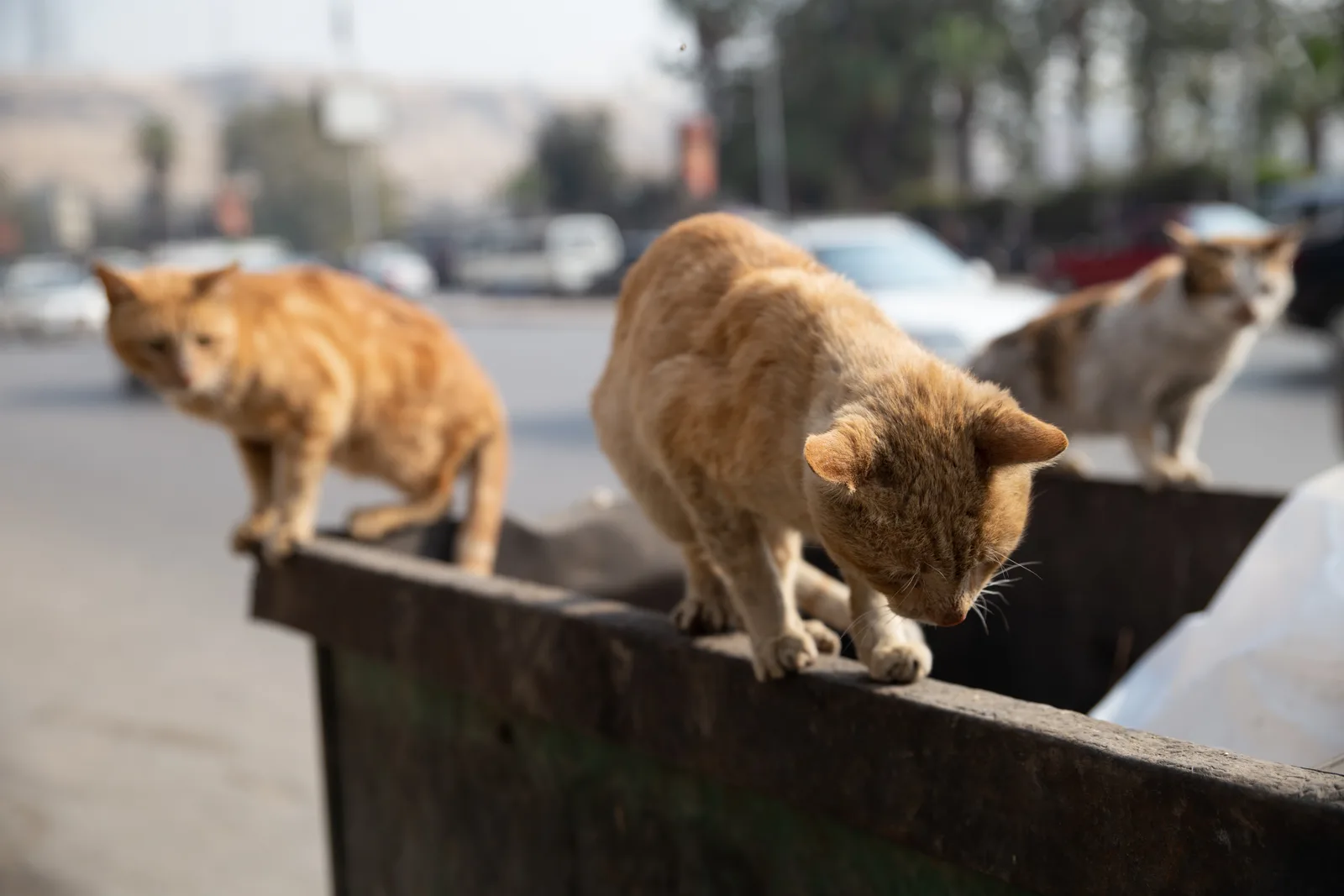
«Keda Ghalat» (Hii Si Sawa): Kudhuru Wanyama ni Kosa la Jinai Chini ya Sheria ya Adhabu ya Misri Tangu 1937
Jirani anaweka bakuli za sumu karibu na ukuta wa shule, na mmiliki wa mkokoteni anampiga punda wake usoni chini ya mzigo mzito kupita kiasi. Wengi hudhani «ni mnyama tu» maana yake hakuna sheria inayomlinda. Ukweli ni kwamba Ibara za 355, 356 na 357 za Sheria ya Adhabu zinaadhibu kuua, kutia sumu na kudhuru wanyama kwa adhabu zinazofikia kifungo jela. Katika usiku wa kuamkia Siku ya Wanyama Duniani, tunaeleza sheria inasema nini.
3 Oktoba 2026 · 6 dakika za kusoma