Sheria ya Kodi ya Nyumba ya Misri, ya Zamani na Mpya: Hadithi ya Masoko Mawili Chini ya Paa Moja
Mamilioni ya nyumba nchini Misri ziko chini ya mikataba ya kodi ya miongo mingi yenye kodi ndogo za ishara, huku majirani zao wakilipa kwa bei za soko. Pengo kati ya sheria ya kodi ya zamani na mpya lilianzaje? Mahakama ya Katiba iliamua nini? Na sheria mpya ya kipindi cha mpito inabadilisha nini? Maelezo yenye uwiano ya misimamo ya pande zote mbili.
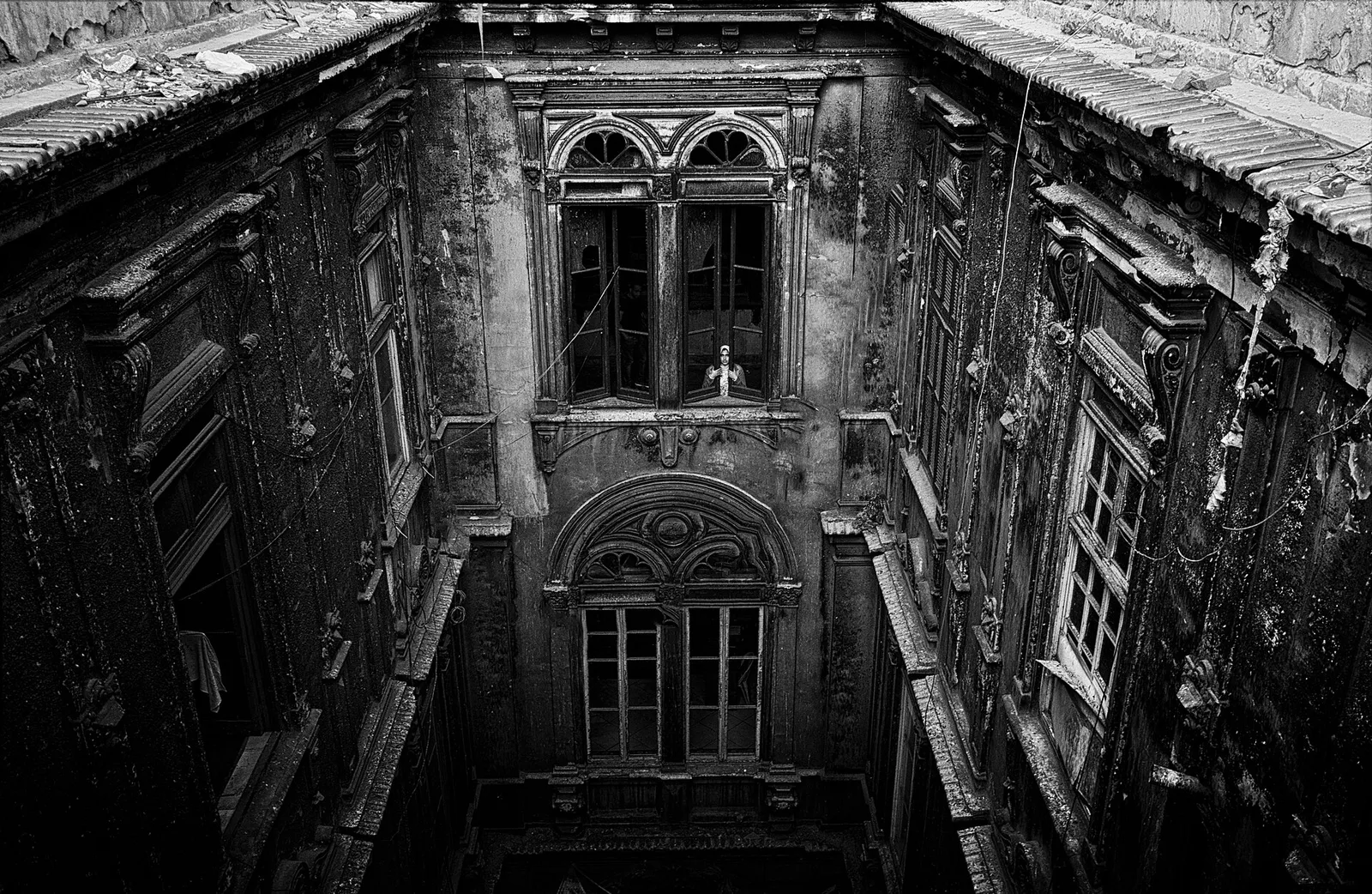
Katika jengo moja la Kairo, vyumba viwili vinavyofanana karibu kabisa vinaweza kusimulia hadithi mbili tofauti za kiuchumi. Cha kwanza kimekodishwa kwa mkataba uliotiwa saini miongo kadhaa iliyopita, kwa kiasi ambacho leo hakitoshi hata kununua sandwichi; cha pili, chenye mkataba mpya zaidi, kinagharimu maelfu ya pauni kwa mwezi kwa bei za soko. Huu ndio mpasuko kati ya mifumo ya “kodi ya zamani” na “kodi mpya” nchini Misri, mojawapo ya mafaili ya kisheria yaliyodumu muda mrefu zaidi na yenye hisia kali kuliko yote, ukigusa mamilioni ya familia pande zote mbili za uhusiano kati ya mwenye nyumba na mpangaji.
Udhibiti wa kodi ya nyumba nchini Misri ulianza kama hatua ya dharura ya wakati wa vita katika miaka ya 1940, pale uhaba wa makazi ulipoifanya kodi kuwa suala la utaratibu wa umma. Kile kilichoanza kama cha muda kikawa cha kudumu na kikapanuka katika miongo iliyofuata. Mfumo uliochora sura ya enzi ya kisasa ya “kodi ya zamani” ulikamilishwa na sheria namba 49 ya mwaka 1977 na sheria namba 136 ya mwaka 1981, ambazo ziliganda kodi katika thamani iliyoandikwa mkatabani, zikafanya mikataba ijiongeze yenyewe, na zikaruhusu kurithishwa kwa wanafamilia wa mpangaji. Mkataba wa kupanga haukuwa tena mkataba wa kipindi maalum, bali ukawa kwa hakika mpango wa vizazi.
Kwa wapangaji, mfumo wa zamani ulitoa uhakika uliokaribia umiliki bila gharama ya umiliki. Kodi haingeweza kupanda zaidi ya nyongeza ndogo za kisheria, mwenye nyumba hakuweza kuvunja mkataba apendavyo, na mpangaji wa awali alipofariki mkataba uliendelea kwa mwenzi wake au watoto waliokuwa wakiishi naye. Familia nyingi pia zililipa kiasi kikubwa cha malipo ya funguo walipoingia, na zikakielewa kama ununuzi wa haki ya kudumu. Kwa wenye nyumba, kanuni hizo hizo zilimaanisha kuwa jengo lingeweza kubaki limejaa wapangaji kwa nusu karne bila kuingiza kipato cha maana.
Kigeuzi kilikuja na sheria namba 4 ya mwaka 1996, iliyoziondoa nyumba mpya au zilizoachwa wazi na wakazi wake kutoka mfumo wa zamani na kuzirudisha kwenye kanuni za kawaida za Kanuni ya Sheria za Kiraia. Tangu tarehe hiyo, mikataba mipya hufanywa kwa uhuru: pande mbili hukubaliana kodi na muda, na muda unapokwisha mkataba nao hukoma. Tangu wakati huo Misri inaishi na masoko mawili ya upangaji yanayokwenda sambamba, moja likiwa limegandishwa katika siku zilizopita na jingine likisonga na mfumuko wa bei, na pengo kati yao linapanuka kila mwaka.
Ukubwa wa mpasuko huu umeandikwa katika takwimu rasmi. Takwimu za sensa zimehesabu nyumba za kodi ya zamani kwa mamilioni, zikiwa zimejikita katika mitaa ya kale ya Kairo, Iskandaria na miji ya Delta. Kodi zisizozidi pauni chache kwa mwezi ni jambo la kawaida katika mkusanyiko huu wa nyumba, nazo ni viwango vilivyotangulia mawimbi kadhaa ya mfumuko wa bei na mabadiliko ya sarafu. Baadhi ya wenye nyumba wanaeleza kuwa kodi wanayokusanya kwa mwaka mzima haitoshi hata kulipia safari ya kwenda kuikusanya, huku nyumba kama hiyo katika jengo la jirani ikiingiza bei za soko zinazoakisi gharama halisi ya makazi leo.
Upande wa wapangaji nao unastahili uzito sawa. Wapangaji wengi wa kodi ya zamani ni wazee waliotumia maisha yao yote ya utu uzima katika nyumba ile ile, wakalea watoto wao humo na wakapanga pensheni zao kwa kutegemea kodi iliyopangwa zamani sana. Wengine wanataja malipo ya funguo yaliyolipwa na familia zao walipoingia, ambayo yalikuwa fedha nyingi kwa wakati ule, kama ushahidi kwamba walinunua kitu zaidi ya makazi ya muda. Machoni pao, sheria ya zamani si zawadi ya bahati bali ndio msingi ambao maamuzi ya miongo mizima yalijengwa juu yake, na kuingizwa ghafla katika kodi za soko kwao kunamaanisha kufurushwa.
Athari za kiuchumi zinavuka pande hizo mbili. Kwa kuwa kodi iligandishwa, wenye nyumba hawakuwa na kichocheo cha maana cha kukarabati majengo yanayozeeka, na sehemu kubwa ya nyumba za kodi ya zamani imechakaa kwa namna inayoonekana wazi. Baadhi ya nyumba zimefungwa na hazitumiki kwa sababu wapangaji wake wanazishikilia tu kama mali ya bei rahisi, huku wageni wanaowasili mjini wakigombania nyumba chache zinazopatikana kwa kodi mpya, jambo linalopandisha bei za soko zaidi. Kwa muda mrefu wachumi wameieleza hali hii kama upotoshaji unaodhuru soko la nyumba kwa ujumla hata wakati unapolinda familia zinazoishi ndani yake.
Mabadiliko hatimaye yalikuja kupitia mahakama. Mwaka 2018, Mahakama Kuu ya Katiba iliamua kuwa kuongezwa kwa mikataba ya kodi ya zamani iliyofungwa na watu wa kisheria kama makampuni kunakiuka katiba. Kisha, mwezi Novemba 2024, mahakama ilitoa hukumu yake ya kihistoria kuhusu upangaji wa makazi, ikiona kuwa kuiganda kodi milele katika thamani yake ya kihistoria ya mkataba kunapingana na katiba. Hukumu hiyo haikumtoa mtu yeyote nyumbani kwake, bali iliwajibisha bunge kubuni mizani mpya kati ya ulinzi wa kikatiba wa umiliki na ulinzi wa kijamii wa wapangaji.
Bunge lilijibu mwaka 2025 kwa sheria inayomaliza enzi ya kodi ya zamani hatua kwa hatua, si kwa siku moja. Mikataba ya kodi ya zamani ya makazi inaendelea kwa kipindi cha mpito cha miaka saba, na ile isiyo ya makazi kwa miaka mitano; baada ya hapo mikataba hukoma na nyumba hurudi kwenye soko huria. Katika kipindi hicho cha mpito, kodi hupanda mara moja hadi mara kadhaa ya thamani yake ya zamani, ikiwa na viwango vya chini vinavyotofautiana kulingana na daraja la eneo, kisha huongezeka kila mwaka baada ya hapo. Serikali imeambatanisha hatua hiyo na ahadi za kuwapa wapangaji wanaostahili wa kodi ya zamani kipaumbele katika kupata makazi mbadala.
Mjadala kuhusu mageuzi haya unarudia ule mpasuko wa zamani wa faili hili. Wanaounga mkono wanaona kuwa haki za umiliki zilisimamishwa kwa vizazi viwili vizima, kwamba kodi za kiishara zilikuwa dhuluma ambayo katiba haiwezi tena kuistahimili, na kwamba kipindi cha mpito chenye tarehe maalum hatimaye kinawapa pande zote mbili uhakika. Wanaokosoa wanahofia wazee wenye kipato kisichobadilika, wanauliza kama makazi mbadala yatapatikana pale watu wanapoishi na kufanya kazi kwa kweli, na wanakumbusha kuwa miaka saba hupita haraka kwa familia isiyo na pa kwenda. Hoja zote mbili zinatolewa kwa nia njema, na zote mbili zinazungumzia watu halisi.
Kwa kila anayeguswa na jambo hili, hatua ya kwanza ya vitendo ni kujua ni mfumo upi unaotawala mkataba wake: tarehe ya mkataba na historia ya nyumba ndizo huamua kila kitu. Wenye nyumba na wapangaji wa kodi ya zamani wote wanapaswa kufuatilia matangazo rasmi kuhusu taratibu za utekelezaji, usajili na makazi mbadala, na kuhifadhi kila hati inayohusiana na upangaji. Maelezo ya mpito wa ukubwa huu yataendelea kufafanuliwa kupitia kanuni na hukumu za mahakama, na katika suala linaloamua familia zitaishi wapi, nyaraka rasmi na ushauri wa kisheria wenye sifa hushinda uvumi kila wakati.
Habari Zinazohusiana

Sheria ya Haki za Wazee Misri: Sheria Namba 19 ya 2024 inamhakikishia nini aliyetimiza miaka 65?
Katika Siku ya Kimataifa ya Wazee tunasoma Sheria Namba 19 ya 2024 kifungu kwa kifungu: nani ni "mzee" mbele ya sheria, nani analazimika kumtunza na kwa mpangilio gani, pensheni inavyofikishwa nyumbani kwa ada isiyozidi pauni mia moja za Misri, asilimia gani ya vitanda katika nyumba za wazee lazima iwe bila malipo, adhabu ya kumtelekeza, kukataa kumtunza au kumnyonya mzee, na kanuni za utekelezaji zimefikia wapi.
1 Oktoba 2026 · 8 dakika za kusoma
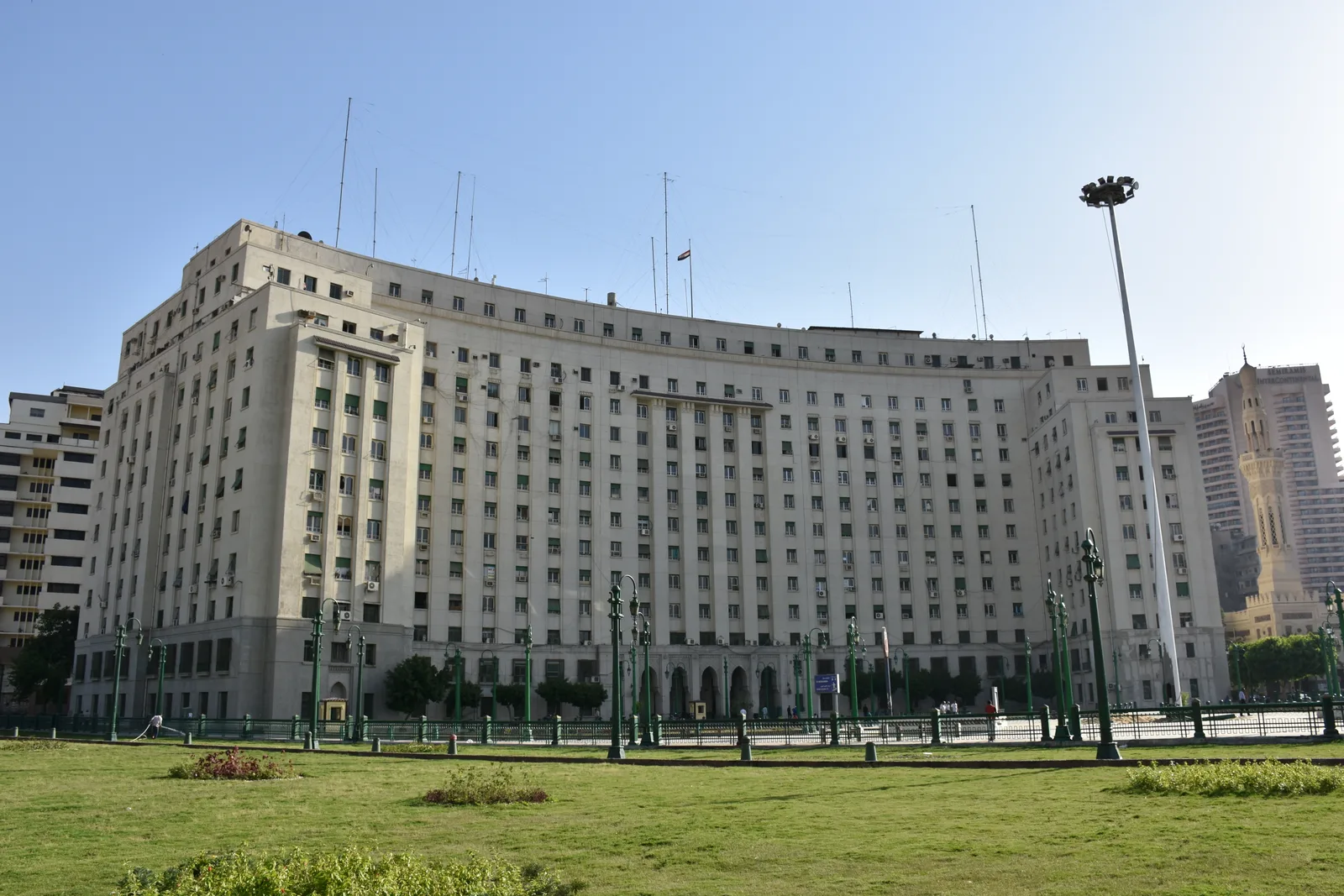
“Taarifa ni Mali ya Wananchi”: Ibara ya 68 na Sheria ya Upatikanaji wa Taarifa Inayosubiriwa Tangu 2014
Karani nyuma ya dirisha anasema “huna haki ya kujua”, lakini Katiba inasema kinyume chake, neno kwa neno. Katika mkesha wa Siku ya Kimataifa ya Upatikanaji wa Taarifa kwa Wote, tunaisoma Ibara ya 68 neno kwa neno, tunafuatilia rasimu za sheria kuanzia 2013 hadi 2026, na tunaeleza yana maana gani kwa mwananchi anayeomba hati kutoka ofisi ya serikali — kabla Bunge halijafungua kikao chake kipya mwezi Oktoba.
27 Septemba 2026 · 7 dakika za kusoma

«Keda Ghalat» (Hii Si Sawa): Kudhuru Wanyama ni Kosa la Jinai Chini ya Sheria ya Adhabu ya Misri Tangu 1937
Jirani anaweka bakuli za sumu karibu na ukuta wa shule, na mmiliki wa mkokoteni anampiga punda wake usoni chini ya mzigo mzito kupita kiasi. Wengi hudhani «ni mnyama tu» maana yake hakuna sheria inayomlinda. Ukweli ni kwamba Ibara za 355, 356 na 357 za Sheria ya Adhabu zinaadhibu kuua, kutia sumu na kudhuru wanyama kwa adhabu zinazofikia kifungo jela. Katika usiku wa kuamkia Siku ya Wanyama Duniani, tunaeleza sheria inasema nini.
3 Oktoba 2026 · 6 dakika za kusoma