Kutoka baraza la 1866 hadi Seneti ya leo: Safari ya baraza la pili la Misri katika historia
Zaidi ya karne moja na nusu iliyopita, Khedive Ismail alianzisha bunge la kwanza la uwakilishi katika Misri ya kisasa. Kutoka Seneti ya katiba ya 1923 hadi Baraza la Shura la Sadat na Seneti ya sasa, tunafuatilia safari ya baraza la pili katika historia ya kikatiba ya Misri: lilianzishwa, likafutwa, kisha likafufuliwa katika zama tatu tofauti.
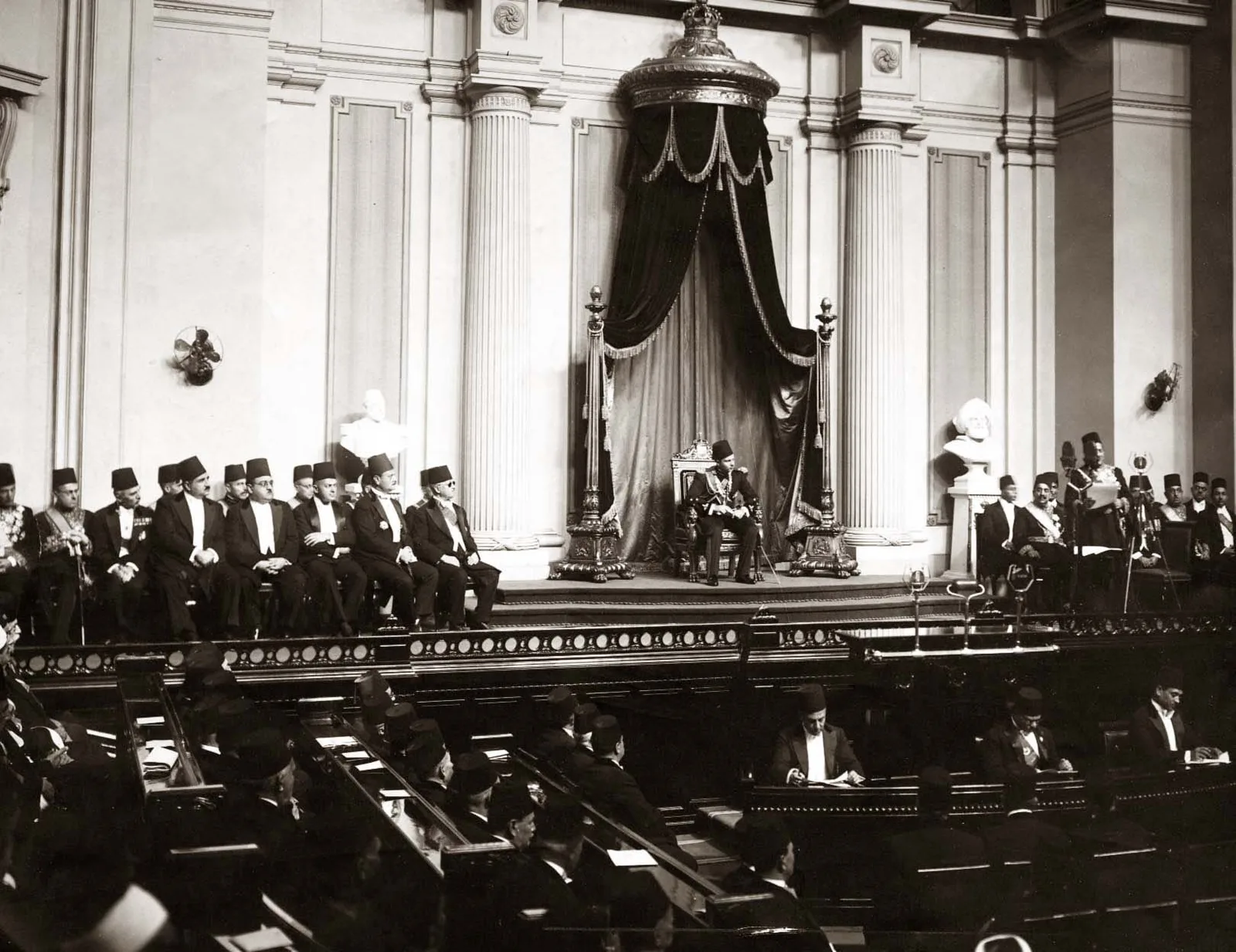
Wamisri wanapozungumzia uzoefu wao wa kibunge, wanazungumzia mmojawapo wa mifumo ya zamani zaidi nje ya Ulaya na Amerika. Zaidi ya karne moja na nusu iliyopita, mwaka 1866 hasa, Khedive Ismail alianzisha “Baraza la Ushauri la Wawakilishi”, chombo cha kwanza cha uwakilishi katika historia ya Misri ya kisasa, na hivyo kuanza hadithi ndefu yenye misukosuko ambamo baraza la pili limeandika sura za kuvutia.
Baraza la mwaka 1866 lilikuwa na wajumbe sabini na watano waliopatikana kupitia wakuu wa jamii na wakuu wa vijiji, na mamlaka yake yalikuwa ya ushauri tu. Hata hivyo, lilipanda mbegu ya wazo kwamba nchi ina sauti inayopaswa kusikilizwa katika mambo yake yenyewe. Mgogoro wa kifedha ulipozidi kuwa mbaya na uingiliaji wa kigeni ukiongezeka, baraza likawa jukwaa la madai makubwa ya kitaifa, na wimbi hilo lilifikia kilele chake katika harakati ya Urabi na dai lake la serikali inayowajibika mbele ya wawakilishi.
Baada ya ukoloni wa Uingereza mwaka 1882, maisha ya kibunge yalibanwa kwa muda mrefu, na nchi ikatosheka na vyombo vyenye mamlaka finyu, cha mwisho kikiwa Bunge la Kutunga Sheria lililoundwa muda mfupi kabla ya Vita vya Kwanza vya Dunia kisha kusimamishwa vita hivyo vilipozuka. Wakati huo huo, dai la katiba kamili na bunge kamili liliendelea kuwa hai ndani ya harakati ya kitaifa hadi mapinduzi ya mwaka 1919 yalipolipuka.
Katiba ya mwaka 1923, tunda la mapinduzi hayo, ilianzisha bunge kamili la kwanza la Misri lenye mabaraza mawili: Baraza la Wawakilishi lililochaguliwa kwa ukamilifu, na Seneti iliyochanganya wajumbe waliochaguliwa na wengine walioteuliwa na mfalme. Mjumbe wa Seneti alitakiwa kuwa na umri mkubwa zaidi na hadhi ya umma au sifa ya kimali, kwa mtindo uliokuwa umeenea wakati huo katika mabaraza ya juu duniani kote.
Katika kipindi chote cha uliberali kati ya mwaka 1923 na 1952, Seneti ilikuwa jukwaa la baadhi ya wanafikra na wanasiasa mashuhuri zaidi, na uwanja wa mvutano wa pembetatu maarufu: chama cha Wafd chenye wingi wa wananchi, kasri la kifalme, na mamlaka ya ukoloni ya Uingereza. Mabunge yalivunjwa mara kwa mara na katiba zikasimamishwa, lakini pamoja na hayo maisha ya kibunge yalibaki kuwa desturi iliyokita mizizi katika dola ya Misri.
Mapinduzi ya Julai 1952 yalimaliza kabisa mfumo uliokuwepo kabla yake: Katiba ya mwaka 1923 ilifutwa na vyama vilivyokuwepo vikavunjwa. Maisha ya kibunge yaliporejea kwa Katiba ya mwaka 1956, yalirejea kwa baraza moja tu, Bunge la Taifa, na mfumo wa baraza moja ukaendelea katika kipindi chote cha utawala wa Nasser na miaka iliyofuata mara baada yake.
Kisha marekebisho ya katiba ya mwaka 1980, wakati wa Rais Anwar Sadat, yalirudisha wazo la baraza la pili kupitia “Baraza la Shura”, ambalo theluthi mbili ya wajumbe wake walichaguliwa na theluthi moja waliteuliwa, likiwa na mamlaka ya ushauri katika masuala makubwa, pamoja na jukumu la kusimamia taasisi za habari za kitaifa kupitia Baraza Kuu la Habari.
Baraza la Shura liliishi kwa takribani miongo mitatu likiwa katika mjadala usiokoma kuhusu manufaa yake, hadi ulipofika wakati wake wa kipekee baada ya mapinduzi ya Januari 2011. Kwa mujibu wa Katiba ya mwaka 2012, na baada ya kuvunjwa kwa Baraza la Wananchi, mamlaka yote ya kutunga sheria yalihamia kwake kwa kipindi cha mpito, na hivyo likawa kwa mara ya kwanza katika historia yake mtunga sheria halisi, kabla ya kuvunjwa mwaka 2013 na kisha kufutwa kabisa na Katiba ya mwaka 2014, hali iliyoirudisha Misri kwenye mfumo wa baraza moja.
Safari hii kutokuwepo hakukudumu kwa muda mrefu. Marekebisho ya katiba yaliyoidhinishwa katika kura ya maoni ya mwaka 2019 yalirudisha baraza la pili kwa jina lake la zamani la enzi za ufalme, yaani Seneti, na uchaguzi wake wa kwanza ulifanyika mwaka 2020. Lina wajumbe mia tatu, theluthi moja yao wakiteuliwa, na lina mamlaka ya ushauri yanayohusu marekebisho ya katiba, mpango mkuu wa maendeleo, mikataba ya kimataifa, na miswada ya sheria inayopelekwa kwake.
Kulinganisha mifumo hiyo mitatu — Seneti ya mwaka 1923, Baraza la Shura la mwaka 1980, na Seneti ya mwaka 2020 — kunaonyesha uzi mmoja wazi unaounganisha yote: baraza lililokusudiwa kuleta tafakuri ya kina na utaalamu, ambalo daima huchanganya uchaguzi na uteuzi, huku kauli ya mwisho katika kutunga sheria ikibaki mikononi mwa baraza la chini lililochaguliwa kwa ukamilifu, hata kama mazingira ya kisiasa ya kila enzi yalitofautiana waziwazi.
Mjadala kuhusu mfumo wa mabaraza mawili ni wa kimataifa, si wa Misri pekee. Wanaounga mkono wanauona kama vali ya mapitio na uchunguzi, na kama uwakilishi wa utaalamu na maslahi ambayo sanduku la kura la wote si lazima liyazalishe; wanaoukosoa wanauona kama kuchelewesha utungaji wa sheria na gharama ya ziada. Katika uzoefu wa Misri, tathmini hutegemea hatimaye kile ambacho baraza hilo hutoa kwa vitendo katika tafiti na maoni yanayoacha alama katika matini za mwisho.
Hivyo basi, maseneta wa leo wanapoketi katika ukumbi wao, wanaendeleza — kwa jina na kwa wazo pia — hadithi iliyoanza zaidi ya miaka mia moja na hamsini iliyopita na Baraza la Ushauri la Wawakilishi, ikapita katika Katiba ya mwaka 1923 na Baraza la Shura la Sadat, na kuliacha baraza la pili likiwa shahidi wa mikunjo ya safari ya kikatiba ya Misri tangu karne ya kumi na tisa.
Habari Zinazohusiana
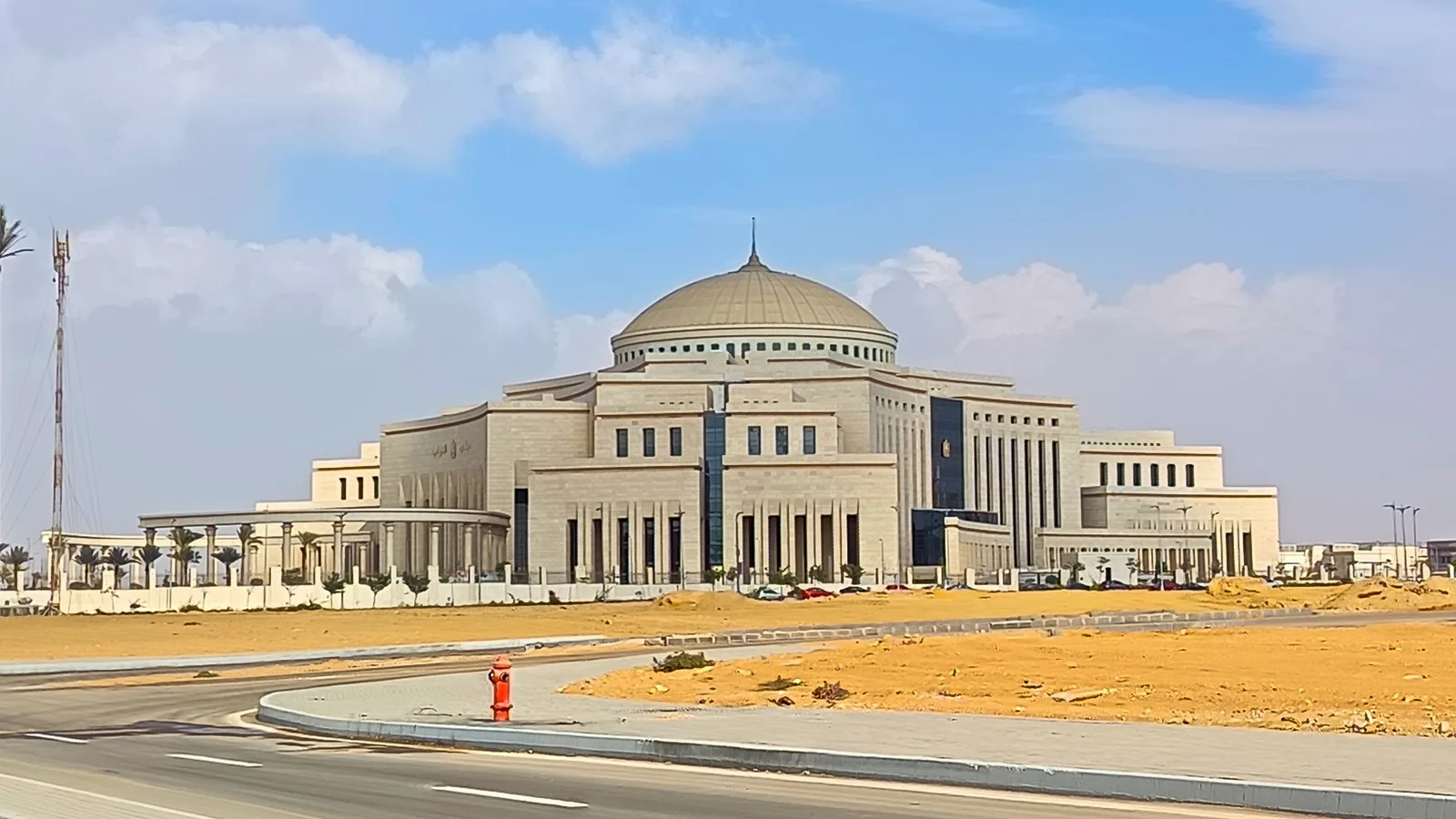
Jicho la Bunge Juu ya Serikali: Kutoka Ombi la Taarifa ya Dharura hadi Kuondoa Imani — Zana za Usimamizi Kama Katiba Ilivyozichora
Kutoka swali analoulizwa waziri hadi hoja ya kumhoji inayoweza kuiangusha serikali nzima: safari ya vitendo ndani ya sanduku la zana za usimamizi wa kibunge kama zilivyoainishwa na Katiba ya 2014 na marekebisho ya 2019, tofauti kati ya mamlaka ya Baraza la Wawakilishi na yale ya Seneti, na jinsi wewe mwenyewe unavyoweza kufuatilia yanayoendelea chini ya kuba la Bunge.
6 Septemba 2026 · 7 dakika za kusoma
Baraza la Seneti la Misri 2026: Hakuna Uchaguzi Mwaka Huu — Mwongozo kwa Wapigakura
Hakuna uchaguzi wa Baraza la Seneti uliopangwa nchini Misri mwaka 2026: baraza la sasa lilichaguliwa Agosti 2025 kwa muhula wa miaka mitano, na uchaguzi ujao unatarajiwa mwaka 2030. Mwongozo usioegemea upande wowote kuhusu mfumo wa viti, sifa za kupiga kura, vituo vya kupigia kura, na utangazaji wa matokeo.
20 Agosti 2026 · 7 dakika za kusoma
«Keda Ghalat» (Hii Si Sawa): Kudhuru Wanyama ni Kosa la Jinai Chini ya Sheria ya Adhabu ya Misri Tangu 1937
Jirani anaweka bakuli za sumu karibu na ukuta wa shule, na mmiliki wa mkokoteni anampiga punda wake usoni chini ya mzigo mzito kupita kiasi. Wengi hudhani «ni mnyama tu» maana yake hakuna sheria inayomlinda. Ukweli ni kwamba Ibara za 355, 356 na 357 za Sheria ya Adhabu zinaadhibu kuua, kutia sumu na kudhuru wanyama kwa adhabu zinazofikia kifungo jela. Katika usiku wa kuamkia Siku ya Wanyama Duniani, tunaeleza sheria inasema nini.
3 Oktoba 2026 · 6 dakika za kusoma